


Florida’s summer heat isn’t just uncomfortable – it’s downright dangerous for our furry friends. With temperatures soaring and humidity levels high, pets face serious risks like heatstroke, dehydration, and more. But don’t worry! With a few proactive steps, you can ensure your pet stays safe and happy all summer long.
1. Hydration Is Key
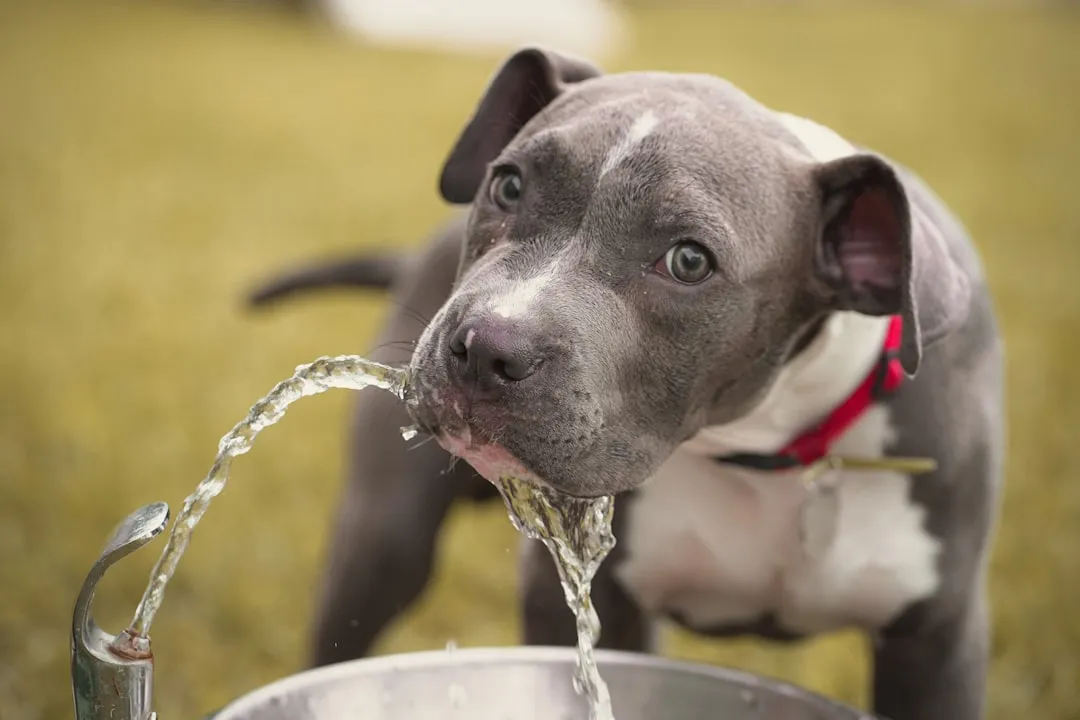
Just like us, pets need plenty of water to stay cool. Always provide fresh, clean water both indoors and outdoors. Consider adding ice cubes to their bowl to keep it cooler longer. When you’re out and about, carry a portable water dish to ensure your pet can hydrate on the go.
Dehydration can sneak up quickly. Watch for signs like dry gums, excessive panting, or lethargy. If you notice any of these, offer water immediately and consult your vet if symptoms persist.
2. Avoid Midday Walks
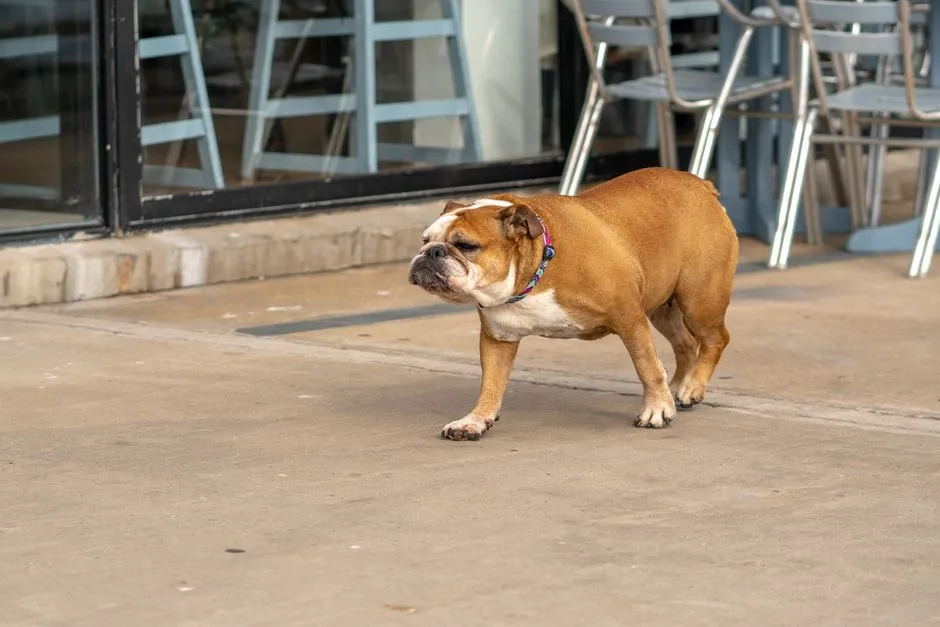
The sun’s intensity peaks between 10 a.m. and 4 p.m., making it the riskiest time for outdoor activities. Opt for early morning or late evening walks when temperatures are cooler. This not only protects your pet from overheating but also from scorching pavement that can burn their paws.
Before heading out, test the pavement with your hand. If it’s too hot for you, it’s too hot for them. Stick to grassy areas whenever possible to keep those paws safe.
3. Never Leave Pets in Parked Cars
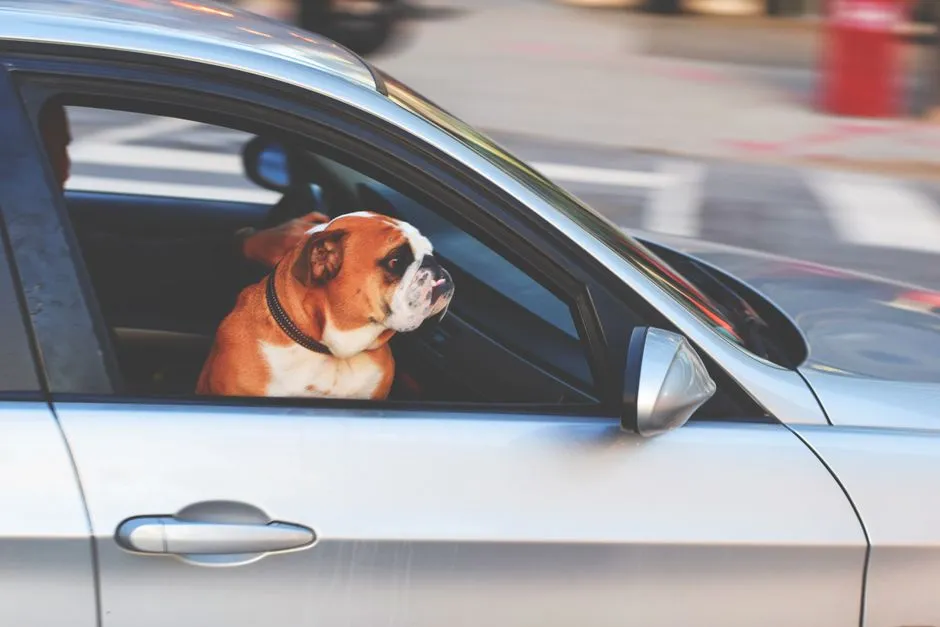
Even with the windows cracked, the temperature inside a parked car can skyrocket within minutes. On a 90°F day, the interior can reach 120°F in just 10 minutes. This can be fatal for pets left inside. If you can’t bring your pet inside with you, it’s best to leave them at home.
Remember, leaving a pet in a hot car isn’t just dangerous – it’s illegal in many places. Always prioritize their safety over convenience.
4. Provide Ample Shade and Ventilation

If your pet spends time outdoors, ensure they have access to shaded areas and proper ventilation. A tree’s shade is ideal, but if that’s not available, consider setting up a canopy or umbrella. Avoid doghouses, as they can trap heat and become stifling.
Indoors, keep the environment cool with fans or air conditioning. Ensure your pet has a comfortable, cool spot to relax away from direct sunlight.
5. Protect Against Parasites
Florida’s warm climate is a haven for fleas, ticks, and mosquitoes, which can transmit diseases like heartworm and Lyme disease. Keep your pet on year-round preventive medications to guard against these pests.
Regularly check your pet for signs of parasites, especially after they’ve been outdoors. Promptly remove any ticks and consult your vet about the best preventive measures for your pet.
6. Be Cautious with Grooming
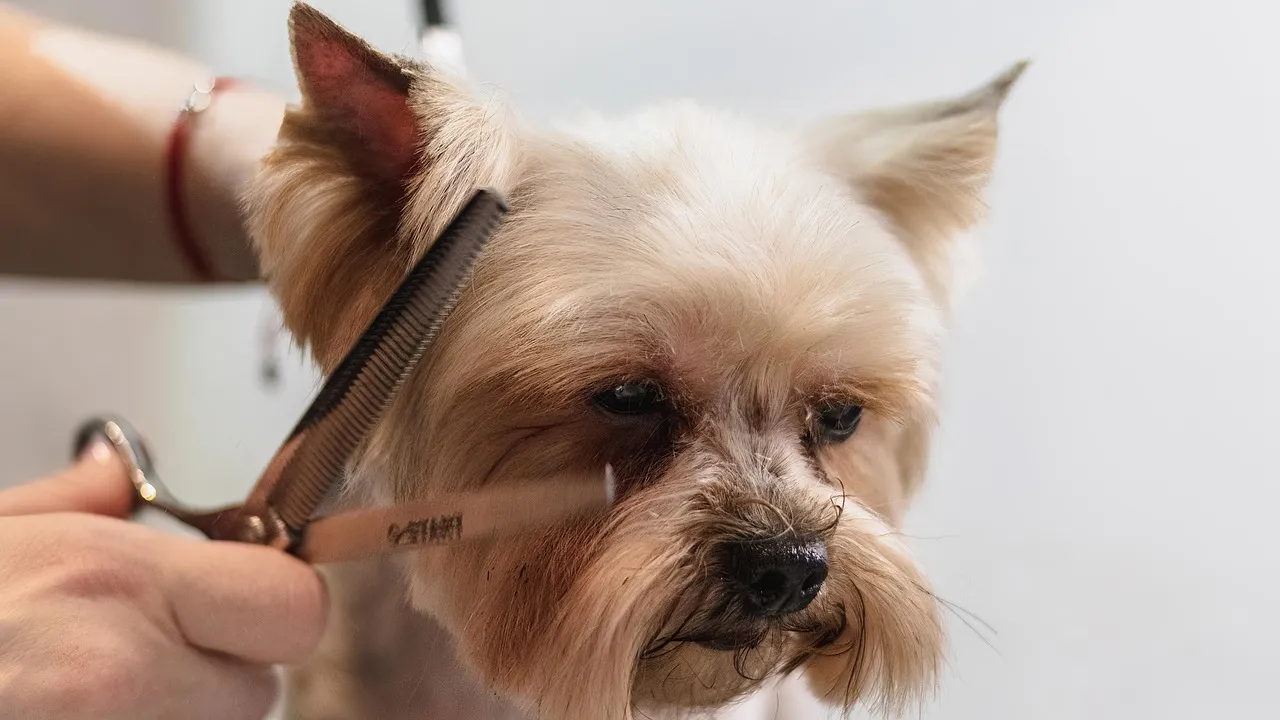
While it might seem logical to shave your pet to keep them cool, their fur actually provides insulation against heat and protects against sunburn. Instead of shaving, opt for regular brushing to remove excess fur and prevent matting.
For pets with light-colored or thin coats, consider using pet-safe sunscreen on exposed areas like the nose and ears. Always consult your vet before applying any products to ensure they’re safe for your pet.
7. Recognize the Signs of Heatstroke
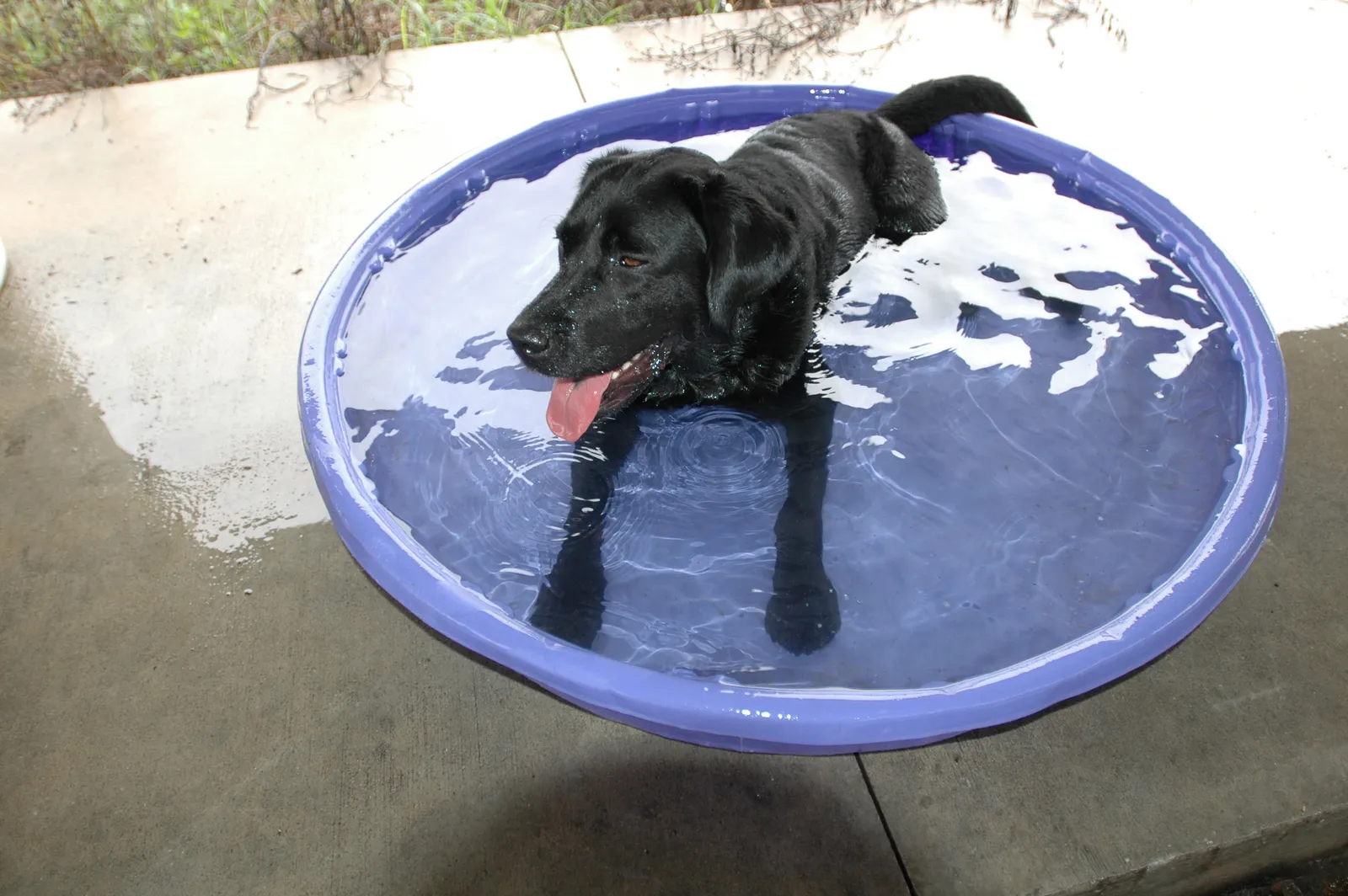
Heatstroke can escalate rapidly and be life-threatening. Symptoms include excessive panting, drooling, rapid heartbeat, lethargy, vomiting, and collapse. If you suspect your pet is suffering from heatstroke, move them to a cool area immediately, offer water, and contact your veterinarian without delay.
Prevention is the best cure. By following the above tips, you can significantly reduce the risk of heat-related illnesses in your pet.
Conclusion

Florida’s summer presents unique challenges for pet owners, but with vigilance and proactive care, you can ensure your furry friend enjoys the season safely. Remember, our pets rely on us to protect them from dangers they can’t foresee. By staying informed and attentive, we can make this summer a joyful and safe one for all. After all, isn’t their happiness worth the extra effort?
