
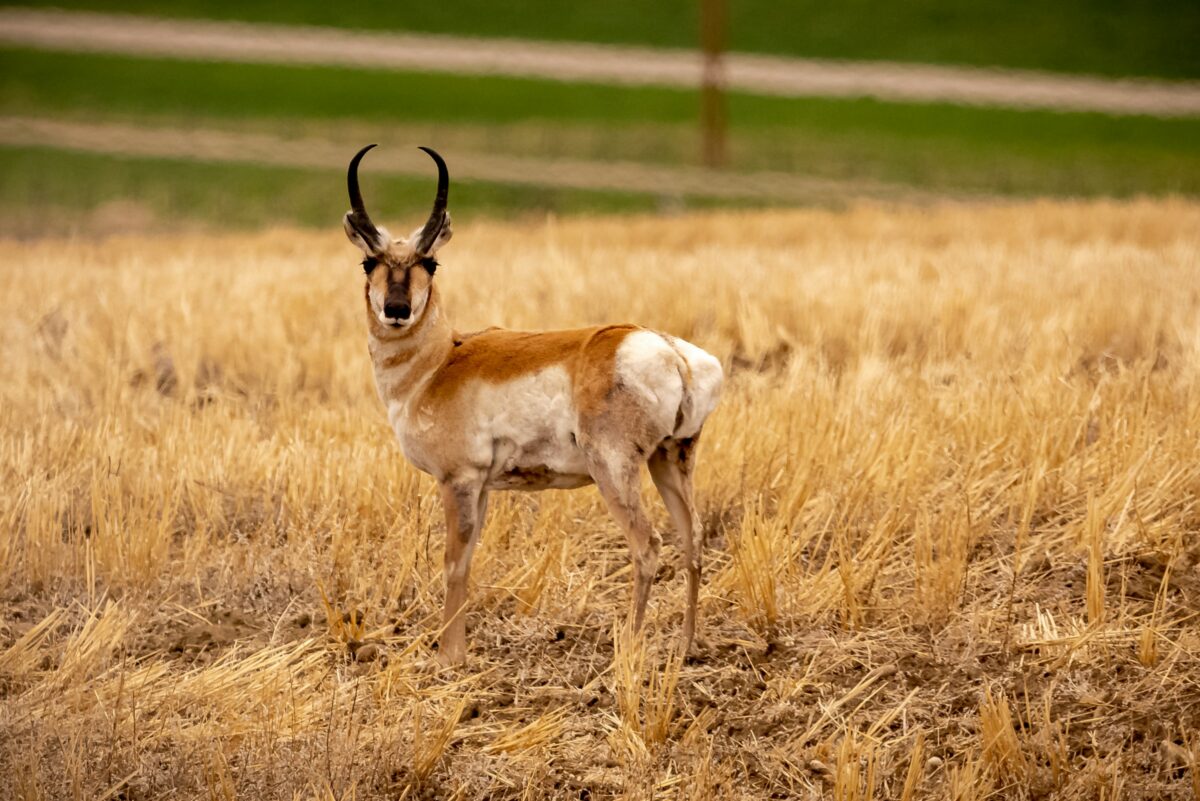
Imagine standing on the vast, open plains of North America, where the horizon stretches endlessly. Suddenly, a pronghorn, often misnamed as an antelope, lifts its head, its large eyes scanning the distance. Before you can even spot the distant predator, the pronghorn has already detected it and is poised to flee. This remarkable ability to perceive danger from miles away isn’t just luck – it’s a testament to the pronghorn’s extraordinary vision and evolutionary adaptations.
Exceptional Eyesight: Nature’s Binoculars
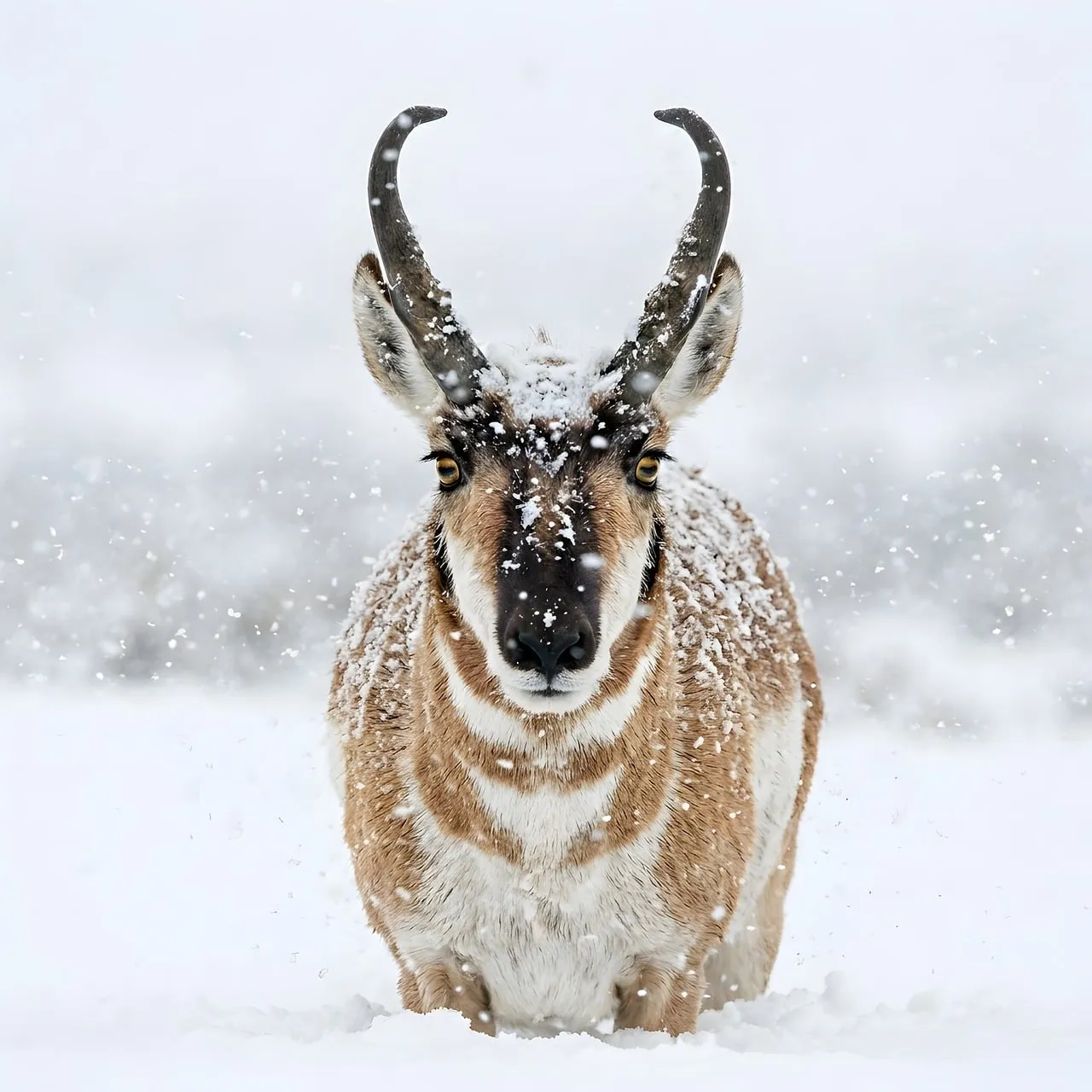
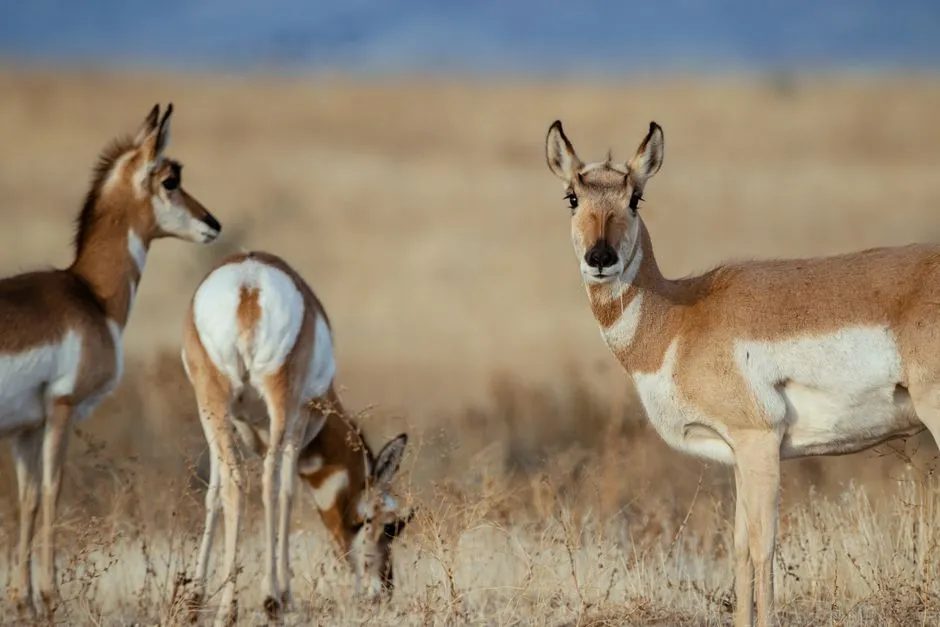
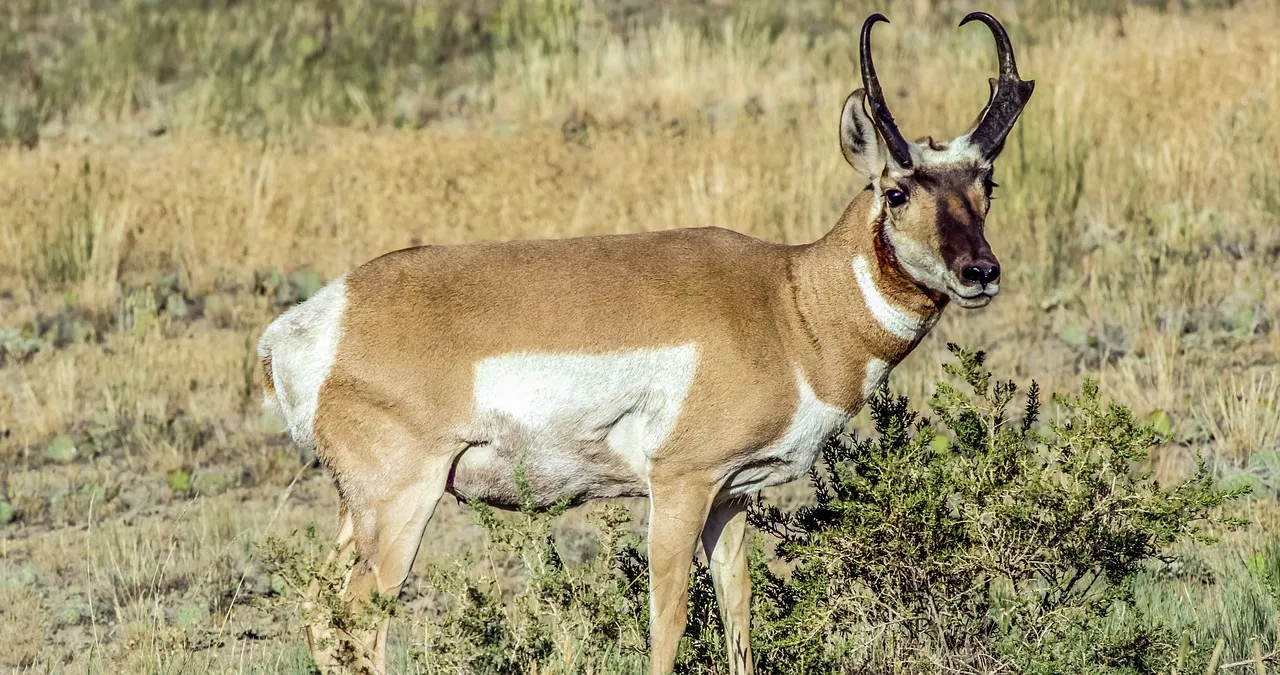
Pronghorns possess some of the largest eyes relative to their body size among North American mammals. These oversized eyes grant them a panoramic field of vision, estimated at around 320 degrees. This wide-angle view allows them to detect movement across vast distances without needing to turn their heads. In the open terrains they inhabit, this adaptation is crucial for spotting predators early and ensuring survival.
Their vision isn’t just wide – it’s incredibly sharp. Pronghorns can detect movement up to four miles away, a feat that surpasses human capabilities. This acute eyesight means that even the slightest motion in the distance can trigger an alert response, giving them ample time to react to potential threats.
Adaptations for Open Plains Survival
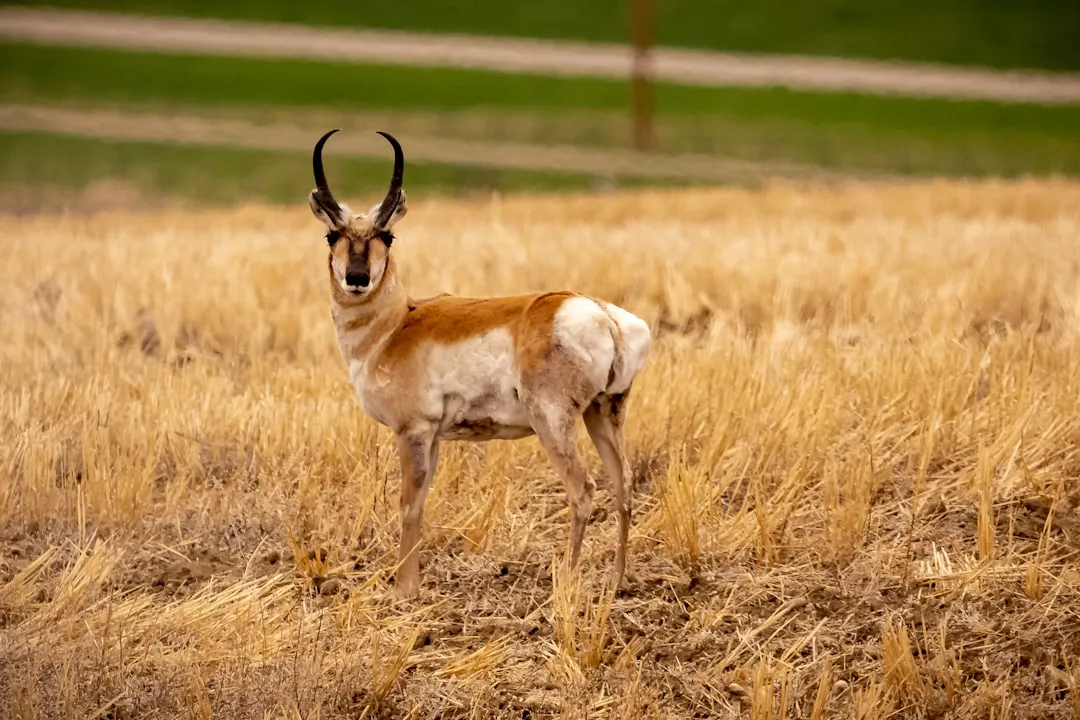
Living in expansive, treeless environments presents unique challenges. Without dense vegetation for cover, pronghorns rely heavily on their vision to detect predators. Their large, protruding eyes are positioned high on their skulls, providing an elevated vantage point to scan the horizon. This anatomical feature ensures they can monitor their surroundings effectively, even while grazing.
Additionally, the placement of their eyes allows for a significant overlap in their visual fields, enhancing depth perception. This binocular vision is essential for accurately judging distances, especially when determining the proximity of a predator or navigating the varied terrain of their habitats.
Speed: The Ultimate Escape Mechanism
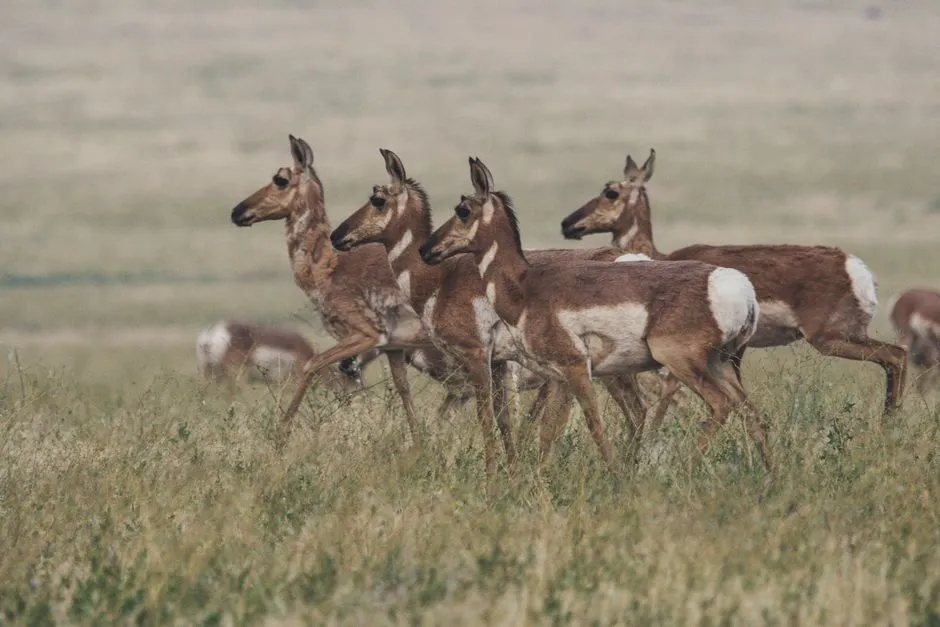
While their vision alerts them to danger, pronghorns’ speed ensures their escape. They are the fastest land mammals in North America, capable of reaching speeds up to 60 miles per hour. This incredible velocity isn’t just for short bursts; pronghorns can maintain high speeds over longer distances, outpacing most predators. Their lightweight bone structure, long limbs, and large windpipe and heart facilitate this endurance running, making them formidable runners on the plains.
This combination of keen eyesight and unmatched speed means that once a pronghorn spots a threat, it can swiftly put a considerable distance between itself and the danger, often before the predator realizes it’s been seen.
Communication Through Visual Signals
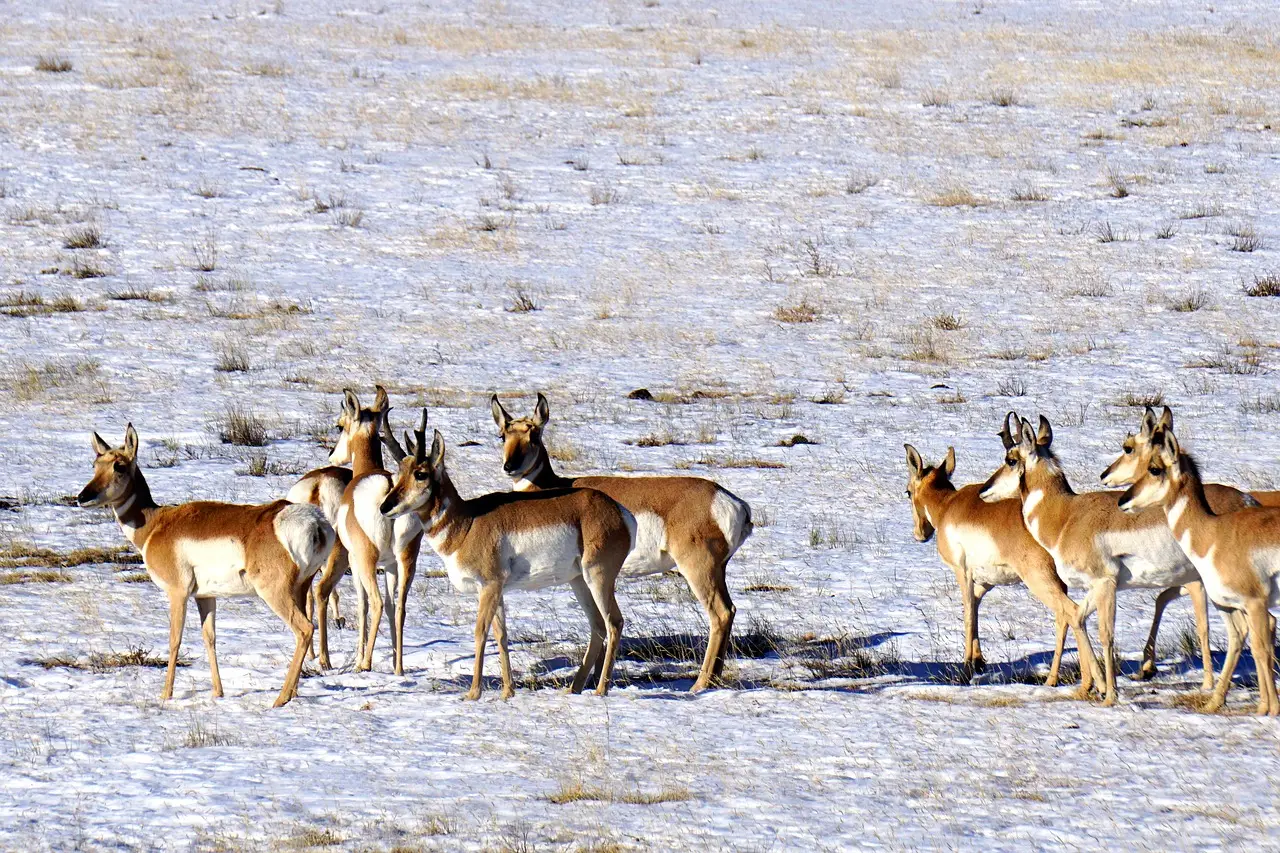
Pronghorns don’t just rely on their vision for personal survival; they use it to communicate danger to others. When alarmed, they raise the white hairs on their rump, creating a conspicuous flash visible from great distances. This signaling mechanism warns other pronghorns in the vicinity of potential threats, prompting a collective flight response. Such visual communication is vital in the open habitats they occupy, where vocal warnings might not be as effective.
This behavior underscores the importance of their visual acuity – not only for individual survival but also for the safety of the herd. By relying on visual signals, pronghorns can coordinate their movements and responses to threats more efficiently.
Evolutionary Arms Race with Extinct Predators
The pronghorn’s exceptional vision and speed are believed to be evolutionary responses to predators that no longer exist. Fossil records suggest that North America was once home to cheetah-like creatures capable of incredible speeds. To evade these swift predators, pronghorns developed their remarkable running abilities. Even though these ancient threats have vanished, the pronghorn’s adaptations remain, a testament to the intense evolutionary pressures of the past.
This evolutionary history highlights the pronghorn’s resilience and the lasting impact of predator-prey dynamics on species development. Their current abilities are not just remnants of the past but continue to serve them in evading modern predators.
Habitat Preferences and Visibility
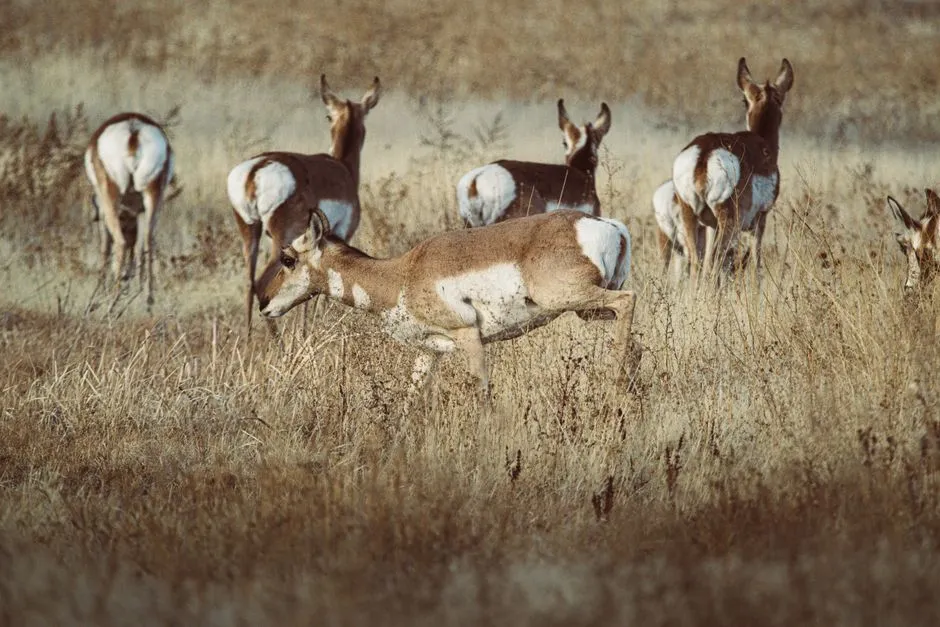
Pronghorns favor open terrains such as grasslands, deserts, and shrublands. These environments offer minimal cover, making their keen eyesight even more critical. By choosing habitats with low vegetation, pronghorns maximize their ability to spot predators from afar. This preference also means they can utilize their speed effectively, with fewer obstacles impeding their escape routes.
Their habitat choices reflect a strategic balance between resource availability and safety. Open landscapes provide ample grazing opportunities while allowing pronghorns to leverage their visual and physical adaptations to avoid predation.
Challenges in a Changing Landscape
Despite their adaptations, pronghorns face new challenges in modern times. Human-made structures like fences can disrupt their migratory routes and impede their ability to flee from predators. Unlike deer, pronghorns are reluctant to jump over obstacles, often preferring to crawl under fences. This behavior can lead to entanglement or injury, posing significant threats to their populations.
Conservation efforts are underway to modify fencing and create wildlife corridors that accommodate pronghorn movements. By understanding and respecting their unique behaviors and needs, we can help ensure that these remarkable animals continue to thrive in their natural habitats.
Conclusion
The pronghorn’s ability to detect danger from miles away is a marvel of evolution, combining exceptional vision, speed, and behavioral adaptations. In the vast openness of their habitats, these traits are not just advantageous – they are essential for survival. As we continue to encroach upon and alter these landscapes, it’s imperative to consider the needs of species like the pronghorn. By preserving their habitats and understanding their unique adaptations, we can ensure that future generations will also be captivated by the sight of prong
