
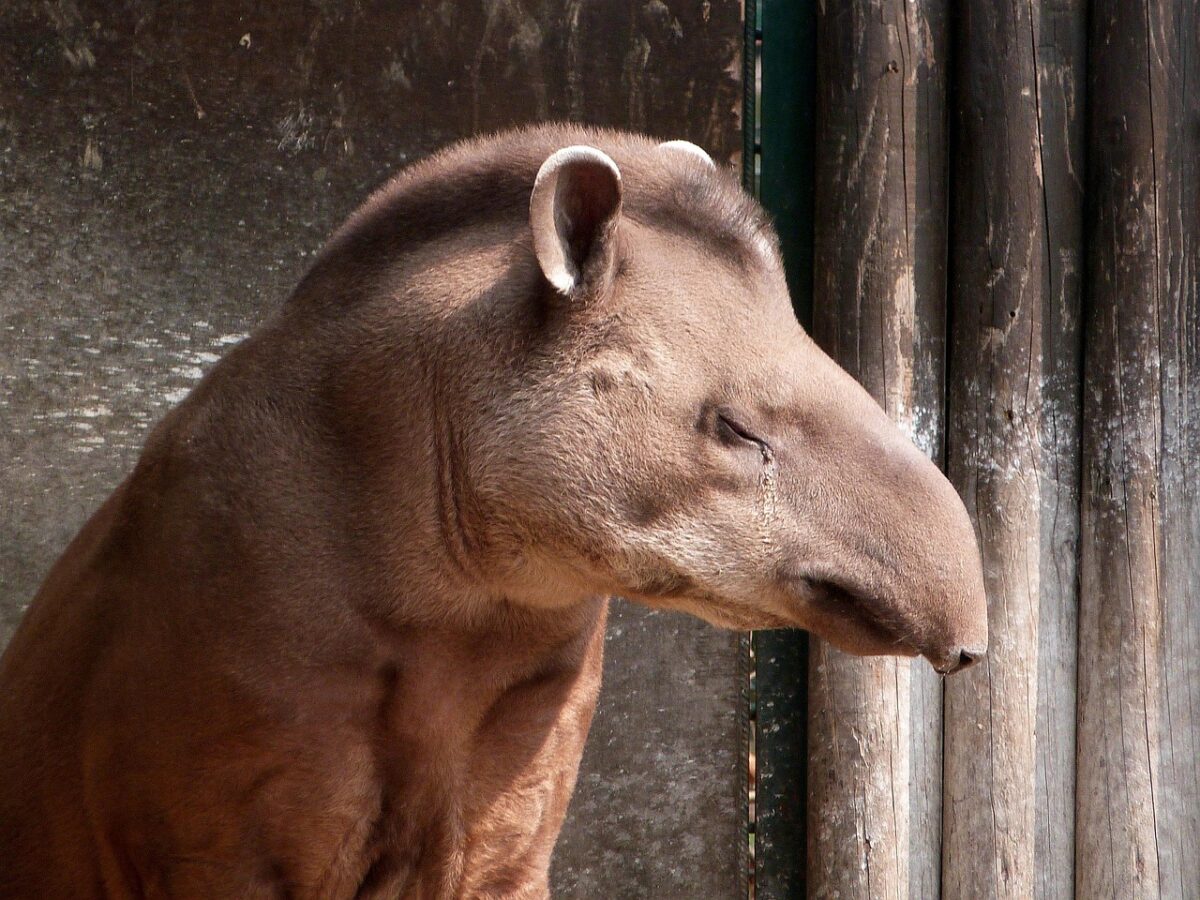
Tapirs, with their distinctive snouts and sturdy bodies, are often overlooked in the animal kingdom. Yet, these remarkable creatures are living relics, having roamed the Earth for millions of years with minimal evolutionary changes. Their unique characteristics and ancient lineage make them a subject of fascination and admiration.
1. Ancient Lineage: Survivors from the Eocene Epoch
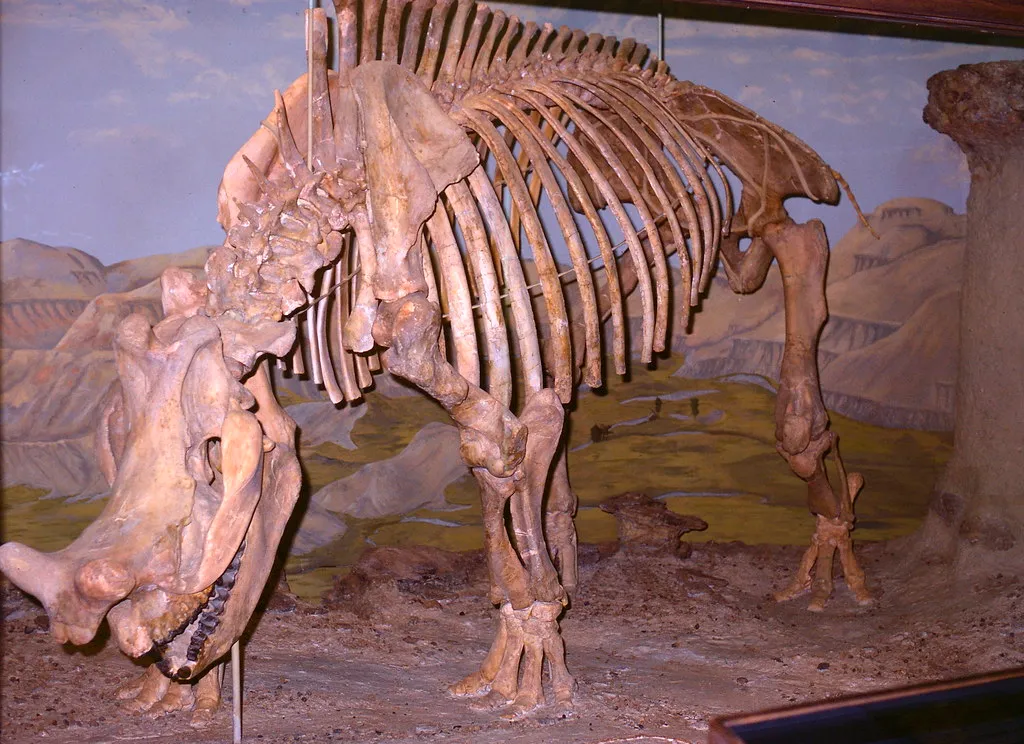
Tapirs have a lineage that dates back approximately 55 million years to the Eocene epoch. Early ancestors like Heptodon were already exhibiting features similar to modern tapirs, though they lacked the distinctive proboscis. This deep evolutionary history positions tapirs as some of the most primitive large mammals still in existence today.
2. A Nose Like No Other: The Prehensile Proboscis
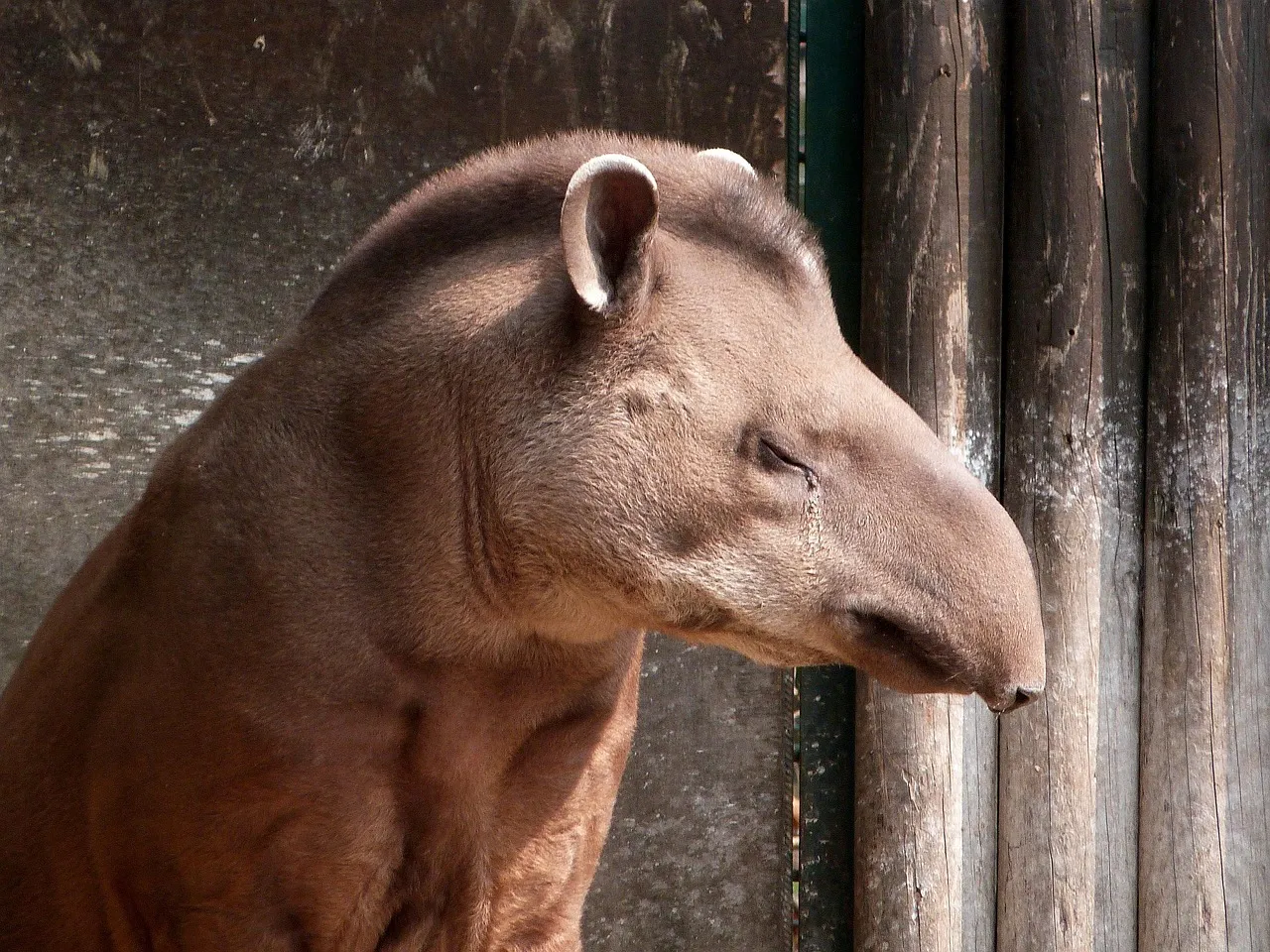
One of the tapir’s most striking features is its prehensile snout, a flexible extension formed from the upper lip and nose. This unique adaptation allows tapirs to grasp leaves, fruits, and other vegetation, functioning much like an elephant’s trunk but on a smaller scale. This specialized snout is a testament to their evolutionary ingenuity.
3. Close Relatives: Horses and Rhinos
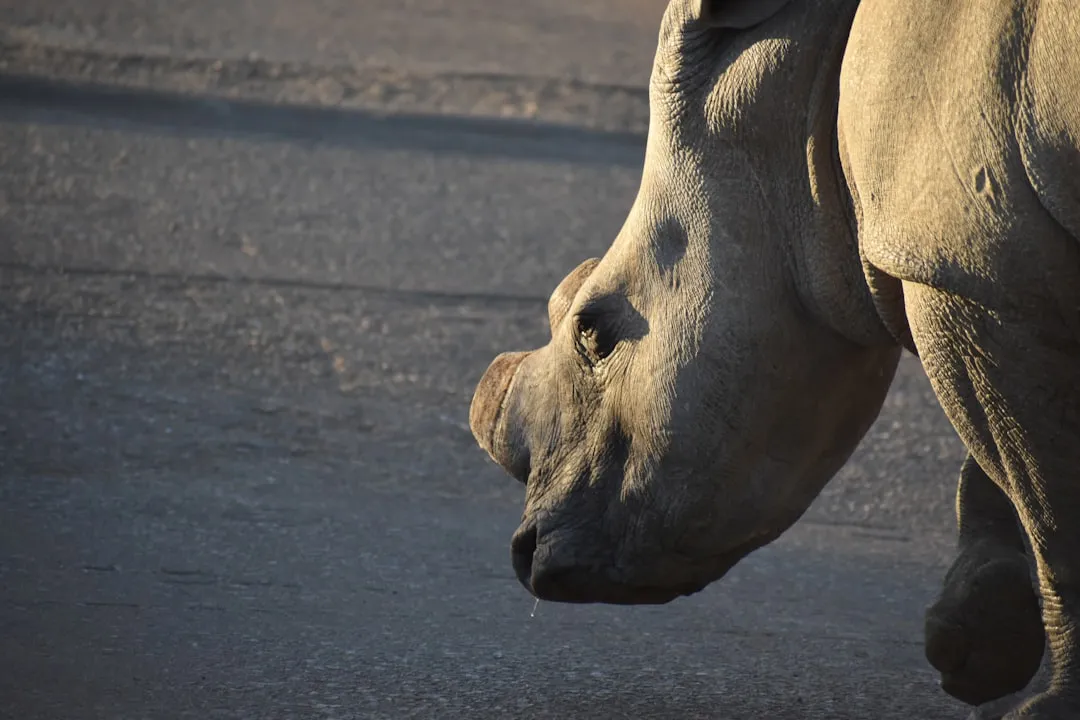
Despite their pig-like appearance, tapirs are more closely related to horses and rhinoceroses. All three belong to the order Perissodactyla, or odd-toed ungulates, sharing a common ancestor. This surprising kinship highlights the diverse evolutionary paths within this mammalian order.
4. Global Distribution: From Asia to the Americas
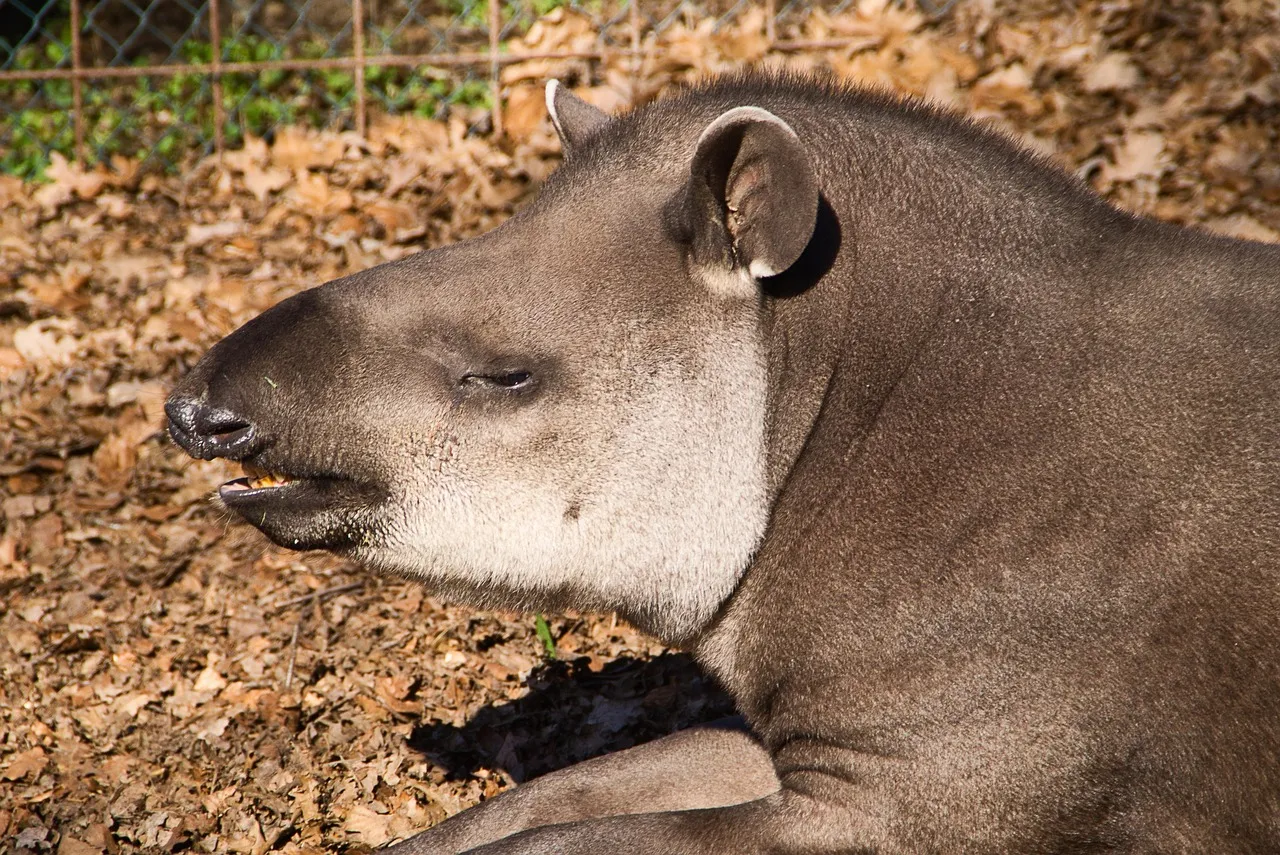
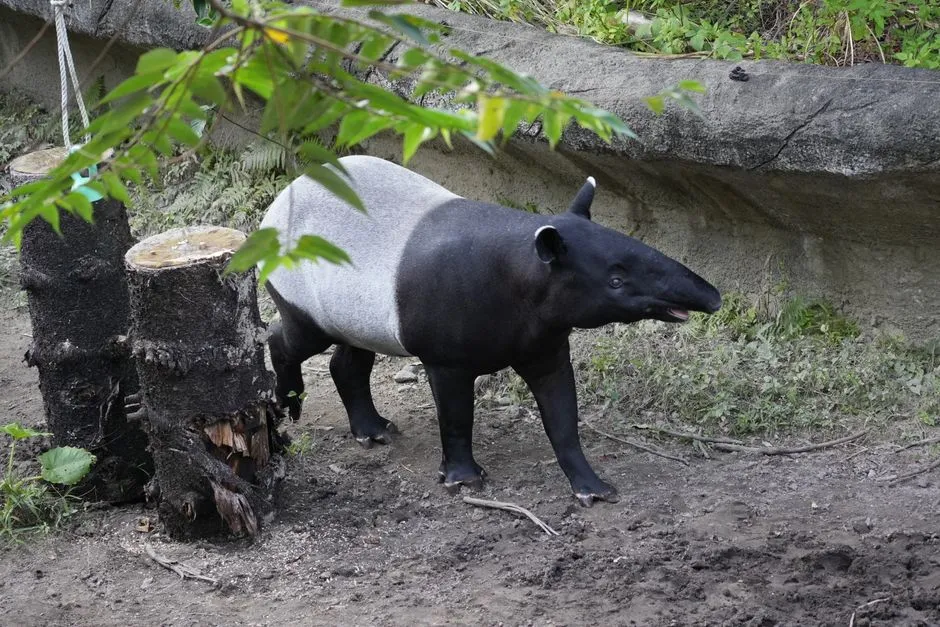
Tapirs are found in both Southeast Asia and Central and South America. The Malayan tapir inhabits regions of Malaysia and Sumatra, while species like the Baird’s tapir and the lowland tapir are native to the Americas. This wide distribution underscores their adaptability to various environments.
5. Camouflaged Calves: Nature’s Disguise
Newborn tapirs sport a coat of white spots and stripes, resembling a walking watermelon. This pattern provides excellent camouflage in dappled forest light, protecting them from predators during their vulnerable early months. As they mature, this juvenile pattern fades into the solid coloration of adulthood.
6. Aquatic Affinity: Masters of Water
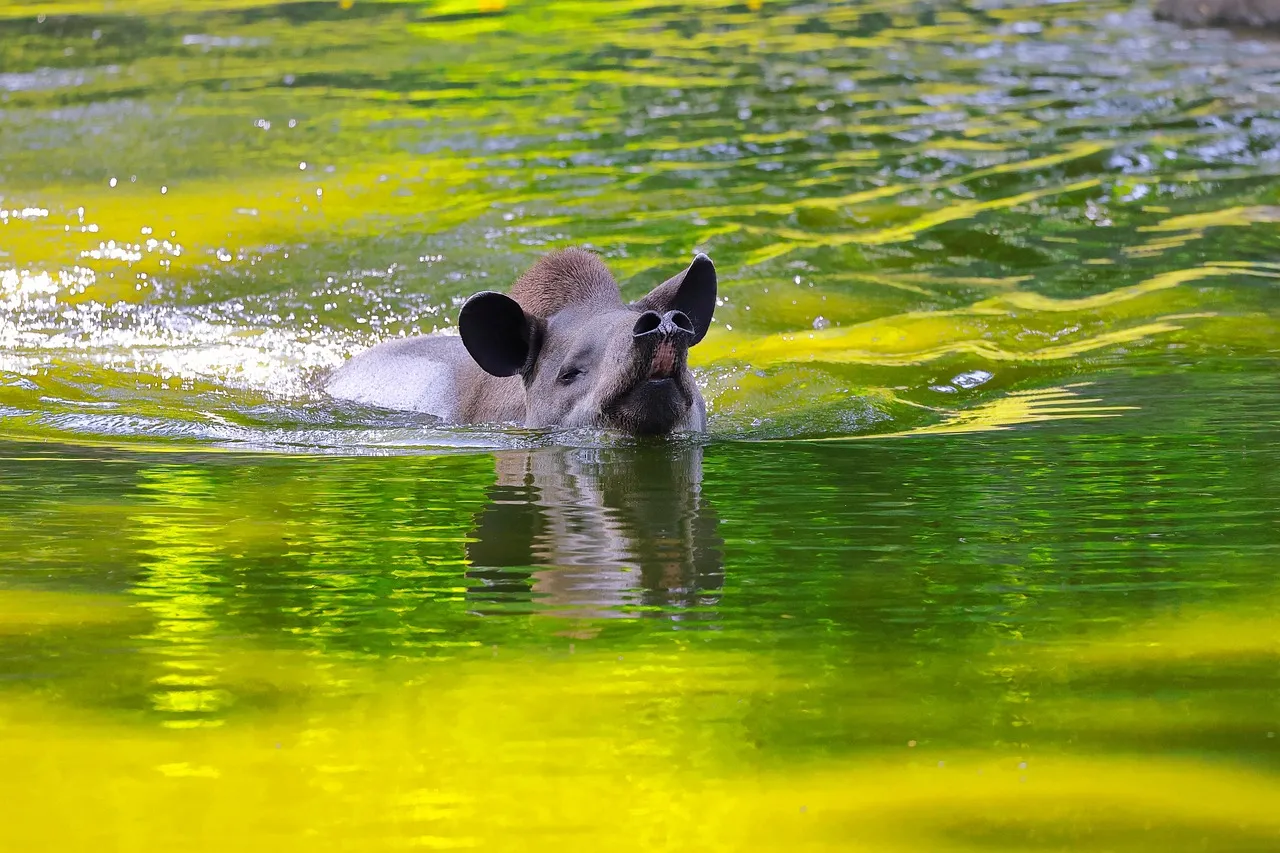
Tapirs are excellent swimmers and often seek refuge in water. They use their snouts as snorkels while submerged, allowing them to breathe while staying hidden from predators. This aquatic prowess also helps them cool off and rid themselves of parasites.
7. Solitary Wanderers: The Lone Lifestyle
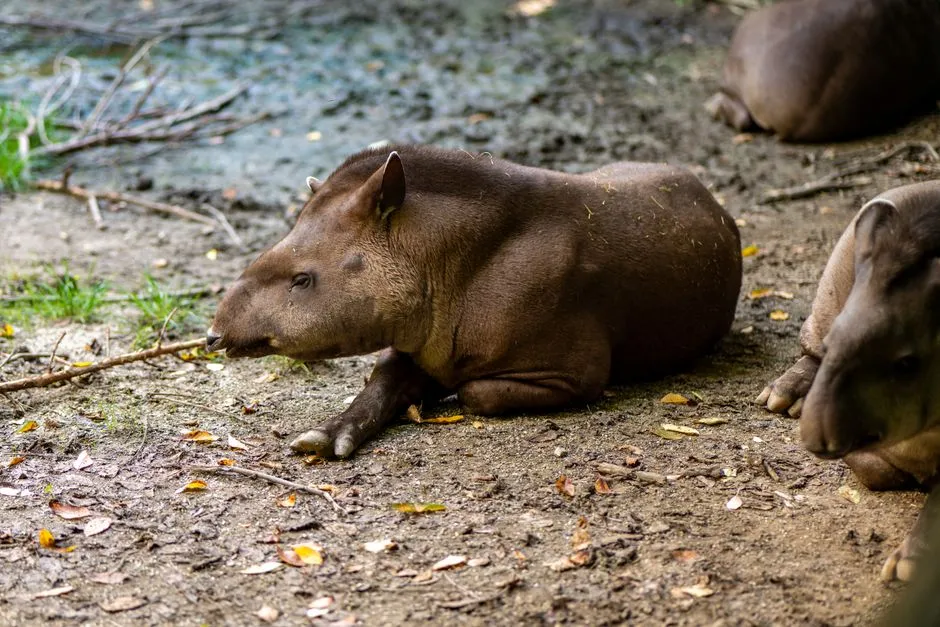
Tapirs are predominantly solitary animals, with adults coming together only for mating. This solitary nature reduces competition for food and allows them to cover large territories in search of resources. Their elusive behavior makes them a rare sight in the wild.
8. Seed Dispersers: Gardeners of the Forest
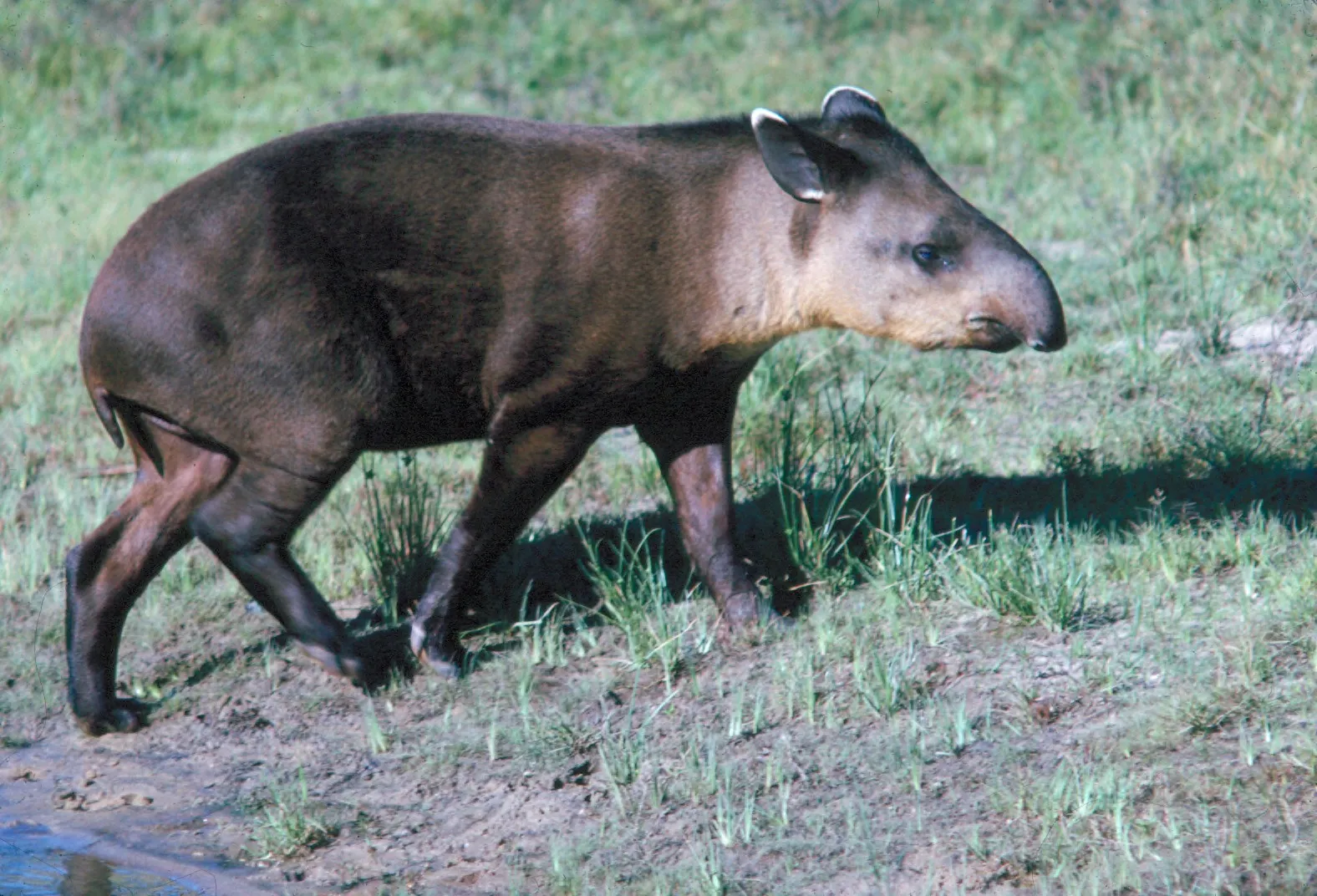
As herbivores, tapirs consume a variety of fruits and vegetation. They play a crucial role in their ecosystems by dispersing seeds through their feces, facilitating forest regeneration. This ecological service has earned them the nickname “gardeners of the forest.”
9. Threatened Existence: Facing Extinction
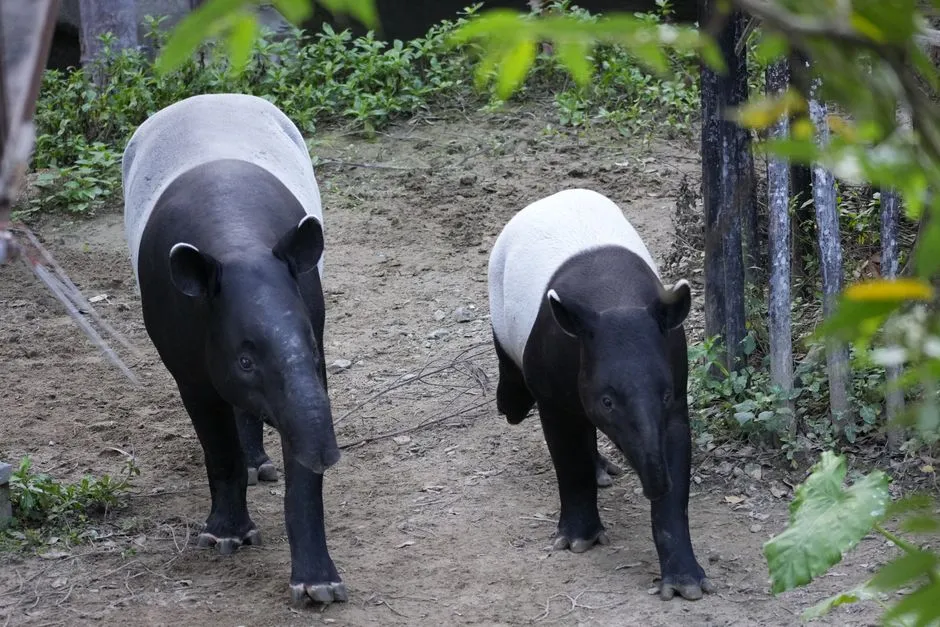
All tapir species are currently facing threats from habitat destruction and hunting. Deforestation and human encroachment have led to significant population declines, placing them on the endangered species list. Conservation efforts are critical to ensure their survival.
10. Cultural Significance: Symbols in Mythology
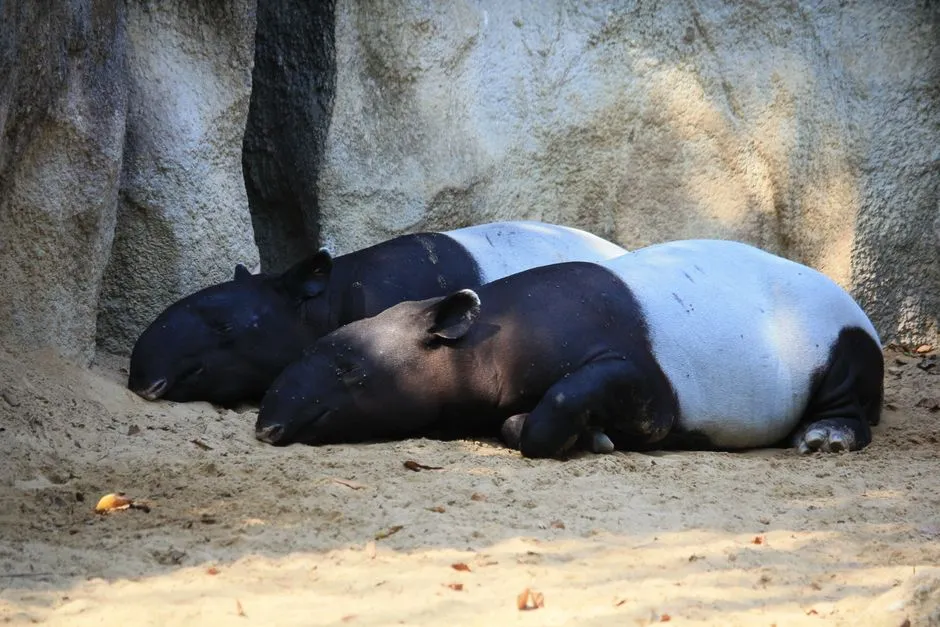
In various cultures, tapirs hold symbolic meanings. In Thailand, they are believed to be composed of leftover parts from other animals, leading to the name “P’som-sett,” meaning “mixture is finished.” Such myths reflect the tapir’s unique appearance and the intrigue it inspires.
11. Slow Reproduction: A Delicate Balance
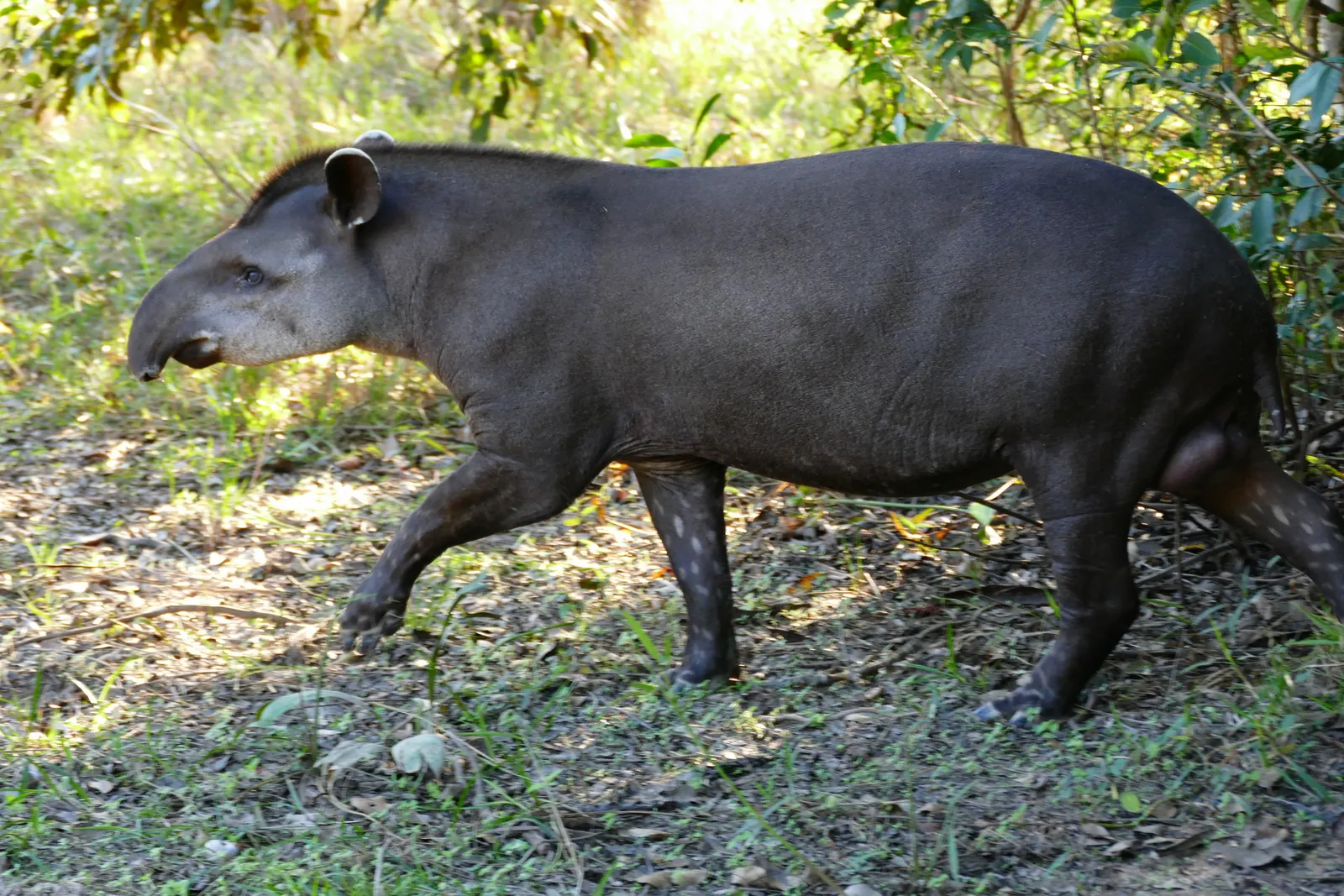
Tapirs have a lengthy gestation period of about 13 months, typically giving birth to a single calf. This slow reproductive rate makes population recovery challenging, especially in the face of ongoing threats. Protecting their habitats is essential to support their breeding and survival.
Tapirs are living fossils, embodying millions of years of evolutionary history. Their unique adaptations and ecological roles make them invaluable to biodiversity. As we continue to learn about these remarkable creatures, it becomes increasingly clear that their preservation is not just about saving a species but about maintaining the health and balance of entire ecosystems. Isn’t it time we paid more attention to these ancient wanderers?

- 15 Things That Will Make You The Center of Your Cat’s World - July 29, 2026
- 5 Unexpected Places Where Wildlife Is Flourishing in Your Own State - July 29, 2026
- 12 Birds With Unbelievable Beaks - July 29, 2026