
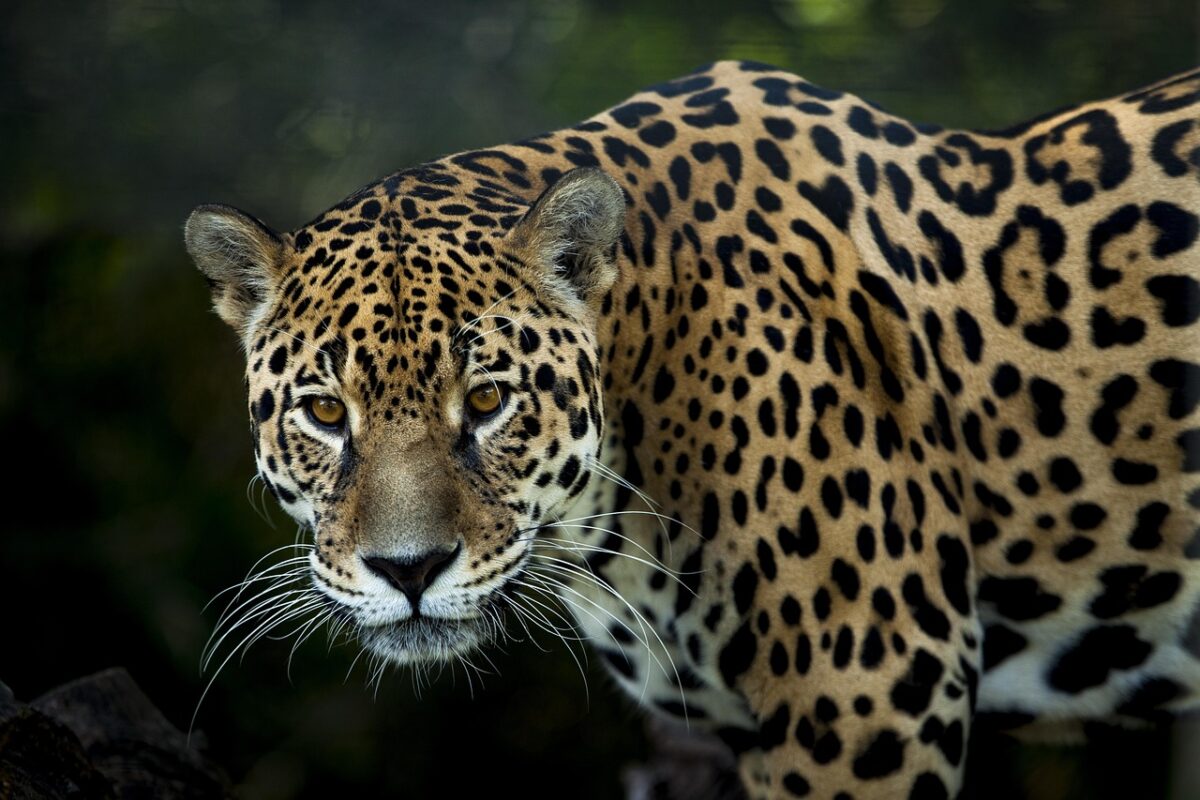
Ask most people to picture a big cat and they’ll conjure a lion on the savanna or a tiger slipping through tall grass. The jaguar rarely makes that mental shortlist, yet it might be the strangest, most physically capable member of the entire cat family. Once you start looking closely at what a jaguar actually does day to day, in the water, in the trees, in total silence, it becomes clear this animal plays by a different rulebook entirely.
They end a hunt with a bite to the skull, not the throat
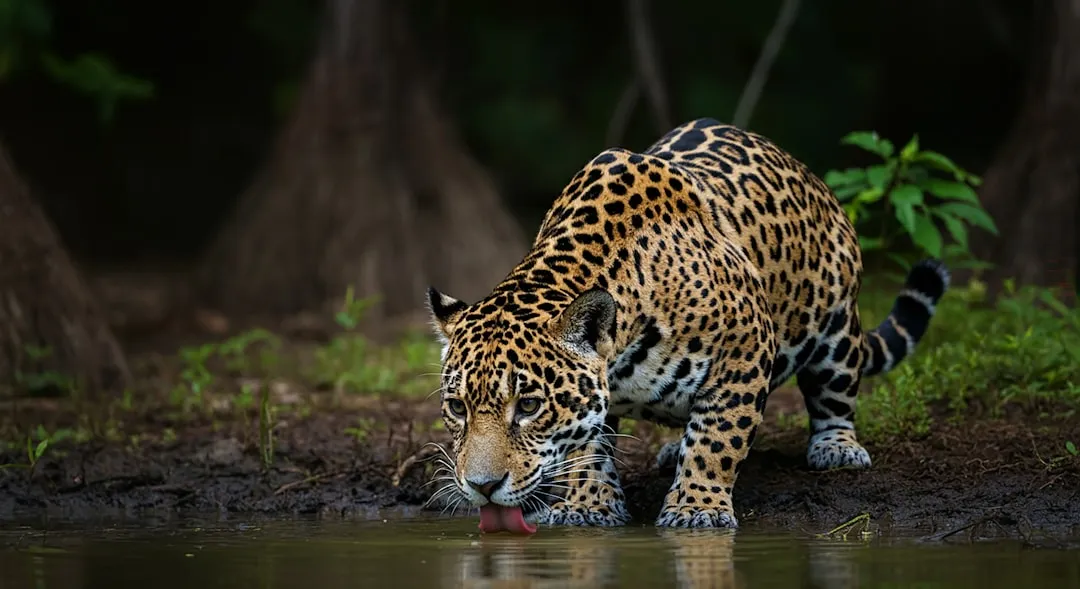
Every other big cat on the planet, lions, tigers, leopards, relies on a throat clamp that suffocates prey over several agonizing minutes. While lions suffocate their prey and tigers typically attack the neck, jaguars have evolved a uniquely powerful bite that allows them to crush the skulls of their victims, penetrating directly into the brain. It’s an almost instant kill, and it says a lot about how differently this cat approaches the whole business of hunting.
Researchers who study the mechanics of this bite point to a genuine evolutionary redesign rather than just brute force. The skull of the jaguar is adapted for generating larger bite forces than other big cats, due to slightly increased jaw leverage and to the larger cross-sectional area of the masticatory muscles, especially the temporal and masseter. That’s a fairly technical way of saying the jaguar’s head evolved into a specialized tool, one built for a very particular kind of violence that no other cat bothers with.
Their jaws were built to crack shells and skulls other predators can’t touch
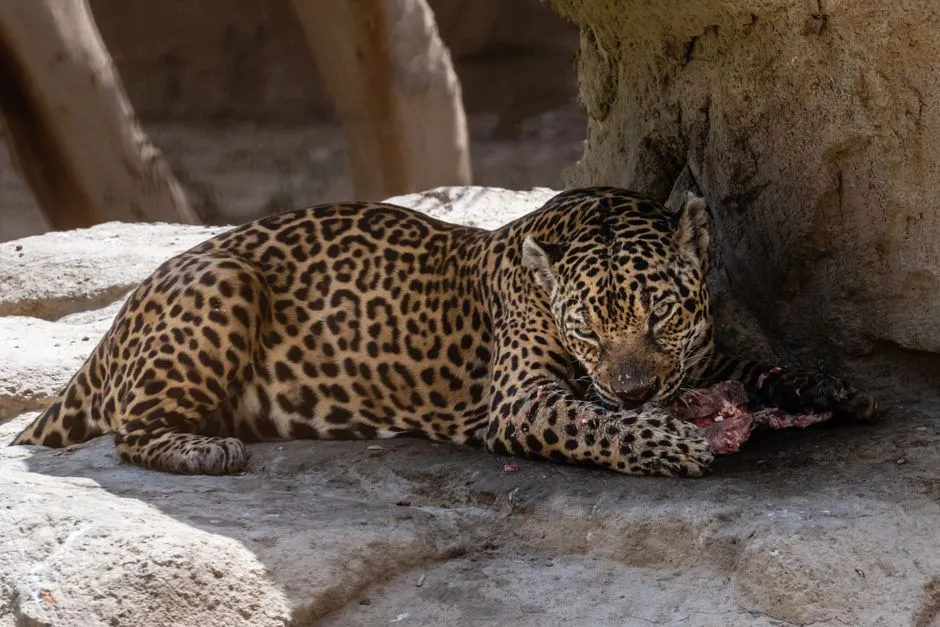
This isn’t just about killing efficiently. It’s about accessing food nobody else can reach. Many predators view turtles and tortoises as impenetrable obstacles, but for the jaguar, they represent a reliable and high-protein food source, using its massive canines to pierce the dorsal shell and crack the thick bone with surgical force.
The same goes for caimans, animals bristling with natural armor that would stop most predators cold. Their bite force, the strongest relative to body size of any big cat, allows them to pierce the armoured shells of turtles and tortoises and crush the thick skulls of caiman. In a sense, the jaguar carved out its own private menu simply because nothing else in its ecosystem could physically open the packaging.
They treat rivers and swamps like home turf
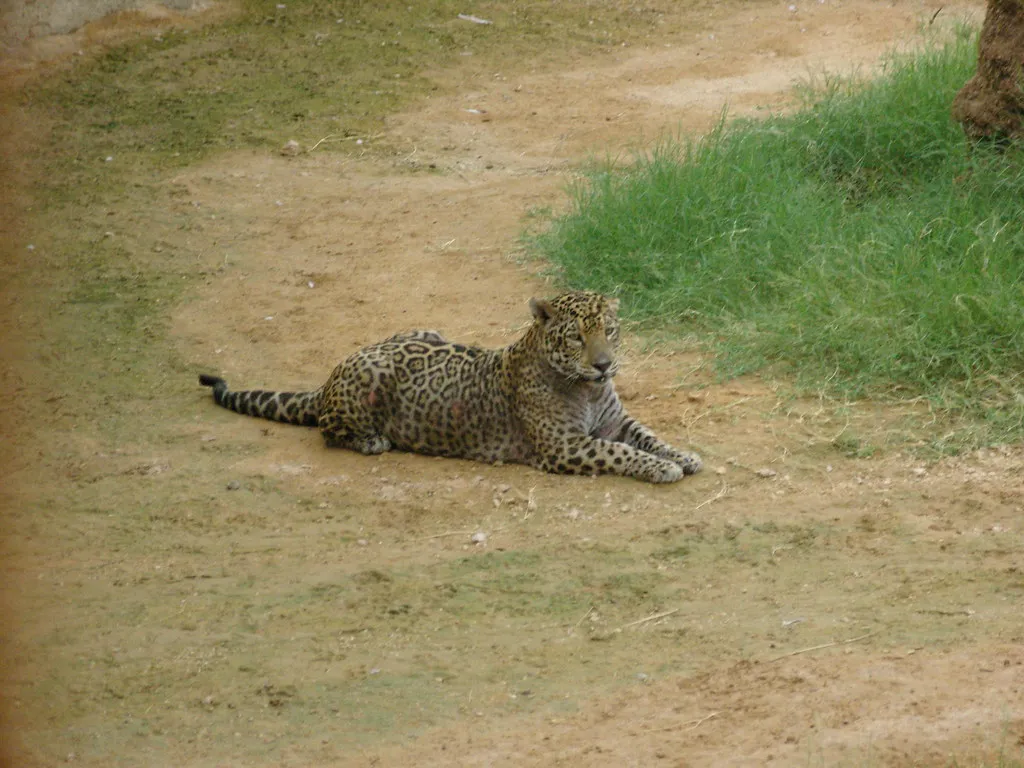
Most cats, including your average house cat, will do almost anything to avoid getting wet. Jaguars flipped that instinct entirely. The jaguar’s strong affinity for water distinguishes it among large felines, and while many big cats, such as lions, generally avoid water unless necessary, jaguars embrace aquatic environments.
This isn’t a rare quirk seen in a few individuals either. Unlike many domestic cats, jaguars don’t avoid water. They have adapted to living in wet environments, and can be found swimming in lakes, rivers and wetlands, and are confident swimmers known to cross large rivers. For an animal built like a tank, that kind of comfort in open water is genuinely rare among big predators.
Some jaguars have started hunting from underwater, and from the treetops
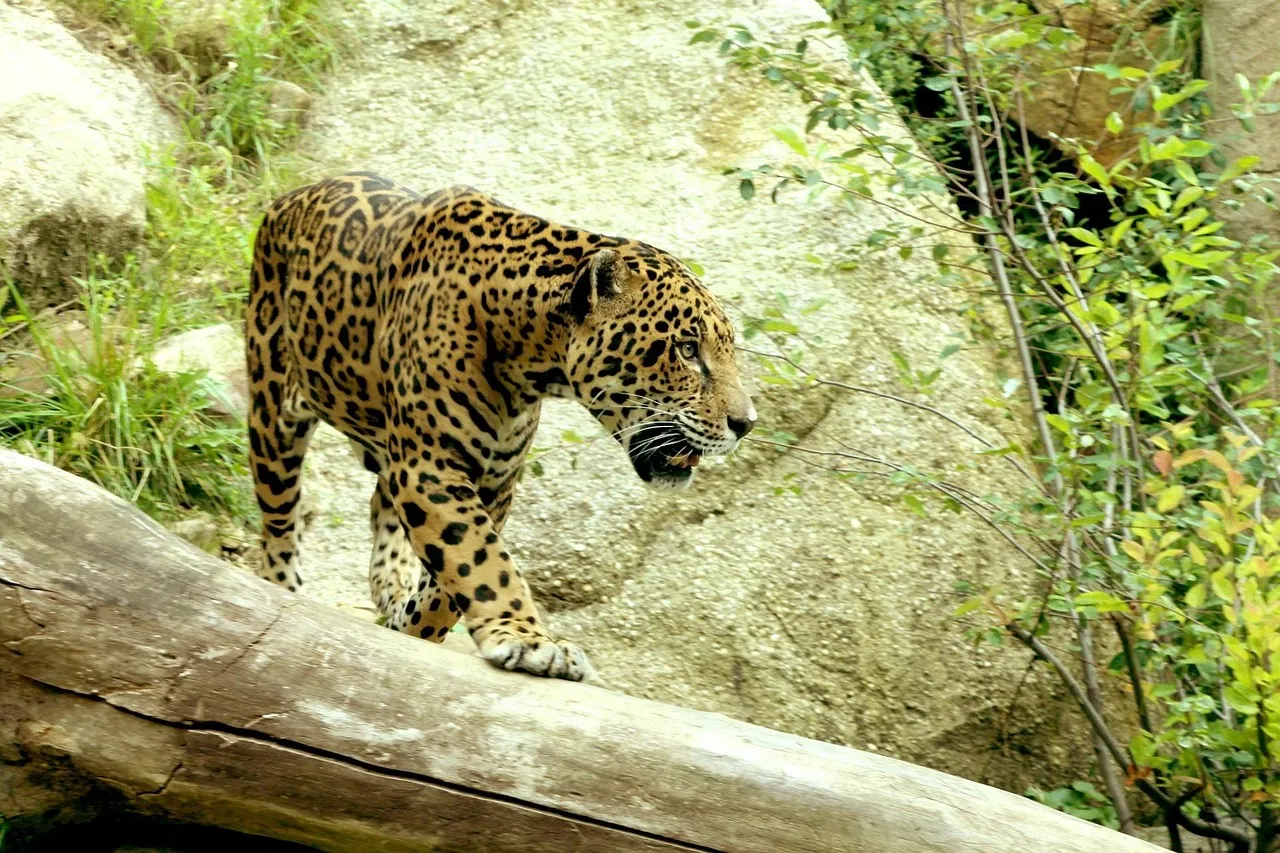
Recent fieldwork in Brazil’s Pantanal has captured something researchers hadn’t documented before. A jaguar named Ousado was spotted diving under the water, stealth-hunting caiman from below, a technique never seen before, while another called Medrosa launched herself from the treetops to dive down and catch prey. These aren’t isolated flukes, either; camera-trap teams are tracking the behavior as it spreads.
What’s striking is how the researchers describe it, not as instinct alone but as something closer to learning. These cats are unlocking new levels of predation and adapting in real-time to a dynamic ecosystem, and as a highly flexible apex predator, the jaguar has learned to exploit aquatic environments in ways few other big cats do. It’s a small reminder that even a species we think we understand can still surprise the people studying it.
Every rosette is one of a kind, and about one in ten jaguars is solid black
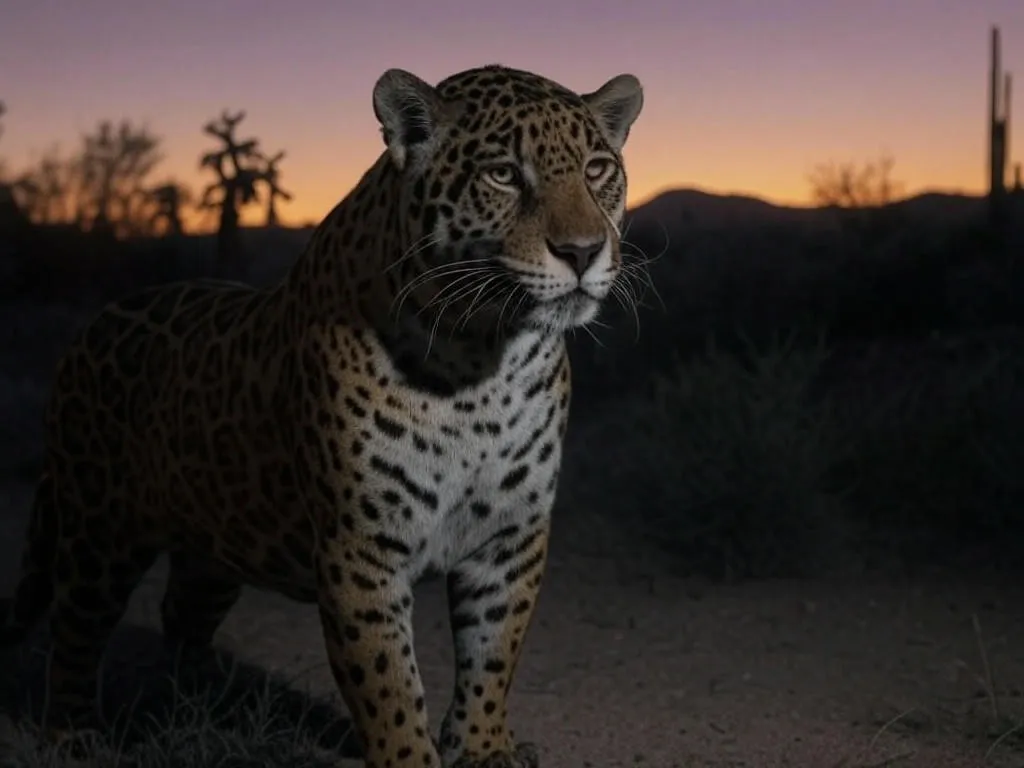
Look closely at a jaguar’s coat and you’re looking at something closer to a fingerprint than a uniform. The rosettes on a jaguar are unique to each individual, with distinct shapes, spacing and small spots inside them, creating a unique marking much like a human fingerprint, which allows researchers to identify and track specific individuals using photographs instead of invasive tagging. No two jaguars in the wild look exactly alike once you know what to check for.
Then there’s the black variant, often mislabeled as a separate species. Unlike most other big cat species where melanism is inherited as a recessive trait, in jaguars it’s governed by a dominant allele, meaning a jaguar only needs to inherit one copy of the mutated gene to exhibit black fur, and despite this genetic dominance, melanistic jaguars constitute approximately 10 percent of the global population. The dark coat doesn’t erase the rosettes either; it just hides them until the light hits right.
Their signature call sounds like wood being sawed, not a classic roar
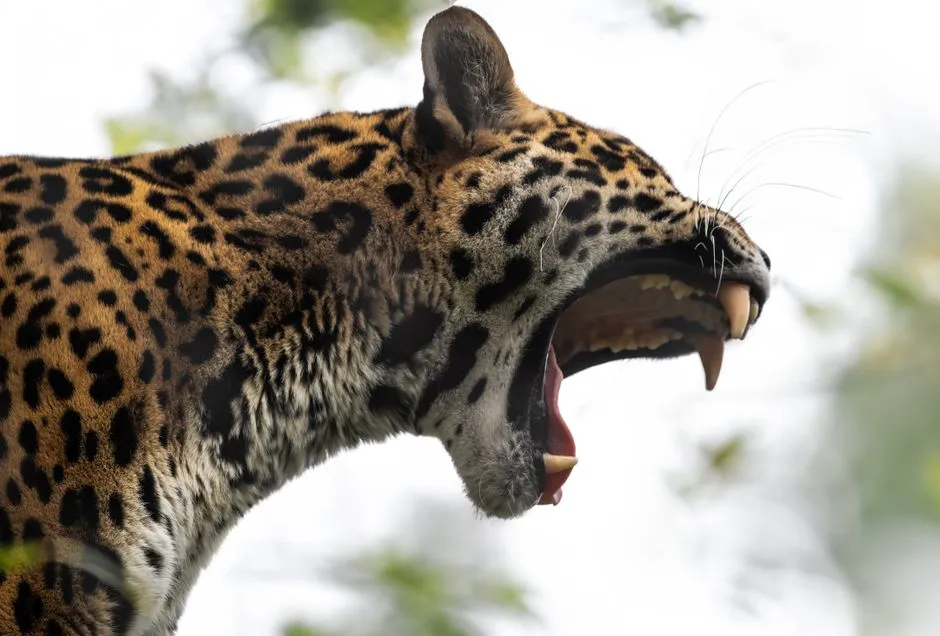
When people imagine a big cat’s roar, they’re usually picturing a lion. Jaguars have their own, much stranger acoustic signature. The “saw” sound is a unique jaguar call that resembles the sound of wood being sawn, and it is a typical way that they communicate their presence.
Even their actual roar diverges from the familiar Hollywood version. Their roar is a deep, guttural sound, often described as hoarse or like sawing wood, and male jaguar roars can sound like a bark followed by a deep growl, while females often have a more coughing roar. It’s not a small detail. Researchers can actually tell the sex of a calling jaguar just from the shape of the sound.
They live and hunt entirely alone, marking huge territories by scent and sound
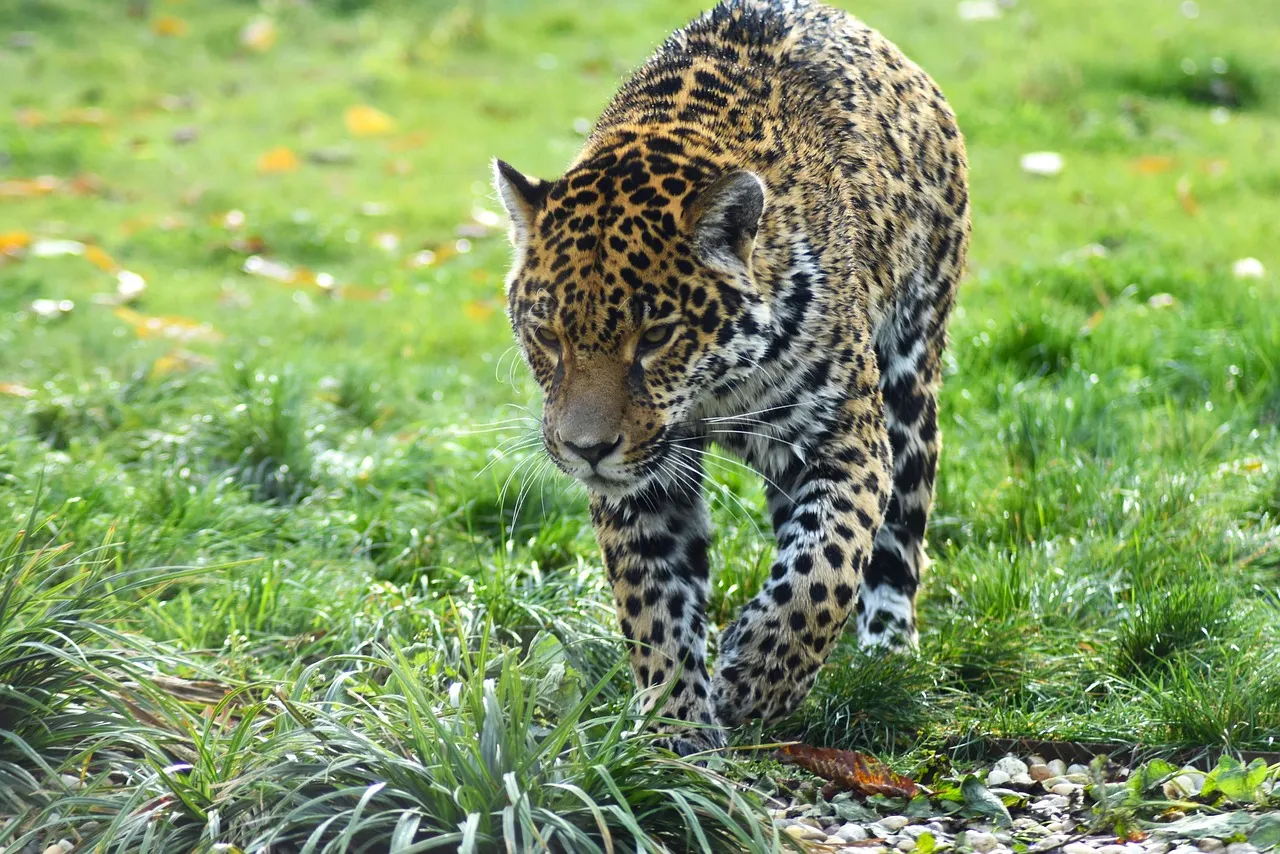
There’s no jaguar equivalent of a lion pride. These animals move through their world in near-total solitude. Jaguars, being solitary animals, maintain large territories that they defend against intruders, and the roar serves as a powerful warning letting other jaguars know that the area is occupied, alongside marking territories through urine and tree scrapes.
That isolation shapes almost everything else about the species, from how cautious researchers have to be when studying them to how rarely two adults are seen together outside of mating. The primary purpose of its deep roars and grunts is territorial marking, serving as an auditory warning to other jaguars to signify occupied territory and avoid direct confrontation, which is crucial for a solitary apex predator reducing unnecessary conflict. It’s a quieter, more private existence than the social structures we associate with lions, and arguably a tougher one.
They don’t follow a fixed day or night schedule like most cats
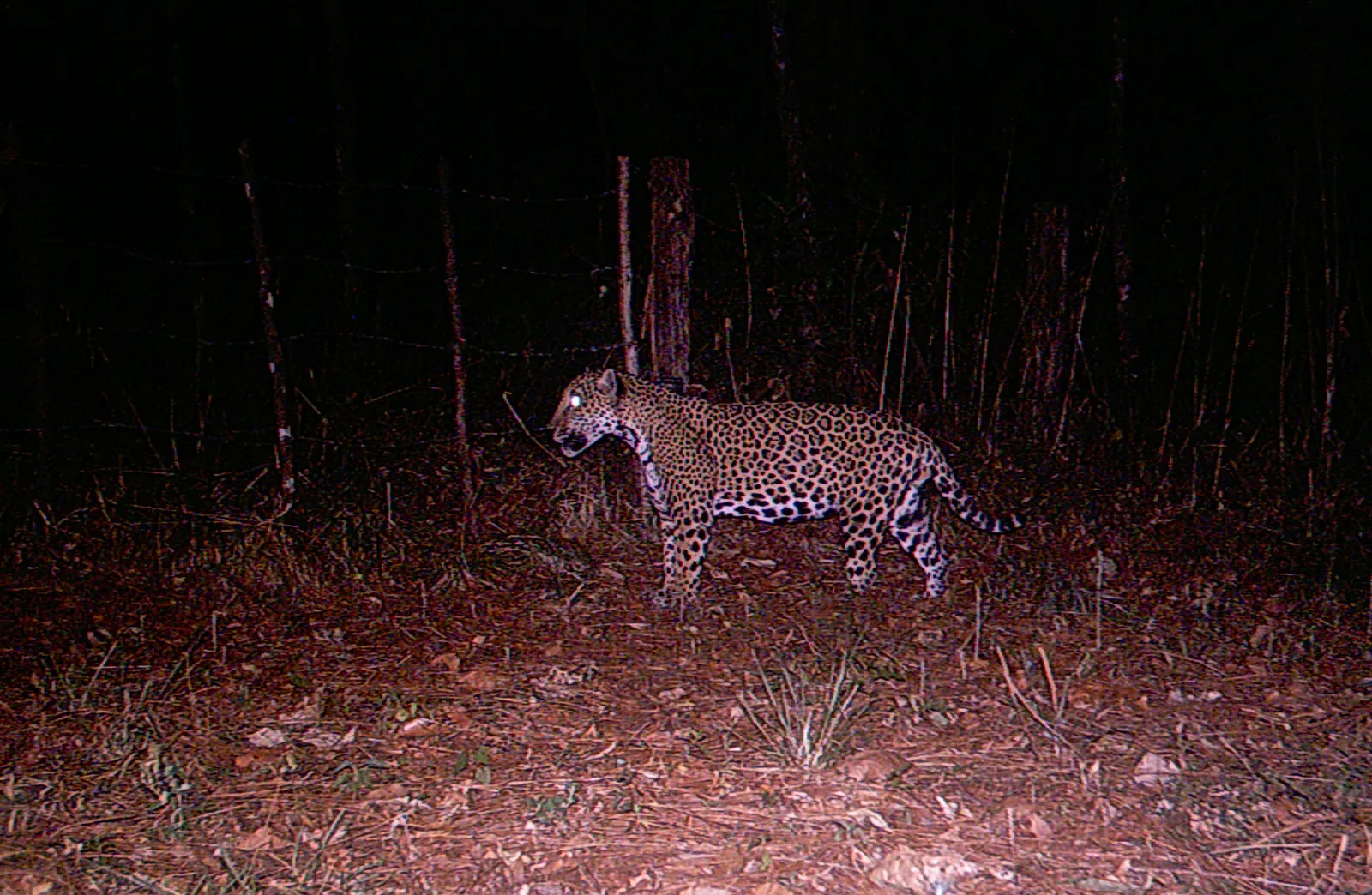
Nature usually sorts predators neatly into day-active or night-active categories. Jaguars refuse to be filed away that easily. Most of us think of animals as being either diurnal or nocturnal, but jaguars don’t fit into this pattern; they can be active either during the day or at night, and are considered crepuscular and nocturnal, meaning they’re most active during dusk and dawn.
This flexibility isn’t uniform across every population either, which makes the species even harder to pin down. Some island-dwelling jaguars in Brazil have shifted almost entirely toward daytime activity, a pattern rarely seen on the mainland. That kind of behavioral elasticity, adjusting the clock itself depending on local conditions, is not something you find in most other big cats.
Final thoughts
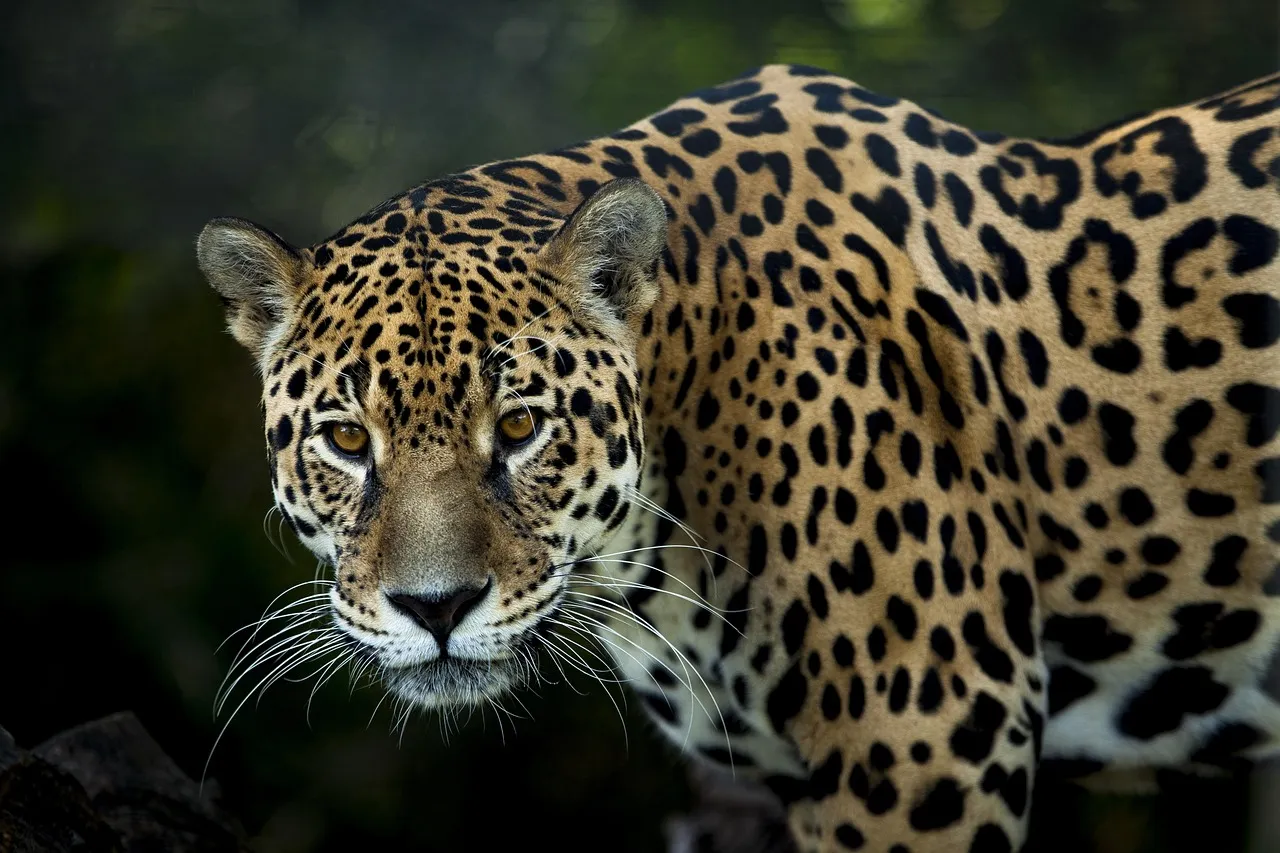
Put these traits together and a jaguar starts to look less like a jungle cousin of the lion and more like its own experiment in what a cat can become. It swims when other cats sulk at the water’s edge, kills through the skull instead of the throat, and calls out in a rasp that sounds nothing like the roars we associate with big cats in movies and documentaries.
If I’m honest, the jaguar deserves a far bigger reputation than it currently has. Lions get the crown and tigers get the size records, but pound for pound, the jaguar is arguably the most specialized, most physically inventive predator among them. It’s the quiet, undersung heavyweight of the cat world, and the more researchers watch it, the stranger and more impressive it keeps turning out to be.
