
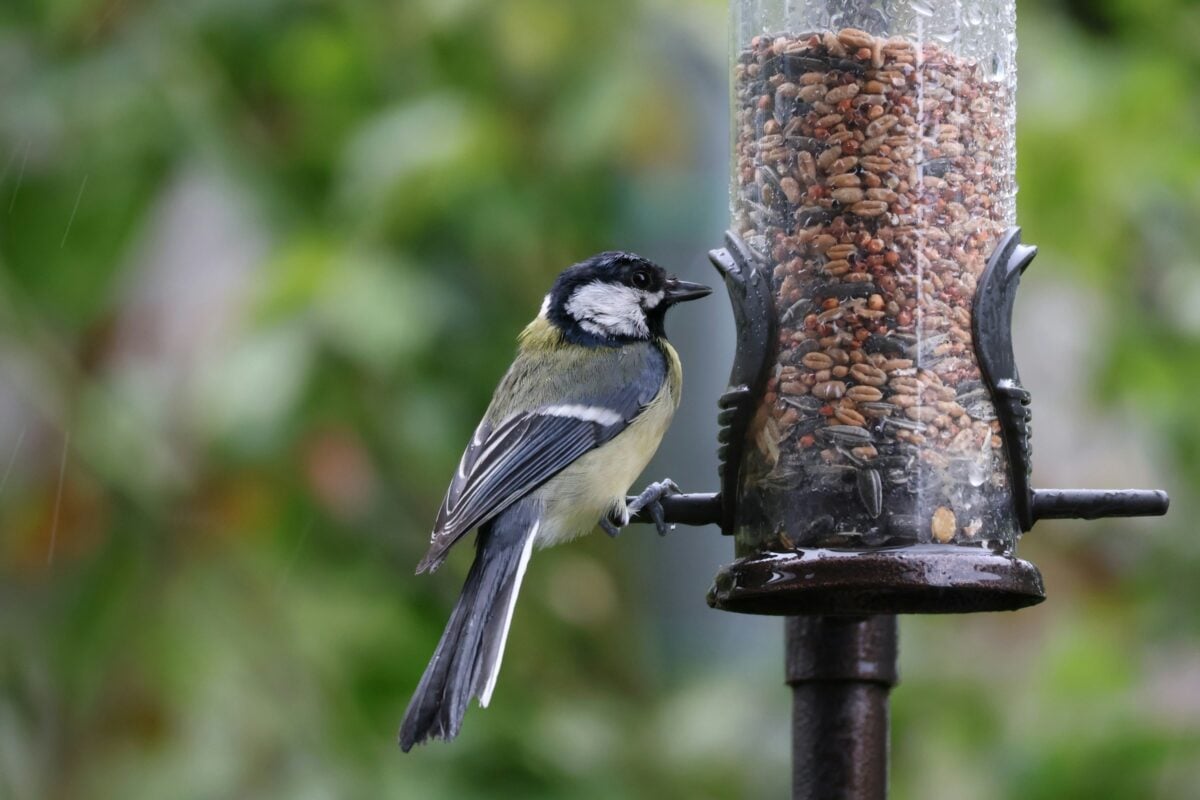
Bringing a feathered friend into your home is an exciting journey filled with chirps, colors, and companionship. However, many new bird owners find themselves unprepared for the daily care nuances that these intelligent creatures require. Overlooking these needs can lead to health issues, behavioral problems, and a less fulfilling relationship with your avian companion. Let’s delve into ten critical aspects of daily bird care that often catch new owners off guard.
1. The Importance of Cage Size and Setup
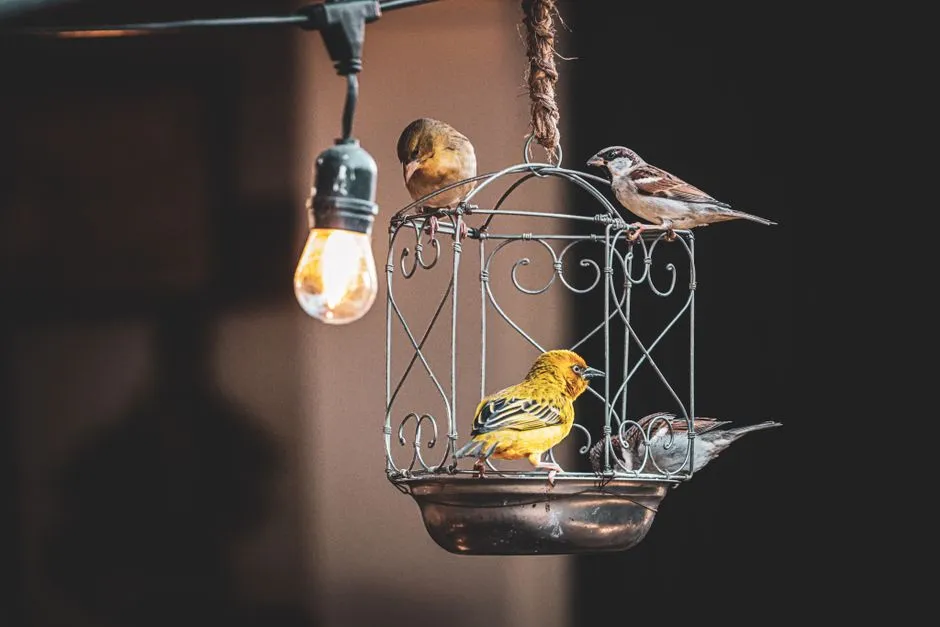
It’s a common misconception that birds can thrive in small cages. In reality, a cramped environment can lead to stress, obesity, and behavioral issues. Your bird’s cage should be spacious enough to allow full wing extension and free movement. Incorporate perches of varying diameters and textures to promote foot health and prevent arthritis. Additionally, ensure the cage is placed in a well-lit area, away from drafts and direct sunlight, to create a comfortable living space.
2. Balanced Nutrition Beyond Seeds
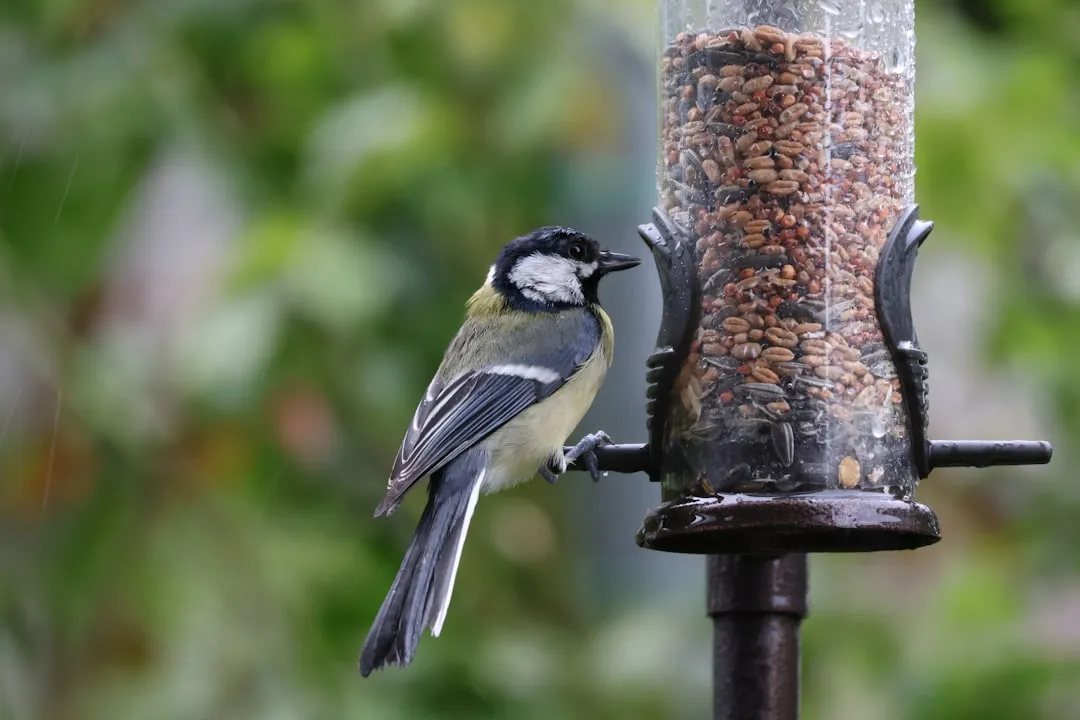
Many new bird owners rely heavily on seed mixes, believing them to be a complete diet. However, seeds are often high in fat and lack essential nutrients. A balanced diet should include high-quality pellets, fresh fruits, and vegetables. For instance, incorporating leafy greens, carrots, and apples can provide necessary vitamins and minerals. Always research which foods are safe, as some, like avocado and chocolate, are toxic to birds.
3. Daily Cleaning Routines
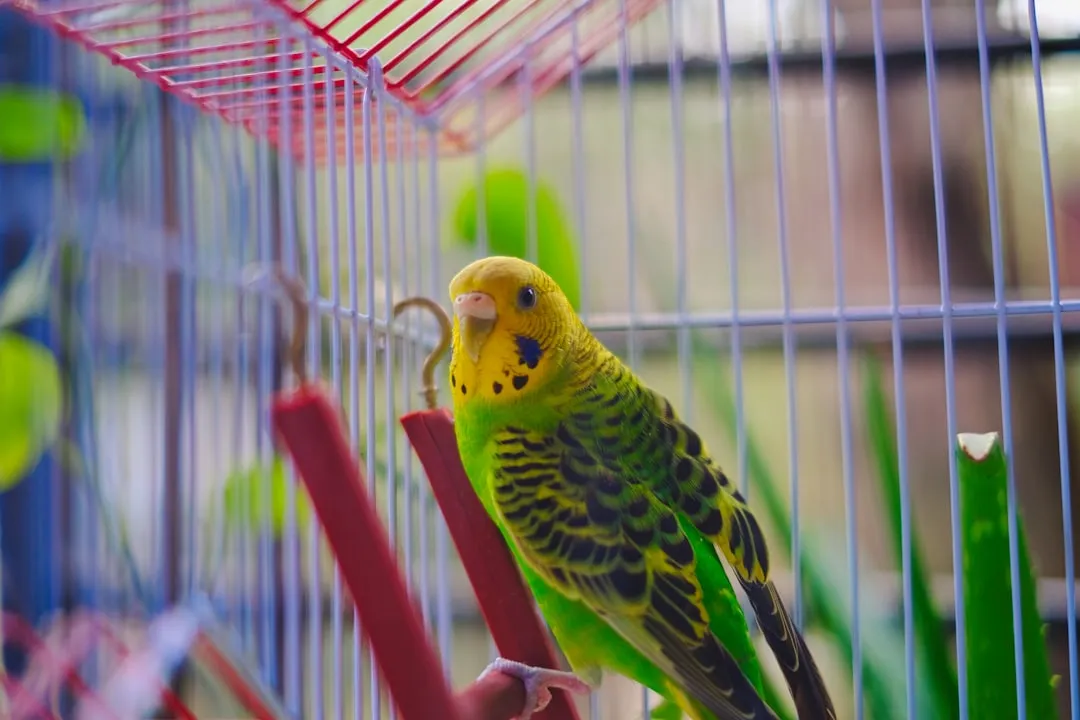
Birds are sensitive to unclean environments, which can harbor bacteria and mold. Daily tasks should include changing cage liners, washing food and water dishes, and removing uneaten food. A weekly deep clean of the cage, including perches and toys, helps maintain a hygienic habitat. Using bird-safe cleaning agents is crucial to avoid respiratory issues caused by harsh chemicals.
4. Mental Stimulation and Enrichment
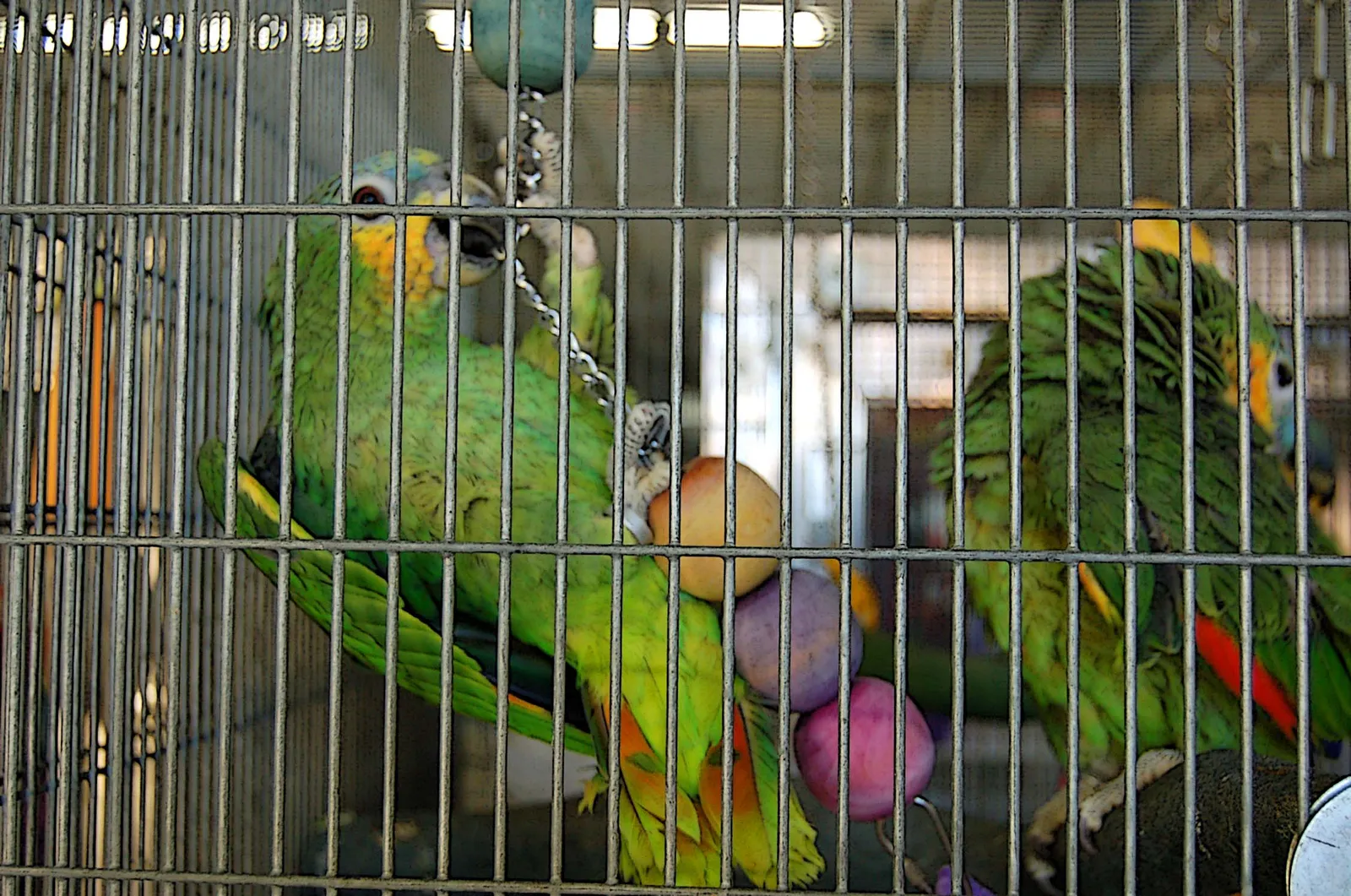
Birds are intelligent creatures that require mental stimulation to prevent boredom and associated behavioral problems. Providing a variety of toys, such as puzzles and foraging activities, can keep their minds engaged. Regularly rotating toys and introducing new challenges can mimic the dynamic environment they would experience in the wild, promoting overall well-being.
5. Social Interaction Needs

Many bird species are inherently social and thrive on interaction. Neglecting daily socialization can lead to loneliness and depression. Engage with your bird through talking, training sessions, or simply spending time near their cage. For single birds, your companionship becomes their flock, making your interaction vital for their emotional health.
6. Regular Health Monitoring
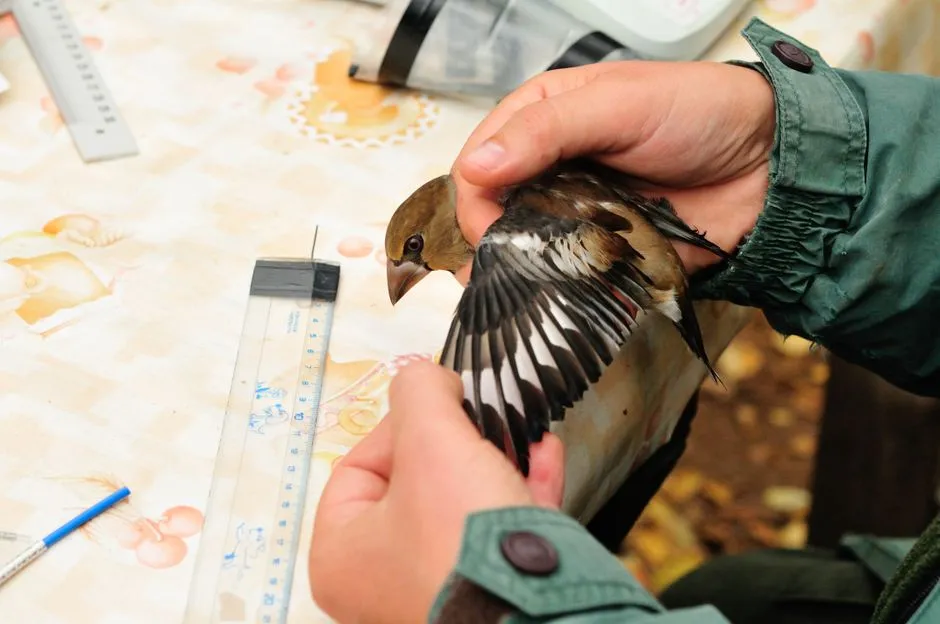
Birds often hide signs of illness, making daily health checks essential. Observe their droppings, appetite, and behavior for any changes. Regularly weighing your bird can help detect weight loss, a common indicator of health issues. Establishing a relationship with an avian veterinarian and scheduling annual check-ups can aid in early detection and treatment of potential problems.
7. Safe Environmental Conditions
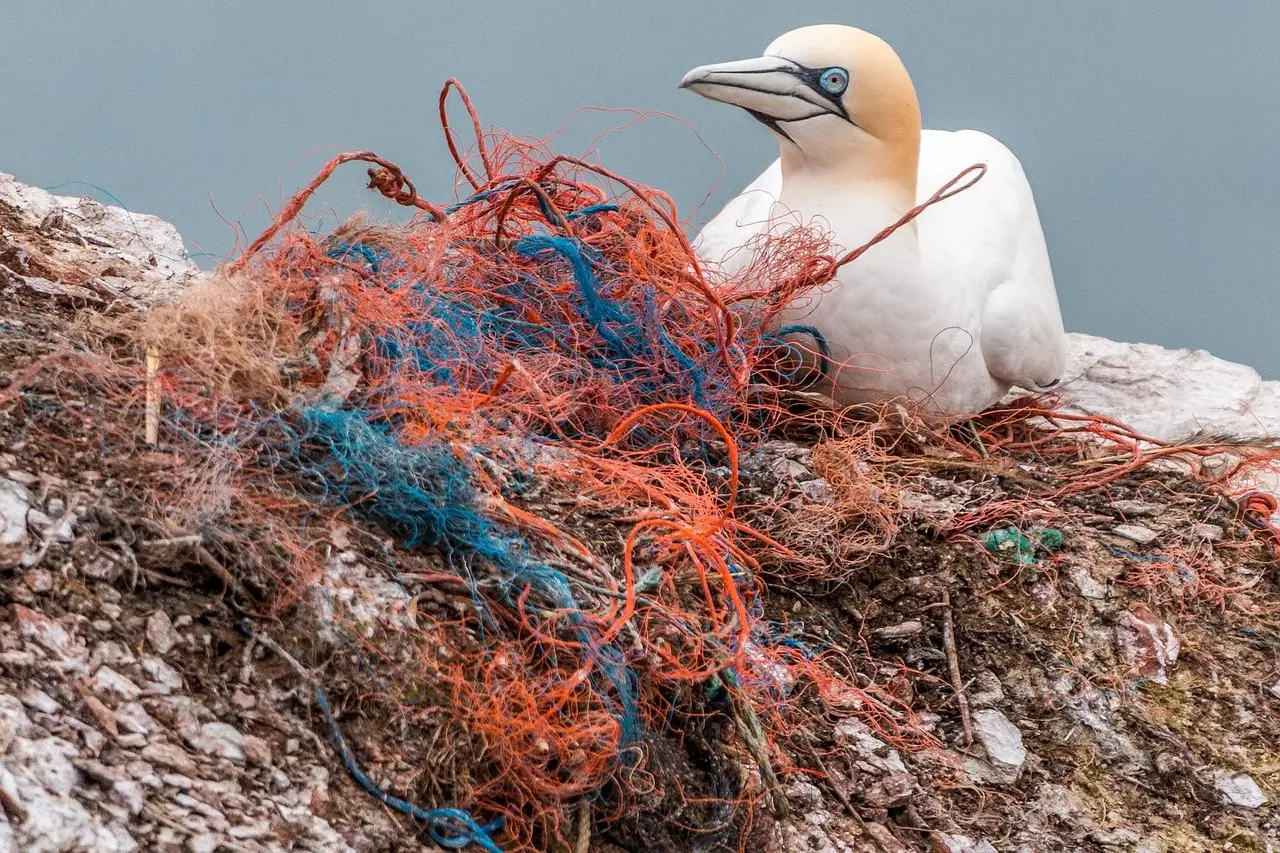
Household hazards can pose significant risks to birds. Non-stick cookware, for example, can release fumes that are lethal to birds when overheated. Ensure your bird’s environment is free from toxic fumes, open water sources, and accessible electrical cords. Maintaining a stable temperature and avoiding drafts are also crucial for their comfort and health.
8. Proper Grooming Practices
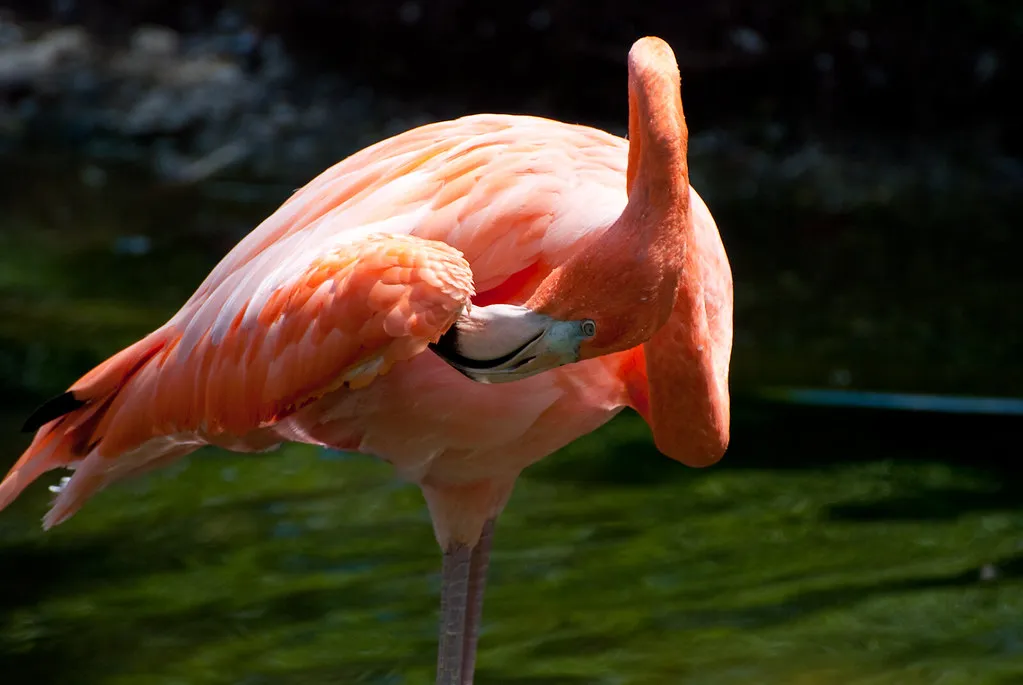
Regular grooming is vital for a bird’s health. This includes nail trims to prevent overgrowth and potential injury. Providing opportunities for bathing, such as a shallow dish of water or gentle misting, helps maintain feather condition and skin health. Beak maintenance is typically managed through diet and chewing activities, but monitoring for abnormalities is important.
9. Understanding Noise Levels
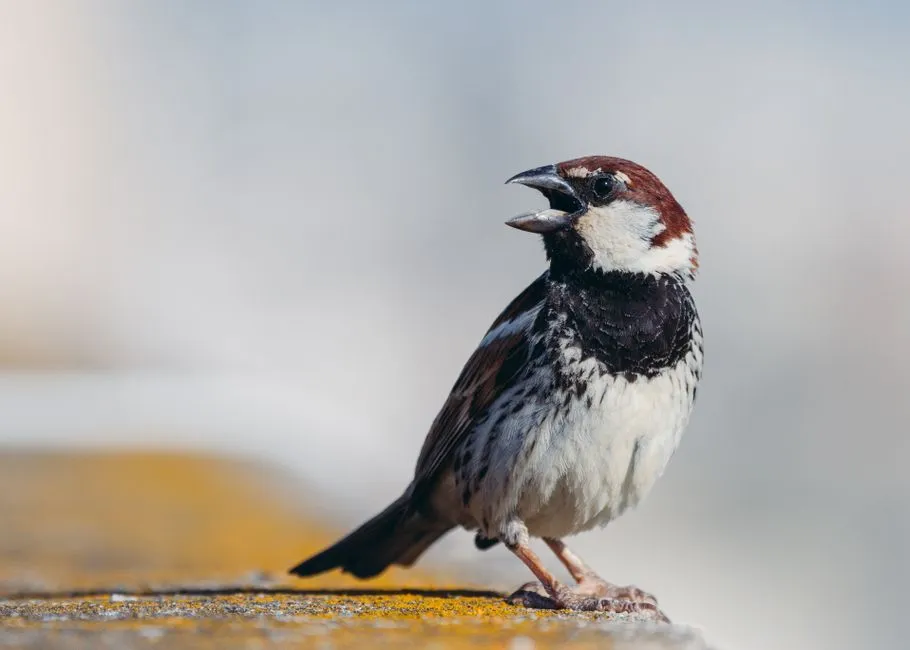
Birds communicate through vocalizations, and some species can be quite loud. New owners might be unprepared for the noise levels, especially during dawn and dusk when birds are most active. Understanding and accepting this natural behavior is important, and providing a routine can help manage excessive noise.
10. Commitment to Lifelong Care
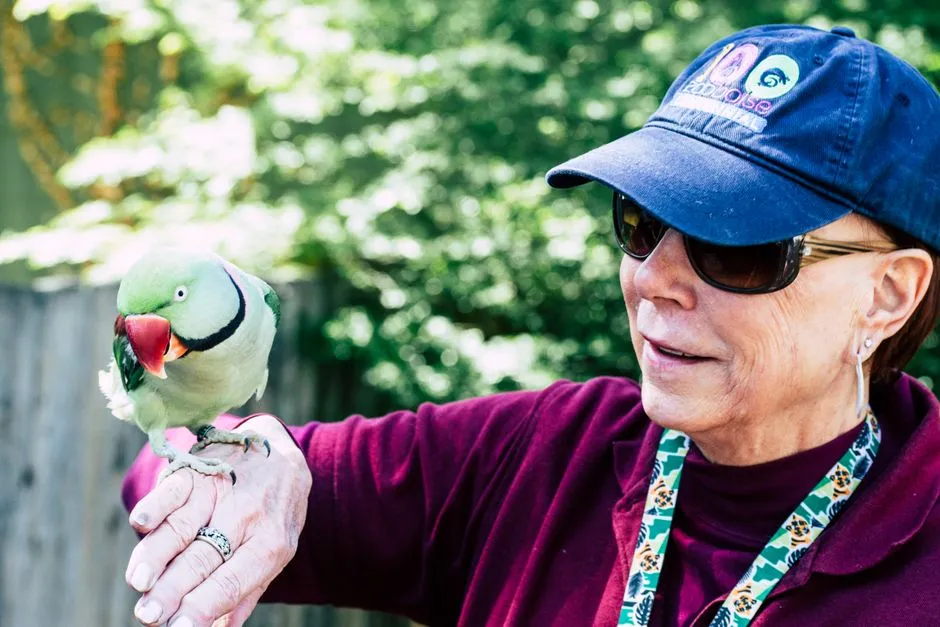
Birds often have long lifespans, with some species living several decades. This longevity requires a long-term commitment to their care, including daily routines, social interaction, and financial responsibility for their needs. Understanding the full scope of this commitment is essential before bringing a bird into your home.
Embarking on the journey of bird ownership is both rewarding and demanding. By acknowledging and addressing these daily care needs, you can ensure a healthy, happy life for your avian companion. Remember, the key to a thriving bird is not just love, but informed and consistent care.
