
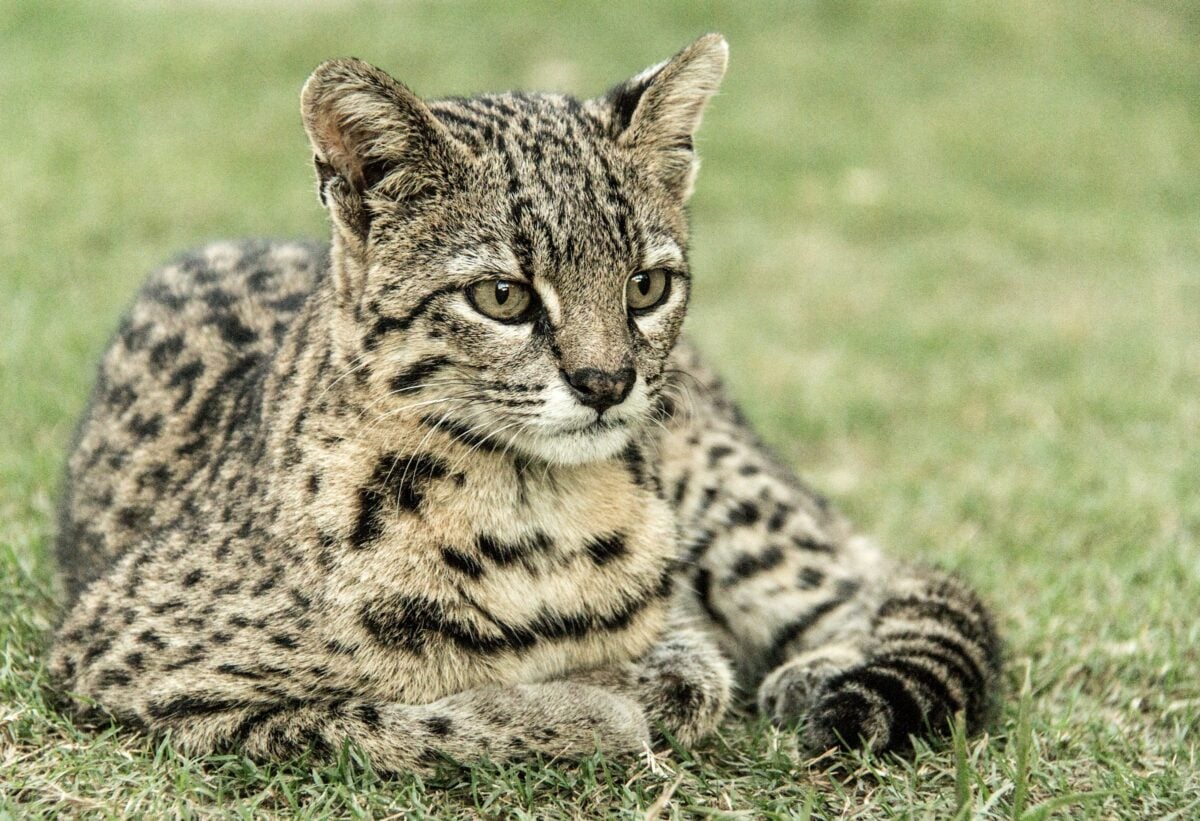
The ocelot, a mesmerizing feline native to the Americas, captivates with its striking appearance and intriguing behaviors. Let’s delve into the distinctive characteristics that elevate the ocelot to a pinnacle of natural beauty.
Exquisite Coat Patterns
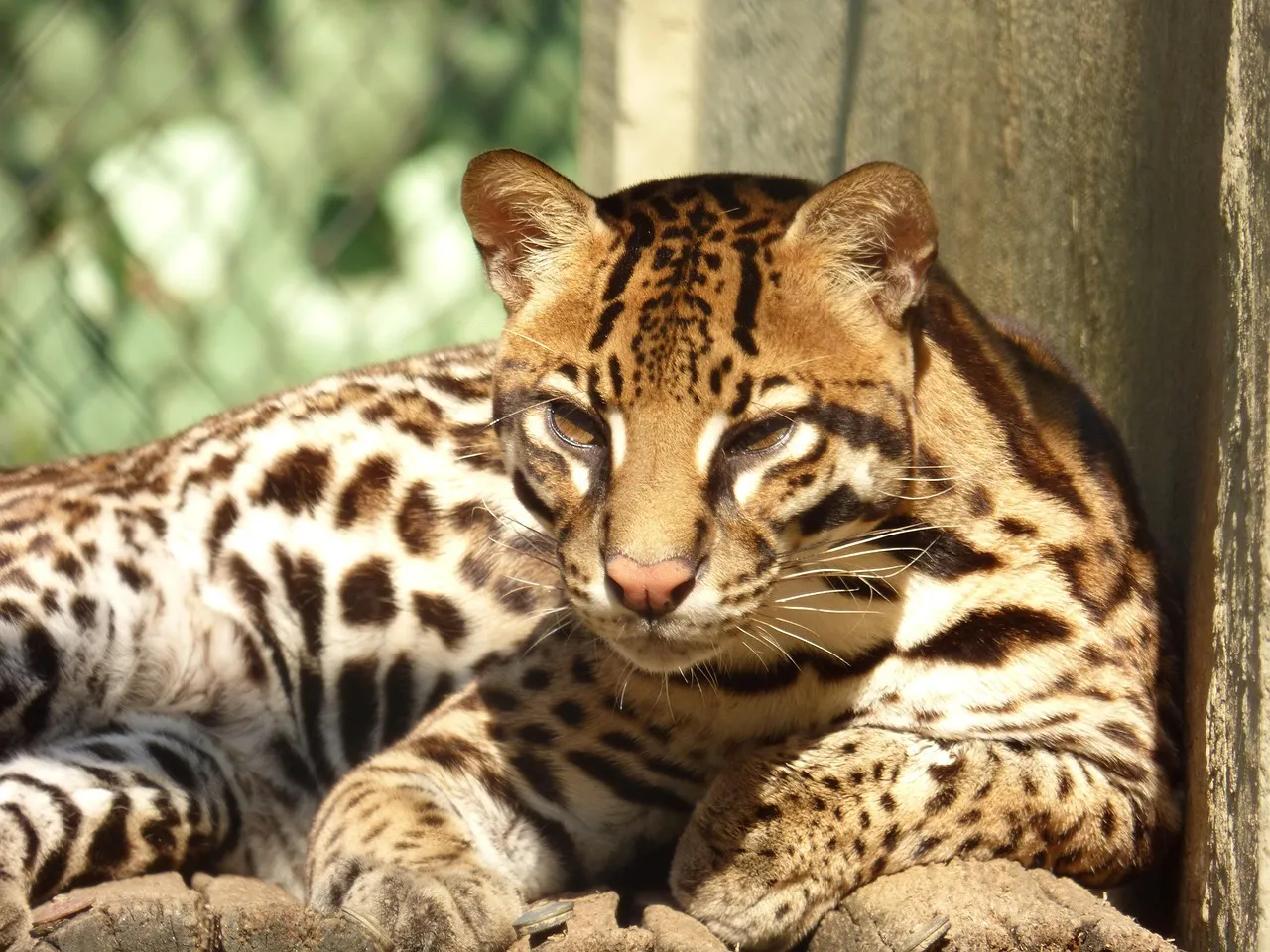
The ocelot’s fur is a masterpiece of nature, adorned with intricate rosettes and spots that create a unique pattern on each individual. This elaborate design not only enhances their allure but also provides effective camouflage in their natural habitats.
The base color of their coat varies from tawny yellow to reddish-gray, harmonizing with the dappled light of dense forests. This coloration allows them to blend seamlessly into their surroundings, making them elusive to both prey and predators.
Striking Facial Markings
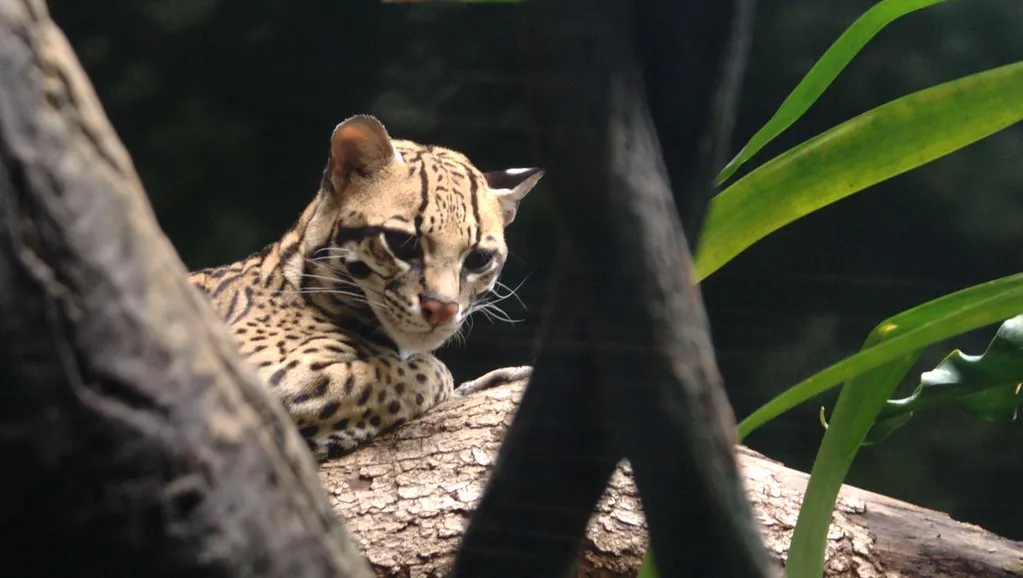
Beyond their body patterns, ocelots possess distinctive facial markings that add to their enigmatic charm. Bold black lines frame their eyes and extend down their cheeks, accentuating their intense gaze.
These facial features are not merely aesthetic; they play a role in communication and identification among ocelots, as each pattern is as unique as a human fingerprint.
Graceful Build and Size
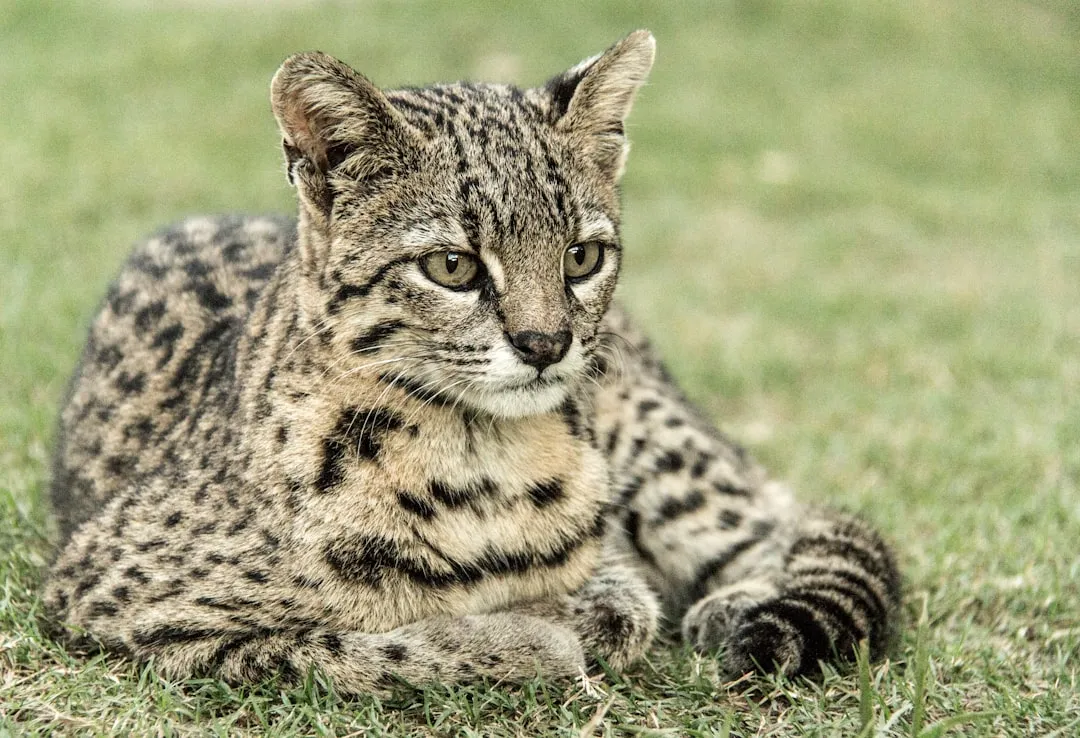
Ocelots exhibit a sleek and muscular physique, with a body length ranging from 28 to 35 inches and a weight between 24 to 35 pounds. Their proportionate build contributes to their agility and prowess as hunters.
Their relatively short tails, measuring about 10 to 17 inches, aid in balance during swift movements, whether navigating through dense underbrush or leaping onto prey.
Exceptional Night Vision
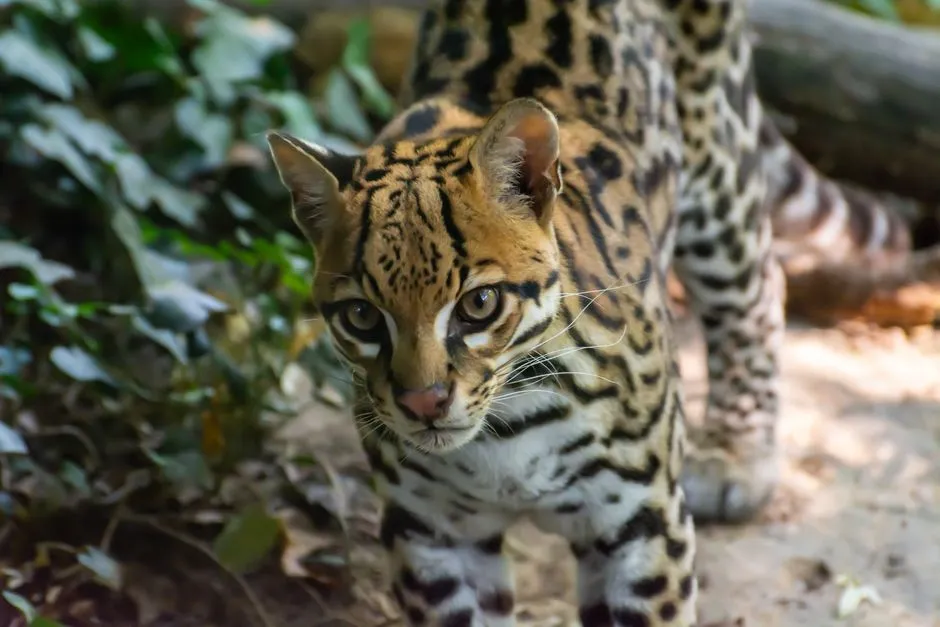
As nocturnal predators, ocelots have evolved remarkable night vision, allowing them to hunt effectively in low-light conditions. Their large, brown eyes are adapted to detect the slightest movements in the dark.
This adaptation is crucial for their survival, as it enables them to locate and capture a variety of prey, from small mammals to birds and reptiles, under the cover of night.
Versatile Hunting Techniques
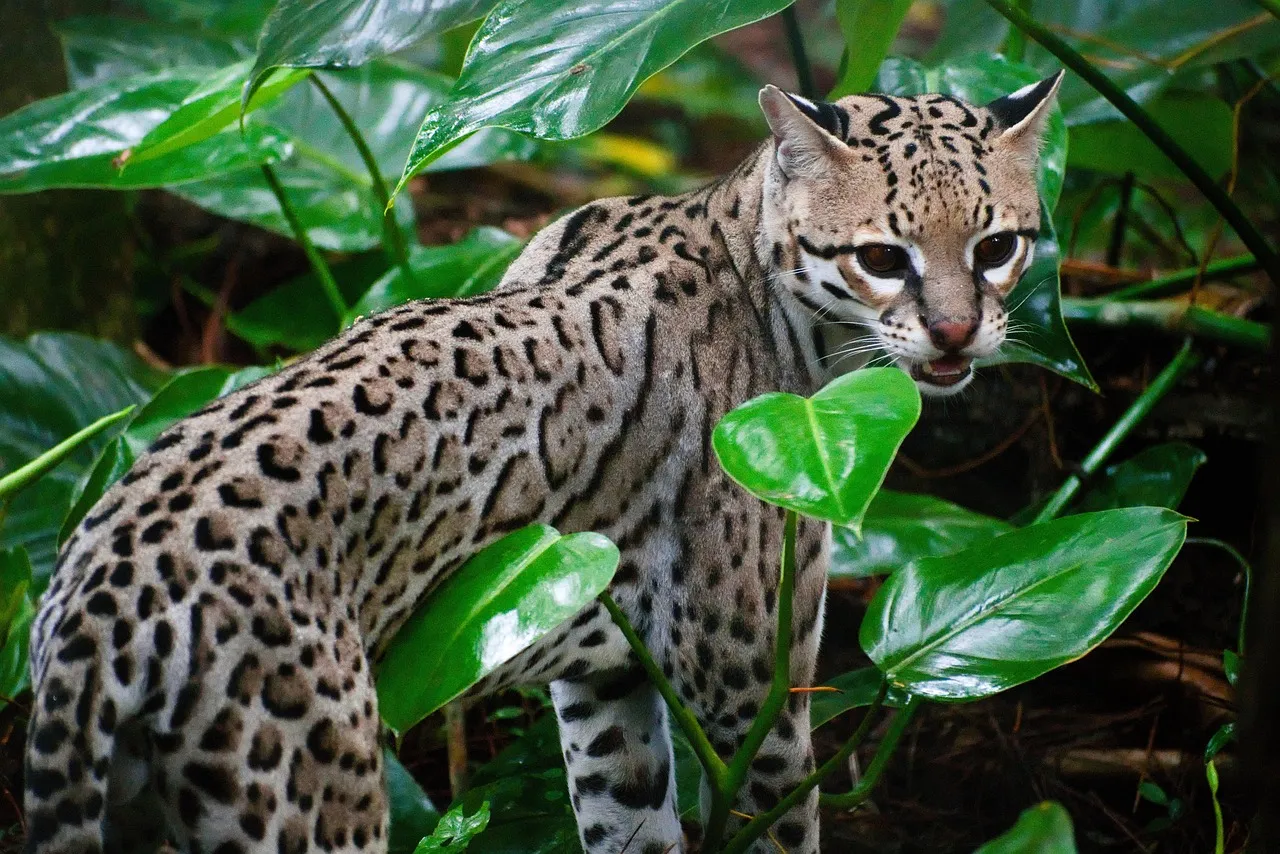
Ocelots employ a diverse array of hunting strategies, showcasing their adaptability. They are adept climbers, often pursuing arboreal prey like monkeys and birds by navigating tree canopies with ease.
On the ground, they exhibit patience and stealth, stalking rodents, rabbits, and even fish along riverbanks. Their ability to swim adds another dimension to their hunting repertoire, setting them apart from many other feline species.
Solitary and Territorial Nature
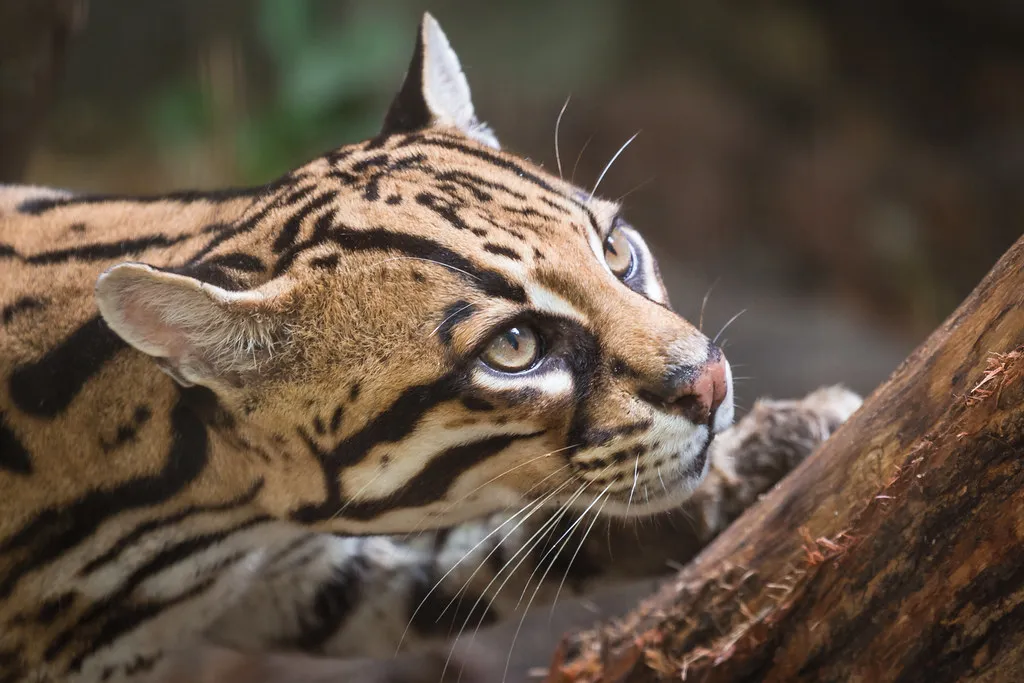
These cats are predominantly solitary, with each individual maintaining a distinct territory. Males’ territories can span up to 35 square miles, overlapping with those of several females.
They communicate territorial boundaries through scent markings and vocalizations, ensuring minimal conflict and efficient resource utilization within their habitats.
Adaptability to Diverse Habitats
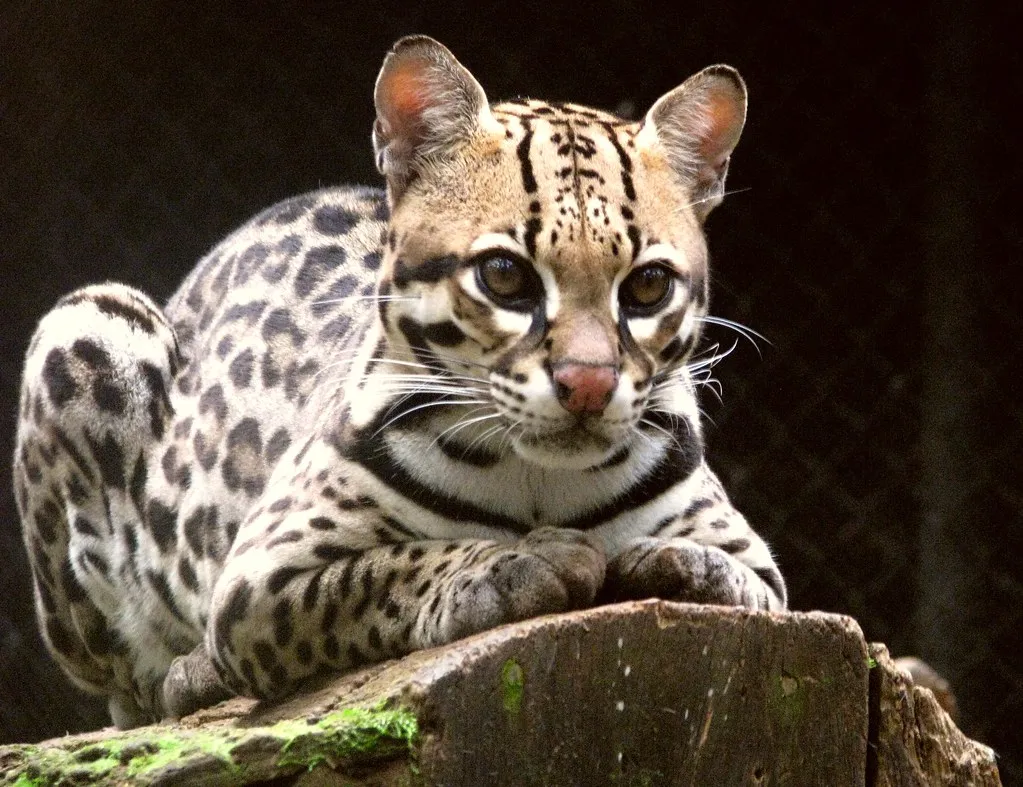
Ocelots thrive in a variety of environments, from tropical rainforests to arid scrublands. Their adaptability is evident in their ability to inhabit regions ranging from sea level to elevations of 3,000 feet.
This versatility underscores their resilience and contributes to their wide distribution across the Americas, from the southern United States to northern Argentina.
Complex Vocalizations
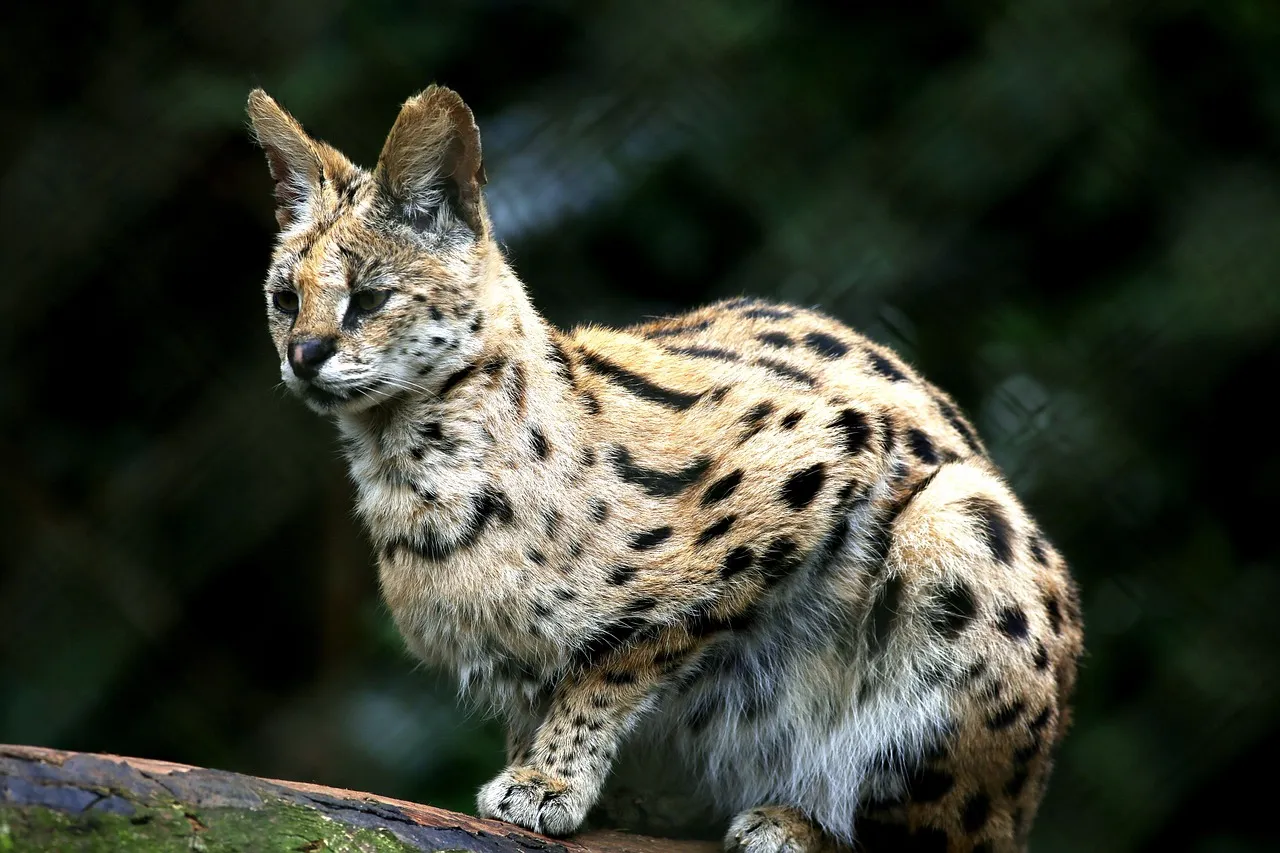
Communication among ocelots involves a range of vocalizations, including meows, growls, and purrs. During mating seasons, they emit loud yowls to attract potential mates.
These sounds play a vital role in maintaining social structures, signaling distress, and coordinating interactions between mothers and their offspring.
Maternal Dedication
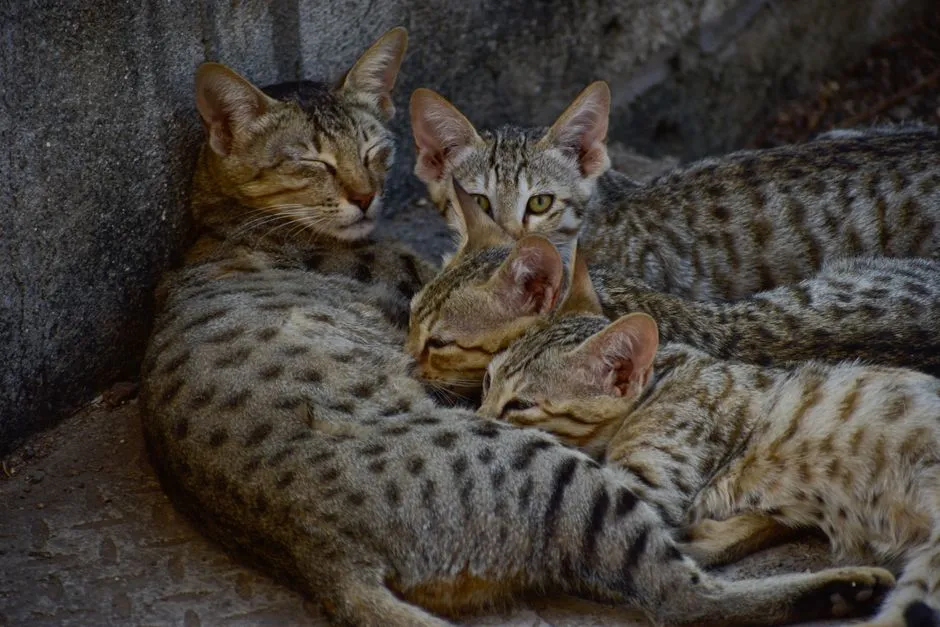
Female ocelots exhibit profound maternal instincts, raising their young in secluded dens to protect them from predators. They invest significant time teaching their kittens essential survival skills.
Kittens remain with their mothers for up to two years, learning to hunt and navigate their environment before establishing their own territories.
Cultural Significance
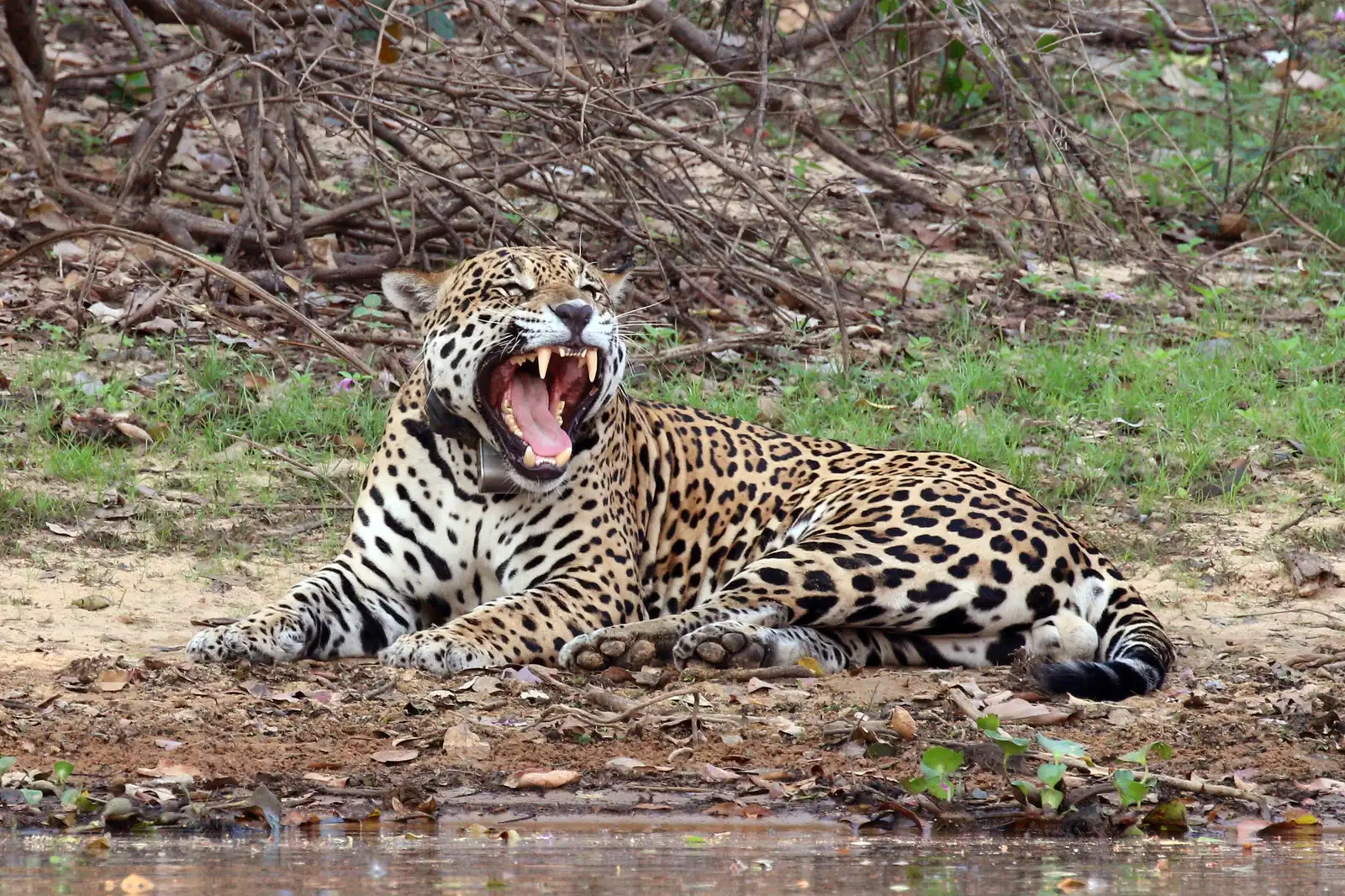
Throughout history, ocelots have held a place in human culture, especially among indigenous peoples of the Americas. They appear in ancient art and mythology, symbolizing power and mystery.
This cultural reverence highlights the deep connection between humans and these magnificent creatures, reflecting their enduring impact on our collective imagination.
In conclusion, the ocelot’s blend of physical beauty, behavioral complexity, and ecological adaptability makes it one of the most captivating wild cats. Its presence enriches the biodiversity of its habitats and continues to inspire admiration and respect. Isn’t it remarkable how nature crafts such intricate and awe-inspiring beings?

- The Most Suitable Small Pet For You According to Your Zodiac Sign - July 15, 2026
- How to Develop Trust and Strengthen Your Bond With Your Horse - July 15, 2026
- How Dogs Can Help Veterans Heal from Trauma - July 15, 2026