
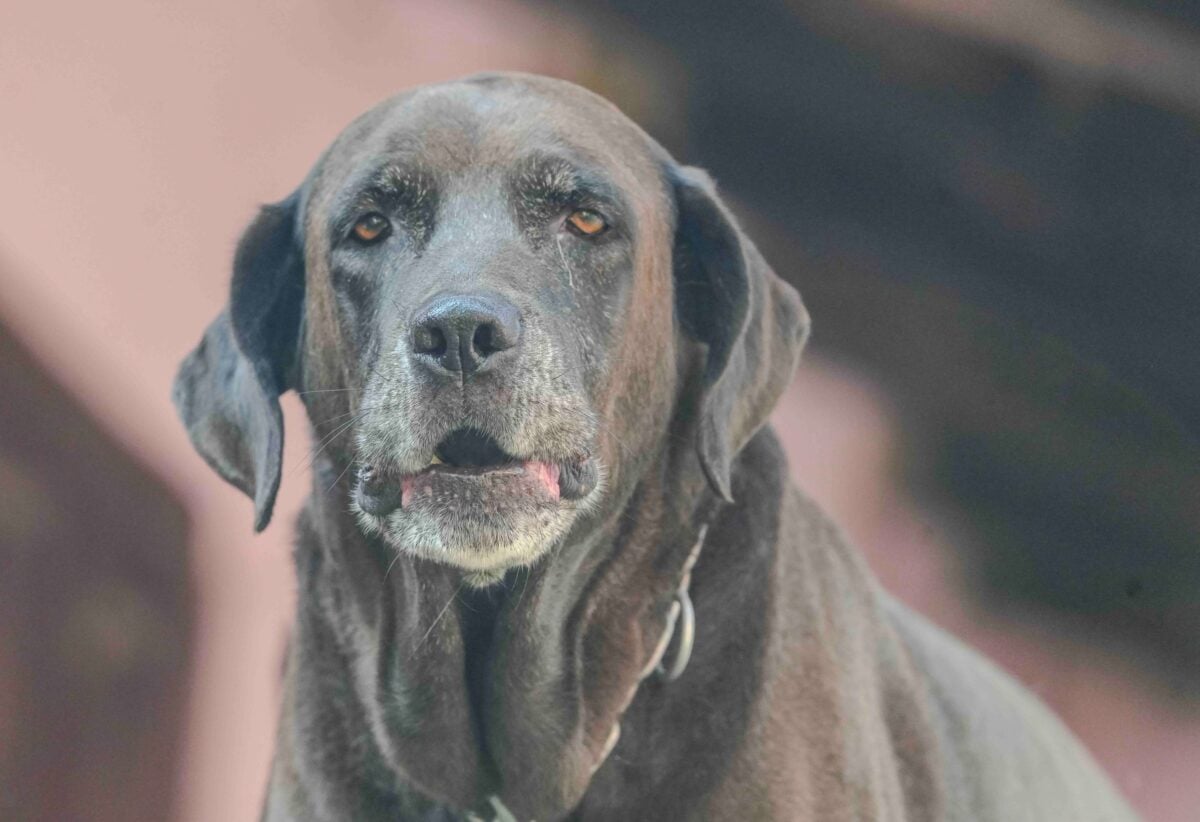
Most people assume an old dog quietly fades out – less tail wagging, less eye contact, more time curled up in the corner while life moves on without them. That assumption is wrong, and believing it might mean missing some of the most meaningful moments you’ll ever share with your dog.
Behaviorists who study aging dogs say the opposite actually happens. Senior dogs don’t pull away emotionally as their bodies slow down – they lean in harder. Their gratitude gets louder in quieter ways: a longer stare, a heavier sigh, a worn-out toy dropped at your feet for no obvious reason. Here are 14 signals worth watching for, starting small and building toward the one most owners say broke their heart in the best possible way.
#14 – The Gentle Lean That Says “I’m Still Here for You”
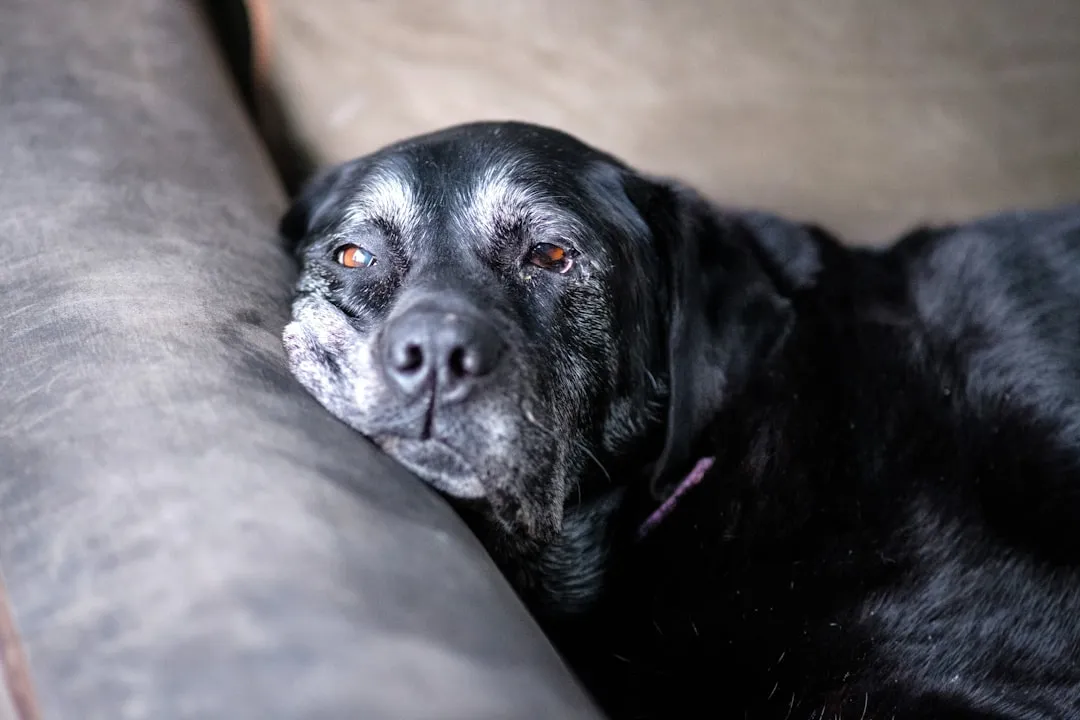
Senior dogs often start leaning their full body weight against your leg or side during quiet moments at home. It’s not just about balance – it’s a choice. They’re handing over part of their weight, quite literally, to the person who’s carried them through the years.
Many owners notice this lean shows up more often as mobility fades, turning a simple touch into a daily ritual. It tends to happen right after meals or walks, almost like a check-in to confirm the bond is still exactly where it was.
Fast Facts
- Small breeds usually aren’t considered seniors until around 10 to 12 years old, while large and giant breeds can reach senior status as early as 6 to 8 years old.
- Many vets define “senior” as the last 25 percent of a dog’s expected lifespan rather than one fixed age for every dog.
- The first year of a dog’s life is roughly equivalent to 15 human years, which helps explain why bonding behaviors can appear so early and run so deep.
#13 – The Long, Steady Stare That Wasn’t There Before
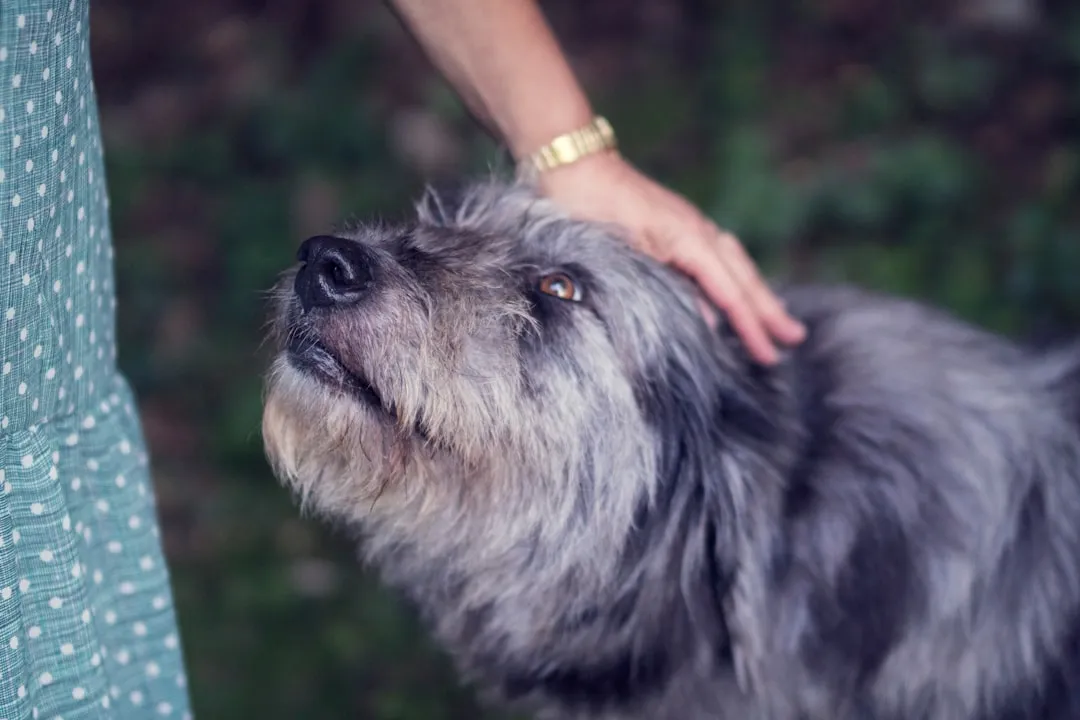
Your aging dog may start holding your gaze far longer than they used to, especially while you’re sitting nearby or fixing their food. That soft, steady look replaces the quick glances of their younger years, and it usually shows up when a dog feels completely secure.
The strange part is how long it lasts – sometimes 10 to 20 seconds at a stretch, well beyond what’s typical for a younger dog. It happens during the most boring parts of your day, while you’re reading or watching TV, and somehow turns an ordinary evening into something quietly meaningful.
#12 – The Deep Sigh That’s Basically a Thank-You
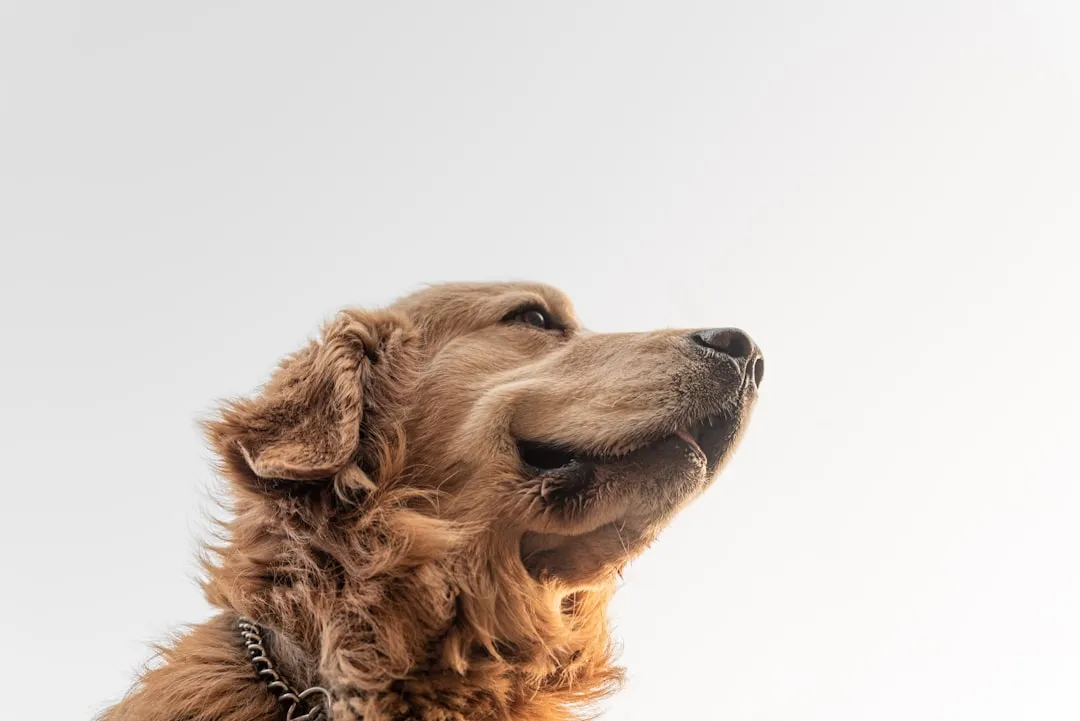
Listen for that long, relaxed exhale your senior dog lets out once you settle beside them on the couch or floor. It isn’t random. It almost always follows you sitting down nearby, as if your presence is the signal their body was waiting for to finally let go of tension.
Owners often say this sigh gets more noticeable in a dog’s later years, like a wordless thank-you for choosing to be close. It can happen several times in one evening, especially after a day when you were gone longer than usual.
#11 – Bringing an Old Toy as an Offering
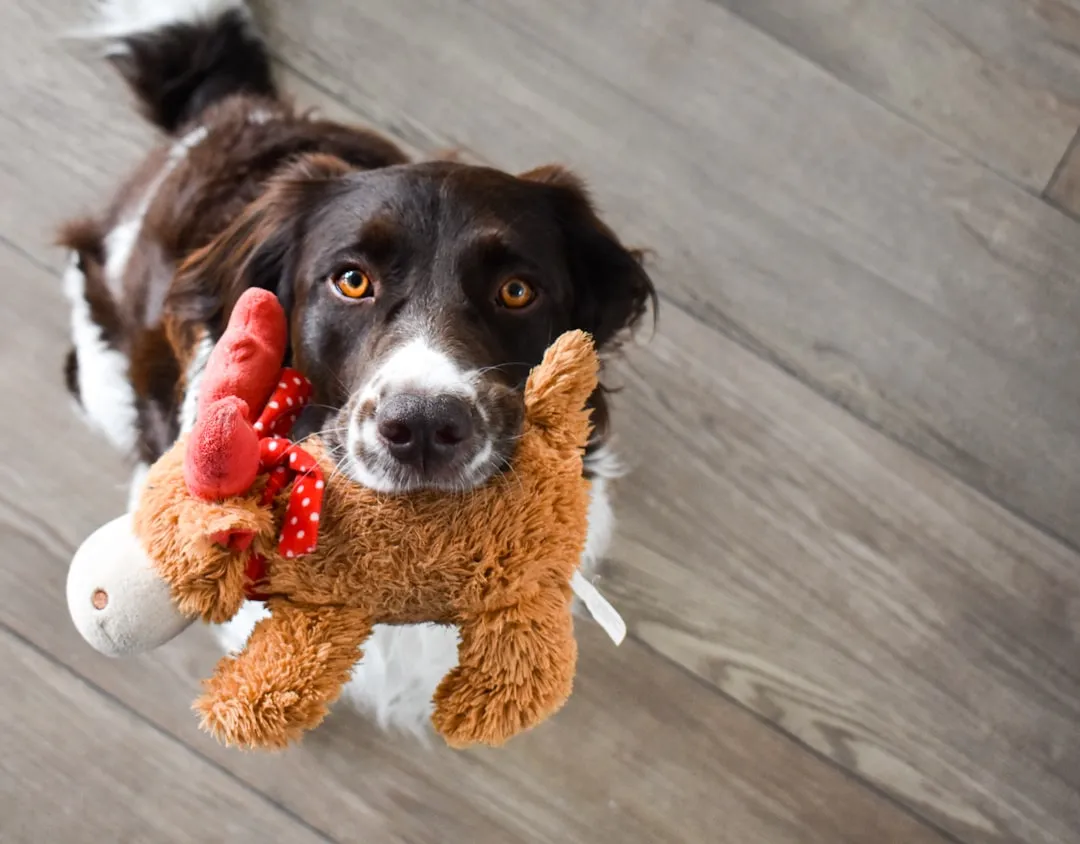
Even when energy is low, some senior dogs will still drag a favorite, well-worn toy across the room and drop it at your feet or on the bed. It feels intentional – less like play and more like a small gift handed over in exchange for years of care.
What stands out is which toy they pick. It’s often something from their younger days, chosen on purpose instead of whatever’s closest. For a dog running on limited energy, that’s not a small effort – it’s a real one.
#10 – Following You Room to Room at Their Own Pace
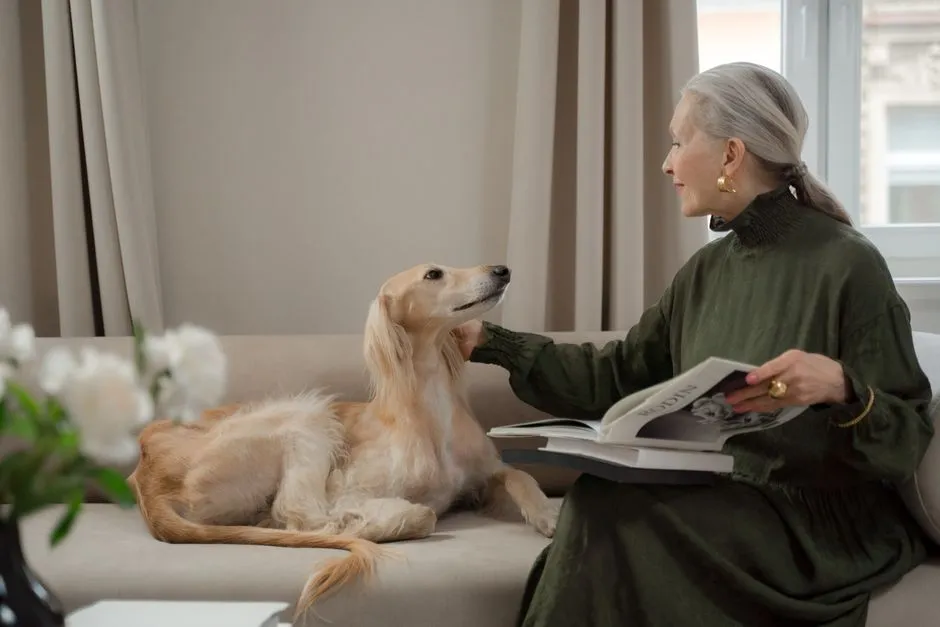
Your senior dog may trail behind you slower than before, stopping to rest but always catching up when they can. That persistence, despite stiff joints or fatigue, says a lot about how much they still value being near you over just staying comfortable.
This behavior tends to spike during any kind of change – moving furniture, packing for a trip, rearranging a room. Watch closely and you’ll notice they choose paths that keep you in sight rather than the shortest route to their bed. Owners often call it “checking in.”
Worth Knowing
- Roughly 80 percent of dogs show some degree of arthritis by around age eight, which makes stiff, slower movement one of the most common signs of aging.
- The joints most commonly affected are the hips, knees, elbows, and back – the same ones doing the work every time your dog trails you across the house.
- A dog that keeps following anyway, despite the discomfort, is choosing closeness over comfort every single time.
#9 – Gentle Licks on Your Hands or Wrists
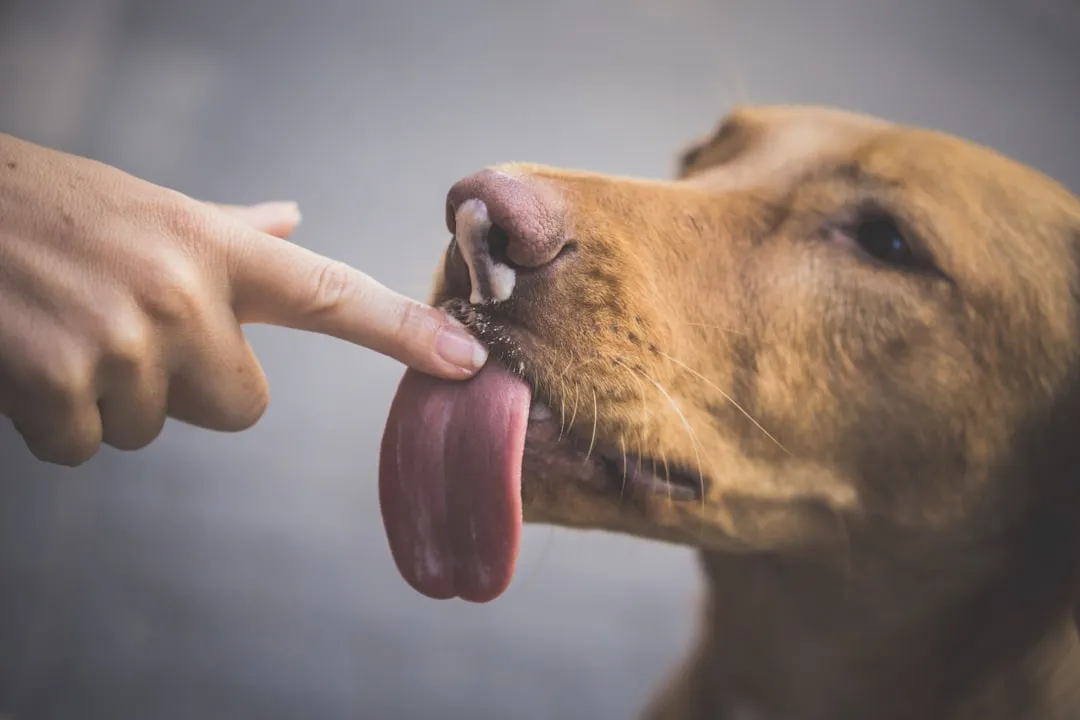
Instead of the big, sloppy face licks from puppyhood, senior dogs tend to offer soft, deliberate licks to your hands during petting sessions. It feels calibrated, like they’re spending exactly the energy they have left on something that matters to them.
This usually shows up when you’re grooming them or just sitting quietly together, and it reads as a kind of reciprocal thank-you. The licks are slower now, more careful – a small but clear form of affection that ages right along with the dog.
#8 – Choosing Your Side of the Bed or Couch

As preferences settle in with age, many senior dogs abandon their own bed in favor of the spot right next to you. It keeps them in constant contact, letting them track your movements even in their sleep.
This shift often becomes especially consistent in the final months, overriding habits they’ve had for years. It’s not subtle once it starts – it happens night after night, without any coaxing from you.
#7 – Eating More Enthusiastically When You Hand-Feed
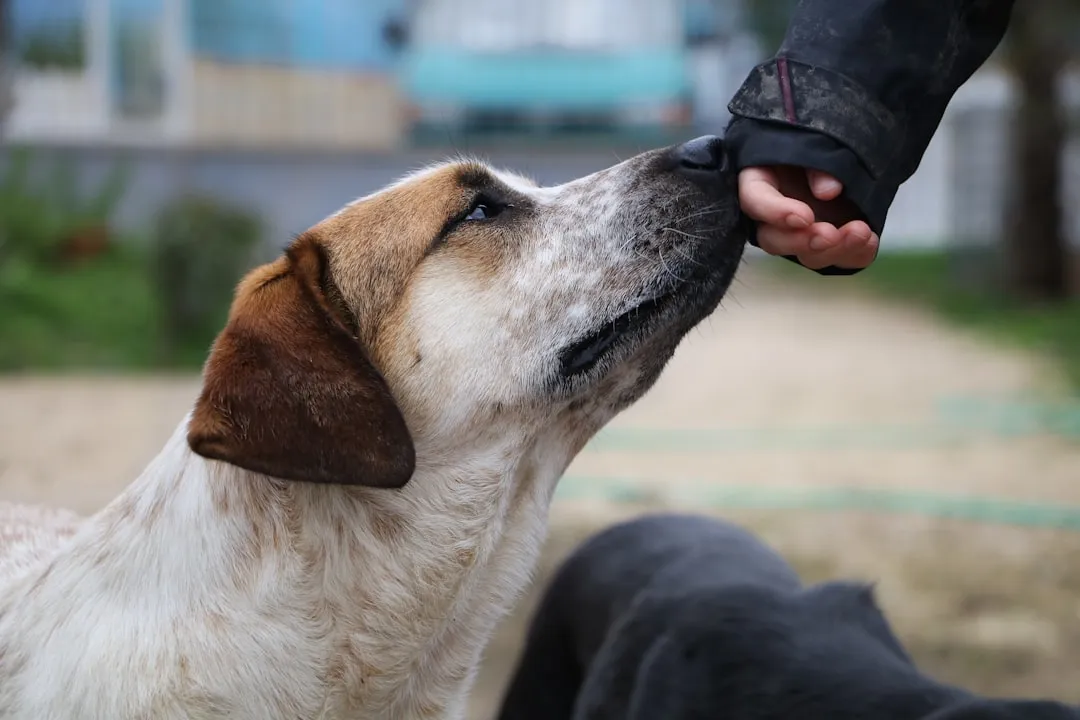
Some senior dogs perk up at mealtime only when the food comes straight from your hand. It’s not really about the food. It’s about the interaction, and it can appear even in dogs whose appetite has otherwise dropped off.
The telling detail: that same enthusiasm often disappears if someone else offers the exact same food. That’s the personal bond talking, not the dog’s stomach – and it turns ordinary feeding time into a small daily act of connection.
Quick Compare
- Hand-fed by you: eager eating, tail wags, sustained eye contact
- Left to eat alone from the bowl: slower interest, occasional walk-aways
- Same food, offered by someone else: enthusiasm often drops noticeably
#6 – Wagging Their Tail at the Sound of Your Voice
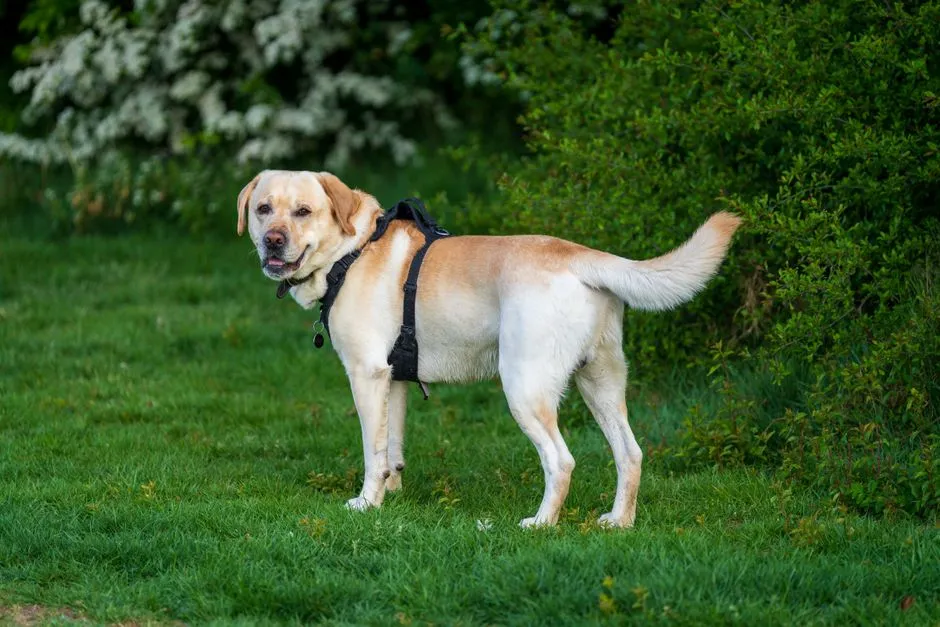
A subtle thump of the tail, sometimes just a twitch, often greets your voice before you’ve even walked into the room. That response holds on well into old age, even when nearly everything else has slowed down.
It costs a dog almost no energy, yet it says plenty. Listen for it during phone calls or conversations happening nearby – the recognition is still there, fully intact, even if the rest of the tail wag isn’t what it used to be.
#5 – Tolerating Extra Grooming or Handling Without Complaint
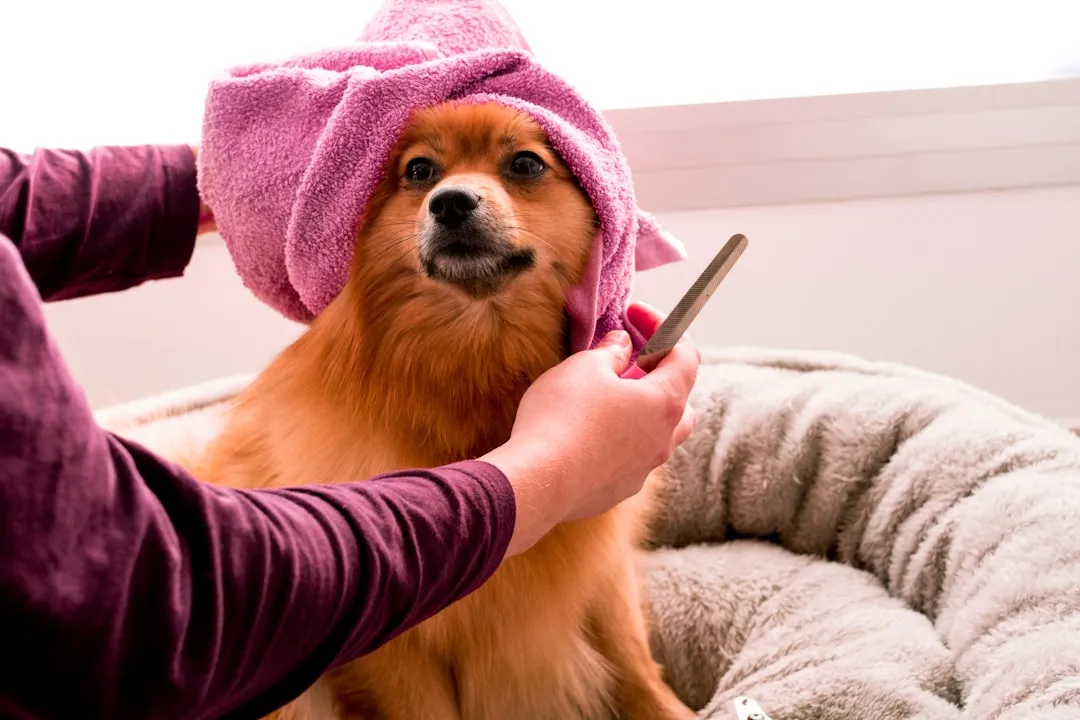
Senior dogs will often sit through longer brushing sessions or gentle massages they once only tolerated for a few seconds. That patience is built on years of trust, and it reflects a willingness to accept care they might have squirmed away from as a younger dog.
This shift tends to show up most clearly during arthritis flare-ups, exactly when a dog could easily pull away and choose to be left alone instead. Choosing you over discomfort is the point.
#4 – Resting Their Head on Your Lap or Arm
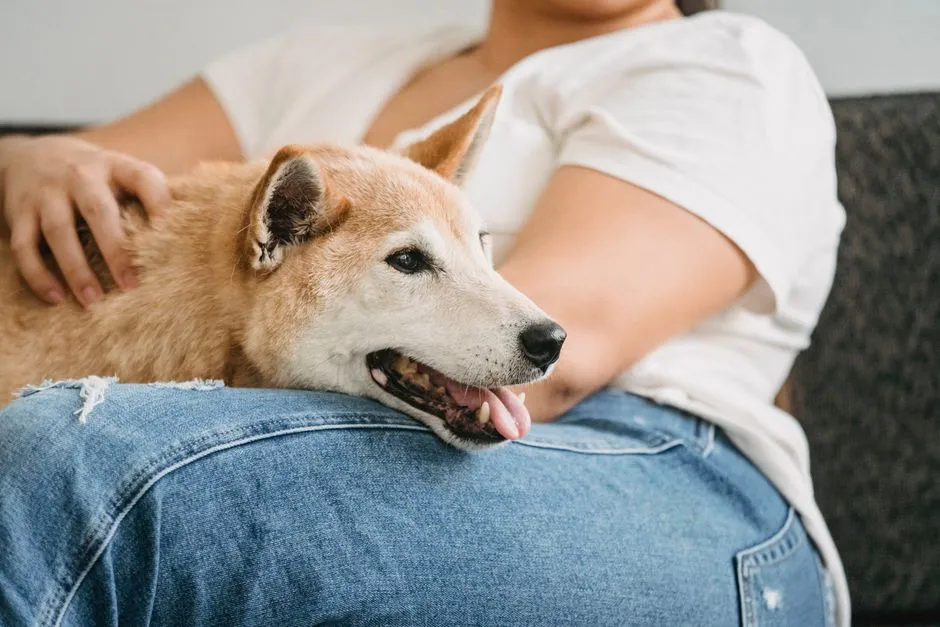
Placing their head in your lap or against your arm becomes a favorite resting position for a lot of older dogs. It’s a vulnerable posture, and it signals total comfort along with a real desire to stay close during the quieter parts of the day.
Owners often notice it ramps up whenever there’s a shift in routine or a change in energy around the house – as if the dog senses something is different and wants to stay anchored to you specifically.
#3 – Sleeping Through the Night Only When You’re Nearby

Many senior dogs rest more soundly when they can hear or feel you in the room, waking less often than they would alone. That improved sleep isn’t a coincidence – it’s a quiet form of thanks for the sense of security you provide.
Compare it to the restless, fitful nights that show up when they’re left by themselves, and the contrast is hard to miss. Even as their overall sleep needs change with age, this particular pattern tends to hold steady.
At a Glance
- Senior dogs often sleep more deeply and for longer stretches during the day as their overall energy naturally declines.
- Some develop “sundowning,” a form of nighttime restlessness or confusion linked to canine cognitive changes, which makes calm sleep near you even more valuable.
- A familiar presence nearby can visibly settle a dog through exactly the hours when confusion or restlessness tends to peak.
#2 – Small Protective Gestures Like Barking at Unfamiliar Sounds
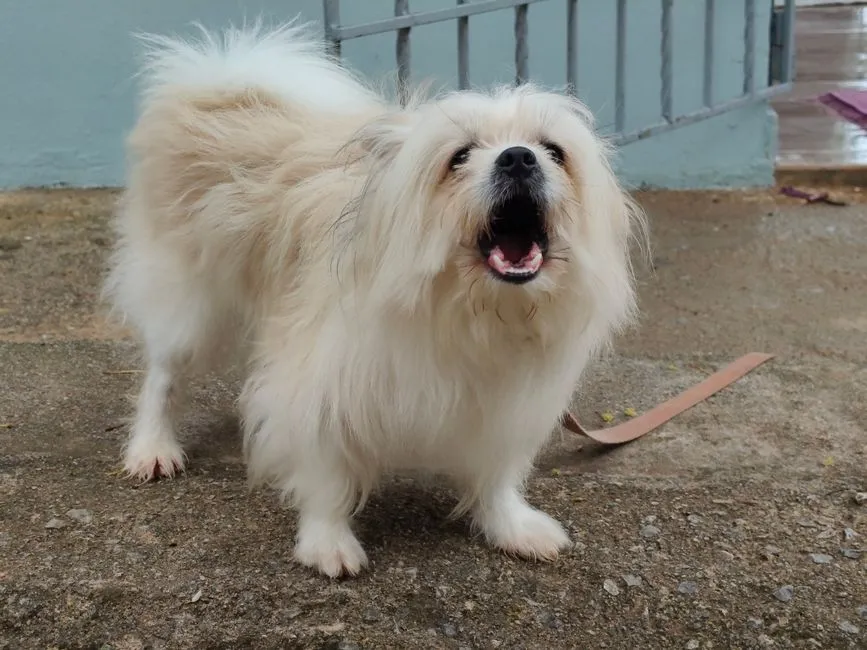
Despite running on far less energy than they used to, some senior dogs still perk up and let out a soft bark or a fixed stare when something unfamiliar happens near the house. That instinct doesn’t just disappear with age – it lingers as a kind of payback for the protection they’ve received over the years.
It’s selective now, saved for moments that actually seem to matter rather than every passing noise. In its own small way, it’s the dog telling you they still consider you part of the pack worth watching over.
#1 – The Final, Lingering Look Before Settling In
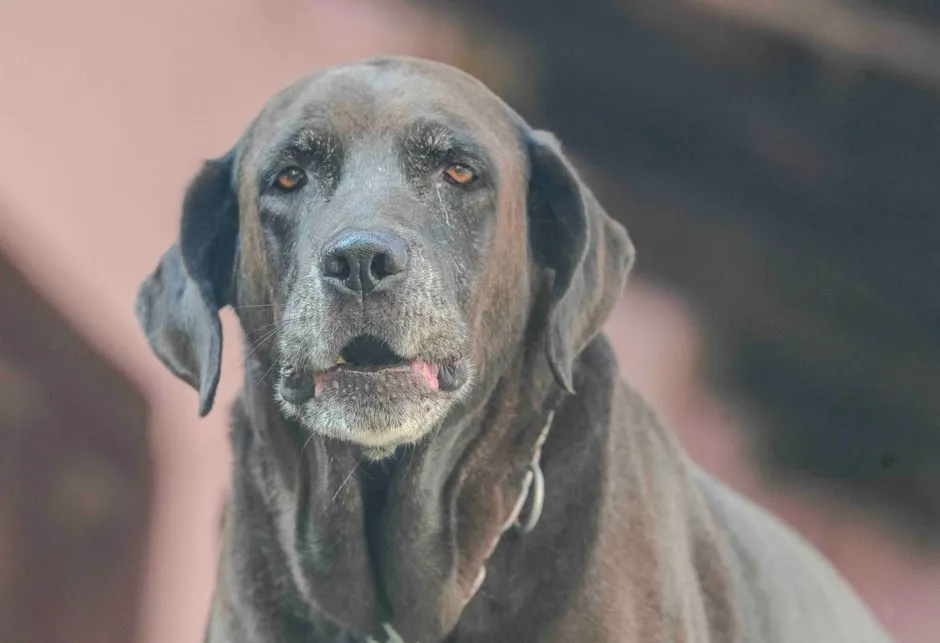
In their last weeks or days, many senior dogs give one last extended gaze or a slow nuzzle before drifting off to sleep, as if confirming the bond one more time. Owners who’ve been through it almost always describe this moment the same way – heavier, slower, more deliberate than anything that came before.
Dogs live in the moment, but their final ones often carry a weight owners never forget.
– common sentiment among veterinary hospice caregivers
It tends to happen during the calmest part of the day, when nothing else is competing for attention. Most owners agree it’s the signal that lingers longest in memory, long after everything else has faded.
The Bottom Line
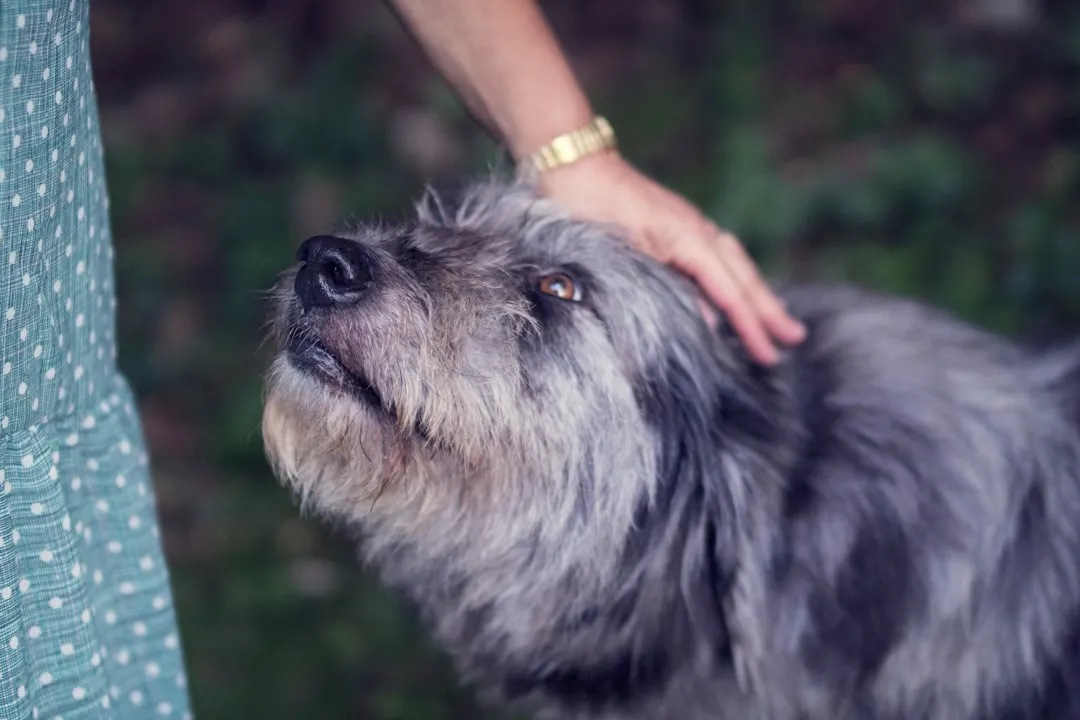
Senior dogs don’t lose their ability to say thank you – they just say it differently. Trade the big, loud gestures of puppyhood for something quieter: a longer stare, a heavier sigh, a toy carried one last time across the room. None of it is dramatic, and that’s exactly why it’s easy to miss if you’re not paying attention.
The idea that old dogs simply “check out” emotionally doesn’t hold up. If anything, they seem to save their most honest gestures for the people who stuck around through the slow years – the ones who kept showing up long after the exciting part was over. That’s not a dog fading away. That’s a dog still choosing you, right up until the very end.

- 6 Wild Theories About Lost Civilizations and Their Downfall - July 12, 2026
- 14 Ways to Give an Old Cat a Gentle Goodbye at Home, According to Vets - July 12, 2026
- Was Yellowstone National Park Once a Massive Volcano? - July 12, 2026