
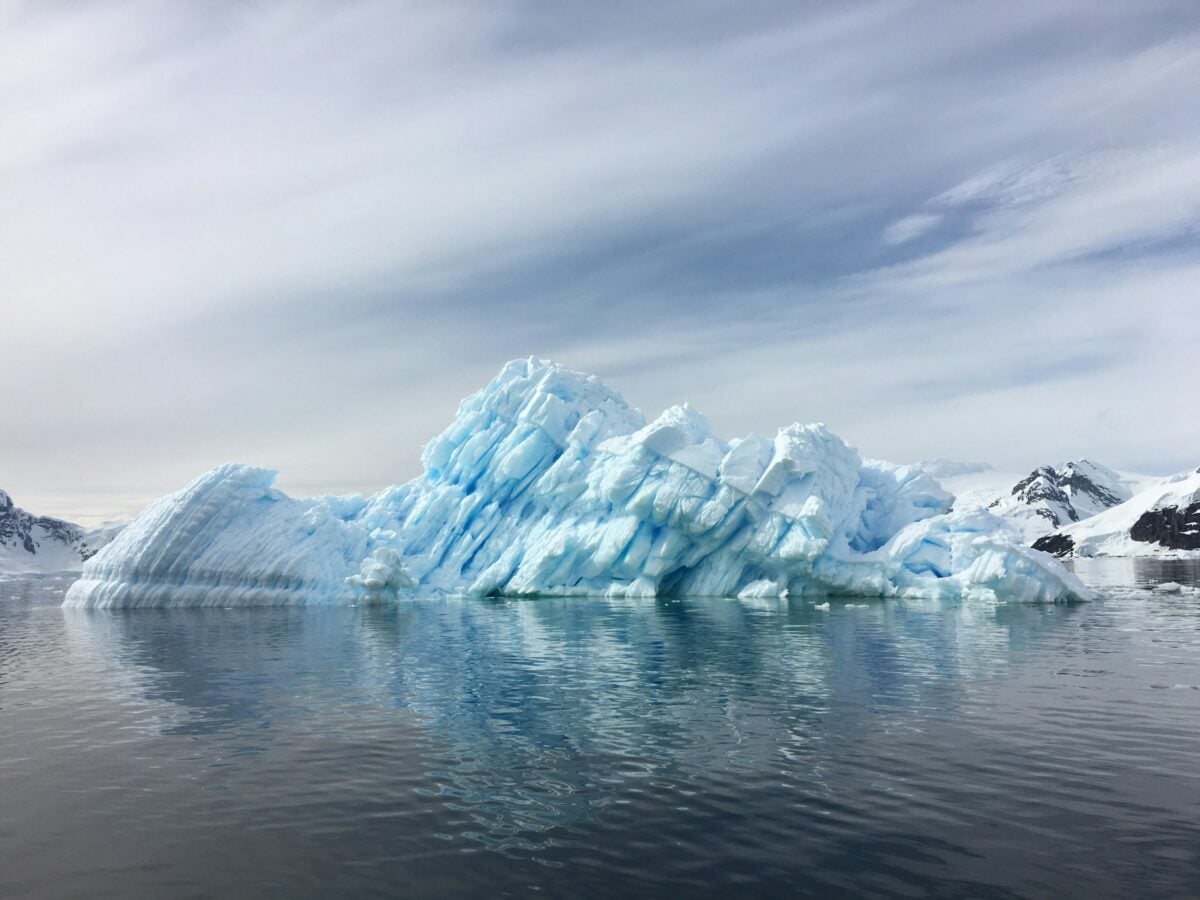
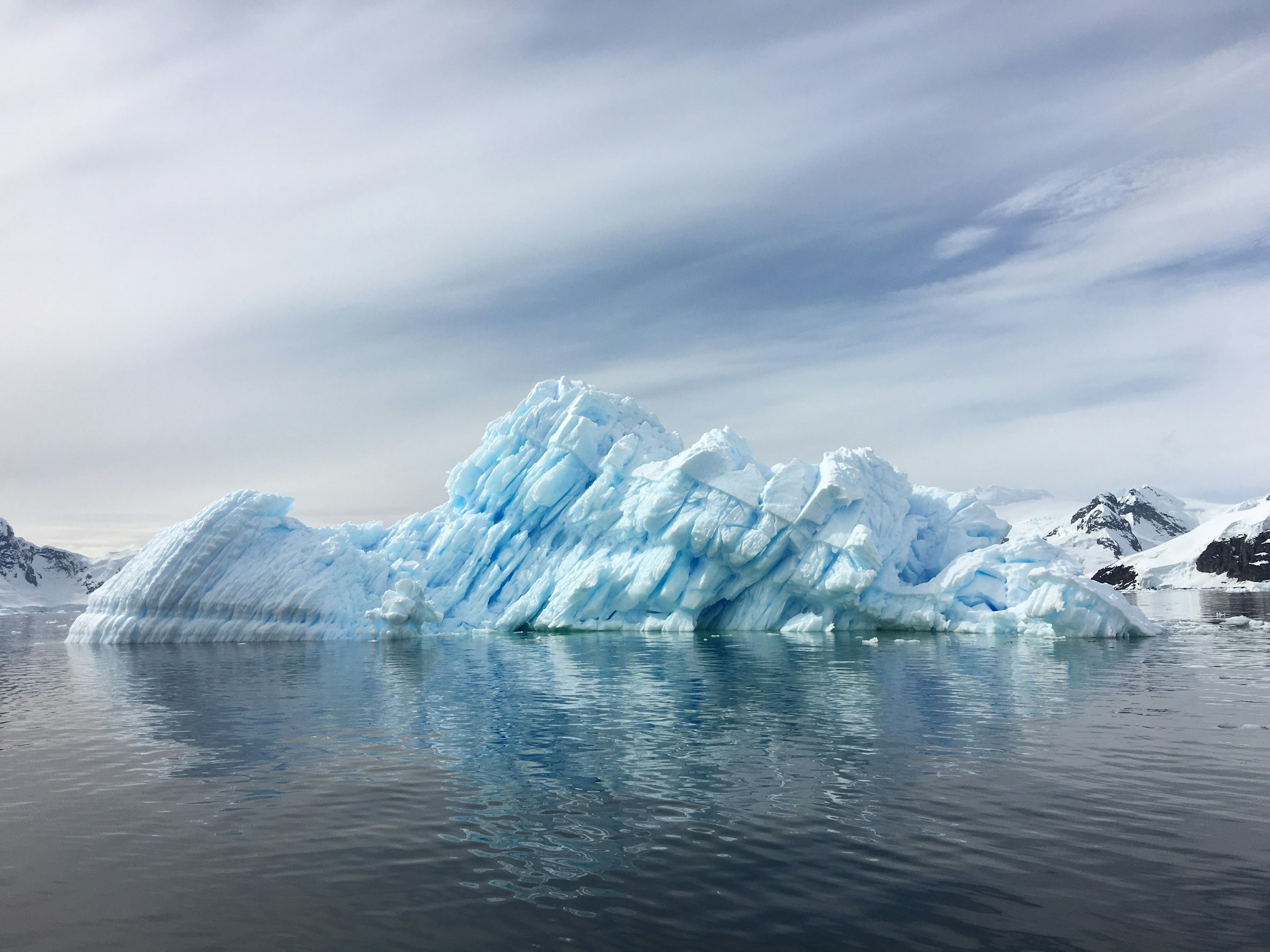
Most people picture the Ice Age as a single frozen chapter that ended thousands of years ago, complete with saber-toothed cats and a shivering cartoon sloth. Turns out, that’s barely scratching the surface. Scientists say we’re technically still living inside one right now, and Earth has survived at least five of these deep freezes, one of which may have turned the entire planet into a solid ball of ice.
Some of what follows sounds more like science fiction than science class: oceans that dropped over 400 feet, a fish expert who accidentally rewrote geology, and a human species that may have already delayed the planet’s next natural freeze without even meaning to. Here’s what climate scientists and geologists actually say about the frozen chapters of our planet’s past.
#10 – We’re Technically Still Living in an Ice Age Right Now
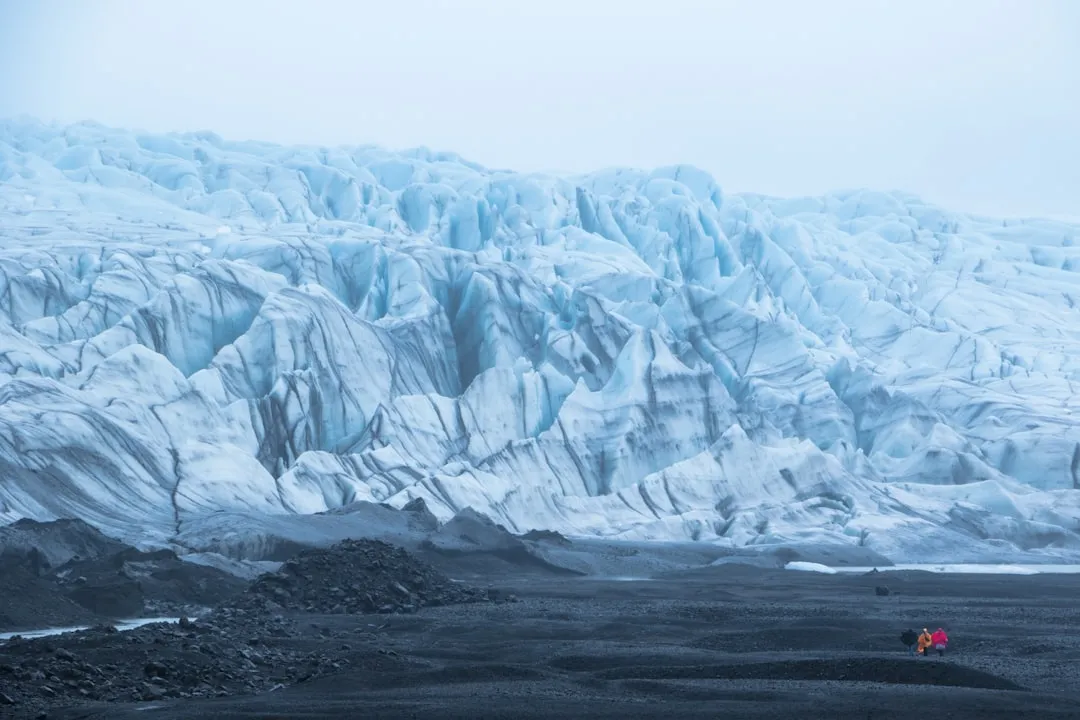
Here’s the twist nobody tells you at school: the Ice Age never actually ended.
Scientists define an ice age not by constant snow, but by the presence of permanent polar ice sheets, and by that measure, we’re still in one. Within this long ice age, there are colder stretches called glacial periods and warmer stretches called interglacial periods, and we’re currently coasting through a warm interglacial period called the Holocene, which began about 11,700 years ago. That means the “end of the Ice Age” you learned about was really just the thaw between rounds.
The truly wild part is how long this current ice age has already been running. The Quaternary Ice Age began roughly 2.58 million years ago, and it’s still going strong today. Most people assume glaciers are a relic of the deep past, but Greenland and Antarctica are living proof the deep freeze never fully left.
#9 – Earth Has Frozen Over at Least Five Separate Times
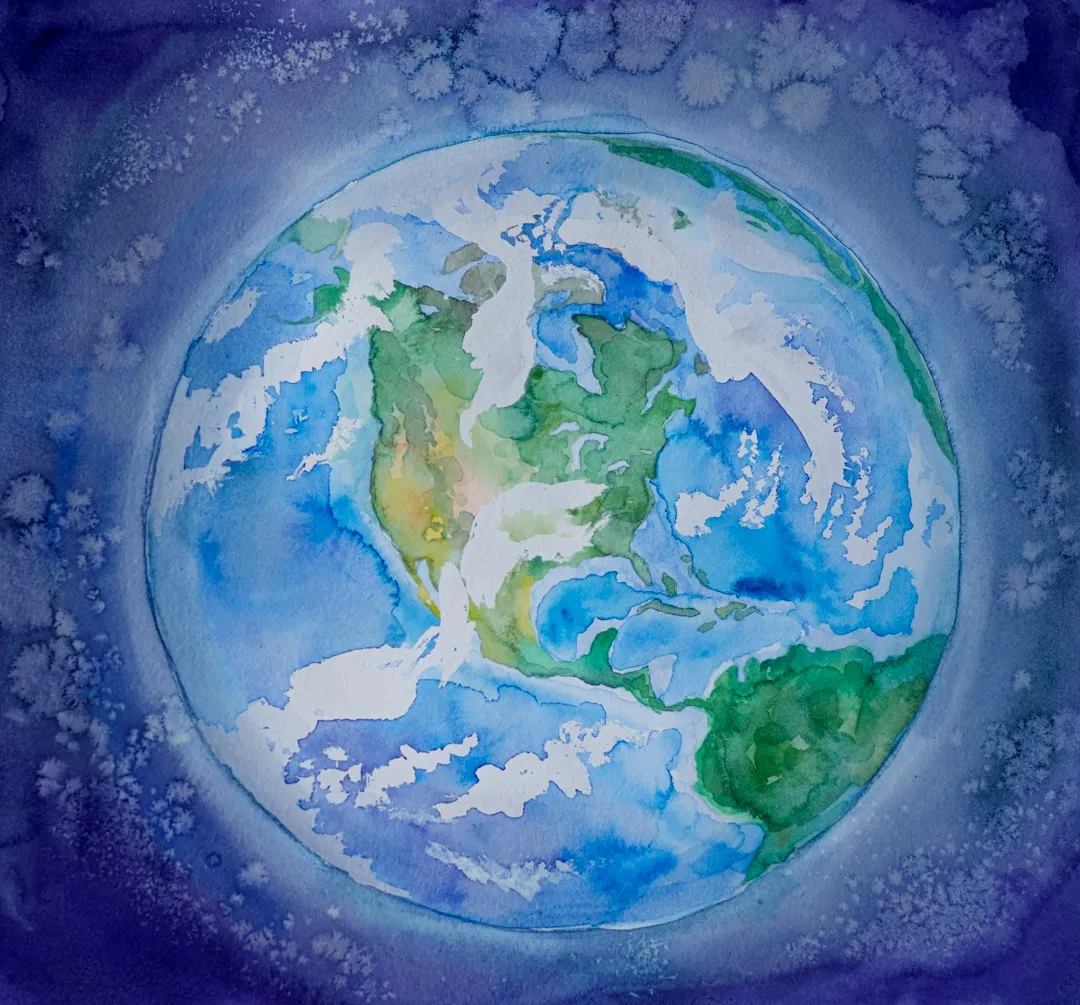
Most people assume “the Ice Age” was a one-time event. It wasn’t even close.
Geologists have traced a repeating pattern of global freezes stretching back billions of years, long before humans, or even mammals, existed. There have been at least five major ice ages in Earth’s history: the Huronian, Cryogenian, Andean-Saharan, late Paleozoic, and the Quaternary we’re still in. Each one lasted millions, sometimes billions, of years.
The oldest known freeze is almost incomprehensibly ancient. Rocks from the earliest well-established ice age, the Huronian, have been dated to around 2.4 to 2.1 billion years ago, during the early Proterozoic Eon. That’s older than complex life itself. Most people don’t realize that the Ice Age they picture with mammoths is actually the youngest and mildest of the five, not the most extreme.
Fast Facts
- Huronian Ice Age: roughly 2.4 to 2.1 billion years ago, the oldest confirmed freeze
- Cryogenian Ice Age: roughly 720 to 635 million years ago, possibly a full “Snowball Earth”
- Andean-Saharan Ice Age: roughly 450 to 420 million years ago
- Late Paleozoic Ice Age: roughly 360 to 260 million years ago
- Quaternary Ice Age: began about 2.58 million years ago and is still ongoing today
#8 – One Ice Age Turned the Entire Planet Into a Giant Snowball

Forget frozen tundra. One ice age may have frozen the oceans all the way to the equator.
Scientists call it “Snowball Earth,” and the evidence suggests it wasn’t just an exaggeration. During the Cryogenian period, roughly 720 to 630 million years ago, glaciers may have covered the entire planet, reaching from the poles straight down to the tropics. Picture ice sheets stretching across the whole globe with nowhere left untouched.
The most shocking detail is how this nightmare finally ended. Volcanoes kept pumping out carbon dioxide, and with almost no rock-weathering or photosynthesis left to soak it up, the greenhouse gas built up in the atmosphere until temperatures rose enough to melt the tropical ice, which only accelerated the warming even faster. Some researchers even argue this violent thaw helped kick-start the explosion of complex animal life that followed.
#7 – Sea Levels Dropped Over 400 Feet During the Last Deep Freeze
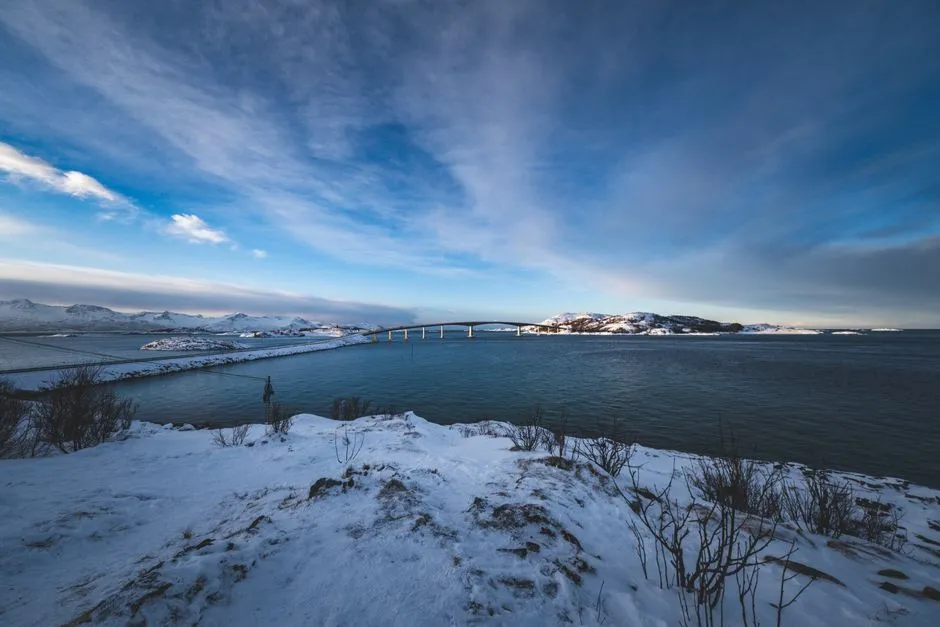
While most people picture ice piling up on land, few stop to ask where all that water actually came from.
The oceans themselves shrank dramatically as water got locked away in glaciers. At the peak of the last ice age, sea levels are thought to have been 410 to 430 feet (125 to 130 meters) lower than they are today. Entire coastlines that sit underwater right now were dry, walkable land back then.
This wasn’t just a trivia footnote, it reshaped how life moved around the planet. The total amount of water on Earth stays more or less constant, so the water locked into those massive ice sheets had to come from somewhere, and that somewhere was the ocean. The rarely mentioned twist is that this same mechanism, running in reverse, is exactly why melting ice sheets today threaten to raise sea levels for good.
Worth Knowing
- The Bering Land Bridge connected Asia and North America, opening a route for early human migration
- The Sunda Shelf united many Southeast Asian islands into one continuous landmass
- Britain was physically connected to mainland Europe across what is now the English Channel
- Countless continental shelves worldwide sat exposed as dry, walkable ground
#6 – The Ice Age Was Colder Than You Think, But Not By as Much as You’d Guess
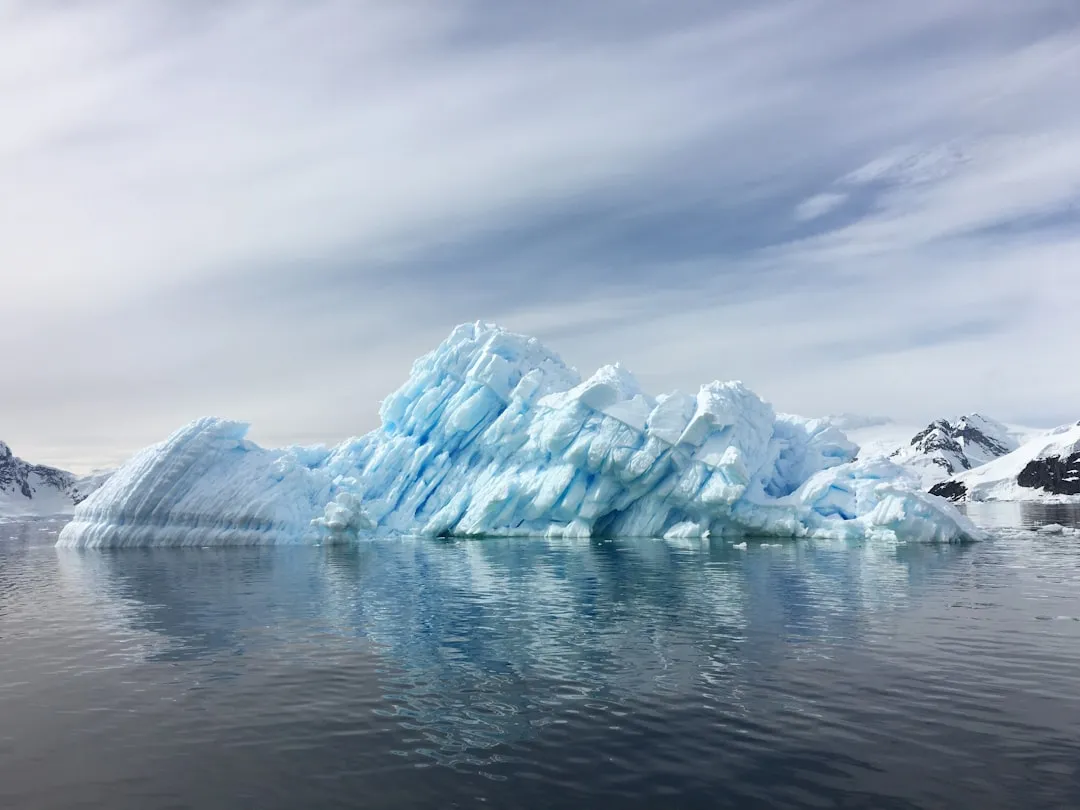
Here’s the part that surprises almost everyone: the last Ice Age wasn’t apocalyptically cold. It was only about ten degrees colder than today.
That small gap made an enormous difference. At its peak, when ice sheets buried most of North America, the average global temperature sat around 46 degrees Fahrenheit (8 degrees Celsius), roughly 11 degrees Fahrenheit (6 degrees Celsius) cooler than today’s global average. A handful of degrees was the tipping point between a habitable planet and a frozen one.
Most people don’t realize how fragile that balance really is. A drop of just 5 degrees Celsius in average global temperature may be enough to trigger an ice age. That’s an unsettling thought for anyone who assumes climate stability is the planet’s default setting, because it isn’t. It’s the exception, not the rule.
#5 – Ice Sheets Grew More Than 12,000 Feet Thick
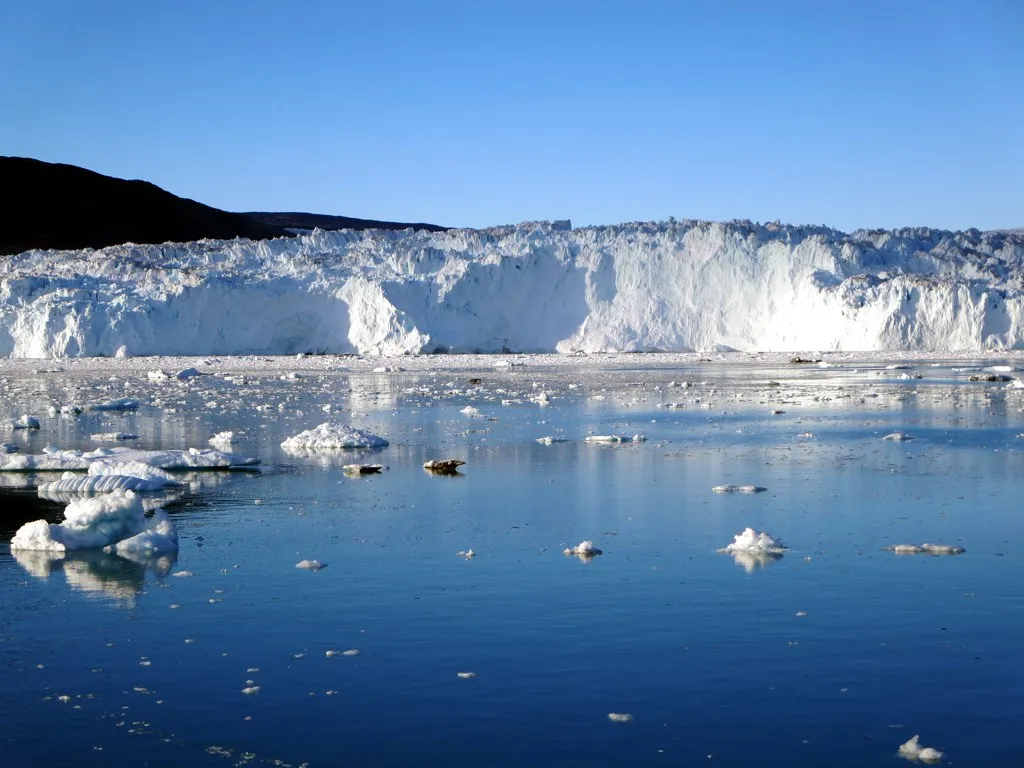
Most people imagine Ice Age glaciers as a few feet of snow. In reality, they were taller than most mountains.
At the height of the last glaciation, ice didn’t just cover the ground, it buried entire landscapes under a mountain of frozen water. The ice grew to more than 12,000 feet thick as it spread across Canada, Scandinavia, Russia, and South America. That’s roughly the elevation of some of the tallest peaks in the continental United States, except built entirely out of compressed ice.
The detail that rarely gets mentioned is what all that weight did to the ground underneath. Glaciers reshaped the landscape by scraping up rocks and soil, eroding hills, and pressing the Earth’s crust downward under their sheer bulk. Some of that crust is, remarkably, still slowly rebounding today, thousands of years after the ice disappeared.
Quick Compare
- Ice sheet thickness: over 12,000 feet
- Burj Khalifa height: 2,717 feet, more than four times shorter than the ice was thick
- Grand Canyon depth: roughly 6,000 feet at its deepest, about half the height of the ice
- Denali elevation: 20,310 feet, still taller, but not by the margin you’d expect
#4 – A Fish Scientist Discovered the Ice Age as a Side Hobby
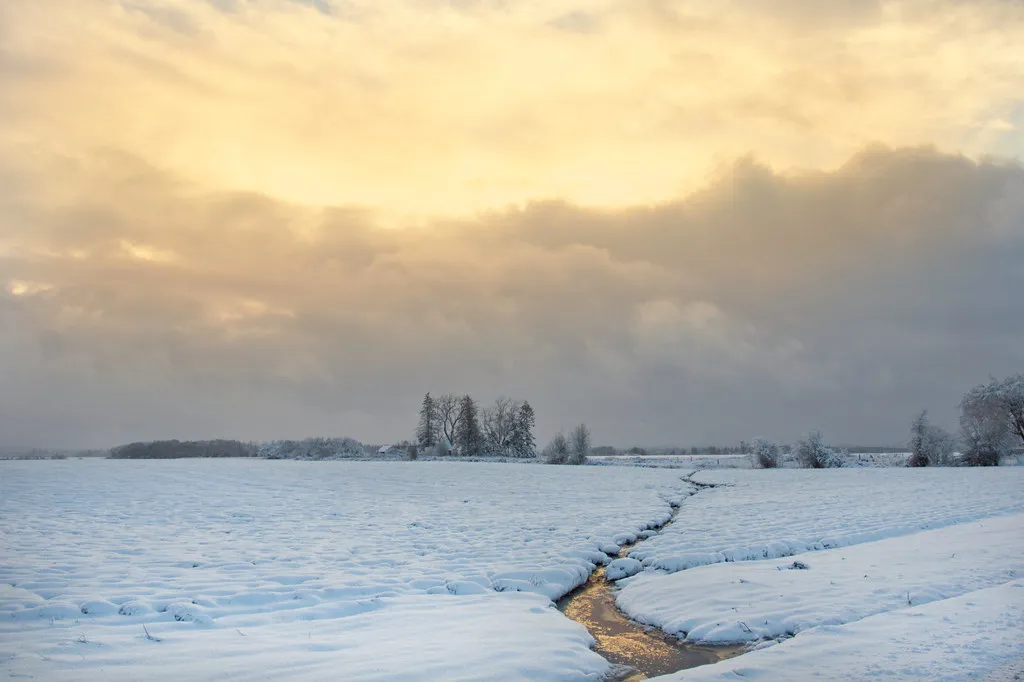
Here’s a detail that gets buried in every textbook: the man who proved ice ages happened wasn’t even a climate scientist.
Louis Agassiz built his reputation studying fish, not glaciers. His pioneering work on ice ages and glacial activity was basically a side hobby, since he was actually an ichthyologist, a scientist who specializes in fish. He stumbled into the idea after noticing strange boulders and scratched rock scattered across the Alps.
What most people don’t realize is how badly his theory was received at first. In July 1837, Agassiz presented his ideas before the annual meeting of the Swiss Society for Natural Research, and the audience tore into him, since most scientists at the time still believed Earth had simply been cooling steadily since its birth as a molten globe. It took decades of fieldwork from other geologists before the scientific community finally came around.
#3 – Earth’s Wobble Is the Secret Trigger Behind Ice Ages
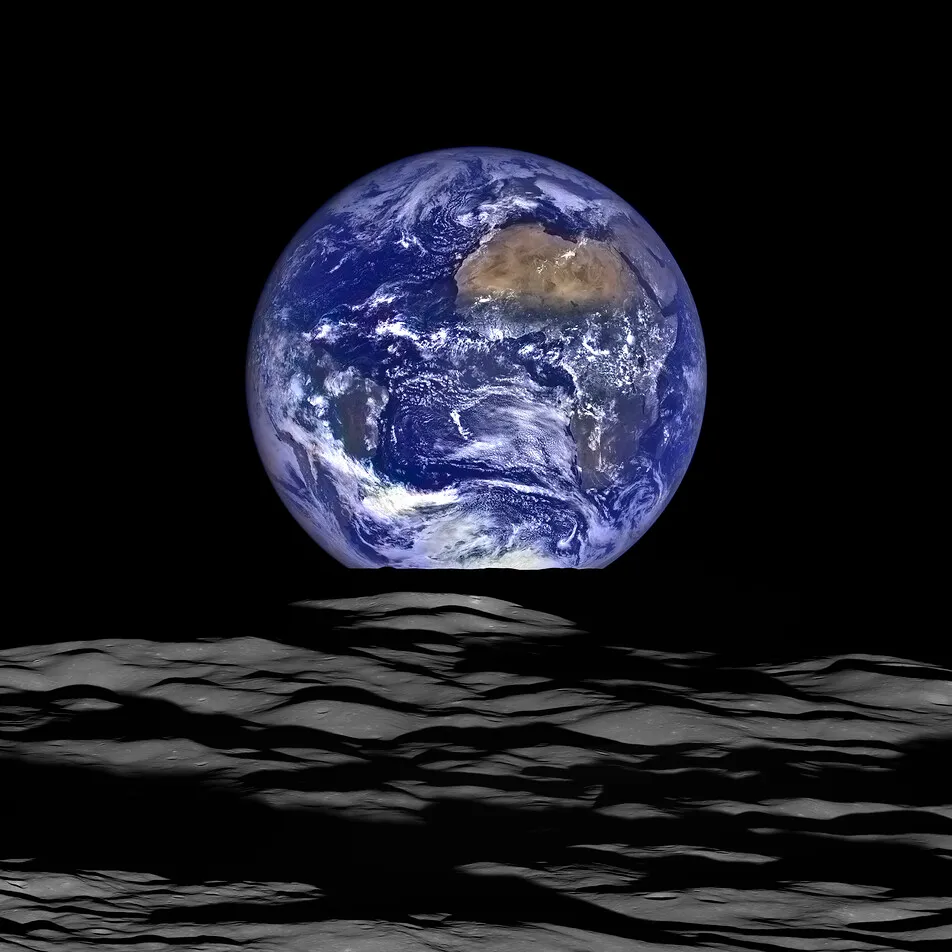
Most people blame volcanoes or carbon dioxide alone. The real trigger is something far stranger: the way Earth wobbles through space.
Tiny, predictable shifts in our planet’s orbit and tilt are the leading explanation scientists point to. The timing is governed largely by cyclic changes in Earth’s orbit, changes in eccentricity, obliquity, and precession, which affect how much sunlight reaches different parts of the planet’s surface. These cycles repeat over tens of thousands of years, like clockwork.
The genuinely surprising twist is how a cooling planet accelerates itself once the process starts. When the angle of Earth’s tilt decreases, summers cool down enough for snow to survive year-round, and as that snow compresses into glaciers and ice sheets, it reflects even more sunlight back into space, dropping temperatures further still. It’s a slow-motion feedback loop, and once it gets going, it’s brutally hard to stop.
#2 – Human Carbon Emissions May Have Already Cancelled the Next Ice Age
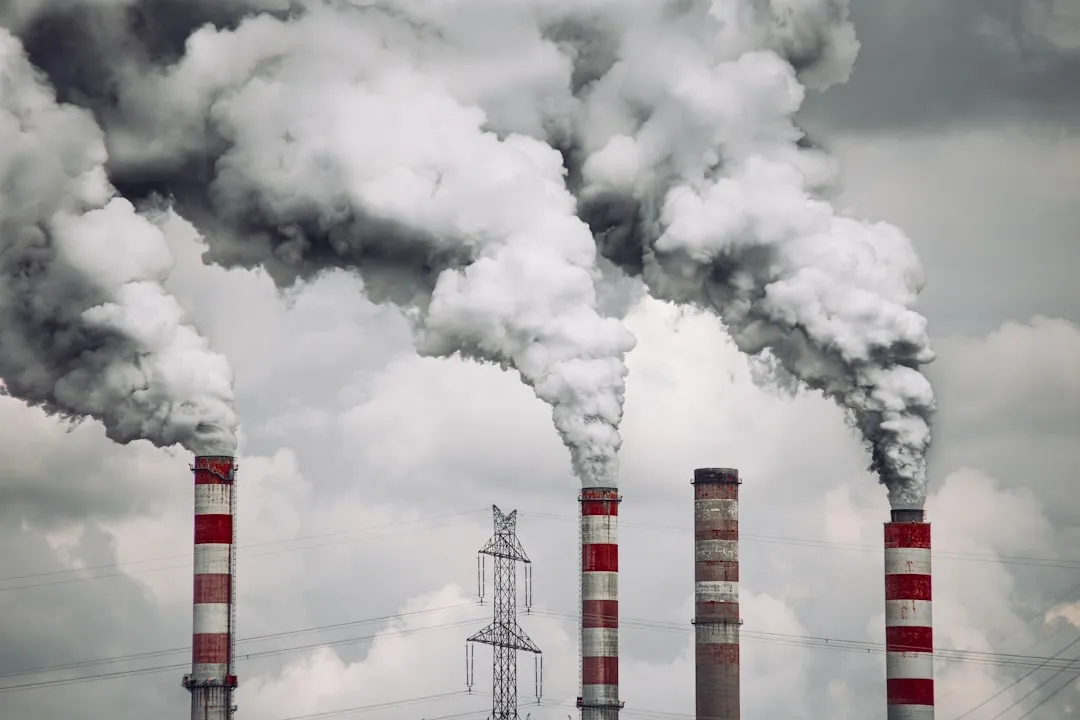
This is the fact that tends to spark the most arguments online, and for good reason: humans may have accidentally postponed the planet’s next natural deep freeze.
Researchers who model Earth’s orbital cycles have found something startling. According to research published in Nature Geoscience, human carbon dioxide emissions will defer the next glacial period, and based on Earth’s orbit alone, that next glacial period would normally be expected to begin within roughly 1,500 years. Because of how high emissions have climbed, scientists say it likely won’t happen on schedule at all.
Here’s the part that tends to trigger the comment section: some researchers frame this as an unplanned experiment with no real precedent. According to researchers at Cambridge University, human CO2 emissions may be enough to stop the next ice age outright, since Earth’s planetary cycle only manages to kick-start a freeze when atmospheric carbon dioxide levels are exceptionally low. Whether that’s a relief or a warning depends entirely on who you ask.
The next ice age would begin within around 1,500 years if it weren’t for human interference in the climate system.
Summary of findings, Nature Geoscience research on orbital forcing and CO2
#1 – Humans Survived the Ice Age. Our Closest Relatives Didn’t
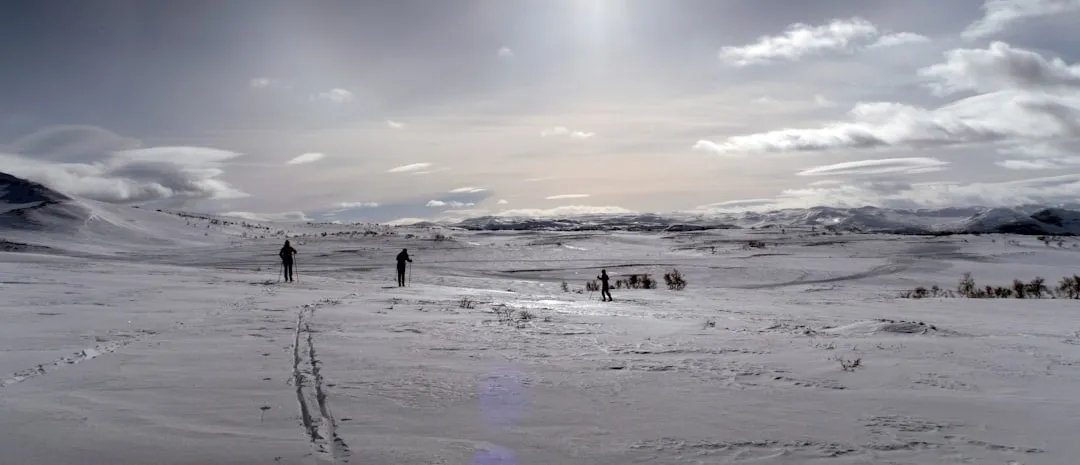
This is the fact that changes how people think about human history entirely: we weren’t the only humans on Earth during the last Ice Age. We were just the only ones who made it out.
Multiple hominin species shared the frozen planet with early Homo sapiens. At the start of the ice age, other hominins were still scattered across Eurasia, including the Neanderthals in Europe and the mysterious Denisovans in Asia. Both groups appear to have gone extinct before the ice age ended. Our species is, quite literally, the last one standing from that cold, brutal era.
The most emotionally striking detail in the entire Ice Age story is how close it came to going differently. Scientists still debate why Homo sapiens pulled through when equally tough relatives didn’t, and many point to our adaptability, our social bonds, our communication, and our tools. Even more surprising, archaeological evidence now pushes human presence in North America back further than experts long assumed. For years, scientists believed humans didn’t reach North America until after the ice sheets began melting, but fossilized footprints found at White Sands National Park in New Mexico show people were already there at least 23,000 years ago, close to the coldest peak of the entire ice age. That single detail rewrote a chapter of the human story almost overnight.
At a Glance
- Homo sapiens: survived and eventually spread across every continent
- Neanderthals: shared Europe with humans, went extinct before the ice age ended
- Denisovans: identified largely through DNA and scattered fossils in Asia, also vanished
- White Sands footprints: place humans in North America at least 23,000 years ago
The Bottom Line
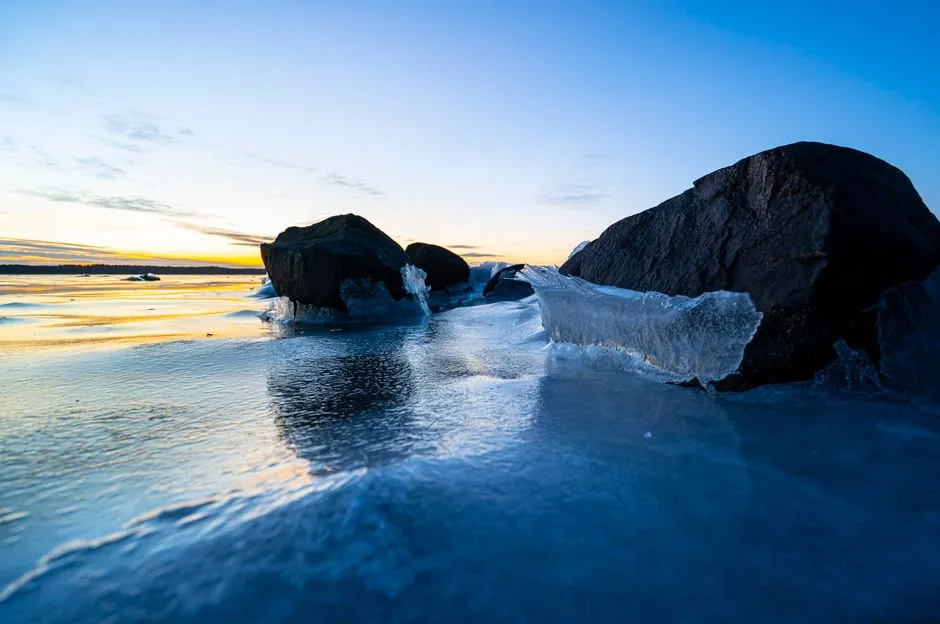
The Ice Age isn’t some closed chapter of Earth’s past, it’s an ongoing event we’re still technically living through. Perhaps the most jarring fact of all is that humans may have already delayed the next natural glacial period through carbon emissions, an accidental experiment with zero precedent to compare it to.
Add in a planet that once froze solid to the equator, ice sheets taller than two miles, and a fish scientist who accidentally rewrote geology, and it’s clear this topic deserves way more respect than a cartoon sloth gives it. Our honest take: the scariest fact here isn’t how cold the Ice Age got, it’s how easily a handful of degrees can flip the entire planet’s climate switch. Which fact surprised you the most? Did we miss one? Drop it in the comments.

- 10 Ice Age Facts Most People Don't Know - July 12, 2026
- 13 Things Only Cat Owners Notice in the Last Weeks of a Cat's Life - July 12, 2026
- Was Yellowstone National Park Once Covered by Lava Flows? - July 11, 2026