
Most people assume the kindest way to say goodbye to an aging cat is a quick trip to the clinic. Vets say that assumption is often backwards. The car ride, the steel table, the strange smells – for a cat whose whole world has shrunk down to a favorite blanket and a familiar window ledge, that trip can turn a peaceful ending into a frightening one, and most owners never even see it happen.
What’s harder to hear is that a lot of that suffering is preventable, and it usually starts weeks before the final day, not on it. The small choices families make in those last months – where the food bowl sits, how the floor feels underfoot, who’s allowed to say goodbye and when – quietly decide whether a cat’s ending feels like fear or like home. Here’s what vets who specialize in this exact moment want every cat owner to know.
1. Track Quality of Life With Simple Daily Checks
Cats hide pain so well that most owners miss the decline until it’s already severe. It’s an old survival instinct – in the wild, a visibly sick cat is a target – and it doesn’t switch off just because your cat sleeps on your bed. That’s why vets say the single biggest mistake families make isn’t a bad decision, it’s simply not looking closely enough, early enough.
The fix is almost embarrassingly simple: a quick daily scorecard for mobility, appetite, grooming, and social interaction. Cats often stop jumping onto counters or windowsills weeks before any obvious sign of pain shows up. Catching that shift early gives your vet room to adjust medication before things spiral, instead of scrambling to catch up.
Fast Facts
- Mobility: watch for hesitation before jumps, stairs, or the litter box
- Appetite: note any drop in enthusiasm at mealtime, not just the amount eaten
- Grooming: look for dull, matted, or oily-looking fur
- Social interaction: track whether the cat still seeks contact or retreats more often
2. Set Up One Dedicated Comfort Zone
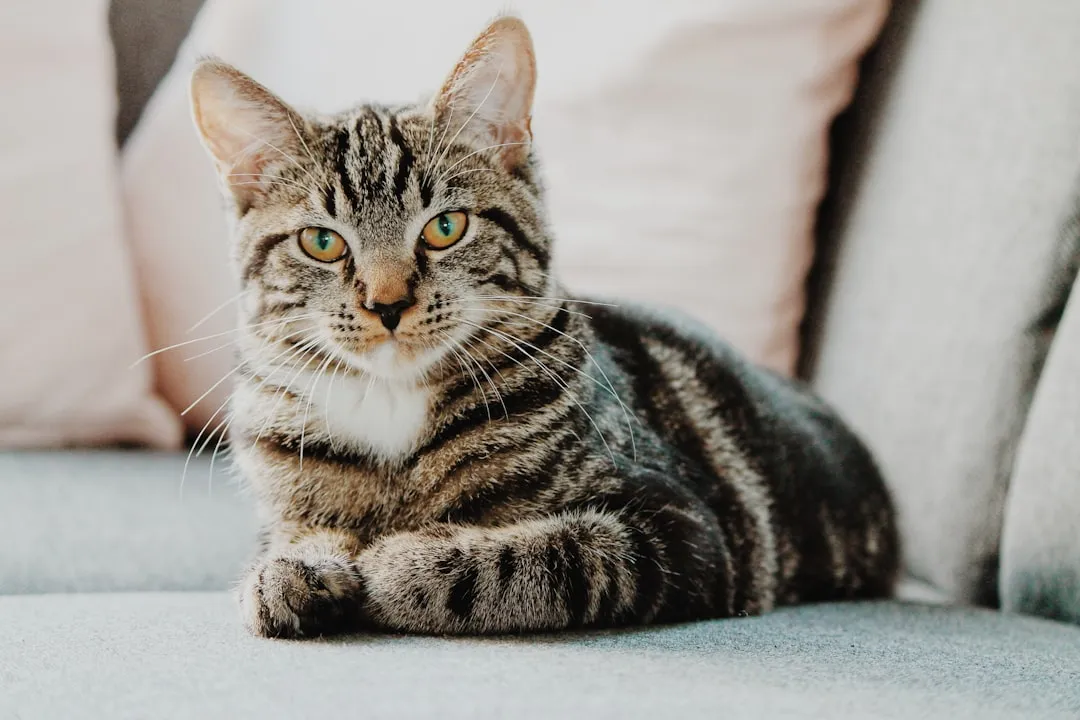
A cat with beds scattered across three rooms is a cat who has to work for rest, and that hidden effort adds up fast in the final weeks. Vets recommend consolidating everything into one quiet, low-traffic spot – away from the front door, the vacuum, the noisy kids’ playroom.
Soft blankets, a small night-light for after dark, and food and litter within easy reach turn that corner into a safe base camp. Elevated sides on the bed block drafts while helping the cat feel tucked in and secure rather than exposed. Owners who make this one change often notice calmer nights and far less late-night crying almost immediately.
3. Add Non-Slip Surfaces Throughout the House
Balance fades fast in senior cats, and hardwood or tile floors turn into small daily hazards most families never clock. A slip that looks like nothing to us can be genuinely frightening for a cat whose joints and reflexes aren’t what they used to be.
Rugs, yoga mats, or runners along the paths between the comfort zone, litter box, and food bowl solve most of the problem instantly. Interlocking foam tiles from a kids’ play mat set work surprisingly well and cost almost nothing. The payoff is a cat who keeps moving independently, with confidence, instead of freezing up out of fear.
4. Start Pain Relief Before the Obvious Signs Appear
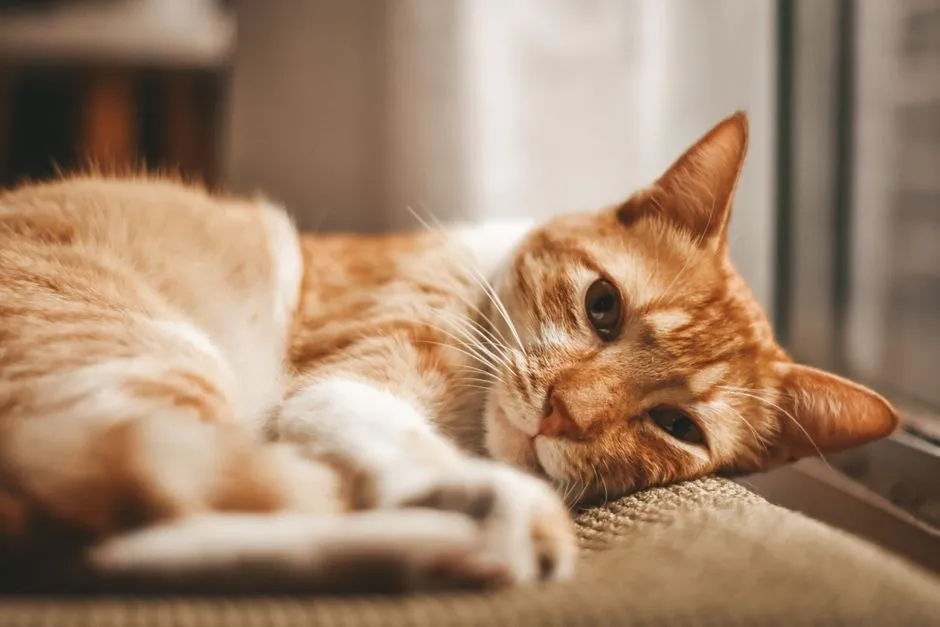
Waiting for limping, hunching, or crying is the single most common error vets see with feline pain management. By the time those signs show up, the discomfort has usually been building quietly for a while. Cats are simply too good at masking it for owners to catch it by instinct alone.
That’s why many vets now start low-dose medications, like gabapentin or buprenorphine, earlier than families expect, with regular check-ins to keep dosing safe rather than sedating. Cats on proactive pain plans tend to keep eating, playing a little, and interacting with the household even in later stages. Families frequently say their cat seems noticeably more “themselves” for weeks longer than they thought possible.
5. Raise the Food and Water Bowls
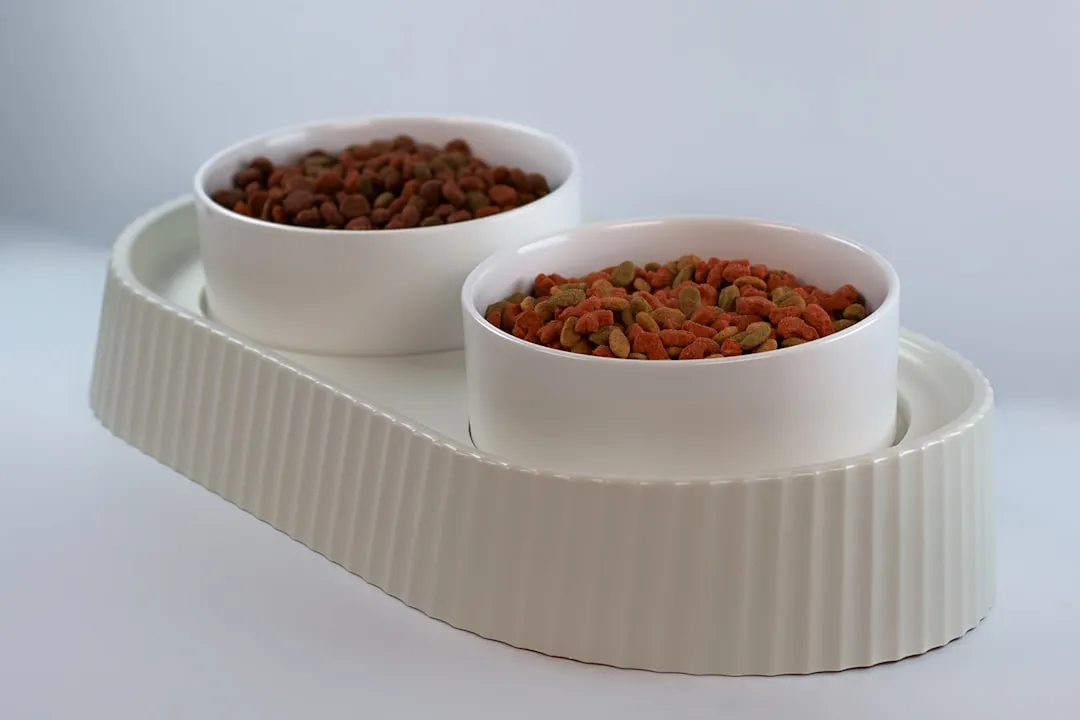
A floor-level dish forces an arthritic neck and spine into an awkward hunch every single meal, and it’s a discomfort most owners never think to question. Over time, that small strain is often enough to make a cat quietly start skipping meals rather than push through the pain.
Raising bowls to roughly elbow height – using stable stands, or even a stack of books under the existing dish – keeps the spine neutral and often revives a flagging appetite almost overnight. Dehydration accelerates far faster than most owners expect once eating slows down. A quick daily glance at water intake can catch trouble before it becomes an emergency.
6. Keep Up Gentle Daily Grooming
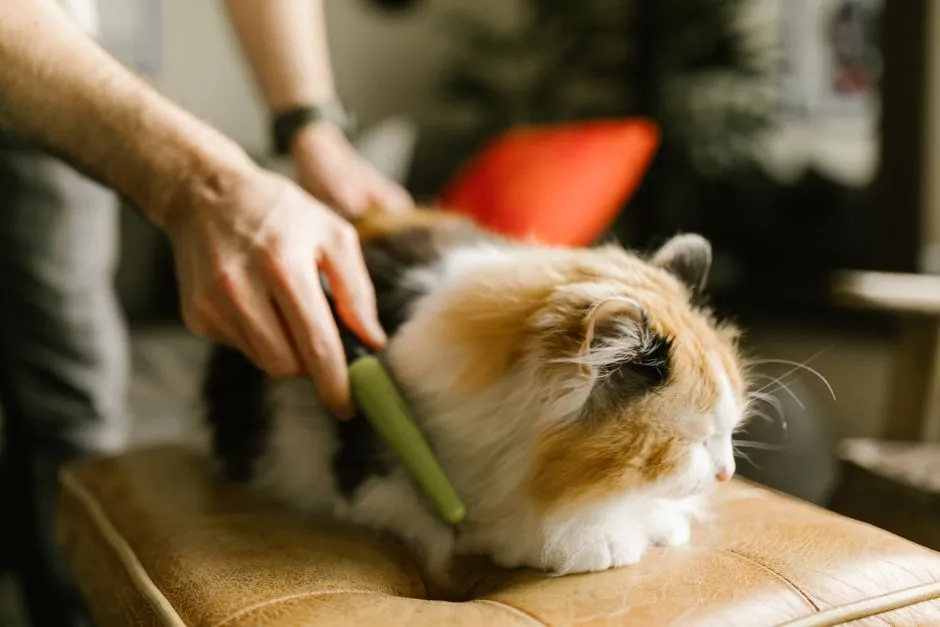
Matted fur and skin irritation cause a surprising amount of quiet distress in cats who’ve stopped grooming themselves properly. It’s easy to miss because the cat rarely complains directly, they just get a little more withdrawn.
Short sessions with a soft brush, focused on the back and sides first, keep the coat manageable without overwhelming a cat who tires easily. Many cats will purr through a gentle brushing session even when they’ve stopped tolerating almost any other kind of interaction. If there’s any sign of irritation or annoyance, though, vets say it’s always fine to stop and try again later.
Worth Knowing
- Mats often form first around the hips, tail base, and behind the ears
- A greasy or flaky coat can signal a cat is struggling to bend and reach
- Trimming small mats out beats yanking a brush through them
- Short, low-pressure sessions build more trust than one long grooming marathon
7. Add Light Massage to the Daily Routine
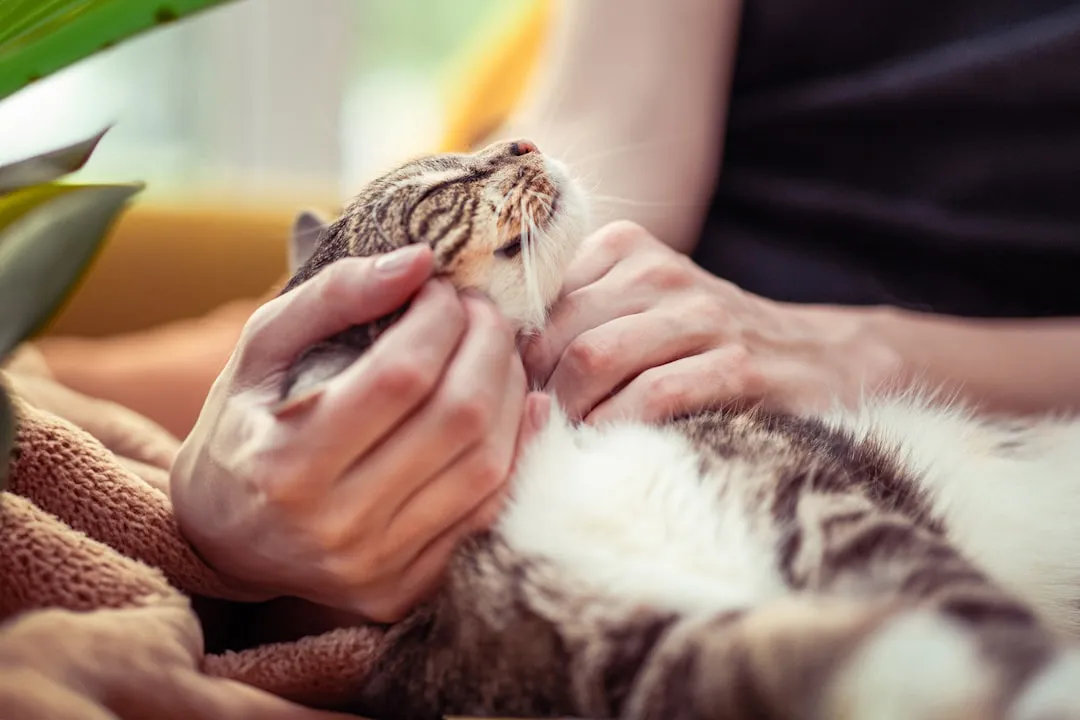
Limited movement causes real muscle tension to build up in senior cats, tension that often goes completely unnoticed by owners focused only on obvious symptoms. Gentle touch therapy can ease that tension in a way medication alone doesn’t.
Slow fingertip strokes along the spine and under the belly, done in five-minute sessions twice a day, often improve both circulation and appetite over time. Cats with arthritis frequently respond especially well once they learn the rhythm of the routine. Relaxed ears and slow blinking are the tells that it’s working – and if the cat moves away, that’s the signal to stop, no exceptions.
8. Manage Incontinence With an Easy-Clean Setup
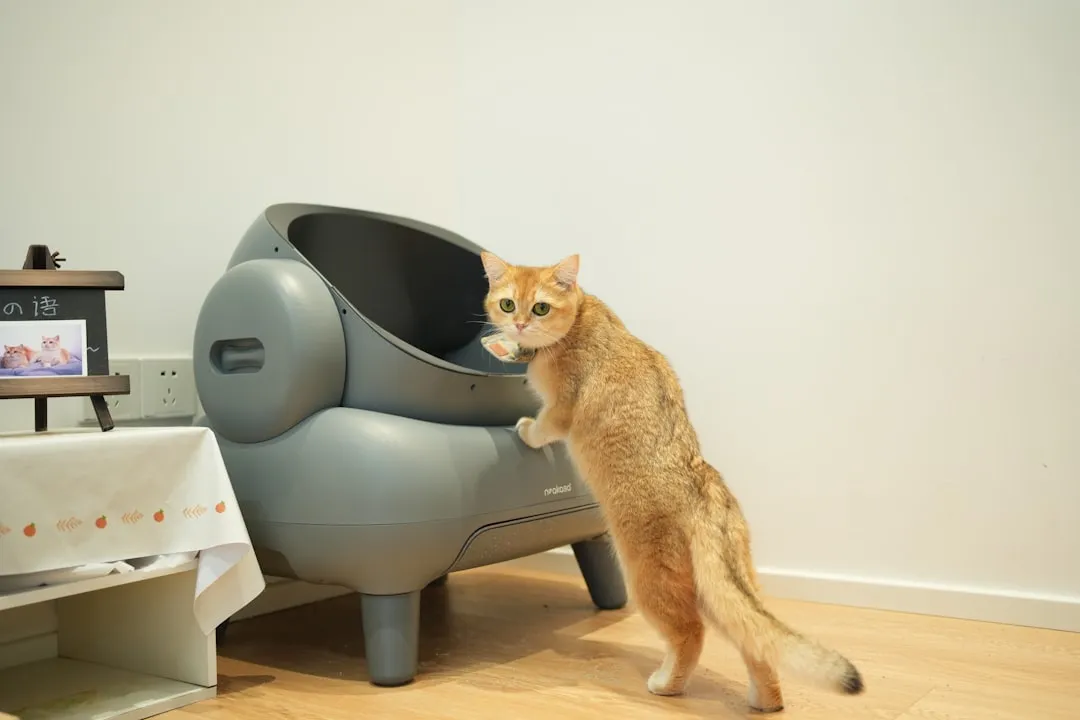
Accidents bring a kind of shame and physical discomfort to a cat that shortens quality time far more than most owners realize. It’s not just the mess – it’s the stress of feeling unclean or unsafe in their own space.
Multiple low-entry litter boxes, puppy pads nearby for fast changes, and absorbent bedding in the resting area all help prevent skin irritation from prolonged contact with urine. Senior cats often start preferring open trays over covered boxes in their final months, likely because it’s easier to get in and out without pain. Frequent pad changes also keep odor from becoming another reason the cat avoids the area altogether.
9. Use Calming Pheromone Diffusers
Anxiety often spikes at night, or whenever there’s any change in the household, even in a home a cat has lived in for years. It’s one of those quiet stresses that’s easy to write off as normal aging instead of something treatable.
Plug-in diffusers releasing calming feline pheromones near the comfort zone, and another in the main living space, can noticeably reduce pacing and vocalizing within days. The full effect tends to build over about a week rather than working instantly, so patience matters here. Paired with a steady daily routine, it’s one of the easiest low-effort comfort upgrades on this whole list.
10. Watch Breathing and Temperature Each Day
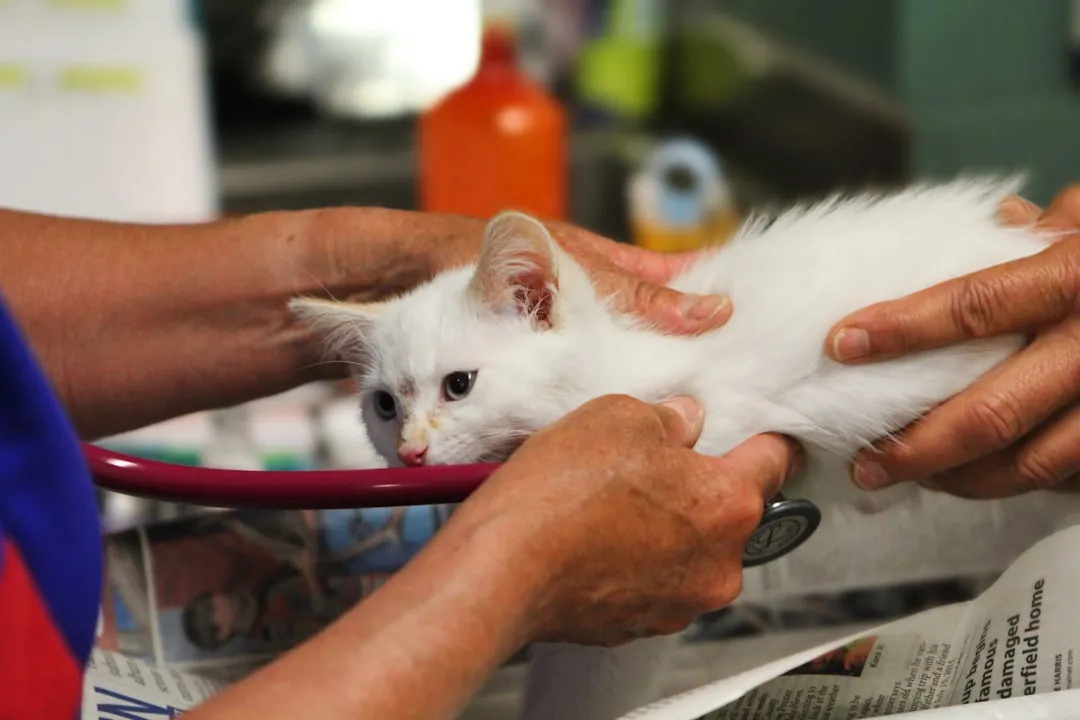
Subtle changes in respiration are often the earliest warning sign that comfort care needs to be adjusted, and they’re easy to miss if you’re not specifically checking. Fluid buildup, in particular, tends to show up here long before other symptoms appear.
Counting breaths while the cat sleeps, and noting whether ears or paws feel unusually cool, only takes a minute and is worth logging for vet calls. A relaxed senior cat’s normal resting rate stays under 30 breaths per minute. Any real deviation from that baseline is usually the cue to call the vet and talk about adjusting medication.
At a Glance: Healthy Senior Cat Vitals
- Resting breathing rate: under 30 breaths per minute
- Body temperature: typically 100.5°F to 102.5°F
- Gum color: should stay pink, not pale, white, or bluish
- Paws and ears: should feel warm, not noticeably cool to the touch
11. Let Each Family Member Say Their Own Goodbye
Gathering everyone around at once, however well-intentioned, can overwhelm both the cat and the people in the room. Vets who handle these moments regularly suggest staggering visits instead, giving each person quiet, unhurried time.
Soft voices and slow movements matter more here than most people expect, since a stressed room makes for a stressed cat. Cats recognize individual scents and voices even after their vision has started to fade. The presence of a favorite person, alone with the cat for a few minutes, often brings a visible, physical relaxation that a crowded room simply can’t.
12. Schedule an In-Home Euthanasia Consultation Early
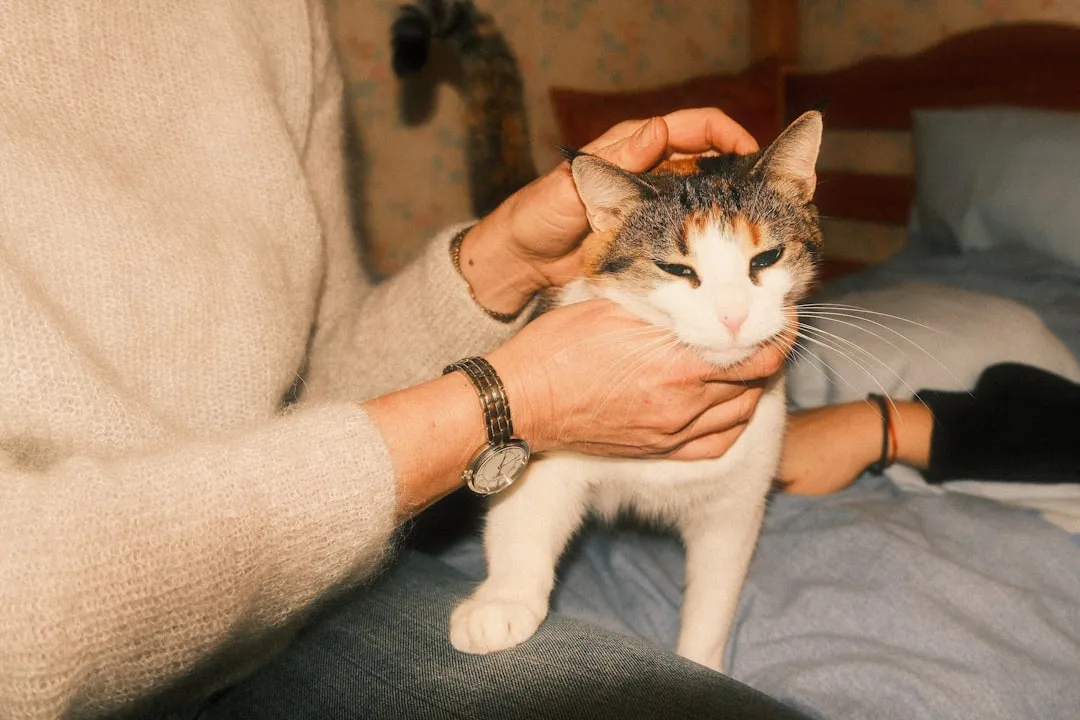
Waiting until an actual crisis to discuss end-of-life options almost guarantees a panicked, rushed decision. Vets who offer home visits consistently emphasize that planning ahead lets a family choose the timing and the setting on their own terms, not under pressure.
Having the conversation early means the cat gets to stay in its own bed instead of being handled and transported while already unwell. Home procedures typically take a little longer than clinic visits, but families overwhelmingly describe them as gentler. It’s a recurring theme among owners who’ve gone through it: less regret, more peace, simply because there was time to prepare.
13. Choose a Fear-Free Certified Home Vet
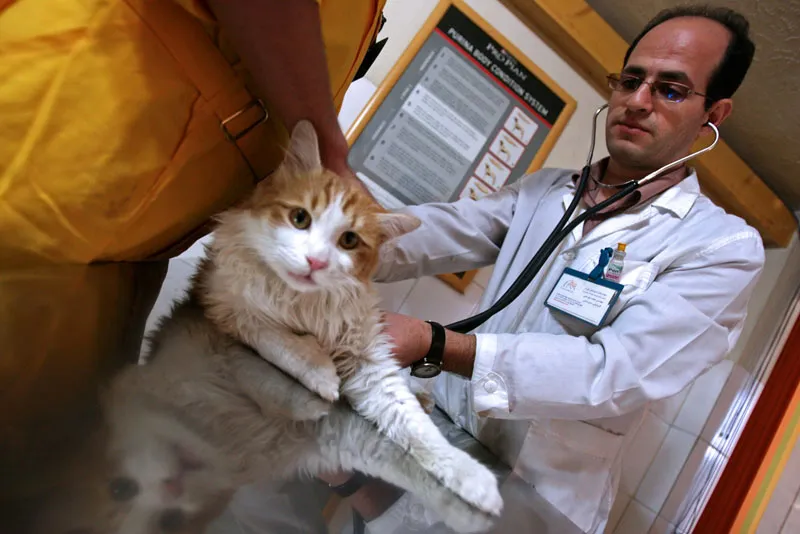
Not every mobile vet handles this moment the same way, and the difference in approach matters more than most people expect going in. Vets trained specifically in low-stress handling tend to skip the white coat, keep their voice quiet, and let the cat stay exactly where it already feels safe instead of moving it around.
Asking other cat owners for references before booking is worth the extra step. Certified professionals often administer pre-euthanasia sedation that prevents the cat from having any awareness of the final injection at all. That single detail, more than almost anything else on this list, is what separates a peaceful goodbye from a traumatic one.
Quick Compare: Standard vs. Fear-Free Home Visit
- Standard handling: brisk pace, cat often moved or restrained
- Fear-Free approach: slow pace, cat stays in its own familiar bed
- Standard sedation: may be minimal or skipped entirely
- Fear-Free sedation: given first, so the cat has no awareness of the final injection
14. Stay Physically Present and Speak Softly Through the End
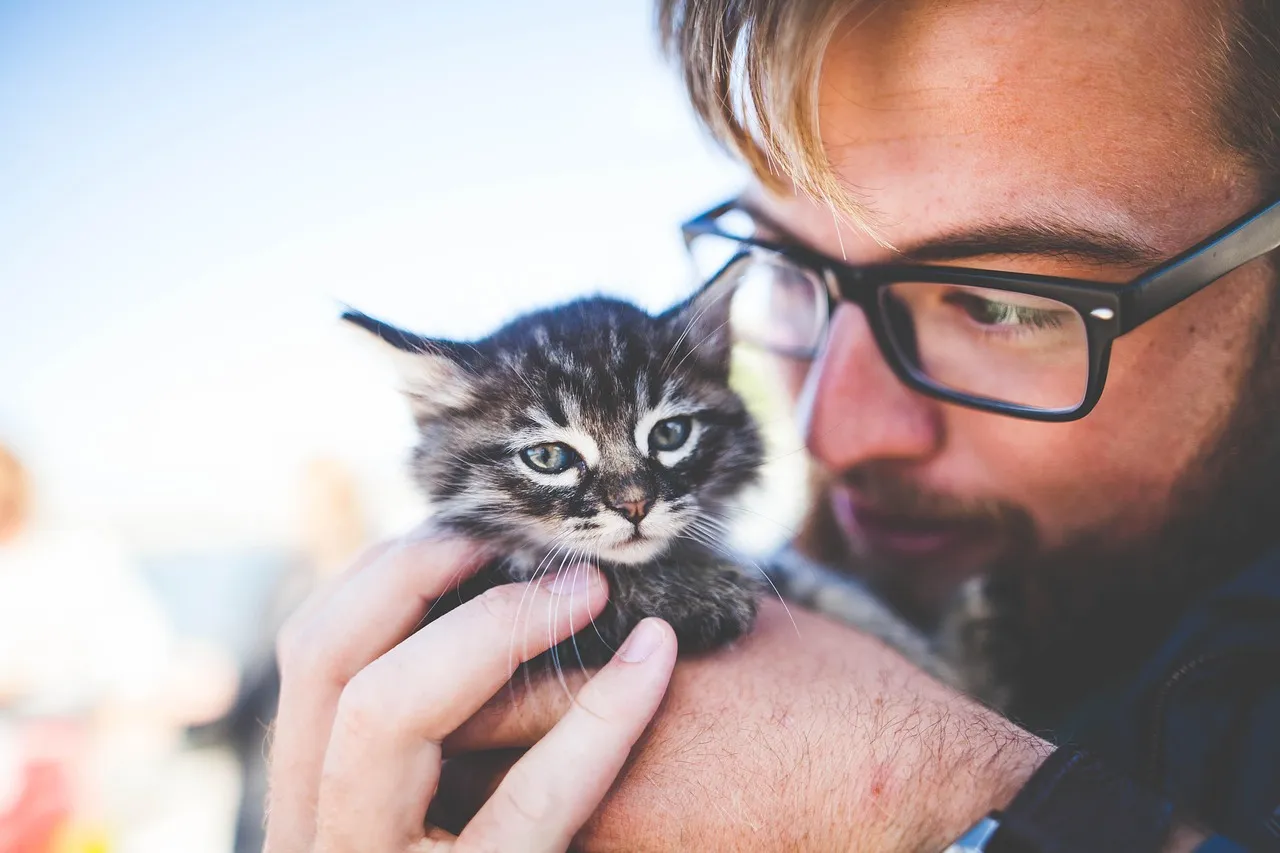
Of everything on this list, staying calm and connected through the actual procedure is the one vets describe as making the biggest difference. Cats pick up on their owner’s anxiety far more than people assume, and a steady voice paired with gentle contact does more to ease that final moment than anything medical.
Holding the cat in its favorite position, if it’s physically comfortable to do so, keeps that connection intact right through the end. Owners who stay present often describe the moment as feeling like a natural extension of their bond rather than a medical event. The cat’s last memory, in that sense, isn’t of fear – it’s of home, and of the people who were always there.
The Bottom Line
Here’s the uncomfortable truth buried in all of this: a lot of the fear and suffering families associate with losing an old cat isn’t inevitable, it’s just unaddressed. Floor grips, raised bowls, and an honest daily check-in sound almost too small to matter, but vets keep pointing back to exactly these details as the difference between a cat who fades in fear and one who fades in comfort.
If there’s one opinion worth taking from all of this, it’s that home-based, planned goodbyes deserve to be the default conversation, not the backup plan families stumble into during a crisis. The cats who get the gentlest endings are almost never the ones who got the most expensive care – they’re the ones whose people paid attention early, and stayed close at the end.

- These Incredible Insects Play a Vital Role in Your Garden’s Health - July 12, 2026
- 8 Unique Animals That Call Florida Wetlands Home - July 12, 2026
- 6 Wild Theories About Lost Civilizations and Their Downfall - July 12, 2026