
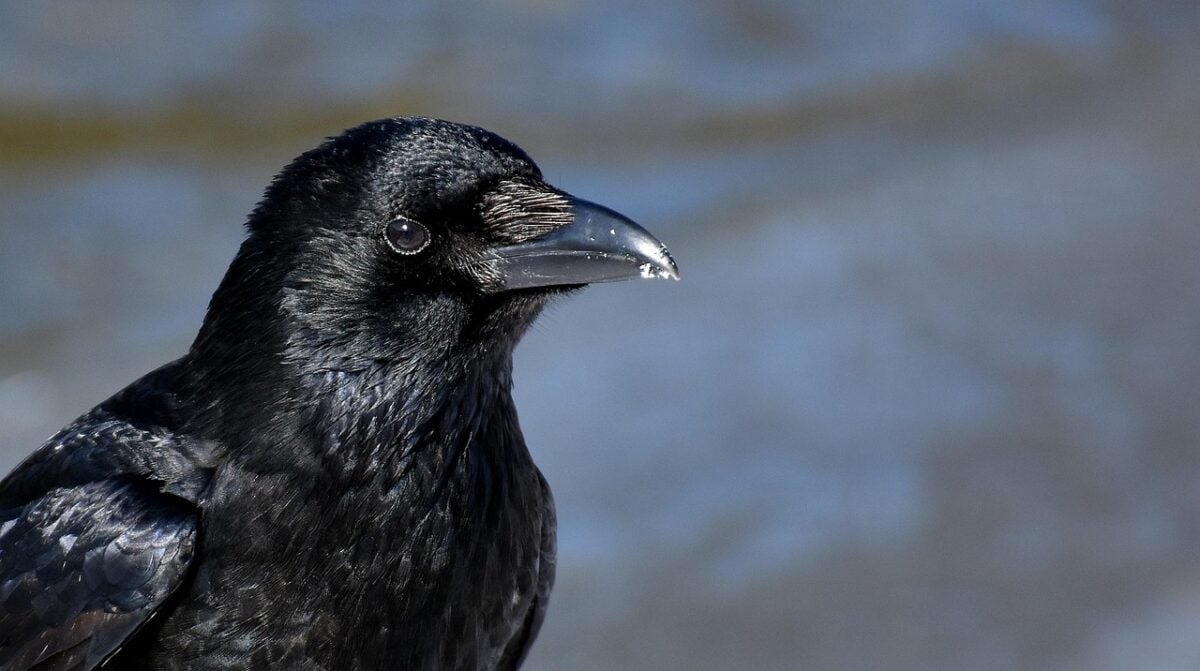
Ravens have long been symbols of mystery and intelligence in various cultures, often depicted as omens or messengers. Recent scientific studies have unveiled that these birds possess cognitive abilities that rival those of great apes and even young children. One of the most striking discoveries is their capacity to plan several steps ahead to solve complex problems.
Ravens Demonstrate Advanced Planning Abilities

In a groundbreaking study, researchers trained ravens to use a specific tool to open a puzzle box containing a treat. After learning this task, the birds were presented with the tool and several distractor objects, but the puzzle box was absent. Remarkably, the ravens selected the correct tool, anticipating the future need to use it when the box reappeared 15 minutes later. This behavior indicates a level of foresight previously attributed only to humans and great apes.
The ravens’ success rate in choosing the correct tool was impressive, with nearly 80% accuracy. This suggests that their planning abilities are not just instinctual but involve deliberate decision-making processes. Such findings challenge the traditional view of avian intelligence and open new avenues for understanding cognitive evolution.
Tool Use and Bartering: Signs of Complex Cognition

Beyond tool use, ravens have exhibited the ability to engage in bartering. In experiments, they learned to exchange tokens with researchers to receive food rewards. When given a choice between an immediate lesser reward and a token that could be traded for a better reward later, the ravens often opted for the token, demonstrating self-control and an understanding of delayed gratification.
This behavior mirrors economic decision-making seen in humans and suggests that ravens can assess the value of future rewards over immediate ones. Their ability to plan for future bartering scenarios indicates a sophisticated level of cognitive function not commonly associated with birds.
Comparisons with Great Apes and Young Children
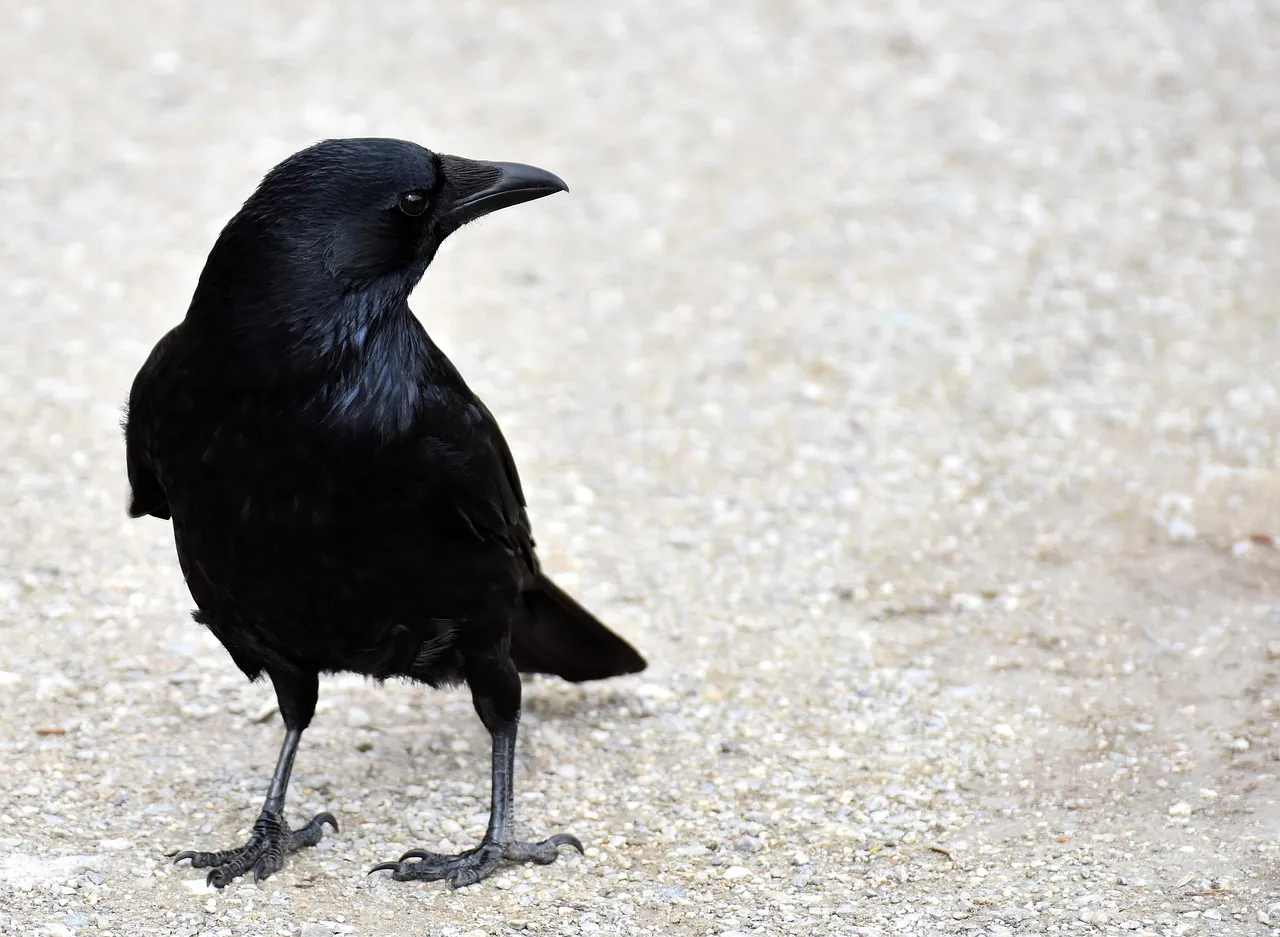
When subjected to similar tests, ravens have outperformed great apes and even four-year-old children in certain planning tasks. For instance, in tool selection and delayed gratification experiments, ravens showed higher success rates than their primate counterparts. This suggests that their cognitive abilities are not only advanced but also comparable to those of species traditionally considered more intelligent.
These comparisons highlight the convergent evolution of intelligence, where different species develop similar cognitive traits independently. The ravens’ performance challenges the notion that complex planning is exclusive to primates and underscores the need to reevaluate our understanding of animal intelligence.
Implications for Evolutionary Biology
The discovery of advanced planning in ravens has significant implications for evolutionary biology. It suggests that complex cognitive abilities can evolve in species with vastly different brain structures and evolutionary histories. This challenges the primate-centric view of intelligence and indicates that similar environmental pressures can lead to the development of advanced problem-solving skills across diverse species.
Understanding how such abilities evolved in ravens can provide insights into the factors that drive cognitive development. It also raises questions about the distribution of intelligence in the animal kingdom and the potential for other species to possess similar capabilities.
Future Research Directions
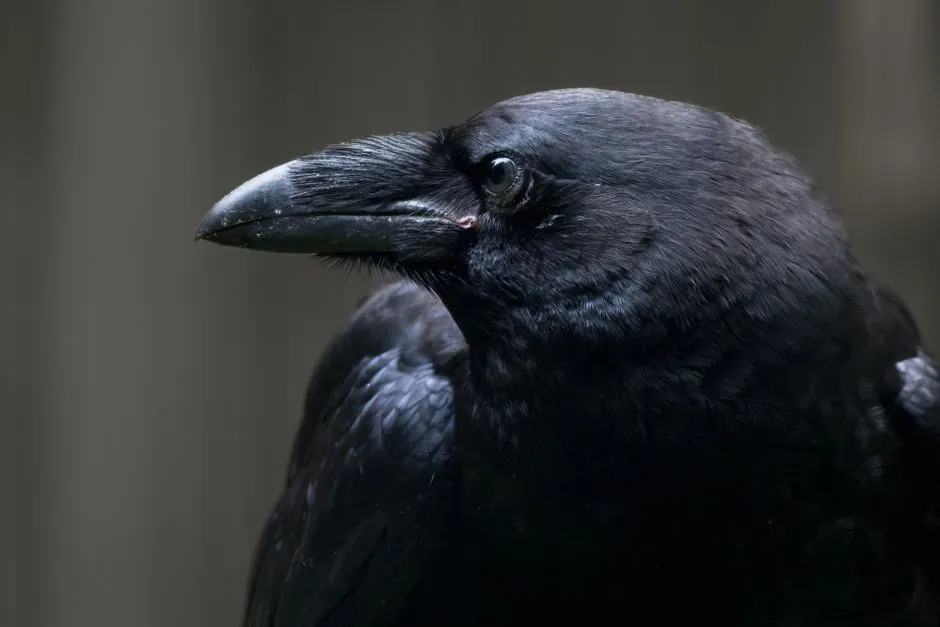
While current studies have shed light on the ravens’ planning abilities, many questions remain. Future research could explore the neural mechanisms underlying these behaviors and determine whether similar cognitive processes exist in other bird species. Additionally, investigating how these abilities manifest in wild ravens compared to those in controlled environments could provide a more comprehensive understanding of their natural behaviors.
Further studies could also examine the social aspects of raven intelligence, such as their ability to cooperate, deceive, or understand the intentions of others. Such research would contribute to a broader understanding of animal cognition and the evolutionary pathways that lead to complex problem-solving abilities.
Ravens in Cultural Context
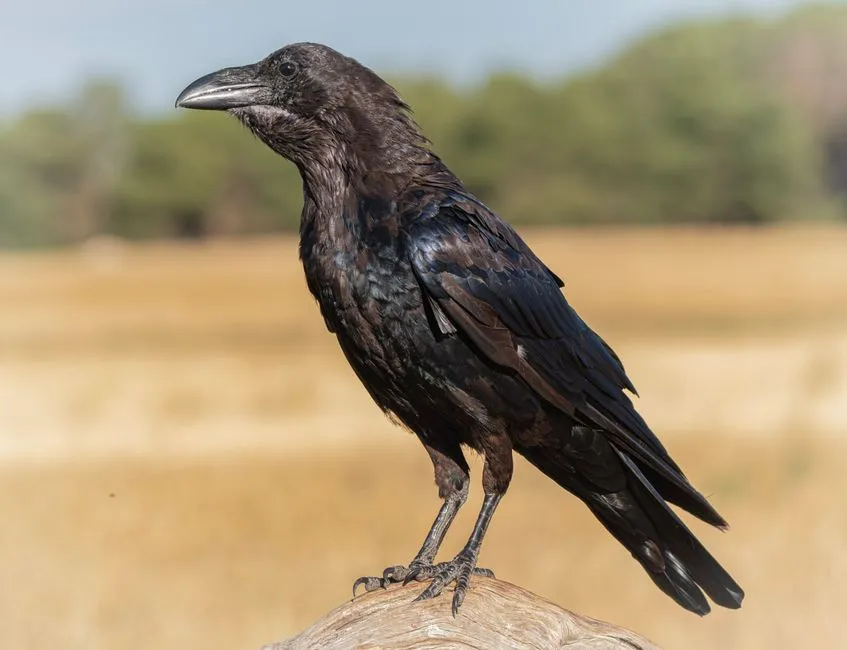
Throughout history, ravens have been depicted as symbols of wisdom and foresight in various cultures. From Norse mythology, where the god Odin is accompanied by two ravens representing thought and memory, to Native American legends that portray the raven as a creator and trickster, these birds have long captured human imagination.
The scientific findings about their cognitive abilities add a new dimension to these cultural representations, suggesting that the reverence for ravens may be rooted in their observable intelligence and problem-solving skills. This intersection of cultural symbolism and scientific discovery enriches our appreciation of these remarkable birds.
Conclusion

The evidence of ravens’ ability to plan several steps ahead challenges our understanding of animal intelligence and blurs the line between human and animal cognition. These findings compel us to reconsider the uniqueness of human foresight and recognize the complex mental lives of other species. As we continue to uncover the depths of animal intelligence, we may find that the gap between human and animal cognition is narrower than previously thought. What other secrets might the animal kingdom hold?

- America’s Most Dangerous Fault Lines You’ve Probably Never Heard Of - July 14, 2026
- Animal Psychology Says If You See a Large Gathering of Crows in Your Yard at Dawn It Is a Sign of Complex Social Behaviour – and the Cognitive Power Required for It Belongs to an Elite Group of Species - July 14, 2026
- 10 World’s Most Beautiful Gardens - July 14, 2026