
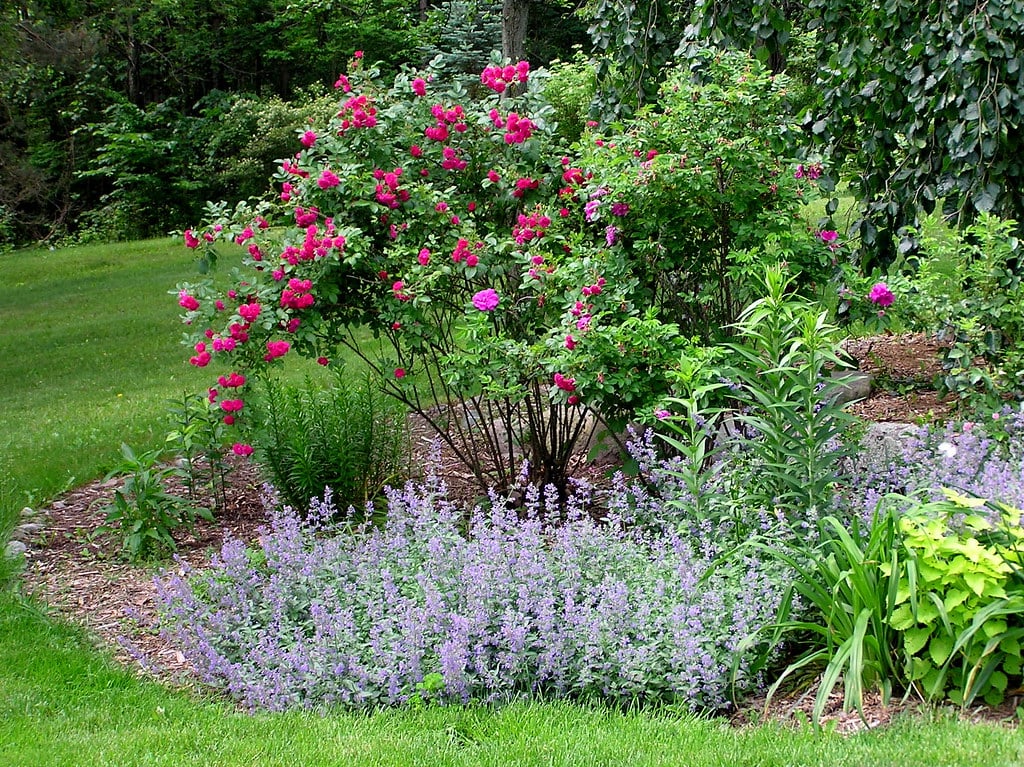
Somewhere in every neighborhood there’s a yard everyone’s basically given up on – cracked dirt, dead grass, maybe a few weeds hanging on out of spite. The instinct is to assume it needs bags of compost, an irrigation system, and years of babying before anything worthwhile grows there. But that assumption is wrong, and it’s costing people a genuinely wild, buzzing yard they could have had with almost no effort at all.
A specific group of tough, deep-rooted perennials doesn’t just survive that kind of neglect – they actually perform better in it, pulling in bees, butterflies, and hummingbirds by the hundreds while asking for less water and attention than the “easy” plants most people choose instead. We ranked all 27, starting with the toughest survivors and building toward the one plant serious pollinator gardeners consider completely non-negotiable.
#27 – Yarrow: The Tough Groundcover That Feeds Beneficial Insects Year After Year
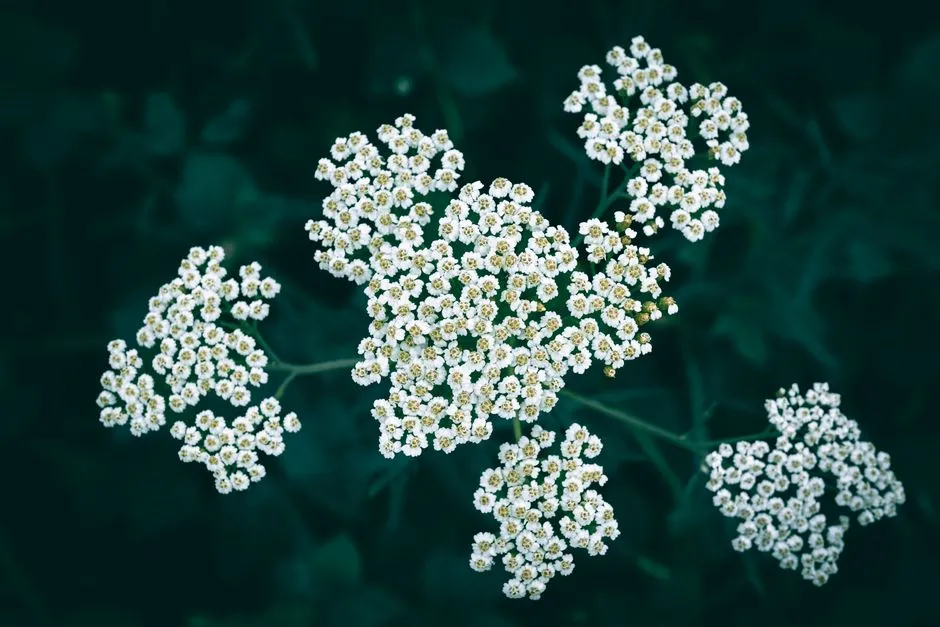
Yarrow laughs at drought and poor soil while delivering flat-topped blooms that serve as landing pads for dozens of pollinator species. Most gardeners overlook how its feathery foliage stays green with almost no water once it’s established, quietly working through the hottest weeks of summer while flashier plants wilt.
Its deep roots stabilize erosion-prone slopes better than many ornamental grasses, and the flowers keep producing nectar from late spring into fall. It also attracts predatory wasps and ladybugs that keep aphids in check without a drop of pesticide. Plant it in full sun, then basically forget about it – just divide it every few years to keep it vigorous.
#26 – Sedum: Stonecrop Varieties That Bloom When Everything Else Wilts
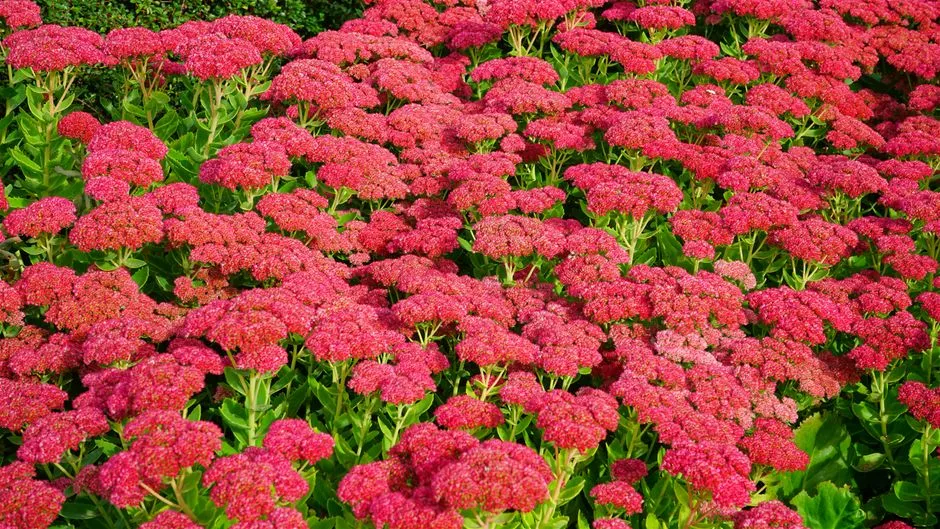
Sedum handles extreme heat, rocky ground, and months without rain while still producing late-season flowers that bees and butterflies desperately need. The succulent leaves store water so efficiently that established plants can survive on rainfall alone in most regions.
Its star-shaped blooms often peak in September and October, right when other nectar sources have already dried up, giving migrating monarchs and hungry local bees a critical last boost before winter. Low-growing types double as living mulch that smothers weeds. Just don’t over-fertilize it – lean, hungry soil keeps sedum compact and blooming heavily instead of flopping open.
#25 – Russian Sage: The Silver-Leaved Perennial Bees Can’t Resist
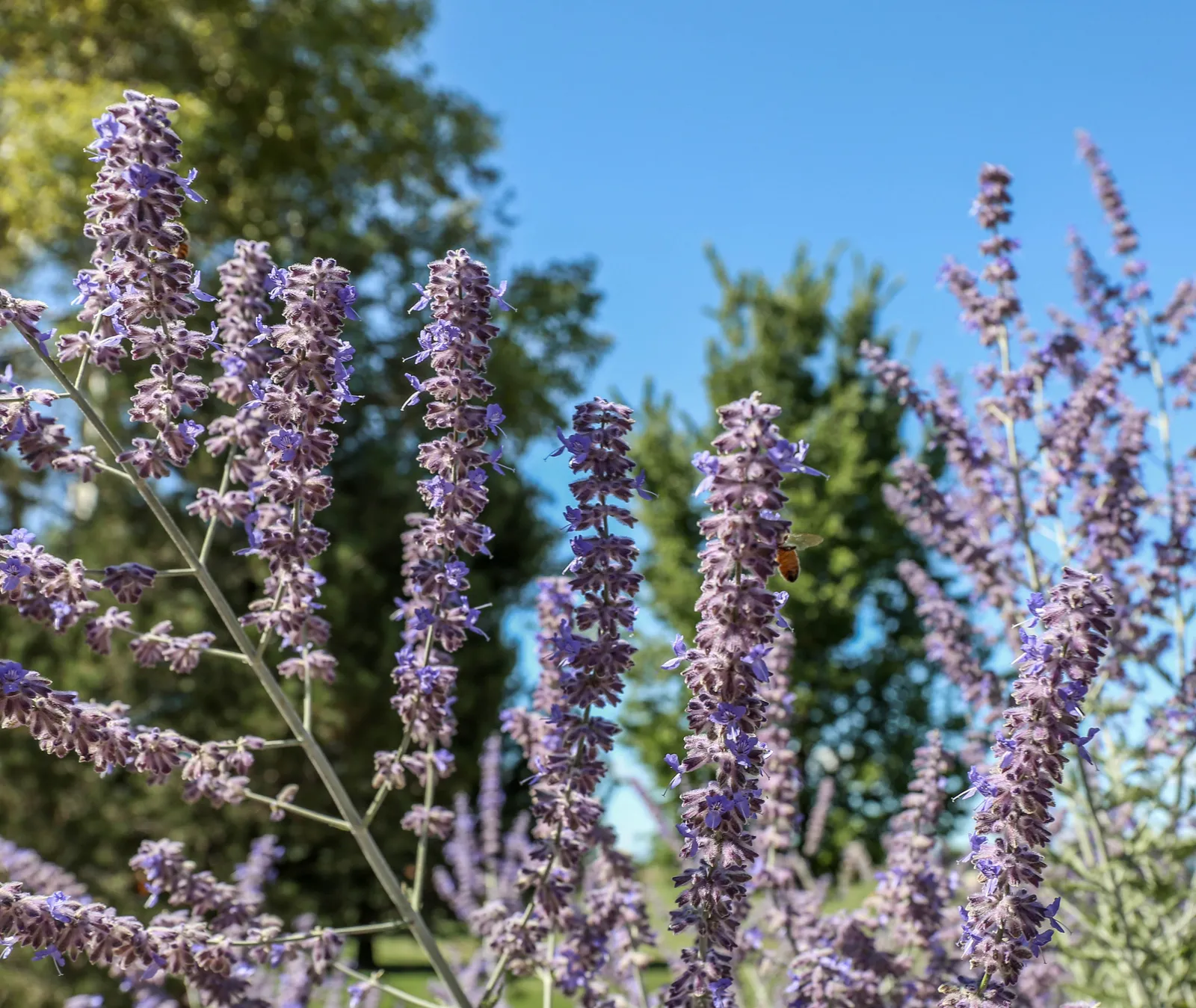
Russian sage throws up clouds of lavender-blue spikes that pull bees in by the swarm, even during the driest, hottest stretch of August. Its woody stems and aromatic foliage also happen to repel deer, while the roots shrug off sandy or clay soil that most perennials refuse to touch.
The bloom period stretches from midsummer clear into fall, and established clumps can spread four feet wide with virtually no water after their first year in the ground. Cut it back hard each spring for fresh growth. It’s still strangely underused in pollinator gardens compared to flashier, needier plants.
#24 – Catmint: Nepeta That Keeps Pollinators Coming Back All Season
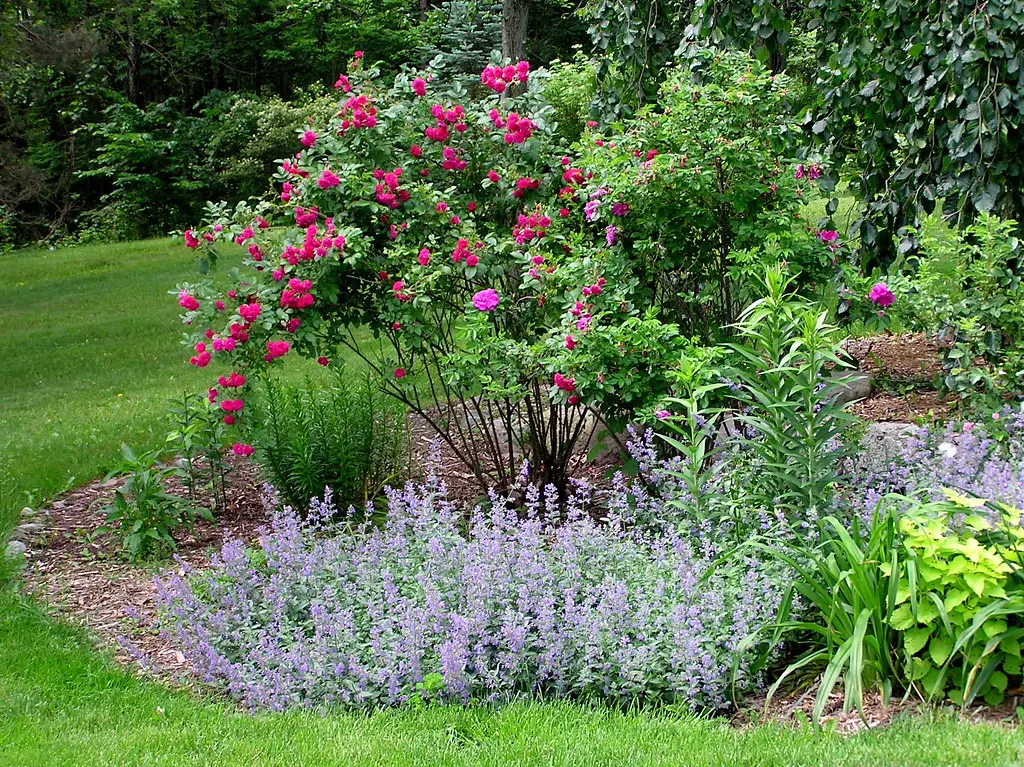
Catmint sends up spikes of purple-blue flowers that bees revisit again and again from spring through the first frost, and its minty scent naturally keeps some pests away. It tolerates poor soil, punishing heat, and outright neglect far better than lavender does in humid climates.
Shear it back after the first flush of blooms and it rewards you with a whole new round of flowers, stretching the nectar supply through the season. It forms neat, well-behaved mounds along pathways without spreading aggressively like true mint. Lavender still gets the glory, but catmint quietly outperforms it in unpredictable weather.
Quick Compare
- Catmint: thrives in humidity, poor soil, and neglect; blooms rebound fast after shearing
- Lavender: needs sharp drainage and low humidity; struggles when summers turn muggy
- Winner in unpredictable climates: catmint, hands down
#23 – Lavender: The Classic That Still Surprises in Tough Spots
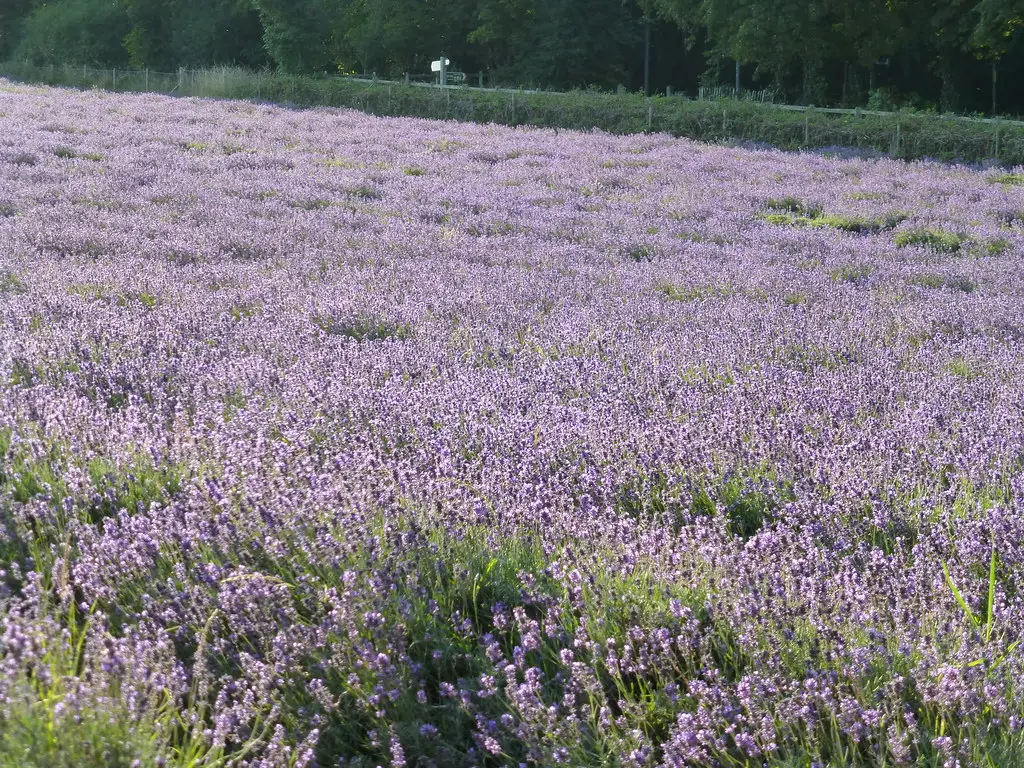
Lavender thrives in gravelly, alkaline soil with sharp drainage and barely any water once its roots dig in deep. The fragrant spikes pull in bees and butterflies all summer, and the foliage stays evergreen in milder climates.
Sited properly, a single plant can live 10 to 15 years with almost no care beyond an occasional trim. English and hybrid varieties handle cold winters better than most gardeners assume. Harvest the flowers for drying to trigger a second flush – and go easy on the water, since overwatering is what actually kills lavender, not the cold.
#22 – Salvia: Perennial Sages That Draw Hummingbirds and Bees
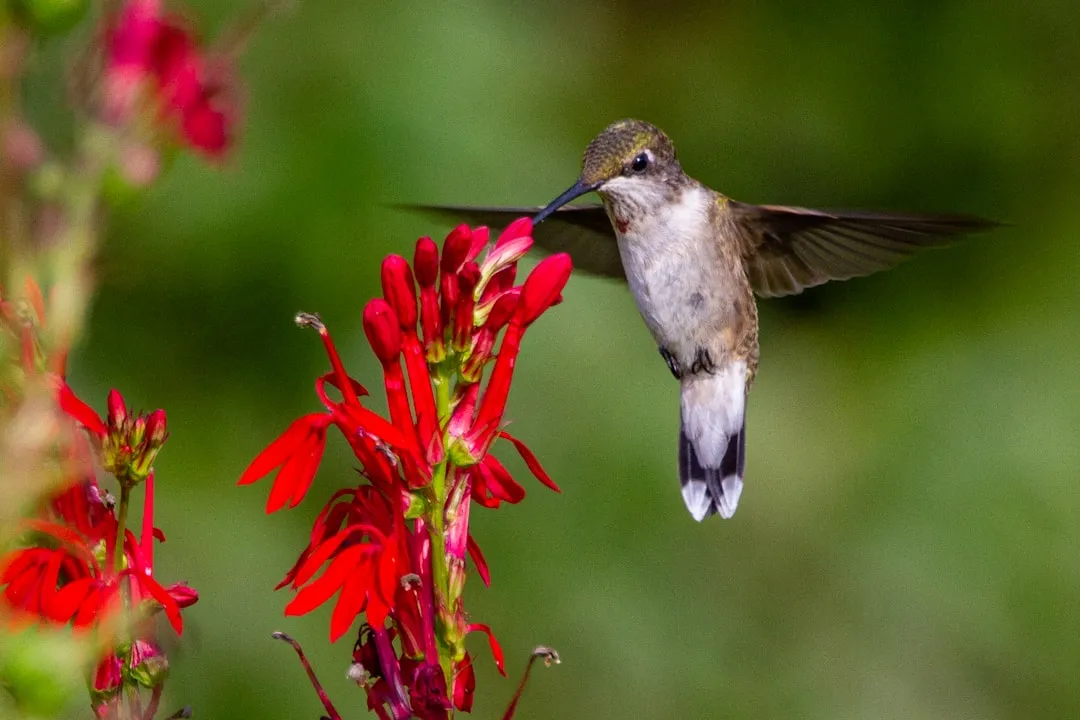
Perennial salvias send up repeated spikes of tubular flowers that hummingbirds and long-tongued bees favor above almost everything else, often blooming from early summer straight through the first hard frost. They shrug off heat, drought, and mediocre soil without complaint.
Deadhead regularly and some varieties will rebloom multiple times in a single season, multiplying the pollinator visits dramatically. Dark-leaved types add striking contrast in otherwise barren beds. Cut them back in late winter for bushier growth – and enjoy the fact that deer tend to leave them alone.
#21 – Coneflower: Echinacea That Powers Through Neglect
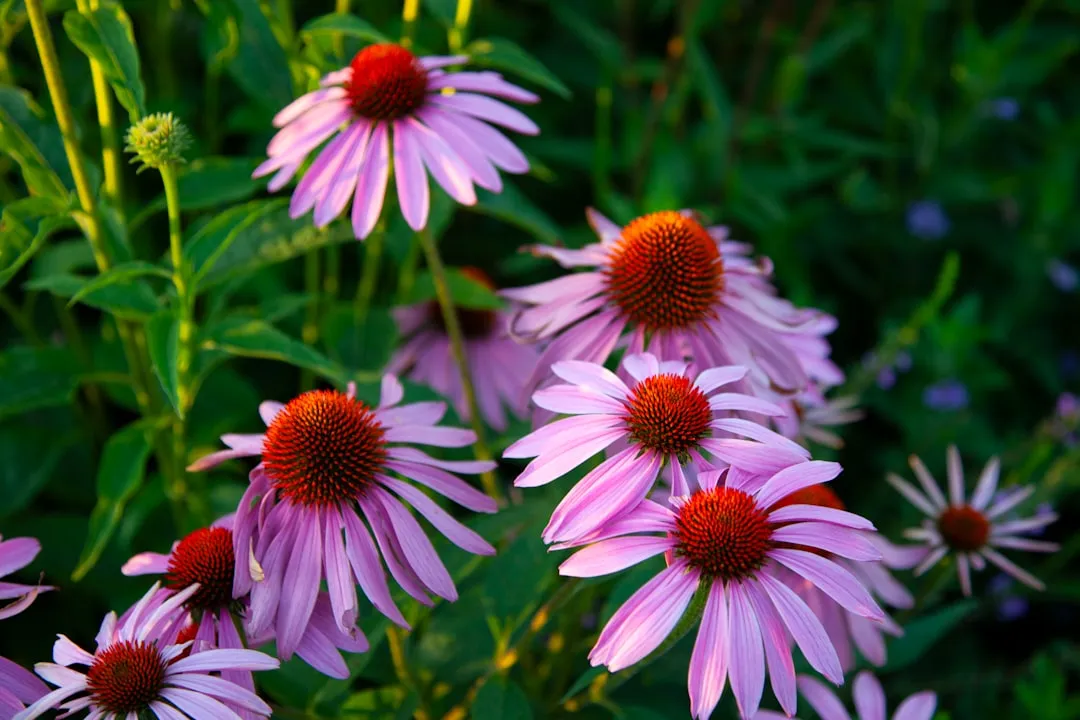
Coneflowers punch straight through clay or sandy soil and survive weeks of drought while producing daisy-like blooms that bees and butterflies practically mob. Leave the seed heads standing through winter and goldfinches will strip them clean.
The deep taproot lets echinacea survive in compacted urban lots where other perennials give up entirely. Native species also support specialist bees that ignore generic garden-center flowers. Deadhead selectively to extend bloom, or let the seeds stand for the birds, and divide the clumps every four years so they don’t crowd themselves out.
#20 – Black-Eyed Susan: Rudbeckia That Lights Up Dry Meadows
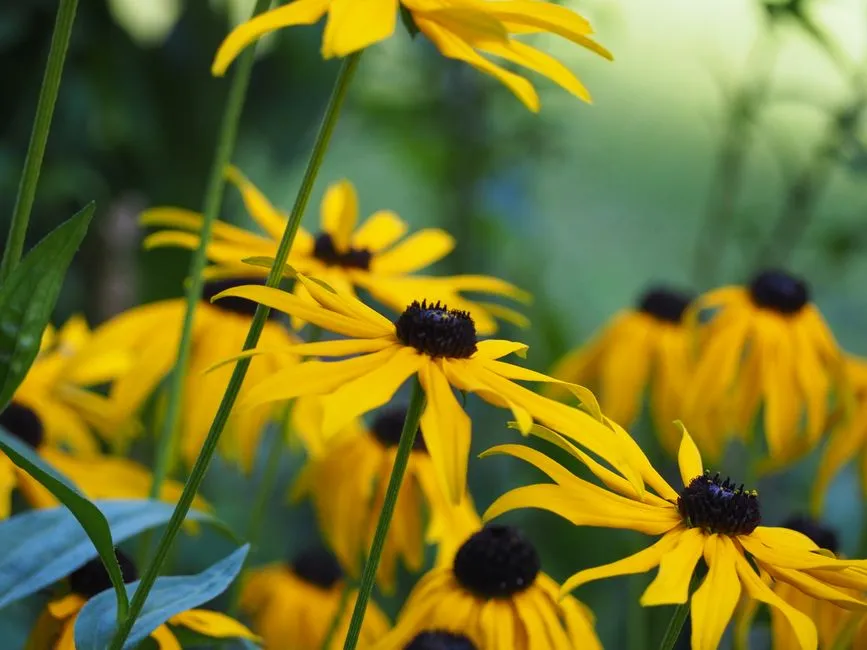
Black-eyed Susans carpet poor soil with golden blooms that pull in a wide range of bees and beneficial insects from midsummer onward. They self-seed gently into neglected corners without turning invasive, which makes them perfect for spots nothing else will grow.
Their tolerance for heat and low fertility makes them ideal for new construction lots with stripped, lifeless topsoil. Cut them back after flowering to encourage strong basal growth for next year, and pair them with ornamental grasses for a natural, meadow-like look. Most gardeners have no idea how long the cut flowers actually last in a vase.
#19 – Bee Balm: Monarda That Thrives in Variable Moisture
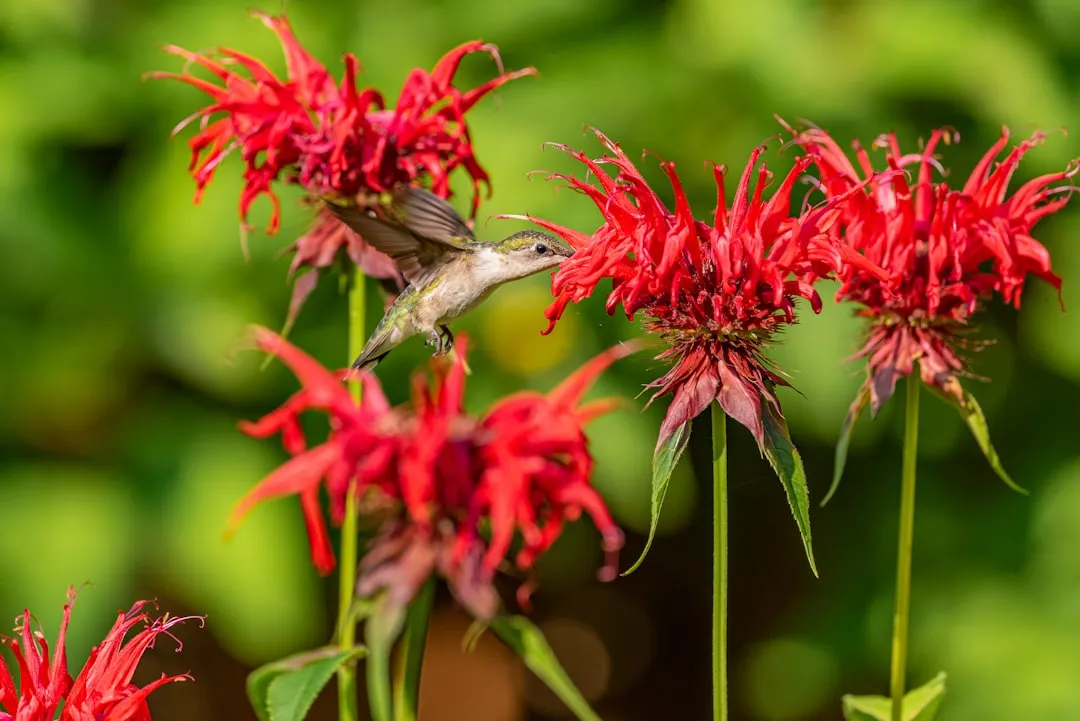
Bee balm produces shaggy red, pink, or purple flowers that hummingbirds and bees target specifically, and it handles both drought and the occasional soggy week once it’s established. Even out of bloom, the aromatic leaves keep the bed interesting.
Newer cultivars have much better resistance to powdery mildew, making bee balm far more reliable in humid climates than it used to be. Divide the clumps every two to three years to keep them healthy, and expect slow spread by rhizomes in average soil. The tubular blooms keep offering nectar right when a lot of other plants have already called it quits for the season.
#18 – Blanket Flower: Gaillardia That Blooms Nonstop in Heat
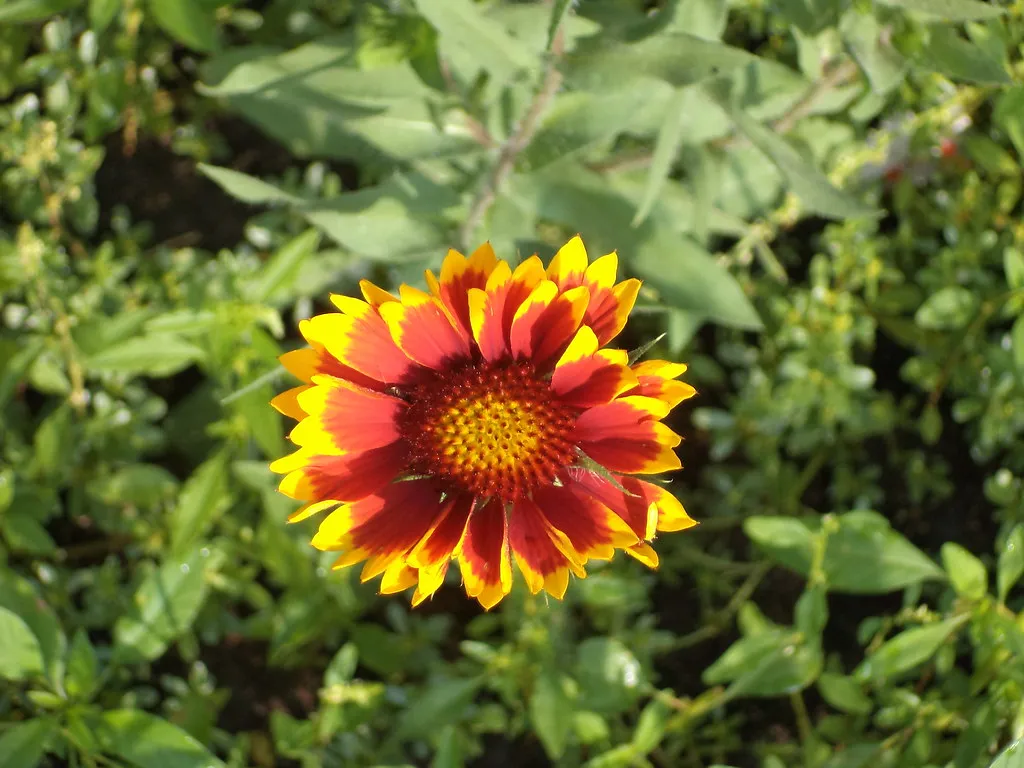
Gaillardia blankets dry, sandy ground with red-and-yellow daisy flowers from early summer clear into fall, feeding pollinators straight through the peak heat when other blooms have already faded out. It needs almost no water once it’s settled in.
A long taproot and total tolerance for poor fertility let it colonize barren patches faster than most perennials manage. Deadhead for continuous color, or leave the seeds for finches to pick through. It self-sows modestly in open soil and stays compact enough for small yards or tight borders.
#17 – Blazing Star: Liatris That Attracts Specialist Bees
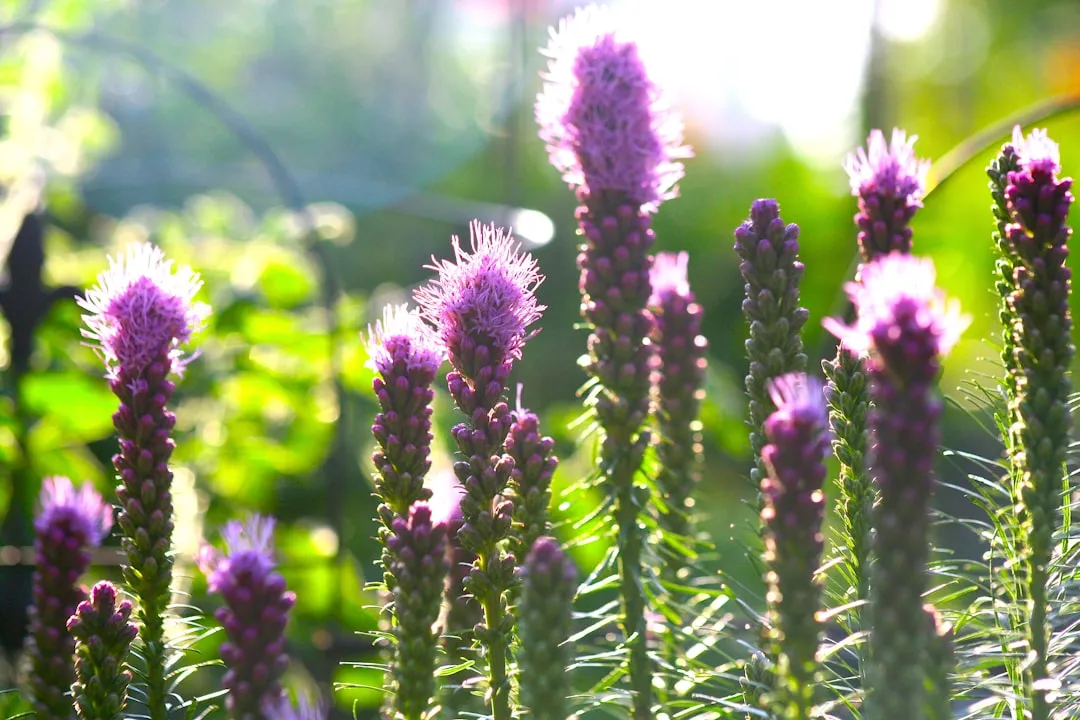
Liatris sends up tall, fuzzy purple spikes that native bees and butterflies seek out specifically, thriving in lean, well-drained soil under full sun. Once the corms settle in, drought barely fazes it.
The vertical form adds real drama to an otherwise flat yard, and it keeps offering nectar late into summer when a lot of competition has dried up. Plant the corms in fall for spring emergence, and let it naturalize into a meadow setting – it won’t take over. Leave the spent spikes standing through winter for visual interest and bird food.
#16 – Penstemon: Beardtongue That Hummingbirds Favor
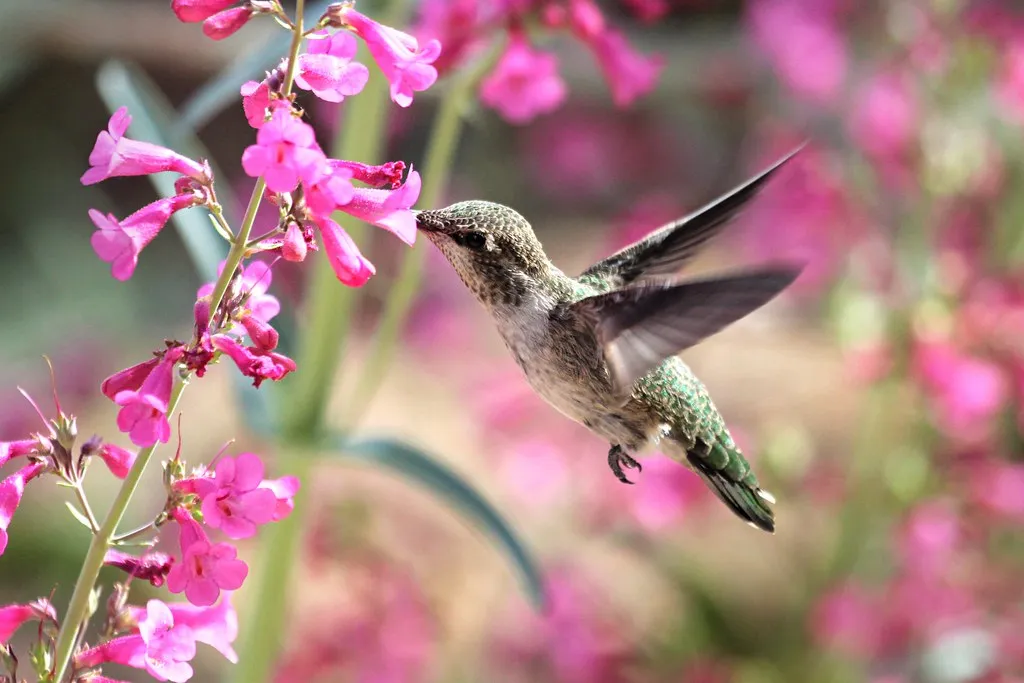
Penstemon produces tubular flowers in blue, purple, and red that hummingbirds return to again and again, and many species handle rocky or sandy soil with next to no moisture. In milder climates, the evergreen foliage adds year-round structure to the bed.
Native species support specialist pollinators that exotic garden varieties often miss entirely. Cut the plants back after flowering for a possible second round of blooms, but keep the soil lean – rich soil actually shortens penstemon’s lifespan. Divide it carefully, since the roots resent being disturbed.
#15 – Agastache: Anise Hyssop That Keeps Blooming
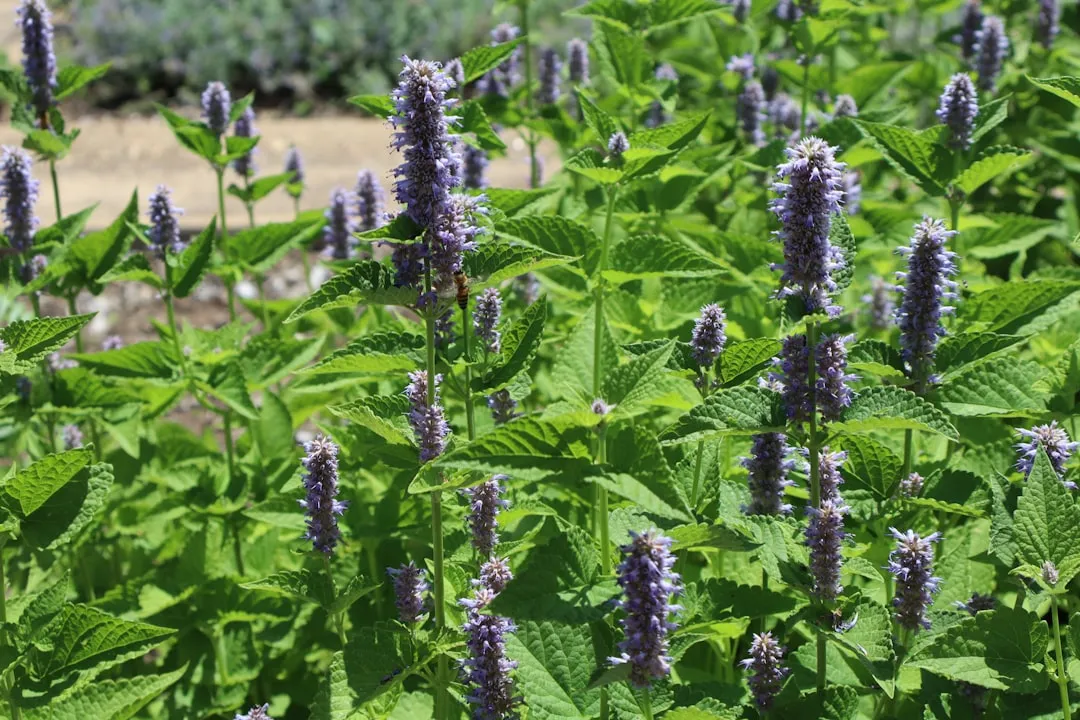
Agastache forms bushy clumps of licorice-scented leaves topped with long spikes of lavender or orange flowers that bees and butterflies visit constantly from summer into fall. It laughs off both heat and drought in full sun.
The extended bloom window combined with its gentle self-seeding habit means a single planting can expand into a full pollinator patch over a few seasons. Cut it back in spring for fresh growth, and expect it to attract beneficial insects that quietly control garden pests on their own. Newer hybrids also offer noticeably better cold hardiness than older varieties.
#14 – Verbena: Tall Types That Draw Skippers and Bees
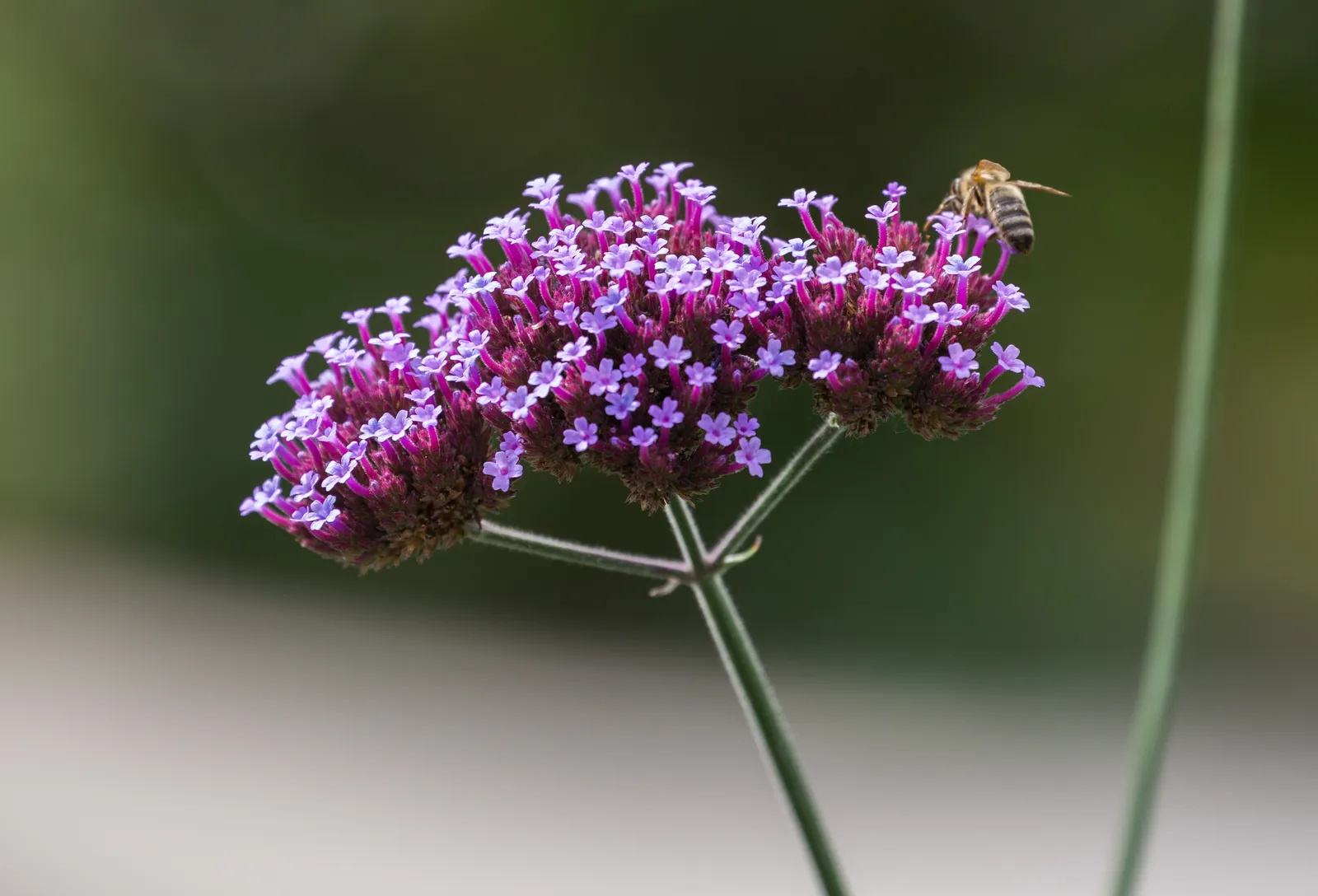
Tall verbena types like Verbena bonariensis send up clusters of small purple flowers on wiry, see-through stems that butterflies and bees use as landing perches, and they thrive in poor soil with almost no water. They self-seed into open ground without turning into a weed problem.
The airy, see-through habit lets verbena weave through other plants while stretching the bloom season well past what most perennials manage. It tolerates heat and humidity better than most people expect, and the flowers keep coming right up until the first hard freeze in many zones. A light trim after frost is really all the maintenance it asks for.
#13 – Goldenrod: Solidago That Supports Late-Season Pollinators
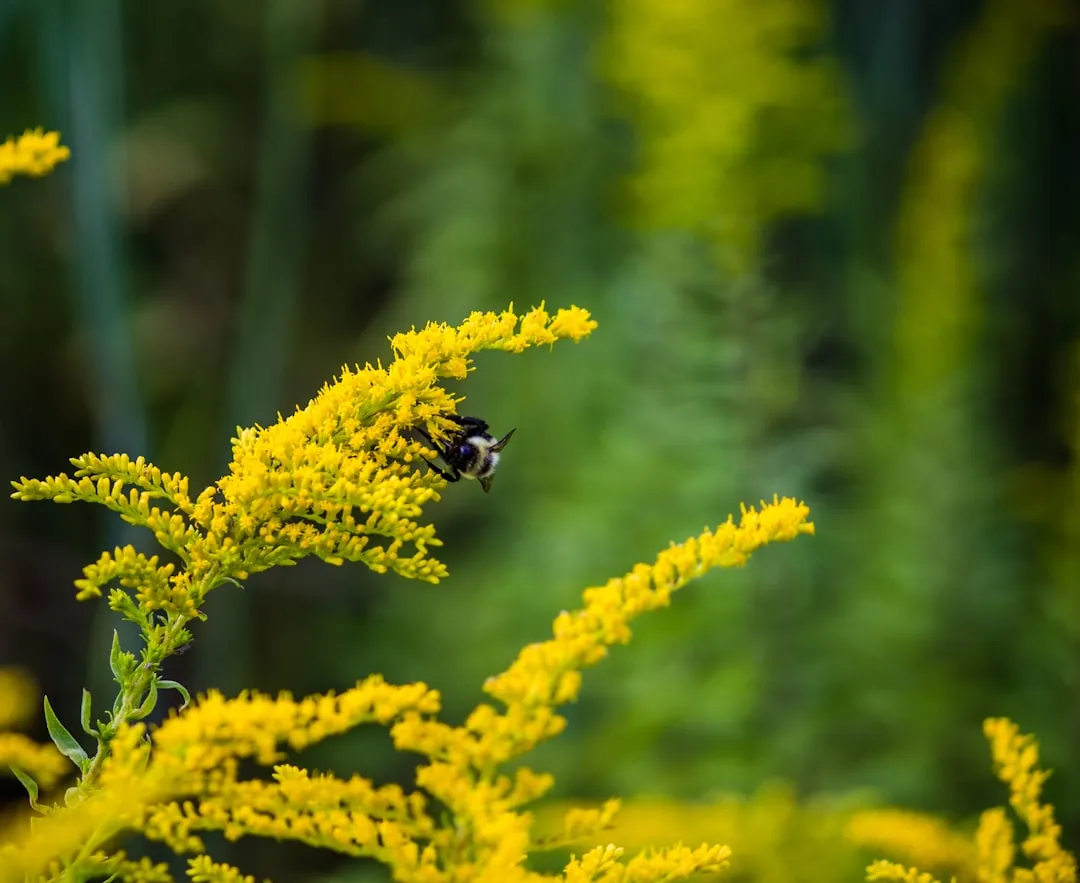
Goldenrod lights up the fall landscape with plumes of tiny yellow flowers that feed bees and migrating butterflies at a time when almost nothing else is blooming. It handles dry or average soil without any fuss, and – despite its reputation – native goldenrod isn’t actually the cause of fall allergies; that’s ragweed blooming at the same time.
Deep roots improve soil structure over time while the plant keeps delivering critical late-season nectar. Stick to clump-forming cultivars if you want to control its spread, and pair it with asters for a longer stretch of fall color. Once established, it needs almost nothing from you.
Worth Knowing
- Goldenrod pollen is heavy and sticky, so it doesn’t blow into the air the way allergy-causing pollen does
- Ragweed blooms at the same time and is the real culprit most people mistakenly blame on goldenrod
- Goldenrod is one of the last major nectar sources standing before frost shuts pollinators down for the year
#12 – New England Aster: The Fall Powerhouse for Bees
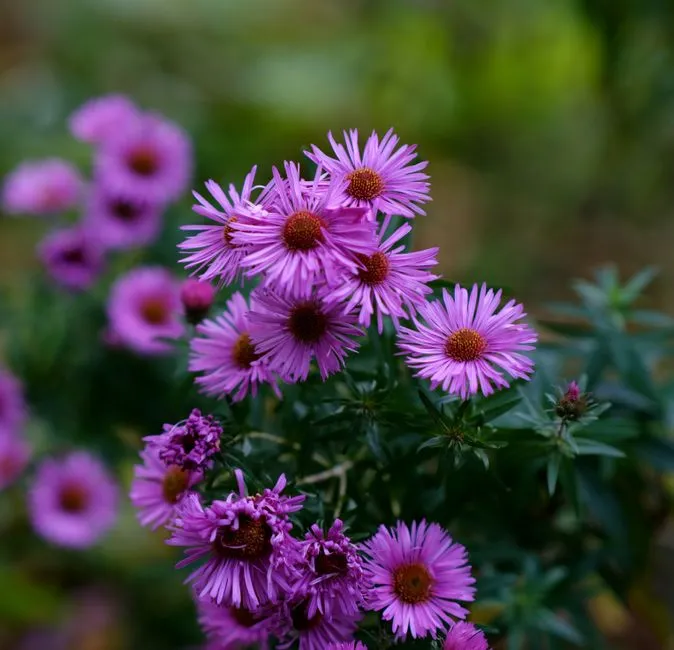
New England asters explode into masses of purple daisy flowers that bees and butterflies depend on heavily in autumn, thriving in average to poor soil as long as drainage is decent. Mature plants shrug off occasional drought without missing a beat.
This late bloom fills a genuinely critical gap in the pollinator calendar, right before the cold shuts everything down. Pinch the stems back in early summer for a bushier, more floriferous plant, and let it self-seed modestly into open areas. Divide it every three years or so to keep it from getting leggy.
#11 – Joe-Pye Weed: Eupatorium That Thrives in Lean Conditions
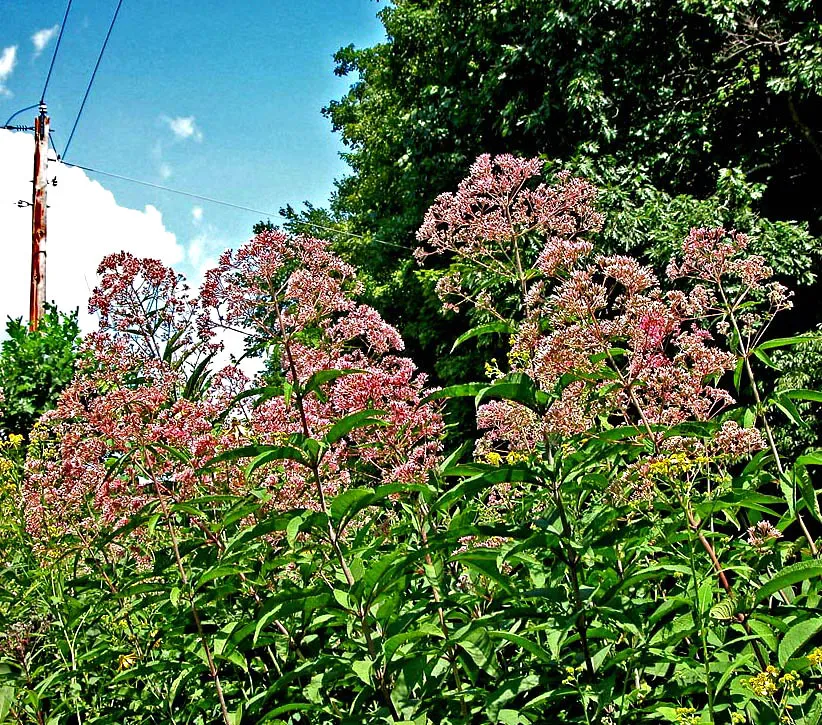
Joe-Pye weed sends up tall stems topped with dusty pink flower clusters that swallowtails and bees find irresistible, and it handles both moist and drier soils once it’s established. The bold, oversized leaves add real texture to an otherwise barren corner of the yard.
Its height creates instant vertical interest while supporting heavy pollinator traffic all at once. Cut it back in late winter and let it spread slowly by rhizome in the right spot. Newer compact varieties now fit smaller yards that couldn’t handle the older, taller types.
#10 – Butterfly Bush: Buddleia That Delivers Nonstop Blooms
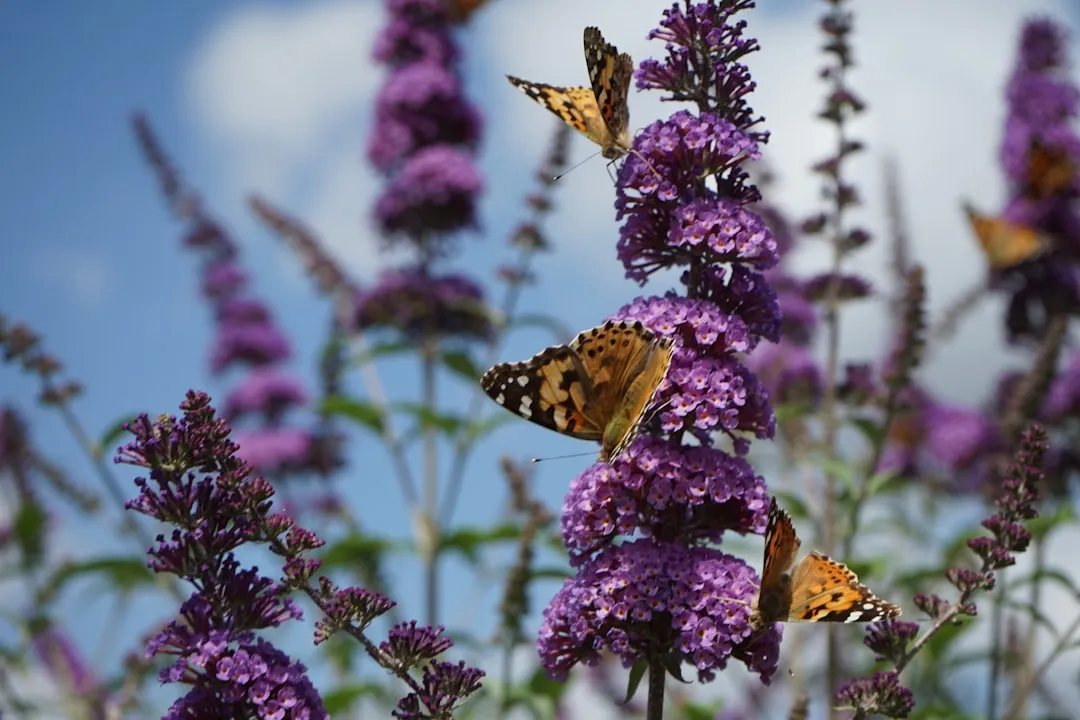
Buddleia produces long, fragrant flower panicles that butterflies visit in waves from summer straight into fall, thriving in poor, dry soil under full sun. Sterile cultivars have cut down on seeding concerns in a lot of regions where the older types became a nuisance.
Its rapid growth fills empty space fast while keeping the nectar flowing nonstop. Prune it hard in spring for the best flowering, and pick a variety suited to your actual hardiness zone rather than whatever looks prettiest at the garden center. It tolerates heat and neglect better than most flowering shrubs on the market.
Fast Facts
- Blooms nonstop from summer through fall, often weeks longer than most flowering perennials
- Sterile cultivars reduce self-seeding, easing concerns in areas where older varieties turned invasive
- Tolerates poor, dry soil and full-sun neglect better than most flowering shrubs
#9 – Perennial Sunflower: Helianthus That Feeds Birds and Bees
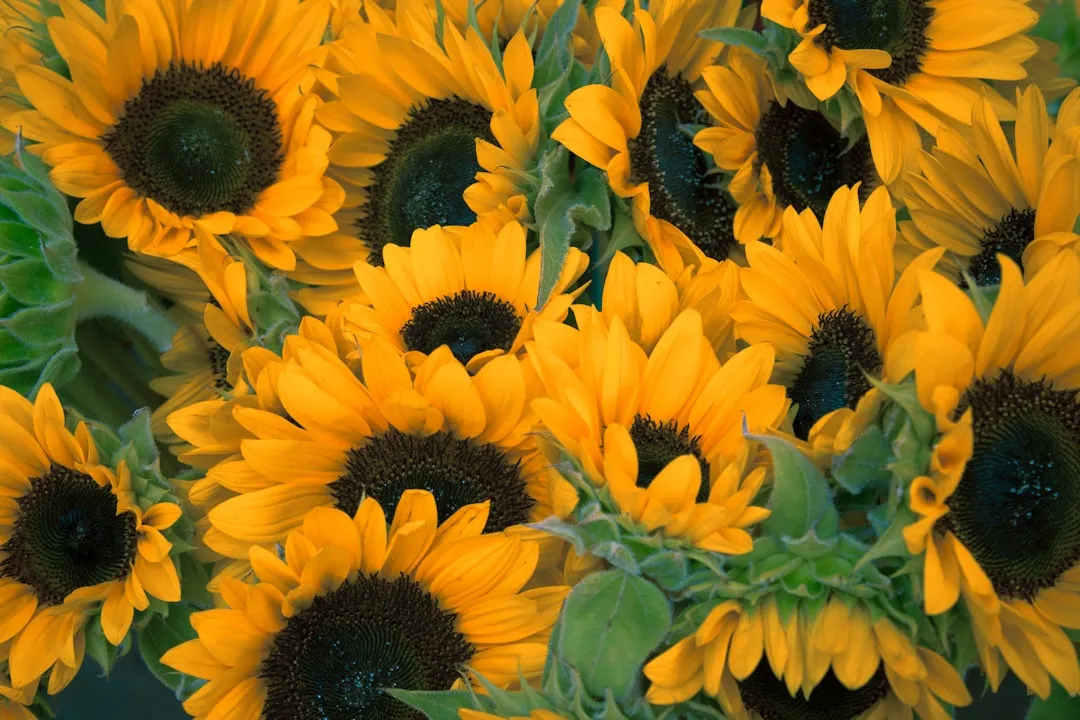
Perennial sunflowers produce bright yellow blooms that bees love, followed by seed heads that keep finches fed well into the cold months, and they spread steadily in average or poor soil with barely any water. Their height adds real structure to an otherwise open, empty yard.
The dual role – pollinator magnet first, bird feeder second – multiplies the wildlife value of a single plant. Divide it every few years to keep the spread in check, and leave some stems standing through winter so birds have seed to work through. Once established, drought barely slows it down.
#8 – Allium: Ornamental Onions That Attract Early Pollinators
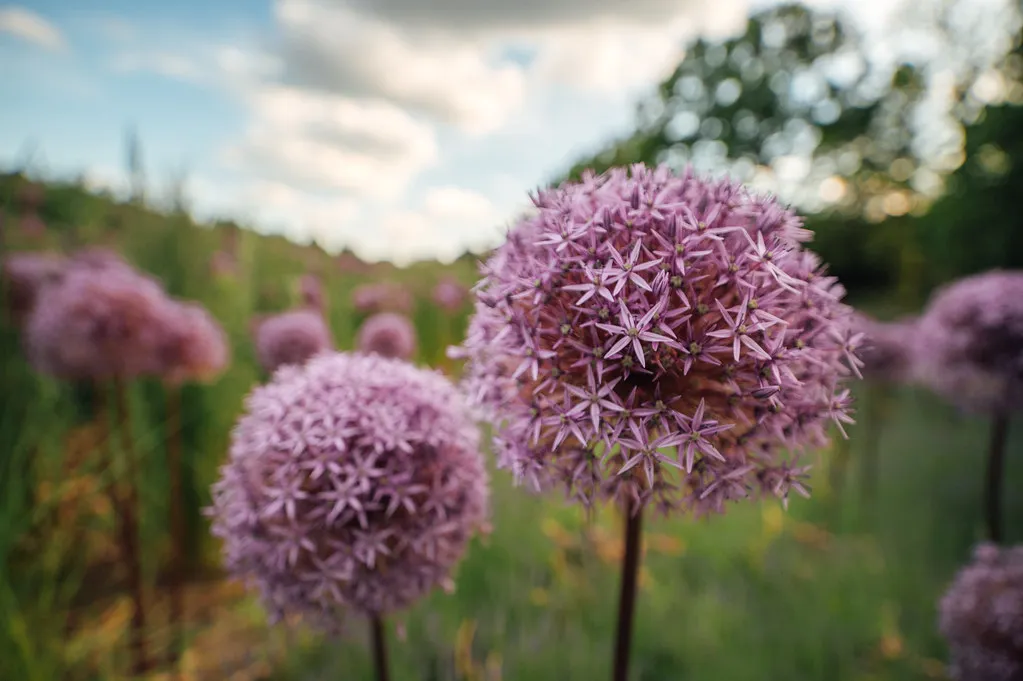
Allium sends up globe-shaped flower clusters that bees flock to early in the season, before most other blooms have even opened, and the bulbs persist for years in lean, well-drained soil with almost no care. The foliage dies back neatly once flowering finishes.
Deer avoid it, drought doesn’t bother it, and it naturalizes well in a meadow setting over time. Plant the bulbs in fall for a spring show, and choose taller varieties if you want real visual punch in an otherwise flat bed.
#7 – Baptisia: False Indigo That Builds Long-Term Patches
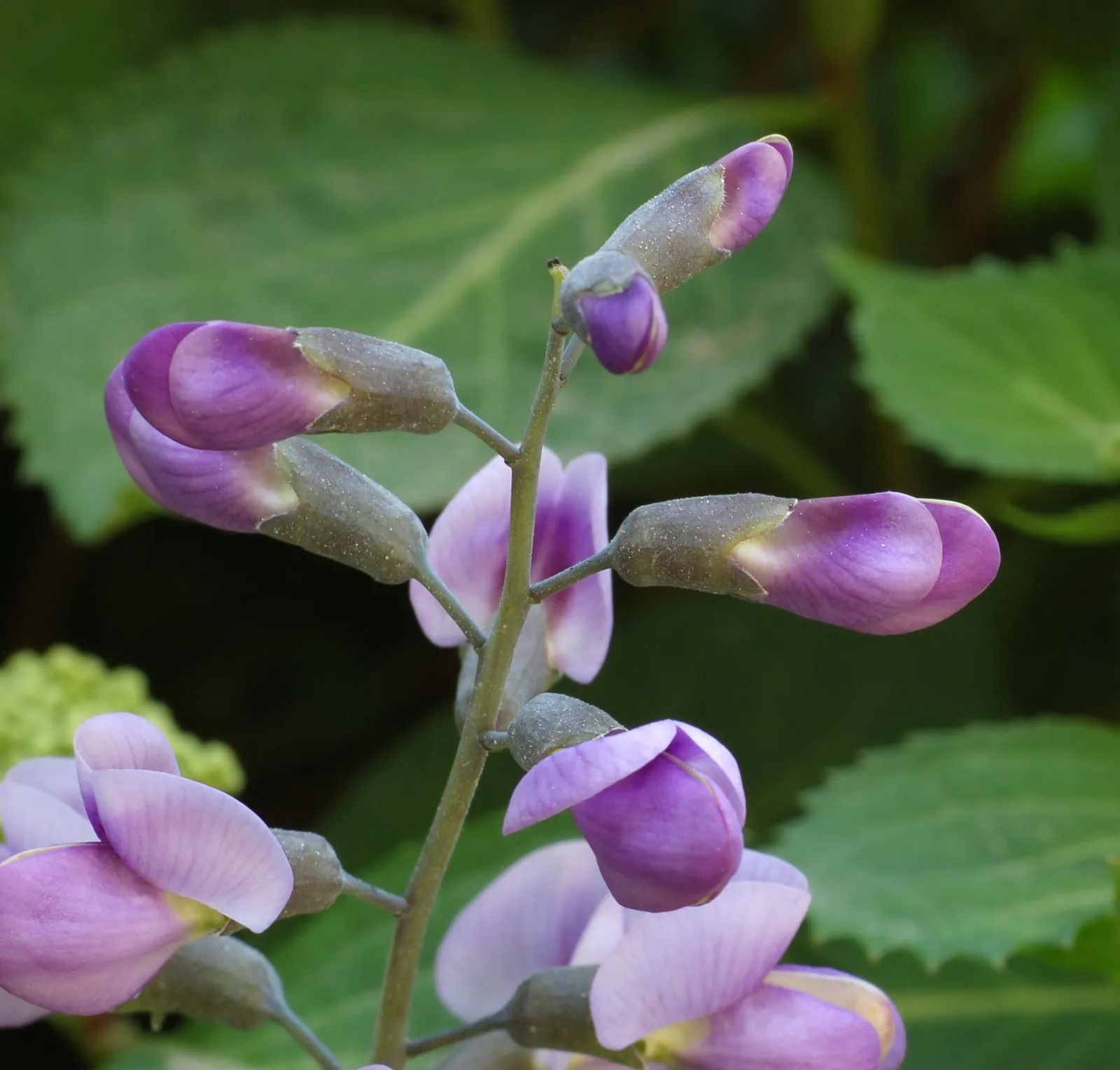
Baptisia forms deep-rooted clumps with blue, white, or yellow flower spikes that bees clearly favor, thriving in poor soil and full sun with barely any moisture. The pea-like seed pods that follow add genuine interest to the fall garden.
This plant’s longevity – often decades in the same spot – makes it about as close to true set-it-and-forget-it as pollinator gardening gets. It resents being transplanted, so pick its permanent spot carefully the first time. Native species support specialist insects that most exotic plants can’t feed at all.
#6 – Coral Bells: Heuchera That Hummingbirds Visit
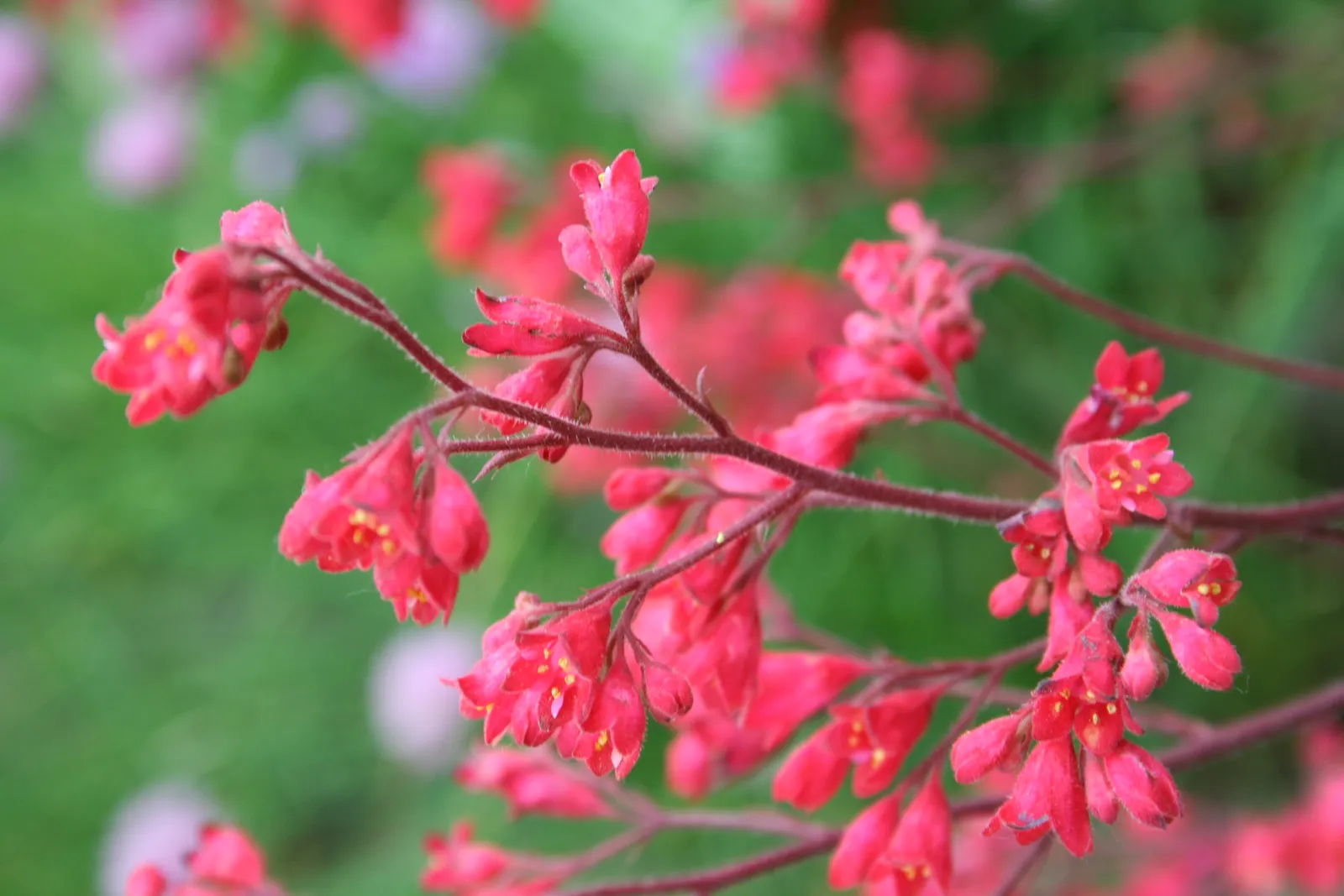
Heuchera pairs colorful foliage with delicate flower spikes that hummingbirds and bees both use, and many varieties tolerate dry shade or full sun as long as drainage is decent. Evergreen leaves keep the bed interesting through winter in milder climates.
Its flexibility across light conditions makes it one of the few plants that can fill tricky, barren corners other perennials refuse to touch. Divide it every three to four years, and expect newer hybrids to handle heat noticeably better than older varieties did.
#5 – Garden Phlox: Tall Types That Draw Butterflies
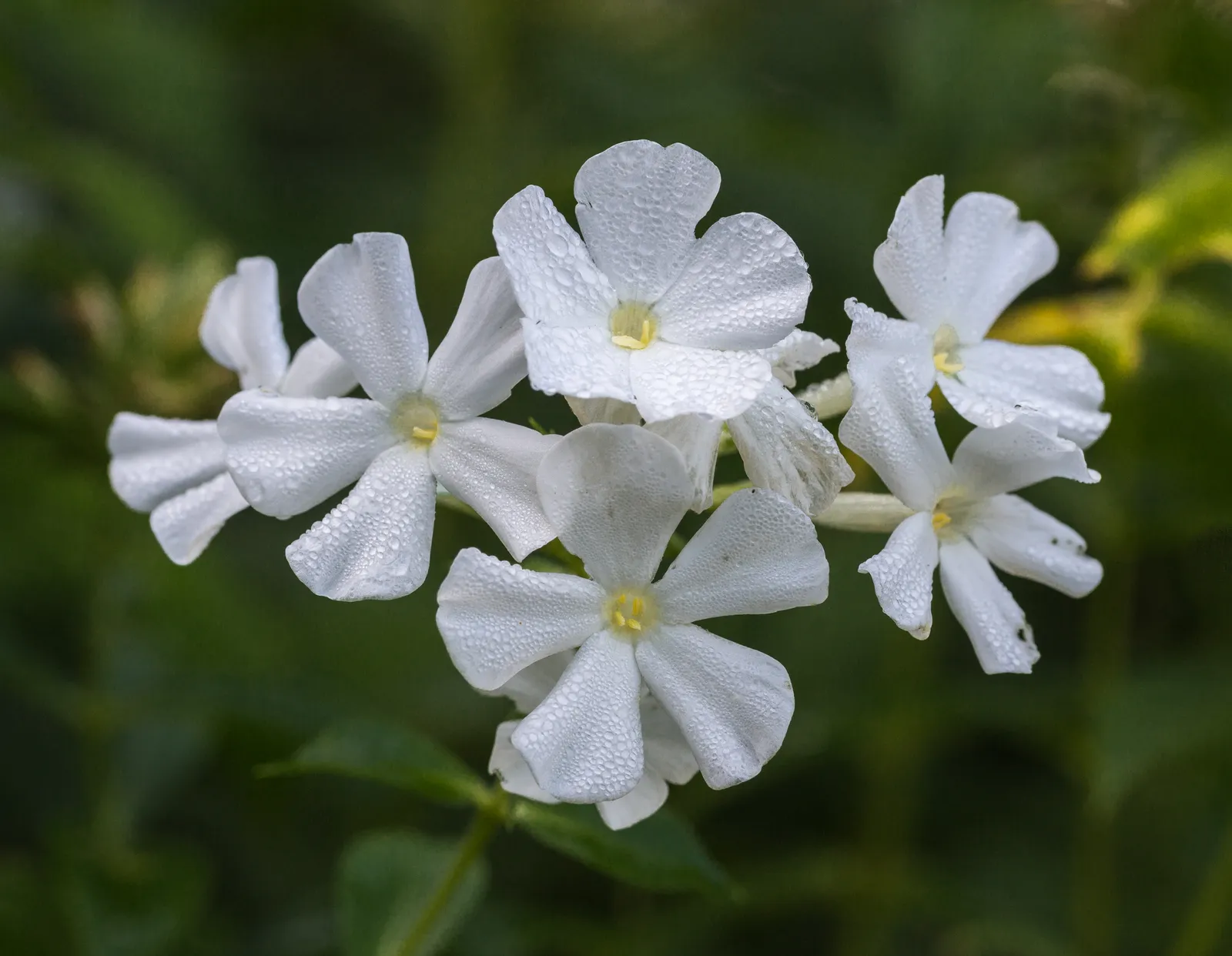
Tall garden phlox produces fragrant clusters of pink, white, or purple flowers that butterflies and bees mob throughout midsummer, thriving in average soil with steady moisture but tolerating real dry spells too. The evening fragrance adds a sensory layer most flowers can’t match.
Choose mildew-resistant varieties for the best long-term reliability, and divide the clumps every few years to keep them vigorous. Deadhead regularly for an extended bloom window – the heavier the pollinator traffic gets, the more worthwhile the extra effort.
#4 – Bellflower: Campanula That Blooms Repeatedly
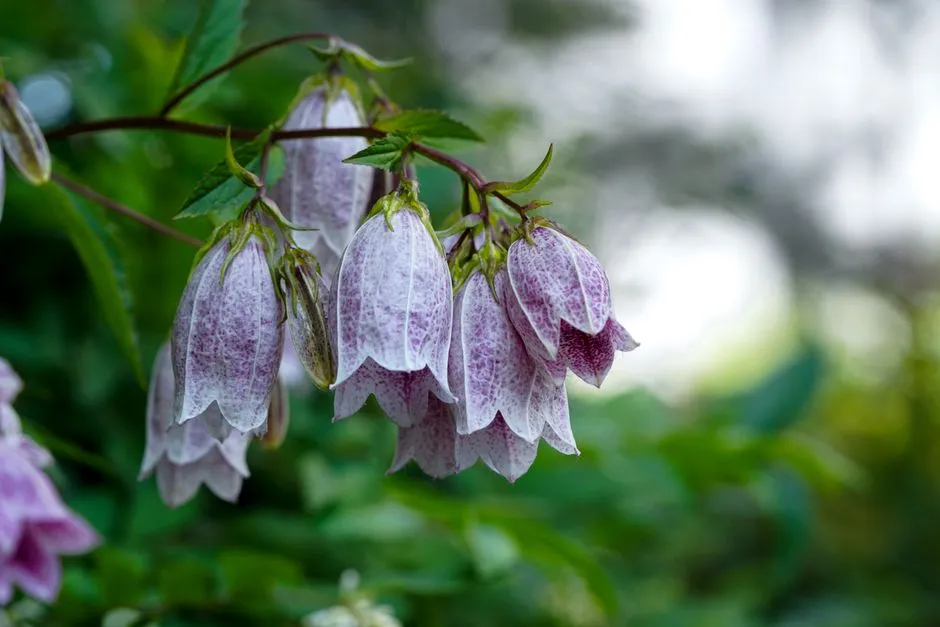
Bellflowers produce nodding blue or white blooms that bees return to over a genuinely long stretch of the season, and many of the hardier species handle dry or rocky soil without much fuss at all. They self-seed gently into open ground rather than taking over.
The compact habit suits tight borders while still delivering a steady stream of nectar. Cut it back after flowering for a possible second round of blooms, and stick to clump-forming types if you want to avoid any spreading headaches down the road.
#3 – Pinks: Dianthus That Perfume the Air
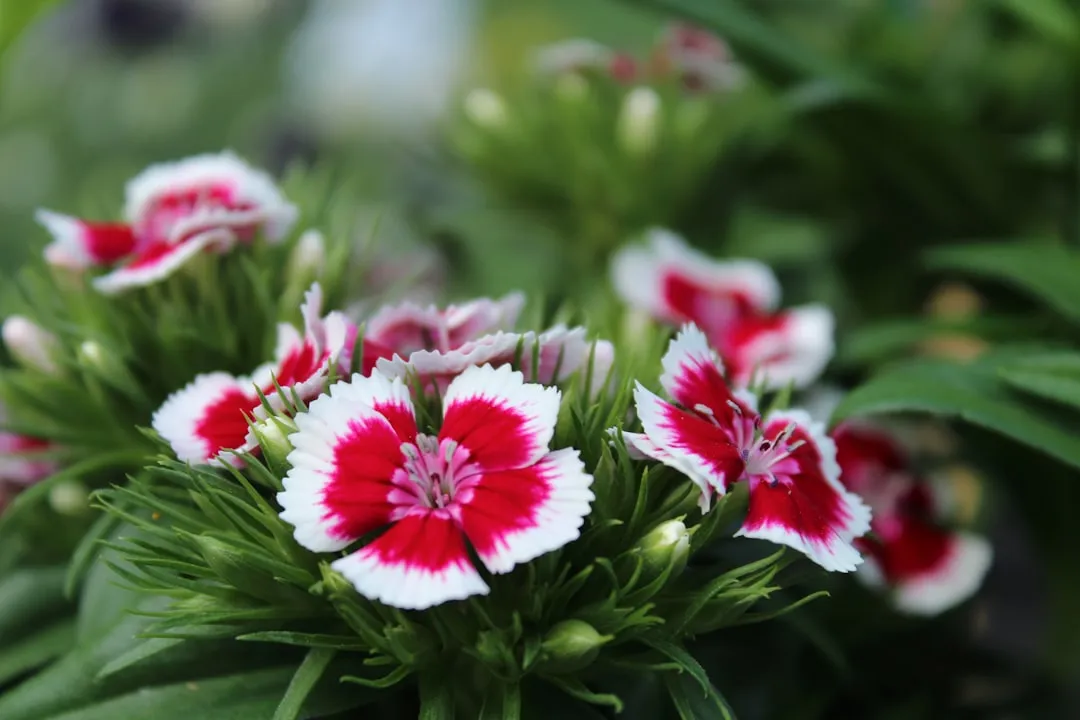
Dianthus offers fragrant pink or white flowers that bees and butterflies clearly favor, thriving in lean, well-drained soil under full sun with almost no water once it’s settled in. The evergreen foliage adds structure to the bed even when nothing’s blooming.
The clove-like scent actually intensifies in the heat, pulling in more pollinators during the peak of summer rather than fewer. Shear it after flowering for tidiness and a possible rebloom, and divide it every few years to keep it from thinning out.
#2 – Milkweed: The Monarch Essential That Survives Anything
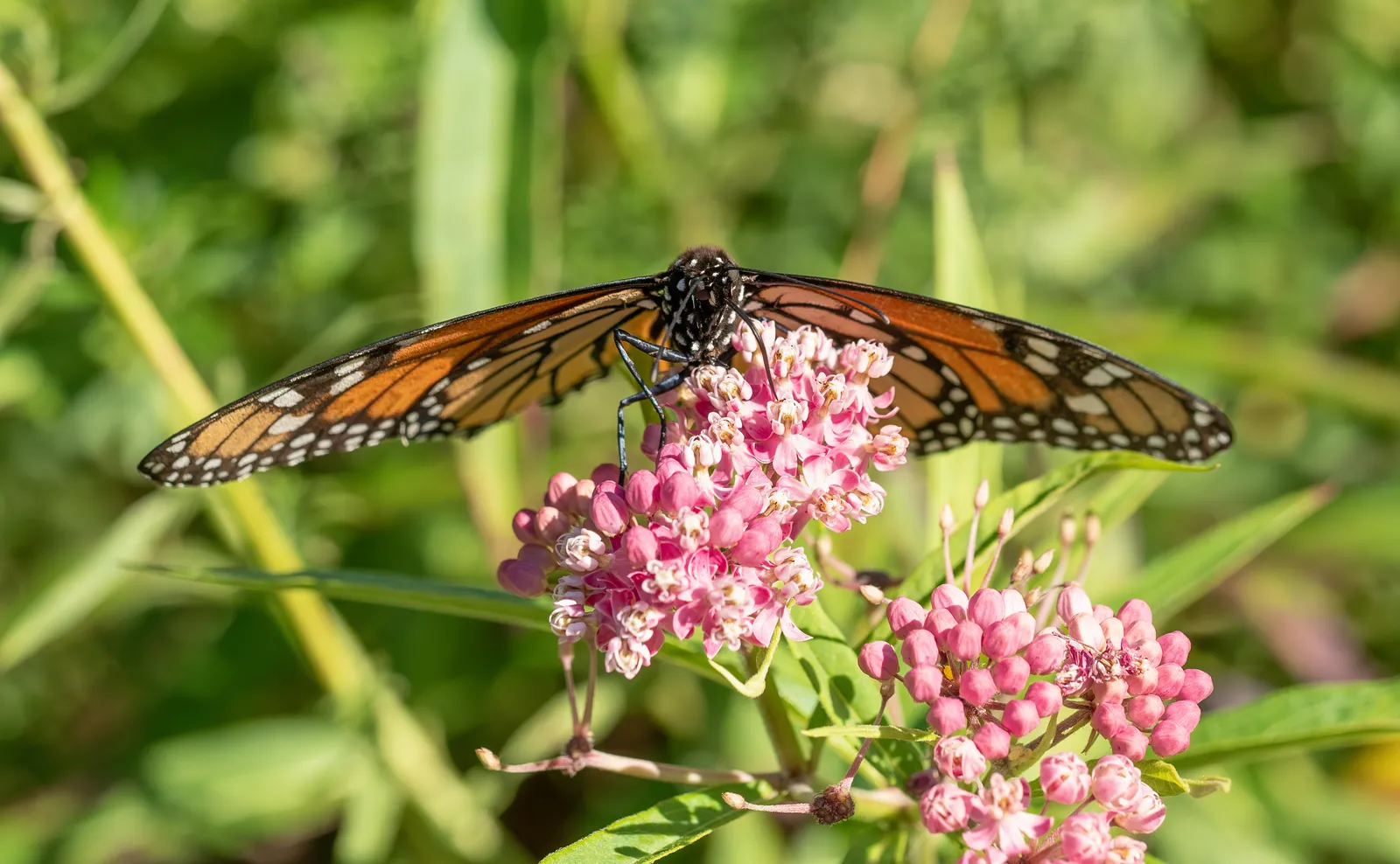
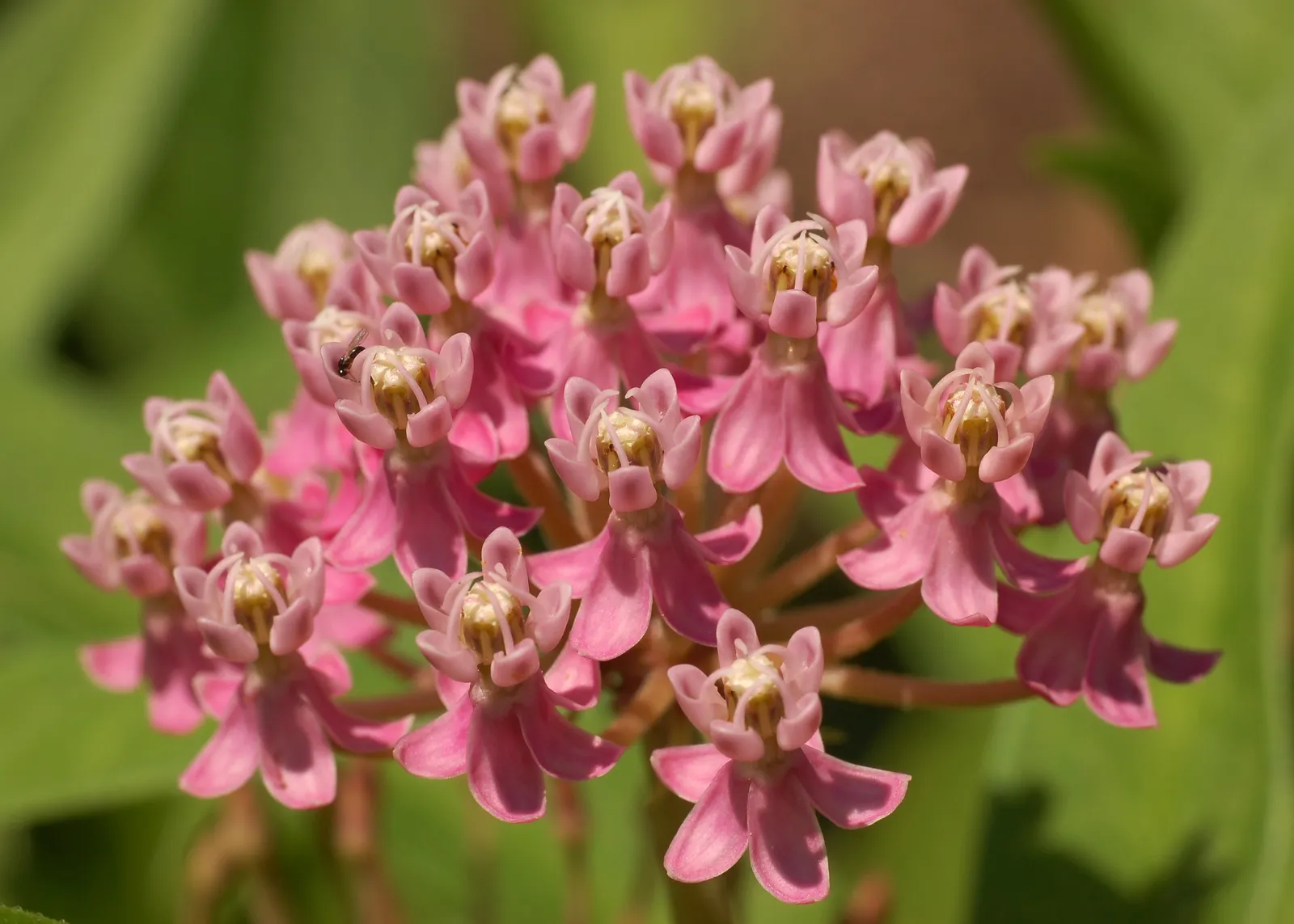
Milkweed supports monarch caterpillars and adult butterflies alike while thriving in dry, poor soil under full sun with zero supplemental water after it’s established. Its oddly complex flowers are built specifically to trap and release pollinators with remarkable efficiency.
As the sole host plant for monarch larvae, milkweed isn’t optional if you actually want a functioning pollinator habitat – it’s non-negotiable. Native species outperform tropical milkweed in cold climates, so stick with what’s local. Leave the seed pods alone and let them reseed naturally.
Why It Stands Out
- The only host plant monarch caterpillars can eat – no milkweed, no monarchs, period
- Survives on rainfall alone once established, even in poor, dry soil
- Native species outlast tropical milkweed in cold climates and support local ecosystems better
#1 – Echinacea and Its Kin: The Ultimate Barren-Yard Transformer
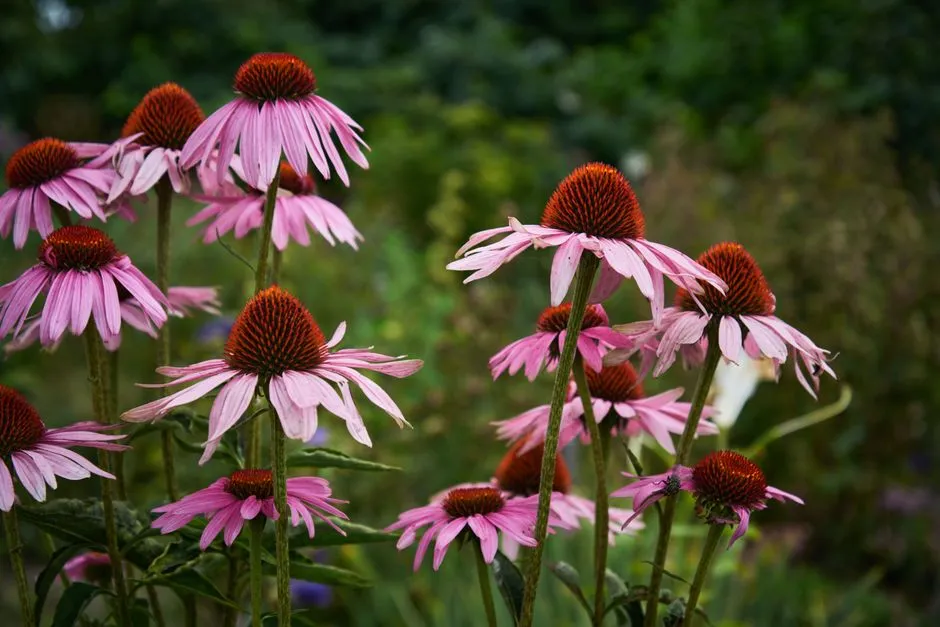
Echinacea combines extreme hardiness with the broadest pollinator appeal on this entire list, pulling in bees, butterflies, and birds while surviving drought, poor soil, and flat-out neglect for years at a time. Its taproot and self-seeding habit let it quietly build expanding colonies that improve biodiversity the longer they’re left alone.
A single established patch can support dozens of insect species at once with virtually no maintenance from you. The seed heads keep feeding birds straight through winter, stretching the plant’s habitat value across every season. Plant a few different species together, and this one plant alone can turn a truly barren yard into something alive.
The Bottom Line
After going through all 27, one thing becomes obvious: the “pamper it or it dies” approach to pollinator gardening is mostly myth. Lean soil, minimal water, and a little neglect are exactly the conditions that make these plants perform their best – and the bees, butterflies, and hummingbirds clearly don’t care that the yard looks a little rough around the edges.
If we’re being honest, milkweed and echinacea deserve more credit than they usually get. One is essentially required nectar infrastructure for monarchs, and the other builds free-standing, self-sustaining colonies that outlast most “low-maintenance” landscaping trends. Skip the soil amendments, skip the sprinkler schedule, and just get a few of these in the ground – the barren yard problem tends to solve itself after that.
Which one turned your yard around? Drop it in the comments below.
