
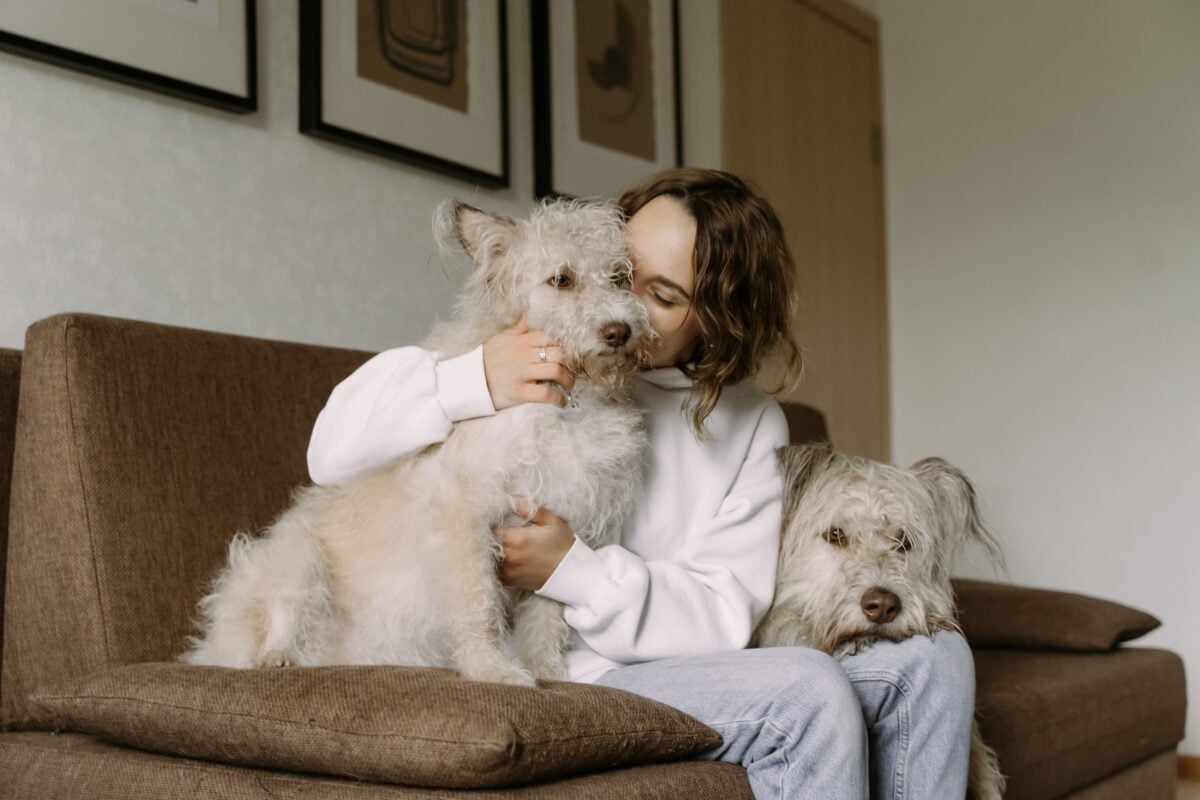
Most families believe that fighting for every extra day is the purest form of love you can give a dying dog. Hospice vets watch that belief break hearts every single week, because the dogs who suffer the longest are often the ones whose owners tried hardest to save them.
The real work of a good ending doesn’t look like a miracle cure. It looks like small, unglamorous decisions made early, decisions most families never even know they’re supposed to make until a hospice vet finally says the quiet part out loud. Here’s everything they wish they’d told you sooner.
#23 – Spotting Hidden Pain Before It Escalates

Dogs are professional pain-hiders. It’s an instinct left over from the wild, where looking weak meant becoming someone’s next meal, and it doesn’t switch off just because your dog sleeps on a memory foam bed. Most owners scan for limping or whining and completely miss the quieter tells: a dog who stops meeting you at the door, who flinches when you reach for a spot he used to love scratched, who suddenly seems far away even while lying in your lap.
Here’s the part that catches families off guard every time: a dog can be eating fine, tail even wagging a little, while genuinely hurting underneath it. Appetite is one of the worst pain indicators in dogs, not one of the best. Hospice vets train owners to watch posture, touch tolerance, and social withdrawal instead, because by the time breathing gets labored or a dog can’t stand, the pain has usually been building silently for weeks.
Fast Facts
- Dogs hide pain instinctively – a survival trait left over from the wild
- Appetite is often the least reliable pain indicator, not the most reliable
- Watch posture, touch tolerance, and social withdrawal instead of just limping
- Labored breathing usually means pain has been building silently for weeks
#22 – Why Standard Pain Meds Often Fall Short

Reaching for whatever pill worked last time feels natural, but advanced illness rarely responds to a single drug the way a sprained paw does. Hospice specialists build layered plans instead, stacking prescription medication with massage, warmth, gentle repositioning, and sometimes acupuncture, because pain in a dying body comes from multiple directions at once.
The tragic irony is that many owners under-medicate out of love. They worry about side effects, about “drugging” their dog, about giving up too soon. Vets see the opposite outcome happen instead: dogs left in a slow-building discomfort that becomes much harder to control once it takes hold. Staying ahead of pain on a strict schedule, rather than waiting for visible suffering, is almost always the kinder path.
#21 – Hydration Tricks That Actually Work at Home
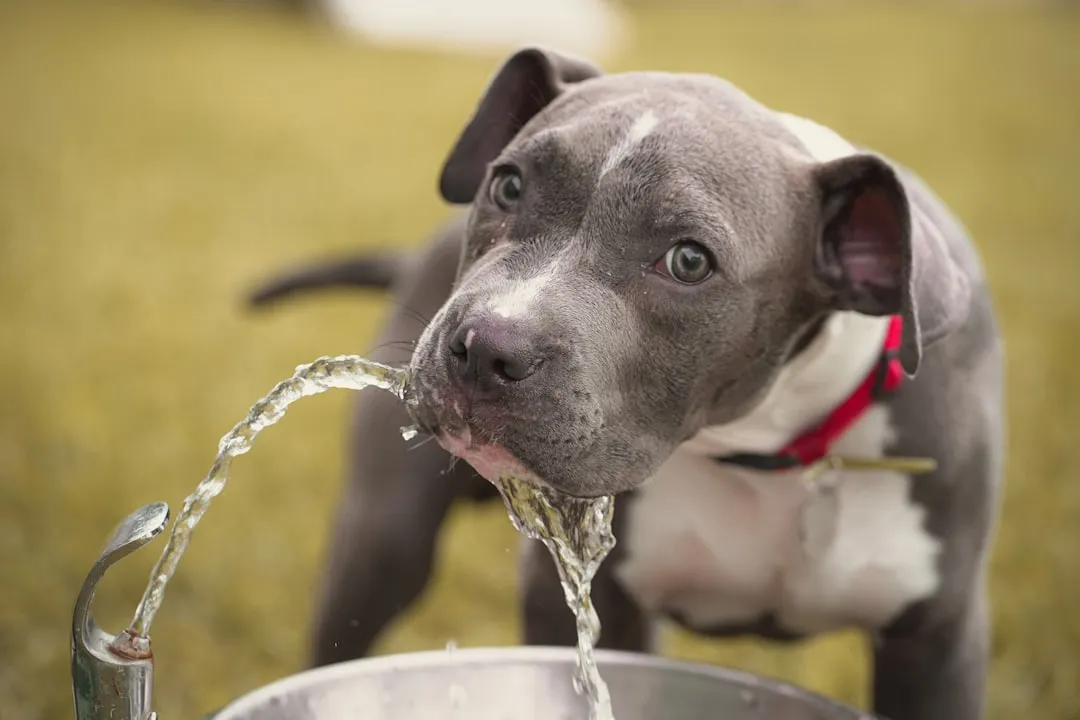
Once appetite drops, dehydration moves in fast, and forcing a water bowl on a dog who doesn’t want it can backfire badly, sometimes causing fluid to enter the lungs instead of the stomach. Vets instead recommend ice chips, unsalted broth, or flavored ice cubes offered gently, letting the dog control the pace.
Many families don’t realize subcutaneous fluids can be given at home, a small pocket of fluid under the skin that the body absorbs slowly over hours. It sounds intimidating, but most vets will walk owners through it in a single visit. The bigger truth underneath all of it: pushing food or water on a body that’s shutting down usually adds stress, not comfort, and stress is the one thing hospice care is trying to remove.
#20 – Mobility Aids Families Wait Too Long to Try

Ramps, slings, and traction mats often show up only after a dog has already fallen and hurt itself, which is exactly backwards. Introduced early, these tools prevent the muscle wasting and secondary injuries that turn a manageable decline into a painful emergency.
Some of the best fixes aren’t expensive at all. Hospice teams often show families how to make a simple sling from a folded towel looped under the belly, giving just enough lift to help a wobbling dog outside without a full harness. Waiting until a dog can’t stand at all doesn’t just risk injury, it creates a moment of panic for everyone in the room that could have been avoided weeks earlier.
#19 – Daily Hygiene That Prevents a Painful Spiral

A dog who can’t reposition itself is at real risk of bedsores, and they can develop faster than most owners expect, sometimes within a day or two on a hard surface. Rotating the dog every few hours and using absorbent, breathable padding makes a measurable difference in how comfortable those final weeks actually feel.
It’s the kind of task that seems too small to matter, which is exactly why it gets skipped. Vets are also quick to warn against over-bathing a weakened dog, since a chill on a body with little energy left to regulate its own temperature can cause more harm than the mess it was meant to fix. Clean, dry, and warm beats spotless every time.
#18 – Breathing Changes That Signal It’s Time to Act

Long before the dramatic gasping that families dread, breathing patterns shift in quieter ways. Hospice vets teach owners to count resting breaths per minute during calm moments, not during activity, because a rising trend over several days often reveals a problem before any visible struggle appears.
This one habit, taking thirty seconds a day to count breaths while a dog naps, prevents a huge number of rushed, panicked emergency room visits. It turns guesswork into a pattern families can actually track, and it gives everyone more warning before a crisis than instinct alone ever could.
#17 – The Comfort of Routine Over Extra Attention
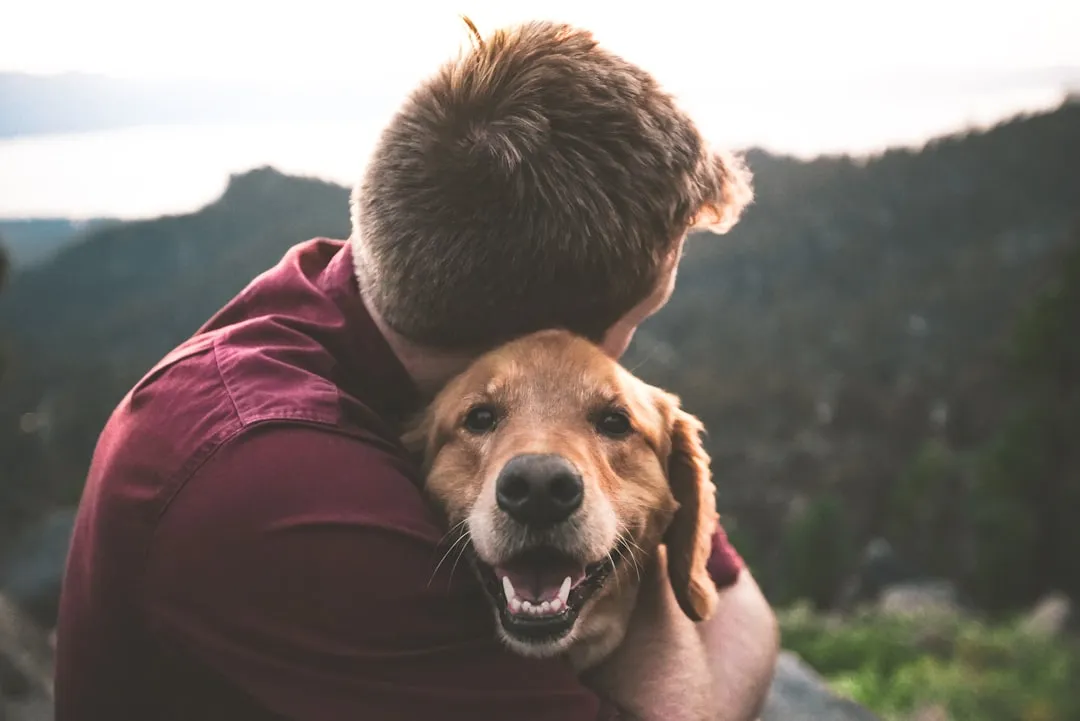
It feels instinctive to smother a dying dog with extra love, extra visitors, extra everything. But dogs in decline usually crave the opposite: the same walk time, the same corner of the couch, the same quiet evening rhythm they’ve always known.
New people, loud gatherings, and even well-meaning extra affection from unfamiliar hands can spike a dog’s anxiety at a time when calm matters more than anything. Hospice vets consistently advise keeping the household steady and limiting visitors to the faces the dog already trusts, because familiarity itself is a form of pain relief.
#16 – Preparing Children Without False Hope

Kids notice everything, even the things adults try hardest to hide. Whispered conversations, red eyes, a sudden change in tone, children absorb all of it, and when the truth is kept from them, they often fill in the blanks with something scarier than reality.
Hospice professionals see families regret over-shielding kids far more often than they regret honesty. Simple, age-appropriate language focused on the dog’s comfort, not medical detail, prevents the confusion and guilt that can surface later when the end arrives without warning.
#15 – Why the First Prognosis Isn’t the Final Word
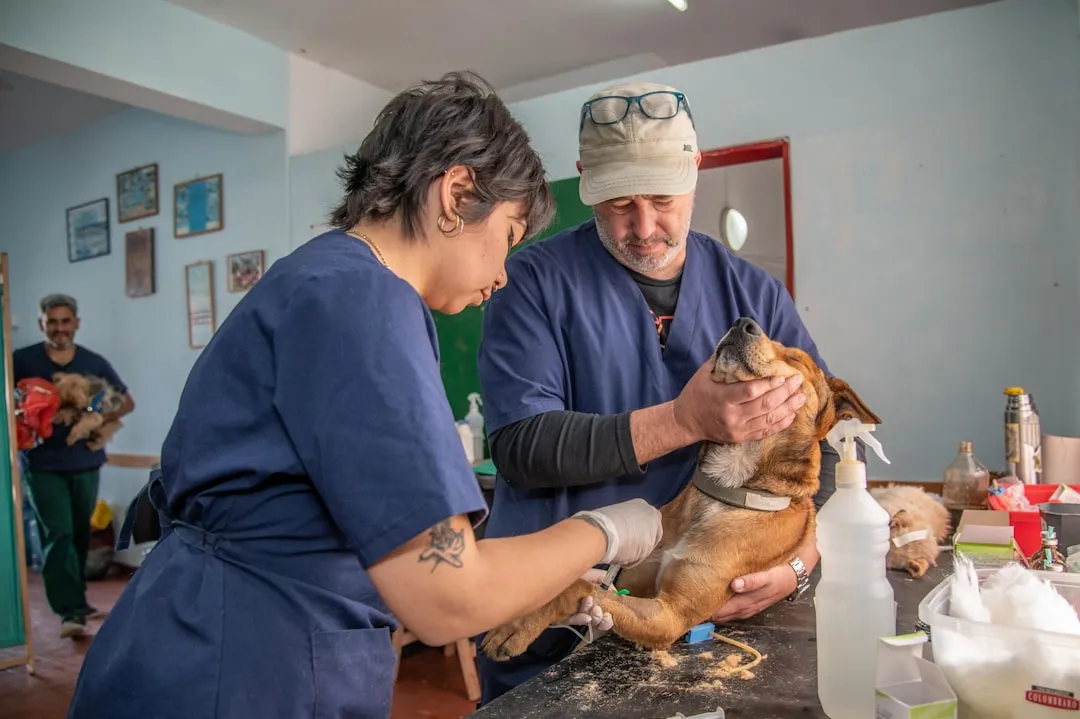
A lot of families hear one timeline from a vet visit and treat it like a countdown clock, never asking again. But hospice vets are the first to admit that individual dogs defy predictions constantly, and weekly reassessments often reveal a very different trajectory than the original guess.
Pushing for these follow-ups isn’t being difficult, it’s often what catches a reversible problem, like a hidden infection or medication side effect, that was quietly mimicking decline. Some dogs given “weeks” have gained months this way, and some assumed stable have needed faster action than expected.
#14 – The Euthanasia Decision Most Families Put Off Too Long

Waiting for a perfect, obvious moment feels like the responsible choice, but hospice vets see it cause more suffering than almost any other decision on this list. That perfect moment rarely arrives cleanly; instead, it usually gets overtaken by a sudden crisis that forces a rushed, traumatic goodbye.
Choosing a day while the dog still has some good hours left, rather than waiting for a total collapse, is one of the most emotionally difficult truths hospice vets share. It runs against every instinct to hold on a little longer, which is exactly why it’s the point families argue with most, and the one they most often wish they’d trusted sooner.
#13 – Knowing When Home Care Isn’t Enough
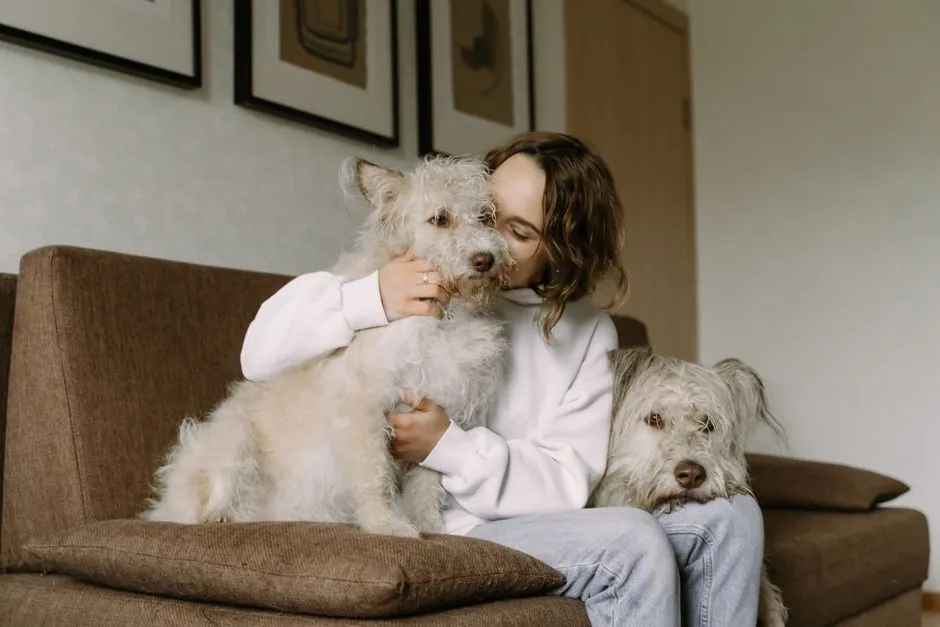
Round-the-clock care sounds noble in theory, but not every household can sustain it without burning out, and burnout has real consequences for the quality of care a dog receives. Vets see it constantly: a family stretched too thin starts missing medication windows or skipping comfort routines simply because they’re exhausted.
What surprises many families is that professional in-home hospice support exists in most areas and often costs far less than they assumed. Recognizing personal limits early isn’t giving up, it’s making sure the dog gets consistent, high-quality care instead of inconsistent care from an overwhelmed household.
#12 – The Medication Schedule That Changes Everything
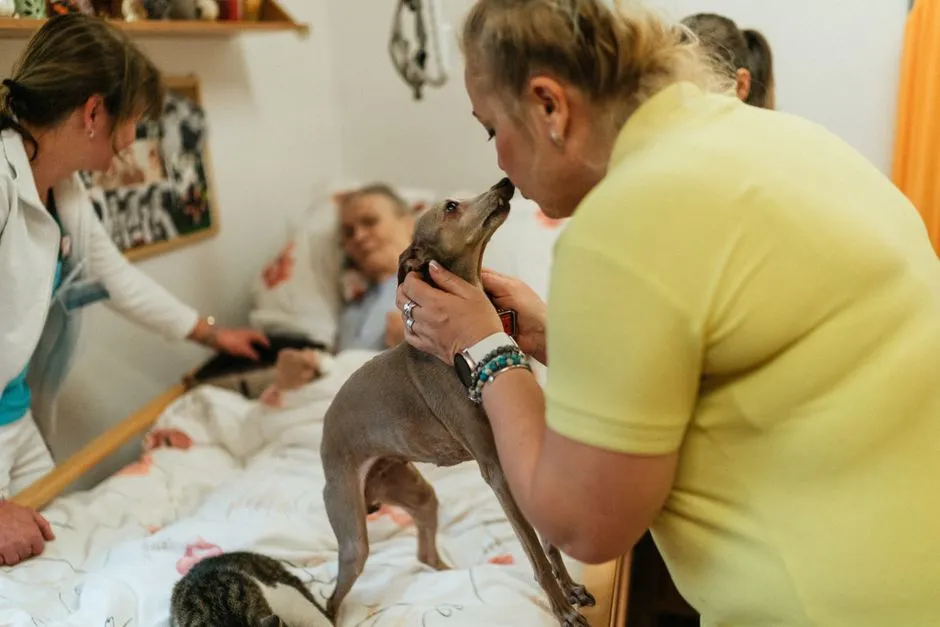
Giving pain relief only when a dog “seems bad” sounds reasonable, but it lets pain levels rise and fall instead of staying flat and manageable. Once breakthrough pain breaks through, it takes significantly more medication to bring back under control than it would have taken to prevent in the first place.
Hospice teams push hard for strict scheduling and simple dose logs, tracking not just what was given but when and how the dog responded. That log becomes a map, revealing patterns days before a crisis hits and giving vets the information they need to adjust a plan before things spiral.
#11 – The Quality-of-Life Checklist Most Owners Never Try

Memory is a surprisingly unreliable narrator when you’re watching someone you love decline slowly, day by day. It’s easy to convince yourself things are “about the same” for weeks while they’re actually sliding.
Vets recommend a simple daily scale: rate appetite, mobility, and interaction from one to ten each morning, in writing. The numbers often tell a very different story than memory does, and that gap between what a family believes and what the data shows is exactly where hospice vets see the most painful surprises happen.
At a Glance: The Daily Scale
- Appetite: rate 1-10 every morning
- Mobility: rate 1-10 every morning
- Interaction and engagement: rate 1-10 every morning
- Write it down – memory alone misses a slow decline
#10 – Building a Sanctuary Instead of a Sickroom

The final weeks go easier in a space that feels calm rather than clinical: soft, familiar bedding, low light, and minimal foot traffic. Bright overhead lights and a constantly buzzing household add a layer of hidden stress that most families never think to remove.
The sweet spot is a space near the family’s normal activity, not tucked away in isolation, but not in the middle of the chaos either. A dog resting close enough to hear familiar voices without being jostled by them tends to settle in a way that pure isolation never achieves.
#9 – When More Treatment Means More Suffering
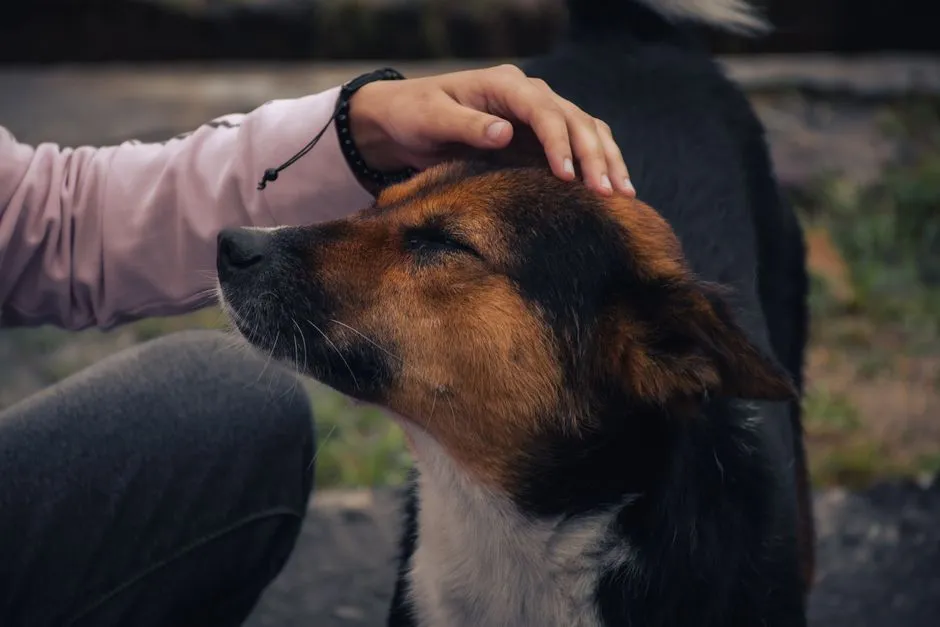
There’s a version of love that looks like fighting for one more test, one more procedure, one more shot at a few extra days. Hospice vets see this instinct constantly, and they also see how often it buys very little time at the cost of a dog’s remaining comfort.
The hardest shift for many families isn’t emotional, it’s philosophical: letting go of cure-oriented thinking and replacing it with a single question, does this treatment make today better or just longer. Once that question becomes the filter, a lot of aggressive options quietly fall away on their own.
#8 – The Money Conversation Nobody Wants to Start

Financial strain quietly shapes a lot of end-of-life care, even when families don’t want to admit it. Skipped monitoring visits, stretched-out medication doses, and delayed decisions often trace back to money, not medicine.
Vets consistently say the fix is an uncomfortable but simple conversation: laying out a realistic budget openly so a plan can be built around it, instead of quietly cutting corners in silence. Families who have this talk early tend to avoid the two regrets that show up most often afterward, having overspent in a panic or under-treated out of guilt.
#7 – The Comforting Myth of a Peaceful Natural Death

There’s a widespread belief that dying “naturally” at home, without intervention, is the gentlest option. Hospice vets push back on this hard, because unmanaged decline frequently comes with visible distress that families never expected to witness.
The romantic image of a dog simply falling asleep for the last time doesn’t match what actually tends to happen without proactive pain management and planning. This is one of the more uncomfortable truths on this list, but vets say it’s exactly why hospice planning exists, to make sure the ending matches the peaceful picture families imagine instead of the harder reality that unmanaged decline usually brings.
Worth Knowing
- “Natural” death without pain management often includes visible distress
- Proactive planning is what actually makes a peaceful ending possible
- Hospice care exists specifically to close the gap between expectation and reality
#6 – Saying Goodbye the Way a Dog Actually Understands It
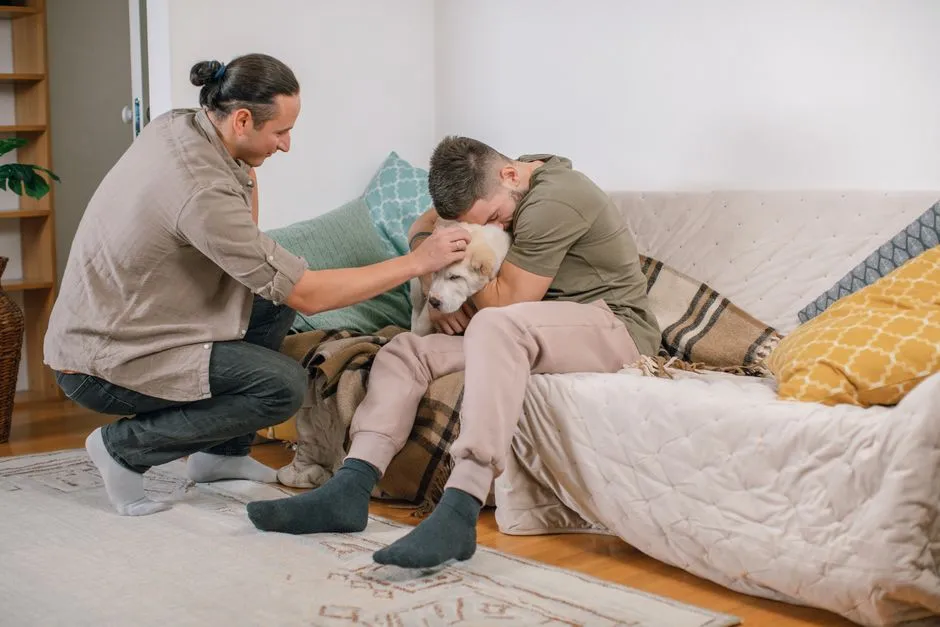
Big emotional moments, long tearful goodbyes, a house full of visitors saying their piece, feel meaningful to people but can genuinely overwhelm a dying dog. Dogs respond far more to a familiar voice and a steady hand than to any grand gesture.
Vets recommend short, calm visits from the people the dog already trusts most, kept low-key and gentle. It sounds almost anticlimactic compared to what families picture, but that quiet, familiar presence is precisely what brings a dog the most comfort in its final days.
#5 – The Aftercare Decisions Nobody Wants to Make in Grief
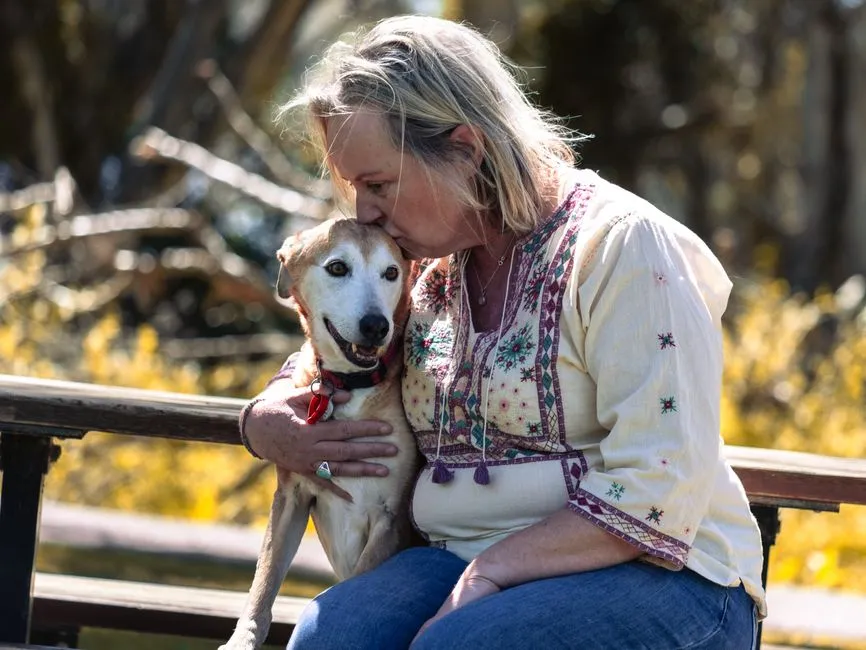
Cremation, burial, keepsakes, these decisions are hard enough on a good day, and nearly impossible to think through clearly in the raw hour after a loss. Yet many families are forced to make them exactly then, under pressure, while grieving.
Hospice teams gently encourage having these conversations earlier, while the dog is still comfortable and the decisions can be made with a clear head. It feels premature to plan for, which is exactly why so few families do it, and exactly why the ones who do are grateful later.
#4 – The Truth About a Dog Who Stops Eating

A dog refusing food triggers panic in almost every owner, and it’s often treated as a five-alarm emergency. But if other comfort measures are in place and the dog still seems relatively at ease, a drop in appetite isn’t automatically a crisis.
Vets consistently correct one assumption in particular: that force-feeding meaningfully extends life. It rarely does, and it often adds stress instead. The better question isn’t whether the dog is eating, it’s whether the dog still seems content, since that’s the measure that actually matters in these final weeks.
#3 – Why Vague Updates Slow Everything Down
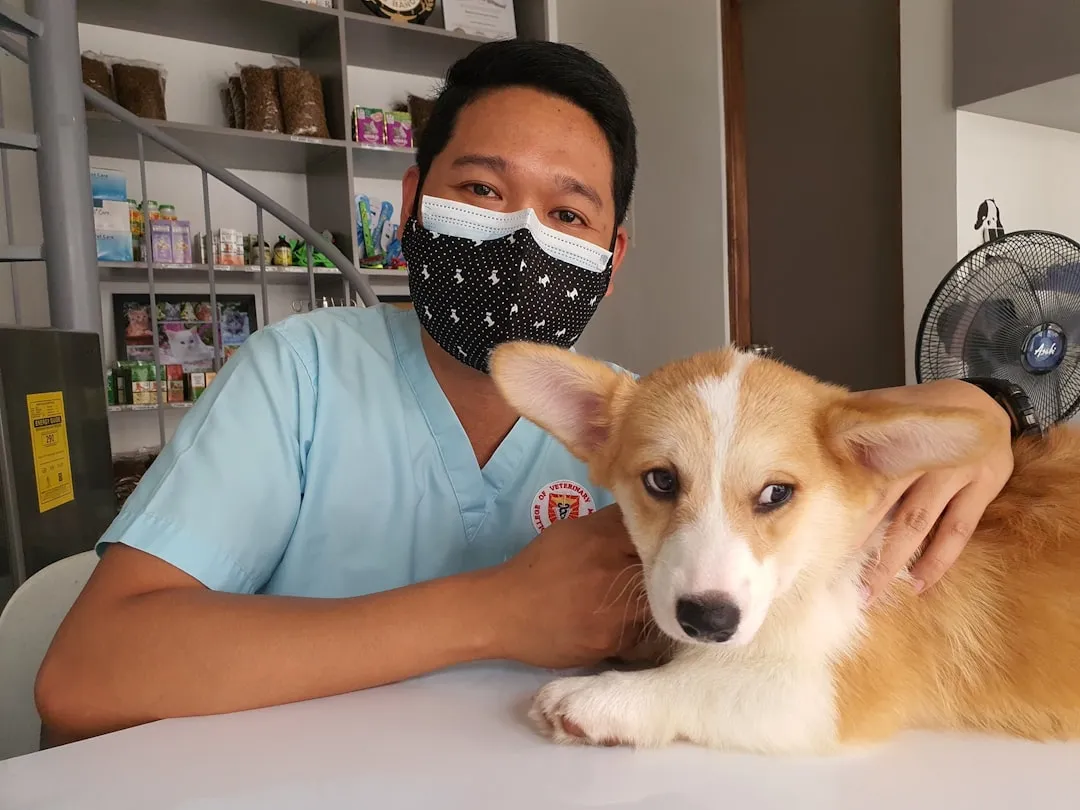
Telling a vet “he seems okay” feels polite and non-alarming, but it gives them almost nothing to work with. Vague updates delay the specific adjustments that could actually help.
Families who track and share detailed behaviors, appetite changes, sleep patterns, how the dog reacted to a new medication, help their vet refine the plan far faster. Treating the vet as a working partner rather than a distant authority consistently leads to better outcomes, simply because there’s more information flowing both directions.
#2 – The Other Pets Who Are Quietly Struggling Too
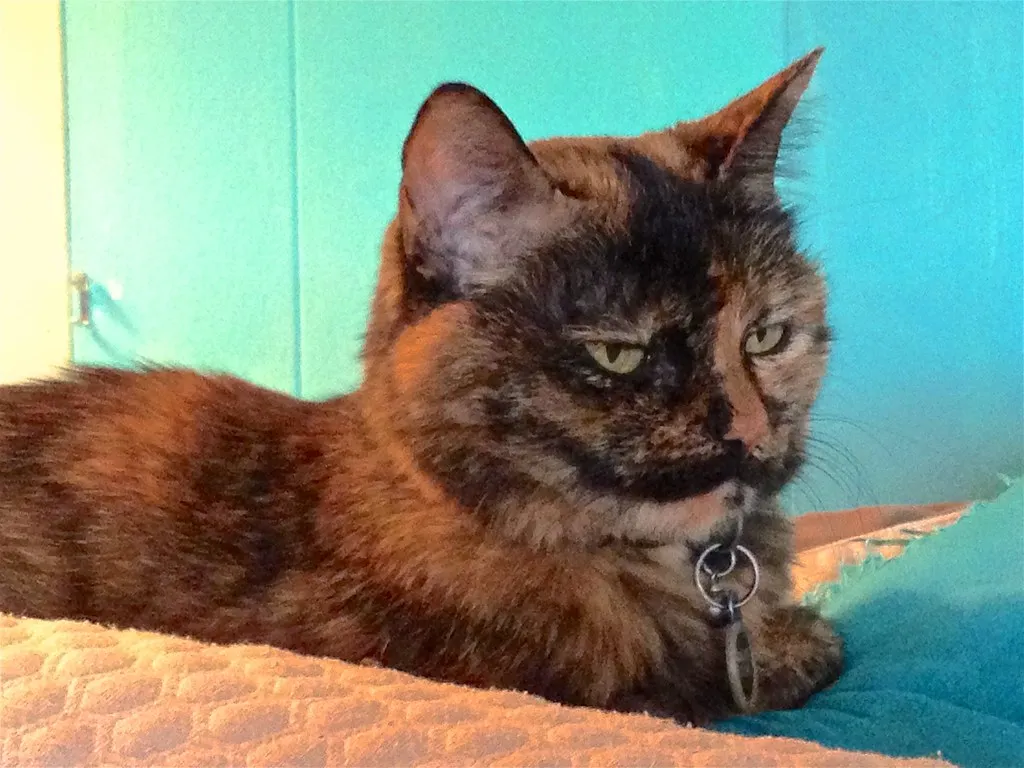
A dying dog isn’t the only animal affected in a multi-pet household. Surviving pets often show subtle grief behaviors, clinginess, appetite changes, restlessness, that get completely overlooked while attention is focused elsewhere.
Vets note that pack dynamics shift noticeably the moment one dog begins to decline, and maintaining routines for the other animals matters more than most families realize. A little extra attention toward the pets who aren’t sick helps absorb some of the stress rippling through the whole household.
#1 – Presence Beats Perfect Care Every Time
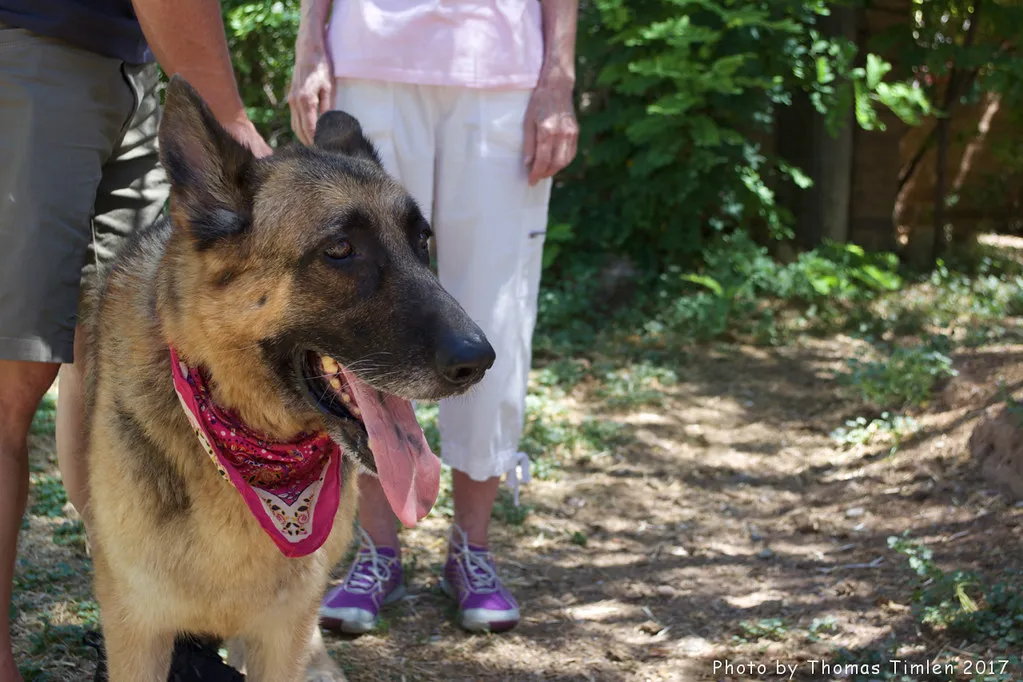
After everything, every medication schedule, every mobility aid, every carefully tracked breathing count, hospice vets keep coming back to the same simple truth: the single most powerful thing a family can offer is just showing up, consistently, calmly, and without drama.
Dogs don’t need a flawless care plan to feel safe. They need a familiar presence beside them when everything else in their world is fading. That quiet companionship, more than any device or dosage, is what hospice vets say truly carries a dog through its final days.
Why It Stands Out
- No medication schedule replaces a familiar voice and a steady hand
- Calm, consistent presence lowers a dying dog’s stress more than any device
- Hospice vets consistently rank simple companionship above every technical intervention
The Bottom Line

Every regret hospice vets describe traces back to the same root mistake: treating comfort as a fallback plan instead of the whole point. Families wait too long on pain management, wait too long on honest conversations, wait too long on the hardest decision of all, all in the name of hope.
Here’s the opinion worth sitting with: love that refuses to let go isn’t always the deepest love. Sometimes the deepest love is the harder, quieter choice to shift from fighting for more time to protecting the time that’s left. If there’s one thing worth changing today, it’s asking the uncomfortable questions now, while there’s still time to act on the answers. What would you do differently if you’d known these sooner? Say it in the comments.

- 23 Things Hospice Vets Wish Every Family Knew Before a Dog's Final Weeks - July 14, 2026
- How Do Cats Show They Trust You? - July 14, 2026
- 12 Amazing Creatures Thriving in Unexpected Urban Environments - July 14, 2026