
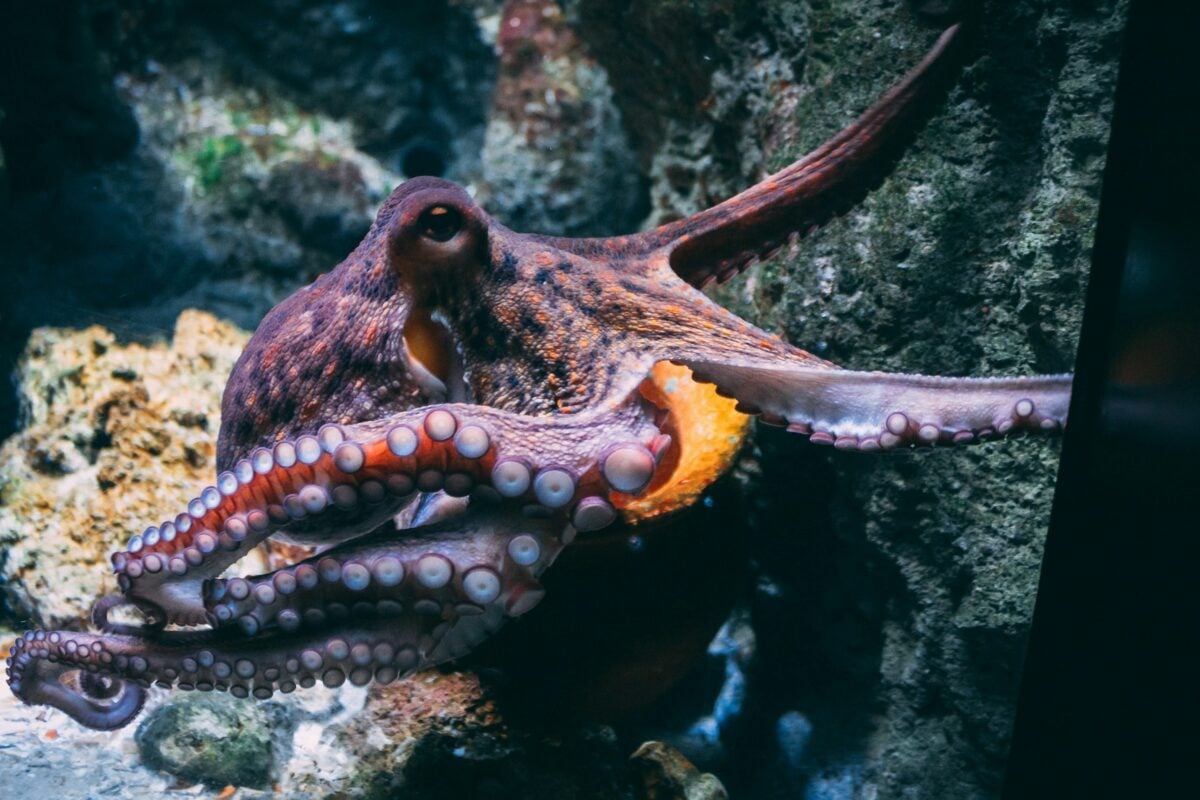
Imagine encountering a creature so alien yet so intelligent that it challenges our very understanding of cognition. The octopus, with its eight dexterous arms and a brain structure vastly different from our own, has long fascinated scientists and laypeople alike. Recent studies have unveiled a particularly intriguing aspect of their behavior: octopuses often use their arms to explore new objects before even looking at them. This discovery not only sheds light on their unique sensory processing but also prompts us to reconsider the nature of intelligence itself.
The Autonomous Arms of the Octopus
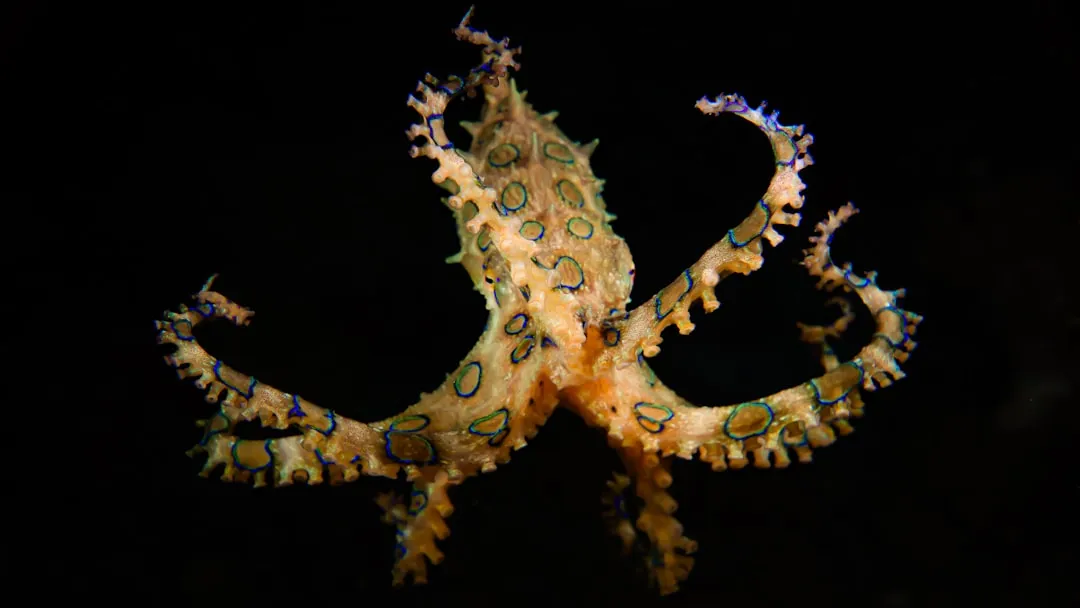
Octopuses possess a highly complex nervous system, with approximately two-thirds of their neurons located in their arms. This decentralized arrangement allows each arm to function with a remarkable degree of autonomy. In fact, even when detached, an octopus arm can still respond to stimuli and perform basic movements. This autonomy enables the arms to explore and manipulate objects independently, often without direct input from the central brain.
Such independence is not just a biological curiosity; it has practical implications for the octopus’s survival. By delegating control to their arms, octopuses can efficiently multitask – using some arms for locomotion while others investigate potential food sources or threats. This decentralized control system offers a fascinating glimpse into alternative forms of intelligence and coordination in the animal kingdom.
Arm Exploration Precedes Visual Inspection
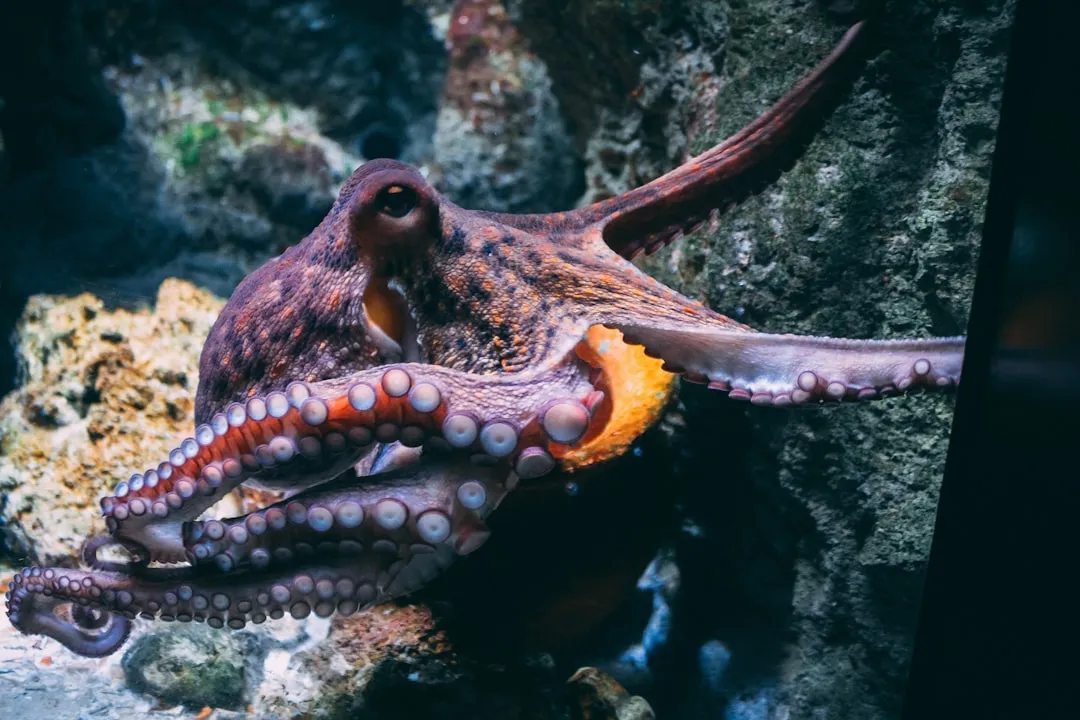
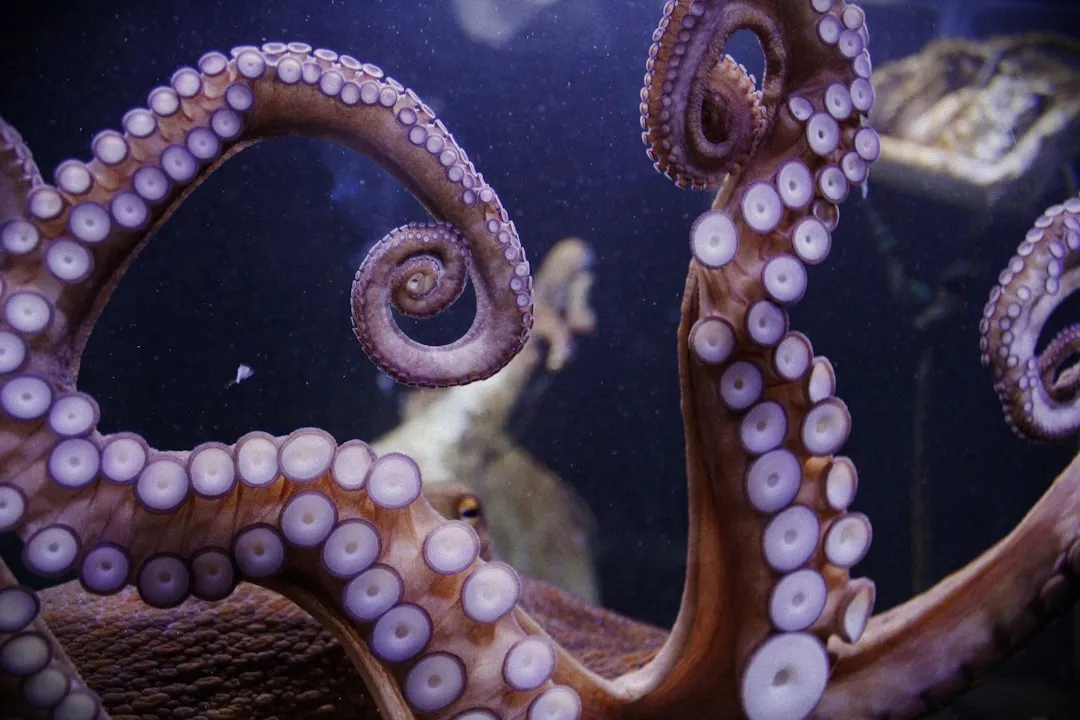
Research has shown that when presented with novel objects, octopuses frequently reach out with their arms to touch and feel before using their eyes to examine them. This behavior suggests a reliance on tactile and chemical cues over visual ones during initial encounters. The suckers on their arms are equipped with chemoreceptors, allowing them to “taste” and “smell” their environment, providing immediate information about the object’s nature.
This preference for arm-led exploration may be rooted in the octopus’s natural habitat, where murky waters can limit visibility. Relying on their highly sensitive arms allows them to gather crucial information about their surroundings without depending solely on sight. This strategy underscores the adaptability of octopuses, enabling them to thrive in diverse and often challenging environments.
Coordination Between Eyes and Arms
Despite the autonomy of their arms, octopuses exhibit remarkable coordination between their visual and tactile systems. Studies have found that the choice of which arm to use is often influenced by which eye is observing the object. For instance, if an octopus is looking at an object with its right eye, it is more likely to use an arm on the right side to initiate contact. This coordination suggests a sophisticated integration of sensory inputs, allowing for efficient and targeted interactions with their environment.
Such findings highlight the complexity of the octopus’s nervous system, which seamlessly integrates information from multiple sources to guide behavior. This interplay between vision and touch enables octopuses to make informed decisions, enhancing their ability to navigate and manipulate their surroundings effectively.
Implications for Understanding Intelligence
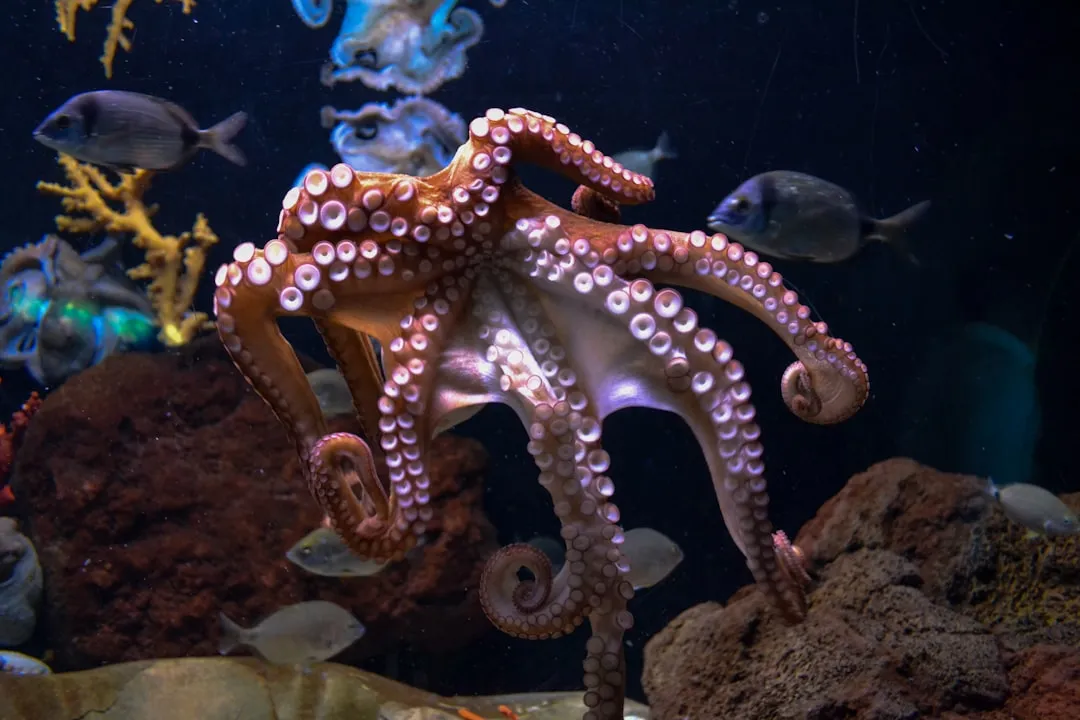
The octopus’s reliance on arm exploration before visual inspection challenges traditional notions of intelligence, which often prioritize vision as the primary sensory modality. By demonstrating that tactile and chemical senses can take precedence, octopuses exemplify a form of intelligence that is both decentralized and multimodal. This perspective encourages a broader understanding of cognition, recognizing that different species may develop unique strategies to interact with their environment.
Moreover, the octopus’s behavior raises intriguing questions about the evolution of intelligence. Their ability to process complex information through multiple channels suggests that intelligence can arise in diverse forms, shaped by specific ecological and physiological needs. This realization prompts us to reconsider the criteria by which we define and recognize intelligence in the animal kingdom.
Comparisons with Other Intelligent Species
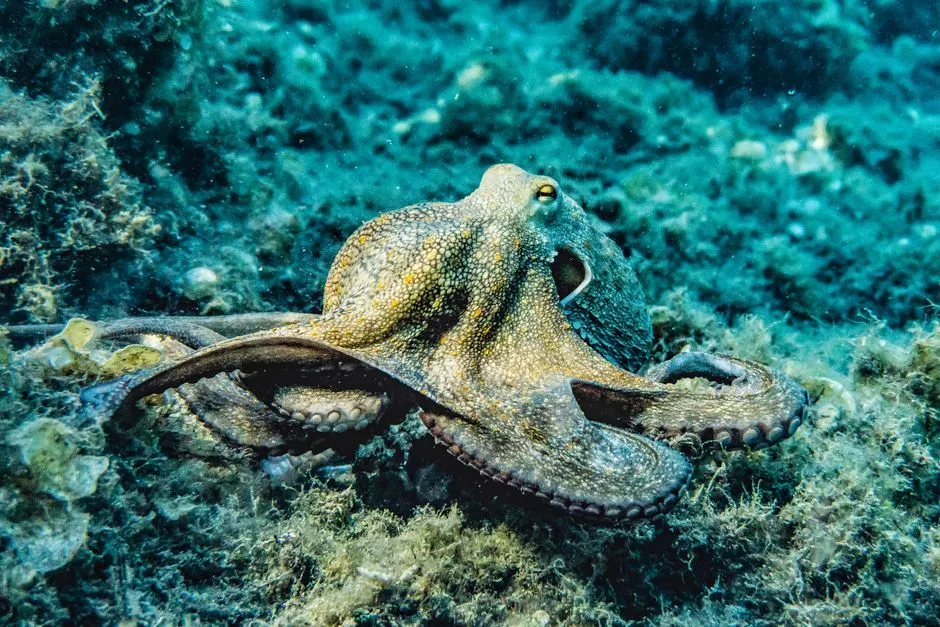
When comparing octopuses to other intelligent species, such as primates or dolphins, notable differences emerge in how intelligence is structured and expressed. While primates rely heavily on vision and centralized brain processing, octopuses distribute their cognitive functions across their arms, utilizing a combination of tactile, chemical, and visual inputs. This decentralized approach offers a unique model of intelligence, demonstrating that complex behaviors can arise without a centralized control system.
These comparisons underscore the diversity of cognitive strategies in the animal world. They remind us that intelligence is not a monolithic trait but a spectrum of adaptations tailored to an organism’s specific needs and environments. Understanding these varied forms of intelligence enriches our appreciation of the natural world and the myriad ways life has evolved to solve complex problems.
Future Research Directions
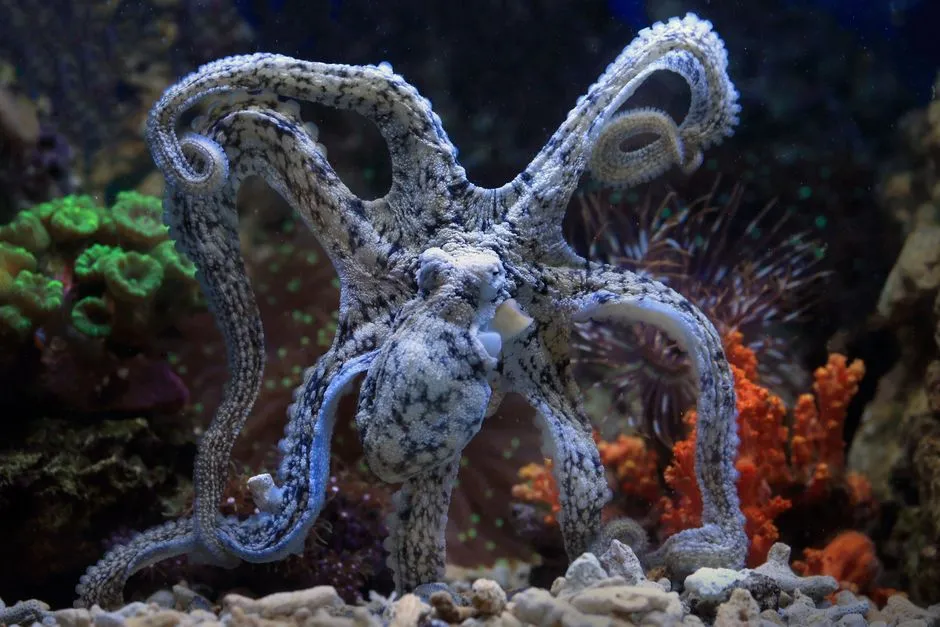
The discovery of arm-led exploration in octopuses opens several avenues for future research. Scientists are keen to investigate the neural mechanisms underlying this behavior, aiming to understand how sensory information from the arms is processed and integrated with visual inputs. Additionally, exploring how this behavior varies among different octopus species could provide insights into the evolutionary pressures that have shaped their sensory systems.
Another promising direction involves examining the potential for learning and memory in the context of arm exploration. Understanding how octopuses remember and recognize objects through tactile experiences could reveal new facets of their cognitive abilities. Such research not only deepens our knowledge of octopus behavior but also contributes to the broader field of comparative cognition, offering valuable perspectives on the nature of intelligence across species.
Conclusion
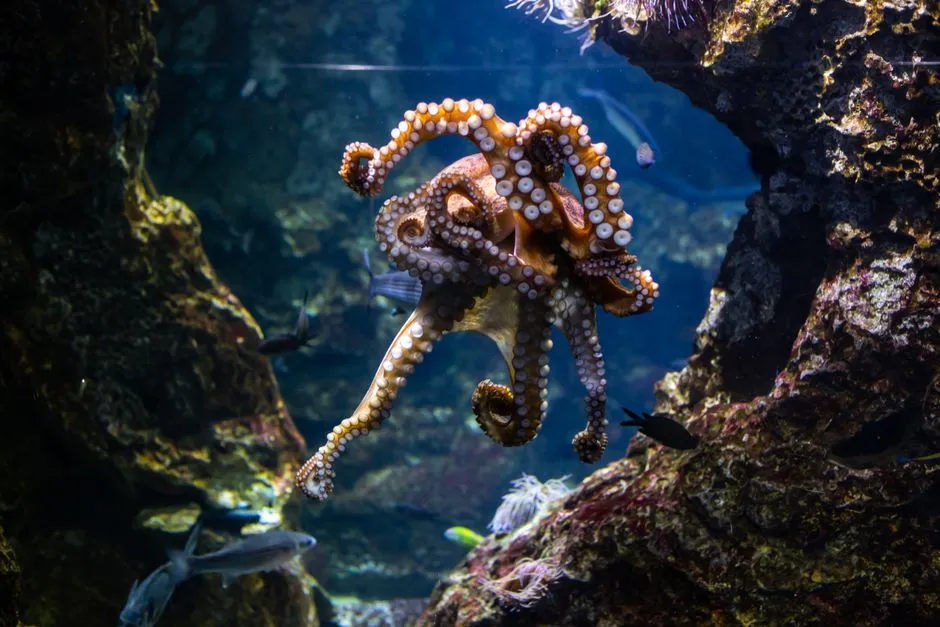
The revelation that octopuses explore new objects with their arms before their eyes challenges our conventional understanding of sensory processing and intelligence. This behavior underscores the remarkable adaptability and complexity of these cephalopods, highlighting a form of cognition that is both decentralized and multimodal. As we continue to study these enigmatic creatures, we may find that our own definitions of intelligence are more limited than we once thought. Could it be that the octopus’s unique approach to understanding its world offers a glimpse into alternative forms of consciousness?

- Animal Cognition Says Octopuses Explore New Objects With Their Arms Before Their Eyes - July 16, 2026
- The US States With the Most River Otters - July 16, 2026
- 10 Unique Animal Defense Mechanisms You Won’t Believe Are Real - July 16, 2026