
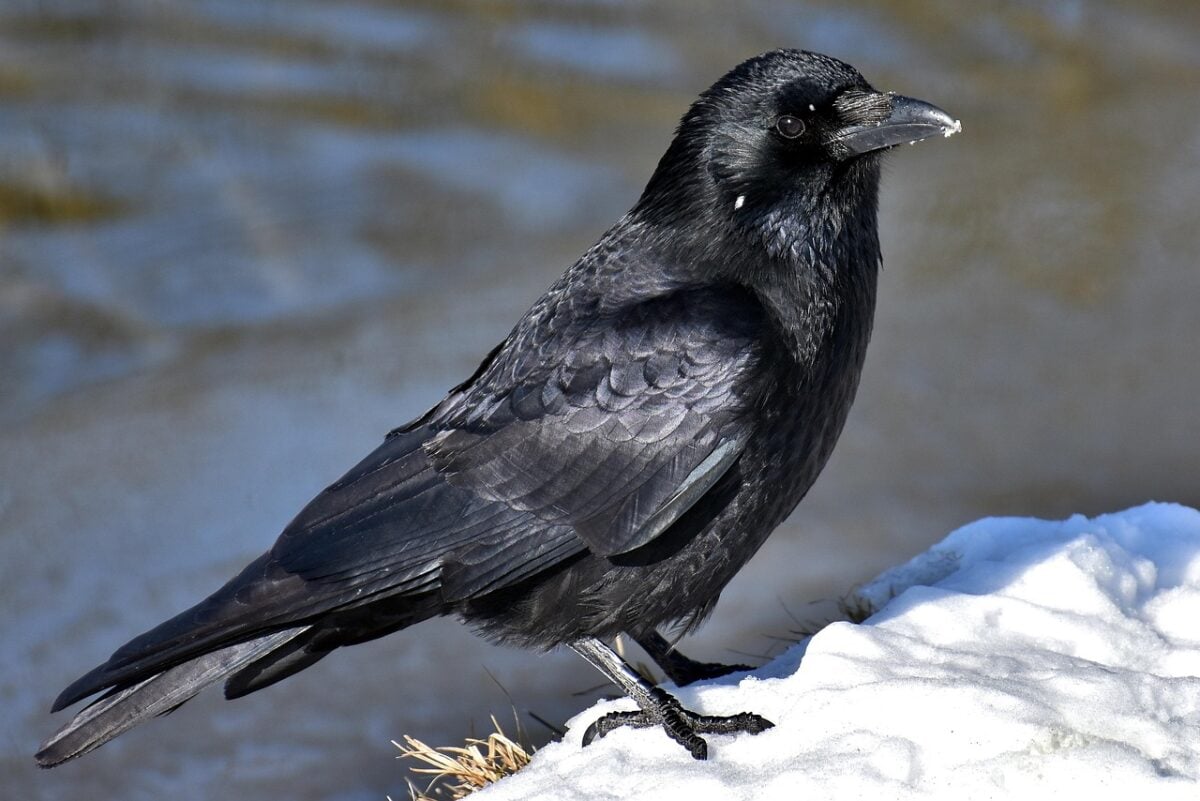
Crows are often dismissed as mere scavengers, yet their cognitive abilities rival those of primates. These birds exhibit behaviors that reveal a memory capacity far beyond what many might expect. Let’s delve into eleven remarkable behaviors that showcase the depth of crow intelligence.
Recognizing Human Faces
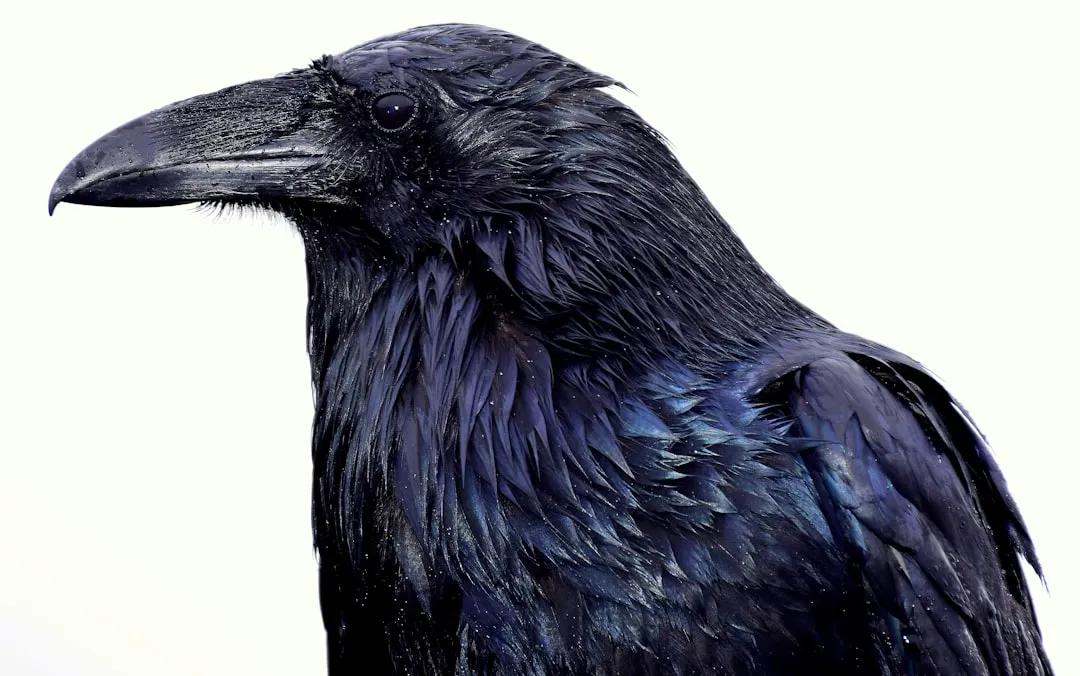
Imagine being remembered by a crow for years after a single encounter. Studies have demonstrated that crows can distinguish and remember individual human faces, associating them with positive or negative experiences. In experiments, crows reacted defensively to masks worn by researchers who had previously captured them, even after several years. ([scienceinsights.org](https://scienceinsights.org/do-crows-remember-faces-the-science-of-crow-memory/?utm_source=openai))
This facial recognition isn’t just a party trick; it’s a survival mechanism. By recalling which humans pose threats, crows can navigate their environments more safely, avoiding potential dangers based on past interactions.
Holding Grudges
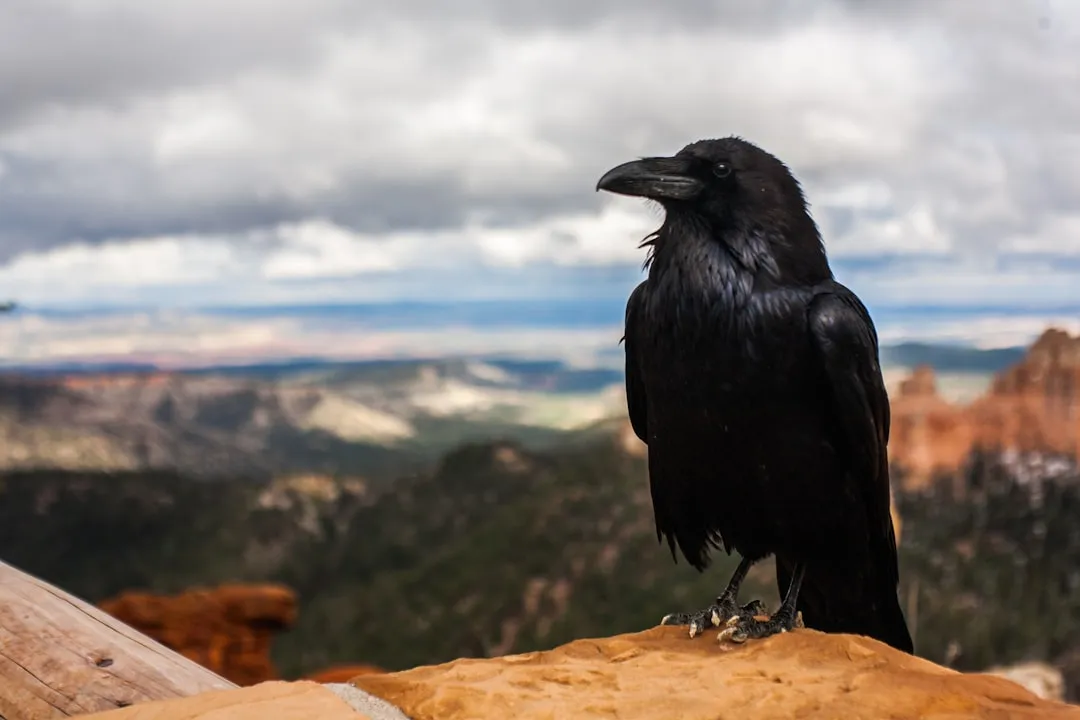
Crows don’t just remember; they hold grudges. If a person has wronged them, crows can harbor negative feelings and may even communicate this disdain to other crows. This behavior ensures that the entire flock is aware of potential threats, enhancing their collective safety. ([enviroliteracy.org](https://enviroliteracy.org/animals/do-crows-remember-if-you-are-mean-to-them/?utm_source=openai))
Such grudges can last for years, with crows scolding or dive-bombing individuals they’ve identified as threats. This long-term memory underscores their advanced cognitive abilities and complex social structures.
Remembering Food Locations
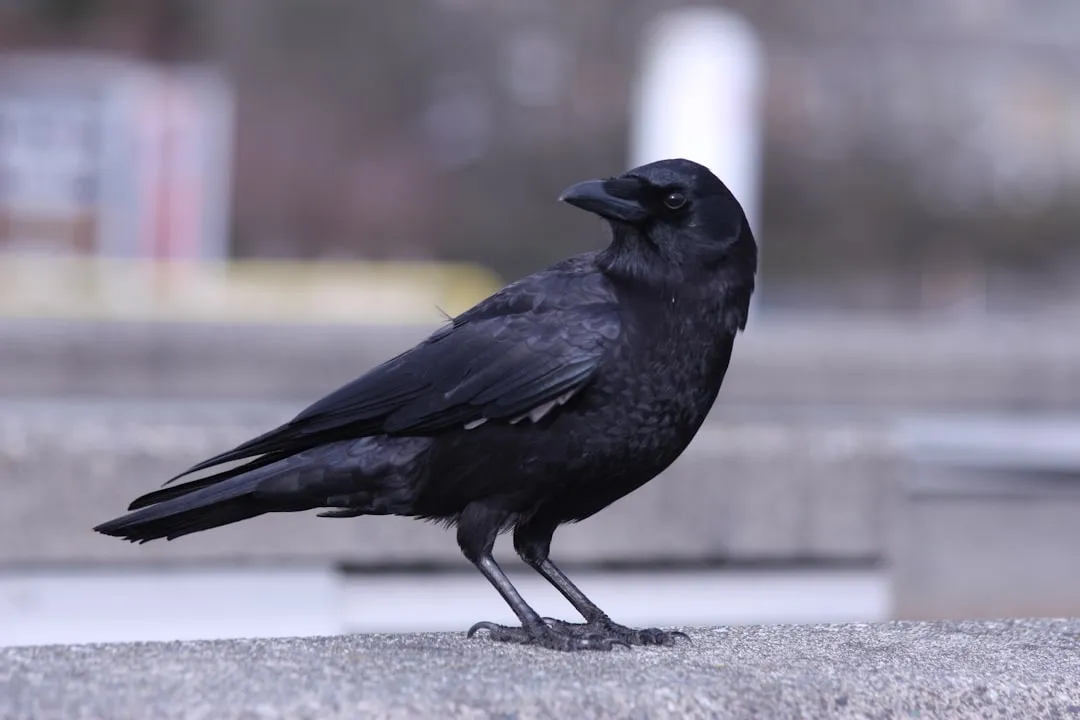
Crows exhibit impressive spatial memory when it comes to food. They can recall the locations of food caches they’ve hidden, even months later. This behavior involves not only remembering the spot but also the quality and quantity of the stored food.
Such precise memory aids in their survival, especially during scarce times. By efficiently retrieving stored food, crows ensure they have sustenance when resources are limited.
Using Tools
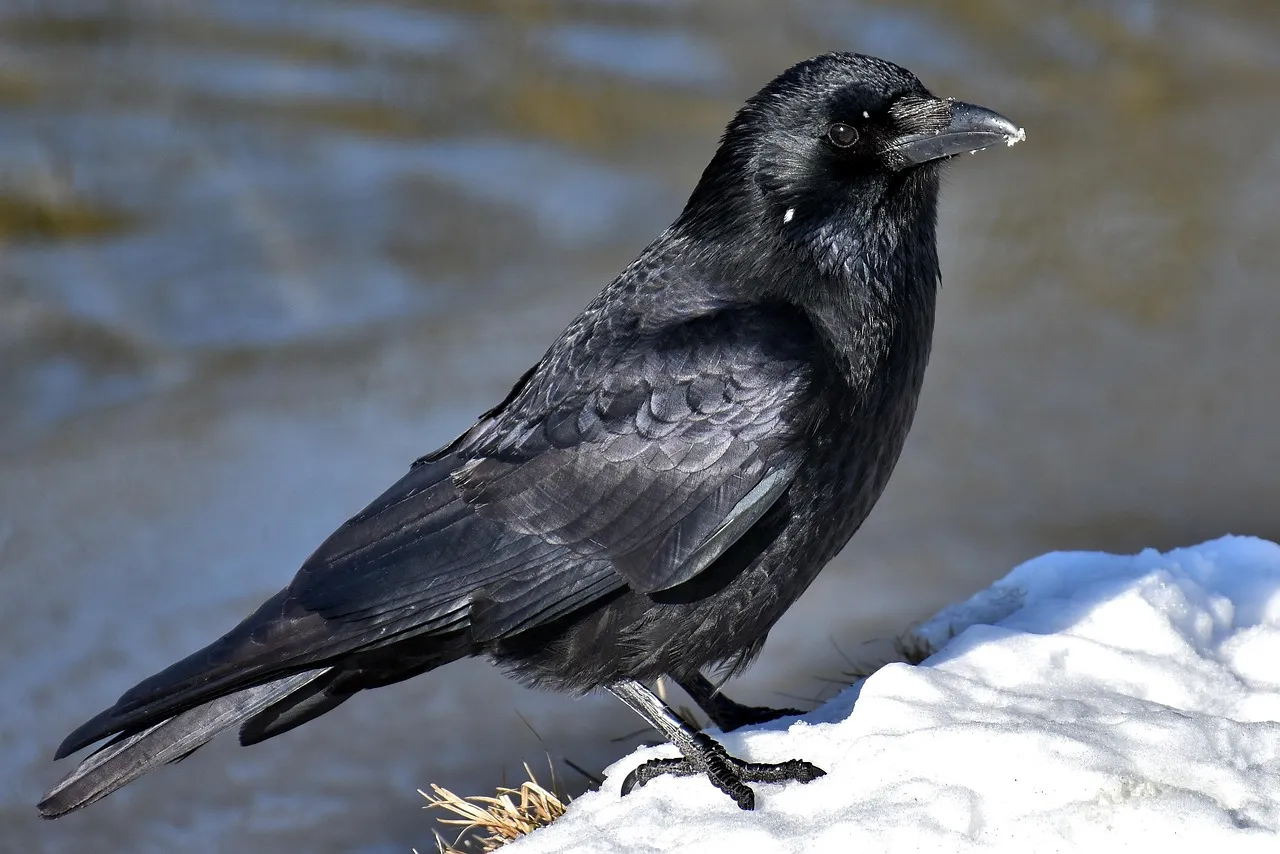
Tool use is often associated with primates, but crows are adept tool users as well. They craft and use tools to access food, such as bending wires to retrieve treats from containers. This behavior indicates not only memory but also problem-solving skills. ([nature.com](https://www.nature.com/articles/s41598-017-09400-0?utm_source=openai))
The ability to remember which tools work for specific tasks and to replicate their use showcases a level of intelligence that challenges our understanding of avian cognition.
Learning from Observation
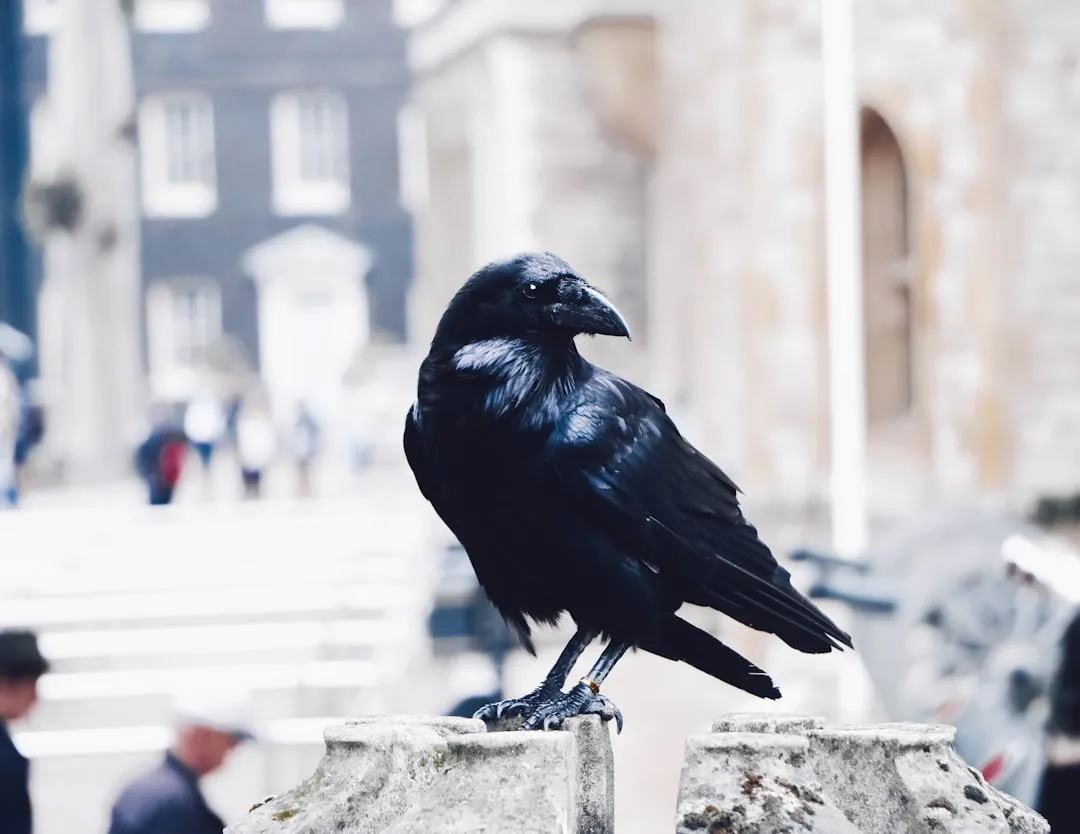
Crows are keen observers. They can watch other crows solve problems and then replicate the solutions themselves. This social learning indicates that crows remember observed behaviors and apply them when faced with similar challenges. ([pmc.ncbi.nlm.nih.gov](https://pmc.ncbi.nlm.nih.gov/articles/PMC7996111/?utm_source=openai))
Such observational learning reduces the need for trial and error, allowing crows to adapt quickly to new situations by leveraging the experiences of their peers.
Participating in ‘Funerals’
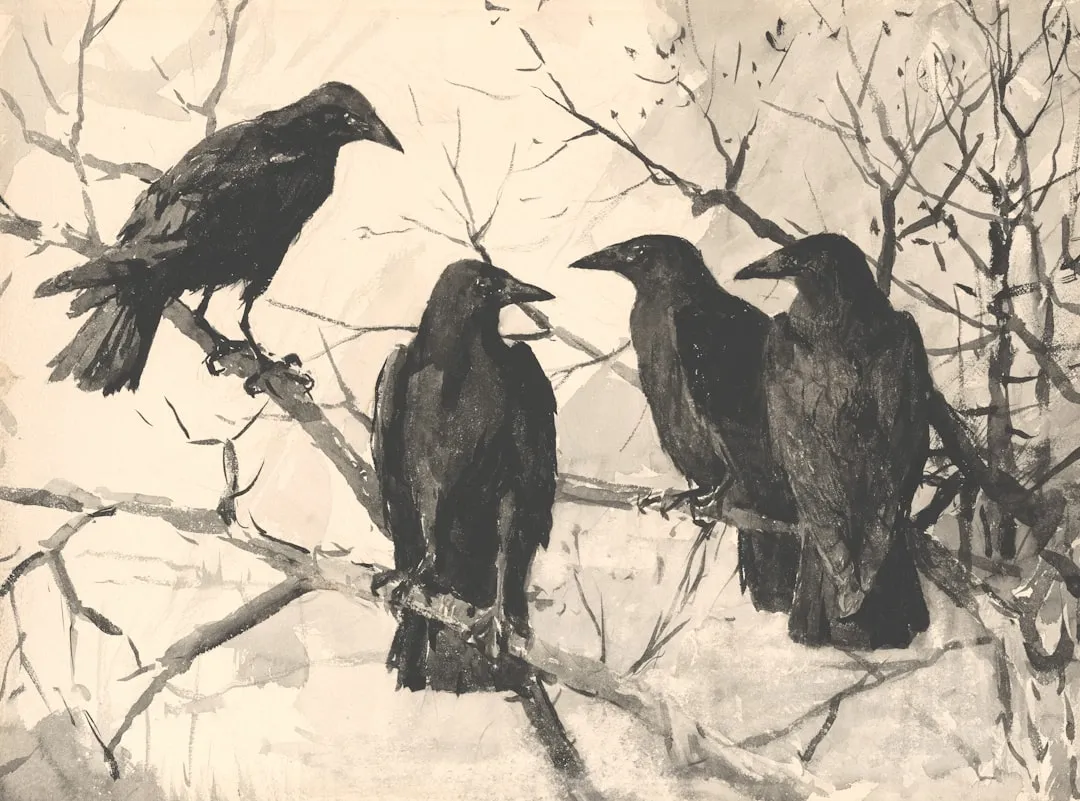
When a crow dies, others gather around the body in what appears to be a funeral-like behavior. This gathering isn’t just mourning; it’s a learning opportunity. Crows study the deceased to understand potential threats in their environment, remembering and avoiding similar dangers in the future. ([scienceabc.com](https://www.scienceabc.com/nature/animals/do-crows-mourn-their-dead?utm_source=openai))
This behavior underscores their ability to learn from the experiences of others, enhancing their survival strategies through communal memory.
Communicating Danger
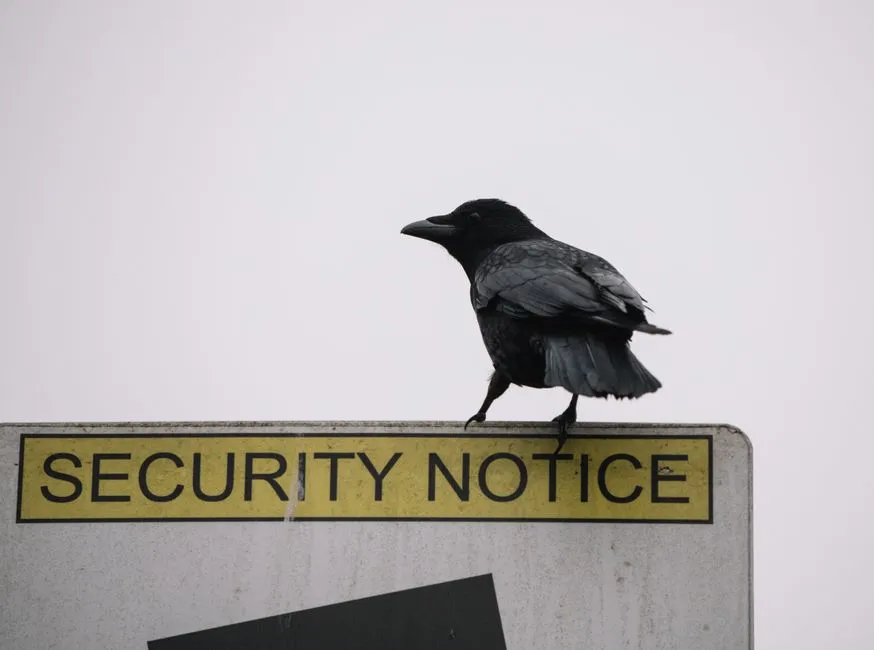
Crows have a sophisticated system of vocalizations to alert others of danger. When they recognize a threat, they emit specific calls that other crows remember and respond to appropriately. This shared memory of danger signals strengthens the flock’s collective defense mechanisms.
By remembering and responding to these calls, crows demonstrate a communal memory that enhances their ability to navigate and survive in complex environments.
Planning for the Future
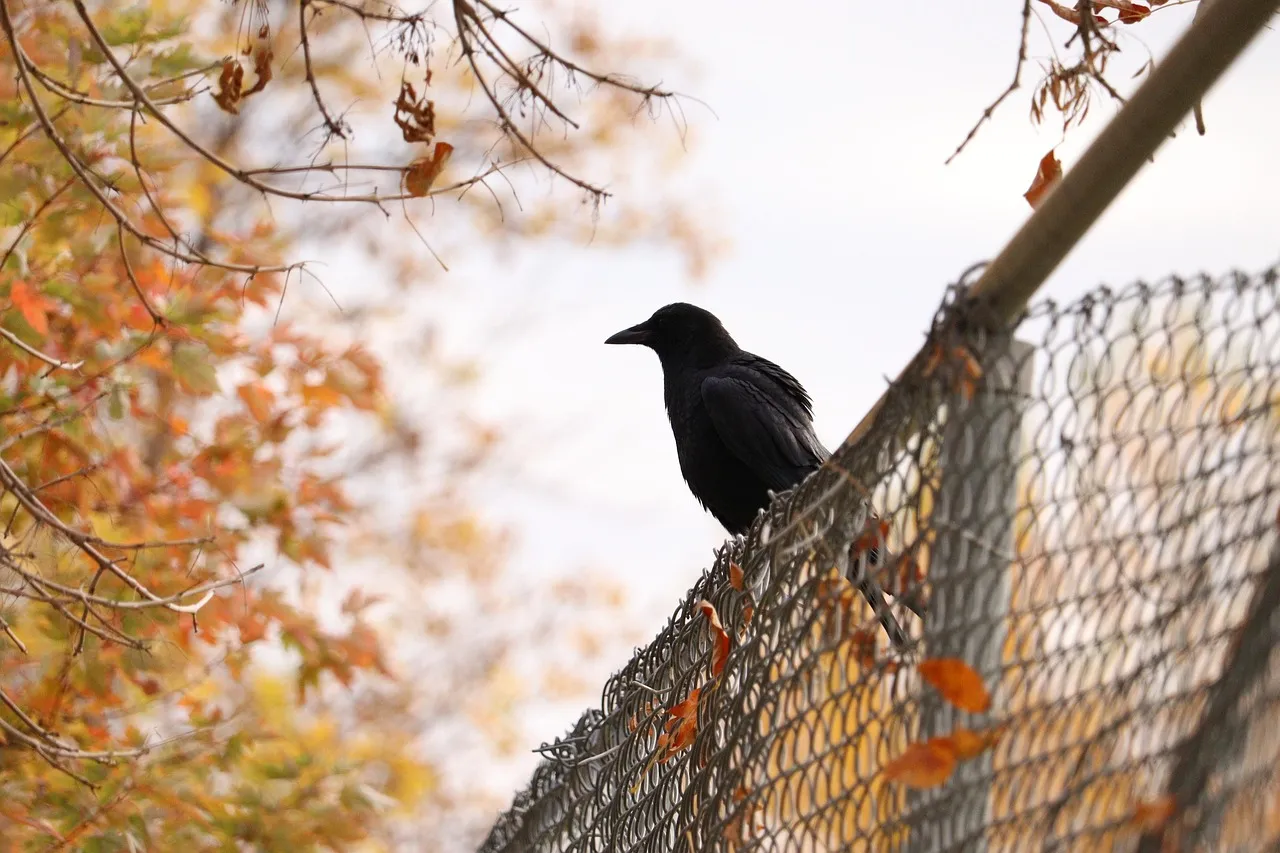
Crows don’t just live in the moment; they plan ahead. They can anticipate future needs, such as storing food in anticipation of scarcity. This foresight indicates a memory that extends beyond the present, allowing them to prepare for future challenges.
Such planning requires a sophisticated understanding of time and memory, showcasing cognitive abilities that are rare in the animal kingdom.
Recognizing Vehicles
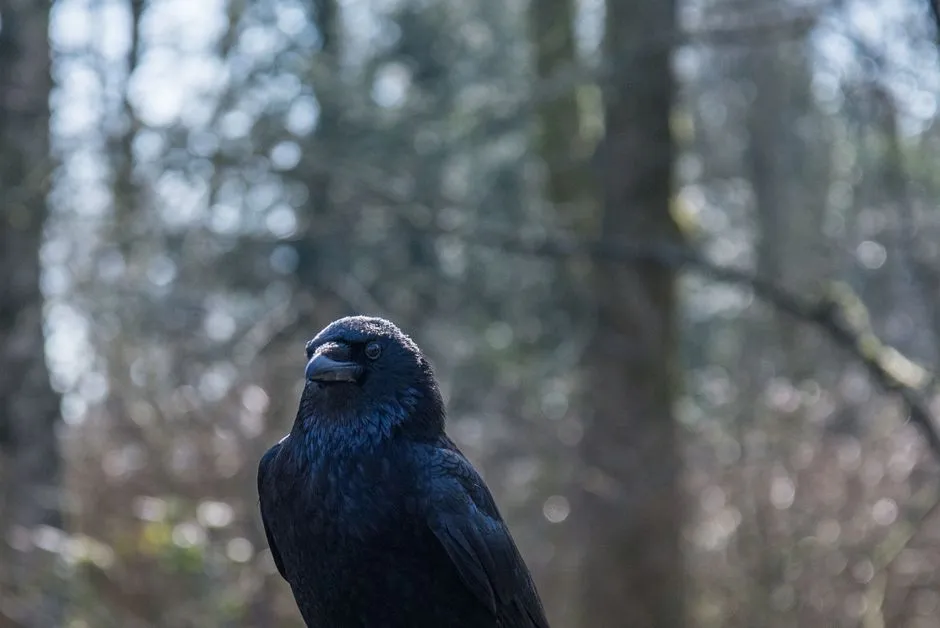
In urban environments, crows have been observed recognizing and remembering specific vehicles. They can associate certain cars with food sources or threats, adjusting their behavior accordingly. This ability to remember and react to vehicles demonstrates their adaptability and keen memory.
Such recognition allows crows to exploit urban resources effectively while avoiding potential dangers, highlighting their ability to thrive in diverse environments.
Understanding Cause and Effect
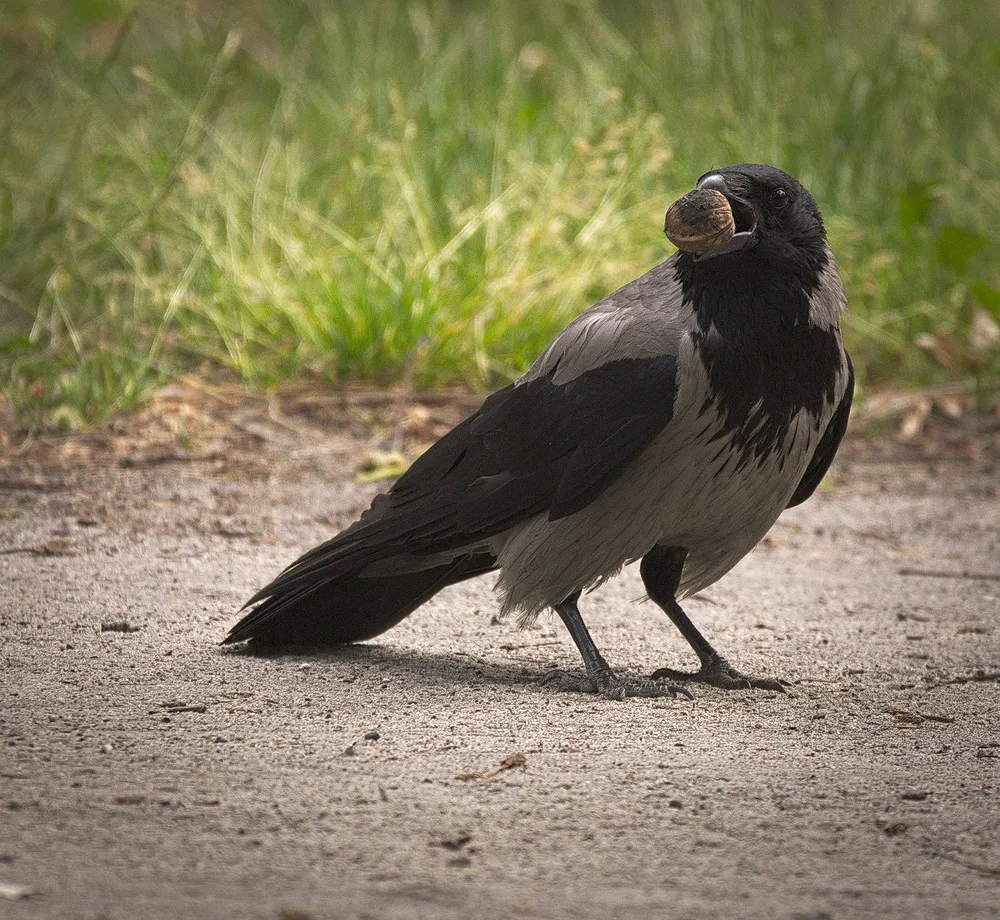
Crows have demonstrated an understanding of cause and effect, remembering which actions lead to specific outcomes. For instance, they can drop nuts onto roads for cars to crack open, remembering the process and repeating it to access food. ([smithsonianmag.com](https://www.smithsonianmag.com/air-space-magazine/crows-are-even-smarter-we-thought-180976970/?utm_source=openai))
This behavior indicates not only memory but also a level of reasoning that allows them to manipulate their environment to their advantage.
Passing Knowledge to Offspring
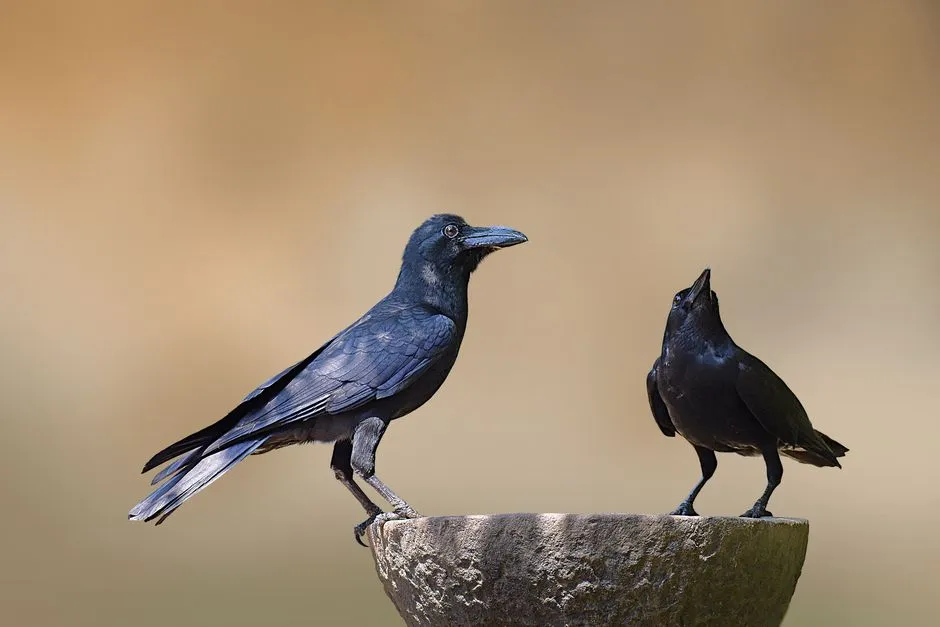
Crows don’t just rely on personal experience; they pass knowledge to their young. They teach offspring about food sources, dangers, and even human faces to avoid. This transmission of knowledge ensures that important memories are preserved across generations.
Such cultural transmission of information highlights the depth of crow intelligence and the importance of memory in their social structures.
In conclusion, crows exhibit a range of behaviors that underscore their impressive memory and cognitive abilities. From recognizing human faces to planning for the future, these birds challenge our perceptions of avian intelligence. Their actions serve as a reminder that memory and learning are not solely human traits

- 11 Behaviors That Show Crows Remember More Than You Think - July 16, 2026
- Animal Cognition Says Octopuses Explore New Objects With Their Arms Before Their Eyes - July 16, 2026
- The US States With the Most River Otters - July 16, 2026