


Louisiana

If any state can claim the title of otter capital, it’s Louisiana. Louisiana leads the United States as a source of river otter pelts. During the late 1970s and early 1980s, trappers in the state pulled in staggering numbers each season, with an estimated average of 7,518 otters harvested per year during 1977 through 1982. Even after harvest levels dropped in later decades, the state’s coastal marshes remained saturated with animals.
Louisiana’s otters didn’t just stay home either. Trappers from the bayou country became the primary supply line for restocking programs nationwide, and more than 2,400 of the nearly 4,000 otters used for reintroductions and restocking in 18 states came from one Louisiana trapper’s operation alone. That’s not a footnote. It means a huge share of the otters now living in Missouri, Kentucky, Pennsylvania, and elsewhere trace their ancestry directly back to Louisiana’s coastal wetlands.
Minnesota
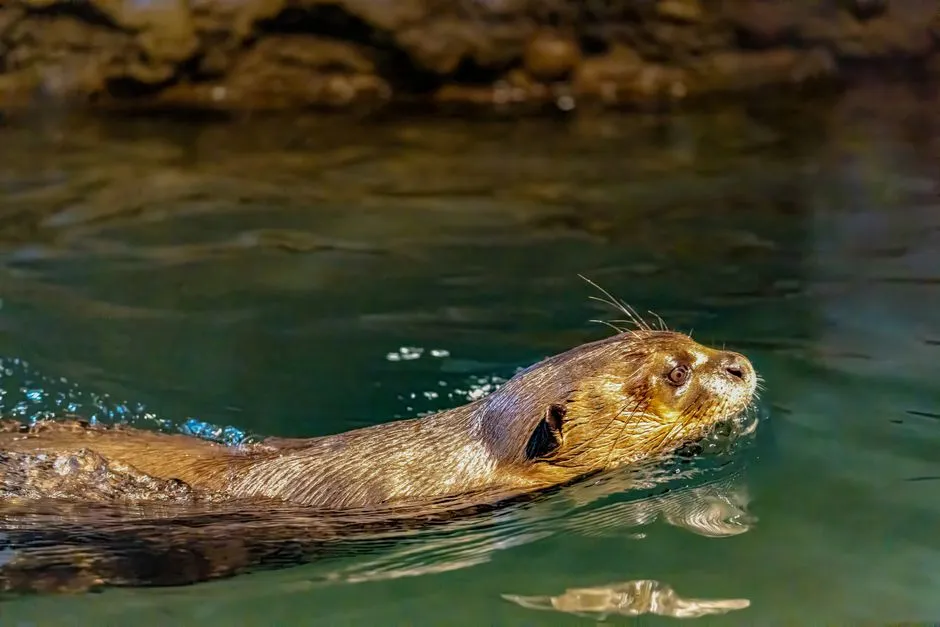
Minnesota gets specific here in a way few states can match. The DNR estimates there are about 12,000 otters living in Minnesota today, a number based on decades of harvest tracking and habitat monitoring. That places Minnesota among the small handful of states willing to put an actual figure on its population rather than a vague trend line.
The state’s northern lakes and rivers have long been considered core otter country, and populations are described as secure or apparently secure in Minnesota, alongside neighboring Michigan and Wisconsin. Reintroduction work in the 1980s pushed otters back into parts of southern Minnesota where the species had been largely wiped out by wetland drainage and pollution earlier in the twentieth century. Today it’s not unusual to spot one even near the Twin Cities.
Missouri

Missouri’s otter story might be the single most dramatic recovery on this list. Before restoration efforts began, only a handful of otters were known to exist, tucked into the southeastern boot heel of the state. Wildlife officials arranged for 845 Louisiana otters to be trapped and shipped north between 1982 and 1992 to rebuild the population from almost nothing.
The gamble paid off in a big way. The release of those 845 otters resulted in an estimated population of 11,000 to 18,000 animals today, a scale of growth that surprised even the biologists who ran the program. It stands as one of the clearest examples of how a small, carefully managed reintroduction can snowball into a genuinely abundant population within a couple of decades.
Michigan

Michigan’s rivers, lakes, and Great Lakes shoreline offer exactly the kind of interconnected wetland habitat otters need to thrive. Population assessments consistently describe Michigan’s otter numbers as secure or apparently secure, putting it in the same tier as Minnesota and Wisconsin among Upper Midwest states. Historical research confirms the region never lost its otters entirely, unlike much of the interior Midwest.
Researchers studying the broader Upper Great Lakes note that populations remained intact through the twentieth century in the northern Great Lakes regions of Minnesota, Wisconsin, and Michigan, even as otters vanished from surrounding states. That continuity matters. It means Michigan’s otters are largely native stock rather than transplants, giving the state a genetic and ecological head start that few others share.
Wisconsin
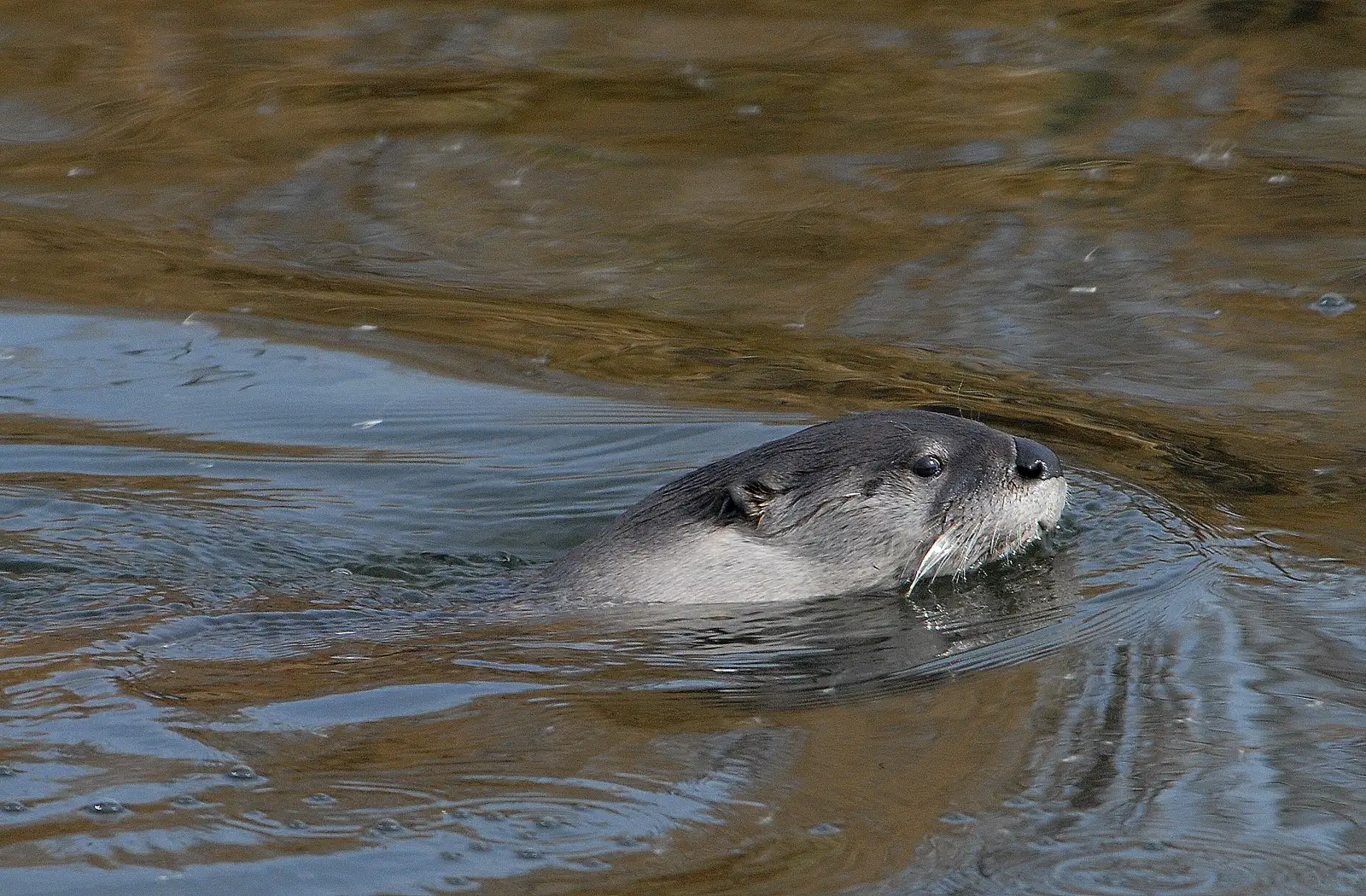
Wisconsin rounds out the trio of Upper Midwest states where river otters never really left. Like its neighbors, Wisconsin’s population is classified as secure or apparently secure, a designation reserved for states with well-distributed, self-sustaining numbers rather than isolated pockets. The state’s harvest data has been tracked closely enough that researchers use it as a benchmark for regional trends.
Michigan, Minnesota, and Wisconsin are frequently grouped together in scientific literature because their otter populations and harvest patterns move in tandem, tied to the same lake systems and fish stocks. Otters across this Upper Great Lakes region rely primarily on fish as prey, which keeps them anchored to healthy, well-oxygenated waterways. Wisconsin’s mix of northern lakes and river corridors gives otters plenty of that kind of habitat to work with.
Florida

Florida rarely gets mentioned in the same breath as the Great Lakes states, but its wetlands are custom-built for otters. Researchers list Florida among the states where populations are considered stable or increasing, a group that also includes Louisiana, Michigan, Minnesota, and Wisconsin. Florida’s extensive network of rivers, springs, and coastal marsh gives otters near-continuous habitat from the panhandle down through the peninsula.
Part of what makes Florida notable is that it never needed the kind of large-scale reintroduction effort that rescued states like Missouri or Kentucky. Otters simply held on through the state’s wetlands even as development pressure increased elsewhere. That resilience, paired with Florida’s warm climate and abundant fish and crustacean populations, has kept numbers healthy without the dramatic boom-and-bust story seen in more heavily trapped states.
South Carolina

South Carolina’s low country was built for otters, and the state’s own wildlife agency doesn’t shy away from saying so. Otters are found in each of the state’s major river drainages but are most abundant in the coastal marshes and blackwater swamps because of the abundance of food and cover. Waterfowl impoundments along the coast add even more prime habitat into the mix.
South Carolina’s population has grown healthy enough that the state has become a source for restocking other regions. Several animals from South Carolina have been captured and transported to West Virginia and Tennessee for restocking efforts, echoing the same trapper-to-truck pipeline that made Louisiana so influential nationally. A thriving local beaver population has helped too, since the expansion of beavers has increased the amount of quality otter habitat in South Carolina.
A Comeback Worth Watching

- Animal Cognition Says Octopuses Explore New Objects With Their Arms Before Their Eyes - July 16, 2026
- The US States With the Most River Otters - July 16, 2026
- 10 Unique Animal Defense Mechanisms You Won’t Believe Are Real - July 16, 2026