
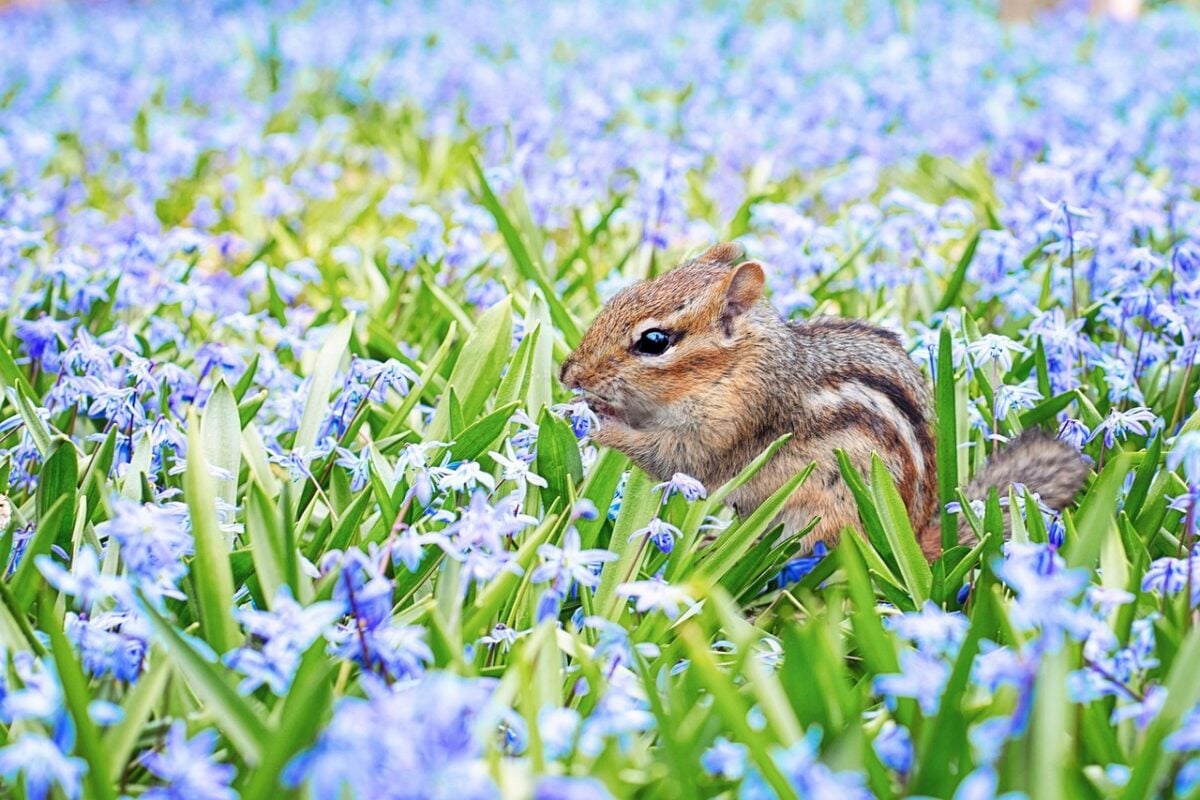
There’s a strange kind of magic that happens when a yard finally goes quiet. The mower is put away, the kids head inside, the porch light clicks off… and then, almost like someone gave a secret signal, the wild visitors start to slip back in. If you’ve ever glanced out a window late at night or early in the morning and thought you saw movement, you’re probably not imagining it.
Wild animals are constantly testing the edges of our spaces, looking for that moment when things feel calm enough to return. Some come for food, some for shelter, some just to pass through their daily “route.” Once a yard feels safe to them, they remember it, and they often come back again and again. Let’s walk through the wild regulars that might be quietly treating your yard like their second home.
#1 Raccoons: The Nighttime Inspectors
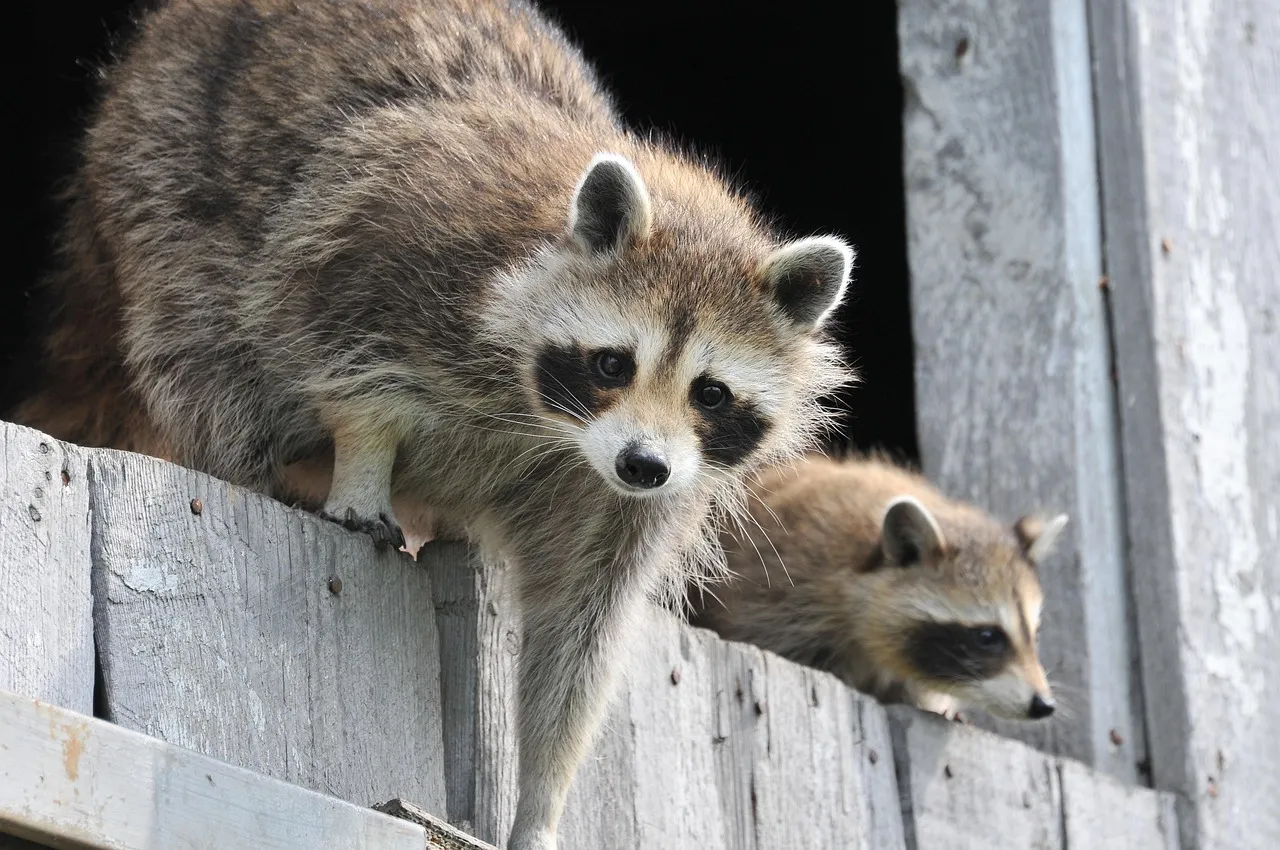
Raccoons are usually the first animals people think of when they hear a bump in the night outside, and honestly, that reputation is well earned. These clever, mask-faced foragers are drawn to any place that smells like food, from unsecured trash cans to pet bowls left on the porch. Once they decide a yard is safe and predictable, they’ll build it into their nightly patrol like a grocery store that never closes.
They wait for things to quiet down, often appearing just after dark or in the very early morning hours when human activity is at its lowest. You’ll see them pause in the shadows, listening for voices or doors slamming before they waddle in with surprising confidence. If they feel safe, they’ll return again and again, sometimes teaching their young the same route like a family tradition.
#2 Deer: The Silent Garden Browsers
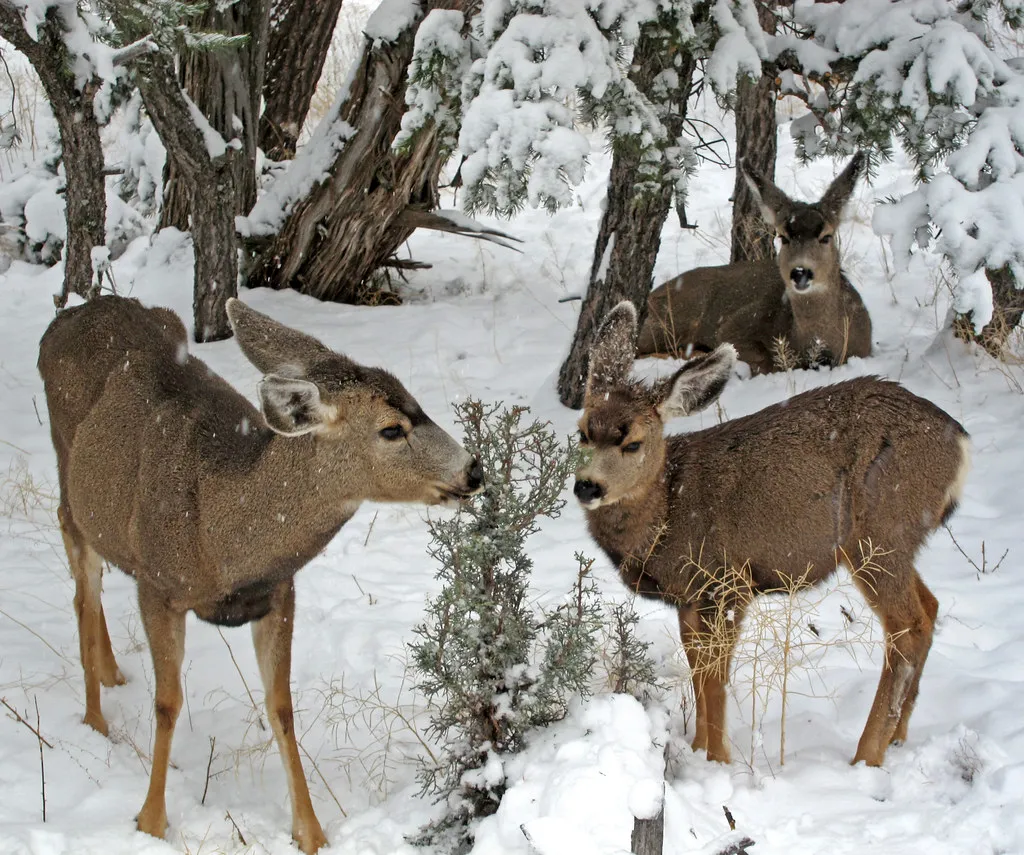
Deer can make a yard feel almost enchanted when they appear, but gardeners know that enchantment usually comes with missing flowers and half-eaten shrubs. These graceful animals are extremely cautious, constantly on the lookout for movement, noise, or strange smells. When a yard feels calm and familiar, they’ll step in softly, often in small groups, to browse on plants that you probably did not plant for them.
They tend to visit at dawn or dusk when shadows are long and people are usually indoors. Once a deer discovers a tasty hosta bed or a fruit tree that no one is guarding, it will remember that spot and return, sometimes night after night. A yard that feels safe to deer quickly becomes part of their regular grazing route, especially if neighbors’ yards are less inviting or more exposed.
#3 Squirrels: The Daytime Thieves and Tiny Garden Managers
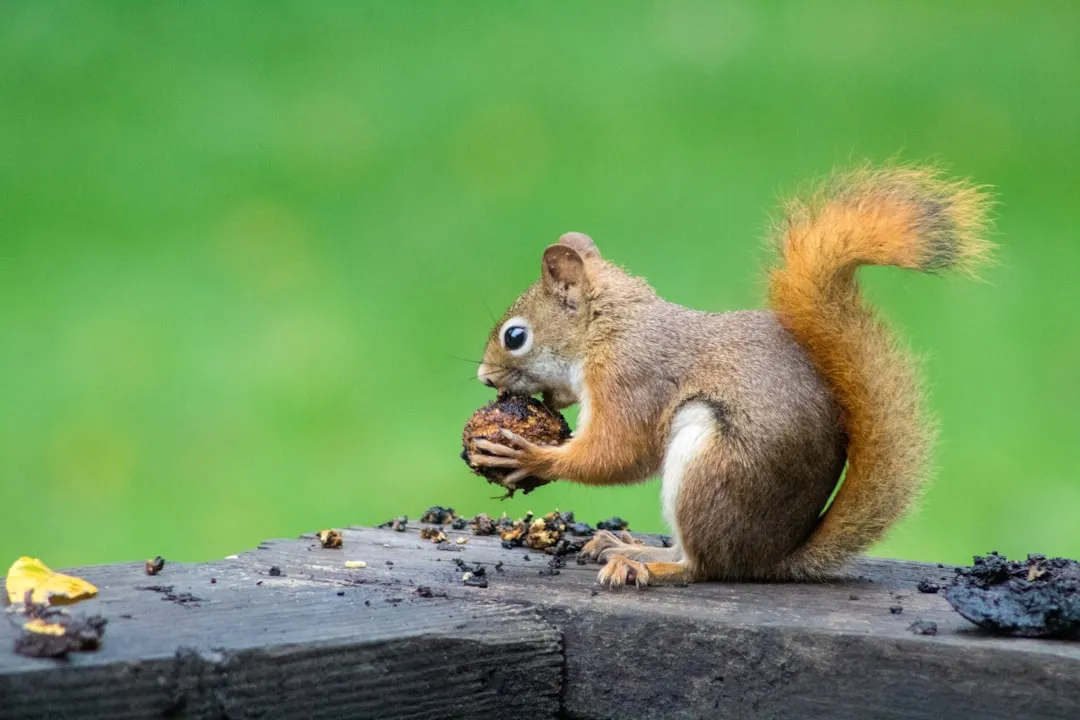
Squirrels don’t wait for darkness the way many other visitors do, but they absolutely wait for a yard to feel “normal” and predictable. If they sense constant disturbance – loud music, barking dogs, kids racing around – they’ll hang back in nearby trees, watching until things settle down. Once they feel safe again, they’re right back to racing along fences, burying treasures, and raiding bird feeders like it’s their personal buffet.
It’s easy to underestimate how tuned-in squirrels are to changes in their environment. Move a feeder, trim a tree, or add a new noisy décor piece, and you might see them disappear for a few days while they reevaluate. But given time and a sense of safety, they’ll return, often retracing the exact same routes along power lines, branches, and railings like they own the map.
#4 Opossums: The Shy Cleanup Crew
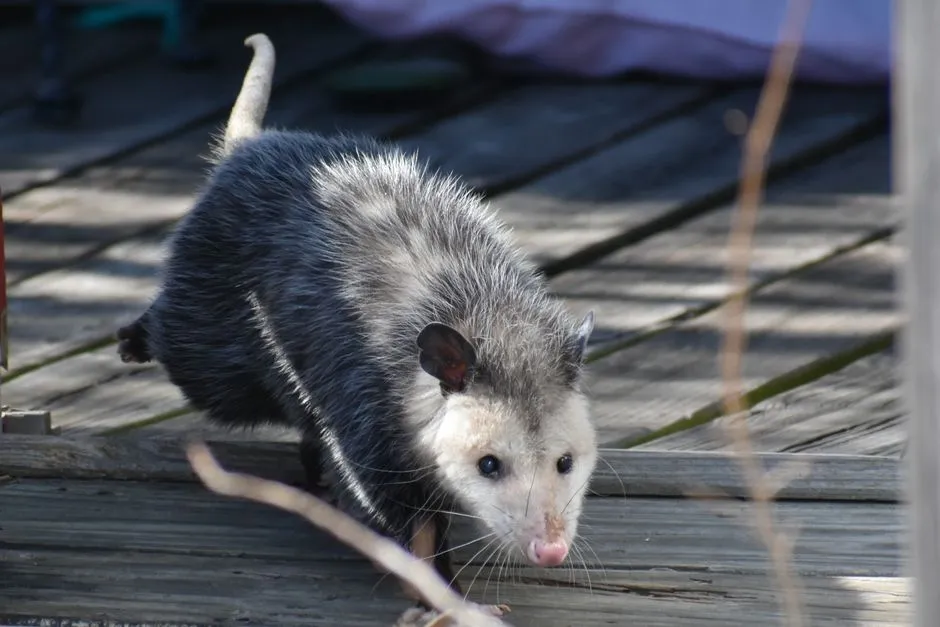
Opossums are some of the most misunderstood backyard visitors, and in my opinion, some of the most underrated. They’re shy, slow-moving, and usually out only when everything feels completely calm. Once they decide a yard is safe, they quietly sweep through at night, cleaning up fallen fruit, leftover pet food, and even harmful pests like slugs and some unwanted insects.
They don’t usually make a dramatic entrance; most people only see a flash of pale fur in a security camera clip or a quick freeze in a spotlight. Because they rely so heavily on a sense of safety, a yard that consistently feels quiet and unthreatening can become part of their regular route. Over time, they’ll come back again and again, almost like a routine nighttime cleaning service you never hired but definitely benefit from.
#5 Foxes: The Cautious Urban Ghosts
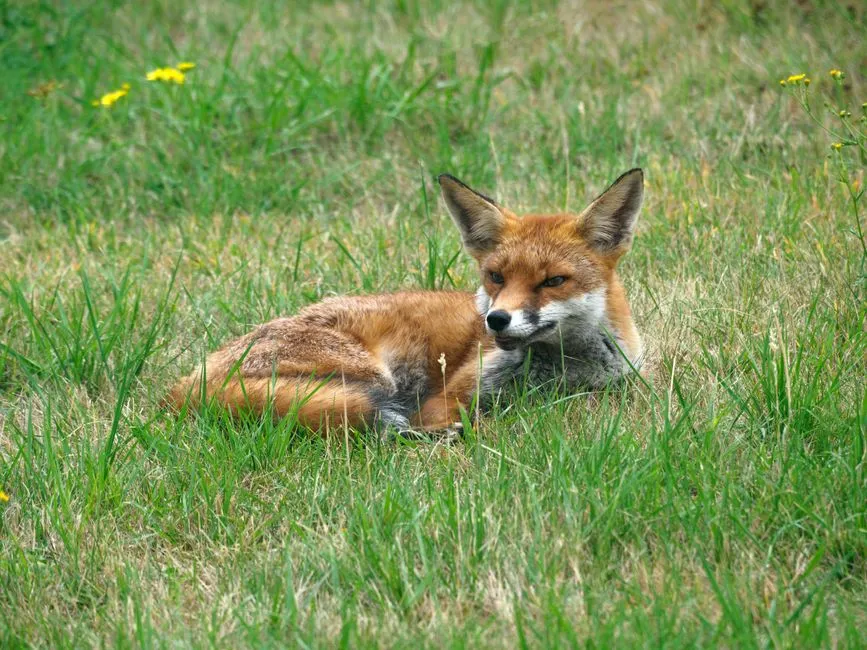
Foxes have adapted incredibly well to living on the edges of human spaces, but that doesn’t mean they’re reckless. They’re sleek, smart, and hyper-aware of changes in their environment. A fox will often linger at the boundary of a yard, listening and sniffing, before slipping in to search for rodents, insects, or dropped food once everything feels safe and still.
When a yard provides quiet corners, dense shrubs, or easy routes through fences, foxes are more likely to treat it as part of their regular territory. You might never see them in person, but your motion-activated camera might catch the same fox trotting through at nearly the same time every night. Once they trust a space and have learned there are snacks or hiding spots available, they tend to be loyal visitors.
#6 Songbirds: The Morning Regulars With Favorite Tables
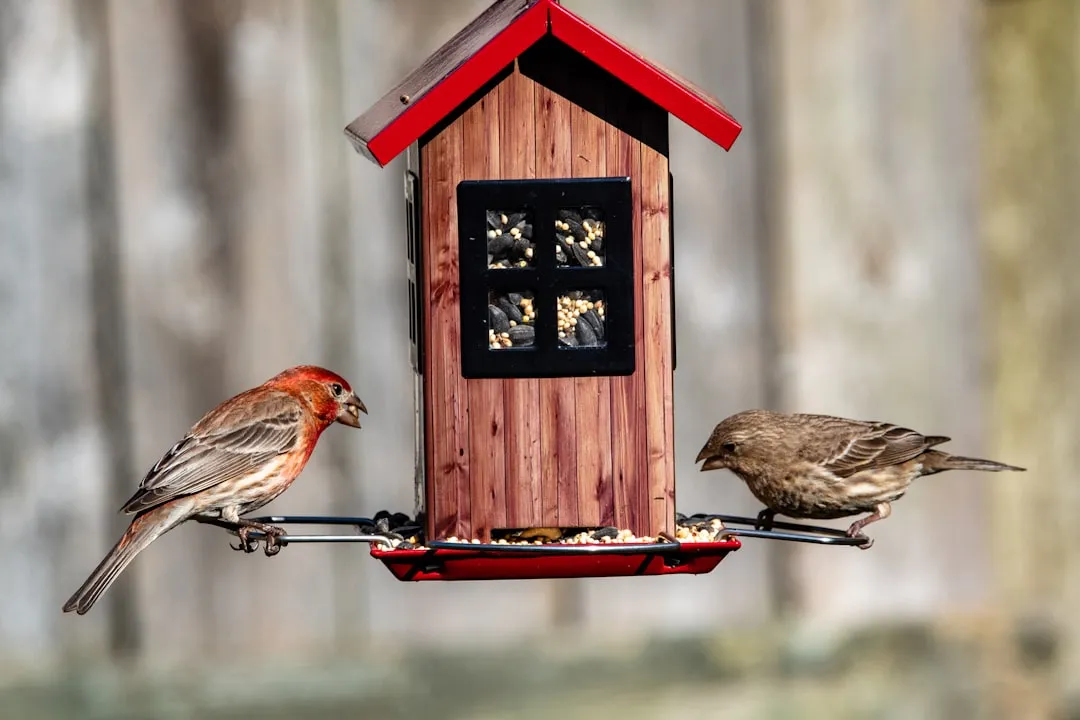
Songbirds are some of the most noticeable repeat visitors because they announce themselves with music. But they’re also surprisingly sensitive to how safe a yard feels. If predators are frequent, feeders are constantly empty, or loud noises are common, many birds will pull back and look for calmer spaces. Once a yard proves consistently safe – steady food, a few trees or shrubs, and minimal sudden threats – they often return daily, sometimes at almost the exact same hour.
They memorize where feeders hang, where water is available, and where they can quickly dive for cover if something startles them. Over time, certain yards become their “core” spots, a bit like a favorite café they keep coming back to. One of the easiest ways to tell if your yard feels safe to them is noticing how quickly they return after you step back inside; often within minutes, the branches and feeders are full again.
#7 Rabbits: The Nervous Lawn Gardeners

Rabbits are adorable, but they are also walking bundles of anxiety, always ready to bolt at the slightest sign of danger. They love yards with a mix of short grass for grazing and taller plants or shrubs to dive into when they feel threatened. If your yard offers both food and quick hiding spots, rabbits will test it cautiously and, once they feel safe, add it to their list of regular hangouts.
They often return at the edges of the day – very early morning or just after sunset – when dogs are usually indoors and people are less active. You might first notice them by the neat little nibbles on clover or dandelions, or by the tiny pathways they wear into the lawn. Once they realize no one is charging at them every time they appear, they tend to become frequent visitors, treating your grass like a salad bar.
#8 Skunks: The Calm, Confident Foragers
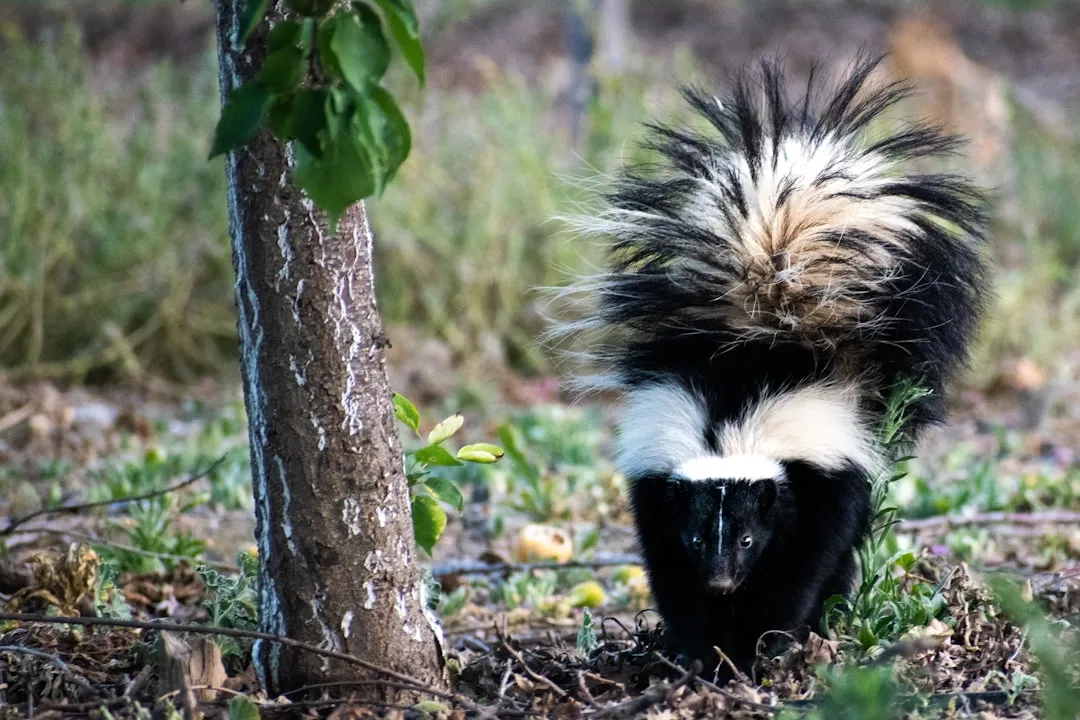
Skunks have a dramatic reputation because of their defense spray, but their everyday personality is oddly peaceful. They move slowly and deliberately, and they prefer yards where they can wander without being chased. When the neighborhood quiets down and porch lights go off, skunks emerge to search for insects, grubs, fallen birdseed, and any other easy snacks.
If your yard has soft soil, a steady supply of bugs, or regular food spills from feeders or pets, a skunk may start visiting regularly. They’re creatures of habit, often traveling the same paths over and over once they decide a place feels safe. The best sign your yard makes them comfortable is when they are completely unbothered, nose down in the grass, walking in that slow, almost casual way that says they are not expecting trouble.
#9 Hawks and Other Raptors: The Silent Sky Watchers
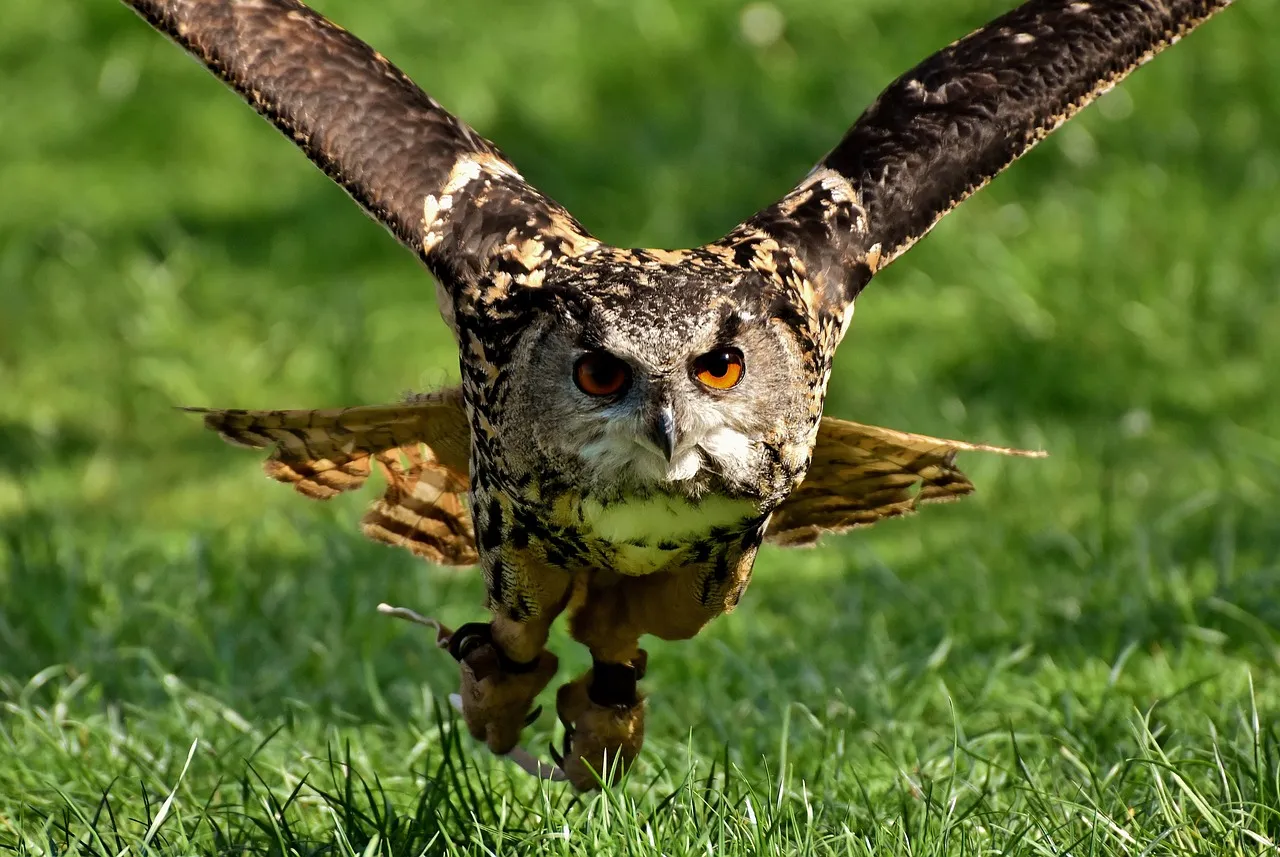
Predatory birds like hawks, owls, or falcons might not “hang out” in your yard the way smaller birds do, but they absolutely remember safe, productive hunting spots. A yard with lots of songbirds, rodents, or open lawn areas becomes a potential hunting ground. If they can perch on a tall tree, a power line, or a rooftop and watch without being constantly disturbed, they may return frequently.
These visitors are usually most active around dawn or late afternoon, when there is enough light but also plenty of prey movement. Over time, if your yard consistently offers them good visibility and regular targets, they may treat it as part of a broader hunting circuit. You might not notice them until you suddenly see a shadow glide across the grass or spot a bird of prey quietly posted on a branch, scanning like a security camera with wings.
#10 Chipmunks: The Tiny Tunnel Engineers
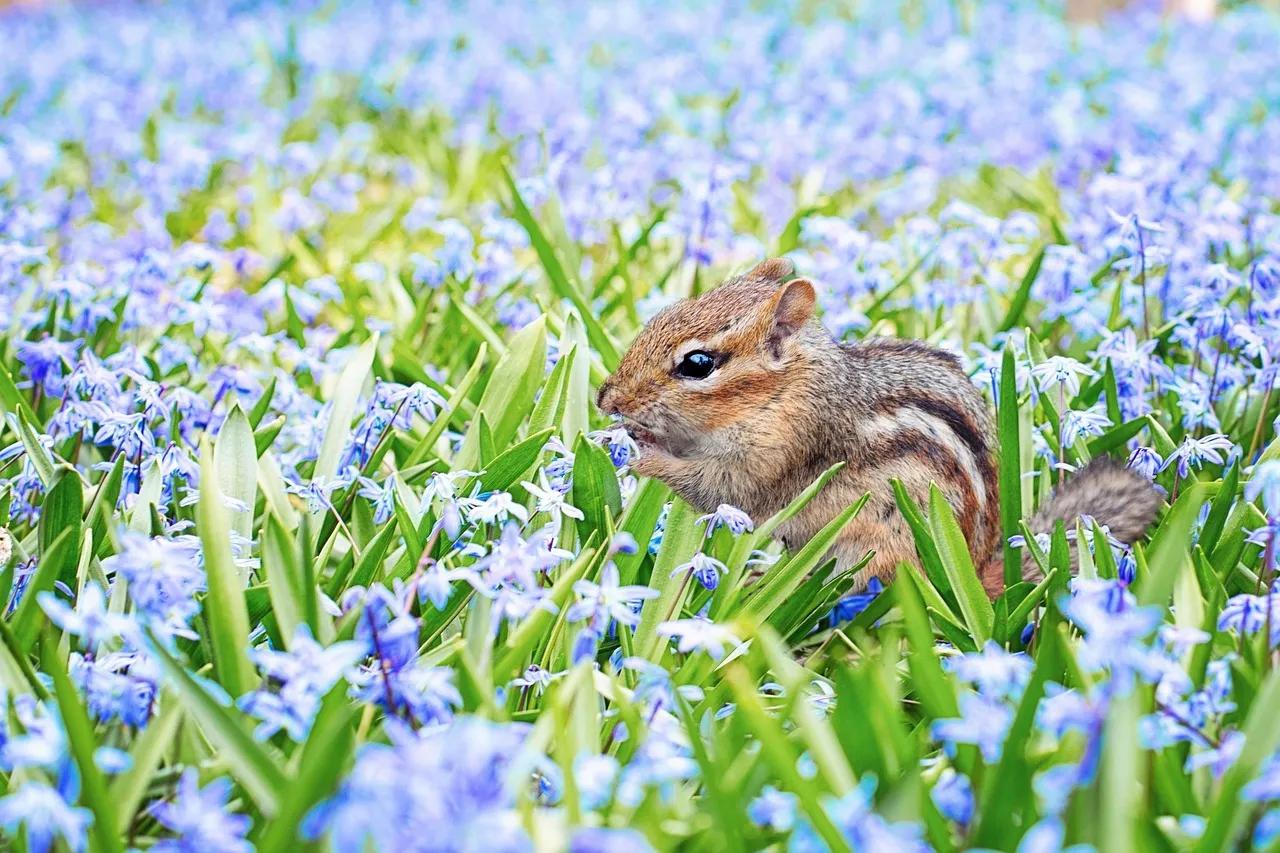
Chipmunks are like squirrels’ smaller, ground-focused cousins, and they are surprisingly brave once they feel a yard is safe. They love rock walls, dense groundcover, and any spot where they can dart into a burrow or crack at the first sign of danger. When things are calm, they pop out to gather seeds, raid fallen bird food, and stash treasures in their underground storage areas.
They will often use the same routes between hiding spots, like tiny highways across the yard. If they figure out that your space offers food and cover without constant chasing or loud surprises, they tend to stick around for the long haul. You might first notice their return not by seeing them, but by the small piles of shells, disturbed soil, or quick flicks of movement near rocks and steps.
#11 Turkeys: The Bold Daytime Wanderers
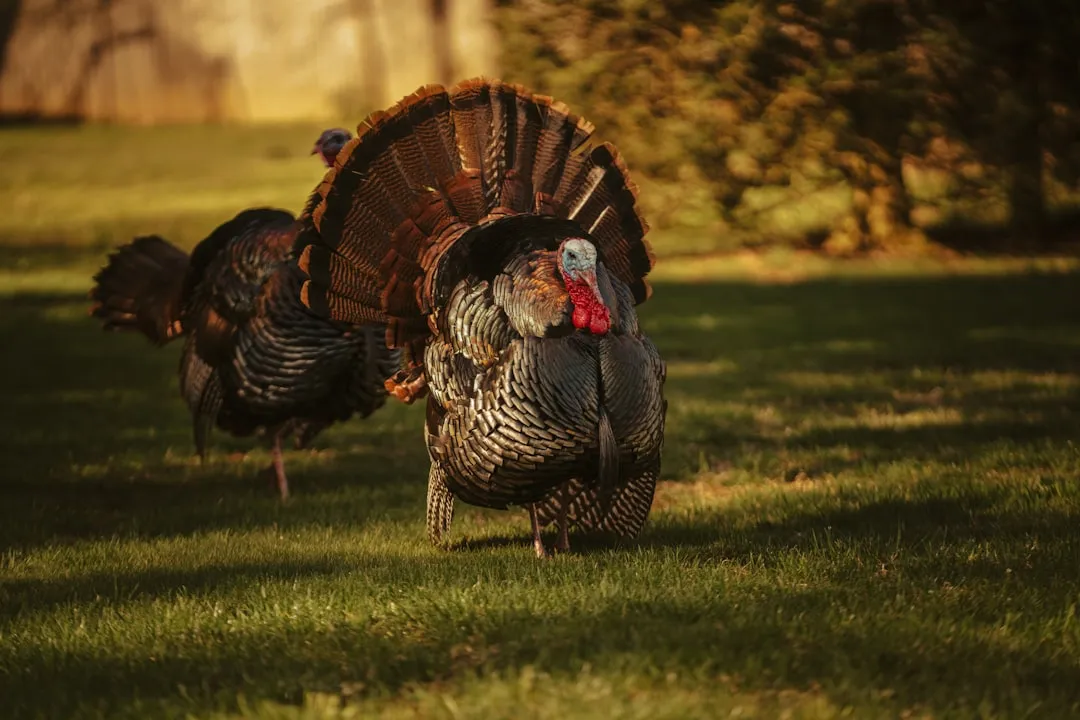
Wild turkeys can be surprisingly bold once they decide a neighborhood is safe, and a yard with open space and scattered food opportunities is very attractive to them. They often travel in groups, slowly working through an area while pecking at seeds, insects, or fallen nuts. Once they’ve explored a yard and nothing bad happens – no chasing, no loud scares – they’re likely to return, sometimes with even more birds in tow.
They remember which yards offer the best mix of food and safety, almost like a walking memory map. Over time, your lawn can become one of their regular stops, especially if other nearby spaces feel more exposed or busy. It can be a bit shocking to look up and suddenly see a line of turkeys strutting across your grass like they’re inspecting their property, but that’s a clear sign your yard feels safe to them.
#12 Coyotes: The Edge-of-the-Map Explorers
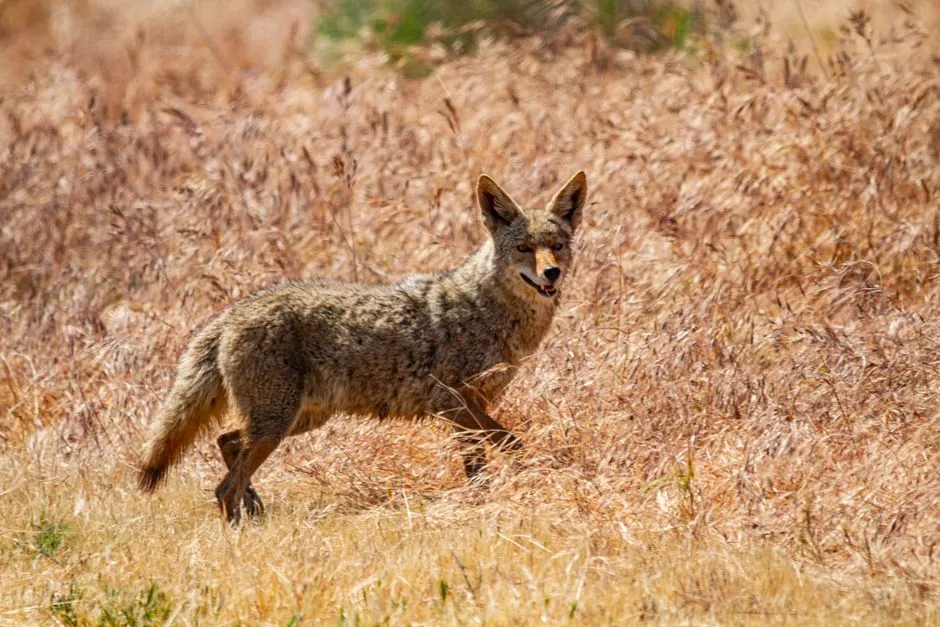
Coyotes are highly adaptable and often move along the unseen edges of human spaces – railroad tracks, drainage corridors, wooded strips behind subdivisions. They’re generally wary of close human contact, but when a yard offers shelter, potential prey, or easy passage between green spaces, it might become part of their regular nighttime route. They prefer yards that are dark, quiet, and not fenced in too tightly.
Most people never realize coyotes are passing through unless a camera catches them or a neighbor mentions a sighting. Once they learn that a yard is predictable and not full of sudden threats, they may come back, especially if there are rodents, outdoor pet food, or unsecured compost available. They are a reminder that even in very suburban or semi-urban places, true wilderness is never as far away as we think.
#13 Insects and Pollinators: The Overlooked Majority
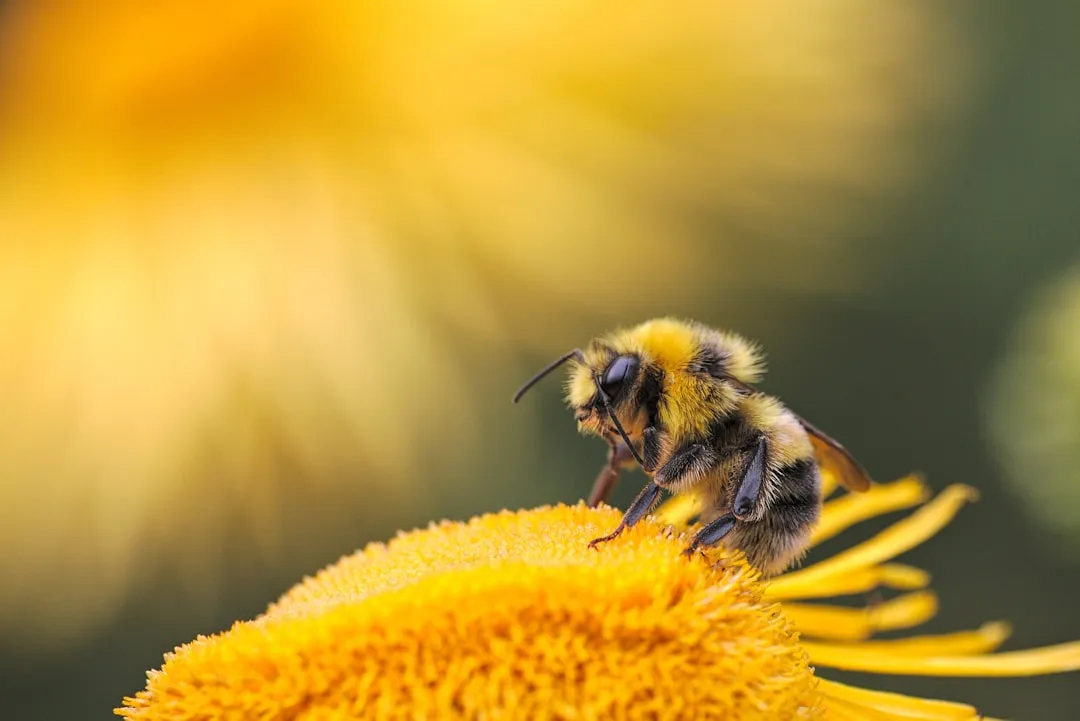
It’s easy to focus on the big, obvious animals and forget that the most frequent visitors to a safe-feeling yard are often the smallest. Bees, butterflies, moths, beetles, and countless other insects are constantly evaluating where to feed, rest, and lay eggs. When a yard offers native plants, chemical-free lawn care, and pockets of undisturbed soil or leaf litter, these tiny visitors quickly mark it as a safe haven and return in staggering numbers.
Pollinators in particular will come back to the same flowers day after day, following reliable sources of nectar and pollen like regulars at a favorite coffee shop. The more consistently safe and welcoming your yard feels – no broad chemical sprays, no constant trimming or disruption – the more it becomes a core part of their life cycle. You might not notice them at first, but once you look closely, it can feel like discovering a hidden city humming just beneath the surface of your grass and garden beds.
Conclusion: A Yard Is Never Really Empty
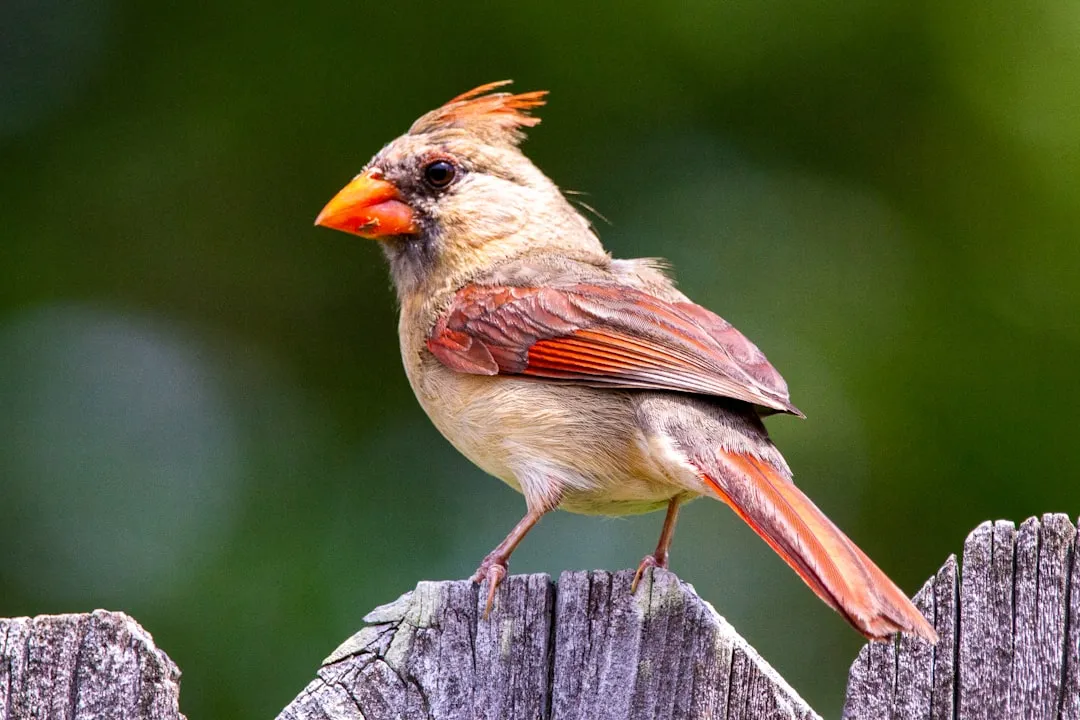
Once you start paying attention, it’s hard to shake the feeling that your yard has a secret life that only begins when you step away. From raccoons and foxes on nighttime patrols to songbirds and pollinators that return with near-clockwork precision, these visitors are constantly assessing one thing above all else: does this place feel safe? When the answer is yes, your yard stops being just “property” and quietly becomes part of a living, breathing network of wild routines.
In my view, the most powerful shift is realizing that we’re not just homeowners or renters – we’re accidental hosts and sometimes clumsy neighbors to an entire cast of creatures. A few simple choices, like reducing harsh chemicals, providing cover, or securing trash, can turn a yard from a threat into a sanctuary. And once that happens, the wild tends to remember and return. The real question is: now that you know who might be out there, what kind of guest experience do you want your yard to offer?
