
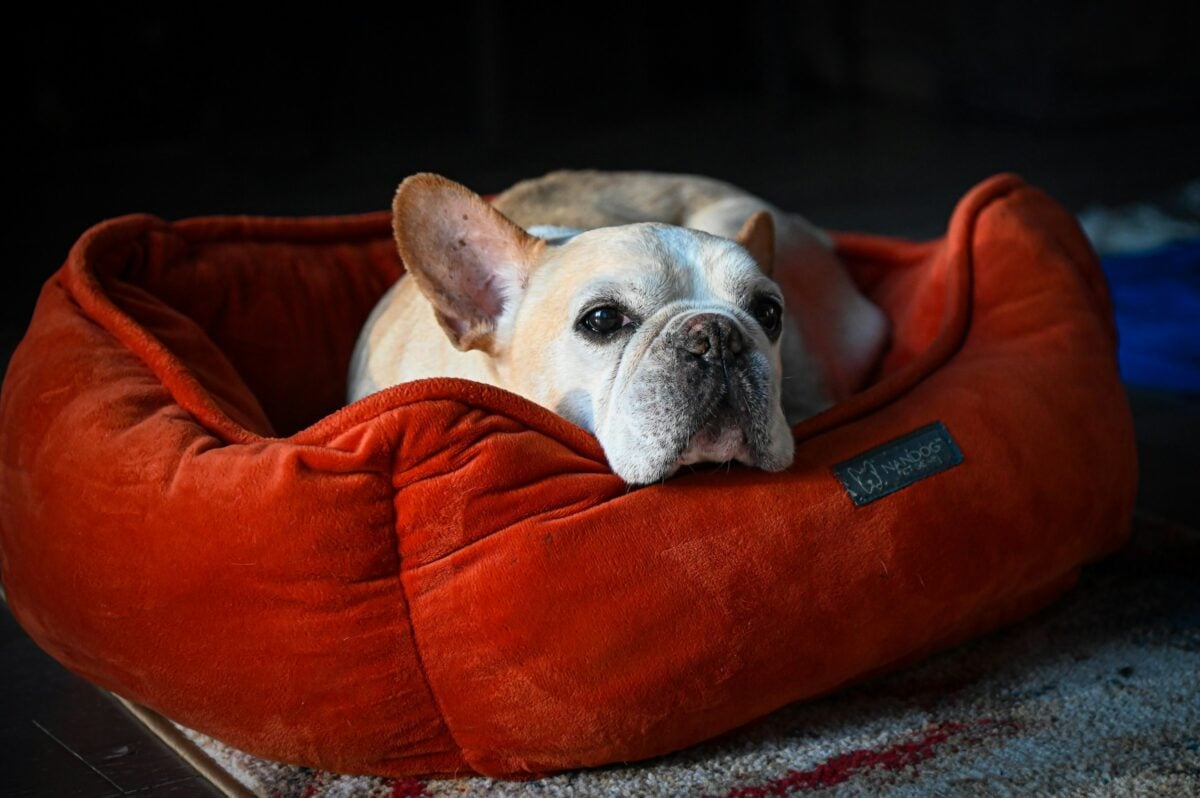
Most people think an aging dog just needs a softer bed and a little extra love. That story sounds nice, but it’s only half true. Underneath the graying muzzle and the slower wag, senior dogs quietly develop needs that are far more specific than “more love.” Miss the real ones, and a dog who used to handle anything can start pacing, hiding, or flinching at things that never used to bother him.
Here’s the part most owners never expect: the things that actually calm an old dog aren’t new toys, fancy beds, or exciting outings. They’re small, almost invisible details – a smell, a sound, a worn-out blanket – that behaviorists and longtime dog owners say quietly hold an aging dog’s whole world together. Some of these will genuinely surprise you.
#1 – Their Old, Beat-Up Bed (Not the Fancy New One)
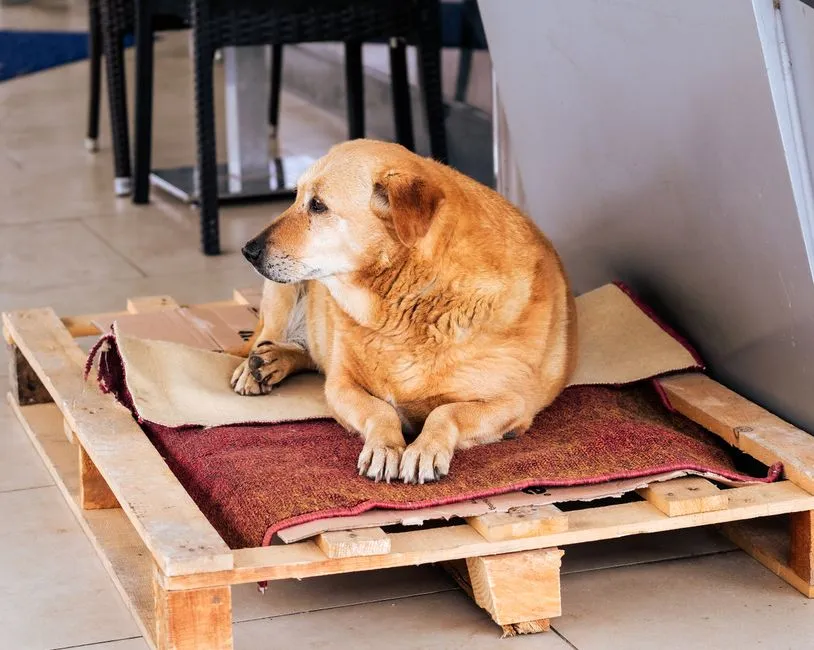
Most people rush out and buy a big, plush “senior dog bed,” sure they’re doing something kind. Meanwhile, their aging dog is quietly obsessed with the old, flattened one still sitting in the corner.
That ratty bed smells like years of naps, your scent, and their own body. To a senior brain that’s losing some of its sharpness, that scent map is a lifeline – it says, “I know this place. I’m safe here.” Swap it overnight for a brand-new, unscented bed, and it can feel like you tossed out their security blanket.
A smarter move is to add comfort instead of erasing it. Slide an orthopedic topper or memory foam pad underneath their familiar cover, or set a new bed right beside the old one and slowly migrate the worn cover onto the new base over a week or two.
You end up upgrading their joints without erasing their history – which, for a dog running on memory and smell, is exactly the point.
Fast Facts
- Old bedding carries familiar scent cues that support memory and a sense of safety.
- Sudden bedding changes can spike stress in dogs already dealing with cognitive decline.
- Layering new padding under an existing cover adds support without erasing scent.
- A full bed swap is easiest on a dog when it’s done gradually, over one to two weeks.
#2 – Your Scent on Everything They Love
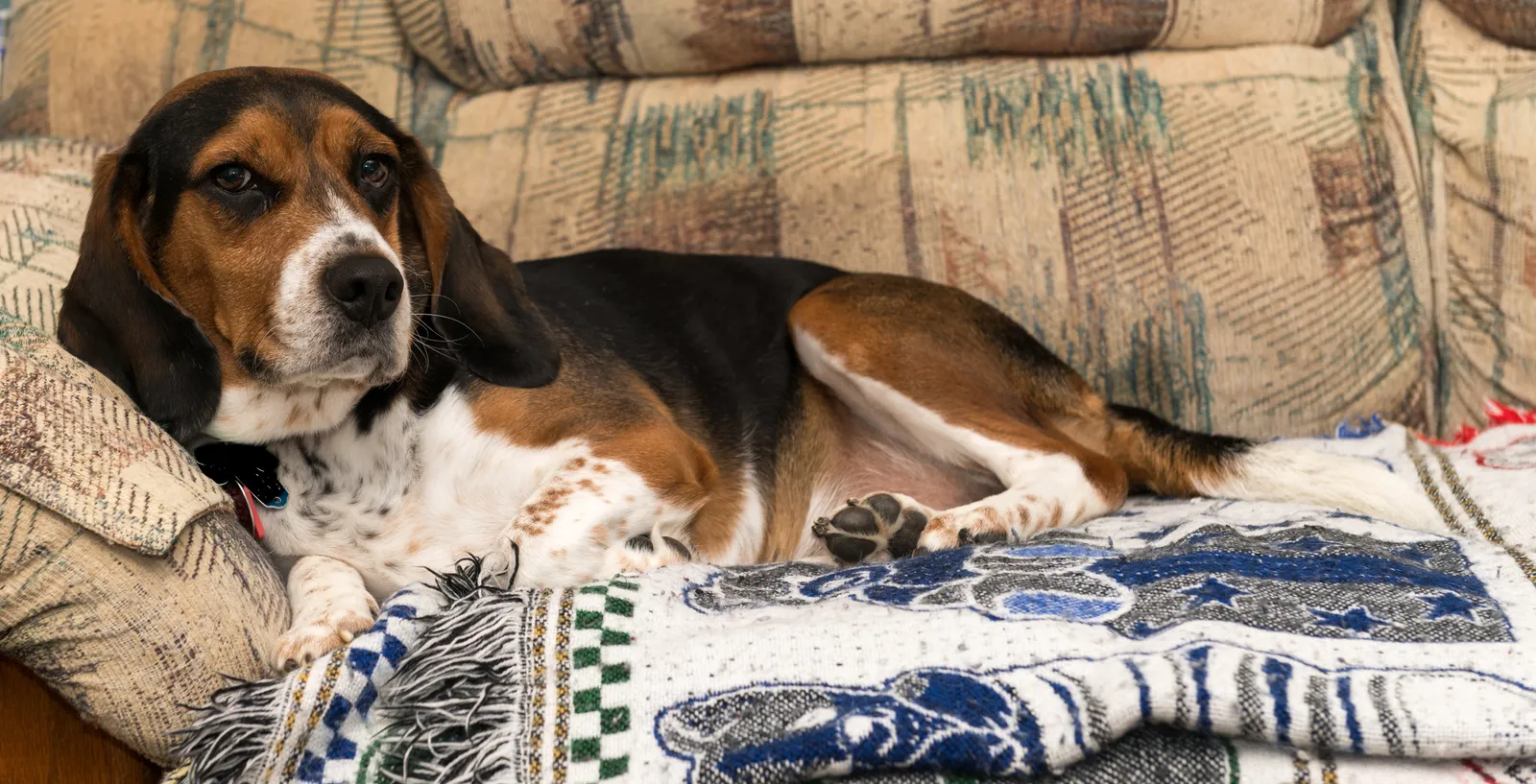
For a senior dog, your smell is basically emotional morphine. Research on canine brain activity shows a dog’s pleasure centers light up simply from sniffing their own person, and that effect only grows stronger as vision and hearing start to fade.
An aging dog will often choose a smelly shirt of yours over the softest, most expensive blanket on the market. It’s not gross to them. It’s grounding, like a hand on their shoulder when the room feels unfamiliar.
You can lean into this in small, easy ways:
- Toss worn (not freshly washed) T-shirts into their bed.
- Line their crate or favorite corner with a blanket you’ve used on the couch.
If they struggle with separation anxiety or sundowning – that restless pacing some dogs get at night – giving them access to your scent near bedtime can visibly cut down on whining. Some owners even tuck an old hoodie into the car or vet carrier, which is basically a quiet way of saying, “I’m here, even when I’m not.”
#3 – The Same Old Walk Route (Yes, Even If You’re Bored)
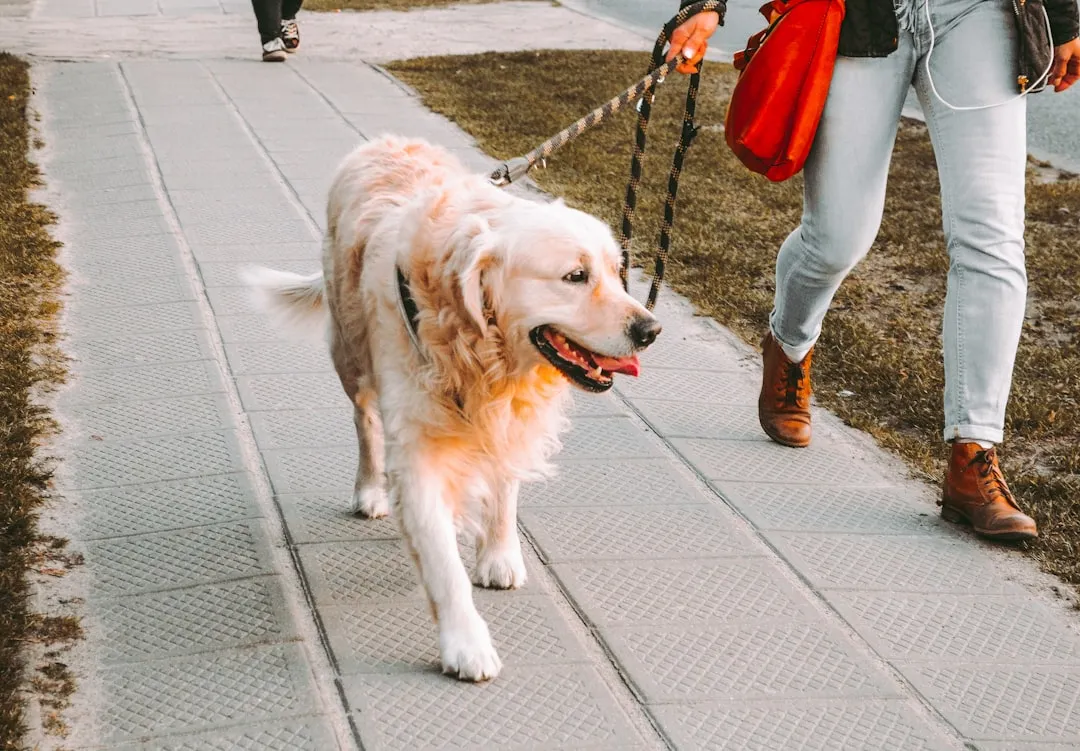
Plenty of owners love “adventure walks” – new trails, new parks, new smells. Older dogs, generally, do not.
Most senior dogs take deep comfort in walking the exact same predictable loop, day after day. Familiar sidewalks, familiar smells, familiar fire hydrants – this routine cuts down on anxiety because there’s nothing new for an aging brain to process and worry about.
You might notice your dog slowing down, sniffing longer at certain spots, or flatly refusing to go a new direction. That’s not stubbornness. That’s a dog clinging to a map they can still read.
There’s zero shame in “boring” walks if your dog comes home relaxed instead of frazzled. You can still change things up in tiny, low-stakes ways:
- Shorter loops during bad weather.
- Letting them choose the pace and the stopping points.
The comfort here was never about distance or novelty. It’s about predictability, and about letting them feel like they’re still in control of something.
#4 – Predictable Feeding Rituals (Not Just the Food)

Everyone obsesses over finding the “best senior kibble,” but your old dog is just as attached to the ritual built around that bowl. The sound of the scoop, the clink of kibble hitting metal, the exact spot where the bowl always sits – these repeated cues help their brain and body sync up before they’ve even taken a bite.
For many senior dogs, a sudden change in feeding time or location triggers more stress than a change in brand ever would. That predictability is doing real emotional work.
You can use this to your advantage. Feed at the same times every day, keep the bowl in the same location, and if you need to switch foods for health reasons, mix the new into the old gradually while keeping every other part of the ritual identical – same tone of voice, same mat under the bowl, same water dish nearby.
To an aging dog, routine is more comforting than variety. For picky or nauseous seniors, simply protecting that ritual is often what keeps them eating at all.
#5 – Quiet, Dim Evenings Instead of Constant Background Noise
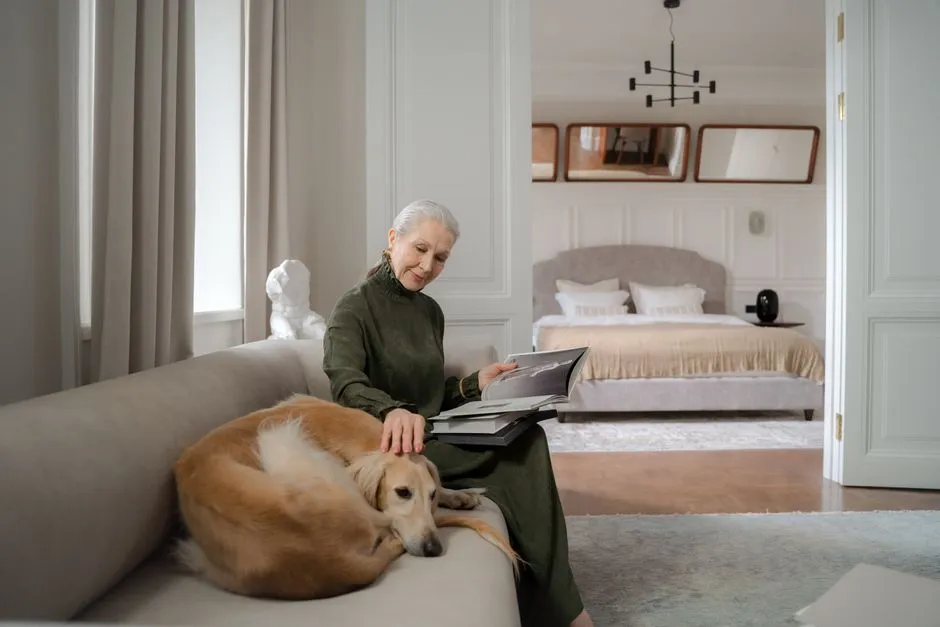
Plenty of households keep a TV, music, or podcast running nonstop, assuming their dog enjoys the “company.” As dogs age, though, that wall of sound can turn into a slow drain on their nervous system.
Hearing tends to decline unevenly, so some frequencies go muffled while others suddenly feel harsh or startling. What used to be harmless background noise can quietly become a stressor for an old dog’s brain.
You’ll usually see the truth in their behavior before you hear it in any explanation – they leave the loud room, look for dark corners, or flinch harder at sudden sounds. Creating a real “evening wind-down” helps:
- Lower the TV volume after dinner.
- Turn off bright overhead lights and switch to lamps.
- Give them a quiet room with a familiar bed if guests are over.
Behaviorists sometimes call this giving a dog “sensory off-ramps,” and it lets an aging brain genuinely rest instead of just enduring the evening. A little white noise or soft, steady music can still help some dogs settle – but chaos-level noise rarely does.
#6 – Gentle Touch in the Same Old Spots
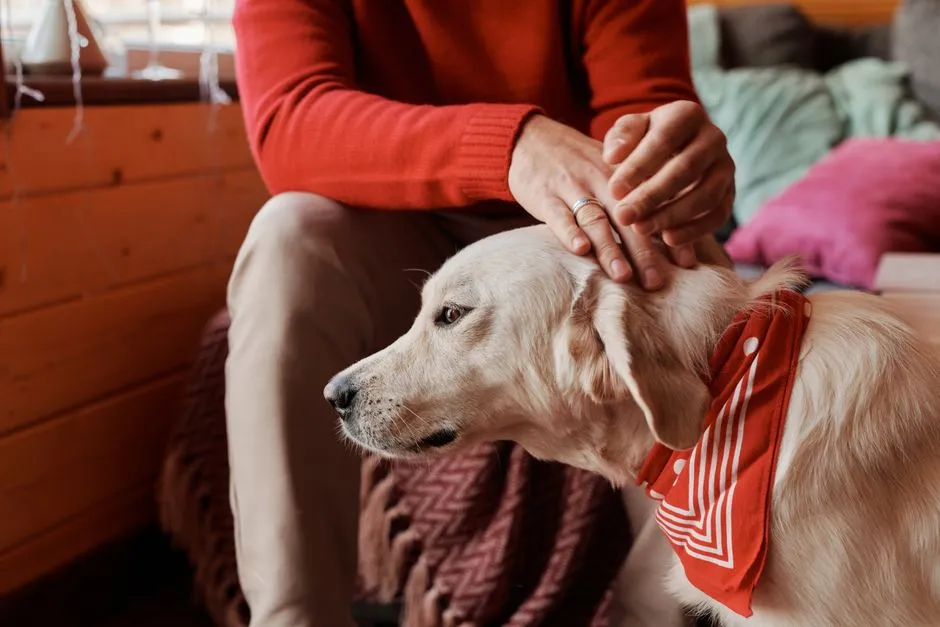
Puppies love wild, full-body snuggles. Senior dogs, not so much – arthritic joints, sensitive hips, and sore backs can turn random petting into something that actually hurts.
What they cling to instead are the same, predictable touch spots you’ve used for years: under the chin, behind the ears, along the chest. These become safe “buttons” they already know won’t cause pain.
Watch how your dog responds. If you scratch behind the ear and they melt into you, that’s a green light. If you reach toward the hind legs and they tense, flinch, or lick their lips, that’s a clear red one. Most older dogs adore slow ear rubs, gentle chest massages, and soft brushing kept to limited, familiar areas.
It’s less about the quantity of cuddles and more about predictable, pain-free connection. Honor those patterns, and you quietly become their favorite place on earth to land.
Quick Compare
- Usually safe: chin, ears, chest, and shoulders.
- Approach with caution: hips, lower back, hind legs, and paws.
- Green light sign: leaning in, relaxed body, soft eyes.
- Red light sign: tensing up, flinching, or lip licking.
#7 – Their “Spot” in the House, Even If It’s Inconvenient for You
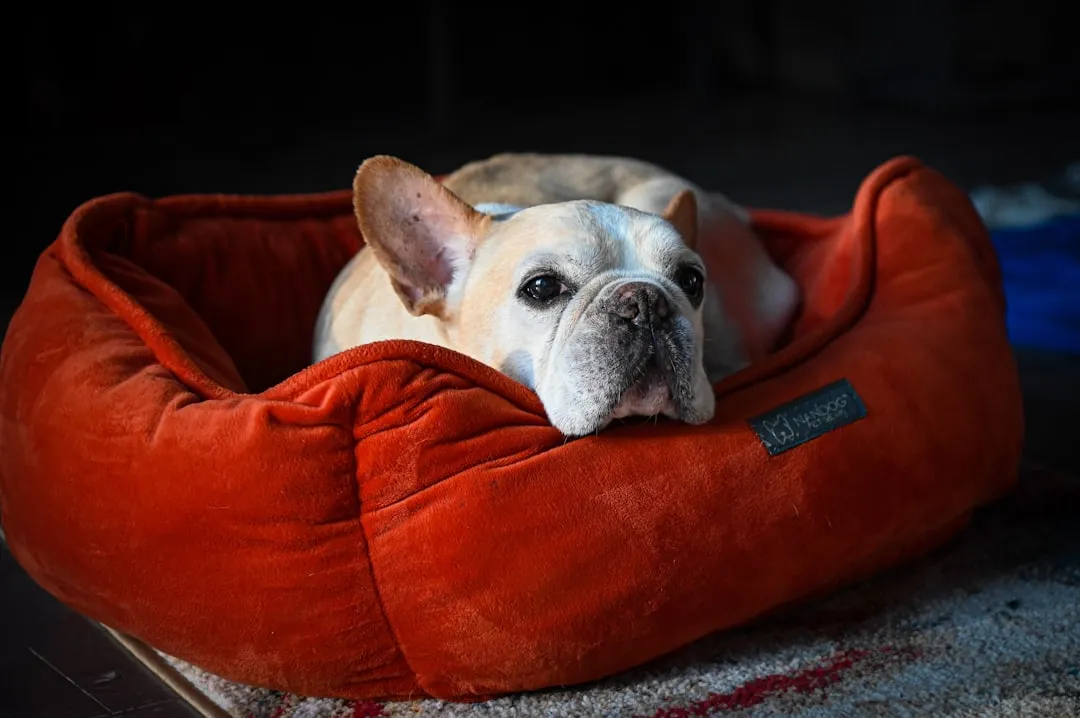
Every dog has that one square of floor they claim as theirs – beside your bed, by the back door, under the coffee table. With age, that spot often becomes something closer to sacred.
It’s their personal control center, the one place they can see, smell, and hear the world just enough without feeling overwhelmed by it. Moving their bed or blocking that spot “for décor” can genuinely rattle a senior dog.
If your dog always parks herself in the hallway or the middle of the kitchen, that’s not random. She’s chosen a vantage point that balances access to you, the ability to monitor the house, and a quick escape route if something feels off.
For seniors whose senses are already fading, relocating them to a quiet room they never use can feel like exile. The kinder move is to adapt around their chosen spot – slip a thin bed there, add a non-slip rug, tuck a blanket into that exact corner – and let them keep their little kingdom.
#8 – Old Toys and Smelly Blankets Over Brand-New Stuff
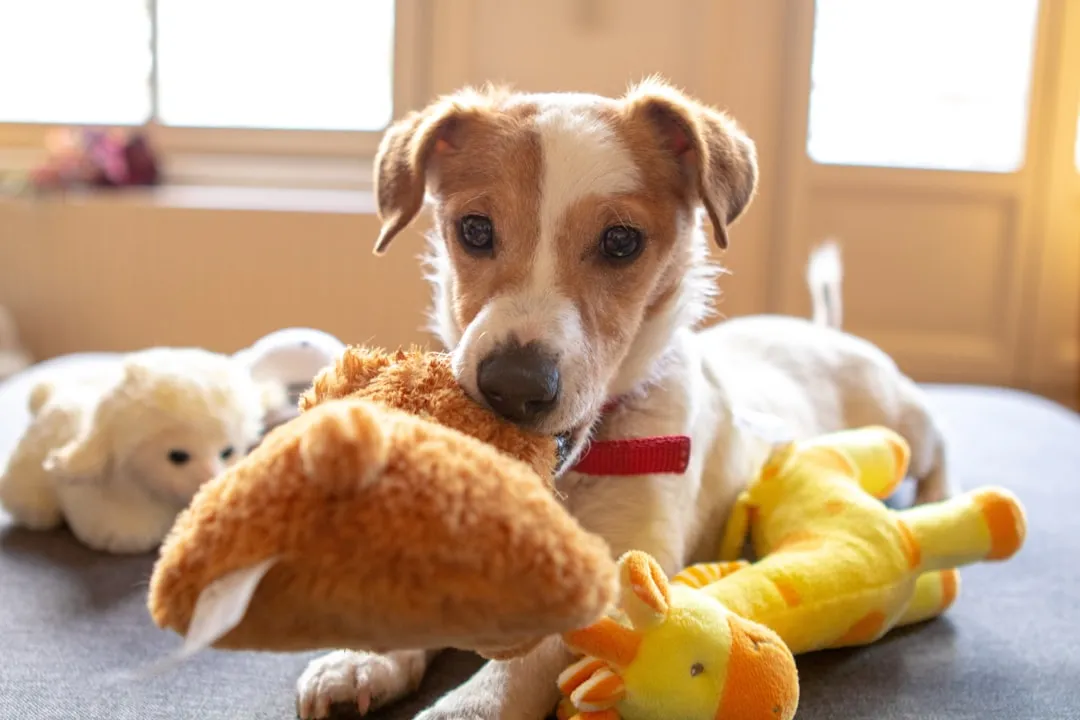
We love buying fresh toys and spotless new blankets, but senior dogs often just ignore them. They’re not being ungrateful. They’re being loyal to history.
That ripped plush toy or grimy tug rope carries years of their saliva, your scent, and textures they already trust. In their world, it’s a scrapbook, not garbage.
You do still need to toss truly dangerous items – stuffing falling out, strings they could swallow – but try to preserve the essence where you can. Mend rather than replace when possible, save a scrap of fabric from an old blanket and sew it into a new one, and rotate in new toys slowly while keeping one or two “classics” always available.
For dogs whose play drive is fading, these familiar objects can still trigger soft, contented behaviors – gentle mouthing, cuddling the toy, falling asleep with it tucked under one paw. A brand-new toy, no matter how impressive, rarely delivers that same depth of comfort.
#9 – Slow, Scent-Heavy “Sniff Walks” Instead of Exercise Goals
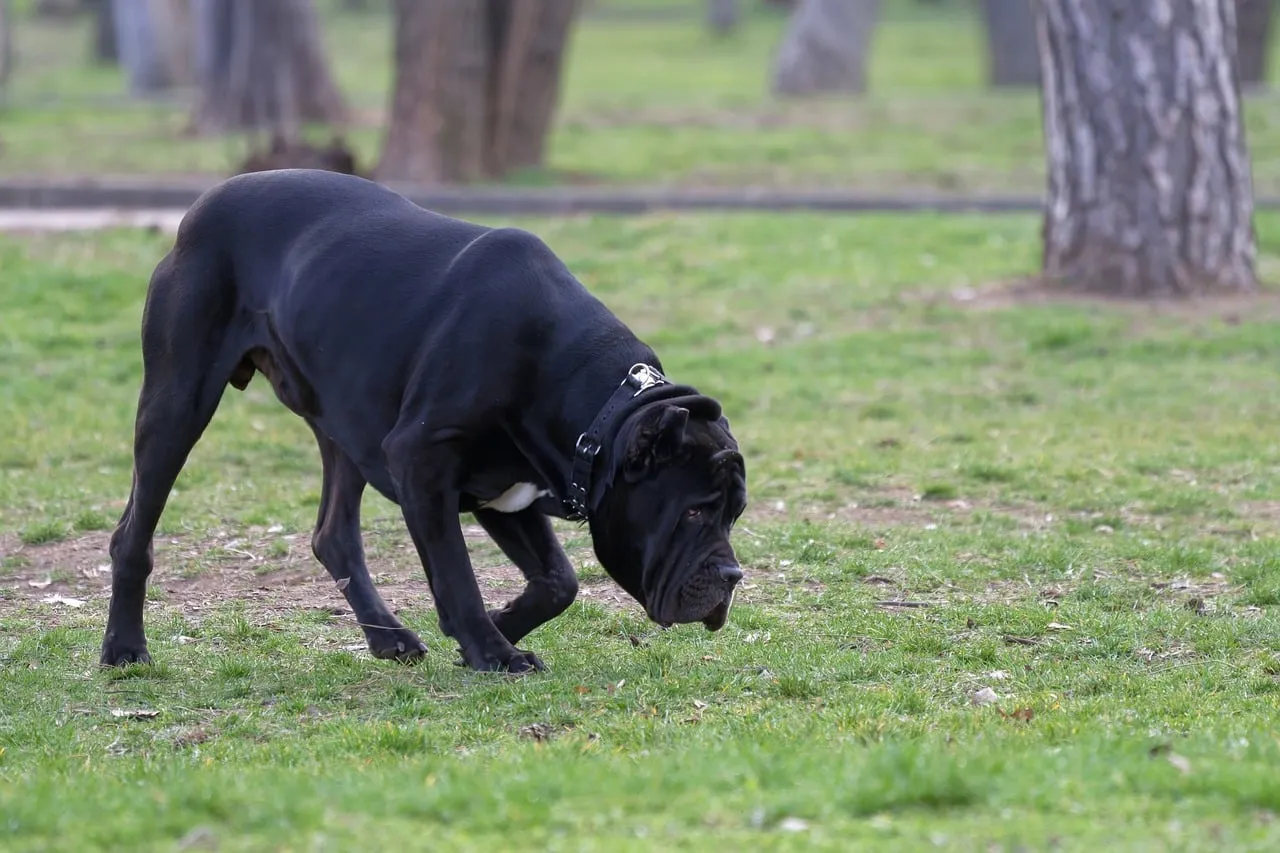
A lot of owners still judge a walk by distance and speed, especially if they used to run or hike with their dog. But older dogs usually get far more comfort from short, slow, sniff-filled outings than from anything resembling “good exercise.”
Smell is the last sense to fade, and it’s the one most tightly wired to a dog’s emotional world. Letting them spend two full minutes on one bush isn’t wasted time – it’s them reading the neighborhood newspaper, learning who came by, when, and how they felt.
This kind of olfactory enrichment tires them out mentally in a genuinely satisfying way, lets arthritic dogs move at their own gentle pace, and reduces frustration for dogs who’ve already lost some vision or hearing.
You might cover half the ground you used to, and your dog will still come home more relaxed than after a brisk walk. Aging dogs don’t need marathons; they need meaning – and meaning, for a dog, lives in smell.
Why It Stands Out
- Engages the sense that fades last, keeping an aging brain genuinely active.
- Needs no speed or stamina, easing pressure on arthritic joints.
- Delivers real mental tiredness without physical strain.
- Reduces frustration tied to fading vision or hearing.
#10 – Simple, Repeated Words They’ve Known for Years
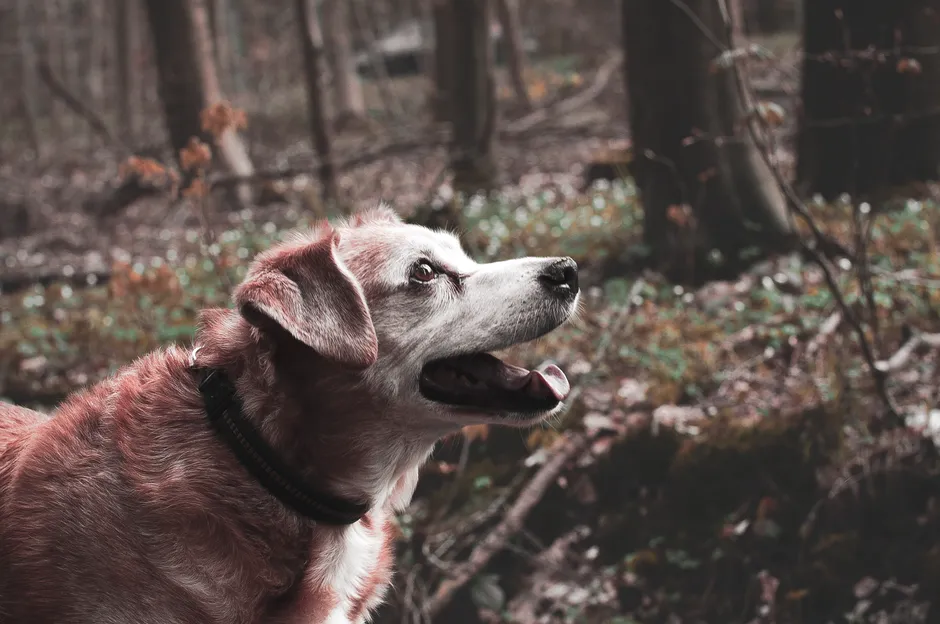
With age, some dogs start struggling to process quick, complex speech, especially in noisy homes. What still cuts through the fuzz are the same simple words and phrases you’ve used for years, said in that same familiar tone.
“Outside?” “Dinner?” “Good girl.” These aren’t just commands anymore. They’re emotional anchors.
Instead of inventing cute new nicknames every few months, lean into the old ones your dog clearly still recognizes. Keep cues short and consistent – the same word for going out to potty, the same phrase before bedtime, the same call for coming to you.
You may notice that even as their hearing fades, they still react to an old word said in a certain melody, because they’re picking up rhythm and emotional tone as much as actual sound. Familiar language is one of the last threads connecting an aging brain to the life it still knows.
#11 – A Stable Daily Rhythm (Not a Packed “Enrichment” Schedule)
There’s a lot of pressure now to keep dogs constantly stimulated – puzzle toys, daycare, new adventures every weekend. For many seniors, that trend is quietly working against them.
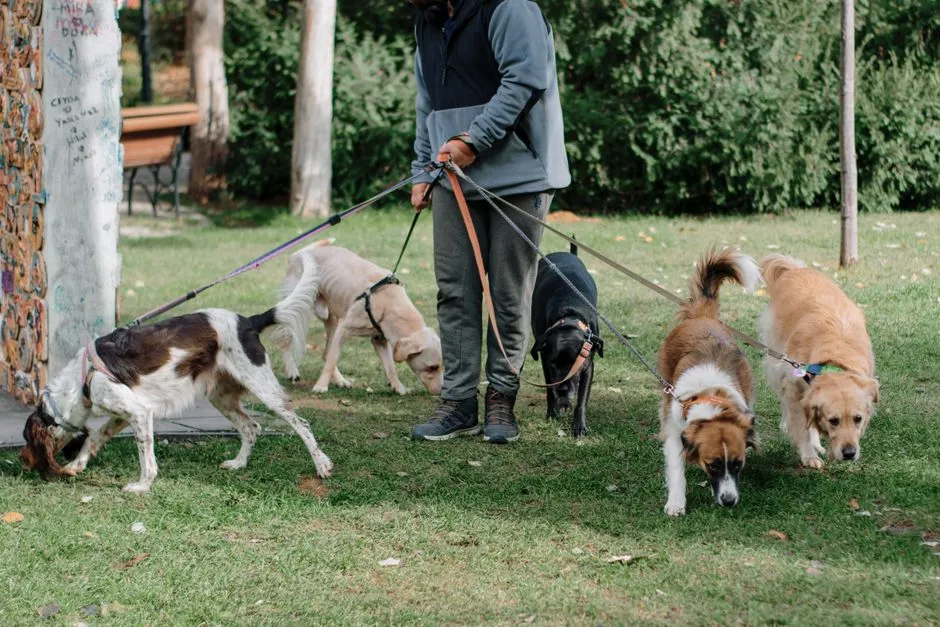
An aging nervous system usually craves rhythm, not randomness. Waking, eating, walking, and sleeping at roughly the same times each day gives their body a clock it can actually still trust.
You don’t need a military schedule, but broad anchors help enormously: morning potty and food, a midday rest, an afternoon walk, and a predictable bedtime routine. When every day feels like a new agenda, older dogs can turn clingy, restless, or withdrawn – and that’s not boredom, that’s burnout.
A stable rhythm actually builds their confidence, because they can anticipate what’s coming next. You can still sprinkle in special things like car rides or visitors, just let the core of the day stay familiar. That quiet predictability is wildly underrated comfort.
#12 – Being Allowed to Move Slower and Opt Out
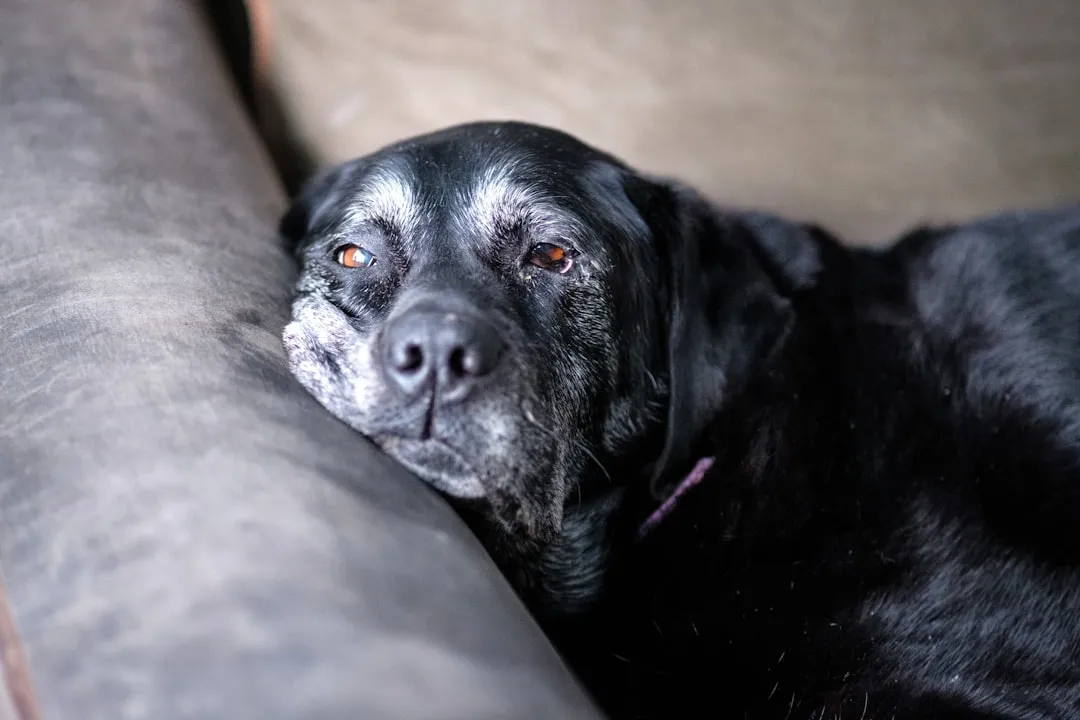
Here’s the hard truth most people avoid: one of the deepest comforts you can offer an aging dog is permission to stop keeping up. They feel it in their joints and lungs long before we’re ready to admit it.
Forcing them to fetch like they used to, or join every family hike, can turn a beloved tradition into private misery they endure just to please you.
Real love looks smaller than that. It looks like letting them stay home when the trail is rough or the weather is harsh, shortening games before they push past their limit, and accepting that they might choose the couch over the yard party without taking it personally.
When you honor those choices, you’re telling them something huge: “You don’t have to perform to be wanted.” Senior dogs are most at peace when they’re allowed to age, not pressured to pretend they’re still two years old.
At a Glance
- Hesitating before jumping into the car like they used to.
- Trailing behind instead of leading on familiar walks.
- Choosing the couch over play they once loved.
- Taking longer to rise after lying down.
#13 – Simply Being Near You, Doing Absolutely Nothing

At the end of the day, every senior dog’s quiet obsession is proximity – nothing more. Not activities, not treats, just you, within reach.
Many older dogs stop caring about toys entirely but will still follow you from room to room like a slow, furry satellite. They don’t need conversation. They just need your presence as their background music.
This can look heartbreakingly small: a head resting on your foot while you’re on your laptop, a body stretched out on the bathroom mat while you brush your teeth, a deeper sleep the moment you sit down on the couch beside them.
We underestimate how much security dogs pull from those ordinary moments. As their senses fade and their bodies ache, your presence becomes their last, strongest constant. If you do nothing else on this list, give them more of your uneventful time – to a senior dog, that’s the richest comfort there is.
The Bottom Line
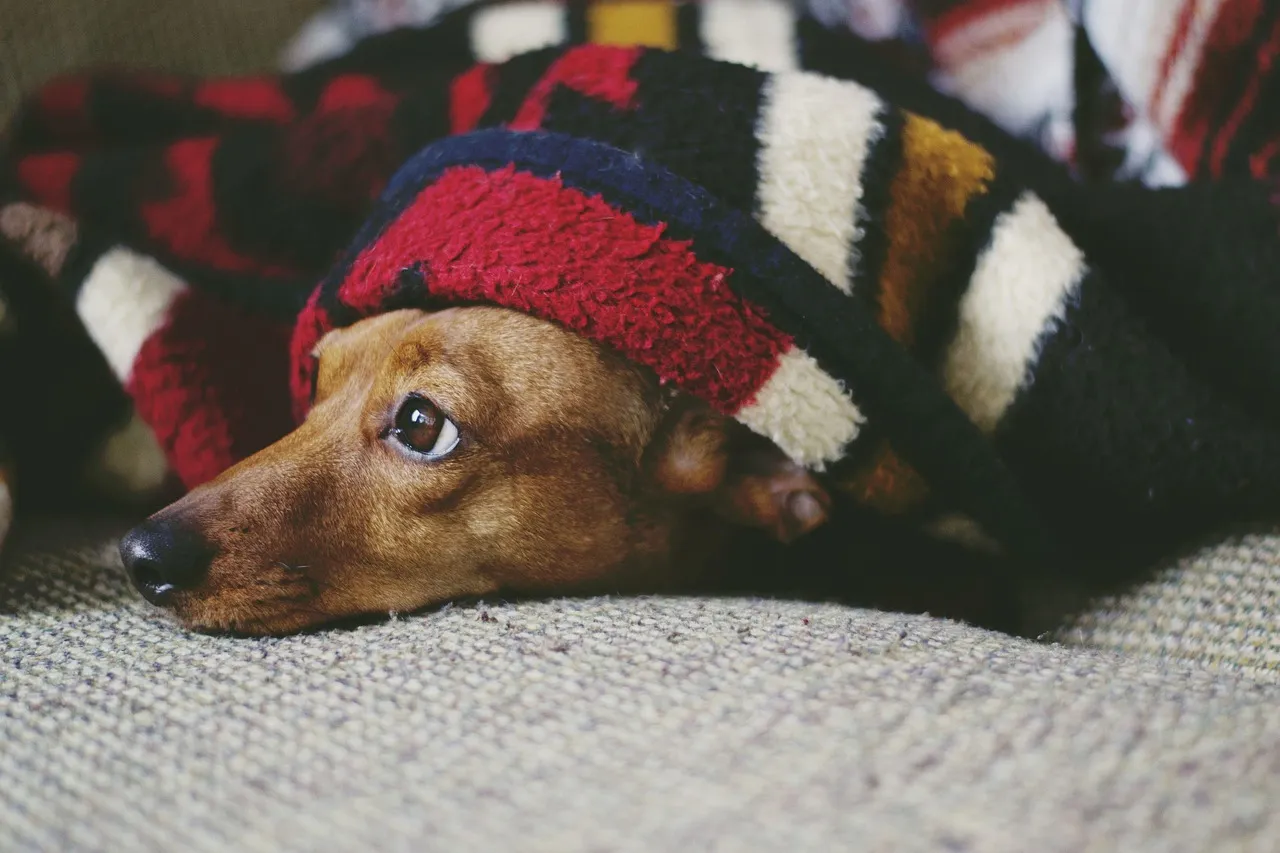
Aging dogs don’t actually want grand gestures. They want their world to stay legible. The bed that smells like them, the route they know by heart, the phrase you’ve said the exact same way for ten years – these “boring” details are what hold their universe together while everything else starts to blur.
Here’s the uncomfortable part: a lot of what we do “for” old dogs – fresh décor, louder TV, constant novelty – is really for us, not them. Deep, quiet comfort lives in familiarity, choice, and your calm, consistent presence, not in anything you can buy.
If you live with a senior dog right now, take an honest look at your routine. Which of these comforts are you already giving without realizing it – and which one, however small, might you be quietly taking away?
