
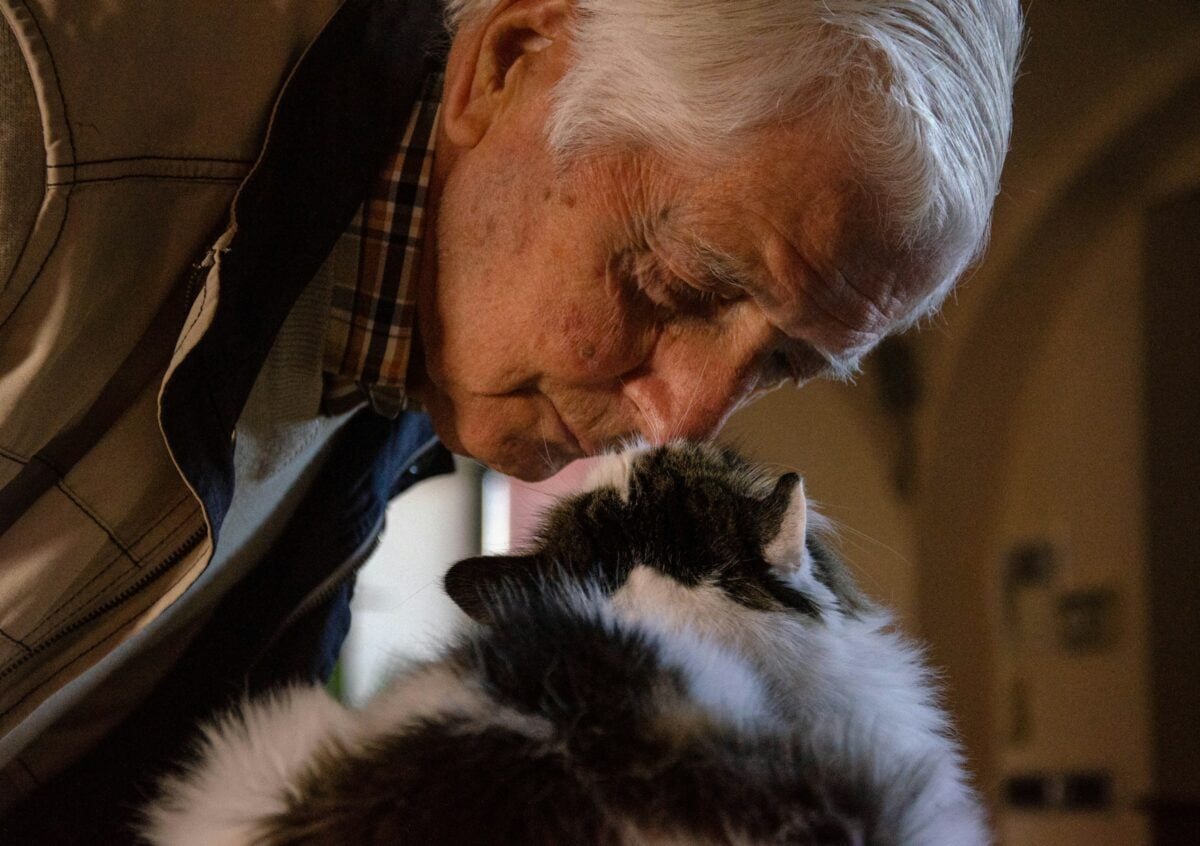
Most people assume an old cat is just slowing down – sleeping more, moving less, fading quietly into the background of the house. That’s the story everyone tells themselves. It’s also not the whole truth.
Behaviorists and longtime cat owners describe something quieter and far more deliberate happening underneath all that extra sleep: many senior cats start choosing, on purpose, exactly where – and with whom – they want to spend whatever time they have left. It doesn’t look like the movies. It looks like a chair they suddenly claim, a doorway they wait in, a gaze that lingers a beat too long. Miss it, and you might think your cat is just being ‘clingy’ or ‘weird’ in old age. Catch it, and you’ll never see your cat’s last chapter the same way again.
#1 – They Suddenly Choose Your Spot Every Single Time
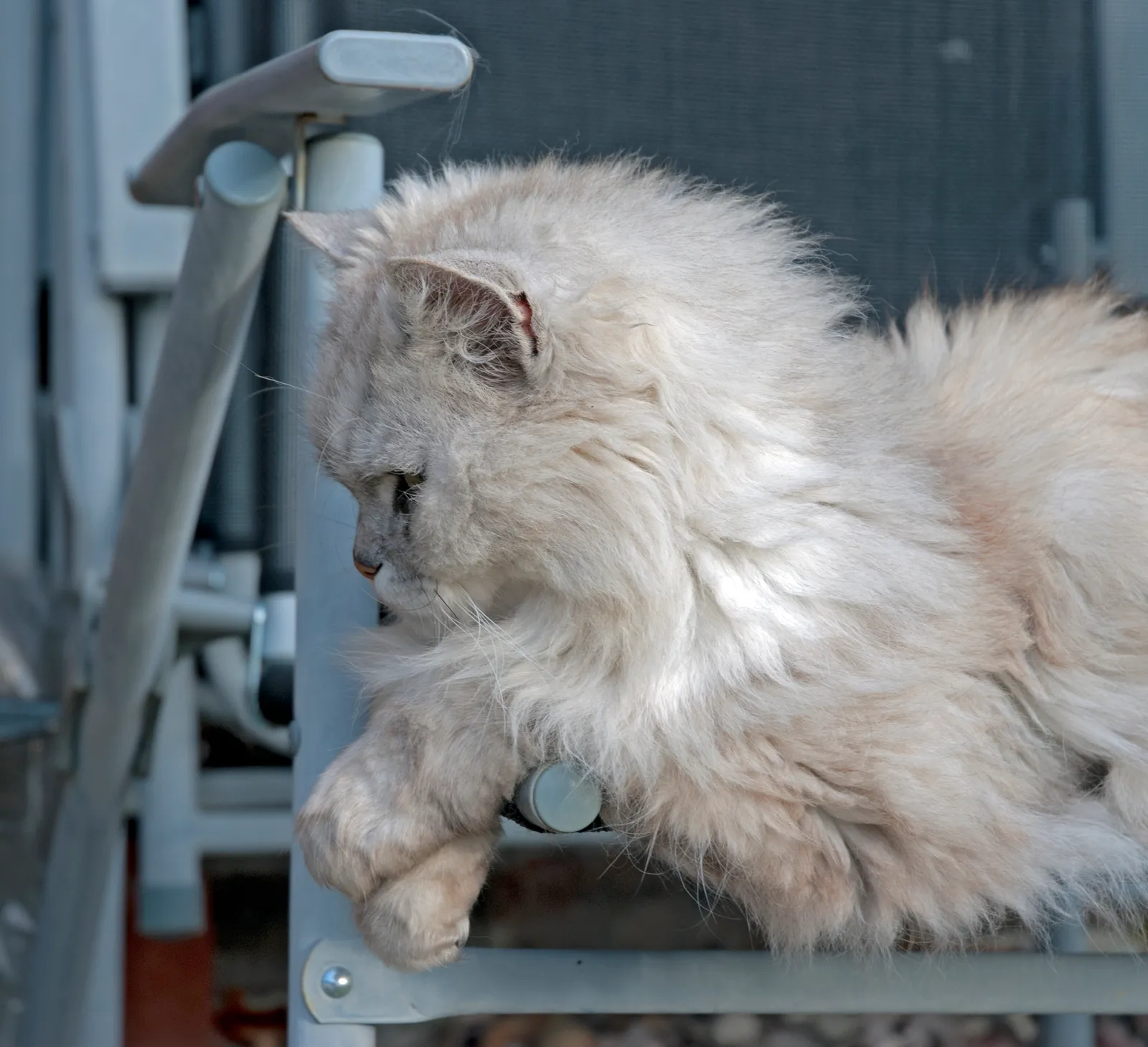
When an old cat starts claiming your exact spot – your chair, your pillow, the corner of the couch that’s always yours – it’s rarely a coincidence. Senior cats crave safety and predictability above almost everything else, and at this stage of life, your scent has become their main safety signal.
You’ll often notice this right after a health scare, a rough vet visit, or a bad night. Instead of spreading their naps around the house like they used to, they anchor themselves in your territory. Some owners read this as demanding or needy. It isn’t. It’s trust in its purest, quietest form.
Fast Facts
- A cat’s sense of smell is roughly 14 times stronger than a human’s, thanks to more than 200 million scent receptors packed into their nose.
- Cats carry personal scent glands on their cheeks, paw pads, lips, forehead, flanks, and tail – which is exactly how they “claim” a favorite chair.
- As hearing and eyesight naturally dull with age, smell often becomes an older cat’s single most trusted way to keep track of you.
#2 – The ‘Shadow Cat’ Phase: Following You Room to Room
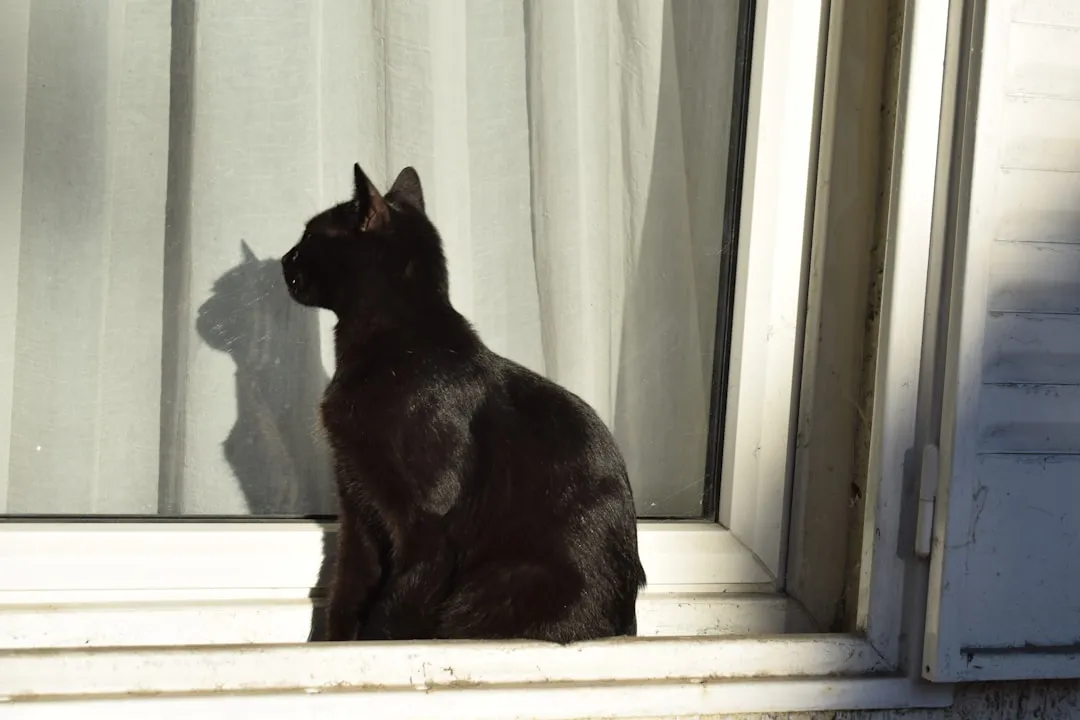
Some people joke that their old cat has turned into a furry shadow. Behaviorists don’t see it as a joke at all. When a once-independent cat starts quietly trailing you from room to room, it’s often a sign they’ve chosen you as their final safe place.
This isn’t chaotic like kitten-following. There’s no bouncing, no chasing. You stand up, they stand up. You go to the bathroom, they curl outside the door. You sit at your desk, they flatten themselves underneath like a tiny bodyguard. Vets sometimes call this a cat’s version of advance planning: wherever you go, they go.
#3 – Nighttime Checks: They Wake Just to See Where You Are
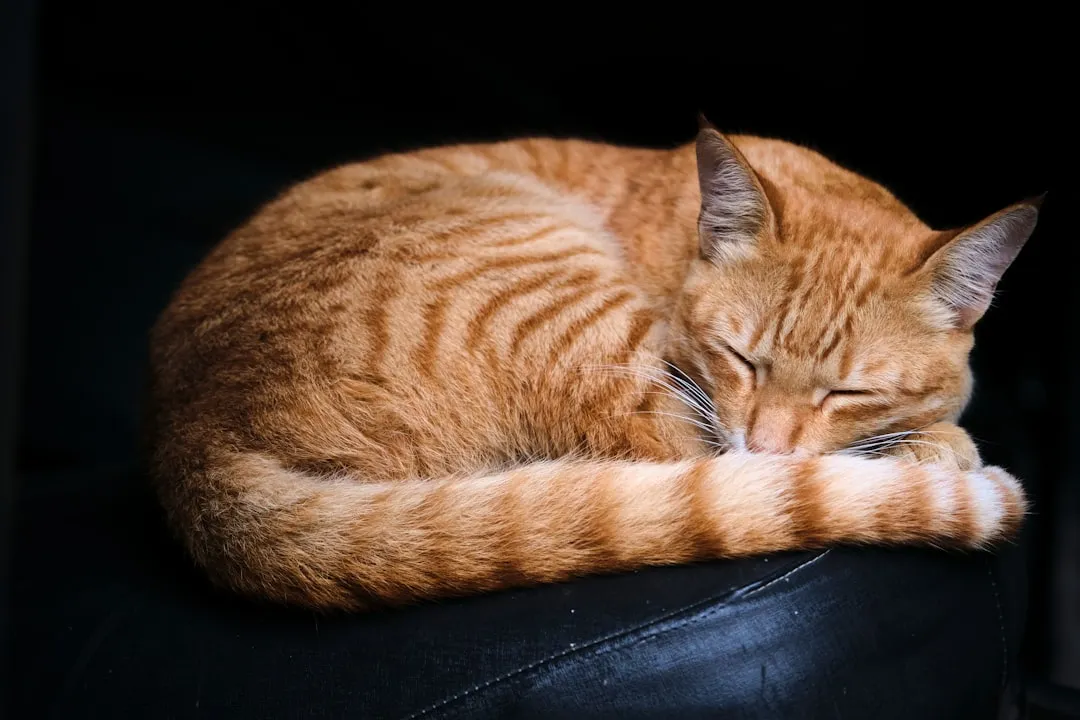
Most people assume a cat that wakes at night is confused, or maybe dealing with cognitive decline. Sometimes that’s true. But there’s another pattern owners rarely talk about – the nighttime welfare check.
Aging cats will wake, pad through the dark house, and simply confirm you’re still there. You might notice them gently jumping onto the bed, sniffing your face, then settling back down. Or meowing once from the doorway, waiting a beat for a response, then leaving satisfied. If they follow this with curling tightly against your legs or chest, that’s not just warmth-seeking. That’s your cat quietly insisting, if anything happens tonight, I want you right here.
#4 – They Trade High Perches for Low, Close-By Spots
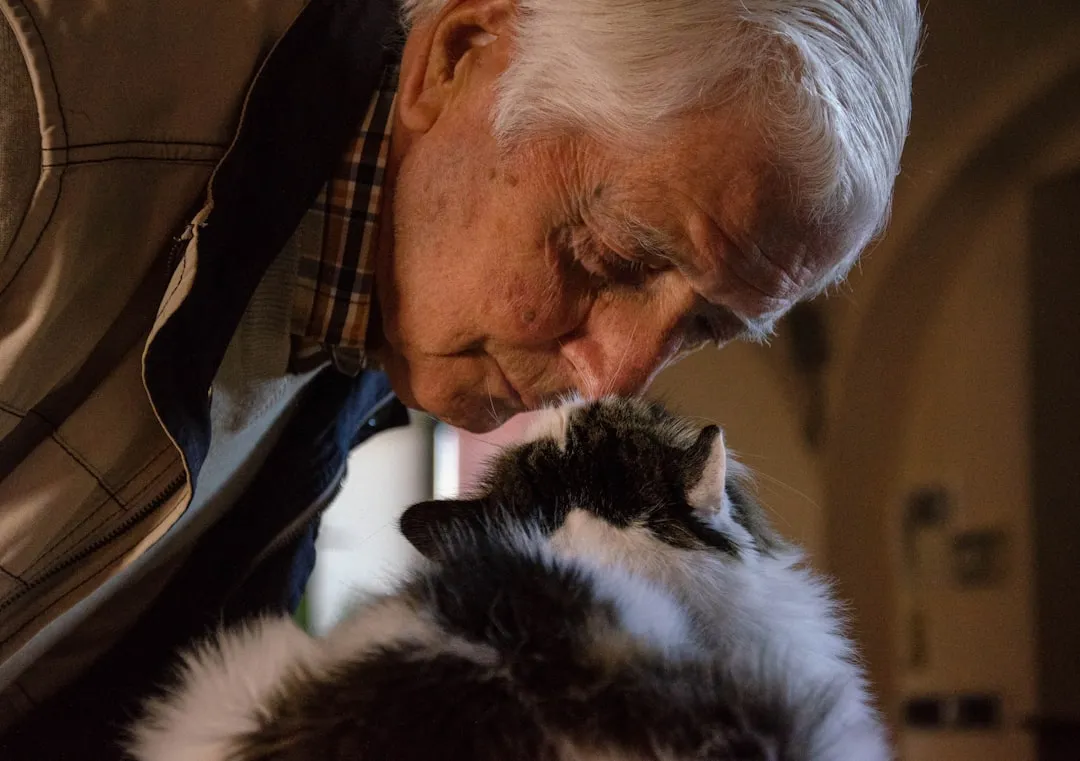
Cats love height – until their joints, balance, or confidence start slipping. One of the clearest signs of aging is when they abandon the refrigerator top, the tall cat tree, the window ledge. What matters more is what they choose instead.
Many senior cats quietly give up their old thrones for low, reachable spots within arm’s reach of their person – the foot of your bed instead of the top shelf, a floor cushion by your desk instead of the windowsill. This isn’t laziness. It’s strategy. When a cat trades the high ground it once ruled for low ground near you, it’s swapping dominance for connection, and that shift matters more than most owners realize.
Worth Knowing
- Up to 90 percent of cats over age 12 show radiographic signs of arthritis, even when they never limp or cry out.
- Cats instinctively mask pain as a survival trait, so a slower, lower lifestyle often gets mistaken for simple old age instead of a treatable joint issue.
- Small home tweaks – pet stairs, low-entry litter boxes, heated beds, and non-slip mats – can make it far easier and safer for a stiff senior cat to stay close to you.
#5 – A New Kind of Eye Contact: Long, Heavy, and Intentional
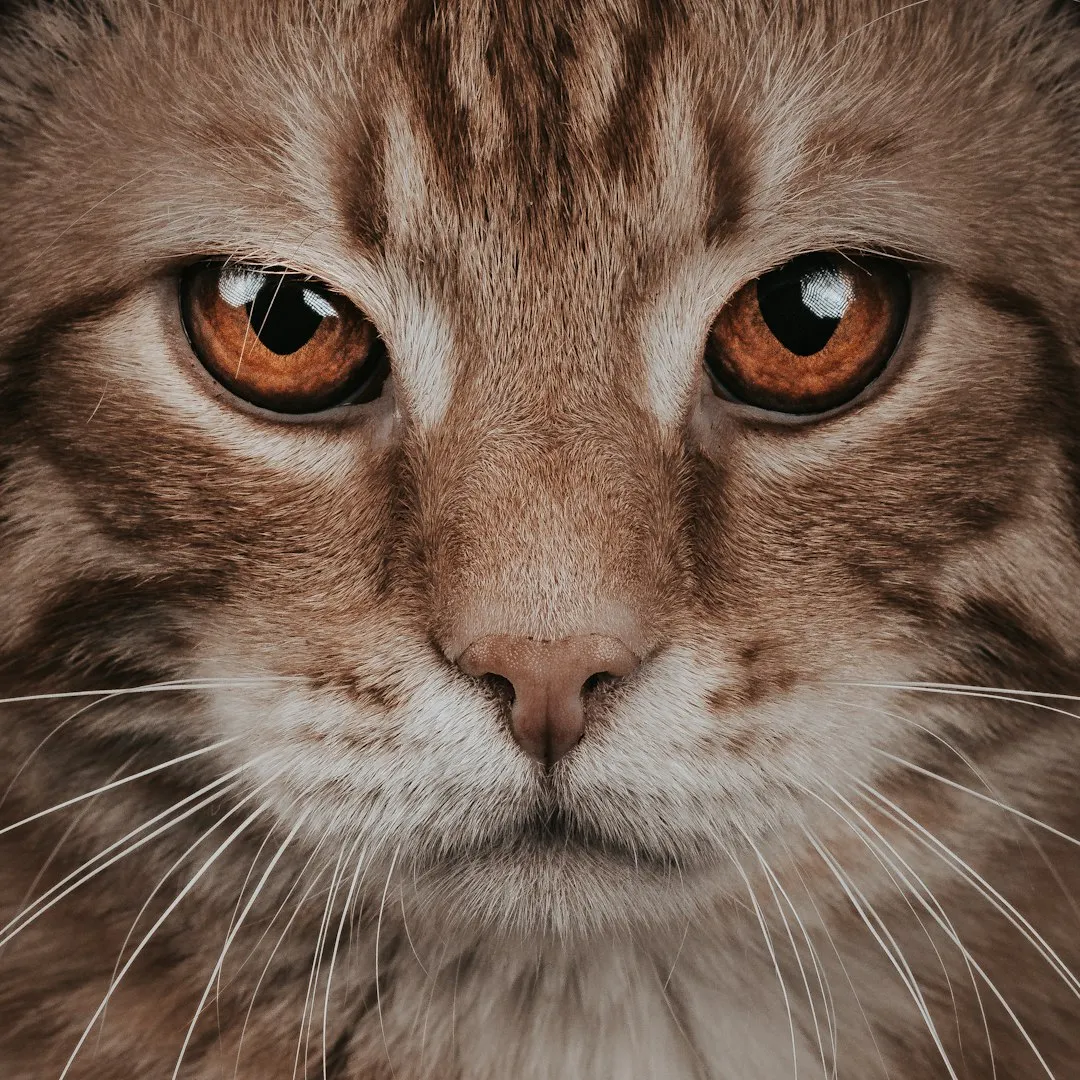
Everyone talks about slow blinks, but aging cats often develop something deeper – a searching, almost heavy gaze aimed only at the person they’ve bonded to. Owners describe it as feeling like their cat is trying to tell them something. They usually are.
Sustained, relaxed eye contact in a senior cat is typically a sign of profound trust, not challenge. Their body stays loose, paws tucked, tail still, eyes soft, while they simply look at you for long stretches. It’s why so many people say their old cat seems ‘more human’ near the end – really, they’re just dropping the last of their old defenses and letting themselves be fully seen.
#6 – Touch Tolerance Changes: The ‘You Can Pet Me Anywhere Now’ Shift
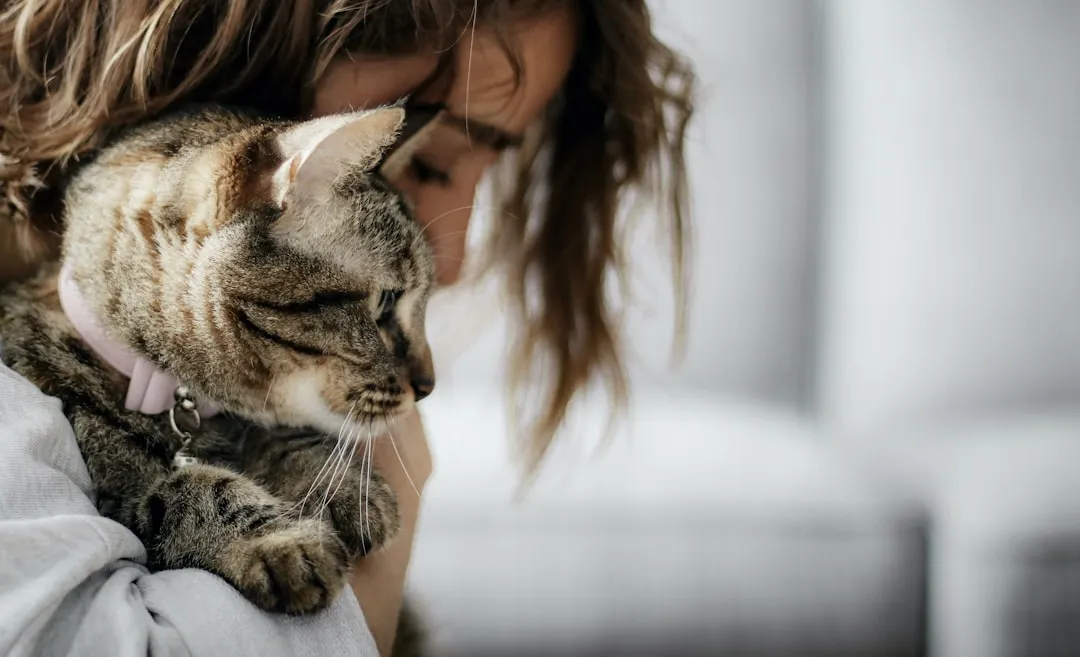
If your cat used to be particular – no belly, no paws, no long cuddles – and suddenly tolerates or even craves more contact, pay attention. As cats age, physical sensitivity can rise, but their emotional tolerance for trusted touch often rises right along with it.
Formerly skittish cats start pressing their face into your hand. Cats that never once cuddled now seek full-body contact on your lap. This isn’t permission to handle them however you please – it’s the opposite. It’s a sign your presence is such a powerful comfort that they’re willing to soften boundaries they guarded their entire lives.
#7 – They Build Their Whole Day Around You, Not the Food Bowl
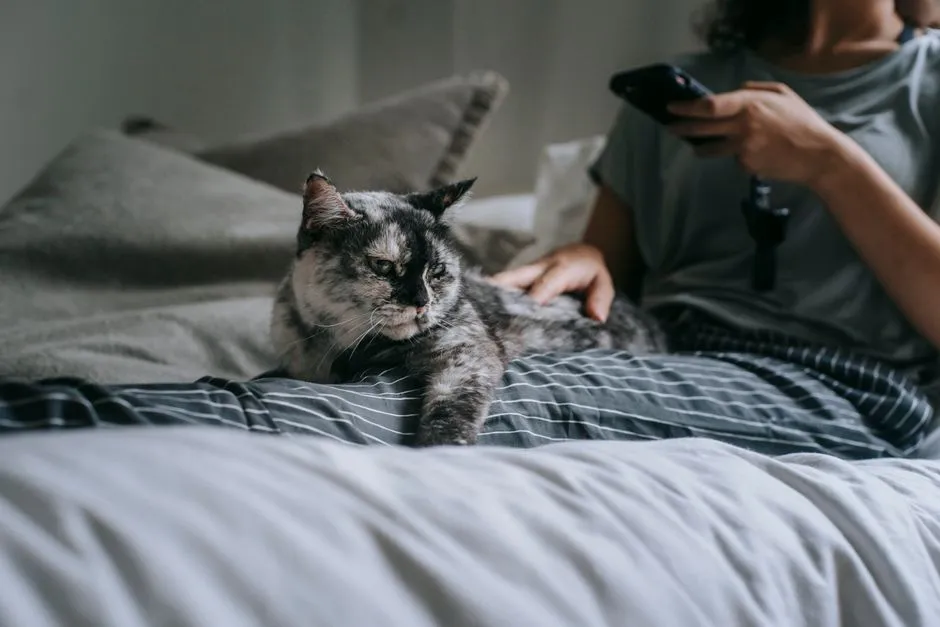
For years you probably thought your cat was purely food-motivated. Breakfast time, they appear. Treat bag rustles, they materialize from nowhere. With age, something shifts – they start caring less about the clock and more about your personal rhythm.
They nap in your usual chair before you even get home. They show up at your regular TV hour, your bedtime, the spot where you take phone calls. Some will ignore food for a moment, only to perk up the instant you sit down. In the senior years, you become the pattern that matters most – food, play, even sunshine move to second place.
#8 – Hiding Spots That Still Let Them Hear You
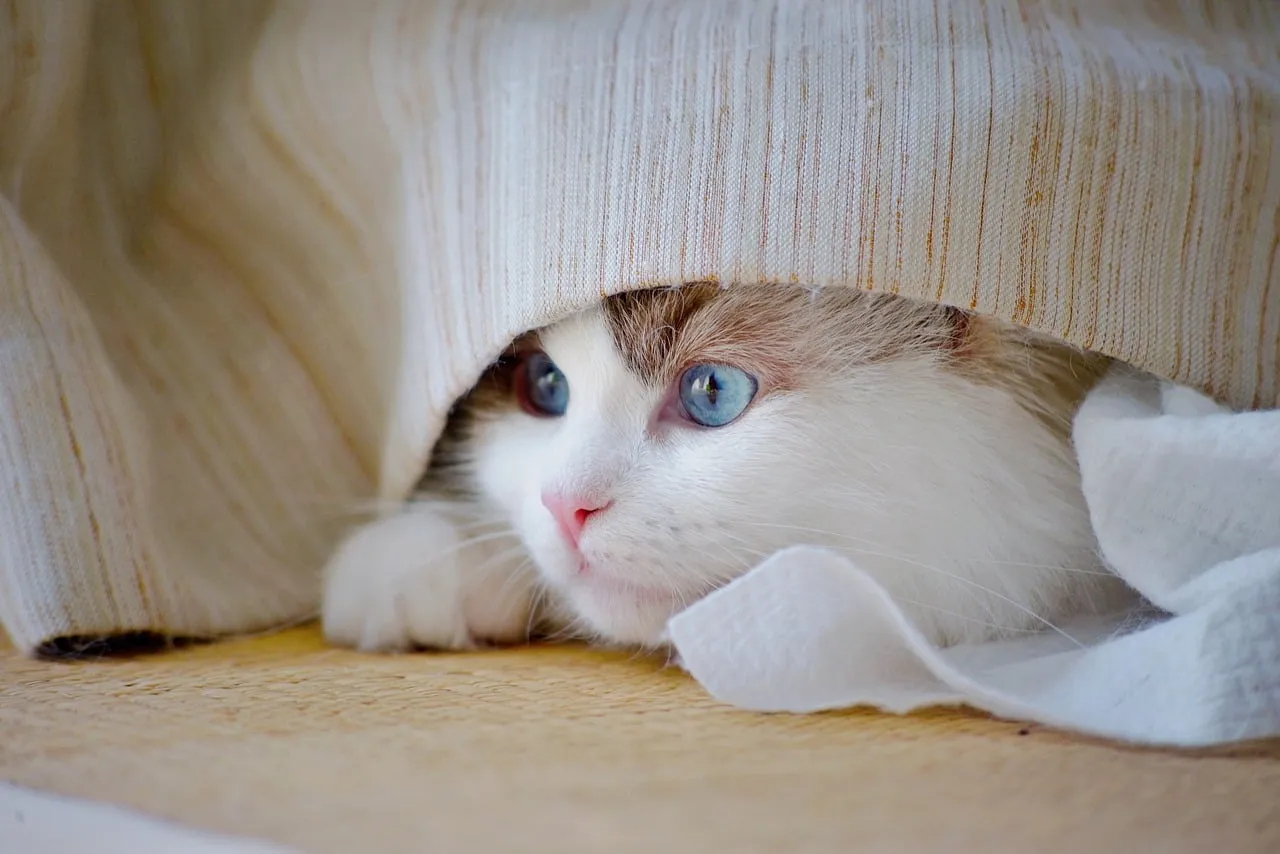
Here’s where people get it wrong. Yes, some very sick cats do hide, tucking themselves under beds or into closets. But the romantic idea that cats ‘run away to die alone’ is wildly overstated in most ordinary aging.
Many senior cats instead pick semi-hidden spots that still keep them inside your world – under your favorite chair, behind the couch you always sit on, under the bed on your side of it. They’re torn between two instincts: the pull toward a den where they feel protected, and the pull to stay in your orbit. So they compromise. Technically hidden, but still close enough to smell your scent and hear your voice. That’s not rejection. That’s loyalty, negotiated on their own terms.
Quick Compare
- Old myth: Cats slip away completely to die alone, hidden from everyone they know.
- What actually happens: Most seniors choose semi-hidden spots – under a chair, behind a familiar couch – that still keep your scent and voice within reach.
- What it really means: A cat curled just out of sight is usually staying loyal, not pulling away from you.
#9 – Vocal Changes: Softer, Shorter, and Aimed Only at You
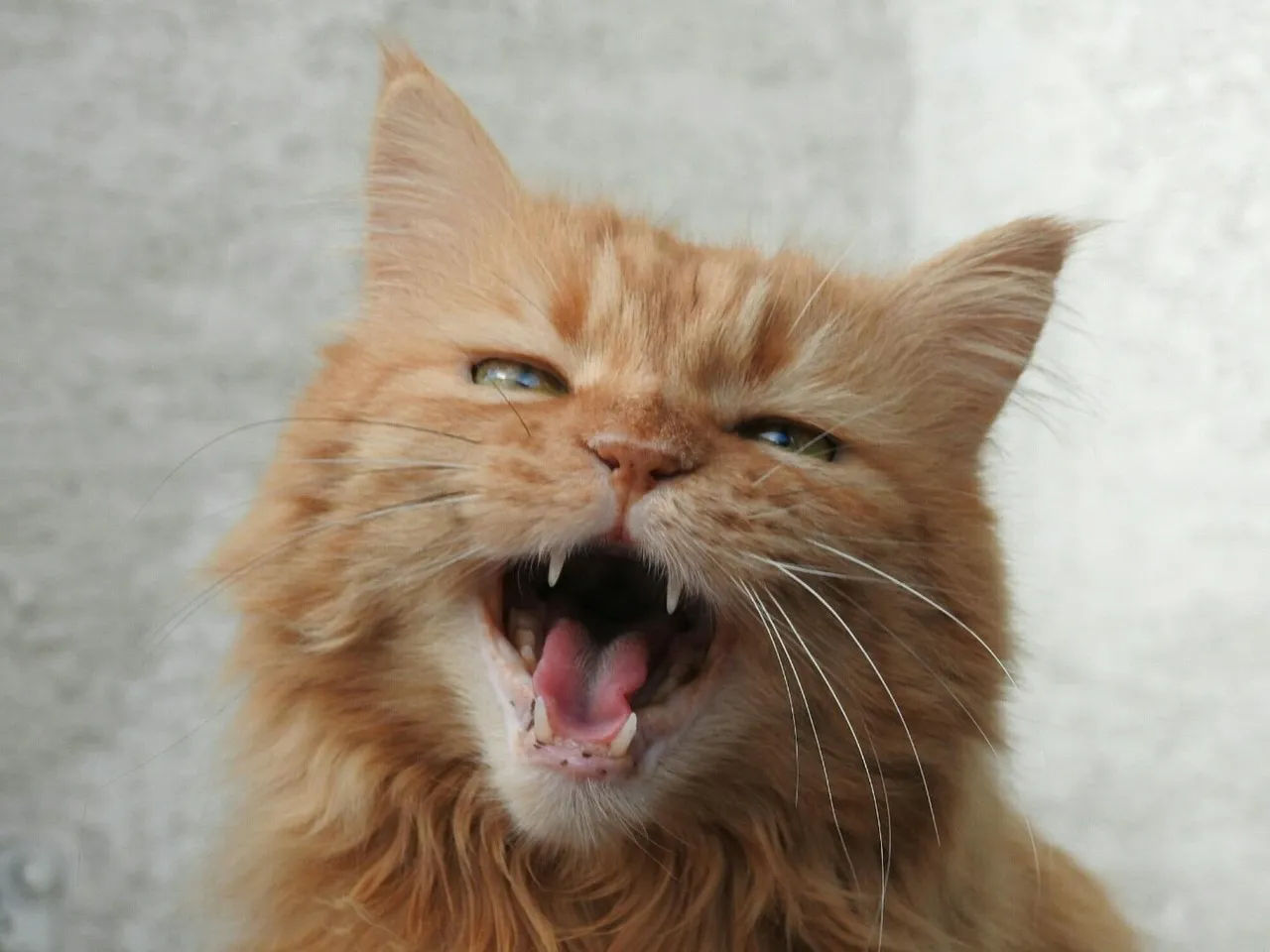
Loud yowling in an aging cat usually gets attention as a sign of pain or confusion, and it should – that’s worth a vet visit. But there’s a quieter pattern too: the intentional, almost conversational meow reserved only for you.
It’s usually softer and shorter than their old vocabulary – a single gentle ‘mrrrp’ when they find you, a faint chirp as they climb slowly onto your lap. This isn’t broadcasting to the whole house anymore. It’s a private signal, sent to one chosen person. Paired with eye contact and touch-seeking, it looks a lot like a cat checking in emotionally, and it’s hard to write off as coincidence.
#10 – They Quietly ‘Approve’ One Human and Drop the Rest
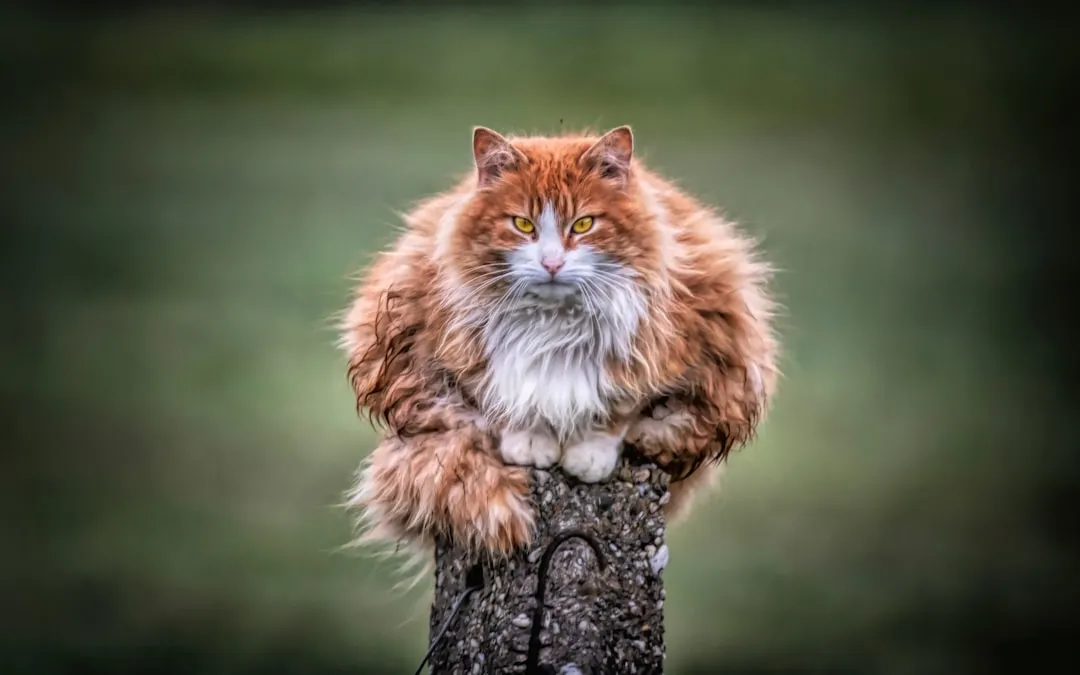
In multi-person households, this one tends to get controversial. Everyone insists the cat loves the whole family equally – until the senior years make things brutally clear. Aging cats often narrow their entire social circle down to a single primary human, usually the calmest, most consistent, or gentlest one in the house.
They stop getting up for everyone’s voice, except one. They abandon certain laps but always return to the same person’s. It can sting, but it’s actually a compliment wrapped in a snub – your cat is making a practical decision about who handles them best when they feel vulnerable. If you’re the one they choose, you’re not just a favorite. You’re their end-of-life plan.
#11 – Grooming Together: Letting You Finish What They Can’t
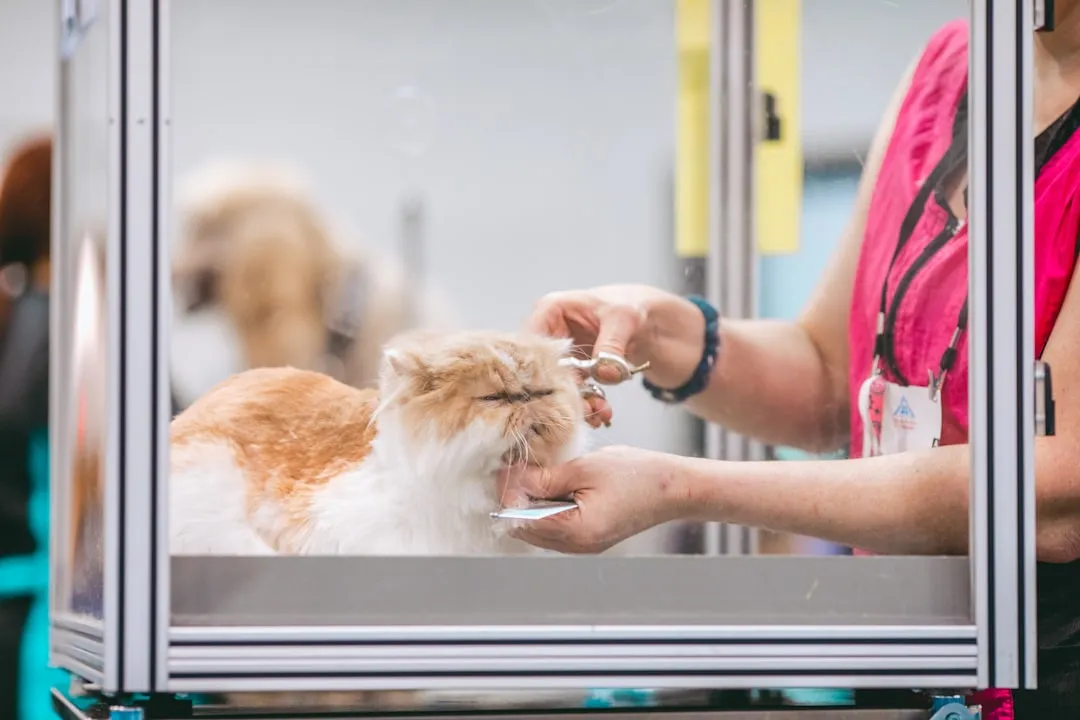
When cats stop grooming themselves, people panic, and rightly so – it can signal pain or illness. But there’s a quieter, more emotional layer underneath it: many older cats who struggle to groom start actively leaning into being groomed by their person.
Watch how they react when you use a soft brush on the spots they can’t reach, or gently clean around their eyes and chin. If they relax, purr, or lean into it, they’re not just tolerating help – they’re accepting a caregiving role from you that’s deeply intimate in cat terms. In the wild, this level of cooperative grooming only exists between bonded animals. Letting you finish the job is your senior cat telling you, in the clearest way it knows how, that it trusts you with its vulnerabilities.
#12 – They Start Using Your Body as a Literal Anchor
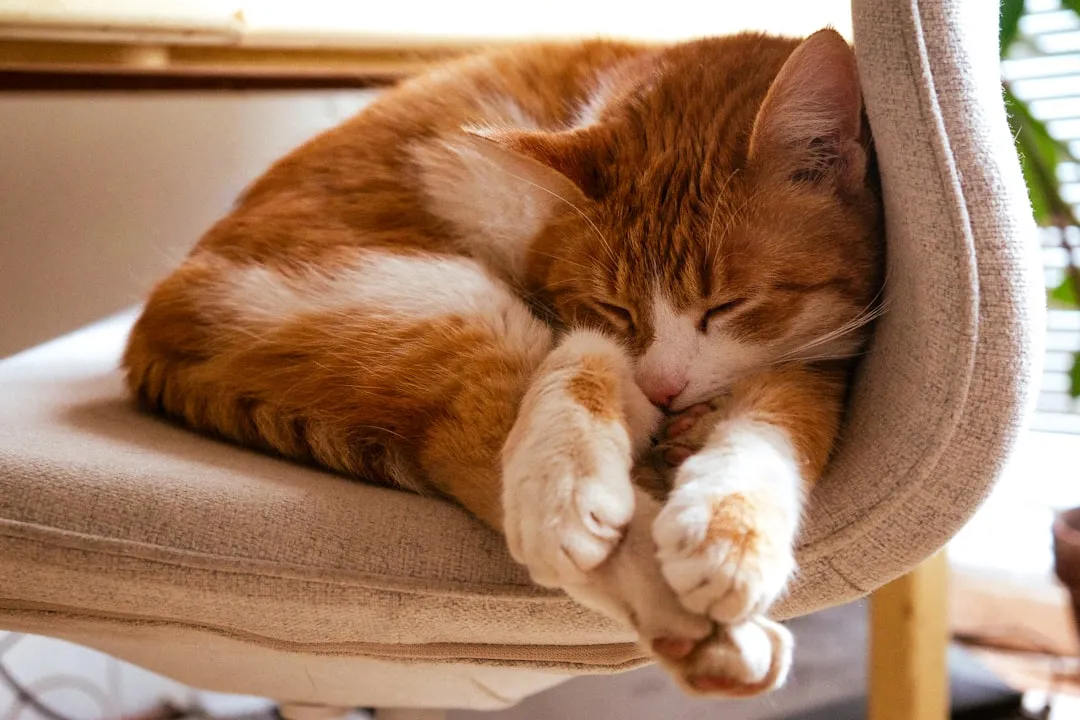
At a certain age, many cats stop sleeping near their person and start sleeping directly on them, even if they never did this before. The difference with senior cats is subtle but real – they’re not just chasing warmth anymore. They’re chasing stability.
Your breathing, your heartbeat, your small movements give them constant feedback that they’re not alone and that their world is still holding steady. You’ll see it in the way they curl tightly into the back of your knees, or stretch a paw so it never loses contact with your arm. If you shift and they immediately re-establish contact, that’s not clinginess. That’s a nervous system quietly calming itself down using your body as the anchor point.
#13 – The ‘Goodbye Without Leaving’: One Final Routine, Built Entirely Around You
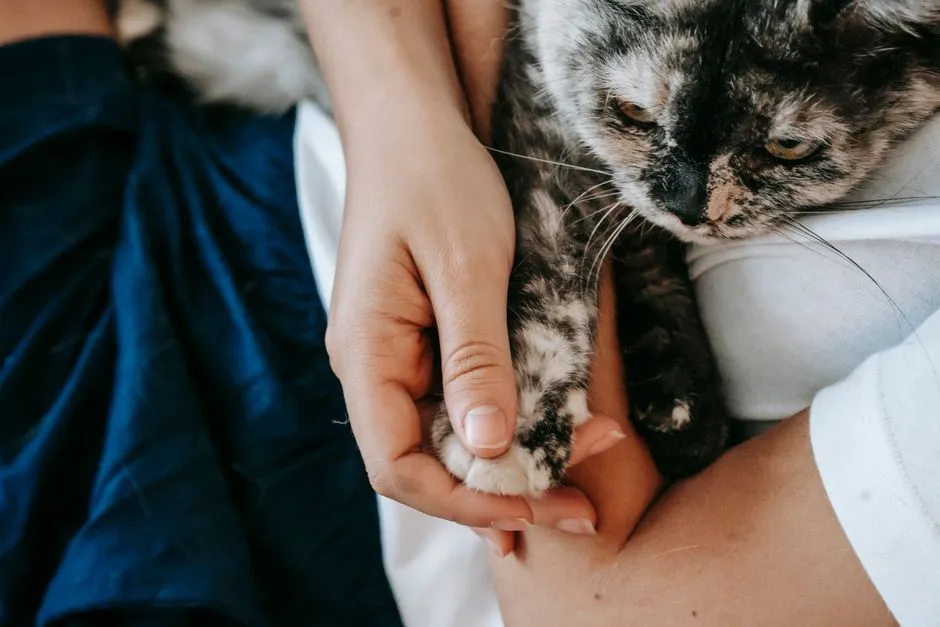
Not every cat disappears or shows dramatic signs at the very end. Many owners only recognize the pattern in hindsight – in the last weeks or months, their cat quietly locked into one final, simple routine built entirely around their person.
One or two favorite spots, both near wherever you spend the most time. Predictable cycles of sleep, small meals, brief affection, repeat. No new behaviors, no exploring, no seeking anyone else out. To some people this looks boring. Once you understand what it actually is, it looks like the deepest loyalty a cat has left to give – proof that it never went off to die alone somewhere. It stayed, as close as its aging body would allow, exactly where it believed it belonged.
At a Glance: All 13 Signs
- 1. Claiming your favorite spot 2. Shadowing you room to room 3. Waking for nighttime check-ins
- 4. Trading high perches for low, close ones 5. Long, intentional eye contact 6. New tolerance for touch
- 7. Building routines around you, not food 8. Semi-hidden spots that keep you close 9. Soft, private vocal check-ins
- 10. Quietly choosing one favorite person 11. Leaning into grooming help 12. Using your body as an anchor
- 13. One simple, final routine built entirely around you
None of this looks like a dramatic movie scene. It looks like tiny, deliberate choices – sleeping in your spot, shadowing your footsteps, softening into touch they once refused, quietly building their last routines around your presence.
Some people will say we’re reading too much into ordinary old-age behavior. Maybe. But anyone who has actually watched a cat choose one human, one room, and one final rhythm knows better than that. Your cat often makes this decision long before you ever notice it’s happening – which means the real question isn’t whether these signs are real. It’s whether you’ll recognize them in time to show up for those last, fiercely loyal years the way your cat is already showing up for you.
