
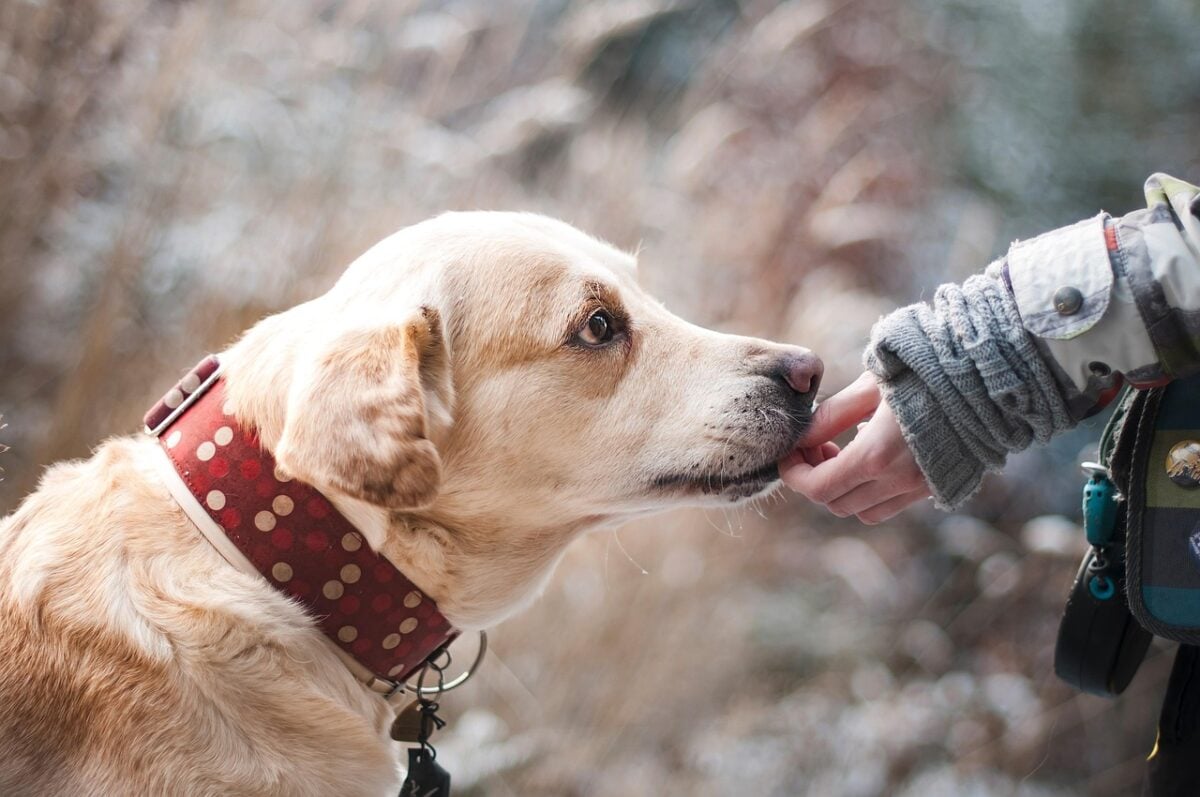
Rescue dogs don’t come with a manual, and honestly, most of us are just guessing for the first few months. Roughly 2 million dogs are adopted from shelters every year in the U.S. alone, and the vast majority arrive with some kind of baggage – fear, confusion, a nervous system still bracing for the next bad thing to happen. So when people say their rescue “finally chose them,” that’s not just a warm feeling. It’s a real, observable shift, and once you know what to look for, you’ll see it everywhere.
Most owners assume that moment will feel like a movie scene – a dramatic run across the yard, a joyful leap into your arms, one unmistakable instant where everything clicks. Turns out, that’s almost never how it happens. The real signs are quieter, stranger, and honestly a lot more interesting than anything Hollywood ever showed you – and a few of them are probably happening right now without you even noticing.
#1 – The Belly-Up Sleep Position
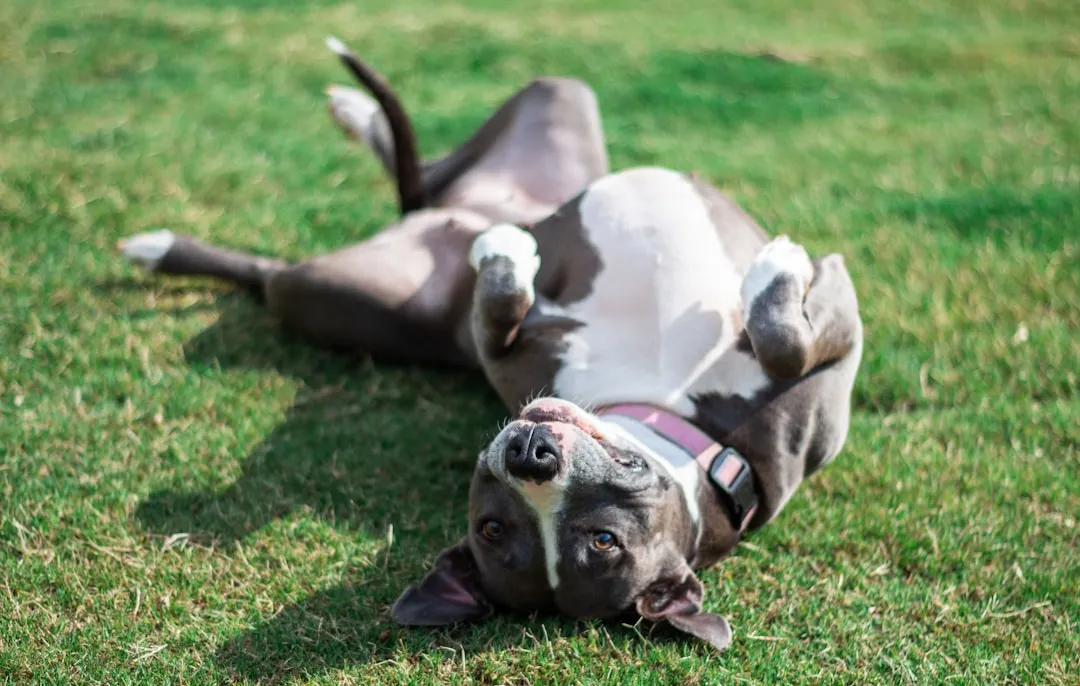
A dog exposing its stomach to you is doing something evolutionarily enormous.
In the wild, the belly protects every vital organ a body has, so flashing it is the single most vulnerable pose an animal can offer. Predators and prey both know this instinctively, which is why a dog will only expose its belly when it feels completely safe and senses no threat anywhere nearby. Most owners think this position just means the dog is comfortable – it actually means the dog has ruled you out as a threat entirely.
For a rescue dog specifically, this is a milestone, not a given. Dogs coming from chaotic or abusive backgrounds may take months before their nervous system allows this level of surrender. If your rescue rolls onto its back and fully relaxes instead of tensing up, you’ve crossed a threshold most owners never even notice. But that’s nothing compared to what we found about #2.
#2 – Soft, Held Eye Contact
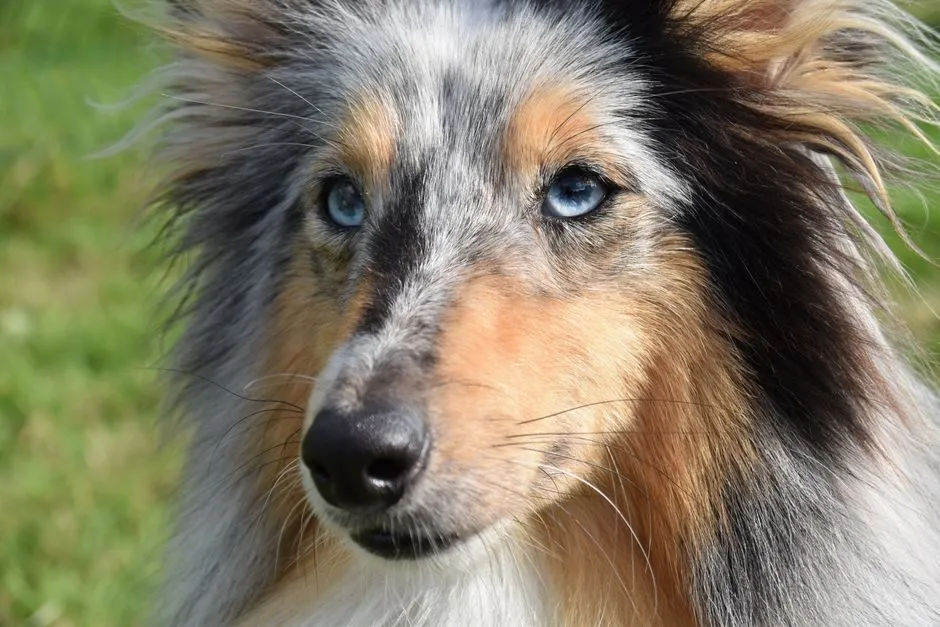
Eye contact between dogs is supposed to be a threat, not an affection.
In the wild, prolonged eye contact between dogs is a challenge, not a greeting. So for a rescue dog who has every reason to see humans as unpredictable, holding your gaze calmly is an enormous act of emotional courage. What most people don’t realize is the chemistry behind it. This “mutual gaze” releases oxytocin – the same bonding hormone that floods new parents – and studies out of places like the University of Tokyo and Duke University show that when dogs and humans lock eyes, oxytocin spikes in both of you at once, creating a feedback loop that cements the bond.
This isn’t a stiff, unblinking stare – that’s stress, not love. A relaxed gaze comes with soft eyes, a loose body, and no tension anywhere in the face. If your rescue holds your gaze with soft eyes rather than darting away, that’s genuine trust talking. Wait until you see what #3 reveals about a habit most owners completely dismiss.
Fast Facts
- Mutual eye contact triggers an oxytocin release in both dog and owner, mirroring the hormone spike seen between parents and infants.
- A relaxed gaze features soft eyes, a loose body, and zero facial tension.
- A stiff, unblinking stare signals stress, not affection – the opposite of bonding.
- For rescues with hard pasts, comfortable eye contact can take weeks or months to develop.
#3 – Wandering Off, Then Circling Back
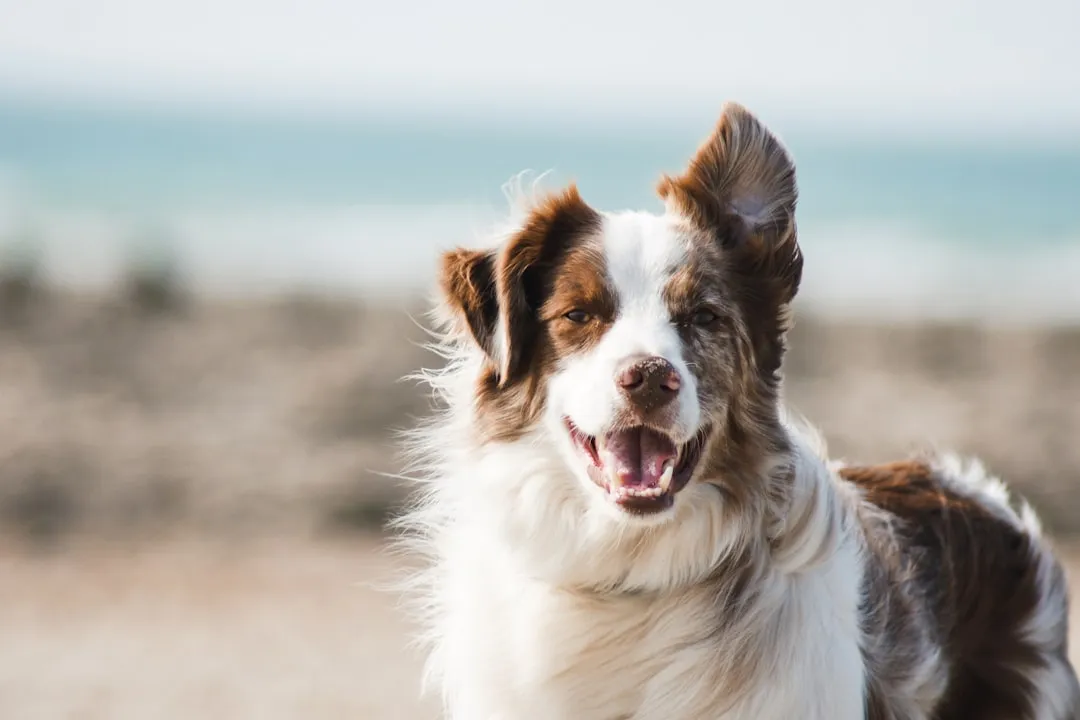
A secure rescue dog explores the world like it’s got a rubber band tied to you.
Owners often panic when their dog wanders into another room instead of staying glued to their side, assuming it means detachment. The opposite is actually true. A secure bond looks like this: they explore a new space, then trot or dart back just to touch you, checking out a new room before returning to make contact. Behaviorists call this using you as a “secure base” – the same concept child psychologists use to describe toddlers exploring a playground while glancing back at a parent.
Compare that to anxious attachment, where a dog never leaves your side at all, even when nothing is actually wrong – that’s not deeper love, it’s unresolved fear. A dog confident enough to leave and return is telling you something more mature: the world is survivable because you exist in it. It’s a subtle distinction most Facebook comment sections get completely wrong. Here’s why #4 might be the single most physical proof of trust a rescue dog can offer.
#4 – Leaning Their Full Body Weight Against You
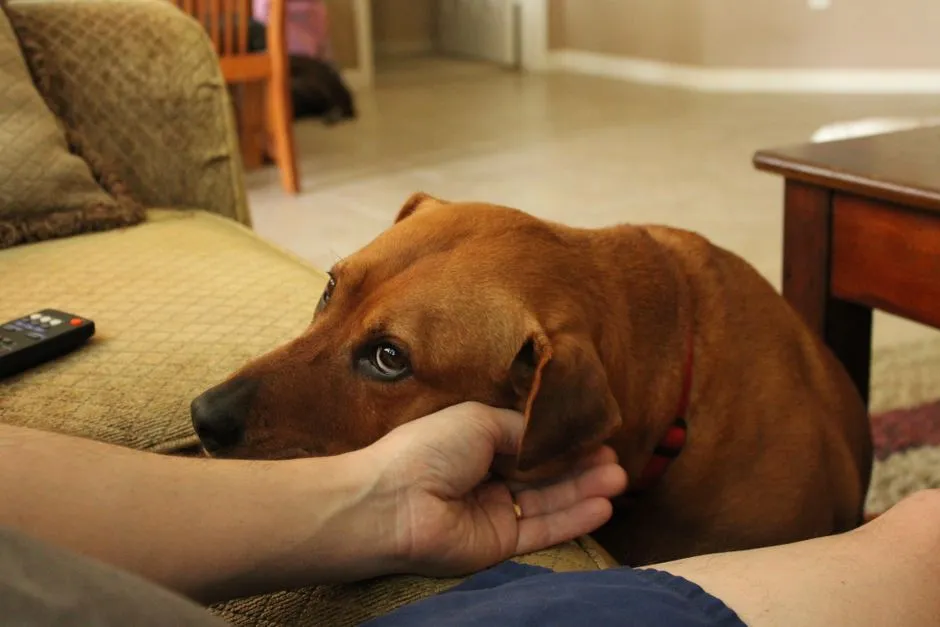
This one is deceptively simple, and almost every bonded rescue does it eventually.
If your dog leans its body weight against you or rests its head on your lap, that’s a sign of trust and attachment – dogs only do this with people they feel comfortable and secure around. Most people assume this is just a dog wanting warmth or a good scratch, but it’s actually a calculated act of vulnerability. A dog that doesn’t trust you keeps its weight ready to bolt at any second; a dog that leans has already decided it doesn’t need to.
Rescue dogs specifically use leaning as a way to communicate safety without confrontation – no direct eye contact required, no risky belly exposure, just quiet physical proximity. If your rescue snuggles or leans against your legs while you stand at the counter, they’re saying “you’re my safe place.” It’s not needy behavior – it’s a dog choosing to be off-balance around you, which requires real confidence. But what happens when they’re actually asleep next to you is even stranger.
#5 – Their Breathing Syncs With Yours
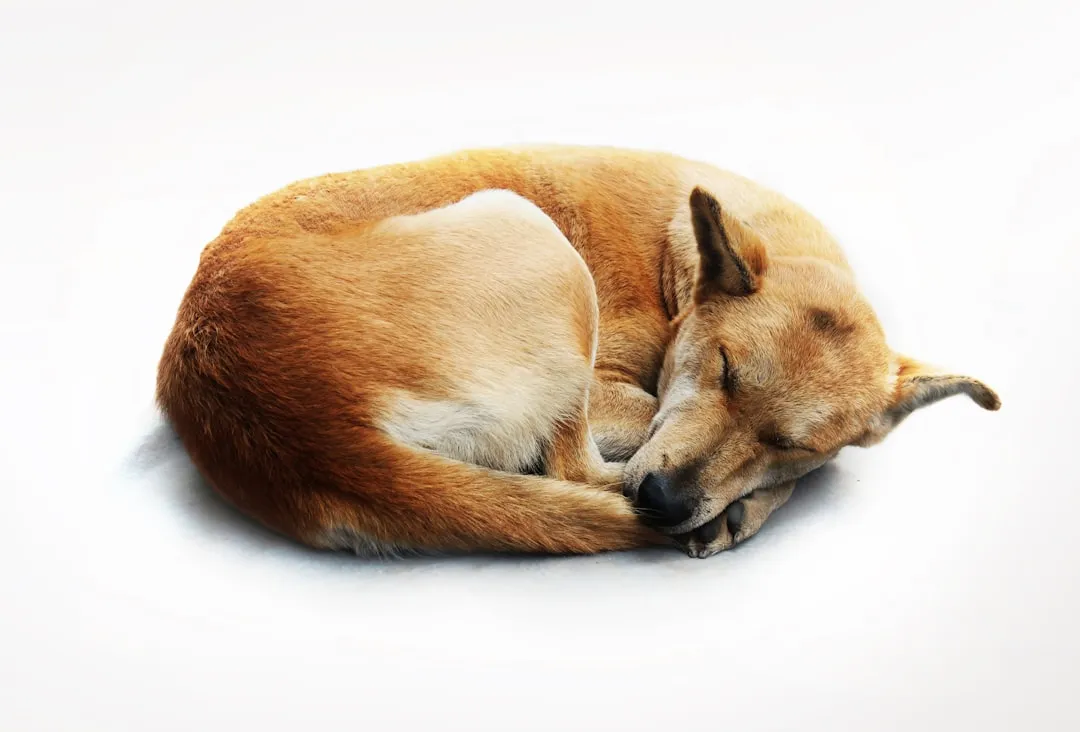
Here’s the sign almost nobody talks about, and it sounds almost too strange to be real.
When you lie down on the couch and your dog curls up against you, back to chest or side to side, give it a few minutes. Their breathing will often sync to yours – same pace, same slow rise and fall. This isn’t coincidence or comfort alone – it’s physiological. Nervous systems are literally linking up in real time.
Watch closely and you’ll notice specific patterns: a previously restless dog settles faster the second they’re touching your leg, and they sigh and visibly “let go” right after they feel your body relax. Animals that don’t fully trust you, on the other hand, stay alert even while lying still. Most owners cuddle their dog every night and never notice this happening – but once you see it, you can’t unsee it. Number six takes this idea of shared sleep even further.
#6 – Choosing to Sleep Touching You
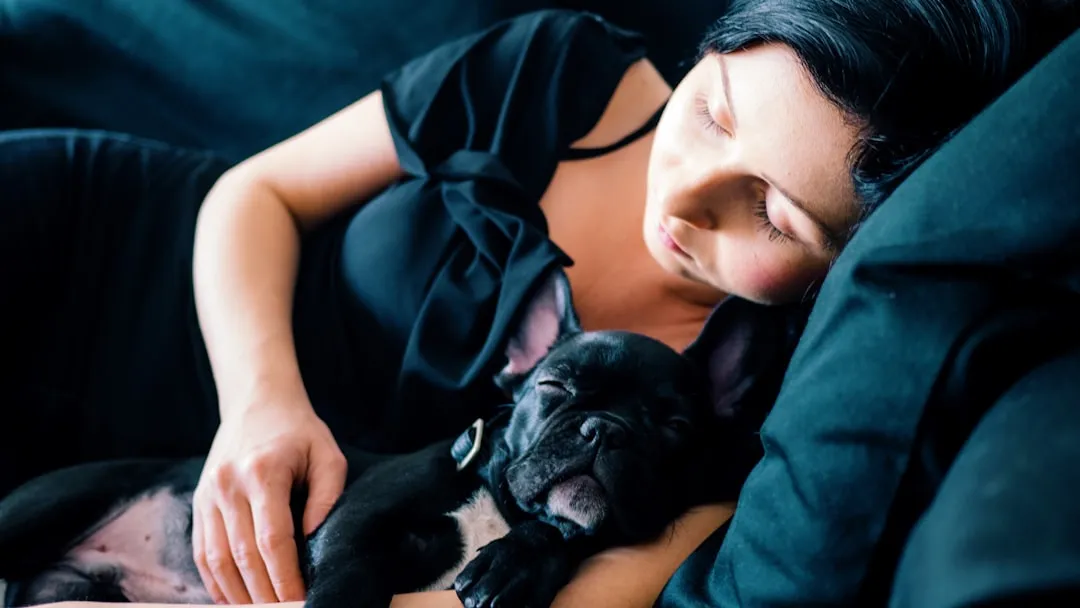
Not near you. Not in the same room. Actually touching you.
One subtle, telling sign is when a dog sleeps on or right next to its owner – this sweet habit is a powerful trust signal and a clear indicator your pup feels safe with you. The reasoning goes back thousands of years of pack behavior. In the wild, animals don’t rest next to something they don’t trust, so a dog sleeping pressed against you is mirroring pack behavior, seeking warmth, connection, and safety all at once.
For a rescue dog, this can take much longer to develop than it does for a puppy from a stable background. Some rescues sleep across the room for the first several months before ever attempting contact sleep. By choosing to sleep close, your dog is essentially saying they see you as a trusted pack member – and once they start, it rarely reverses. Sign #7 shows up during the scariest moments, not the calm ones.
#7 – Coming to You When They’re Scared
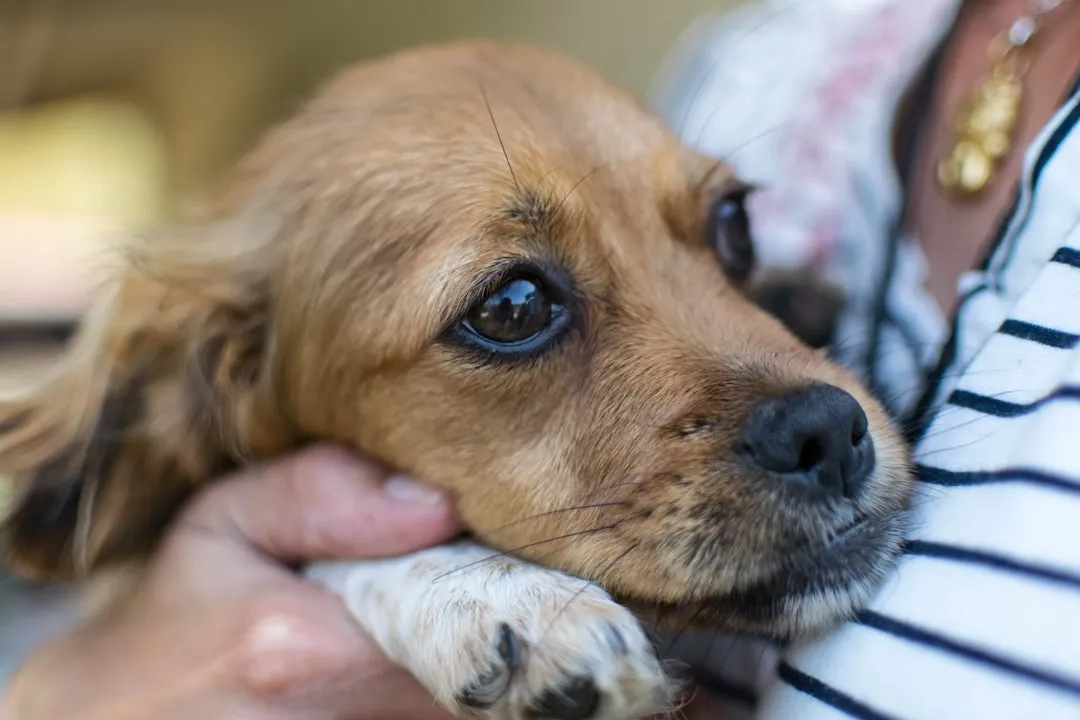
This is the sign most owners completely miss because they’re too busy trying to fix the problem.
For a lot of rescues, the deepest trust doesn’t show up during the happy, easy moments – it shows up when they’re scared, hurting, or completely overwhelmed. If your dog chooses to press into you, curl beside you, or hide behind your legs when something is wrong, you’ve become their emotional shelter, not just the source of their dinner. Storms and vet visits reveal more honesty than any calm afternoon ever could.
A dog that hasn’t let its guard down will usually retreat alone, shut down, or lash out defensively. A trusting dog goes straight to its person, shaking or not, betting that you’ll protect it and help the scary thing end faster. Some experts argue owners obsess too much over the “happy” bonding signs and completely overlook this one – which might be the most important indicator of all. Pay attention during the next thunderstorm; #8 is about a signal that happens the second you walk through the door.
Quick Compare
- Guarded dog: retreats alone, freezes, or reacts defensively when scared.
- Bonded dog: presses into you, seeks contact, or hides behind your legs.
- Guarded dog: shuts down and avoids interaction after a scare.
- Bonded dog: looks to you first, betting you’ll help the scary thing pass.
#8 – The Full-Body Homecoming Greeting
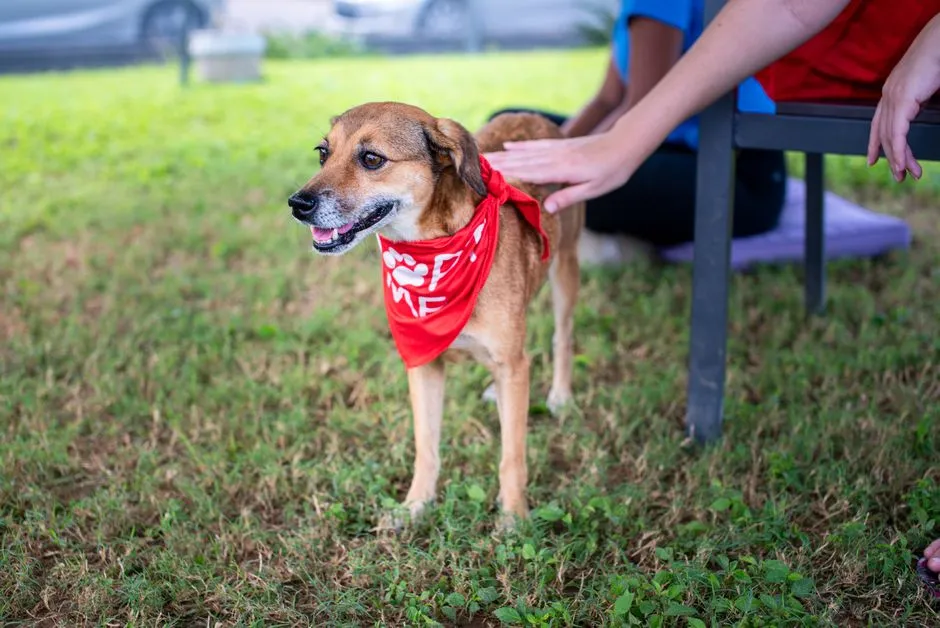
Everyone knows the tail wag. Fewer people understand what’s actually happening underneath it.
One of the most obvious signs of attachment is the enthusiastic, full-body greeting you get whenever you return home – your dog jumps, wags its whole back end, maybe even barks out of pure excitement. This isn’t just excitement about food or a walk – it’s relief. The rescue dog who greets you like you’ve been gone for a year, every single time, has connected your presence to the most profound sense of safety and belonging it has ever known.
Many rescue dogs came from environments where people disappeared permanently – surrendered, abandoned, or shuffled between shelters. Every homecoming is proof, all over again, that you’re not one of those people. It’s easy to get annoyed by an overly enthusiastic greeting after a long day, but for a rescue, it might be the single clearest data point you’ll ever get. What #9 reveals about their ears and mouth is subtler, but just as telling.
#9 – Relaxed Ears, Tail, and Mouth
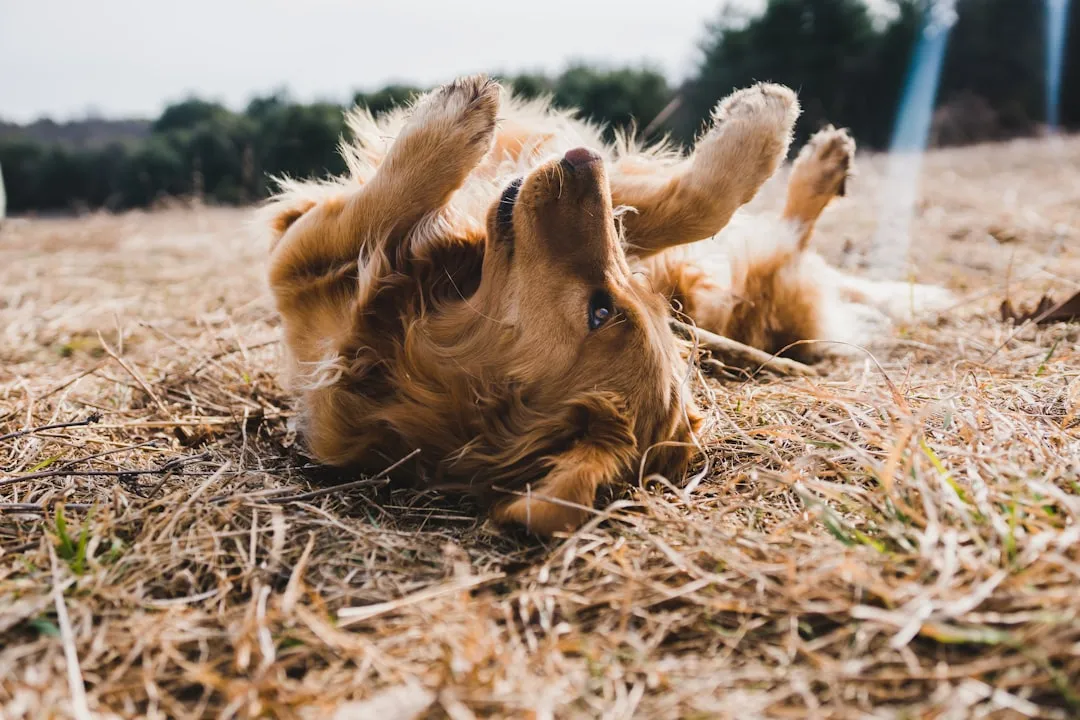
Forget the tail wag alone – the whole body is talking, and most people only read half the sentence.
Genuinely relaxed body language shows up everywhere at once: soft eyes, a low and gentle tail wag, ears sitting naturally without tension, and a mouth loose enough to look almost like a smile. All of it together signals that a dog feels safe, happy, and comfortable. The mistake most owners make is assuming any tail wag equals happiness – but a high, stiff, fast wag can actually signal stress, not joy.
The genuinely bonded signal is looser and slower – a body that has nothing left to defend. This is one of the more controversial opinions among trainers: many argue that “tail wagging equals happy dog” is one of the most persistent and dangerous myths in casual dog ownership, and it causes people to misread anxious dogs as content ones constantly. Sign #10 involves something dogs can do that most people don’t even realize is possible.
#10 – Responding Specifically to Your Voice
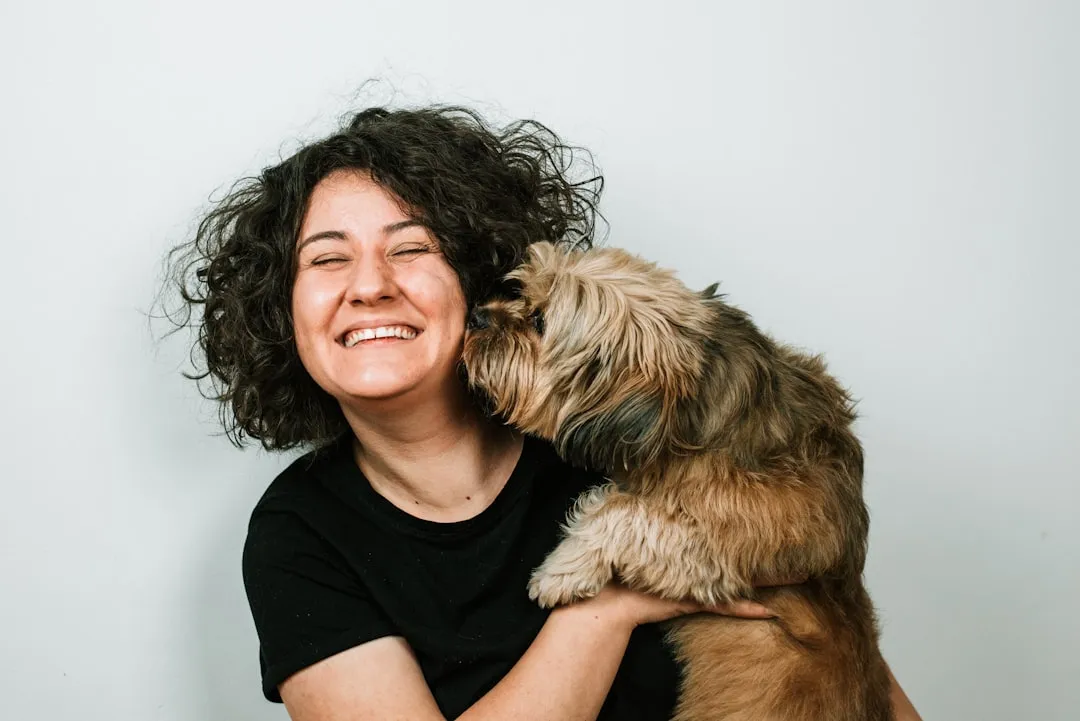
Dogs can tell your voice apart from a stranger’s – even with their eyes closed.
When your voice, and not anyone else’s, causes your shelter dog to relax into calm attention or eager approach, you’ve become the sound of safety in their world. Dogs can distinguish their owner’s voice from a stranger’s even without any visual cues to help them. Most rescue dogs arrive having heard dozens of unfamiliar voices with zero consistency behind any of them.
That’s exactly why calm, familiar tones tend to have an outsized soothing effect on dogs who came from chaotic environments – consistent, positive vocal interaction can noticeably speed up the whole bonding timeline. If your dog’s ears perk specifically at your footsteps or your particular tone before you’re even in view, that’s not a coincidence. It’s recognition built over months. Sign #11 is one nearly every dog owner has felt but rarely names correctly.
Worth Knowing
- Dogs can pick out their owner’s voice from a stranger’s without any visual cues.
- Calm, consistent tones can speed up bonding for rescues coming from chaotic backgrounds.
- Ears perking at a specific footstep or tone signals real recognition, not chance.
- Vocal consistency often rebuilds trust faster than physical affection alone in the early weeks.
#11 – Bringing You Toys and Initiating Play
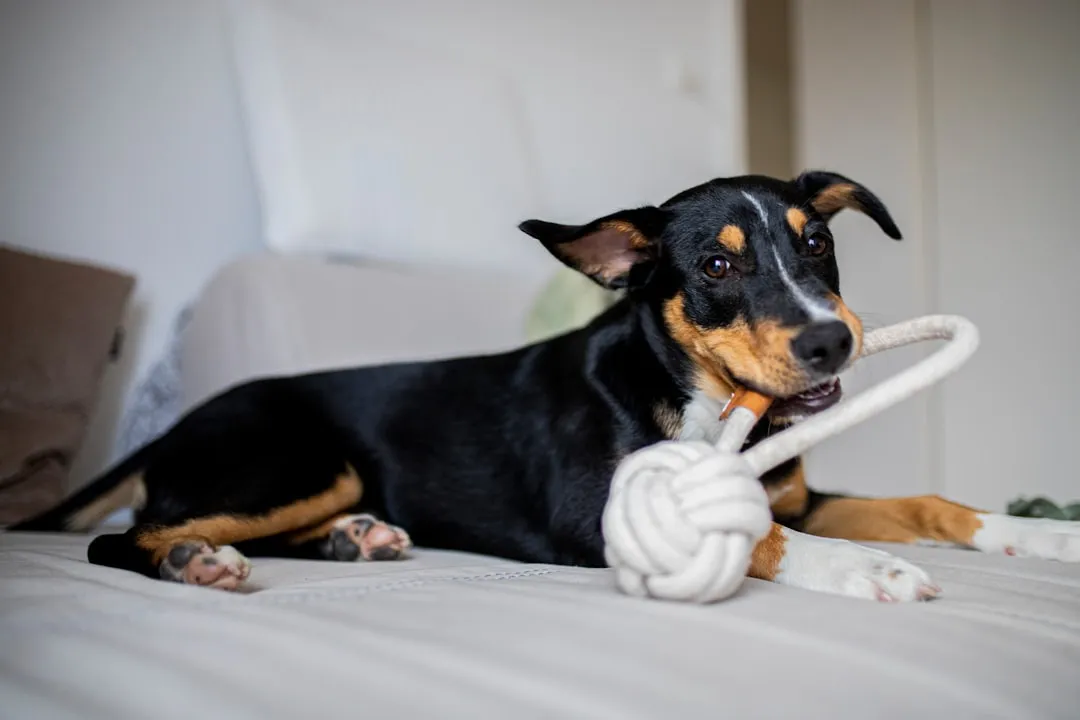
A dog that offers you a toy is handing over a piece of currency.
You’ll notice them getting close, bringing you things, asking to play, or giving gentle licks once trust starts to settle in. Most owners think this is just a dog wanting a game – but it’s actually a rescue dog testing whether shared joy is safe with you, something it may never have experienced consistently before. When rescue dogs feel like they belong, this is exactly how they show it.
Compare that to a dog who plays only alone or hoards toys defensively – a behavior common in dogs still operating from scarcity and fear. A rescue that initiates play, drops a toy at your feet, and waits expectantly has decided that fun with you carries no risk. That’s a bigger leap than it looks like on the surface. Sign #12 shows up specifically the moment the leash comes out.
#12 – Leash Excitement Aimed at You, Not Just the Walk
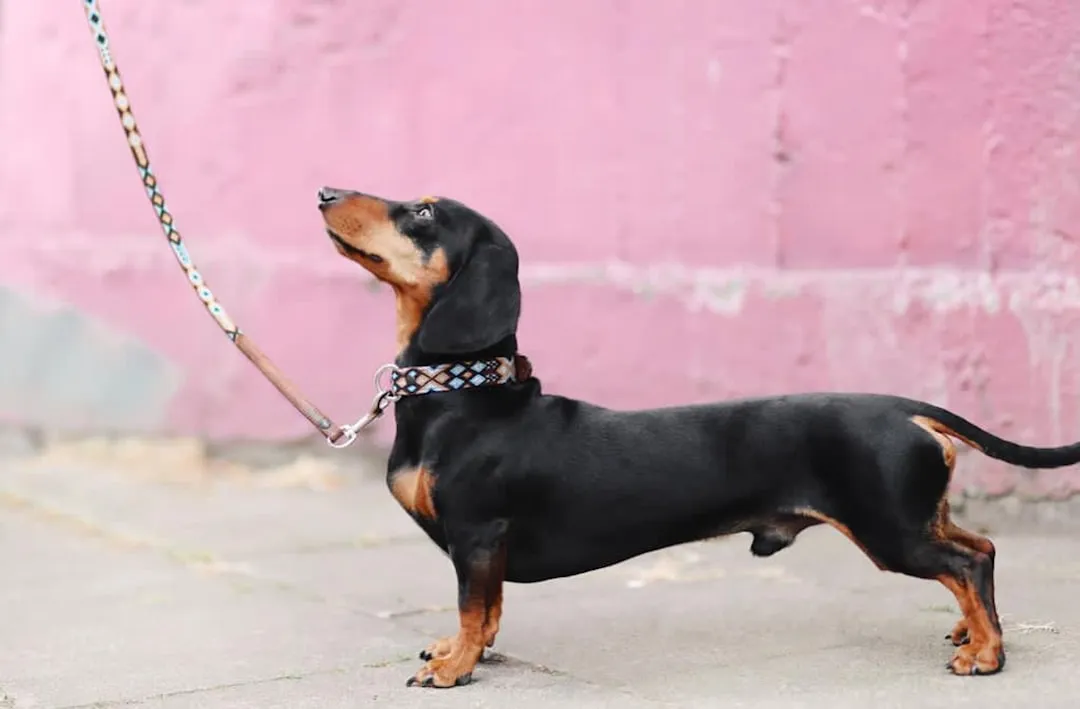
It’s not the walk itself – it’s who’s holding the leash.
Another sign your dog trusts you shows up the moment you grab the leash – loyal dogs are generally excited to walk with you specifically, any which way, as long as you’re the one on the other end. Trainers describe you as the gateway to adventure: walks mean movement, stimulation, and engagement, and the best part is that your dog associates all of it with you. The excitement was never just about the leash.
For a rescue dog, this reframes the entire outside world. Many arrive terrified of leashes, doors, or unfamiliar streets after previous bad experiences. When leash excitement becomes about partnership rather than pure stimulus, it means the dog has recontextualized the world as something to explore with you, rather than survive despite you. Sign #13 is smaller, quieter, and honestly kind of underrated.
#13 – The Gentle Paw Touch
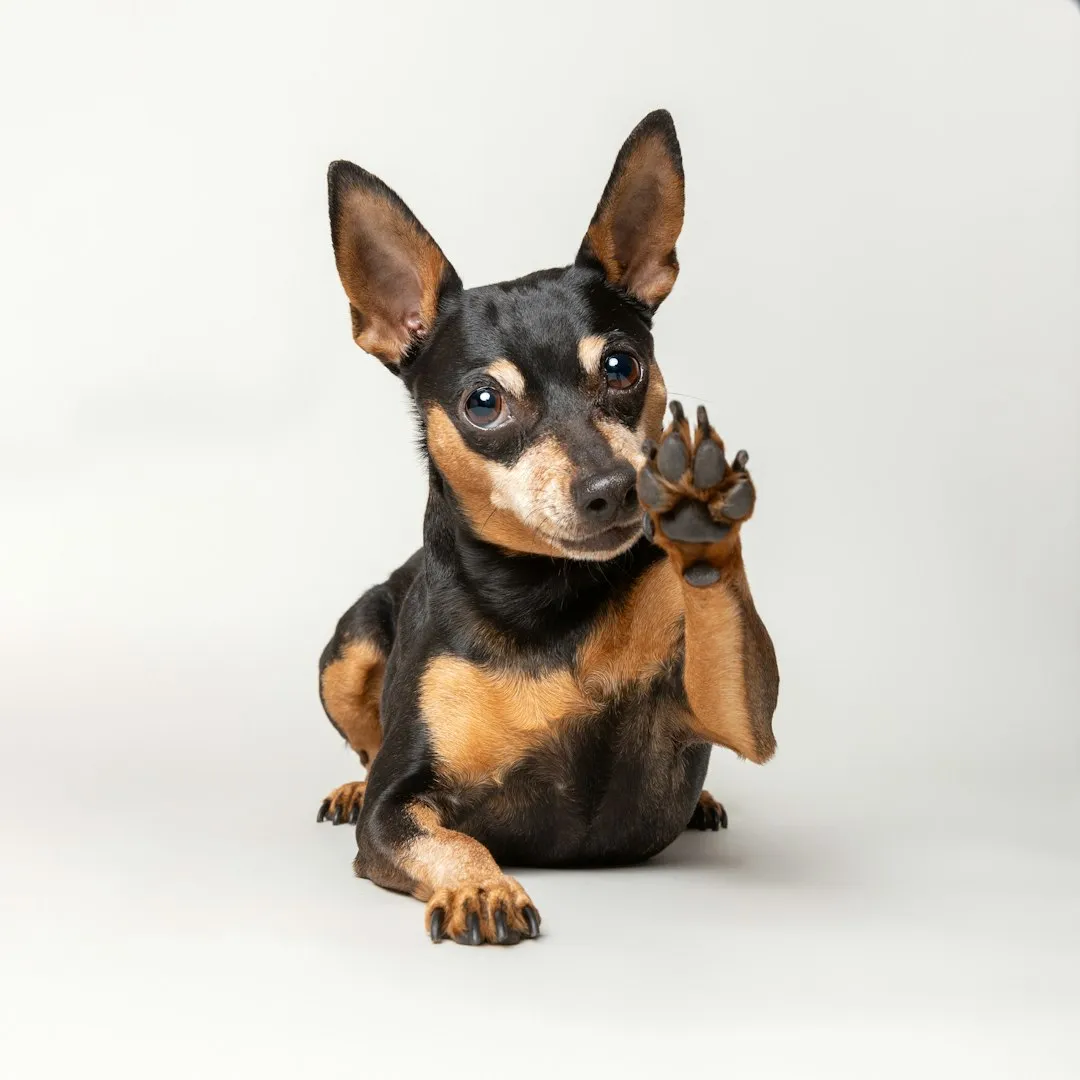
A single paw, placed gently on your hand or leg, means more than it looks like.
Using their paw to gently touch you is a sign your dog trusts you and feels safe with you.
Askeland
Most people brush this off as a cute quirk, not a deliberate trust signal – but behaviorists disagree. Dogs use their paws selectively, not randomly, and they generally reserve this gesture for people they feel emotionally secure around.
For a nervous rescue, offering a paw voluntarily – rather than in a trained “shake” command – can take considerably longer to appear than other signs on this list. It requires initiating contact rather than simply accepting it, which is a much bigger ask for a dog still learning that hands aren’t something to fear. Once you understand what it means, you’ll never overlook it again. But #14 is, arguably, the most emotional sign of all.
#14 – Checking In With You, Just Because
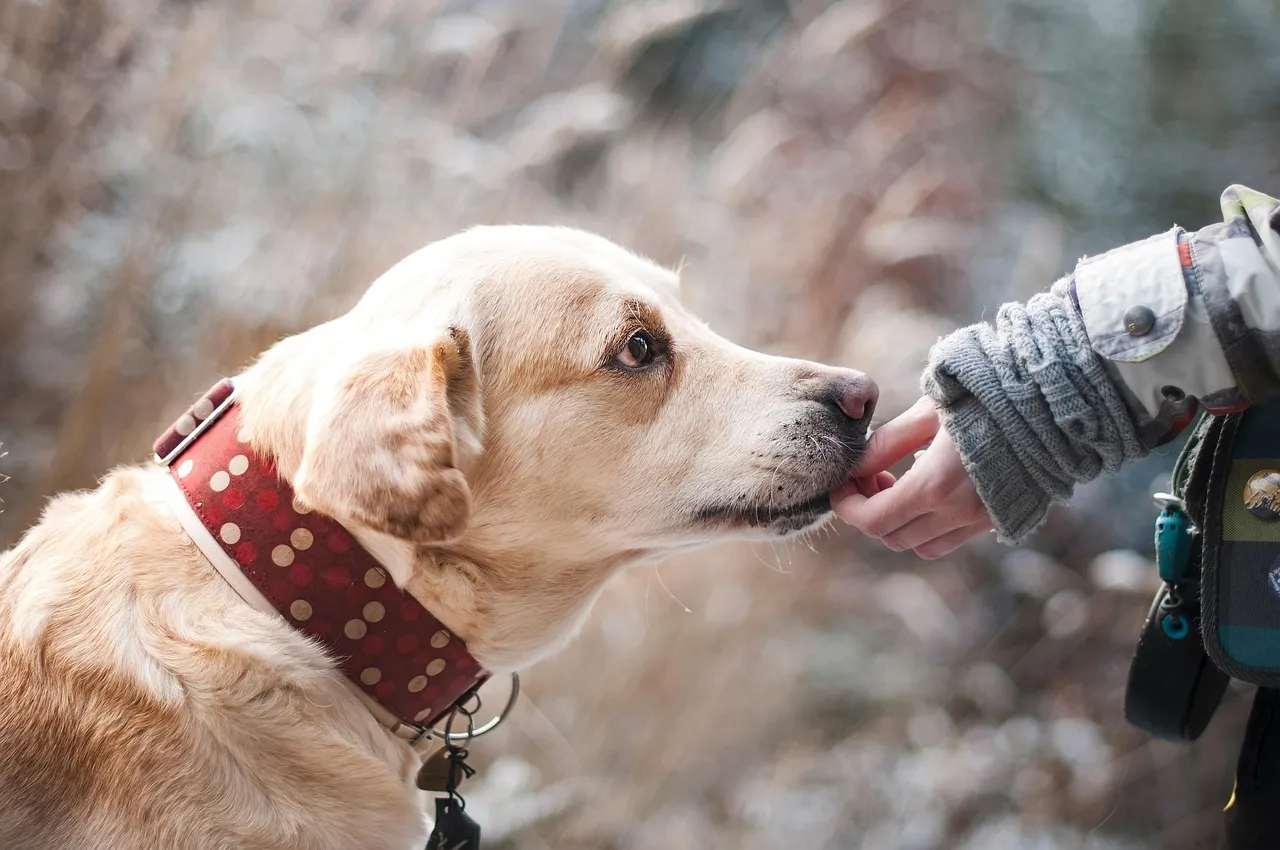
This is the quietest sign on the entire list, and also the most profound.
A lot of owners assume “checking in” only happens during training, when you teach a dog to make eye contact for a treat. But one of the quietest signs a rescue has truly softened is when they start voluntarily glancing back at you – just to make sure you’re still there – no cue, no treat, just a soft eye. This happens with zero incentive attached, which is exactly why it matters so much.
You’ll catch it on walks when they pause to turn their head back toward you, or slow down and speed up to match your pace without being told. Inside the house, they might pop their head around a doorway just to see which room you drifted into. Nervous, self-protective dogs stay locked inside their own bubble; dogs who trust their people quietly expand that bubble to include you. It’s not dramatic. It’s not loud. But it might be the single clearest proof a rescue dog has ever offered that you are, finally, home.
The Bottom Line
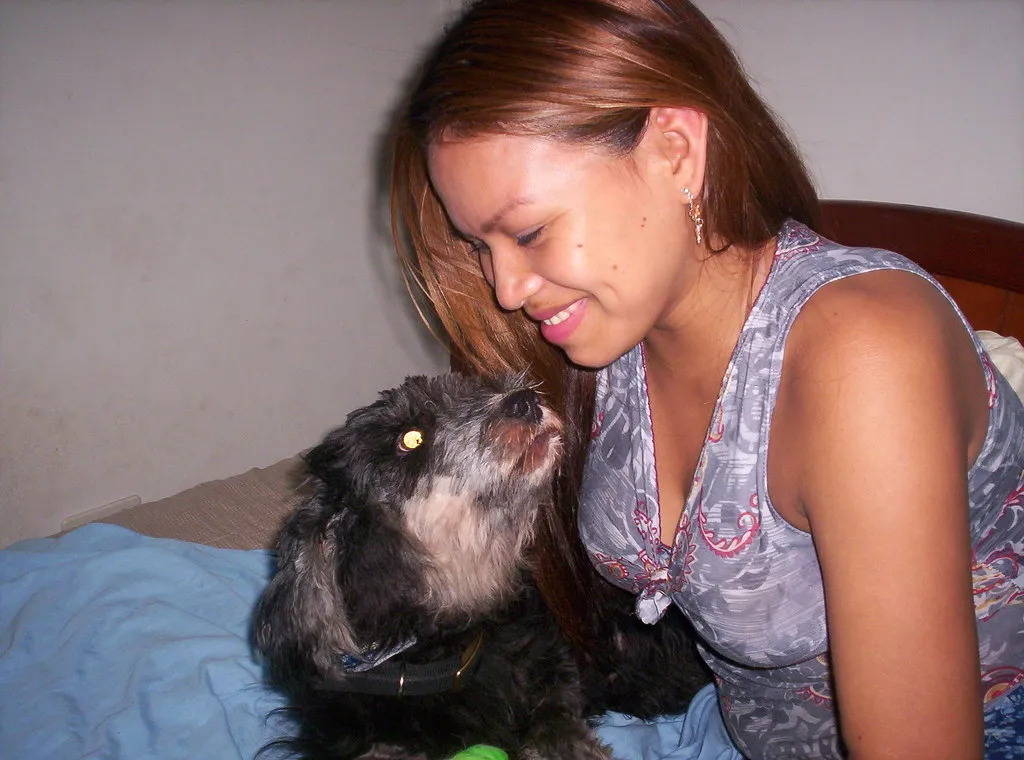
The biggest myth about rescue dogs is that love announces itself. It doesn’t.
It shows up in a paw resting on your hand, a breath that slows down to match yours, a glance thrown back over a shoulder for no reason at all. Most owners spend months waiting for a dramatic movie moment that never comes, completely missing the dozens of quiet signals happening right in front of them.
At a Glance
- Belly-up sleeping, soft eye contact, and leaning in all signal safety.
- Coming to you when scared and syncing breathing are some of the most overlooked cues.
- A gentle paw touch and unprompted check-ins are often the last trust behaviors to appear.
- Even three or four of these fourteen signs mean the bond is already real.
The uncomfortable truth is this: a rescue dog that doesn’t leap into your arms on day one isn’t broken – it’s being honest, and honesty takes time to earn. If your dog is doing even three or four of these fourteen things, stop waiting for more proof. You already have it.
Which sign did your rescue show first? Drop it in the comments – we want to hear it.
