
Everyone assumes a bonded horse will make it obvious – ears pricked, nickering, trotting over like something out of a movie. But ask the people who’ve spent decades around horses, and they’ll tell you the opposite is true. The horses who love one person the hardest are often the quietest about it.
That’s the problem. Most owners are watching for fireworks and missing the whisper. The real signs of a one-person bond are small, easy to dismiss, and almost never talked about – until now. Once you know what to look for, you’ll never watch your horse the same way again.
#1 – They Choose Your Calm Over The Herd’s Chaos
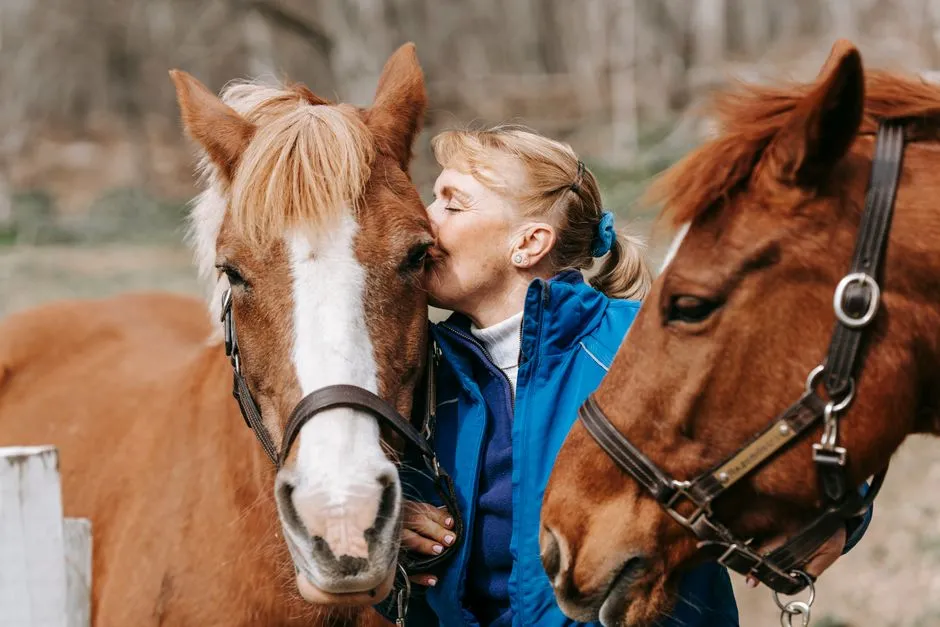
When a horse is truly bonded, it doesn’t just tolerate you – it chooses you. Watch what happens when the herd gets excited: a gate clangs, a feed truck rolls in, two horses start a scuffle. A horse that’s merely polite spins toward the action. A horse that’s deeply attached flicks an ear toward the noise, then quietly stays put beside you.
You’ll catch this in the smallest moments. Maybe you’re grooming in the paddock and the others drift off toward the excitement. Instead of following, your horse checks the movement, then shifts its weight back toward you. There’s no big gesture, just a calm decision: I’m good here. That tiny choice is saying, in the only language a horse has, that you are its safe place now.
Fast Facts
- Horses have nearly 350-degree vision, yet a bonded horse still turns to check with you before reacting to what’s behind them.
- Herd mates typically stay within a few feet of their closest companion around the clock – a bonded horse quietly extends that same rule to you.
- A relaxed horse’s resting heart rate sits around 28-44 beats per minute, and it often drops even lower standing near a trusted handler.
#2 – Their Eyes Soften When They Look Only At You
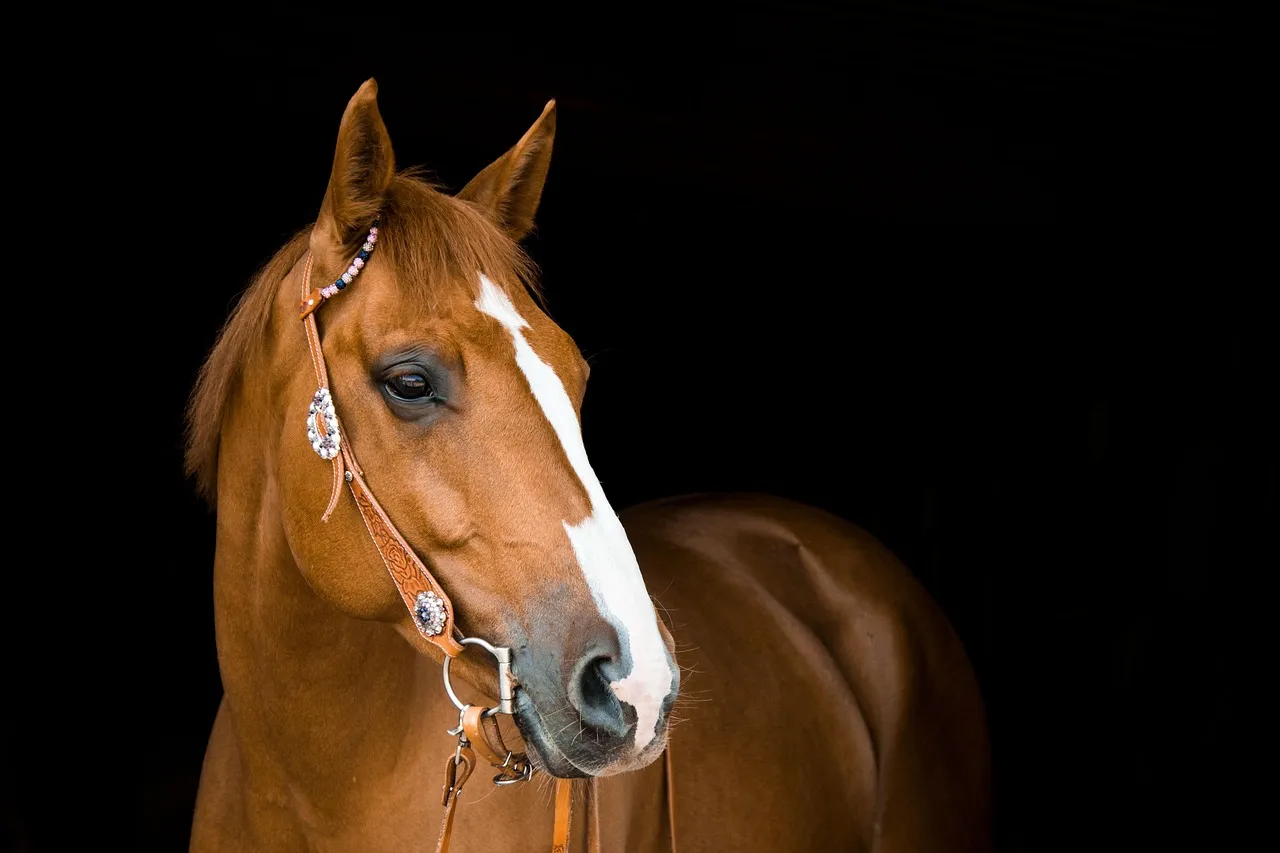
Most people obsess over ears and completely ignore the eyes. That’s a mistake. A tense or indifferent horse has a wide, hard, scanning eye. A horse that’s quietly bonded develops a different look reserved just for you – the upper eyelid softens, the muscles around the eye let go, and the whole gaze turns almost sleepy.
- When you walk up with no halter in hand.
- After you’ve been quietly scratching a favorite itchy spot.
Here’s the part that surprises people: a horse can be handled competently by five different people and still only give this soft-eyed look to one of them. You’ll catch slower blinking, longer exhales, a brief zoning-out while they look at you – like they’re finally letting their guard all the way down. That private soft eye is a love letter written in a language most people never learn to read.
#3 – They Adjust Their Personal Space Rules Just For You
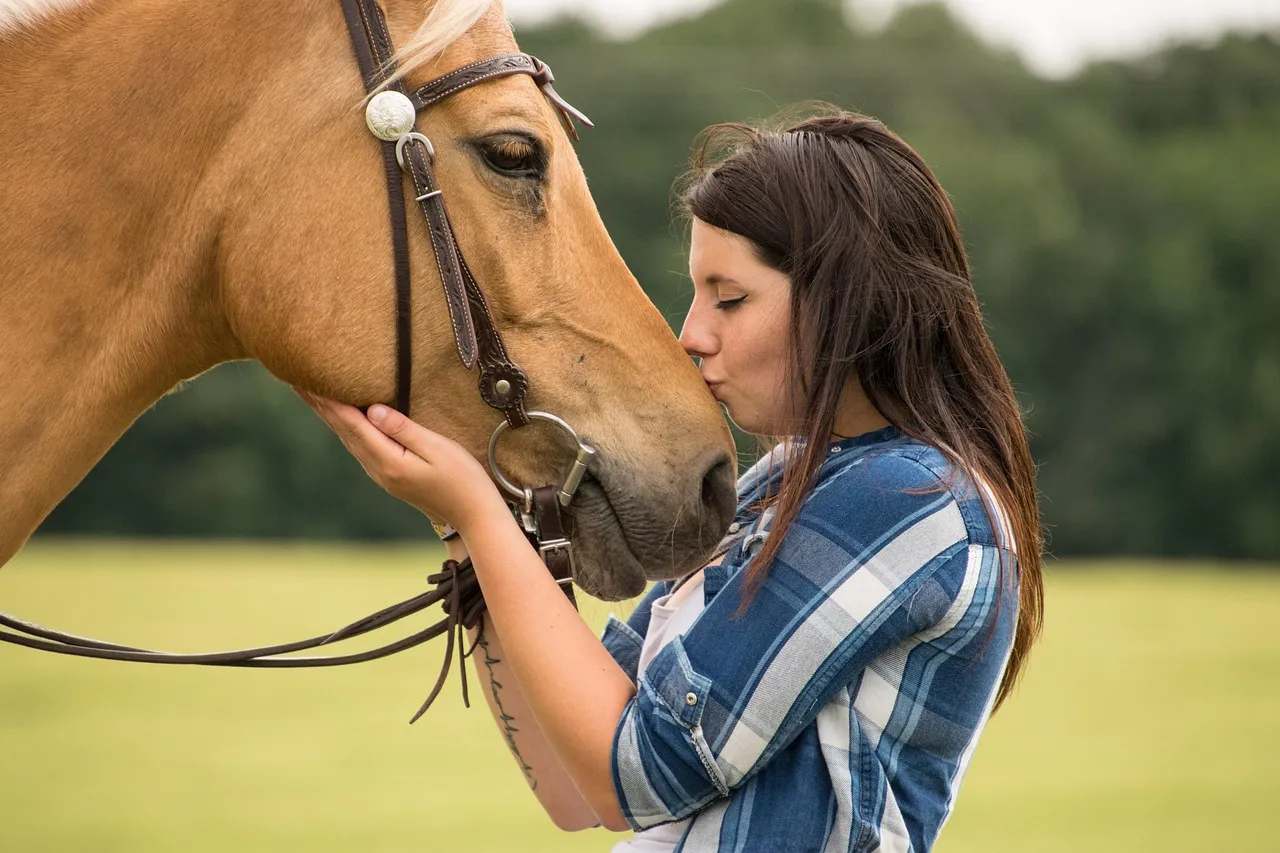
Every horse has a bubble. Some are “don’t touch me” types, others live in your pocket. The real tell isn’t whether a horse enjoys contact – it’s who they selectively let break their own rules. A mare who pins her ears when strangers fuss with her face but lowers her head the moment you touch her muzzle isn’t being random. She’s making an exception, and exceptions are the whole point.
- Letting you stand in the “danger zones” – hip, shoulder, directly behind – without tension.
- Accepting touch in sensitive spots like the ears, girth, or flanks only from you.
When a previously defensive horse starts relaxing its boundaries exclusively around you, that’s not obedience training – that’s a decision. They’re telling you, without a sound, that they trust you enough to be vulnerable somewhere they’d never allow it with anyone else. If they step slightly closer instead of drifting away when you approach, that’s a quiet, unmistakable yes.
#4 – Their Breathing Syncs With Yours When You’re Close
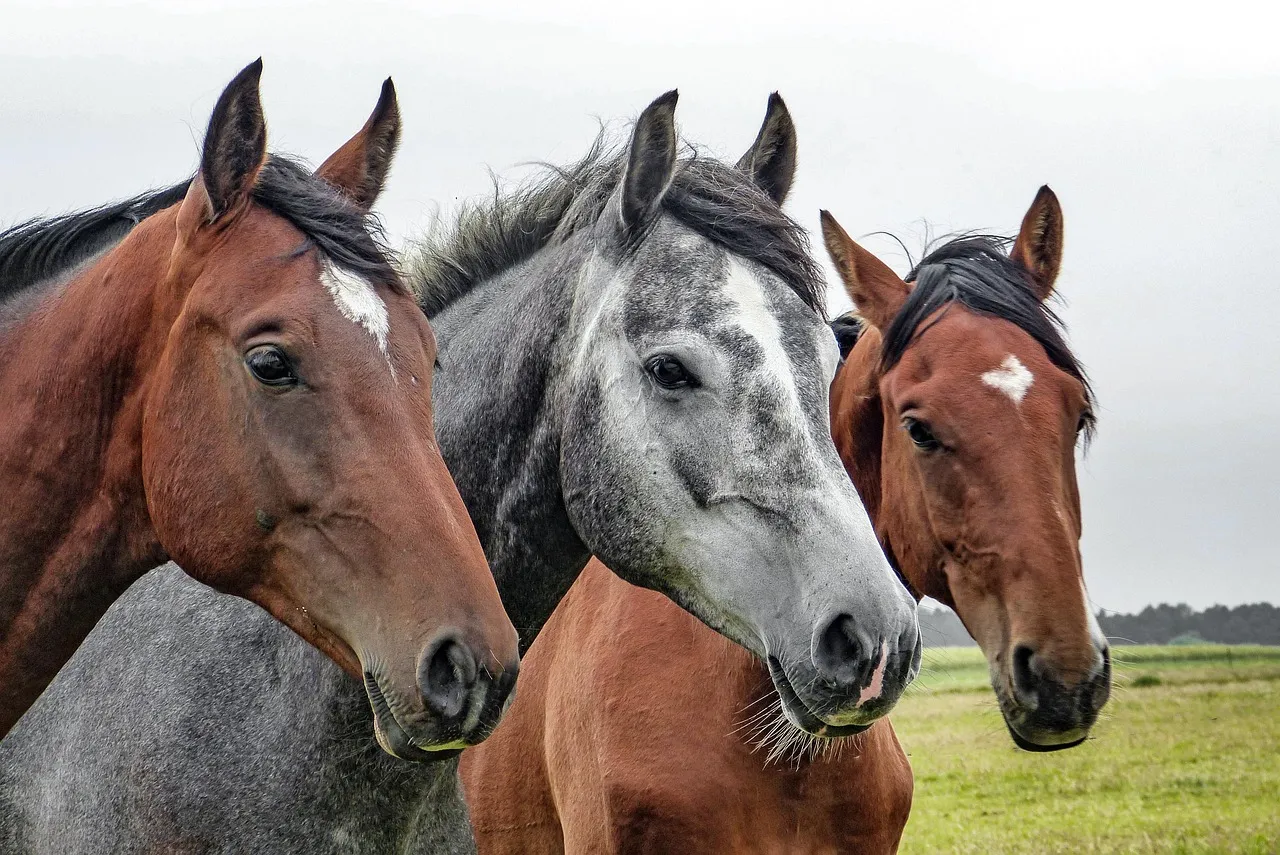
This one sounds a little “woo” until you actually watch for it. Sensitive handlers notice that deeply bonded horses will unconsciously mirror breathing rhythms during close contact. You exhale slowly, and a beat later your horse lets out a long breath too, sometimes with a soft snort tagging along.
It isn’t magic, it’s nervous system regulation. Your calm becomes their calm, and a horse that trusts you will ride that wave all the way down. Watch for slower breathing when you lean on their neck, and more of those deep sighs and lip-fluttering releases while you groom. Here’s the quietly unsettling part – many horses do the exact opposite with strangers, holding their breath and bracing their ribs like statues. If your horse keeps letting go around you instead, that’s not just good handling. That’s attachment showing up in their bloodstream.
#5 – They Track You Constantly, Even When You’re Ignoring Them
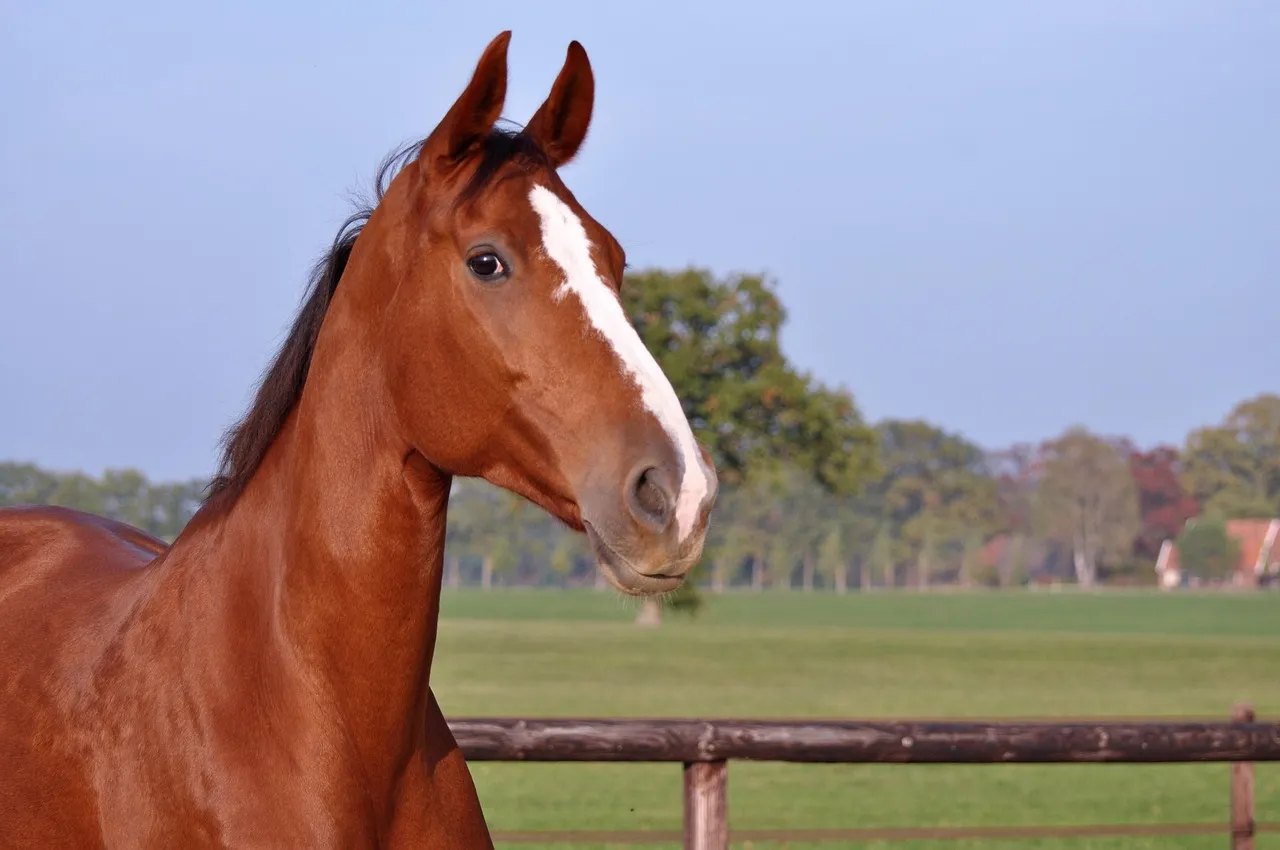
Most owners only pay attention to what happens when they walk toward their horse. The real tell shows up when you walk away. A horse that’s purely treat-motivated checks out the second the food disappears. A horse bonded to you alone keeps a quiet eye on you, the way a dog keeps tabs on its person across a room.
- One ear locked on you while the other ear and eyes scan the environment.
- Small repositioning so they can see you better as you move around the barn or paddock.
You’ll catch them lifting their head when you laugh across the aisle, or shuffling a few steps just to stand where you last stood. They’re not begging for anything – they’re monitoring their person. That kind of persistent, low-key attention doesn’t happen toward just anybody, no matter how many carrots that person is carrying.
#6 – They “Groom” You Back In Tiny, Polite Ways
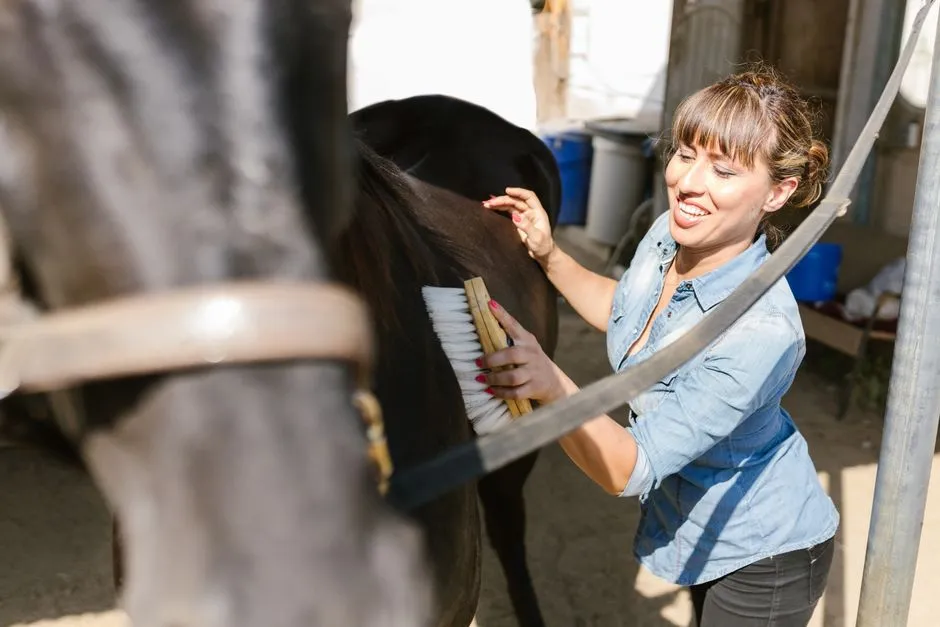
Mutual grooming is huge in horse language, but a horse bonded to you rarely chomps on your shoulder the way it would with a pasture buddy. Instead, that urge gets translated into something gentler – tiny, modified behaviors that show up surprisingly consistently once the bond is real.
- Gently lip-nibbling your sleeve or brushing their whiskers slowly along your arm.
- Carefully using their upper lip to “fix” your hair, your jacket zipper, or a loose pocket flap.
The key detail is restraint. Bonded horses are deliberately gentle, almost careful, like they know you’re breakable in a way another horse isn’t. They might rest their forehead lightly against your chest, or angle their neck so their muzzle just brushes your back. That’s not generic affection – that’s a herd animal trying to include you in its mutual grooming circle, on your terms. If a horse never offers any version of this, the bond likely isn’t there yet.
#7 – They Show Micro-Protective Behavior When You’re Vulnerable
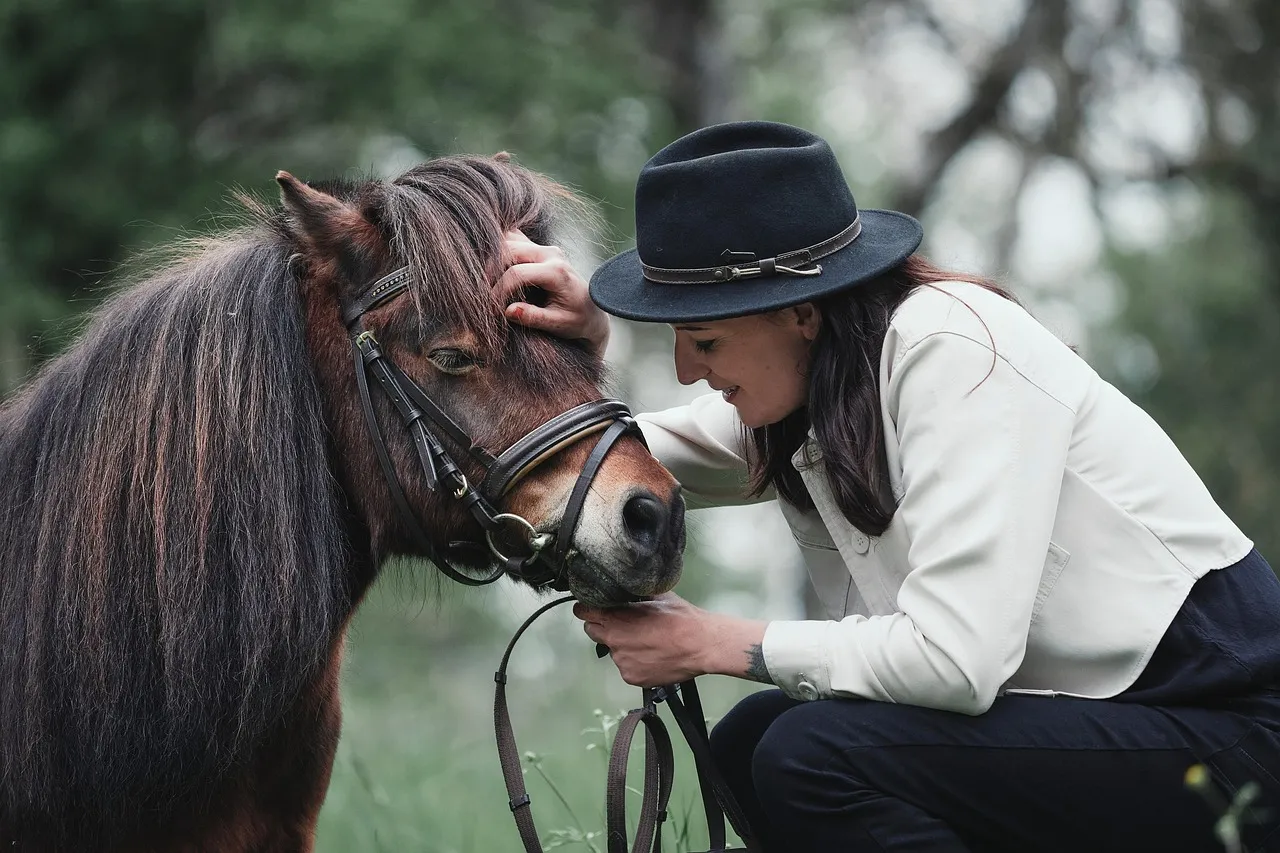
Protective language around horses gets overused online, and no, your horse probably isn’t plotting to save you from anything. But genuinely bonded horses do show small, repeatable protective choices when you’re in a weaker position – bent over, sitting, distracted.
- Instinctively stepping between you and a pushy horse without pinning their ears at you.
- Planting their feet and lowering their neck while you’re underneath them checking a leg or adjusting a boot.
The version most people miss entirely: they’ll freeze instead of flinch when something startling happens while you’re in a risky spot. A horse with no bond might yank its leg away or swing its hindquarters to protect itself first. A deeply attached horse often seems to say, “you first,” and stands unnaturally still until you’re clear. Is it conscious heroism? Probably not. Is it a real, physical sign of trust? Absolutely.
At a Glance
- Prey animals are wired to protect themselves first – freezing near a vulnerable handler runs against pure instinct.
- In wild and domestic herds, protective positioning is usually reserved for foals and top-ranked companions.
- Holding still through a startle, rather than bolting, is a physical marker of trust that can’t be trained overnight.
#8 – They Relax Faster After Stress When You’re The One Holding The Lead
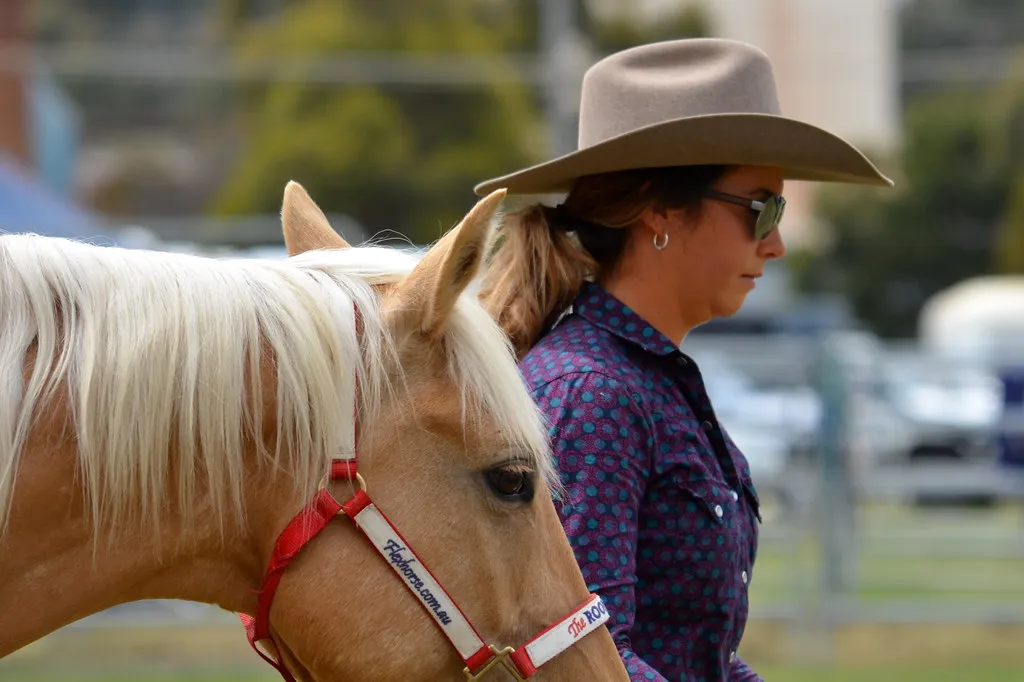
You don’t measure a bond on the easy days – you measure it after something goes wrong. A horse that’s only loosely attached might tolerate you fine when calm, but the second fear spikes, they stay braced no matter who’s holding the lead. A truly bonded horse behaves differently: their stress curve drops faster with you than with anyone else on the property.
On a spooky walk, they settle at the sound of your voice but stay edgy with other handlers. In the arena, their head lowers and the chewing starts sooner the moment you pick up the reins. Barn staff will often confirm it without meaning to – “he behaves way better with you than with us.” That’s not just skill. That’s a nervous system that has decided you’re safe.
The horse is a mirror to your soul. Sometimes you might not like what you see. Sometimes you will.
Buck Brannaman
#9 – Their Vocalizations Change Subtly When They Hear Your Voice
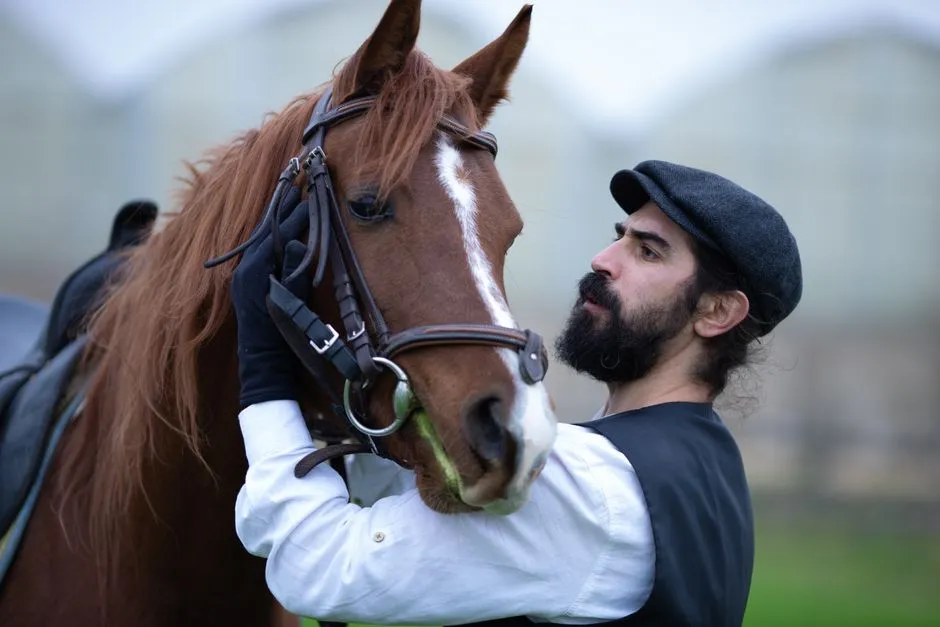
A lot of people are chasing the Hollywood moment where a horse whinnies across the field the second they arrive. The more telling sign is quieter than that – how the tone and intensity of vocalizations shift specifically for you. Bonded horses often greet their main person with shorter, softer sounds, or even silence paired with obvious focused attention, instead of loud, frantic calling.
- A low, soft nicker that only appears for you, sometimes triggered by your voice before you’re even visible.
- A normally noisy, anxious horse going quiet-but-focused the moment they realize it’s you approaching.
Here’s the controversial part: many “screaming” horses in barns aren’t bonded, they’re stressed and herd-bound. A securely attached horse may actually call less when their person shows up, because their anchor has arrived and the panic has nowhere left to go. If your voice alone can pull your horse from high alert into quiet curiosity, that bond belongs to you specifically, not to whichever horse happens to be in the next stall.
#10 – They Offer You Their Weak Side Without Being Asked
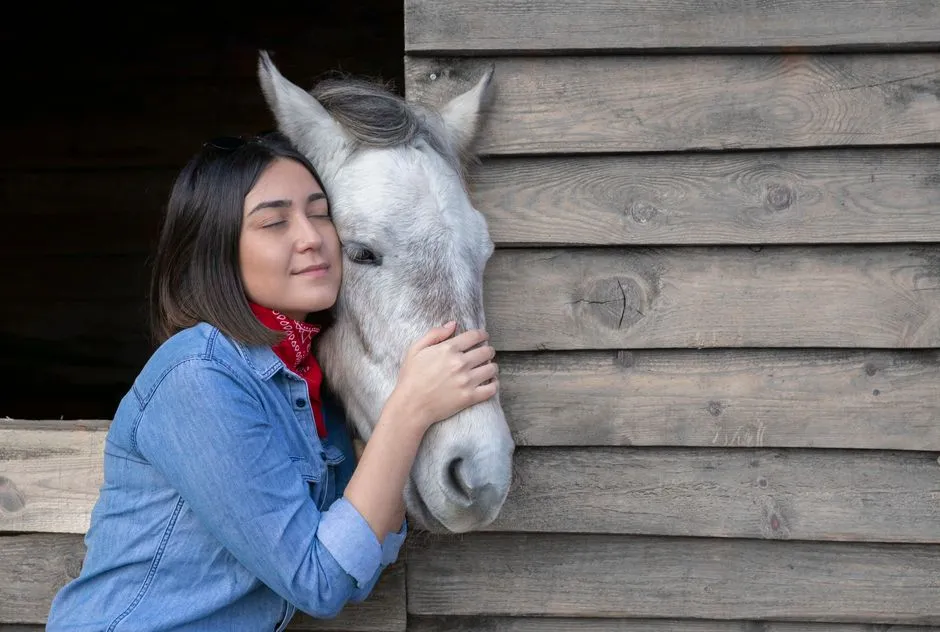
Every horse has a good side and a side they’d rather you left alone – a weaker eye, an old injury, a lifelong preference. Most horses angle their stronger side toward new people and keep the vulnerable side tucked away. A horse that’s truly bonded starts doing the opposite with you.
- They naturally line up their stiffer side at the mounting block when you’re the one riding.
- In the field, they offer the eye or hip that’s usually guarded around everyone else.
This feels backwards until you understand it: offering the vulnerable side isn’t them making things harder for you. It’s them handing you the part they’re most protective of, because you’ve proven you’ll be fair with it. Experienced trainers quietly use this as a trust test. If your horse starts choosing to show you the side they’d hide from the rest of the world, that’s a serious, silent vote of confidence.
#11 – They Wait For Your Cue Before Reacting To Sudden Things
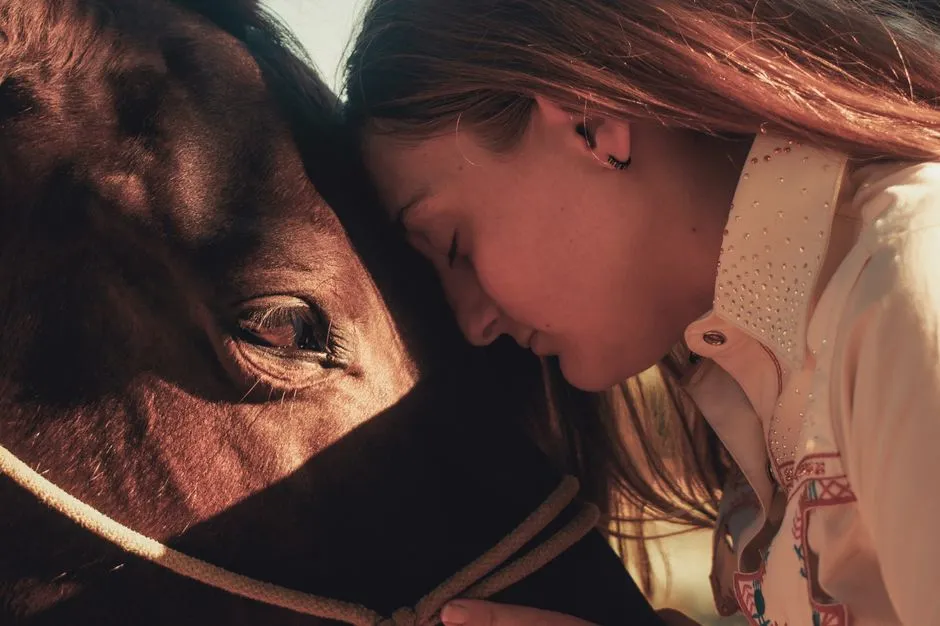
You can spot this in a split second at busy barns and shows. A tarp flaps, a loudspeaker pops, a dog darts out of nowhere. A horse with no real bond snaps its head up and reacts first, checks in second, if it checks in at all. A bonded horse does a brief double-take – startle, then an instant flick of the eye toward you, like they’re asking, “what do we think about this?”
The neck might tense, but the feet often don’t move until they’ve gotten information from you. If you exhale, keep talking, or just keep walking, they’ll try to match that decision instead of bolting into their own. This “ask the human” reflex has nothing to do with dominance. It’s a horse admitting that your read on danger matters more than its own reflexes in that moment – and that kind of surrender doesn’t happen with just any handler.
Quick Compare
- Unbonded horse: reacts first, checks in never, feet move immediately.
- Casually friendly horse: startles, glances around generally, settles on its own timeline.
- Bonded horse: startles, locks eyes on you specifically, waits for your read before moving its feet.
#12 – They Show Mild Separation Worry Only About You
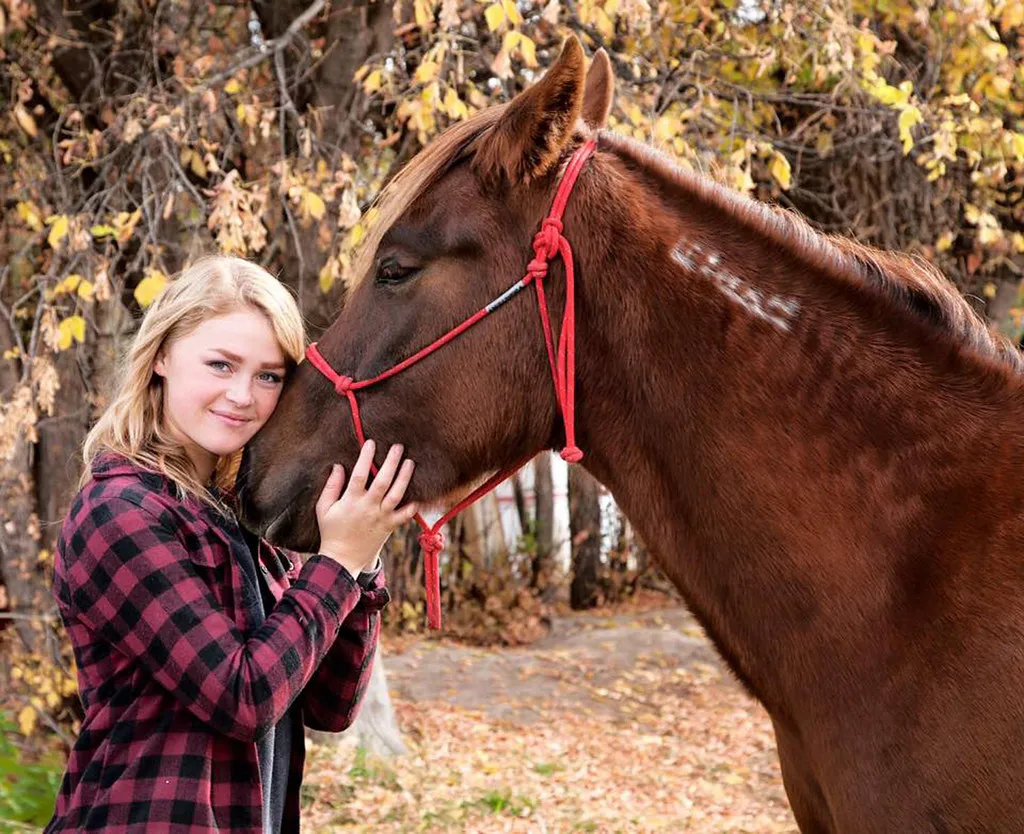
Separation anxiety usually gets treated as a red flag, but in small doses, who a horse hates being separated from tells you everything. A purely herd-bound horse melts down when any buddy disappears. A horse bonded to you alone often shows a different pattern: they’re relatively fine when another horse leaves, but unusually tuned in to your comings and goings specifically.
- Watching the driveway or barn door when you leave, even with other people still around.
- A visible shift in posture when you reappear – ears forward, nostrils soft, a small step toward you – more intense than with anyone else.
The nuance matters here: we’re talking about mild, manageable worry, not panic. Some owners mistake frantic, anxious behavior for love, but a securely attached horse copes fine, they just clearly prefer you around. If they visibly settle the moment you come back onto the property, that’s the bond talking.
#13 – Their “Default Face” Around You Is Different From Everyone Else’s
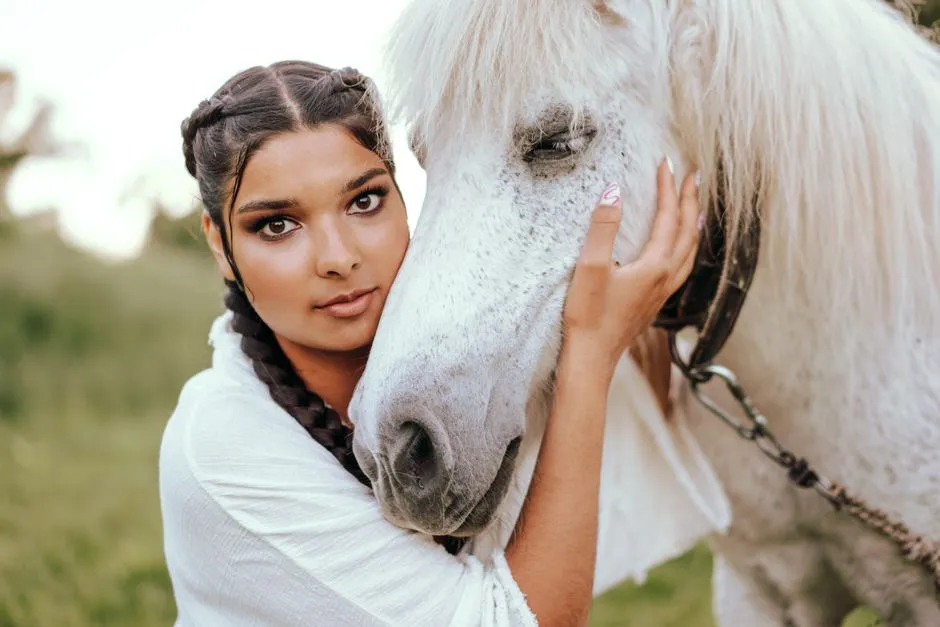
Every horse has a baseline expression – grumpy, curious, stoic, bright. One of the quietest bonding markers is when a horse seems to run two default faces: one for the world, and a completely different one that only appears when you walk up. People brush this off as imagination all the time, but it’s one of the first things experienced behaviorists notice.
Maybe the barn jokes that your gelding is a “dragon” at feeding time, ears back, eyes hard. Yet the second you step in, his ears lift and his jaw loosens like he’s a different animal entirely. Or a shut-down rescue mare who stands dull and checked-out for most people starts blinking softly, moving her lips, briefly perking up in clear recognition the moment she clocks it’s you. A changed baseline that flips only in your presence isn’t generic friendliness. It’s proof they’re not like that “for humans” – they’re like that for you.
Why It Stands Out
- It can’t be faked with treats or routine – it’s an emotional switch, not a trained response.
- It shows up consistently, not just on good days or around visitors.
- Other people at the barn often notice the shift before the owner ever names it out loud.
#14 – They Seek Quiet Contact With You When They Don’t “Need” Anything
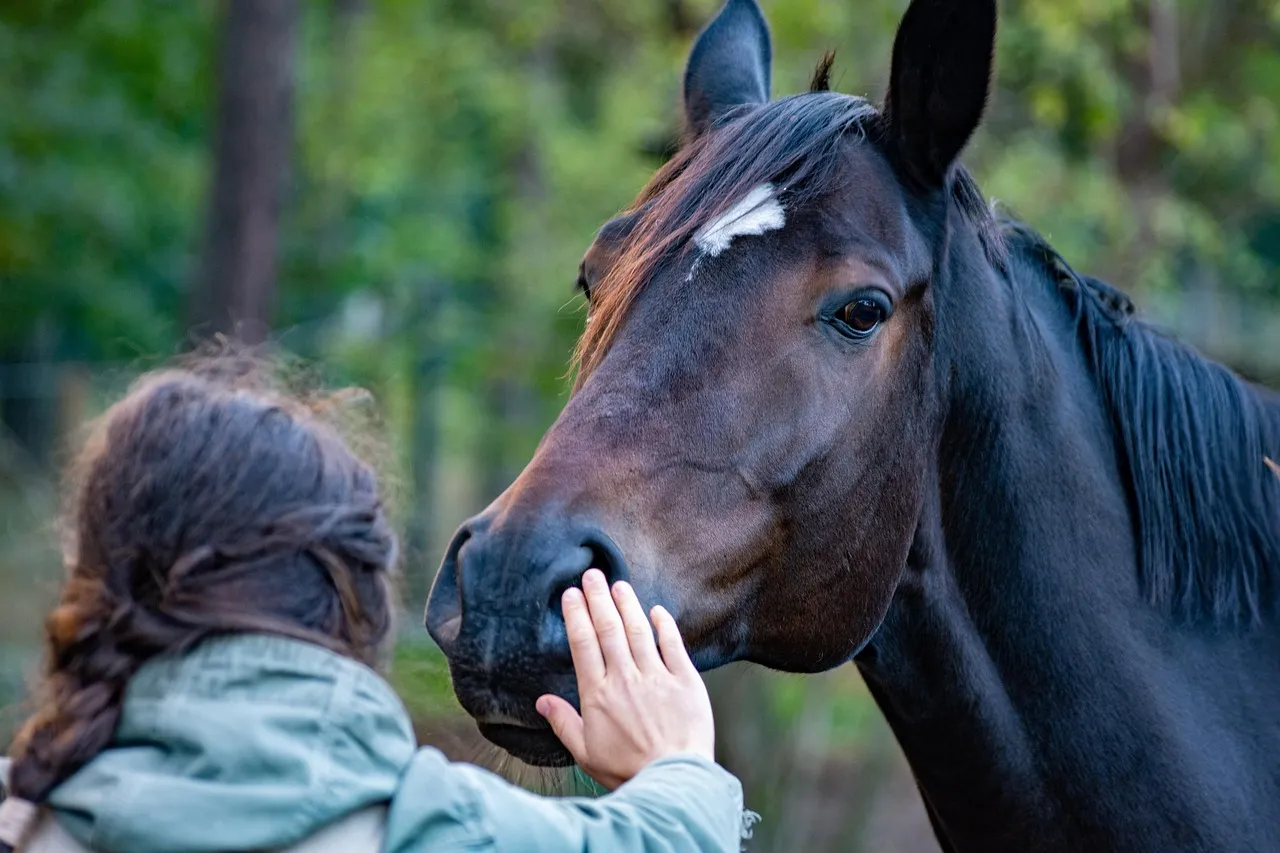
This is the one almost every long-time horseperson agrees on, even if they describe it differently. When a horse has truly bonded to you alone, it starts seeking you out with no agenda at all – not hungry, not asking to go anywhere, not anxious about a single thing. It just wants to share space.
You’ll catch it while cleaning the paddock, when instead of wandering off they drift over and stand close enough that your sleeve brushes their shoulder. Or in a pasture stocked with hay, water, and friends, they leave all of it just to loiter near you, doing nothing in particular. They’re not nagging, pawing, or angling for treats – they settle, head lowering, weight resting, one hind leg cocked. Out of everything a prey animal could choose – food, herd, freedom – they chose quiet, unremarkable togetherness with you. That’s about as close as a horse gets to saying it out loud.
Most people go looking for loud, dramatic proof that their horse loves them, and they miss the real evidence sitting in plain sight. Genuine attachment in horses is small, specific, and stubbornly consistent – they relax faster in your hands, soften their eyes only for you, hand you their weak side, breathe when you breathe. None of it is about dominance, and none of it is about food. It’s about a prey animal deciding, on its own terms, to rewrite its instincts around one person.
People will tell you these are “just training.” Maybe some are. But training doesn’t explain why the exact same horse acts like a different animal the second one specific person walks in. That’s not a coincidence. That’s a relationship, and it’s earned, not bought.
Did your horse surprise you by matching any of these quiet tells – or do you think a few of these got overrated? Drop your take in the comments.

- 14 Quiet Ways a Horse Tells You It Has Bonded to You Alone - July 23, 2026
- 14 Quiet Signs Your Dog Knows Its Time Is Near and Wants You Close - July 22, 2026
- 10 Falcon Facts That Will Blow Your Mind - July 22, 2026