
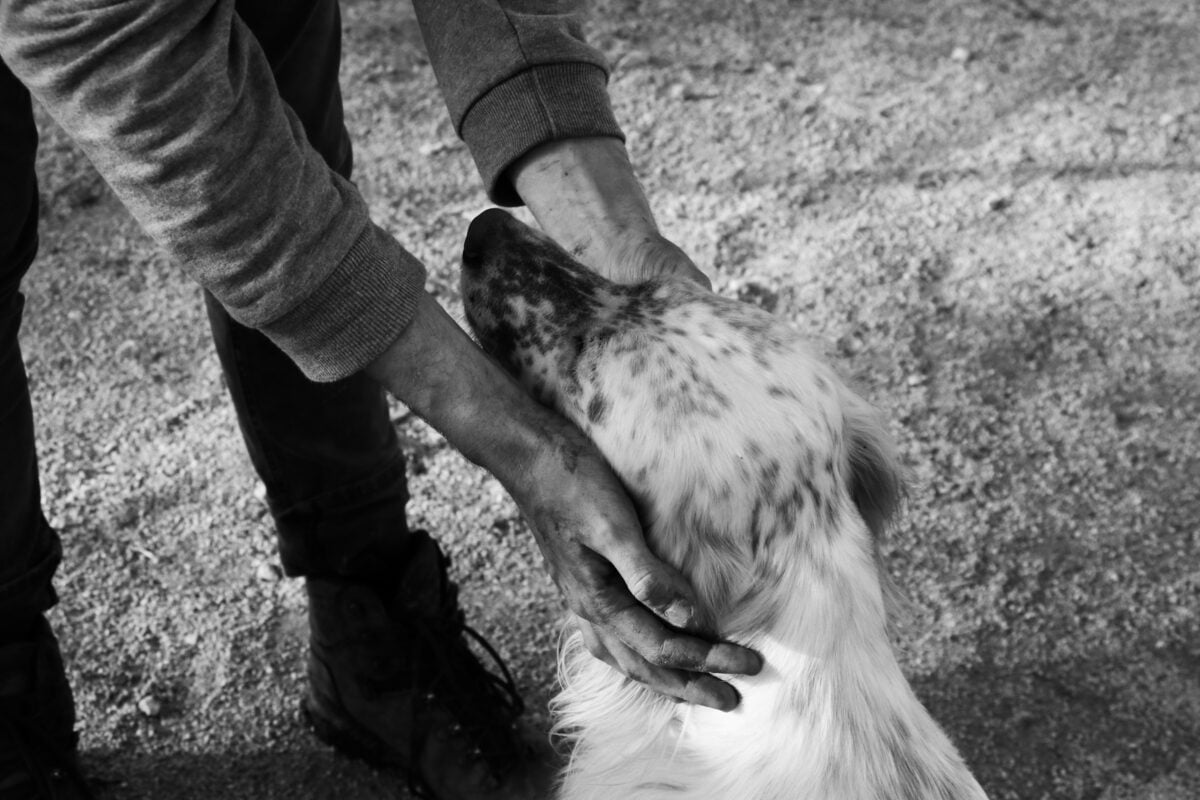
Most people assume a rescue dog’s “safe” moment looks like nonstop tail wags and instant cuddles. In reality, the signs behaviorists actually watch for look almost like nothing at all – a slower bite of food, a lazier blink, a back turned toward you on purpose instead of away.
If you’ve adopted a rescue and keep waiting for the grateful, affectionate dog from the shelter commercials to show up, you might already be living with a safe dog and just not know how to read it yet. These 13 signals move in a very specific order, from the small physical cues most owners dismiss to the one moment trainers call the real proof a dog has chosen you as home. Let’s start with the clue hiding in plain sight, right at the food bowl.
#13 – They Finally Eat…Slowly
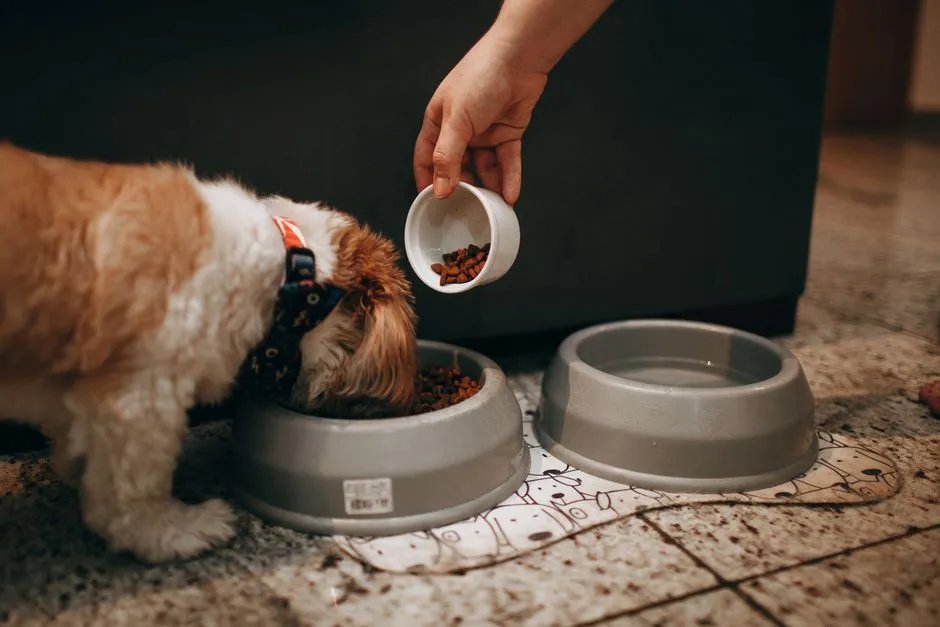
Everyone celebrates when a rescue dog wolfs down its first bowl of food, but that’s usually survival mode, not comfort. Dogs coming from shelters or the street often inhale their meals because some part of them still believes the food might disappear – a habit rooted in scarcity, not hunger.
The real shift happens when your dog starts pausing between bites, sniffing the bowl, or even walking away mid-meal. That’s not pickiness. It’s a nervous system finally calm enough to believe the food will still be there in five minutes. When they stop guarding the bowl, stop stiffening when you walk past, or let another pet linger nearby while they eat, they’re telling you something huge in a very quiet way: I’m safe here.
Fast Facts
- Rapid, frantic eating is common in the first days after adoption
- Guarding signs include stiff shoulders, hard stares, or a low growl near the bowl
- Slower, sniff-first eating tends to emerge as routine sets in
- Walking away mid-meal or eating calmly near others is one of the clearest safety signals
#12 – They Show You Their Belly (But Not Always for Rubs)
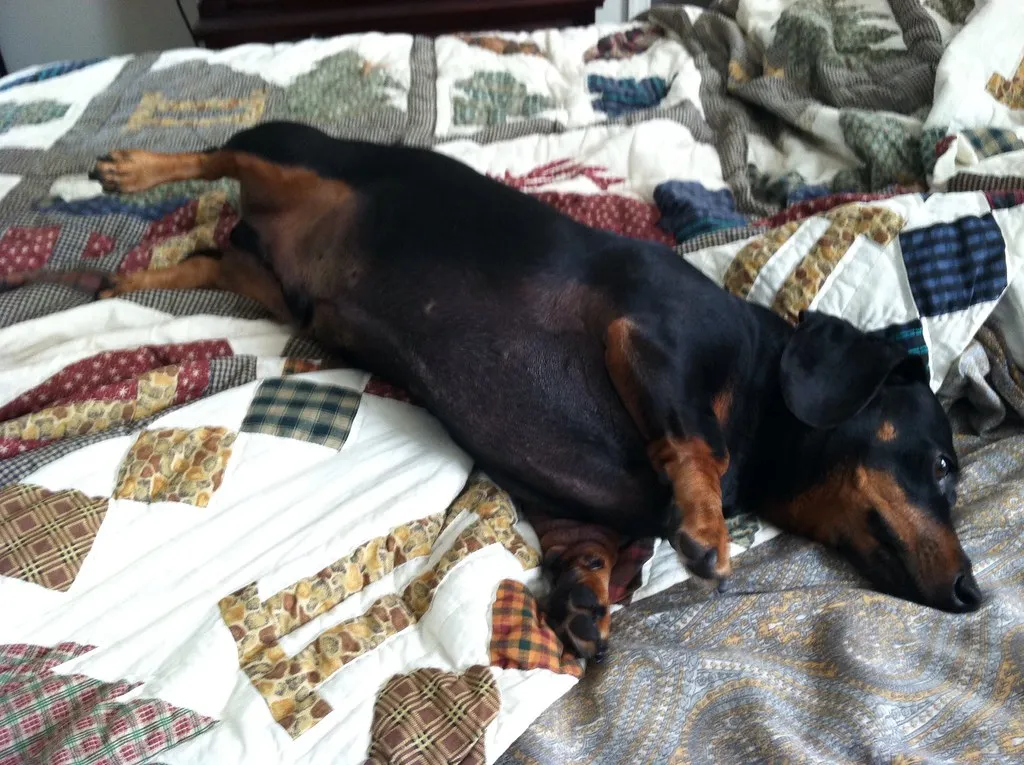
Most people think a dog rolling onto its back is begging for belly rubs. Behaviorally, it can mean two very different things: true relaxation, or appeasement. A rescue who freezes on its back, avoids eye contact, or tenses when you reach in is often saying “please don’t hurt me” – that’s shutdown, not trust.
The real breakthrough looks looser and messier. Your dog flops over on their own, limbs loose, maybe even snoring, in what looks like a total “side sprawl” on the couch or floor. That position is biologically risky – no animal exposes its throat and stomach to someone it doesn’t trust. If they stretch into you, sigh, or wag lightly while upside down, that softness is the real tell, not the position itself.
#11 – Their Bark Changes Tone (Or Quietly Disappears)
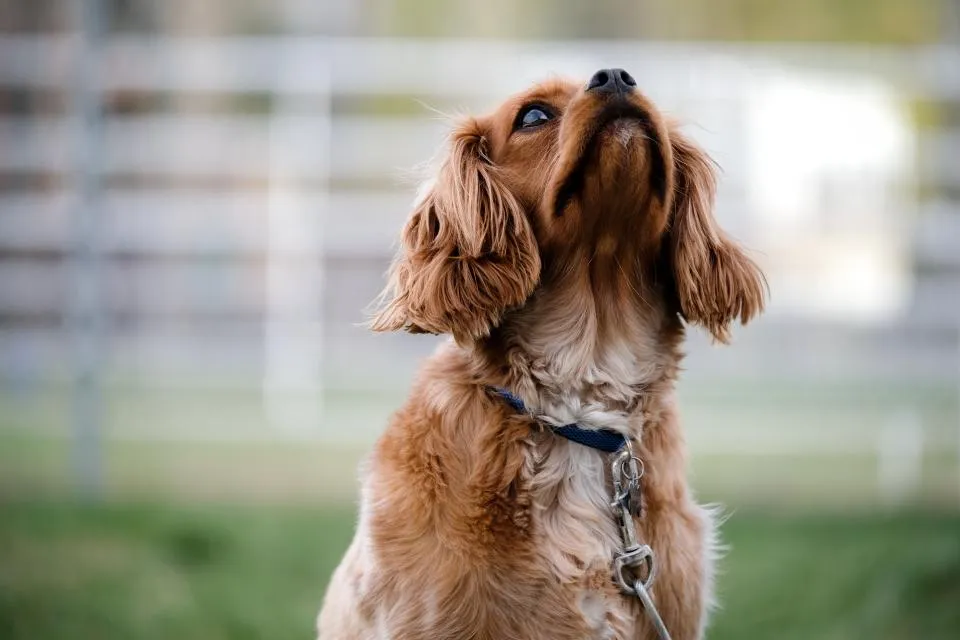
People love to label rescues as “too barky” or praise the quiet ones as “such good, calm dogs” – but both can be stress signals in disguise. A dog barking at every sound is often stuck in a loop of hypervigilance, constantly scanning for threats. A dog who never makes a sound may have learned that noise once had consequences.
The real shift is variety. A playful “boof,” a talky grumble, a happy whine at dinner time – these new sounds mean your dog feels secure enough to express a need and expect a response. Likewise, a dog who used to lose it at every creak of the floor gradually stops reacting, because their environment has faded from constant threat into background noise. That new voice, or that new quiet, is basically a progress report from their nervous system.
#10 – They Turn Their Back on You…On Purpose
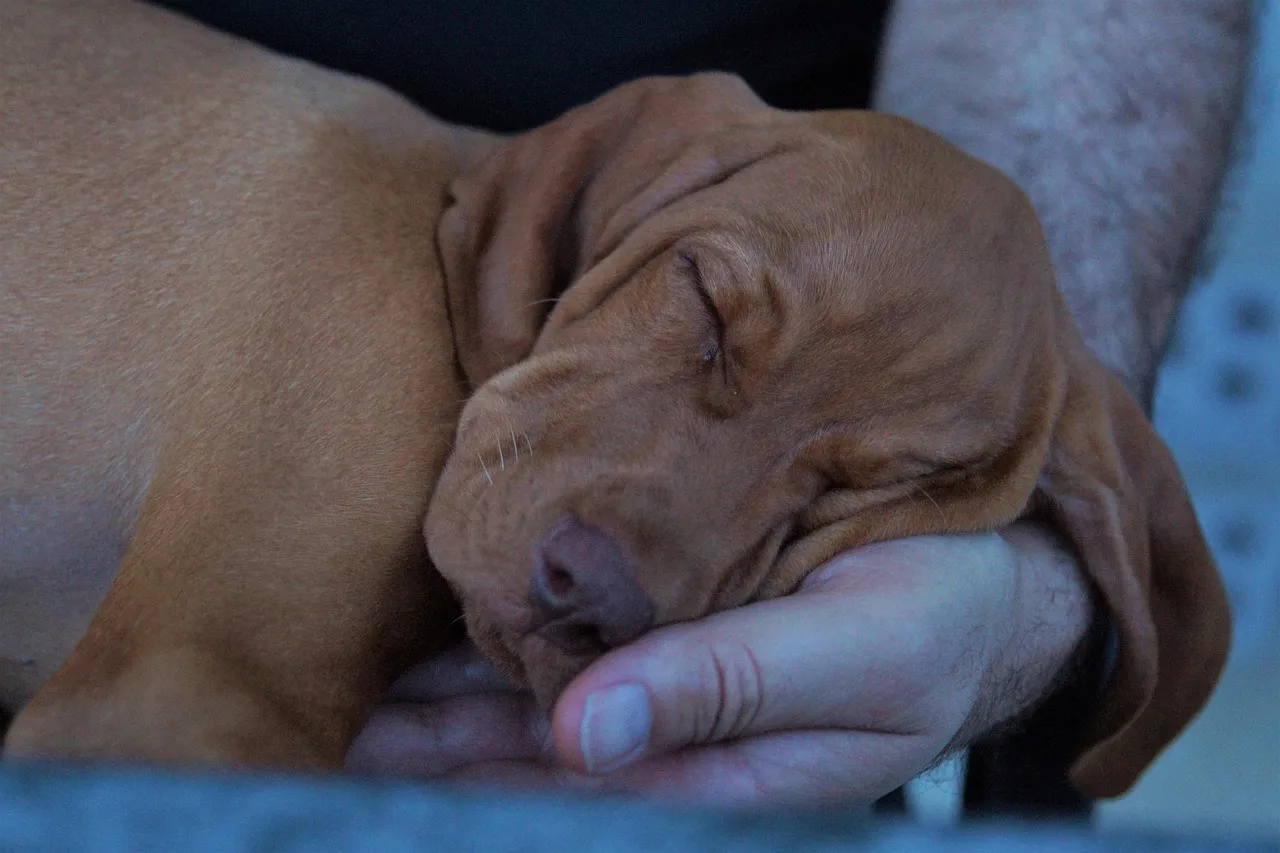
Oddly enough, one of the strongest trust signals is when a dog chooses to put you at their back. In the animal world, turning away is risky – predators attack from behind. When your rescue settles with their spine against your leg, sits facing away while still touching you, or naps pressed into your side, they’re quietly outsourcing their safety to you.
Many owners misread this as aloofness, as if the dog is “over” them now that they’re comfortable. It’s actually the opposite of distance. They no longer feel the need to stare at you constantly to predict what happens next, because they already trust the answer: nothing bad. It’s quiet, boring-looking behavior, which is exactly why most people miss how big it actually is.
#9 – They Start Grooming Themselves (and Even You)
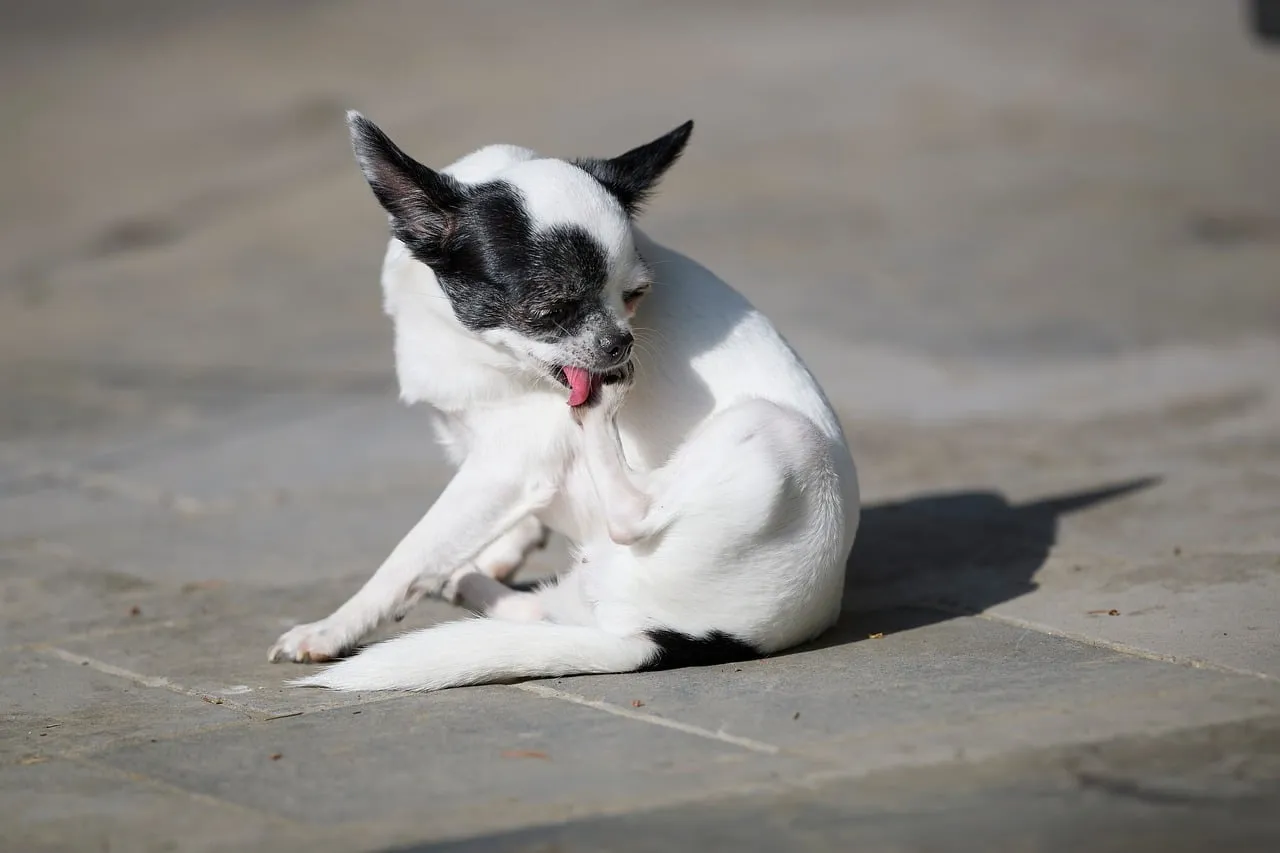
A chronically stressed dog often neglects basic self-care – dull coats, flaky skin, or licking and scratching only in frantic, anxious bursts. Once stress hormones settle and routine kicks in, many rescues start grooming rhythmically instead: calm paw licks, gentle nibbling, a scratch and then a settle, instead of obsessive fussing.
The bonus signal is social grooming. When your dog licks your hands after a pet, nibbles your sleeve, or gently cleans another animal’s face, that’s affiliative behavior – the canine version of “you’re my people.” Some owners shut this down instantly as bad manners. You can absolutely set boundaries, but don’t miss what the behavior is actually telling you underneath.
Worth Knowing
- Calm, rhythmic licking or scratching replaces frantic, anxious grooming over time
- A dull or patchy coat can reflect ongoing stress, not just poor nutrition
- Licking your hand or nibbling your sleeve is affiliative, not misbehavior
- Grooming another pet’s face is a sign of social bonding, not dominance
#8 – They Choose Distance Without Panic
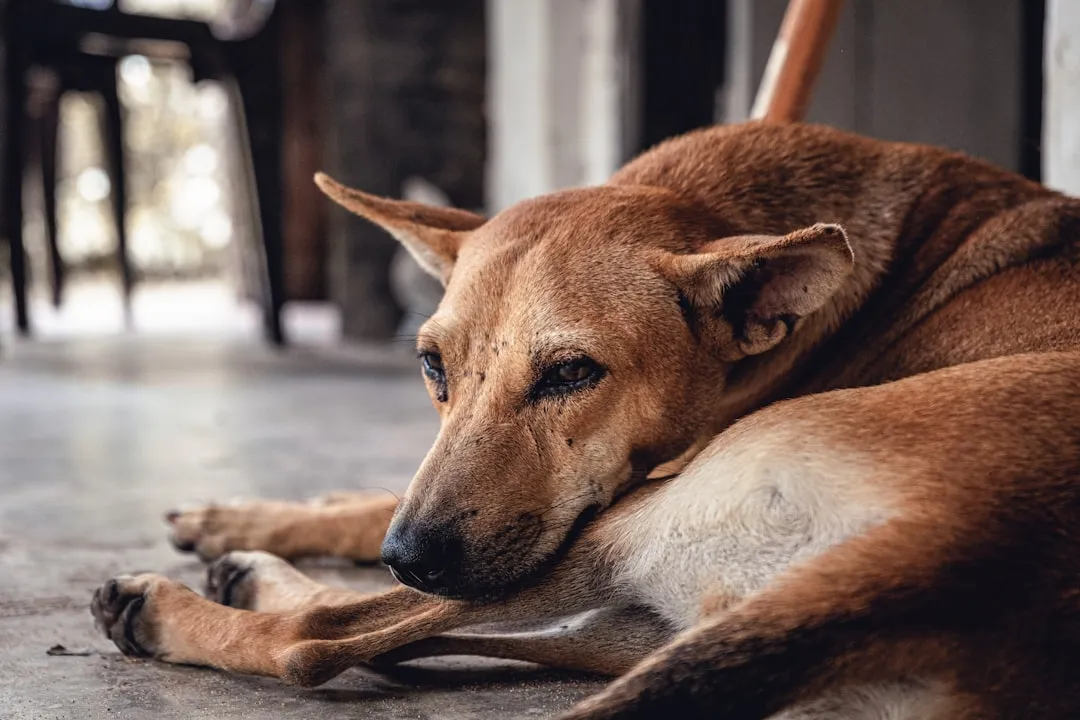
At first, many rescues become “velcro dogs,” shadowing you from room to room, even into the bathroom. It looks like devotion, but it’s often insecurity: if I lose sight of you, I lose my sense of safety.
The real breakthrough is the first time your dog stays in another room and doesn’t check on you every thirty seconds. They keep snoozing on the couch when you leave. They hear you in the kitchen and don’t bolt upright. This isn’t rejection – it’s trust in the environment you’ve built, proof they believe the house and its sounds are predictable enough to let their guard down. Ironically, this is the stage where owners panic: “He doesn’t love me anymore!” No – he just finally believes you’ll still be there when he wakes up.
#7 – Their Play Gets Goofy and Imperfect
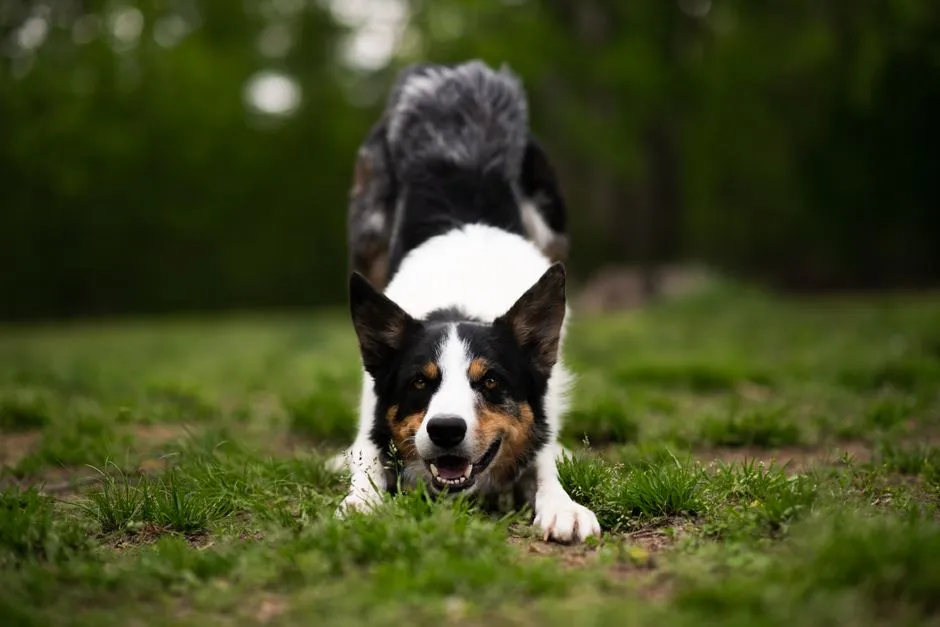
Early play from a rescue can look stiff, frantic, or oddly intense – nonstop zoomies, obsessive ball fixation, rough mouthing. That’s often adrenaline, not joy. A safer dog starts showing looser, sillier, even clumsy play: the classic play bow, wiggly hips, a relaxed mouth, squinty eyes, and “self-handicapping,” where they deliberately slow down or go gentler with you or smaller animals.
You might notice them dropping a toy in your lap then bouncing backward, or starting a zoomie loop and stopping mid-run just to check in with you, tongue lolling. This is social play, not just energy discharge – they’re testing limits, trusting that getting it “wrong” won’t be punished. A dog who feels safe enough to be weird, to fumble and keep trying anyway, has crossed into real emotional security.
#6 – They Sleep Deeply in Vulnerable Spots
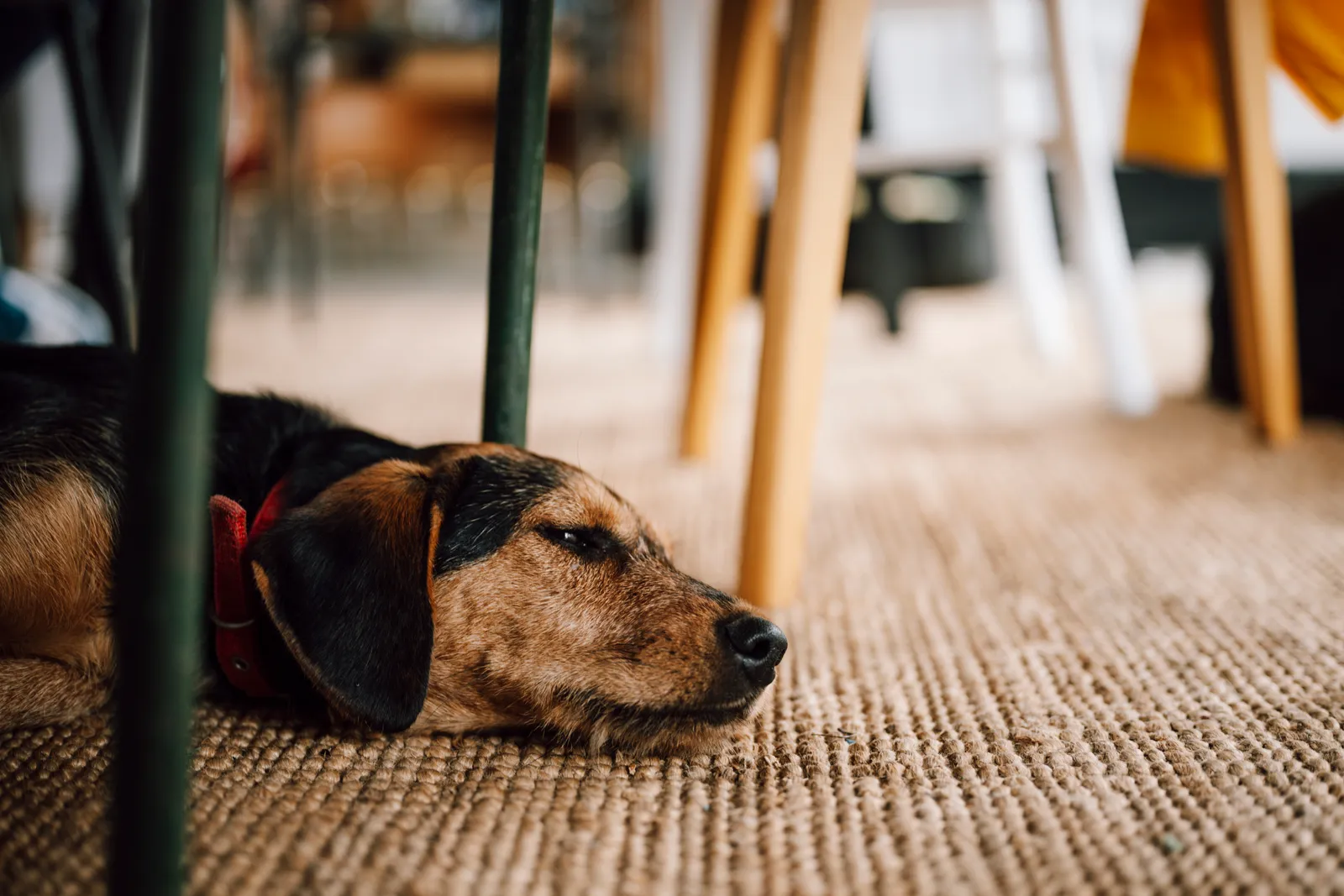
Many new adopters brag that their rescue “slept all day from day one – so chill!” Often that’s shutdown, not serenity. The real difference is in depth and placement. A dog that only crashes in corners, under tables, or facing the door is usually still managing anxiety in their sleep.
The shift comes when they start choosing open, central spots – the middle of the couch, a bed away from the walls, sprawled out in the hallway. Look for twitching paws, a soft jaw, relaxed ears, maybe a light snore. That’s a nervous system that finally trusts it can go fully offline without being ambushed. A dog who moves freely between crate, sofa, and bed on their own terms is showing flexibility, and flexibility is one of the clearest hallmarks of safety.
Quick Compare
- Shutdown sleep: corners, under furniture, facing the door, tense body
- Secure sleep: open floor space, center of the couch, twitching paws, soft jaw
- Shutdown sleep: easily startled awake, stiff when rising
- Secure sleep: slow to wake, stretches and sighs before moving
#5 – Their Body Softens Around Touch (and They Walk Away When Done)
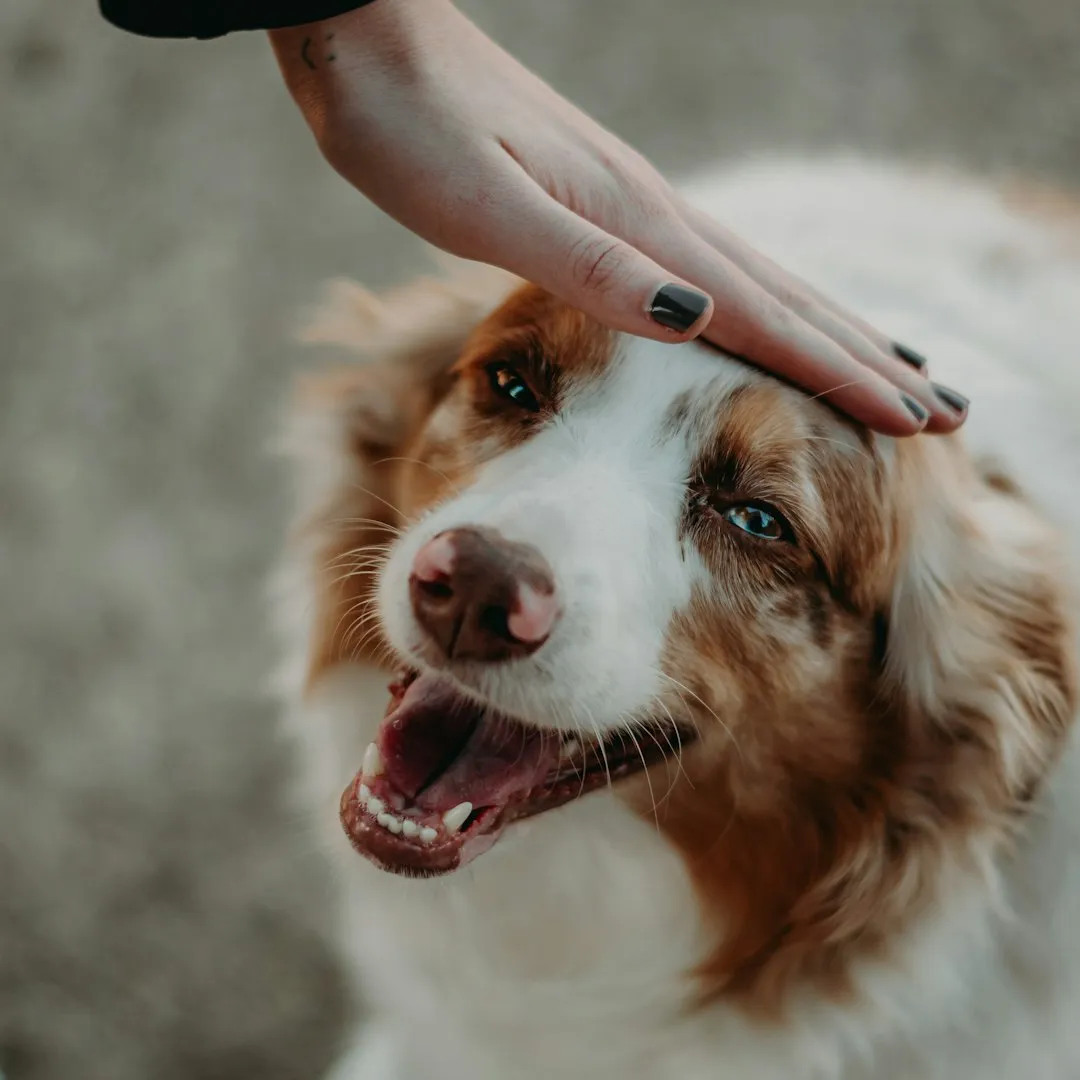
Touch tolerance is one of the clearest markers of emotional security. Early on, a rescue might freeze when petted, lean away, or tolerate handling purely out of fear. Others swing the opposite way, climbing into your lap instantly, using touch as a coping mechanism instead of a comfort.
The real safety sign is choice-based contact: they approach, lean in, sigh, then calmly walk away once they’ve had enough. Watch for muscles melting instead of tensing, ears sitting neutral instead of pinned back, slow blinks, a soft mouth. Critically, a safe dog feels they’re allowed to say no – and if you respect that, they learn their boundaries actually matter, which makes future vet visits, grooming, and nail trims far less traumatic.
#4 – They Start Ignoring You (in the Best Possible Way)
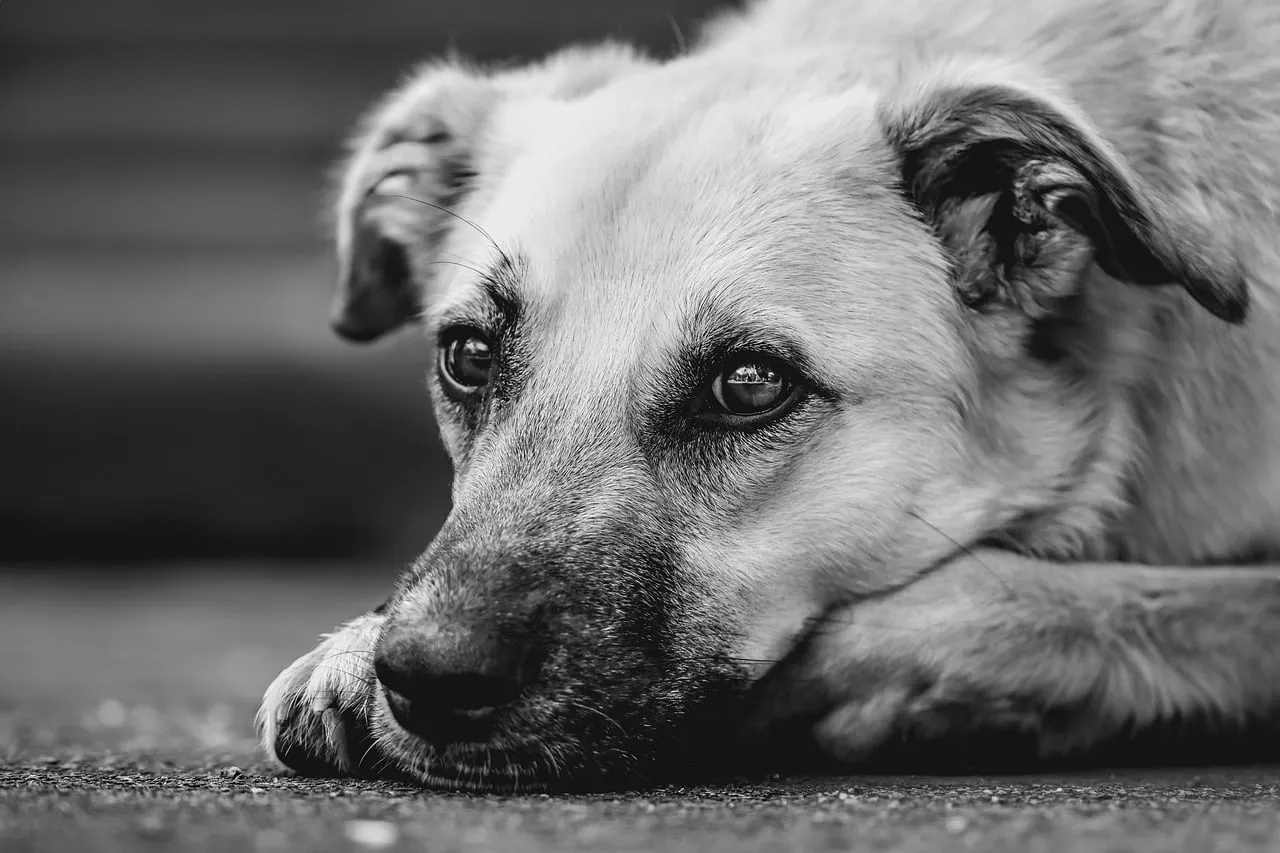
This one sparks arguments, but hear it out: a dog that doesn’t bolt to you every time you move might actually be more secure, not less bonded. Early on, your rescue may track every step you take, bracing for whatever comes next. When they decide your movements are simply boring, that’s massive progress.
They keep chewing their toy while you pace the room. They don’t flinch when you grab your keys or open a closet. They stop overreacting when you stand up too fast or throw on a jacket. Their brain has quietly filed you under “predictable, non-threatening.” That’s what real safety looks like – you become background comfort instead of a potential danger to track every second of the day.
#3 – They Show You “Ugly” Feelings Without Falling Apart
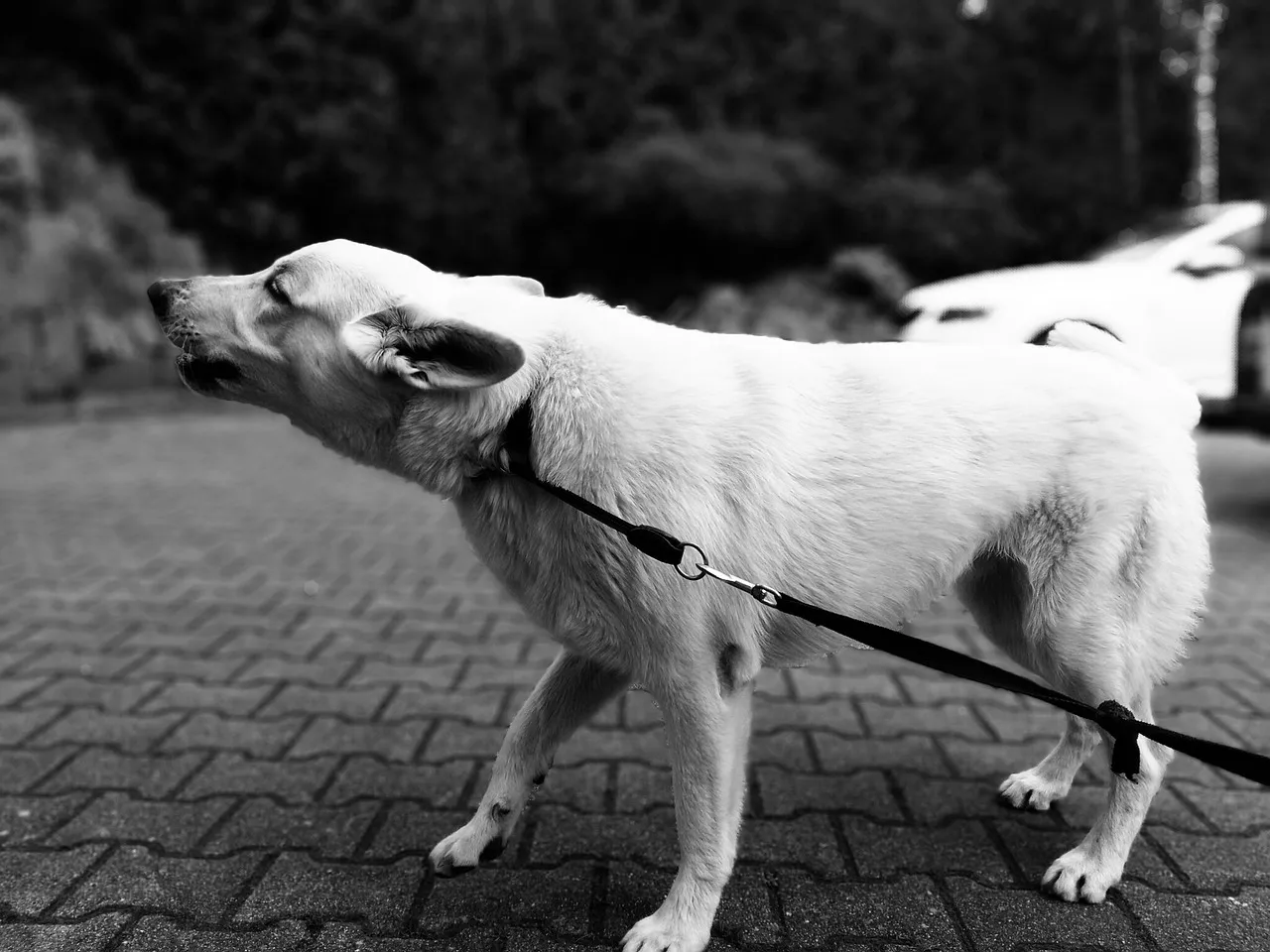
A major turning point is when your dog feels safe enough to disagree with you. Mild resource guarding, a frustrated bark during training, a small growl when you touch a sore spot – these aren’t automatic failures. They’re communication. A dog who never shows a hint of negative emotion may simply be too afraid to speak up at all.
The first time your rescue gives a low growl, then looks back at you for a response, they’re testing something real: can I be honest with you and still be safe? What you do next matters enormously. Punishing that early honesty tends to push dogs toward either total shutdown or a sudden, out-of-nowhere bite later on. A secure dog learns that expressing discomfort leads to adjustment, not violence – and over time, the growls fade into subtler signals: a lip lick, a turned head, a lifted paw.
#2 – They Show You Their Weird Little Rituals
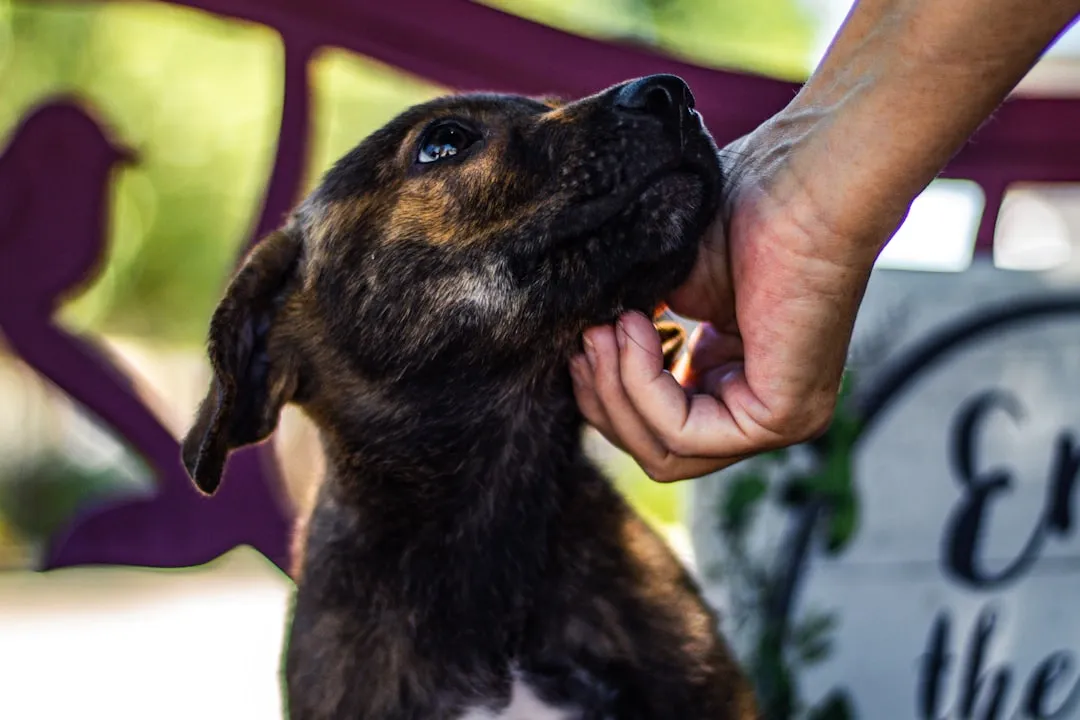
Every dog has quirks, but rescues tend to hide them until they feel truly safe. One day you notice they always spin twice before bed, stash one specific toy under the couch, or do a strange little hop before heading outside. These idiosyncrasies are personality finally poking through the trauma.
As routine and predictability settle in, dogs resurrect old habits or invent new ones – lining up toys in a particular spot, walking a specific lap around the yard before peeing, insisting on greeting one family member first. This is the moment your dog stops being “the rescue” and starts being your dog, with a story only you get to see up close. Dismissing these rituals as bad habits misses the point entirely – they’re identity.
At a Glance
- Trust signals tend to build in order: physical comfort first, emotional honesty last
- Quirky rituals often resurface only after weeks or months of stability
- A dog that growls, then reveals rituals, then leans into fear has moved through every stage
- Personality returning is one of the last, most personal signs of safety
#1 – They Trust You With Their Fear
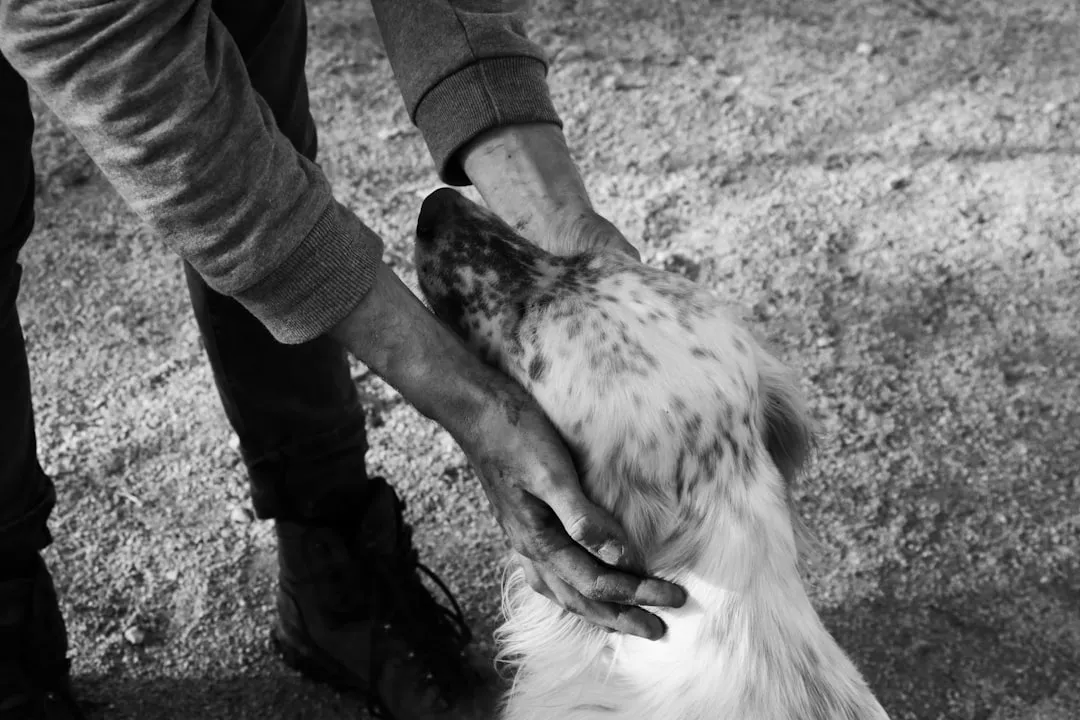
The clearest sign your rescue finally feels safe isn’t how they act when everything’s easy. It’s what they do the moment something goes wrong. A dog that once shut down, bolted, or lashed out may now run to you instead of away from you when fireworks crack, a pan drops, or a stranger walks in.
Instead of spiraling, they seek your eyes, lean into your leg, or plant themselves between your feet. They may still be afraid – safety doesn’t erase every trigger overnight – but where they choose to carry that fear is everything. You’ve become their secure base, the place fear gets taken to instead of run from.
Until one has loved an animal, a part of one’s soul remains unawakened.
Anatole France
Most people think a rescue dog “feeling safe” looks like instant cuddles and nonstop enthusiasm. In reality, the most meaningful shifts are the quiet ones – slower eating, deeper sleep, independent choices, the courage to show both joy and discomfort without falling apart. Safety isn’t a single moment. It’s a pattern of small behaviors repeating themselves over and over, each one saying the same thing in a different language: I can be myself here.
If you only chase obedience or affection, you’ll miss the real miracle happening right in front of you. Some people will insist love alone is enough to fix a scared dog. It isn’t. Structure, patience, and genuine respect for a dog’s boundaries are what actually turn survival into trust – and that trust, once it’s real, is unmistakable.
Which of these signs have you already seen in your own rescue – and which one made you realize they were finally, truly home?

- 16 Things a Dog Only Ever Does Around the One Human It Has Truly Chosen for Life - July 31, 2026
- Why Highly Sensitive People Often Have Highly Reactive Dogs - July 31, 2026
- Avoid These 8 Cat Breeds If You’re a Scorpio - July 31, 2026