
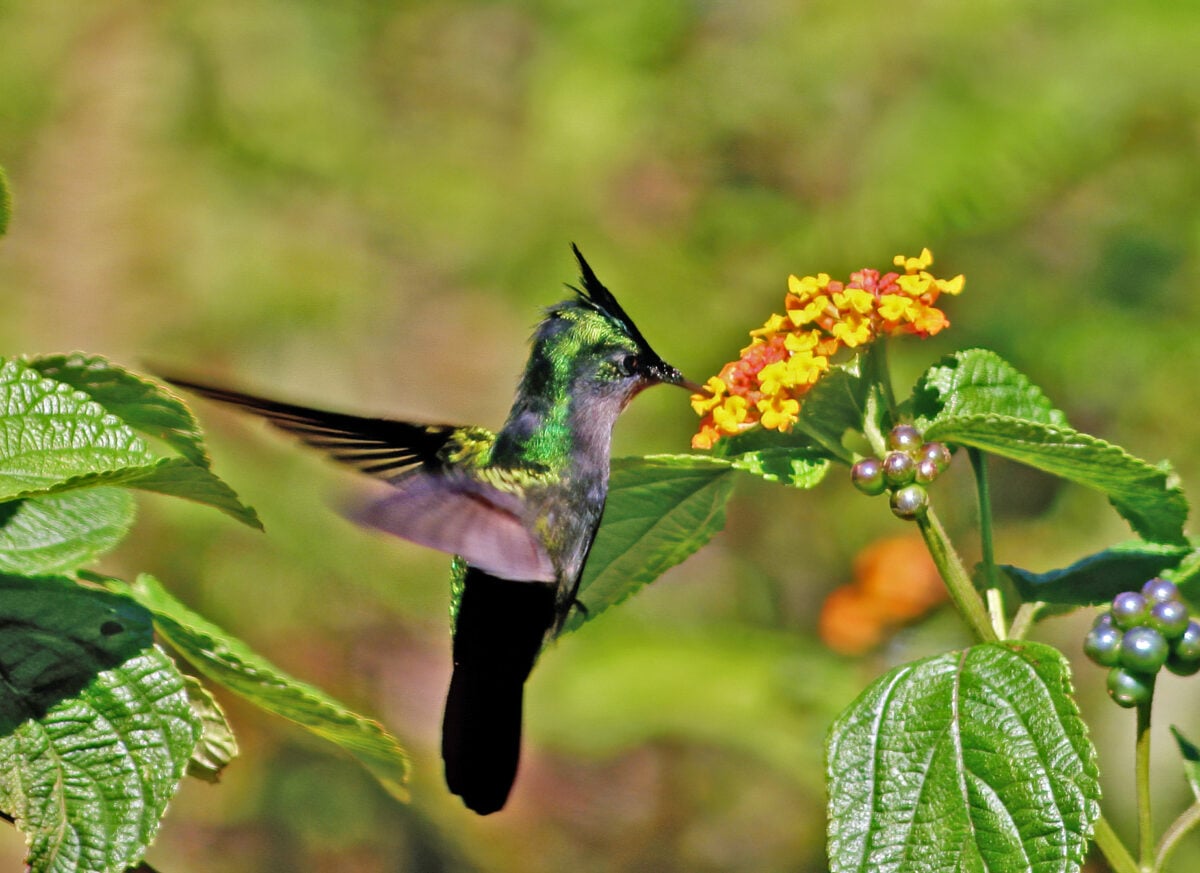
Most people assume a hummingbird’s visit means nothing more than sugar water and bright petals. Feed it, and it leaves. No memory, no relationship, just instinct on autopilot.
But watch one long enough, and something strange starts to happen. The frantic, bullet-fast visitor slows down. It lingers. It stops flinching at the sound of your front door. Somewhere in that tiny brain, beating over a thousand times a minute, you’ve stopped being a threat. What follows is a list of the real, observable moments that prove it – and a few that people mistake for love when they’re actually something rarer: earned trust.
#14 – They Stop Doing That Nervous “Zig-Zag Escape”
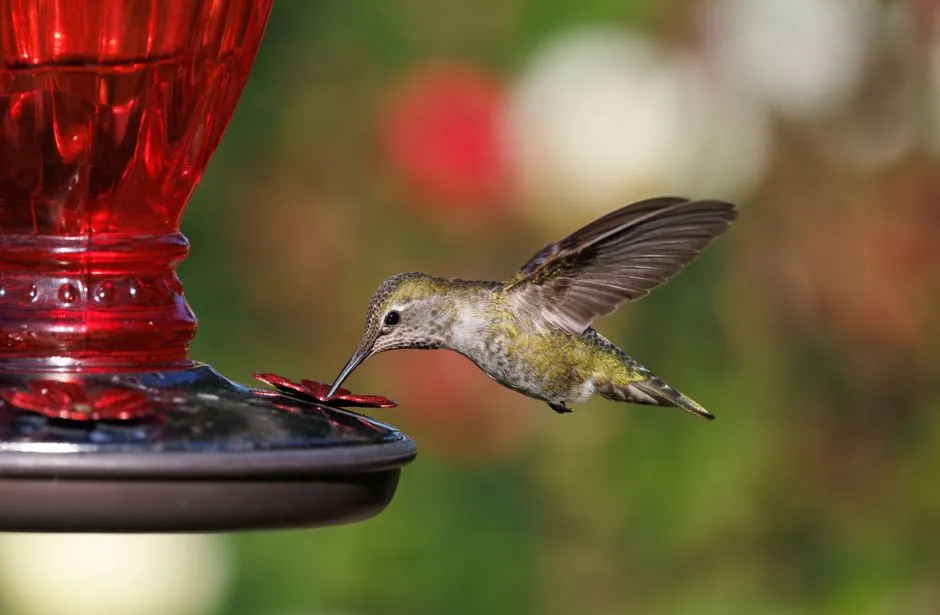
When a hummingbird first finds your yard, every movement you make is a potential threat. They hover, bolt, return, then zip away again. That jittery zig-zag exit is a survival reflex – they’re wired to assume you might be a predator waiting to strike.
So when a hummer starts approaching the feeder in a straight, confident line instead of that spastic S-shape, something has shifted. What changed is you – specifically, your predictability. You’ve walked past without chasing it, refilled feeders without swatting, kept your noise level steady. Over days or weeks, the bird’s brain quietly files you under “no attack.” It isn’t affection in the human sense, but it is a learned decision to stop wasting precious energy fleeing something that’s never once hurt it.
Fast Facts
- A hummingbird’s heart can beat up to 1,200 times per minute during activity
- Wings flap roughly 50 to 80 times per second in normal flight
- They can remember the exact location of every feeder in their territory, along with when it was last refilled
- Average wild lifespan is 3 to 5 years, though some banded individuals have lived past 10
#13 – They Keep Eating Even When You Open the Door
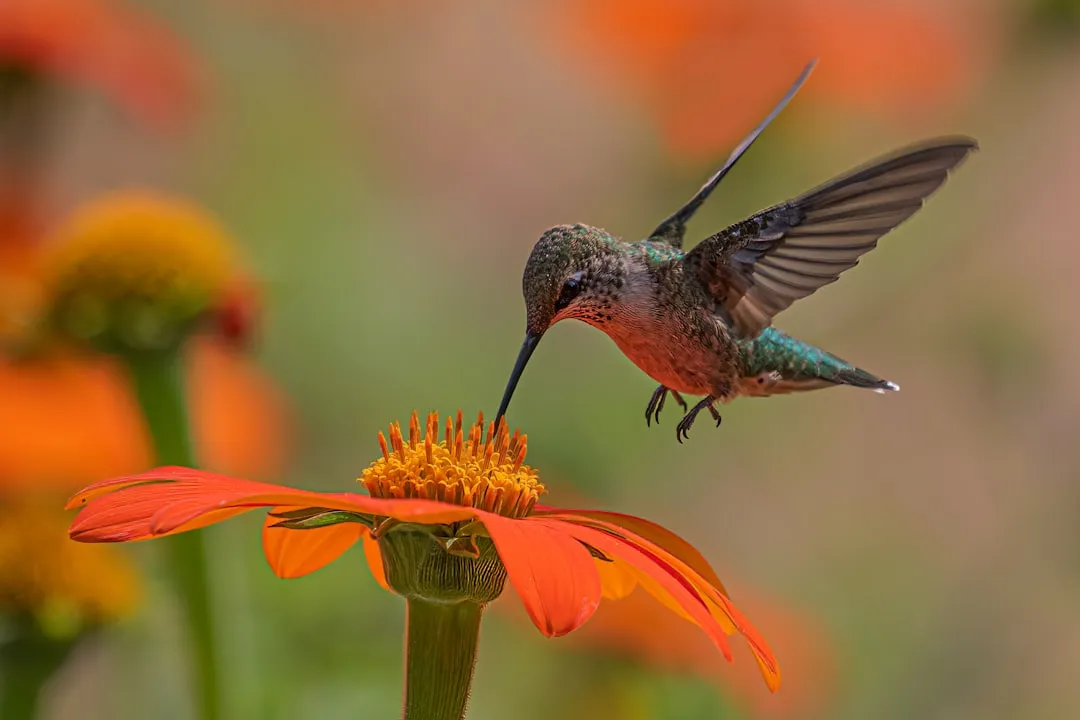
At first, the tiniest sound – a screen door creak, a shoe on gravel – sends a hummer shooting off like a fired bullet. That’s completely normal. In the wild, sudden noise usually means danger is close behind it.
So if your hummingbird keeps calmly feeding while you open the door, slide a window, or talk quietly nearby, that’s a real behavioral upgrade. It doesn’t happen after one or two visits – it usually takes dozens of neutral, harmless encounters before a bird decides your household sounds aren’t worth reacting to. You’ll actually see the moment it chooses: a flinch that never fully happens, a half-second pause, a glance your way, then right back to drinking. That tiny hesitation-then-resume is trust playing out in real time.
#12 – They Hover Right in Your Face to “Check You Out”
Most people misread this one as aggression. A hummingbird hovering inches from your nose, staring straight into your eyes, can feel unnervingly intense. But in a stable feeding territory, this is usually curious inspection, not a threat display – especially if there’s no alarm calling, feather puffing, or dive-bombing involved.
When a bird that already knows your yard comes in for a close look, it’s gathering data – your scent, your movements, how you react under pressure. If you’ve been refilling feeders reliably, you’re already part of its environment. Think of it as a security audit you’ve mostly already passed. Stay calm and still, and it lingers a little longer each time before casually drifting back to the feeder instead of rocketing away in a panic.
#11 – They Choose “Your” Feeder Over Stressed, High-Traffic Ones
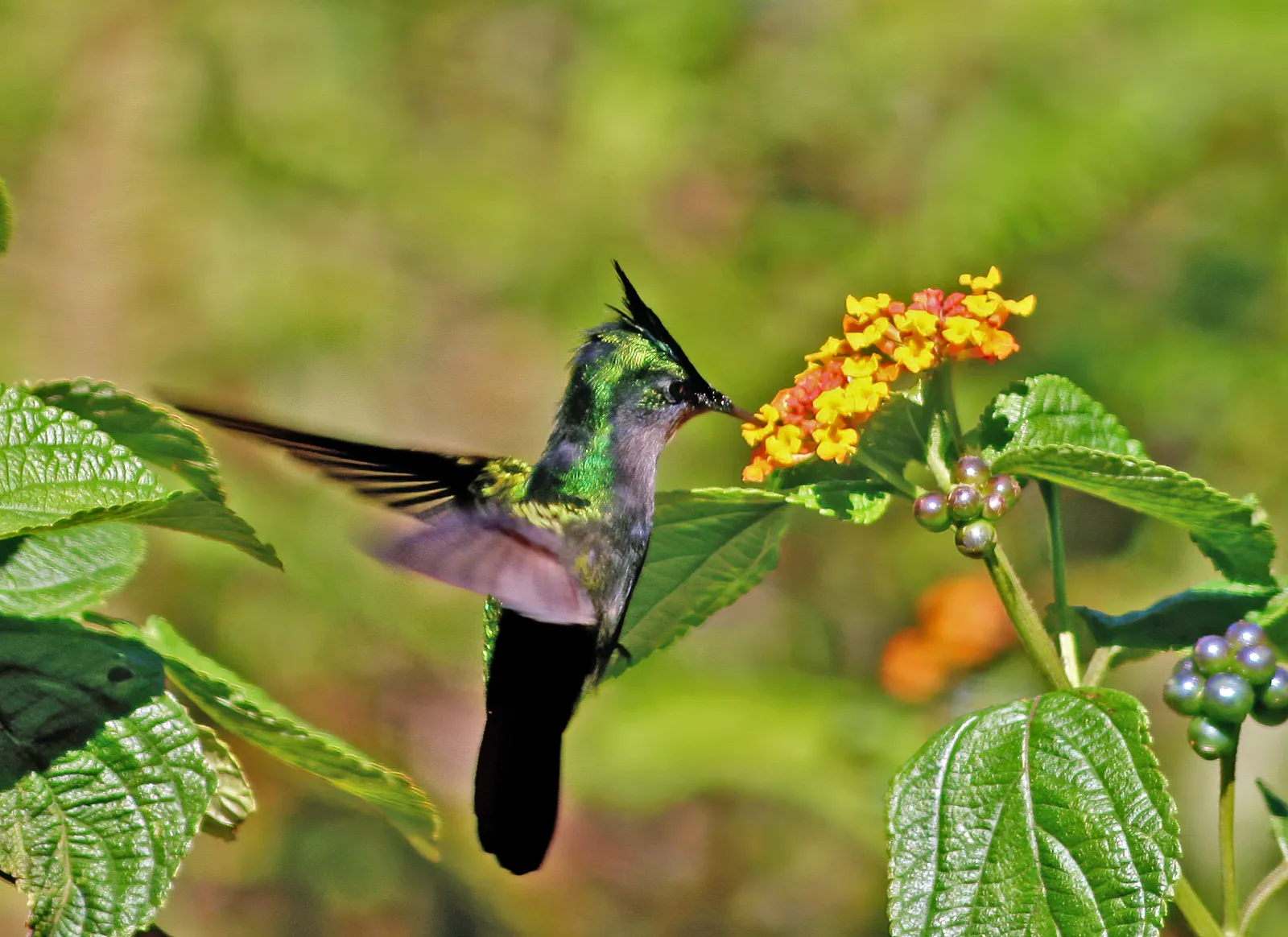
Casual bird lovers assume all feeders are basically equal. Hummingbirds don’t see it that way at all – they rank feeders by safety and energy cost, and a bird that trusts you will often prefer the one closest to your porch, window, or usual chair, even when wilder, more open options exist nearby.
Why? Because your presence quietly solves a problem that plagues every hummingbird: bullies. Territorial males and aggressive individuals are far less likely to dominate a feeder sitting close to human activity. That means fewer mid-air fights and longer, more relaxed feeding sessions. So when a hummer abandons a chaotic corner of your yard to drink calmly beside your chair, it isn’t convenience – it’s learned that being near you makes its whole day safer.
#10 – They Start Ignoring Your Pet (Within Limits)
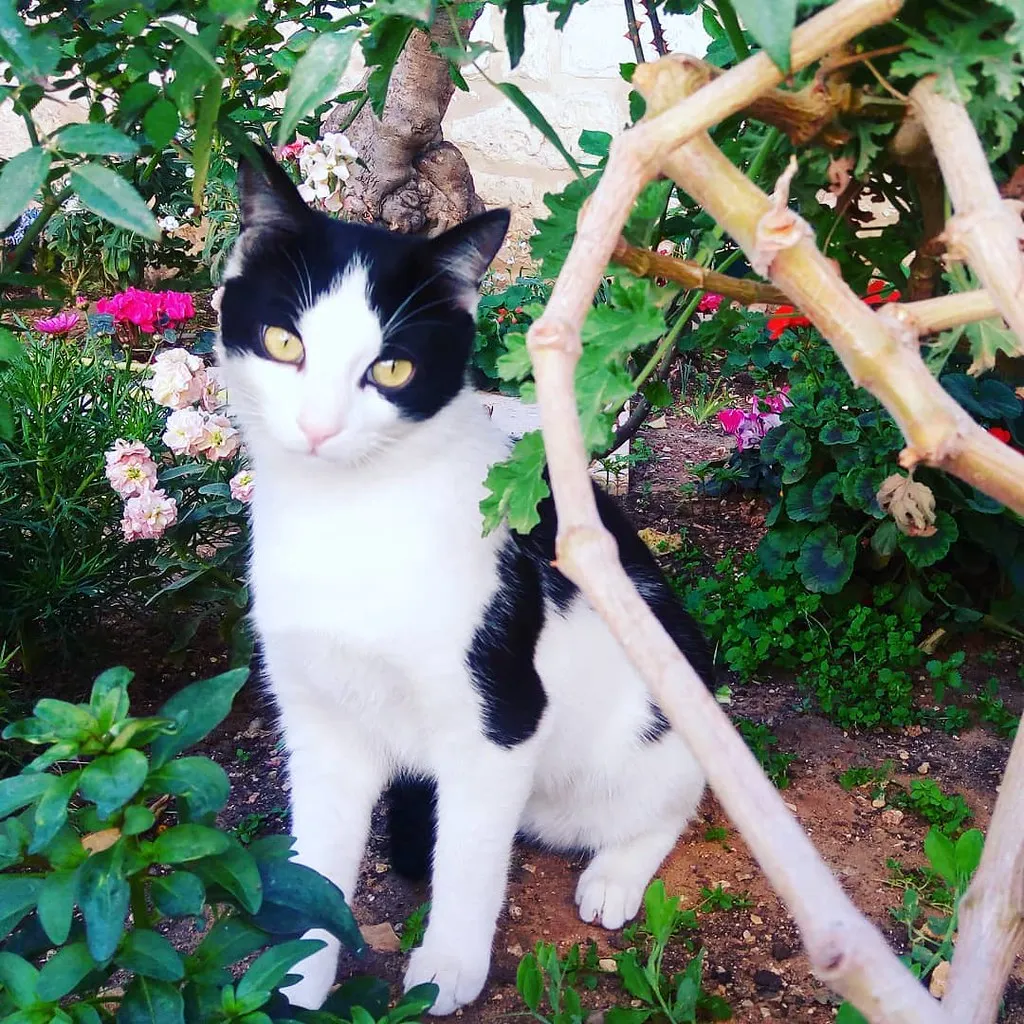
This is where people get reckless, so let’s be blunt: trusting you is not the same as trusting your dog or cat. But repeated, uneventful exposure to a calm pet really can change a hummingbird’s risk calculation over time.
Many birds eventually stop panicking at a dog lying still on the deck or a cat watching quietly through the glass. The key is consistency – if your dog never lunges or barks near the feeder, the bird files it away as background noise, part of the furniture. You’ll notice shorter flight distances: instead of bolting the second the pet appears, it just hops to another perch or circles back seconds later. That said, experts are firm on one point that shouldn’t get lost here – outdoor cats remain a massive danger to birds, no matter how “sweet” they seem.
Worth Knowing
- Outdoor cats are estimated to kill over a billion birds every year in the U.S. alone
- Even well-fed housecats retain a full hunting instinct
- Bells and collars reduce but don’t eliminate a cat’s hunting success
- Keeping cats indoors near feeder zones is the single best protection you can offer
#9 – They Return While You’re Still Refilling the Feeder
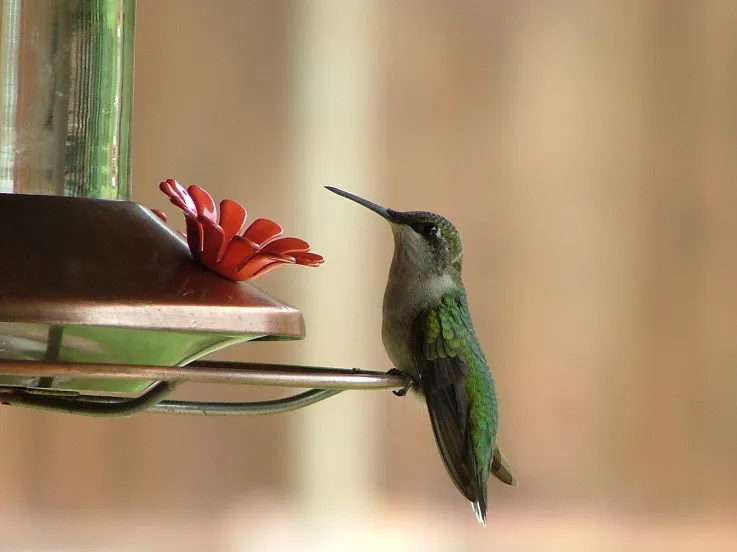
Most people assume they have to step away completely before a bird will come back. But as familiarity deepens, some hummingbirds get bold enough to circle impatiently while you’re still holding the feeder, sometimes even sipping the first drops as you’re hanging it up.
This is one of the clearest signs a bird has separated “you doing feeder chores” from “you as a threat.” It has watched the pattern so many times – empty feeder, you appear, fresh nectar – that your presence now predicts something good instead of something dangerous. You’ve become part of the food delivery system wired into its brain. Some birds will even hover just above your hand or shoulder, waiting for you to finish, then dive in the instant you step half a foot back.
#8 – They Perch Calmly in Full View Instead of Hiding
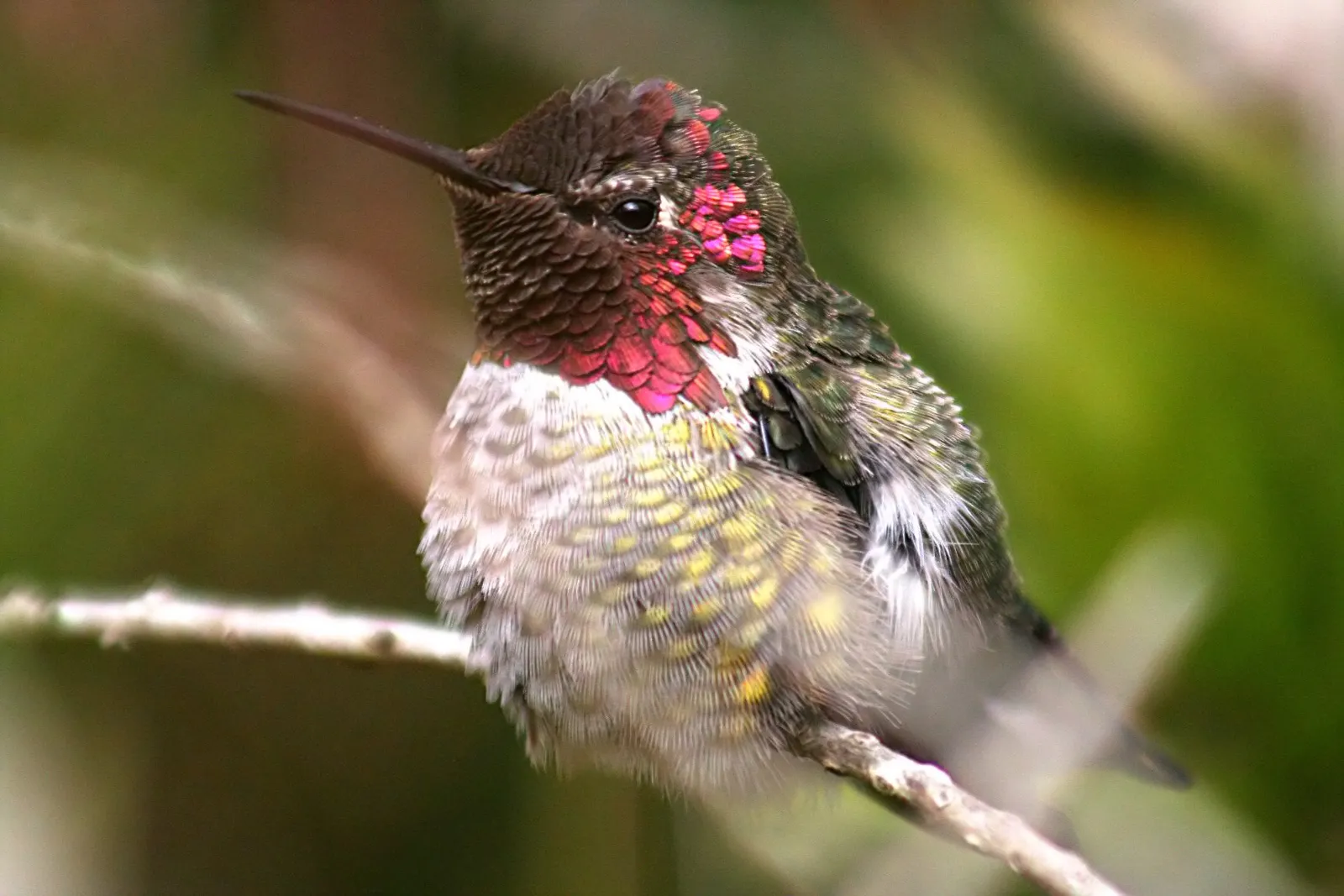
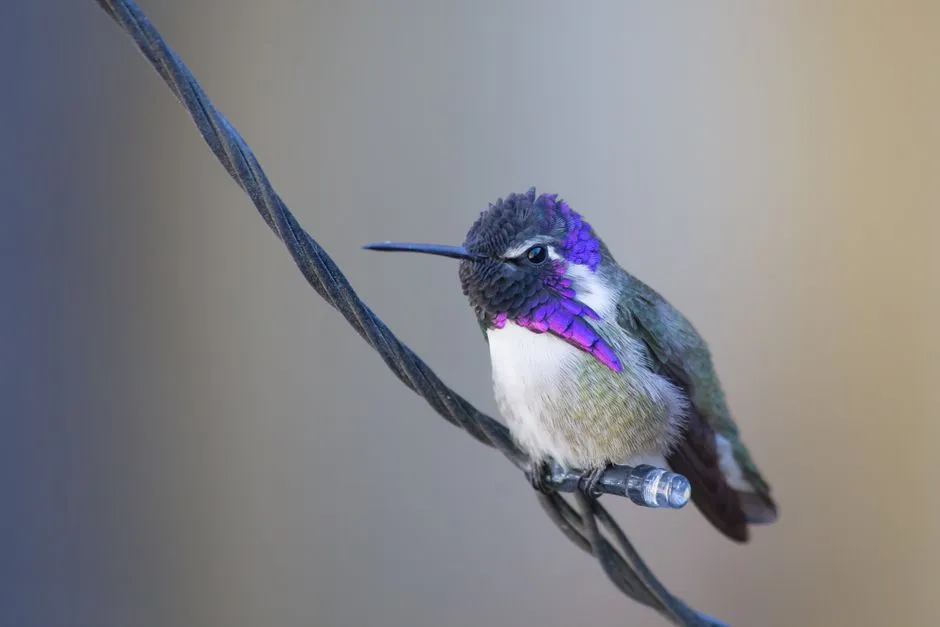
Wild hummingbirds spend a lot of time perched, but rarely somewhere you can see them easily. When one starts sitting openly on wires, branches, or feeder arms just a few feet from you, that’s a high-confidence move few casual observers appreciate.
Perching is when a hummingbird is most vulnerable – wings tucked, reaction time slower, escape no longer instant. So when a bird chooses to rest somewhere you’re clearly visible, on a balcony rail or the shepherd’s hook by your chair, it’s essentially declaring that this spot is safe enough to let its guard down, even with you sitting right there. Some will even close their eyes briefly while you’re in view, which is about as close to “I trust you” as a prey animal ever gets.
#7 – They Use Your Yard as a Baby Nursery
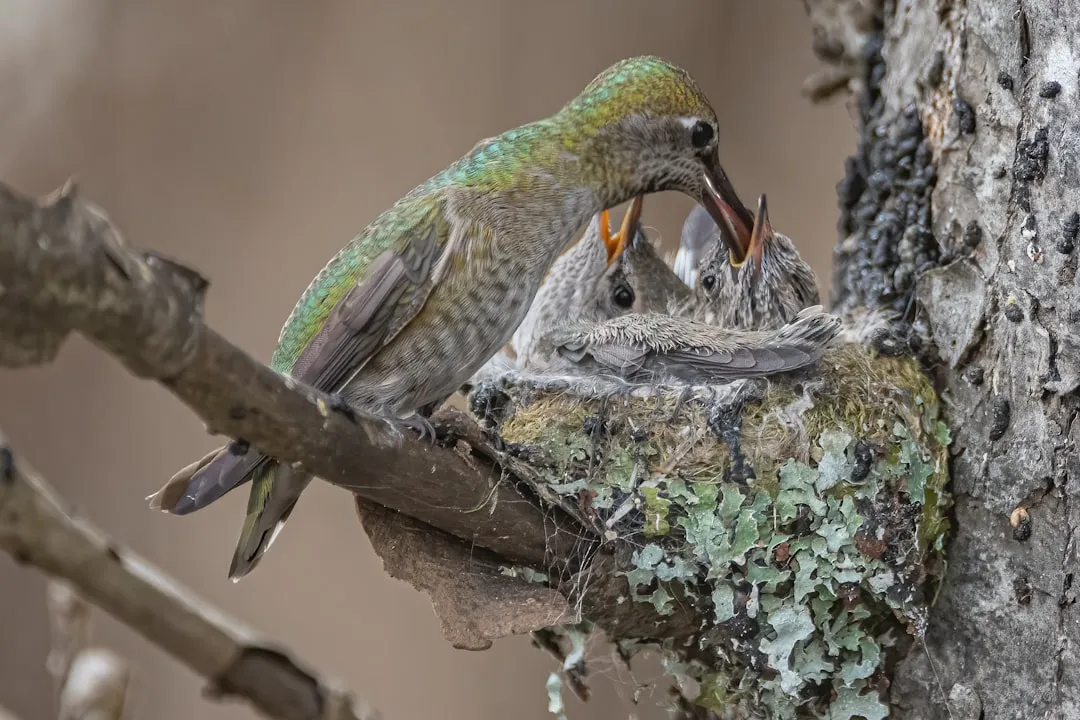
This is the point many casual observers completely miss. One of the strongest indicators of trust has nothing to do with how close a bird comes to you – it’s what she brings into your space.
When a female hummingbird starts regularly visiting with a juvenile in tow, or you see fledglings learning to use your feeder, it signals a major decision on her part. Nest sites are almost never right on the feeder, but mothers choose territories based on safety and food reliability. If she repeatedly escorts young birds into your yard, she has essentially concluded that the predators here are manageable and the humans are predictable and non-violent. In the bird world, entrusting your offspring to a place is about the highest vote of confidence that place can earn.
At a Glance
- Nests are often the size of a walnut, built with spider silk so they can stretch as chicks grow
- Females typically lay just 1 to 2 eggs, each about the size of a coffee bean
- Incubation lasts roughly 12 to 14 days
- Chicks usually fledge around the three-week mark, then stay nearby a little longer
#6 – They “Soft-Chirp” Around You Instead of Alarm-Calling
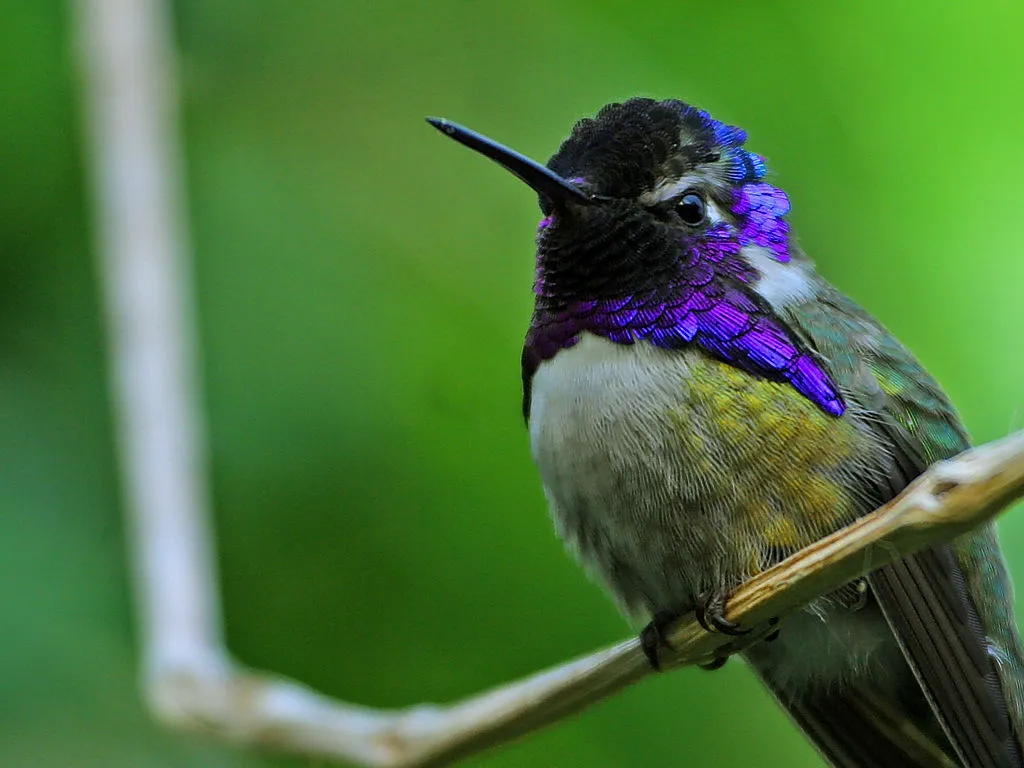
Hummingbirds aren’t just those high-speed wing-blur sounds – they have a whole vocal range most people never notice. The sharp, insistent chips and aggressive buzzes usually mean “back off” or “intruder.” The quieter muttered chirps and gentle chatter near you, though, tend to signal low-level comfort – talking, not screaming.
If you sit near the feeder regularly, pay attention to the soundtrack. Over weeks, many people notice a shift from silence or alarm calls to soft, almost conversational sounds while the bird feeds, preens, or perches nearby. It doesn’t mean it’s singing to you, but it does mean you’re no longer treated as an emergency that shuts down normal behavior. You’ve faded into the safe background of its world.
#5 – They Keep Feeding Even When You Move Slowly
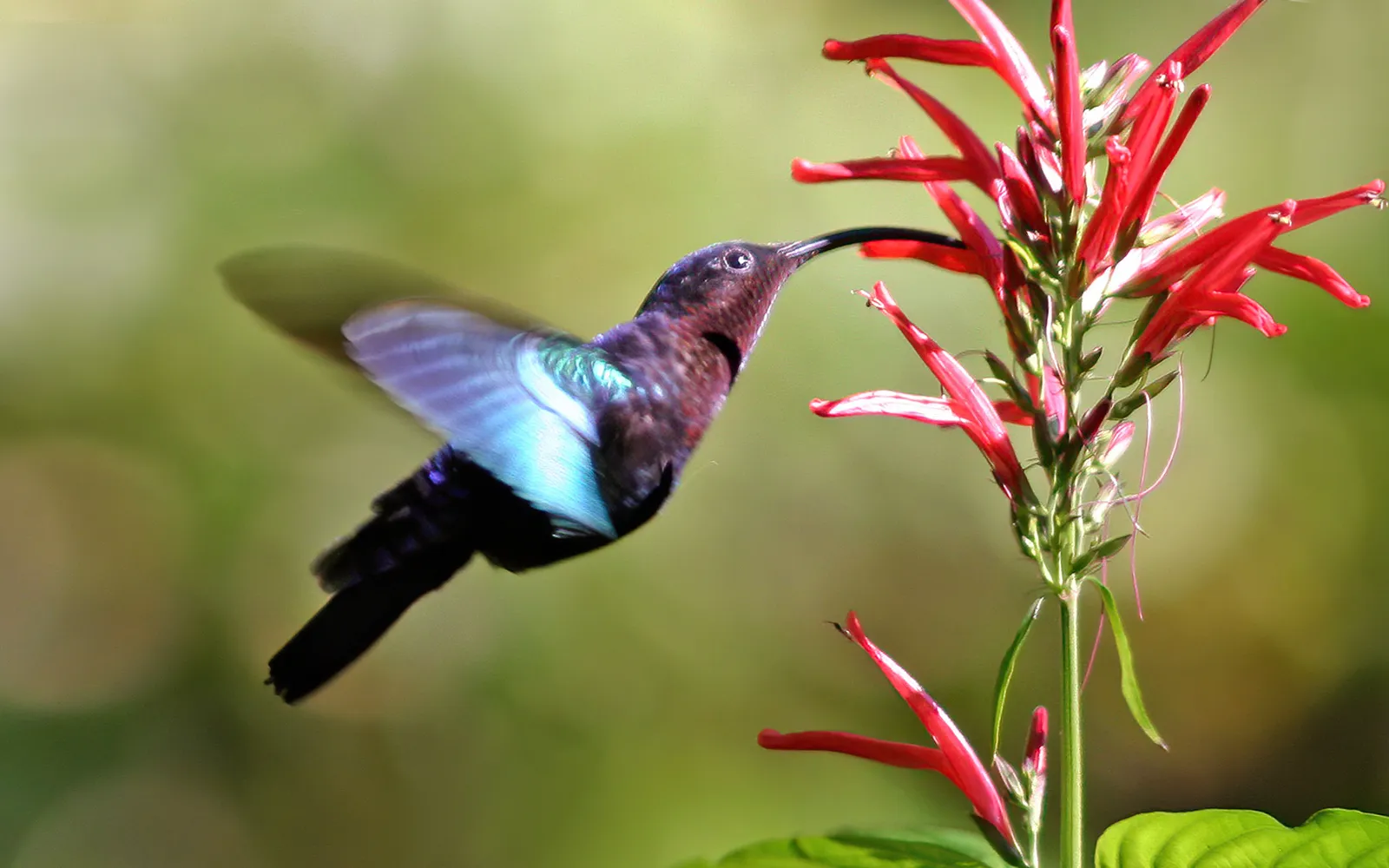
Early on, any shift in your posture – a hand lifted, a head turned, a phone raised – sends a hummingbird flying. Sudden movement is exactly what predators do right before they strike. So a genuinely powerful trust signal is when a hummingbird stays put on the feeder or perch while you make slow, predictable movements nearby.
This might look like taking a sip from your own drink, adjusting a chair, or slowly raising a pair of binoculars. The crucial detail is speed and pattern – after repeated non-threatening experiences, the bird learns your slow motions never end in capture. You’ll see it glance at you mid-movement, wings pausing for half a beat, then continue feeding as if to say, “I’ve seen this before. It’s fine.” For a prey animal, choosing not to flee is never casual – it’s learned confidence, built one slow movement at a time.
#4 – They Line Up at the Same Times You Do
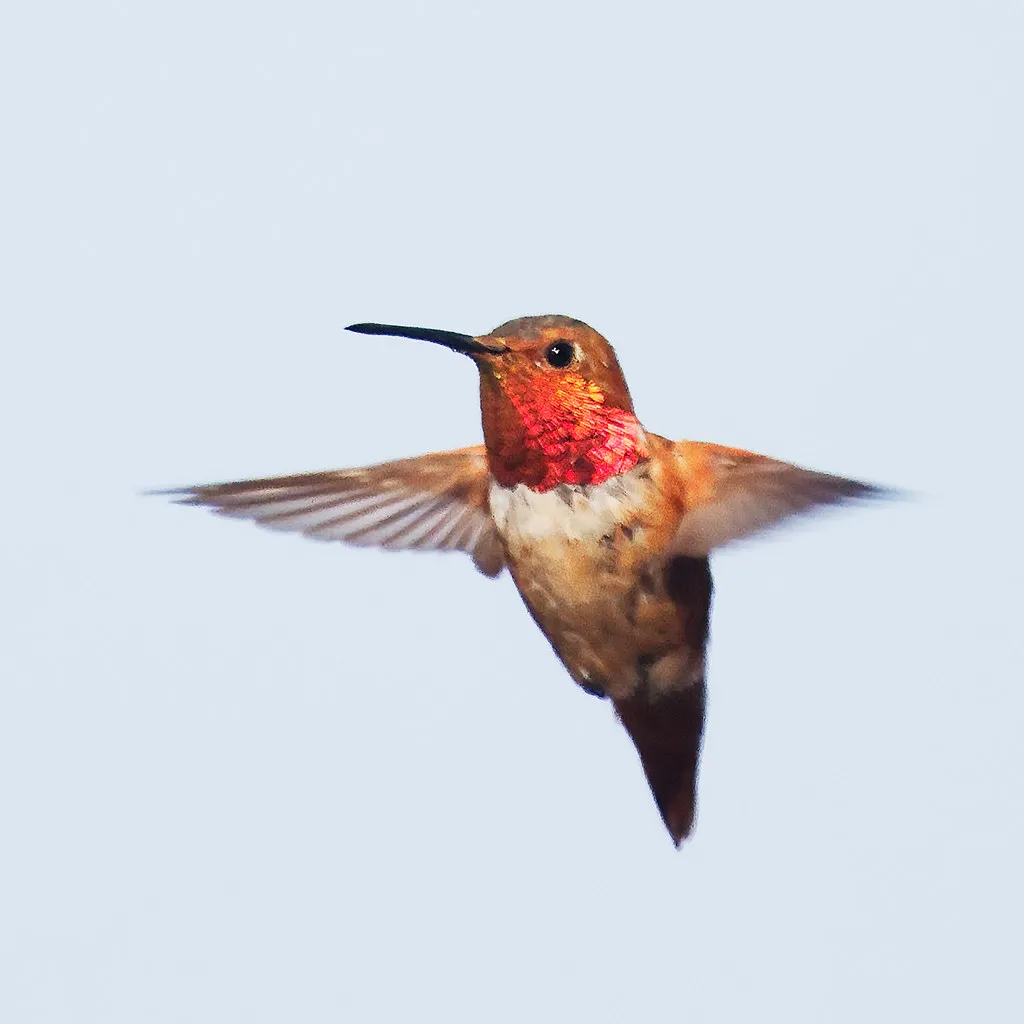
Most people think feeder activity is random, but hummingbirds actually run on tight internal schedules, especially during migration and breeding season. When a bird truly settles into trusting your space, its routine starts syncing oddly well with yours.
You might notice they show up around the same times you usually sit outside, read by the window, or step onto the porch. In reality, they’re keying off light, temperature, and hunger cycles – but they also adapt to whatever patterns predict fresh food and low disturbance. If you sit outside every evening at 6 p.m. and top off the feeder, don’t be surprised when a hummer appears within minutes, day after day. Over time, it starts anticipating not just the nectar, but the entire “safe human presence plus food” combo as part of its territory’s stability.
#3 – They Let You Get Shockingly Close With a Camera or Phone
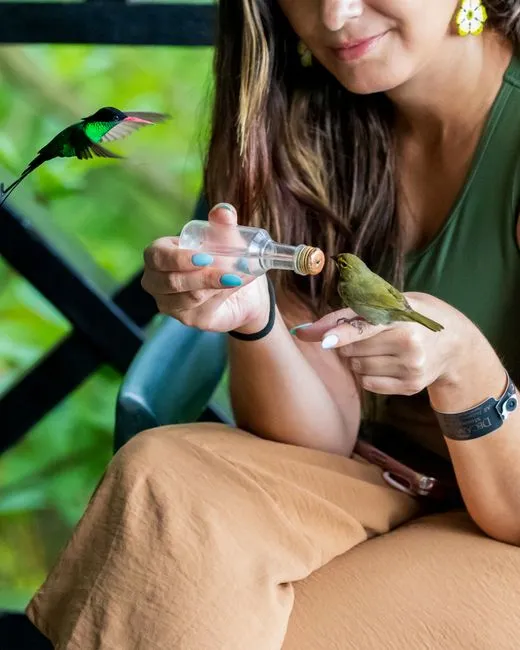
Everyone’s seen the cropped, heavily zoomed hummingbird photo. But when trust is real, you don’t need the zoom at all. Some birds will let you bring a camera or phone within arm’s length, as long as you’ve built up to it slowly and never grabbed or swatted near them.
The controversial part is that many people push this too fast and mistake freezing for comfort. A genuinely trusting hummer will glance briefly at the device, resume normal feeding or preening, and maybe shift a few inches without fully fleeing. If it’s truly at ease, you’ll catch ultra-natural behavior – tongue flicks, tiny feather shake-outs, even scratching with a foot while perched. That level of vulnerability in front of a giant, predator-shaped mammal isn’t accidental. It’s the payoff of dozens of safe encounters stacked one on top of the other.
#2 – They Guard “Your” Territory Like It’s Their Own
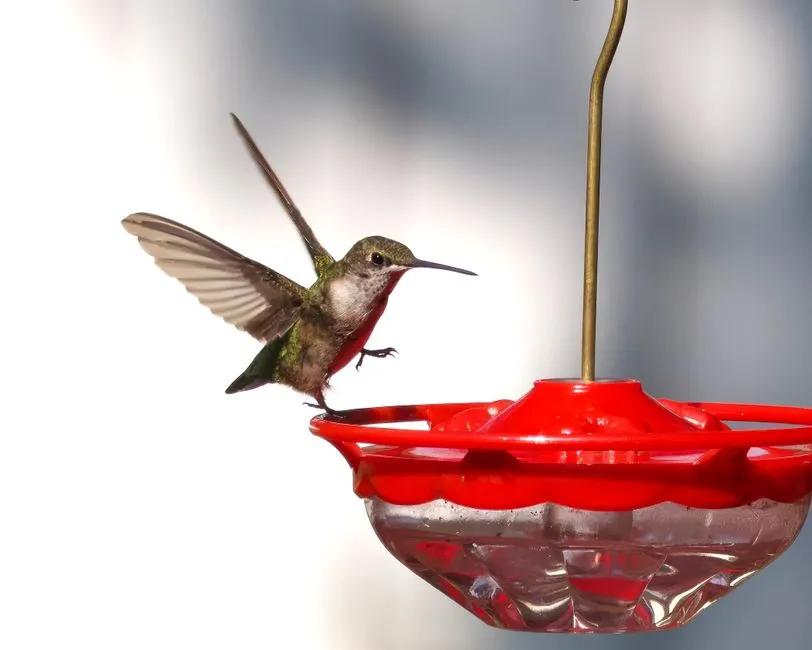
Territorial behavior in hummingbirds is completely normal. What’s different – and surprisingly tender in its own fierce little way – is when a bird actively defends the feeders you maintain, even while you’re standing right there. It has chosen your controlled space as its prime real estate.
Watch the pattern closely: the same individual repeatedly chases off intruders, then circles back past you or perches close, almost like a patrol check-in. It tolerates you completely but will not tolerate rival hummingbirds anywhere in that bubble. Many people call this selfish, but it’s really a strange kind of partnership – you supply a stable food source, and the bird invests its energy protecting the zone you built together. Love? No. An intense, trust-based arrangement? Absolutely.
Quick Compare
- Skittish bird: zig-zags away from you | Trusting bird: flies a direct line to the feeder
- Skittish bird: bolts at any noise | Trusting bird: pauses, then resumes feeding
- Skittish bird: avoids hovering near your face | Trusting bird: hovers close to inspect you
- Skittish bird: hides while perching | Trusting bird: perches in open view, sometimes eyes closed
#1 – They Take Nectar Straight From Your Hand
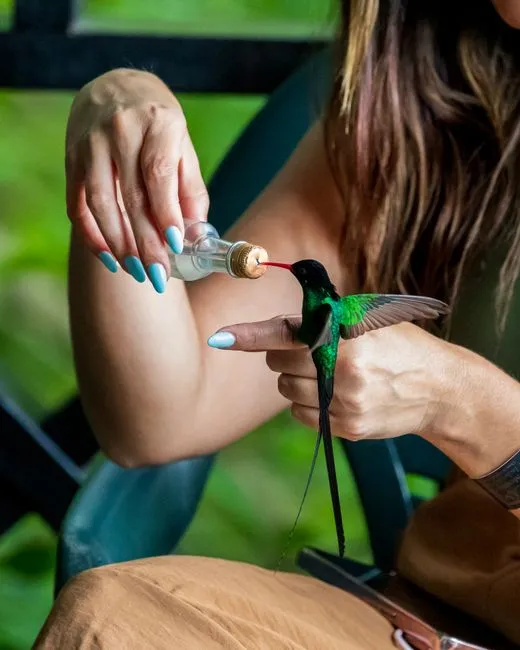
Hand-feeding isn’t magic – it’s the logical endpoint of patience, routine, and absolute non-aggression, stacked over weeks or months. When a hummingbird lands on or hovers at a feeder you’re holding, calmly drinking inches from your fingers, that’s as close to “I trust you won’t kill me” as a wild creature can announce.
This doesn’t happen because of some mystical bond. It happens because, over and over, you’ve done the same safe things in the same safe ways – refilling without sudden grabs, holding still longer than is comfortable, letting the bird decide exactly how close to come.
For a heart beating over a thousand times a minute, voluntarily entering arm’s reach of a predator is the ultimate act of earned trust.
The Bottom Line
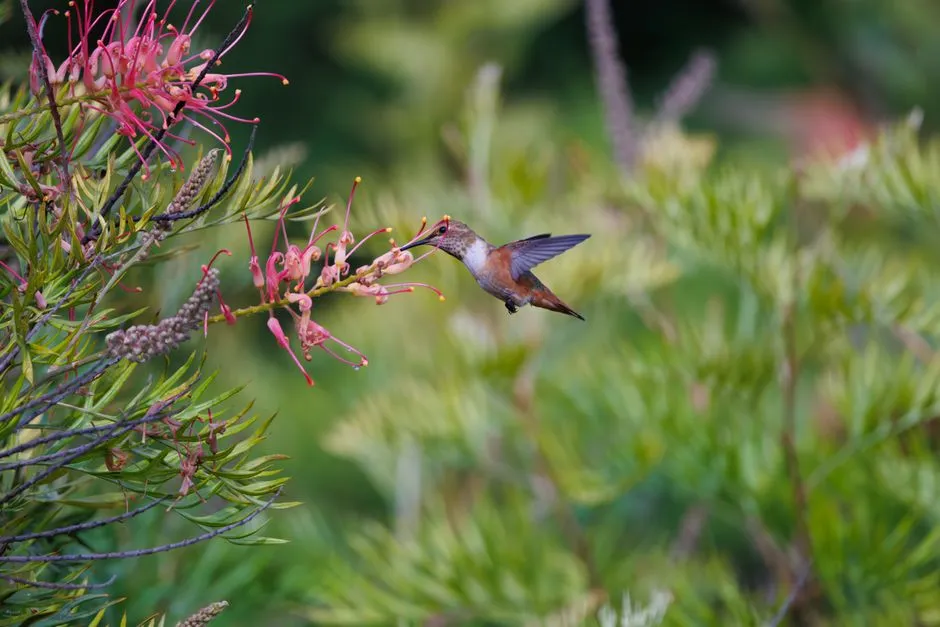
We romanticize hummingbirds because they’re tiny, glittery, and impossibly fast – but the real story is colder, and honestly more impressive. Every “tender” behavior on this list is a calculated survival decision that you’ve slowly, patiently hacked your way into. Nothing here is sentimental. All of it is earned.
When they stop zig-zagging away from you, perch in plain sight, bring their young into your yard, or drink straight from your hand, they’re not becoming pets and they never will be. They’re admitting that, against every wired instinct telling them otherwise, you’ve proven safe enough to fold into their survival strategy. That’s rarer, and far more honest, than any Disney version of “they love you” – and if you ask me, it’s the better story anyway. Which of these have you actually seen at your own feeder?
