

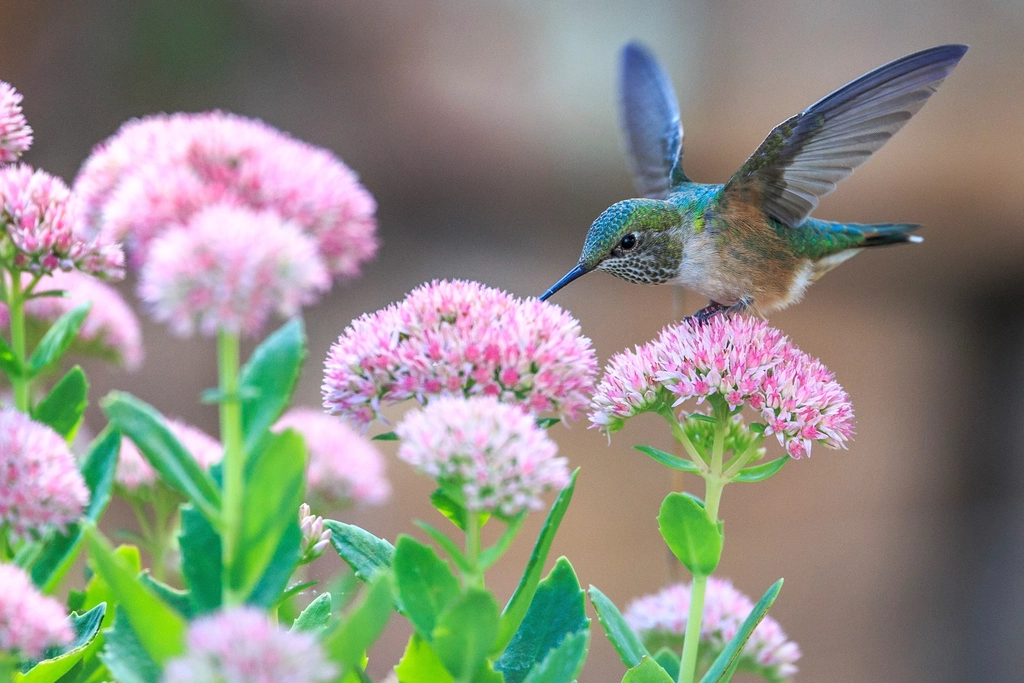
There’s something oddly arresting about a hummingbird. One second you’re scrolling your phone or washing dishes, and the next a tiny jeweled bird is hovering inches from your face like it just teleported in from another dimension. It feels intentional, almost personal, as if nature just tapped you on the shoulder. A lot of people walk away from that kind of moment wondering whether it was just coincidence or if it meant something more.
Here’s the twist: science has a lot to say about why hummingbirds show up around us, and human culture has layered a whole extra world of meaning on top of that. When you put those together, their visits can be both totally explainable and deeply meaningful at the same time. Let’s unpack what is actually going on when a hummingbird chooses your space, your window, or even you.
#1 A Hummingbird Visit Is First a Lesson in Biology, Not Magic
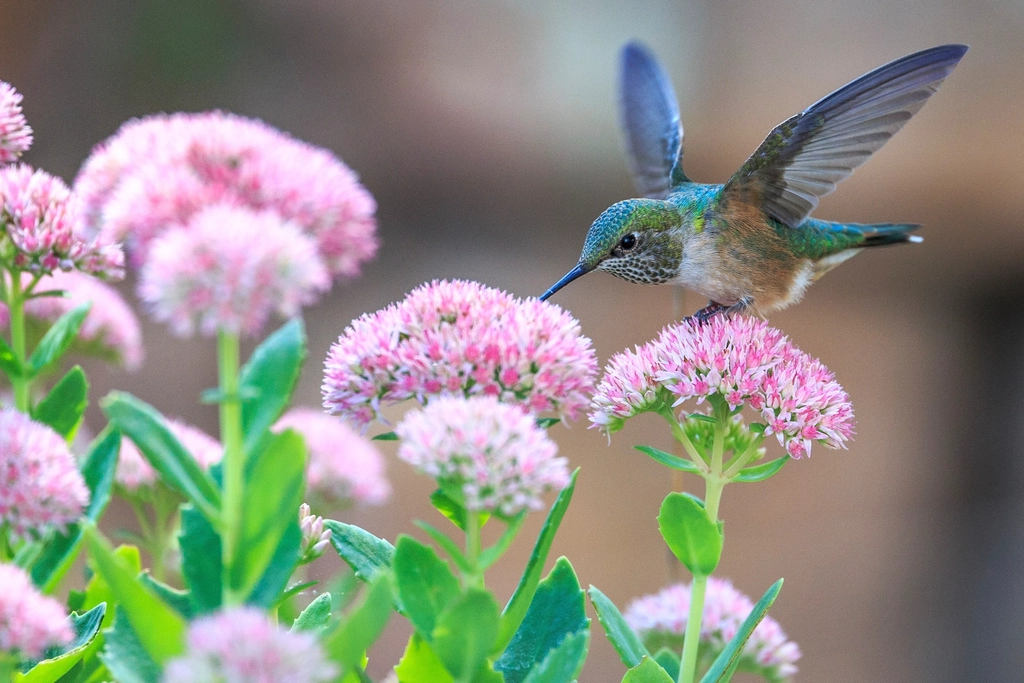
Before we jump into symbolism, it helps to remember that hummingbirds are not tiny flying omens; they are animals fighting to stay alive in a high-speed, high-burn lifestyle. Their hearts can beat hundreds of times a minute, and they burn energy so fast that going a few hours without food can be risky. If a hummingbird visits you, the most literal explanation is that you’re in or near its feeding territory, and something in your environment looks promising.
That “something” might be a bright red shirt, a feeder, a flowering plant, or even reflective glass that resembles sky or blooms. They are wildly visual creatures, wired to seek out color and shape that might mean nectar. So when one zips up to your balcony or hovers outside your window, it’s usually testing the scene: Is there food here? Is it safe? Stripping away the romance for a second actually makes them more impressive. You’re witnessing a tiny athlete in survival mode, not a wandering symbol tossed into your life at random.
#2 Why They’re Drawn to You: Color, Movement, and Curiosity
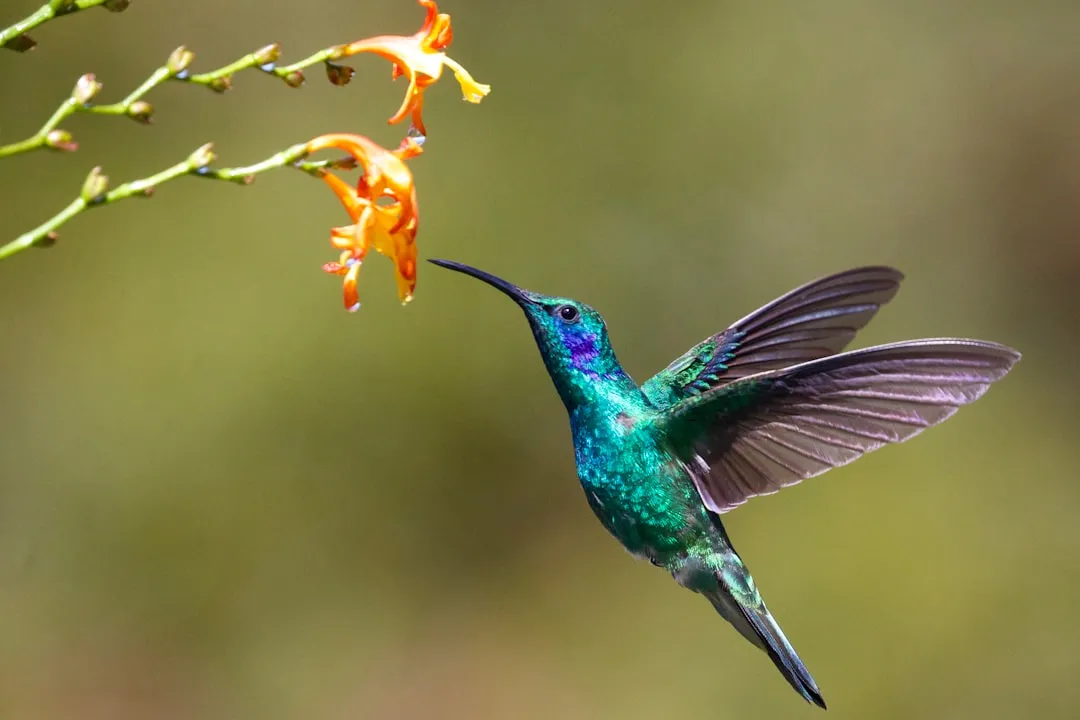
If you’ve ever had a hummingbird hover at your face like it’s trying to scan your soul, it’s easy to feel chosen. In reality, there’s a good chance you’re wearing or holding something that triggers its curiosity. These birds are especially drawn to saturated colors like reds, pinks, oranges, and purples, along with tubular shapes that could indicate a nectar source. To a hummingbird, you might look less like a person and more like a walking cluster of possible flowers.
They are also incredibly curious and visual, with excellent memories for locations and patterns. A hummingbird that has found food near a patio or window before might come back repeatedly, exploring any new changes in the space, including you. When it pauses mid-air and stares at you, it’s not necessarily sending a message; it might be trying to figure out whether you’re a threat, a resource, or just a weird, large, non-flowering object that keeps moving around its territory.
#3 The Deeper Symbolism: Joy, Resilience, and Lightness
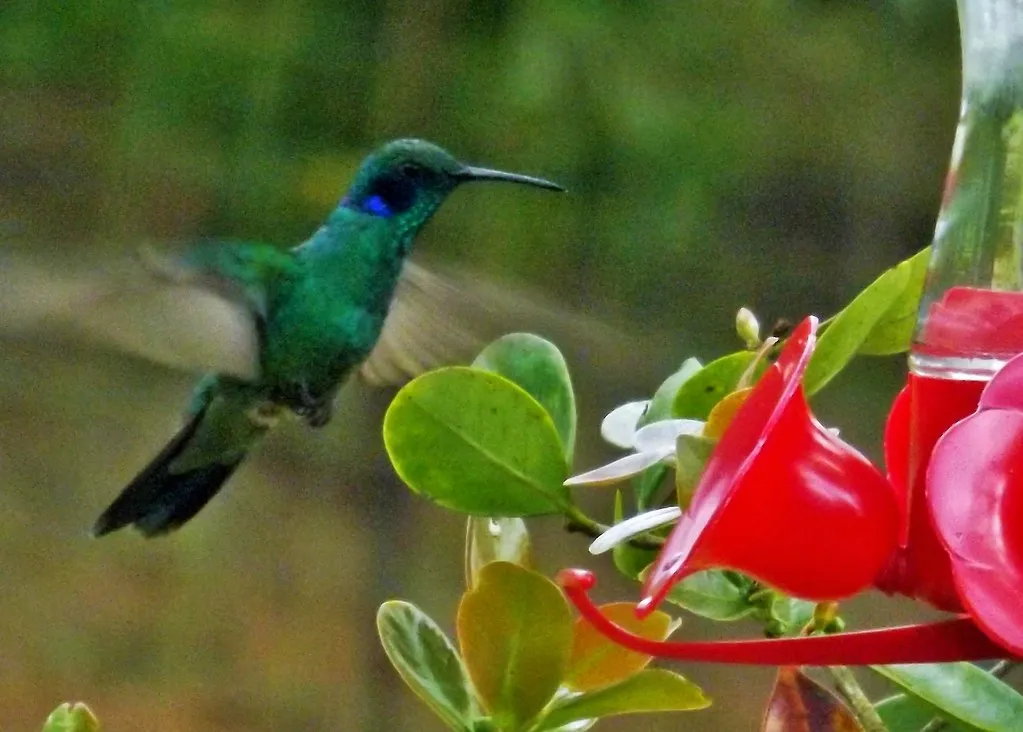
Of course, humans are meaning-making machines, and we’ve been attaching emotional weight to hummingbirds for a long time. Across different cultures and modern spiritual circles, they’re often seen as symbols of joy, playfulness, and resilience. Think about it: this is a creature that looks delicate but can migrate immense distances, defend its territory with surprising fierceness, and keep going despite living right on the edge of its energy limits. It’s not hard to see why people view a visit as a little nudge to keep going, to stay light, or to remember small pockets of happiness.
When someone says a hummingbird sighting felt like a sign, what they’re usually describing is an emotional moment of connection and timing. Maybe you were stressed, grieving, or stuck in your own head, and suddenly this absurdly vibrant bird appears, hovering in a way that seems almost impossible. Even if there’s no cosmic script behind it, the feeling is real. Sometimes the “meaning” of a hummingbird visit is simply that, for a few seconds, your brain woke up from its loops and paid attention to something beautiful and alive.
#4 Visits After Loss: Comfort, Memory, and the Stories We Tell
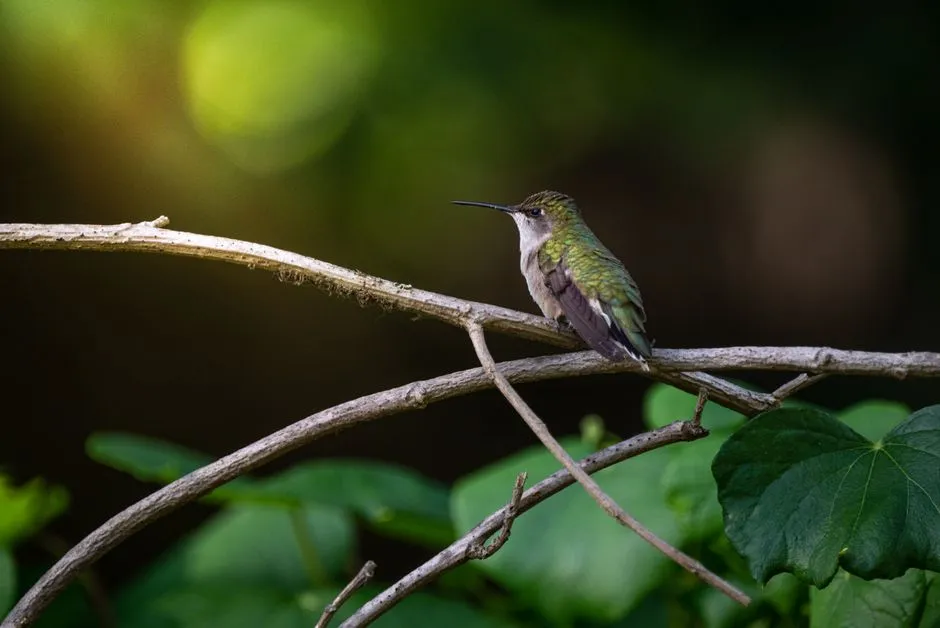
One of the most powerful patterns I’ve noticed is how often people connect hummingbird visits with loved ones who have died. You hear the same story in different versions: someone is deep in grief or thinking about a particular person, and a hummingbird appears out of nowhere and hovers close, almost insistently. From a scientific angle, it’s coincidence layered over attention bias – you’re more alert to small, striking events when you’re emotionally raw. But emotionally, that explanation can feel painfully thin.
I’ll be honest: I once had a hummingbird show up the same week a family member passed away, hovering right by the kitchen window every morning for days. I know, rationally, that it was probably just a bird that had figured out our yard was a good food stop. Still, it felt like more than that in the moment, and I let it. Many people choose to see visits like this as a reminder that love, memory, or connection doesn’t vanish overnight. Whether you call it a sign, a comfort, or just a story you lean on, it can be a surprisingly gentle way to keep someone’s presence alive in your daily life.
#5 When a Hummingbird Keeps Coming Back to the Same Spot
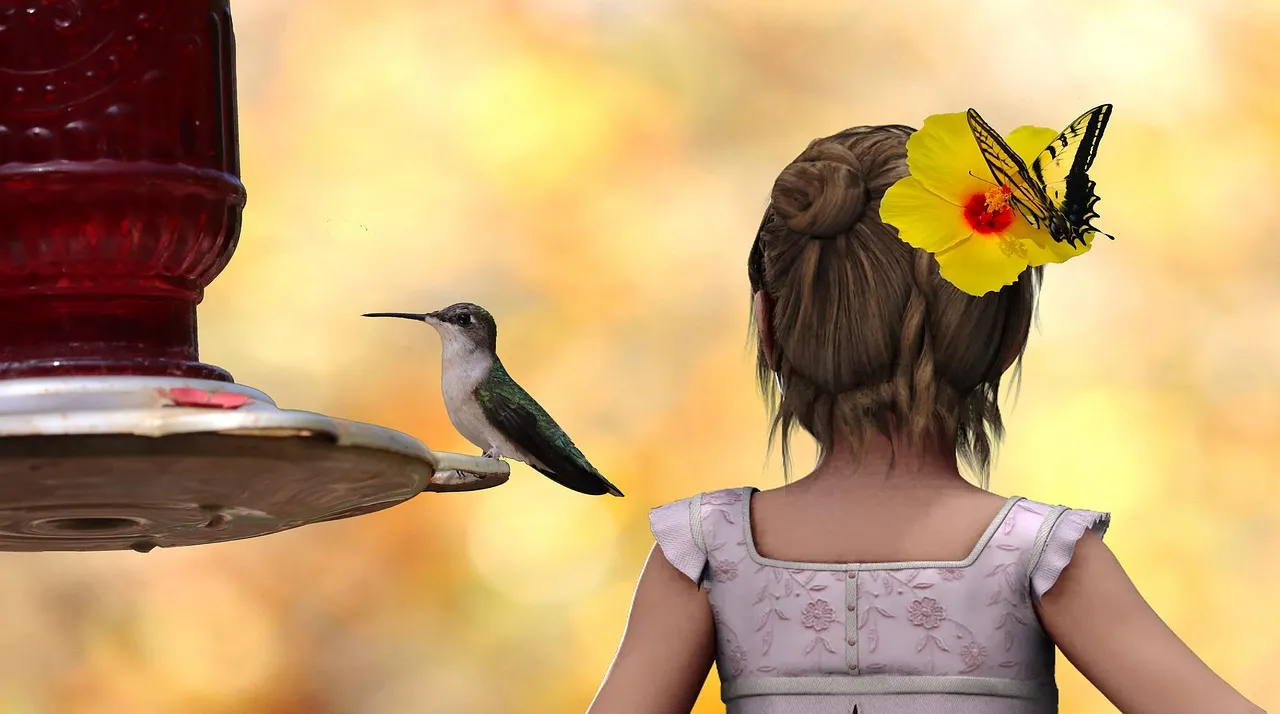
If a hummingbird visits you once, it’s magical; if it keeps coming back, it can start to feel like a ritual. From a behavioral standpoint, repeated visits usually mean the bird has essentially “bookmarked” your space as part of its mental map. Hummingbirds remember where feeders and flowers are, and they loop through these locations multiple times a day. If you have a feeder, nectar-rich plants, or a sheltered corner, your home may simply be on its regular route, the same way you might swing by a favorite coffee shop on your commute.
That said, there’s something powerful about becoming part of a wild animal’s routine. When a hummingbird seems to time its visits to your morning coffee or afternoon break, you might start grounding your own day around that moment too. It can become a tiny, living ritual: you slow down, step outside, check the feeder, listen to the wings. Even if the bird isn’t there to “visit” you in any intentional way, the routine you build from those encounters can be meaningful, calming, and oddly intimate.
#6 How to Respond: Inviting Wonder Without Losing Your Skepticism
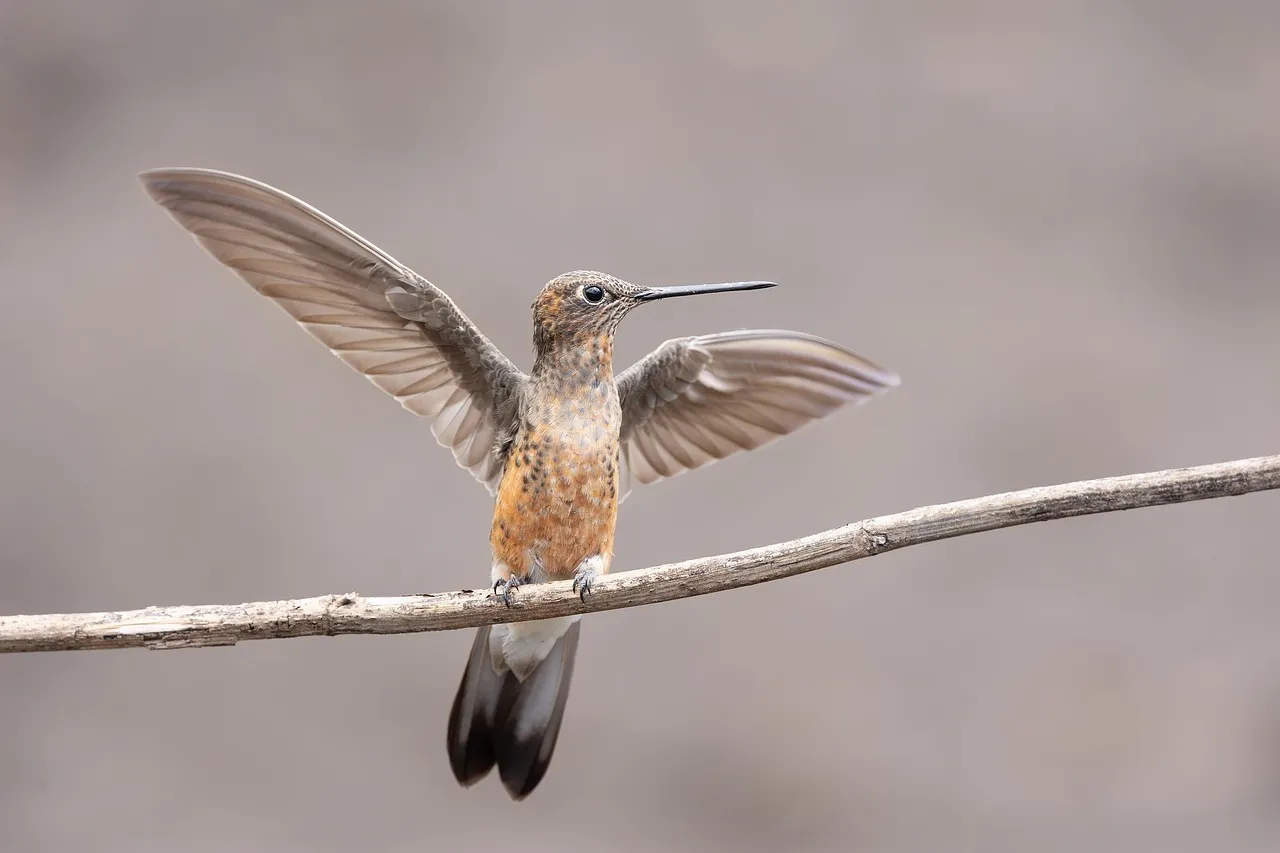
So what should you actually do when a hummingbird visits you? On a practical level, you can make the space safer and more inviting if you want more visits: keep clean feeders with proper sugar-water ratios, avoid pesticides, and break up window reflections to reduce the risk of collisions. That’s the grounded, responsible side of the story. You’re helping a small, high-strung animal survive in a world that’s increasingly hard on wildlife.
On a more personal level, I think the best response sits right in the middle between hard-nosed skepticism and uncritical mysticism. Let yourself feel the moment – really see how absurd and beautiful it is that this thumb-sized creature can hover like a living drone powered by flowers. If the timing of its visit lines up with something emotional in your life and you choose to see meaning there, that’s your call. Just remember: you don’t need a supernatural script to justify how deeply a simple encounter with a hummingbird can move you. Sometimes the real meaning is that you noticed it at all. Did you expect a bird this small to carry so much weight in your day?

- What It Actually Means When a Hummingbird Visits You - July 25, 2026
- Which Ocean Animal Are You Based on Your Zodiac Sign? - July 25, 2026
- 12 Powerful Dog Breeds that Can Take Down a Wolf - July 24, 2026