
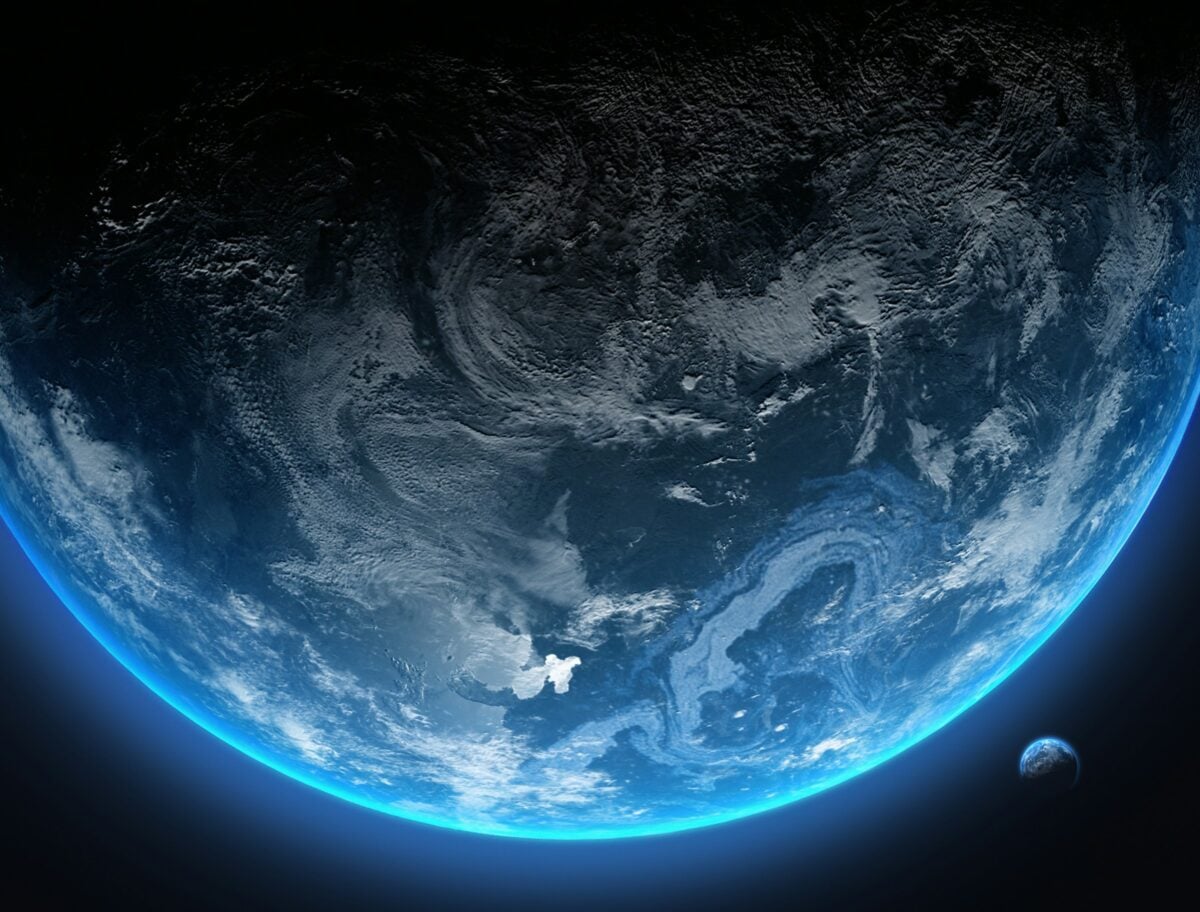
If someone told you that you walk around every day wrapped in an invisible force field, you’d probably laugh. Yet that’s exactly what’s happening on Earth right now. Our planet is constantly bombarded by high‑energy particles and radiation from space, and most of the time, we barely notice, because a hidden shield is quietly doing its job.
This shield is not science fiction, and the Moon – that familiar white disc in the night sky – has become one of our best test labs for understanding it. By comparing an airless, unprotected world to our own cushioned bubble, scientists are slowly piecing together just how lucky we are, and how thin the line is between a living planet and a dead rock. Once you see what’s really going on out there, you never look at the night sky the same way again.
#1 The Earth’s Invisible Shield Is Very Real
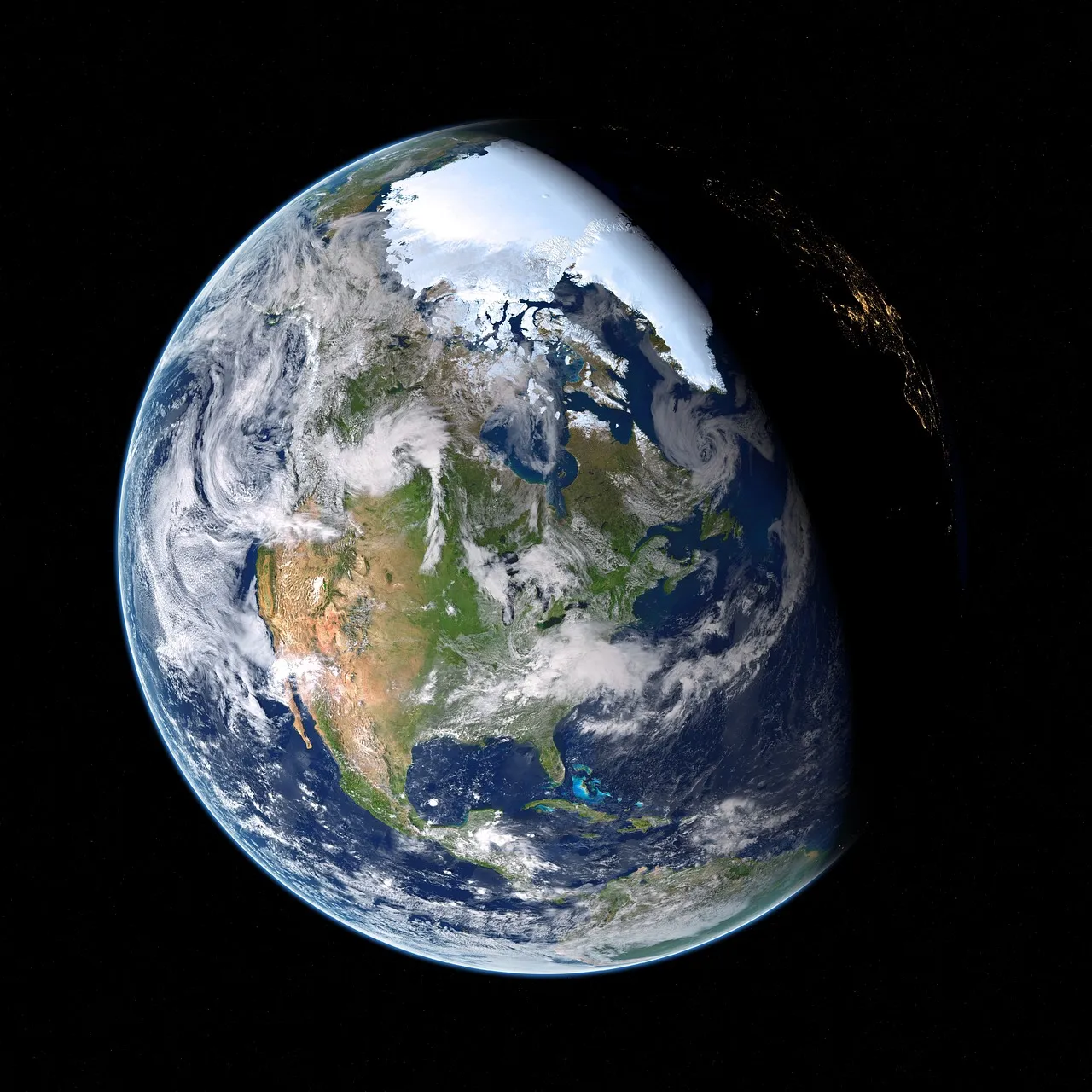
It sounds like a superhero plot twist, but Earth genuinely has a planetary force field. This shield is called the magnetosphere, a gigantic, teardrop‑shaped bubble of magnetic field that surrounds our planet and deflects charged particles streaming from the Sun. You can’t see it, touch it, or smell it, but without it, the surface of Earth would be a brutally different place.
Imagine the Sun as a blowtorch spraying charged particles in all directions, a stream known as the solar wind. The magnetosphere acts like a magnetic umbrella, forcing most of that stream to flow around us instead of slamming straight into our atmosphere. That deflection is the difference between a blue sky with oceans and forests, and something much closer to the harsh, stripped environment of Mars.
#2 What the Magnetosphere Actually Does for You
Day to day, it’s easy to forget space is not just empty darkness but a stormy ocean of invisible radiation and particles. The magnetosphere takes the brunt of that storm, slowing and redirecting energetic particles that could otherwise damage the atmosphere and increase radiation at the surface. In a very literal sense, it buys life on Earth the quiet stability it needs to evolve and flourish.
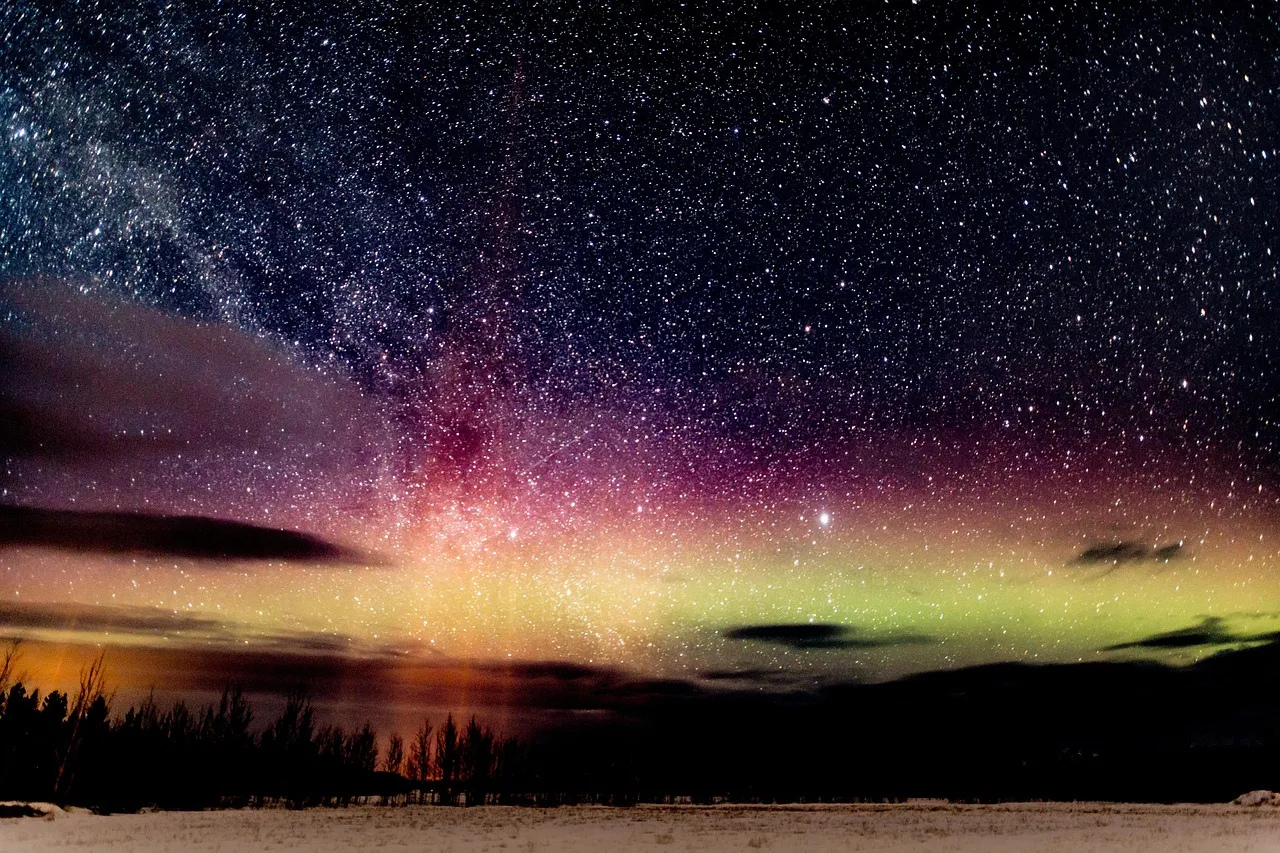
When solar storms hit, the magnetosphere flexes and compresses like a stressed balloon, sometimes letting a fraction of particles funnel down along magnetic field lines near the poles. That’s when we get auroras, those glowing curtains of light that are essentially the shield sparking as it absorbs the impact. The beautiful sky show is a side effect of a much more serious job: preventing our atmosphere from being sandblasted into space over billions of years.
#3 The Van Allen Belts: Radiation Doughnuts Around Earth
Inside the magnetosphere, space is not calm and empty but structured, with regions where charged particles are trapped in Earth’s magnetic field. The most famous of these are the Van Allen radiation belts, often described as two nested doughnut‑shaped zones of high‑energy particles encircling the planet. They were discovered in the late nineteen‑fifties by early satellites and immediately changed how we think about near‑Earth space.
These belts are a reminder that our shield is not a simple wall but a dynamic system that can store, release, and accelerate particles. During strong solar storms, particle levels in the belts can surge, posing a hazard to satellites and astronauts passing through. To me, there’s something slightly unsettling yet fascinating about the fact that just beyond our peaceful sky, there are regions where radiation is intense enough that we have to carefully time and shield spacecraft to survive them.
#4 How the Moon Reveals What an Unshielded World Looks Like
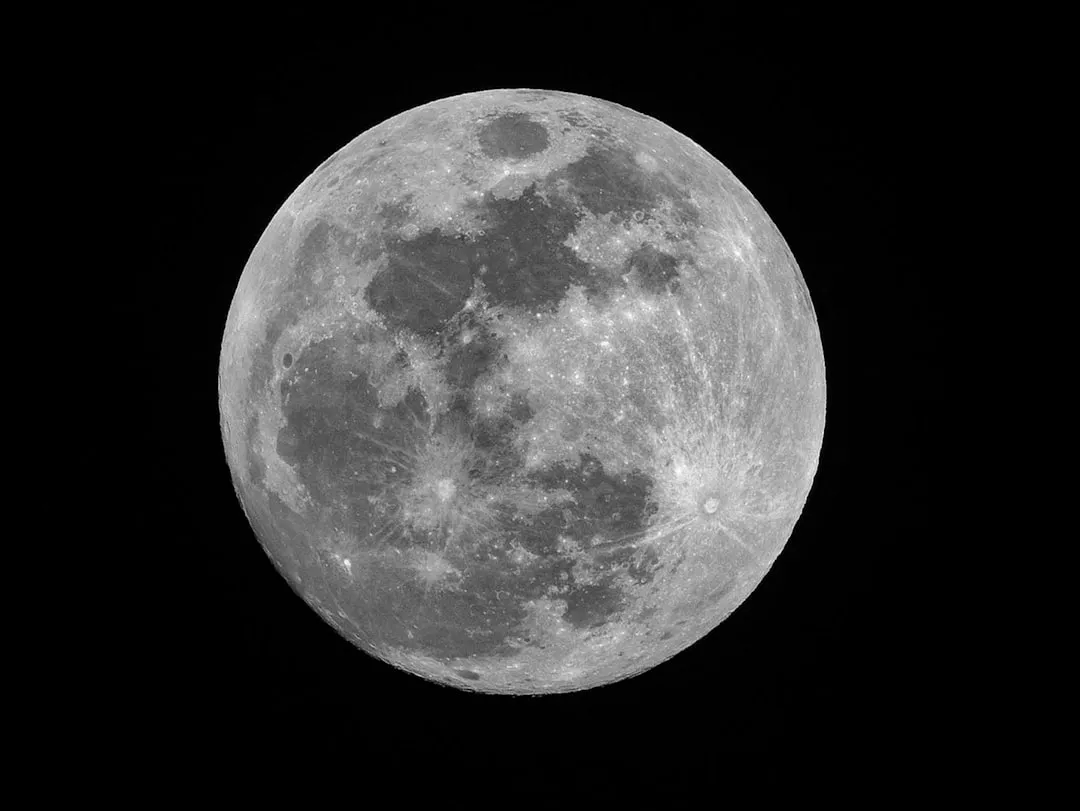
If Earth shows what a magnetically protected planet can be, the Moon shows the opposite: a body with no global magnetic shield and virtually no atmosphere. For billions of years, its surface has been directly exposed to the solar wind and cosmic rays, like a rock left out in a sandblasting chamber. The result is a layer of fine, sharp regolith – lunar soil – that is actually partly built by constant particle bombardment.
By comparing the Moon’s surface with Earth’s protected environment, scientists can estimate how much shielding a magnetosphere really provides. Lunar rocks hold a kind of radiation diary, recording the flux of energetic particles over immense time spans. When missions bring those rocks back and we analyze tiny changes in their structure and chemistry, we get a clearer picture of what space weather does to a world that has no defense, and what could have happened to Earth if our magnetic field had failed long ago.
#5 The Lunar Wake: A Natural Experiment in Space
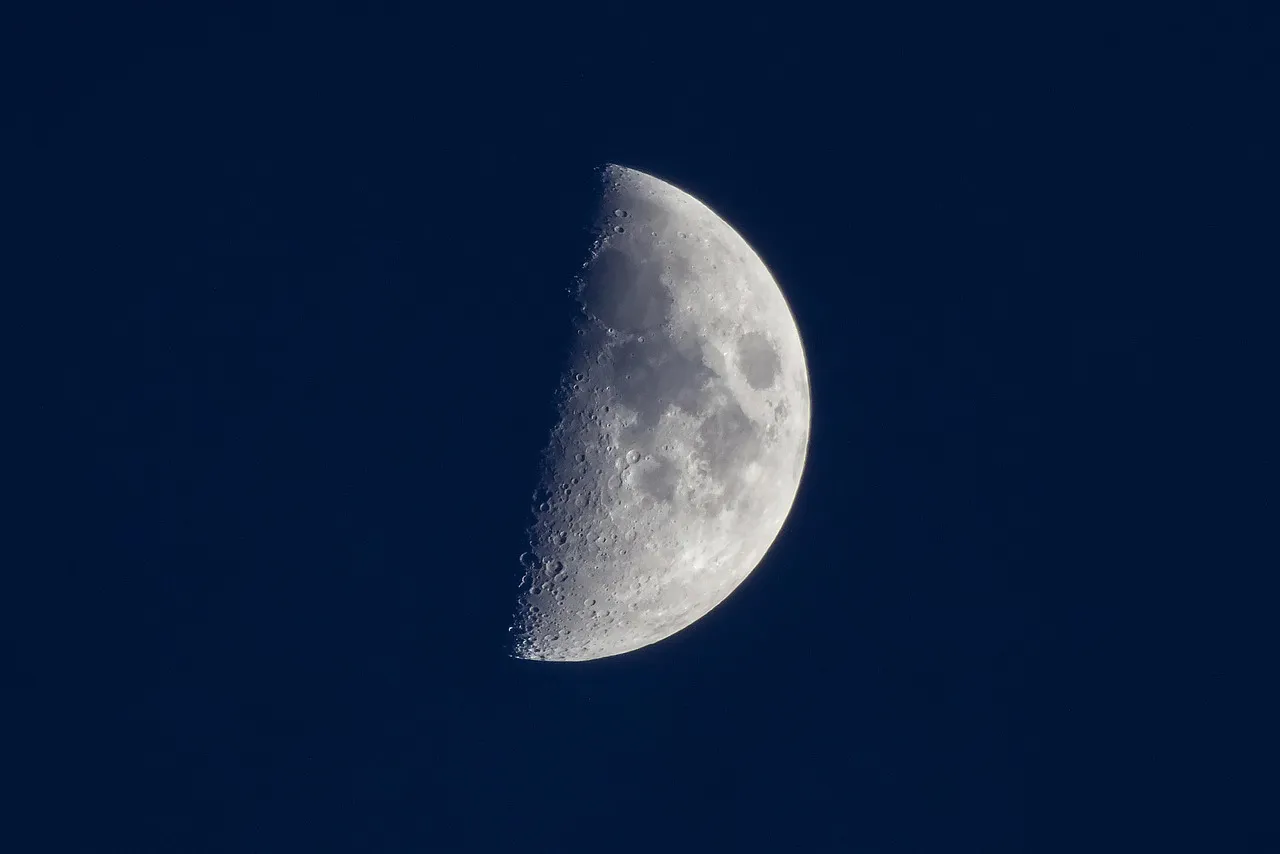
There’s an especially clever way the Moon helps us study Earth’s invisible shield: by carving a temporary hole in the solar wind. As the solar wind flows past the Moon, it creates a trailing region behind it called the lunar wake, a zone where the plasma flow has been disturbed or partially blocked. When Earth and Moon align just right, satellites can actually fly through that wake and measure how conditions change.
Scientists use these fly‑throughs to test models of how the magnetosphere reacts when the usual stream of particles is disrupted. It’s like briefly placing a rock in a river and watching the eddies and ripples that form downstream to understand the current. The Moon, just by being there, turns the space around us into a natural laboratory where we can see how solar wind, magnetic fields, and plasma flows interact in three dimensions instead of just on a computer screen.
#6 Space Weather, the Moon, and Why It All Matters to Us
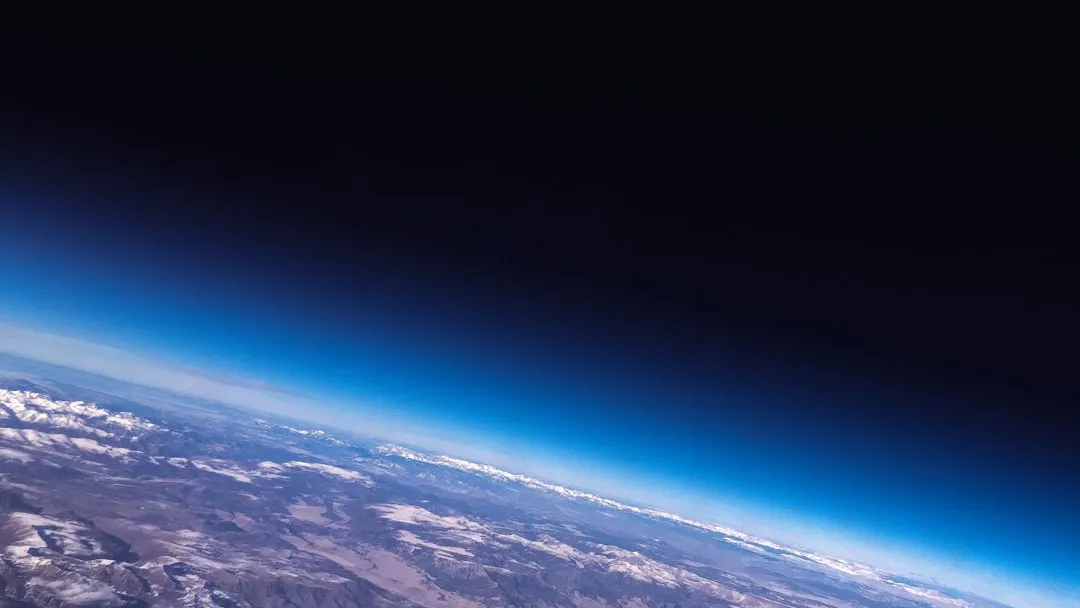
It might feel like all of this happens very far away, but our dependence on technology has quietly pulled us into a tight relationship with space weather. Satellites for navigation, communications, weather forecasting, and even financial transactions live inside or pass through regions shaped by the magnetosphere and the Van Allen belts. When the Sun flares and the magnetosphere is battered, those systems can be disrupted or even damaged.
The Moon helps fine‑tune our understanding of these risks by giving us a control case: a nearby body that experiences the same solar activity without the same protection. Data from lunar orbiters and landers tell us how intense radiation can get in an unshielded environment, which feeds into better models for astronaut safety, spacecraft design, and long‑term lunar bases. In a world where a major solar storm could mess with power grids, flights, and communications, understanding our invisible shield is no longer just academic curiosity; it is quiet, practical self‑defense.
#7 Opinionated Conclusion: A Shield We Barely Deserve, and Should Not Take for Granted
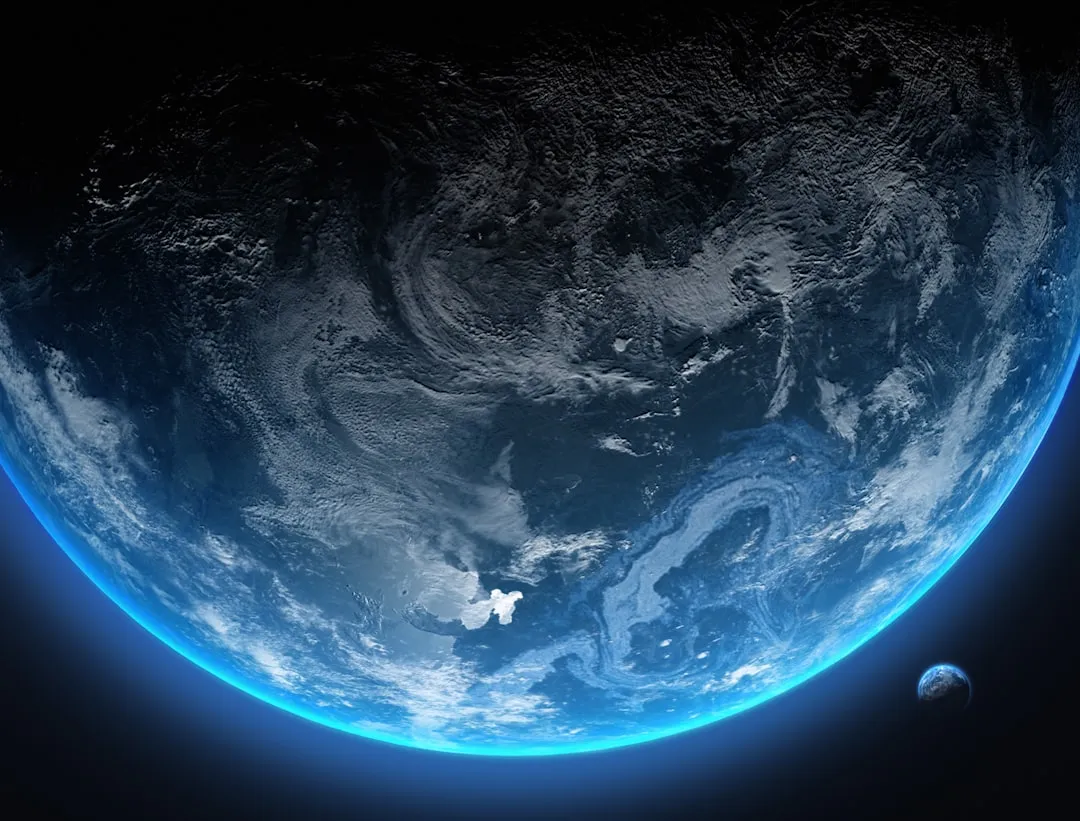
Personally, I think we underestimate just how wildly lucky Earth is. We live on a planet that not only sits in a habitable zone with liquid water but also comes wrapped in a magnetic cocoon that has quietly protected our atmosphere and biology for billions of years. The Moon, a seemingly dead companion we mostly romanticize in poems and photos, has become the control experiment that shows us what an unprotected fate might have looked like.
As we talk more about exploring the Moon, Mars, and beyond, the magnetosphere stops being an abstract textbook word and starts to look like a baseline requirement for long‑term, comfortable life. To me, the lesson is simple: the more we learn about our invisible shield, the more ridiculous it feels to treat this planet as disposable. We won the cosmic lottery with this protective bubble; the real question is whether we’ll act like we understand what that win is worth, or keep floating through life without ever really noticing the force field above our heads.

- 7 Things Cardinals Notice Before Choosing Your Yard - July 26, 2026
- Did You Know the Earth Has an Invisible Shield and The Moon Helps Us Understand It - July 26, 2026
- 5 Cat Breeds That Are Nearly Impossible to Housebreak - July 26, 2026