
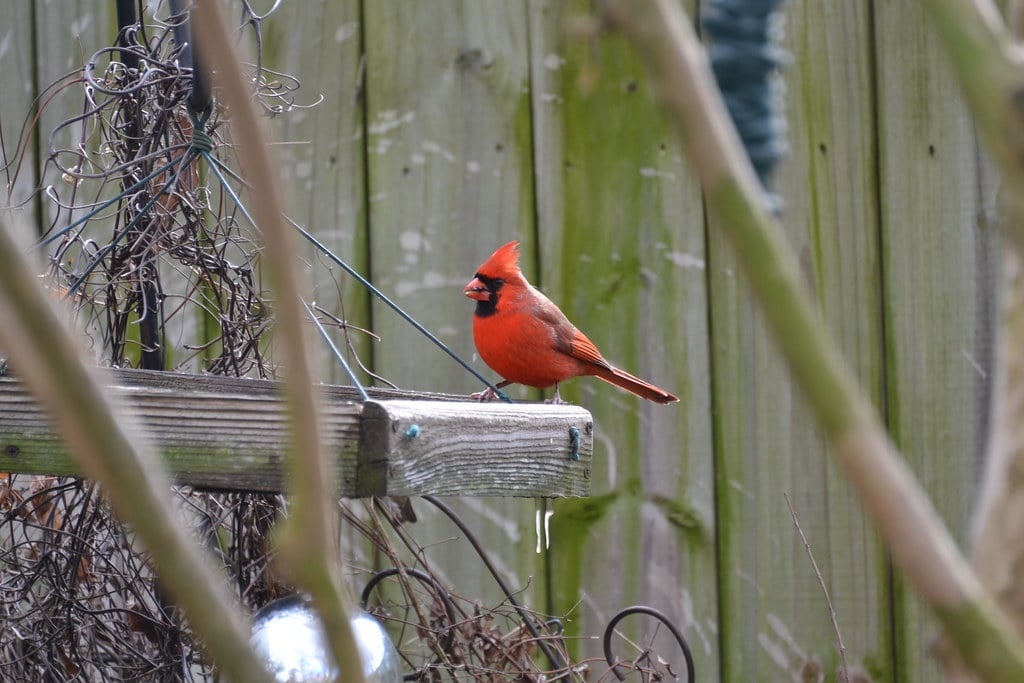
If you’ve ever watched a bright red cardinal land in your yard and felt oddly honored, you’re not imagining it. These birds are picky. They are constantly scanning their surroundings, weighing up tiny details most of us never notice before they decide whether your yard is a safe stopover, a feeding station, or a full-time home.
Once you start seeing your yard the way a cardinal sees it, the whole space changes. Bushes turn into hiding spots, messy corners become prime real estate, and that “ugly” brush pile suddenly looks like a luxury condo. Let’s break down the main things cardinals are quietly judging you on, and why your yard might be only one or two tweaks away from becoming their favorite hangout.
#1 Safe, Dense Cover To Duck Into
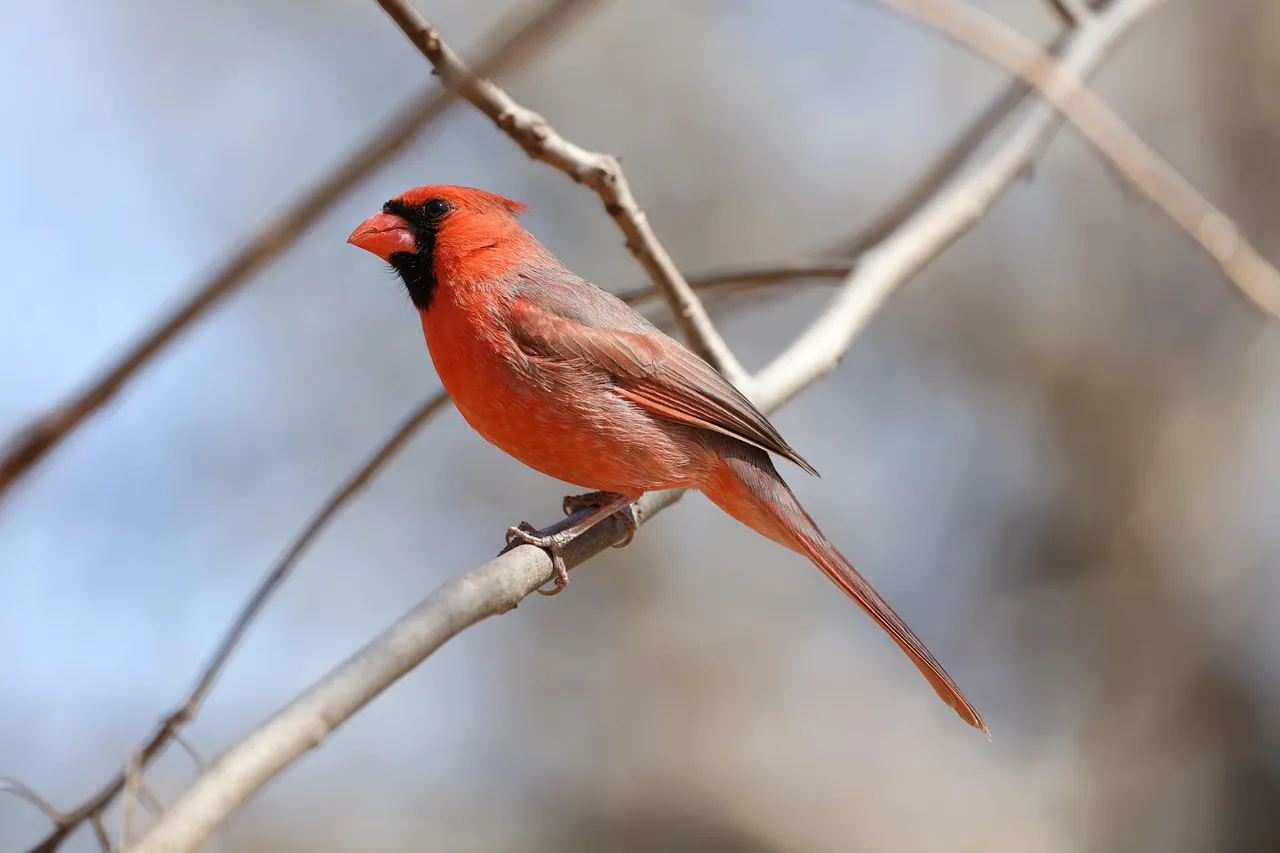
One of the biggest things cardinals look for is cover: dense shrubs, evergreen trees, tangled hedges, and even overgrown corners where they can vanish in a heartbeat. Unlike some bold city birds, cardinals are naturally cautious and prefer to stay close to shelter, especially when they’re out in the open foraging on the ground or visiting a feeder. If a hawk appears or a neighbor’s cat slinks by, they want to be able to disappear in a couple of quick wingbeats.
Think of thick shrubs like a cardinal’s emergency exit door. Yards that are mostly open lawn with a lonely tree or two feel risky, even if there’s plenty of food. On the other hand, a line of dense bushes, a small clump of evergreens, or a layered planting with tall shrubs in back and shorter ones in front tells a cardinal: this place has hiding spots, I can work with this. If they can move from cover to feeder to cover again without feeling exposed, your yard jumps way up their list.
#2 Reliable Food Sources, Not Just A One-Time Snack
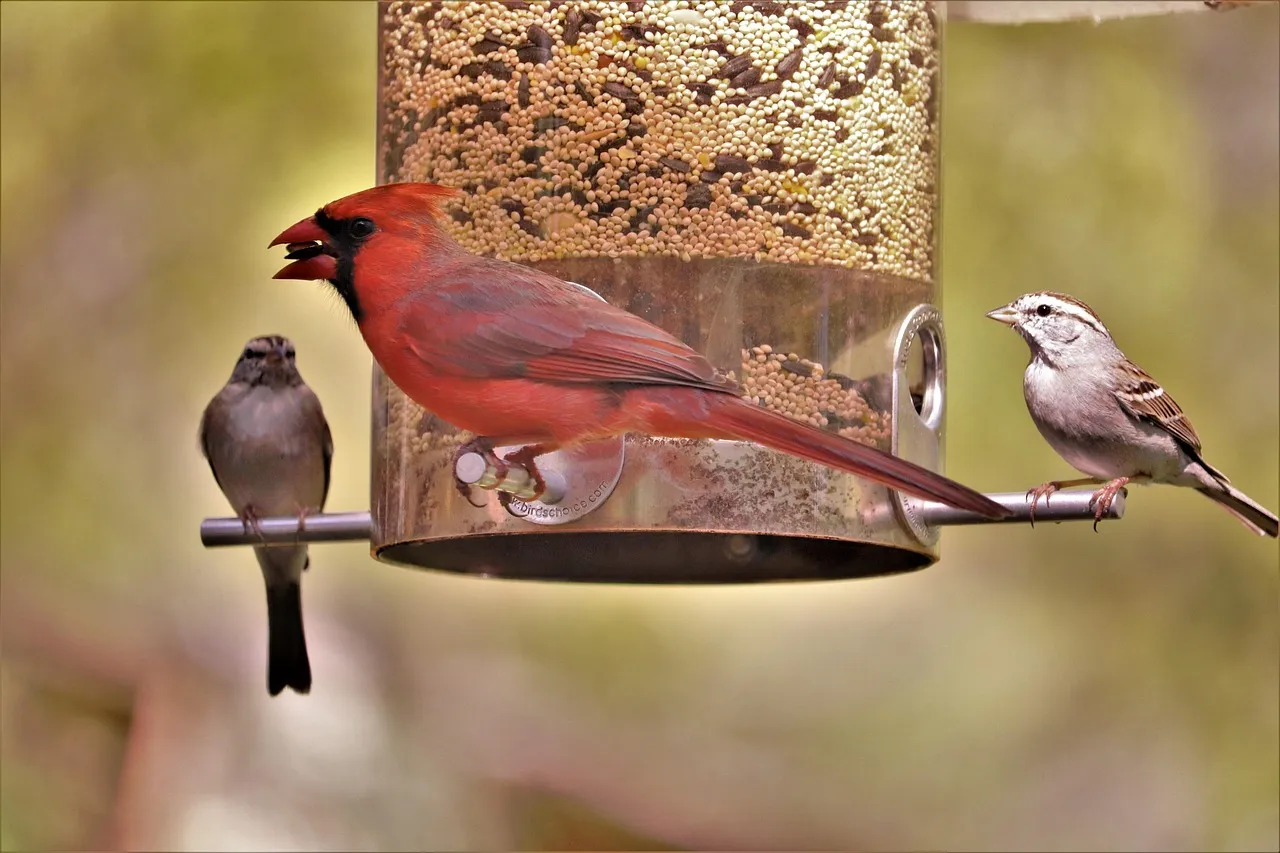
Cardinals are not wandering around hoping to hit a birdseed lottery; they’re looking for consistency. They eat a mix of seeds, fruits, and insects, and they notice which yards reliably offer something worth the trip. Black oil sunflower seed and safflower seed in a feeder are big draws, but so are seed-producing plants like sunflowers, coneflowers, and native grasses that keep giving even when you are not refilling anything. A yard that feeds them across seasons is far more attractive than one that is great for a week and then goes barren.
They also pay attention to whether they can feed in a way that matches their style. Cardinals like to perch on sturdy platforms or trays and will often hop around on the ground picking up fallen seed. Super tiny, flimsy tube feeders with no perches or just one narrow ring are less appealing, even if they’re packed with food. If your yard offers easy-to-use feeders plus natural food from plants and trees, cardinals read that as: this place is dependable, I can bring my mate and, later, the kids.
#3 Low Predator Pressure And A Sense Of Safety
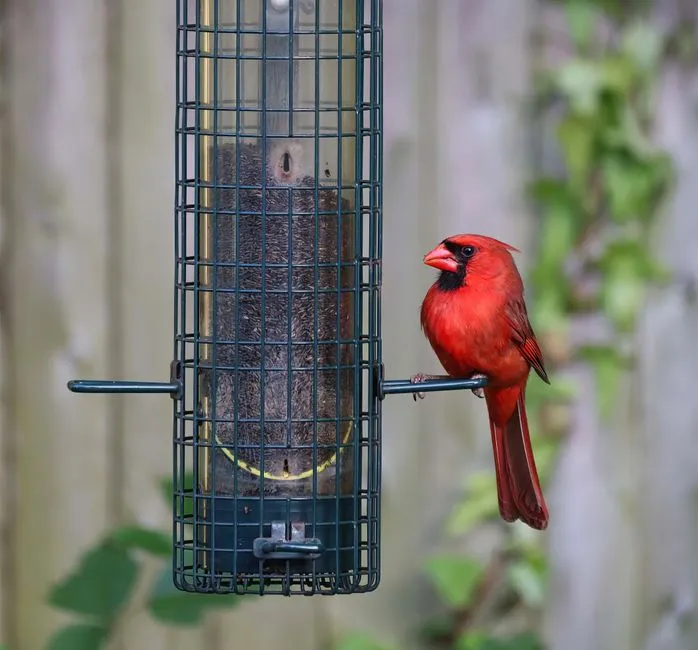
Cardinals are always on edge about predators, and with good reason. Hawks, owls, snakes, and especially outdoor cats can all pose a threat. A yard where cats regularly roam, where there is constant loud disturbance, or where feeders are placed right next to perfect ambush cover (like thick bushes directly underneath) feels dangerous. The birds may still swing by briefly, but they will not linger, and they definitely will not choose it as a primary territory if they have better options nearby.
On the flip side, you do not need a sterile or silent yard; you just need to stack the odds in their favor. Feeders hung a few feet away from dense cover, with an open line of sight so cardinals can spot approaching danger, feel safer. Keeping cats indoors or at least reducing their access, avoiding chemical use that might reduce their insect food, and limiting sudden loud noises near main foraging spots all make your yard feel calmer. Cardinals are reading that overall vibe: is this place chaos and ambush, or mostly predictable and safe?
#4 Water That’s Easy To Reach And Feels Secure
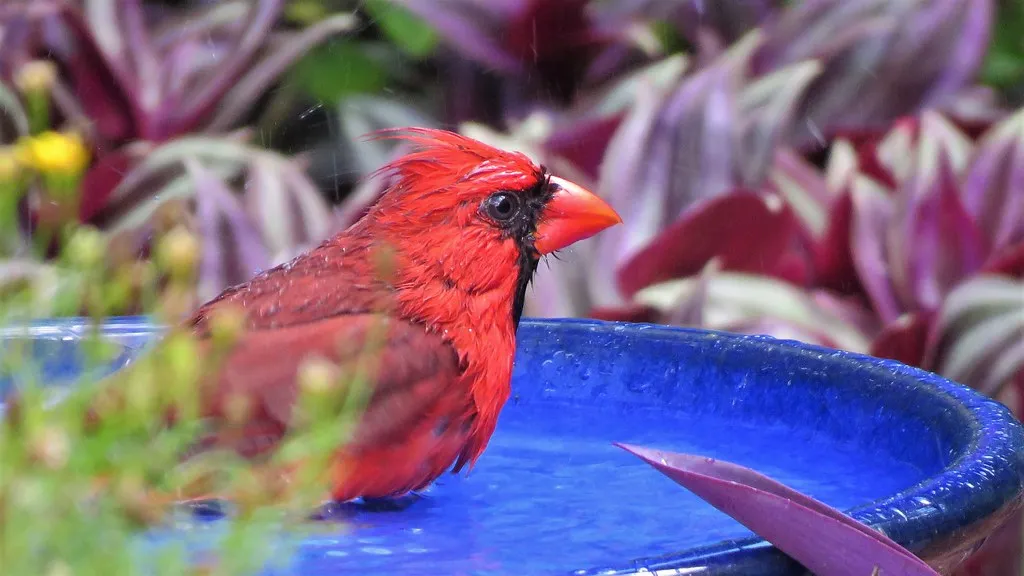
Food gets a lot of attention, but water is just as important in a cardinal’s decision-making. They are watching for shallow, accessible water sources where they can both drink and bathe. A simple birdbath, a shallow basin, or even a gently sloped dish can be enough, as long as the water is clean and not too deep. If they can comfortably stand and sip without wobbling or feeling trapped, the spot earns extra points.
Movement and placement matter too. A small trickle, dripper, or bubbler can catch a cardinal’s eye from a distance, since moving water tends to be more noticeable and often cleaner. At the same time, the birdbath or water source should not be jammed right up against dense shrubs where a predator could lurk unseen. A sweet spot is a basin placed with some nearby perches and moderate cover, but with enough openness that cardinals can see what is coming. When you get that balance right, water becomes a magnet, especially in hot or dry weather.
#5 Nesting-Friendly Trees And Shrubs
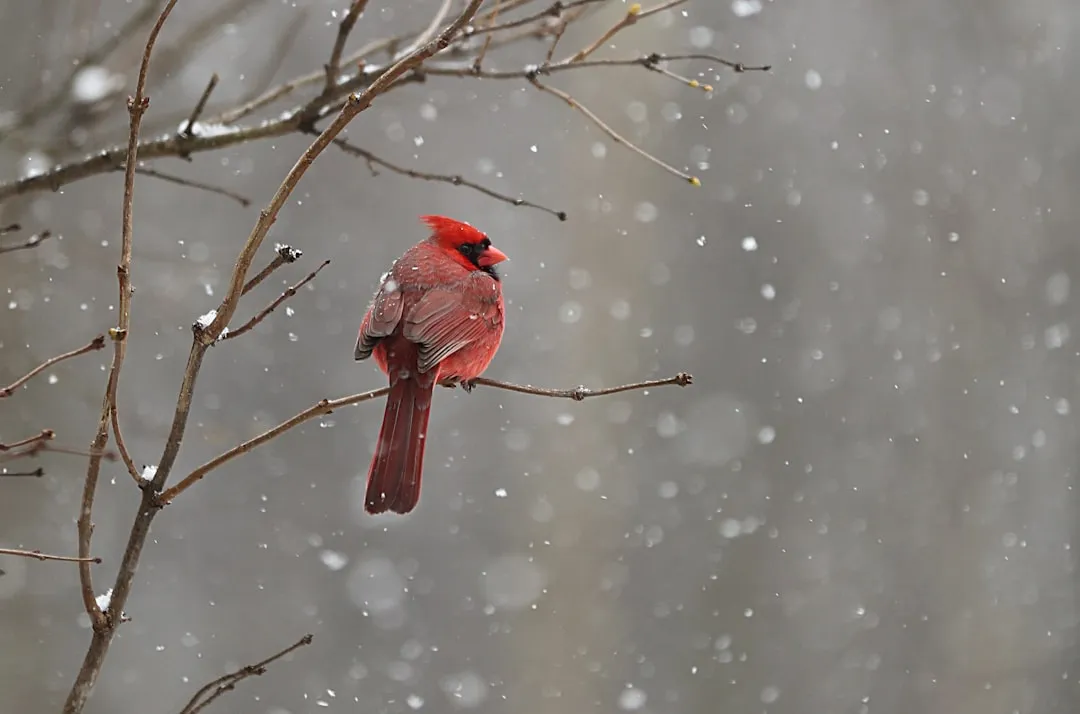
If cardinals are visiting your yard often, the next question in their mind is whether it is worth nesting there. They typically look for dense shrubs, small trees, or thick vines where they can tuck a nest a few feet off the ground, well hidden from view. They are not cavity nesters like some birds; they want branches and foliage that conceal their cup-shaped nests but still let them keep an eye on things. Yards with layered plantings, hedges, and naturally bushy areas are far more appealing for this than perfectly trimmed, minimal landscapes.
They also pay attention to nearby activity when choosing nest spots. A shrub right beside a constantly used door or in the middle of where kids always play may be too stressful, no matter how perfect it looks structurally. A slightly quieter corner with a mix of cover, a bit of height, and easy access to food and water is a better bet. If your yard can offer that mix, you are not just a stopover anymore; you are prime family territory in a cardinal’s eyes.
#6 A Yard Layout That Lets Them Stay Semi-Hidden
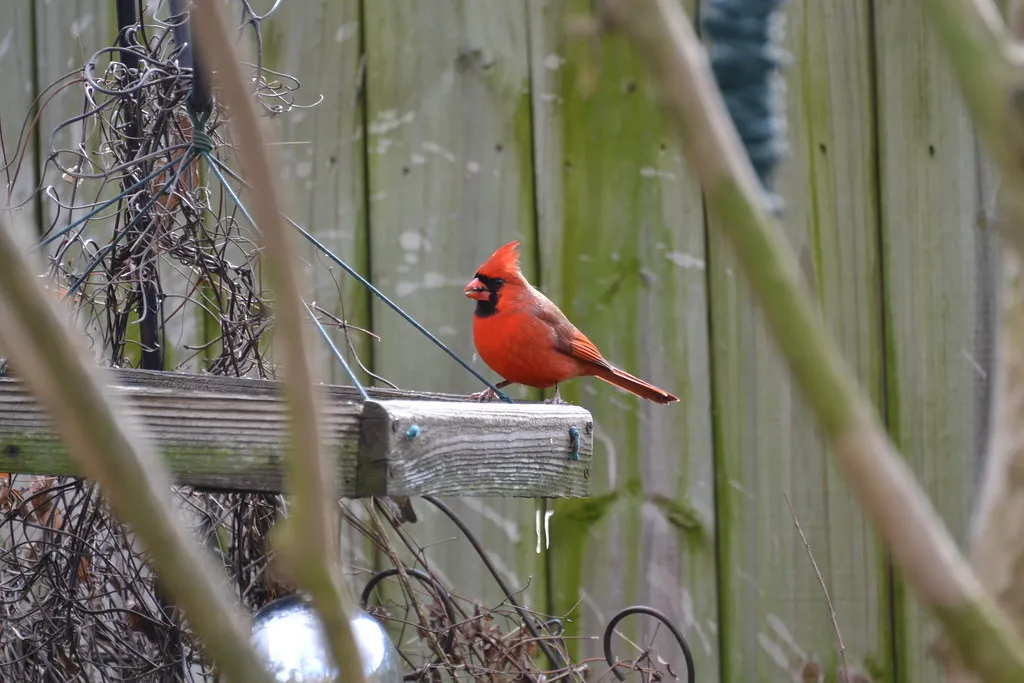
Cardinals do not like feeling stuck in the middle of a big open stage. They prefer what you could call a “broken” landscape: pockets of plants, hedges, trees, and structures that let them move in short hops while staying near cover. A yard that flows from tall trees to mid-height shrubs to lower plants and then ground cover gives them a natural pathway. They can perch, scan, hop, and retreat without crossing a huge, exposed gap.
Even small design choices make a difference. A feeder placed where cardinals can approach from a side hedge, a brush pile tucked in a corner, or a fence lined with climbers all help create these micro-corridors. When the layout feels like a series of safe stepping stones instead of one big open rectangle, cardinals are much more relaxed. They are noticing whether your yard lets them move like a stealthy commuter on side streets, or forces them to walk the middle of a busy highway.
#7 Year-Round Interest, Not Just A Summer Fling
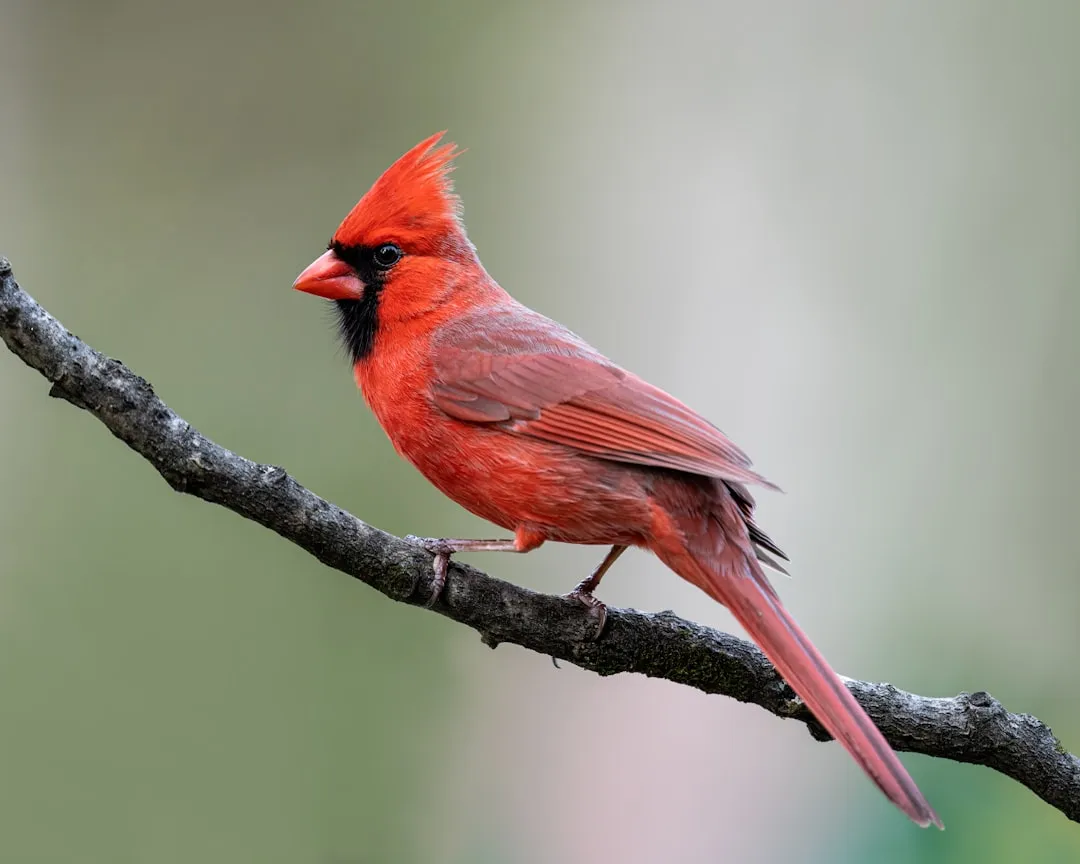
Cardinals stick around all year in many regions; they are not vanishing the moment the weather turns. That means they are assessing yards with a long-term view. A place that is amazing in late spring but barren in winter is less valuable than one that offers at least some shelter and food through every season. Evergreens, seed heads left standing on plants instead of cut down, and shrubs with berries that persist into colder months all tell a cardinal this yard does not shut down when the first frost hits.
This is where our human urge to tidy everything up can work against us. Cutting every stem, raking every leaf, and stripping the yard to a clean slate may look “neat,” but to a cardinal it looks like resources wiped out. Leaving some leaf litter under shrubs, keeping seed heads on plants into winter, and maintaining a few evergreen or dense structures sends a strong signal that your yard respects their year-round needs. When they feel like they can count on you through the dull months as well as the pretty ones, they are far more likely to choose your space as part of their core territory.
Conclusion: Cardinals Notice More Than We Think
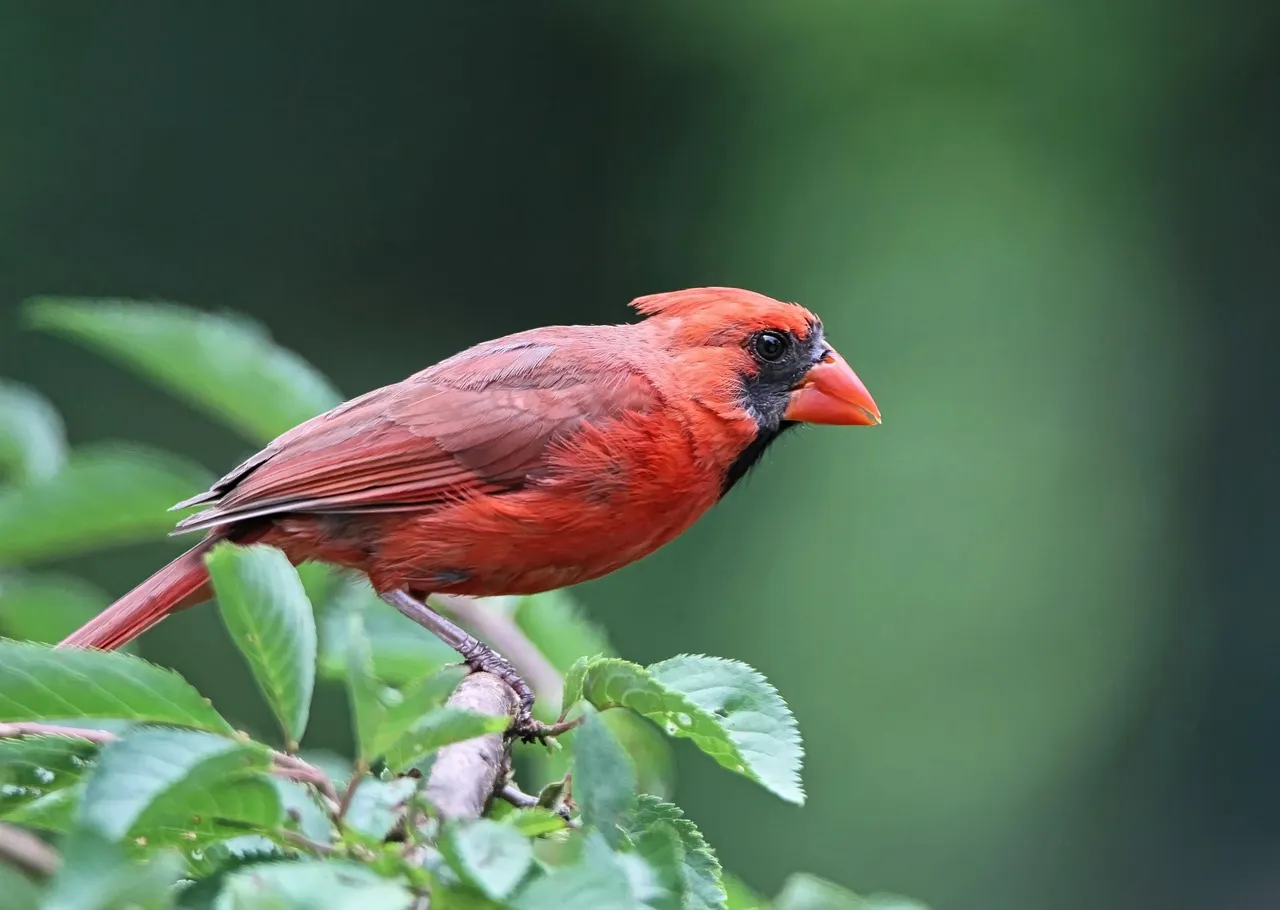
Once you start thinking about your yard the way a cardinal does, it is hard to unsee it. You realize how much of traditional “perfect yard” culture fights against what wildlife actually wants: less bare lawn, more layers; fewer chemicals, more life; less obsession with control, more willingness to let a corner get a little wild. In my own experience, the moment I stopped chasing a magazine-ready yard and started planting for cover, food, and year-round interest, the cardinals seemed to cast the deciding vote with their presence.
If there is one opinion I will stand on here, it is this: a yard that pleases cardinals is almost always a better yard for humans too. It is richer, softer around the edges, and simply more alive. You do not have to turn your space into a jungle, but if you give these birds a bit of safety, reliable food and water, and a layout that respects their caution, they will notice – and they will reward you with flashes of red all year long. Looking at your yard right now, do you think a cardinal would choose it, or walk… or rather, fly right past?

- 7 Things Cardinals Notice Before Choosing Your Yard - July 26, 2026
- Did You Know the Earth Has an Invisible Shield and The Moon Helps Us Understand It - July 26, 2026
- 5 Cat Breeds That Are Nearly Impossible to Housebreak - July 26, 2026