
If you grew up watching summer nights flicker with tiny green lights and now see mostly darkness, you’re not imagining it. In many neighborhoods, fireflies are fading, pushed out by mowed lawns, harsh lighting, and the wrong plants. The good news is almost shockingly simple: you can invite them back by changing what grows in your yard.
Fireflies spend most of their lives down low in the soil, leaf litter, and tall grasses, not floating in the air like little fairies. That means your landscaping choices matter more than you think. These ten native plants do not scream for attention at the garden center, but quietly rebuild the habitat that fireflies and their prey depend on – no chemicals, no gadgets, just real ecology at work.
1. Switchgrass (Panicum virgatum): The Subtle Shelter Maker
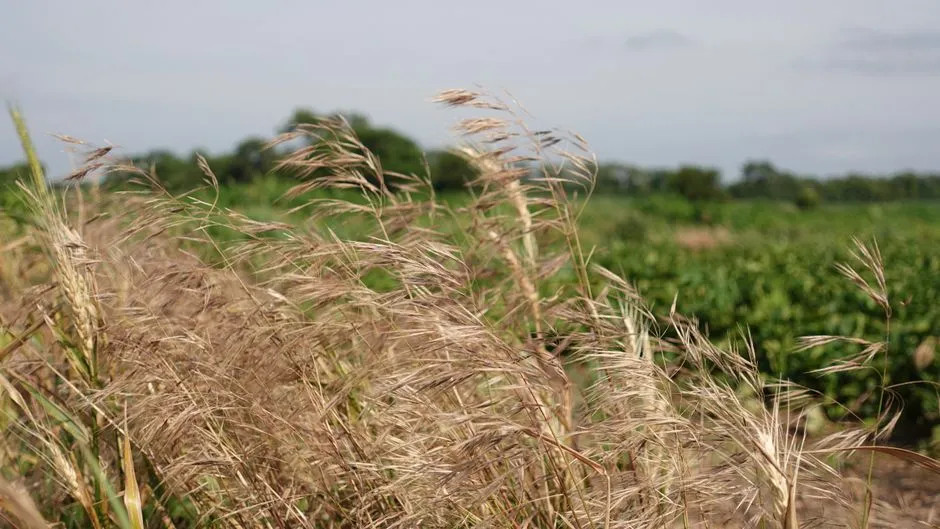
Imagine being a tiny glowing beetle larva trying to survive in a yard that’s mowed every week like a golf course. Switchgrass changes that story completely. This tall, clumping native grass creates dense, upright cover that lets soil stay moist, keeps the ground shaded, and offers the kind of protected nooks firefly larvae love to hunt in.
Switchgrass roots go surprisingly deep, helping the soil act like a sponge and hold moisture through hot spells, which is critical because firefly larvae dry out easily. When the stems flop a bit in winter and drop leaves, they create a soft, messy layer of thatch and litter – exactly the kind of “untidy” micro-habitat where larvae can hide, feed on snails and worms, and overwinter safely while your neighbors wonder why your yard has more light shows.
2. Little Bluestem (Schizachyrium scoparium): The Mini Meadow Workhorse
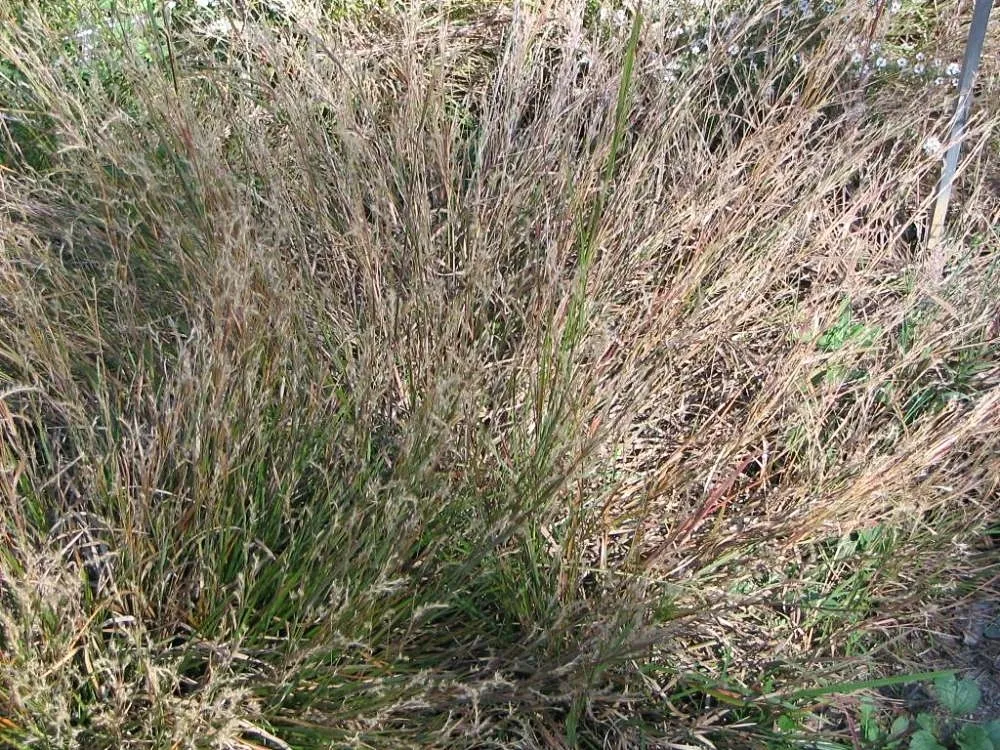
Little bluestem looks delicate, but it behaves like a quiet powerhouse for wildlife. Its upright tufts and wiry stems form a mini meadow structure that breaks up wind and traps humidity near the ground, extending the cool, slightly damp conditions that fireflies favor. It basically turns a bare patch of lawn into a small, breathable forest for insects.
Because it stays relatively compact, little bluestem works in urban and suburban front yards without screaming “wild prairie.” Plant it in loose drifts instead of straight lines, and let fallen stems and leaves remain through winter. That “mess” provides cover for firefly larvae and their prey, while the warm rusty fall color makes the whole thing look intentional, not neglected.
3. Wild Bergamot (Monarda fistulosa): The Bug Buffet Anchor
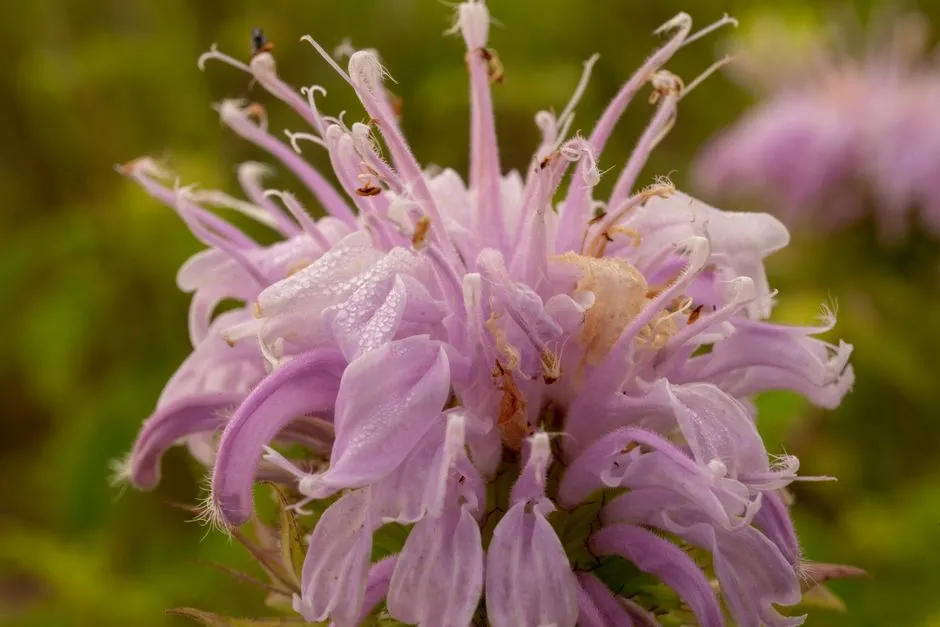
Fireflies don’t eat nectar, but the ecosystem that supports them absolutely does. Wild bergamot, with its soft lavender flowers, draws in pollinators by the crowd: bees, butterflies, hoverflies, and all kinds of small insects. Those insects become part of a food web that ultimately benefits firefly larvae, which are surprisingly fierce predators in the soil.
Think of wild bergamot as the neighborhood cafe that keeps the whole block alive. Its dense stems and leaves add structure and shade at ground level, slowing evaporation and helping moisture linger into the evening. When plants are packed together in clusters instead of isolated, they create tiny shaded pockets ideal for fireflies to rest in by day and rise from at dusk for their nightly light show.
4. Goldenrod (Solidago species): Late-Season Life Support
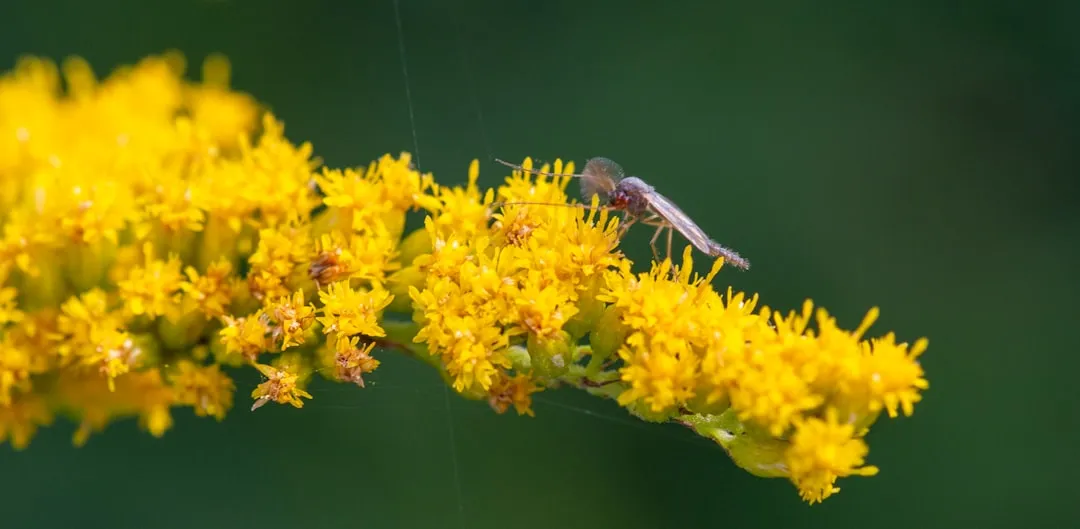
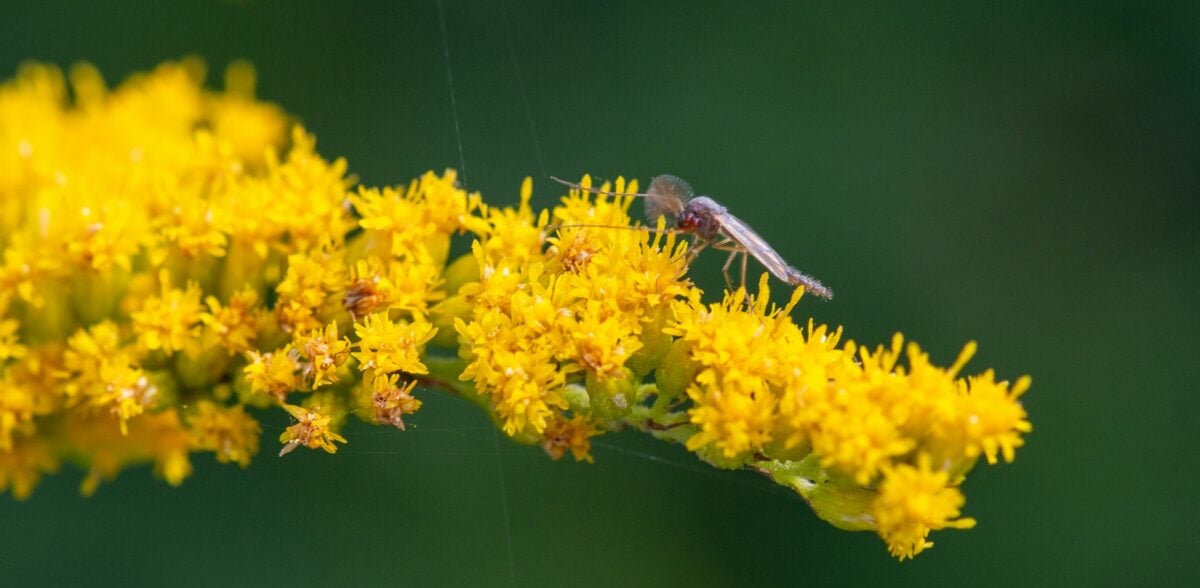
Goldenrod has an undeserved bad reputation because people blame it for allergies that actually come from a different plant. In reality, native goldenrods function like a late-summer safety net for insects, blooming when many other flowers are done. This extended season of nectar and pollen keeps insect populations high well into the time when fireflies are completing their life cycles.
The crowded flower clusters and sturdy stems of goldenrod offer more than food – they create vertical complexity and shade, which help stabilize humidity around the soil surface. When stems are left standing through fall and winter, they trap leaves and organic debris, building a protective layer where firefly larvae can burrow, hide, and slowly feed under cover instead of being exposed on bare, raked ground.
5. Native Violets (Viola species): Low-Growing Moisture Keepers
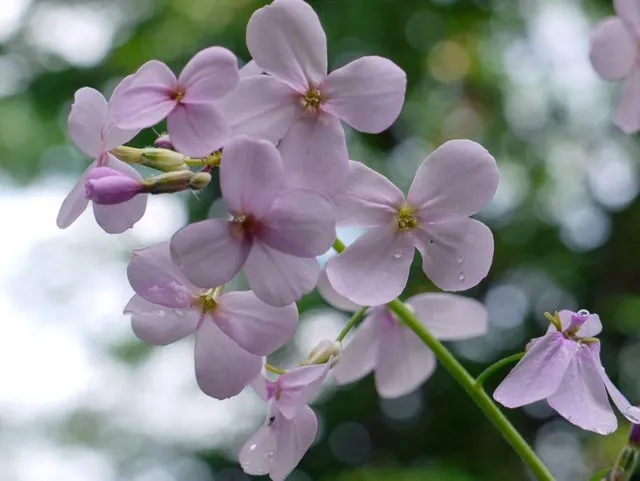
Native violets are like living mulch with a secret superpower: they help keep the soil cool and damp close to the surface. Their heart-shaped leaves spread in gentle patches, intercepting harsh sun and slowing evaporation from the top few inches of soil. For firefly larvae that are extremely sensitive to drying out, this shallow, moist layer is a lifeline.
Because violets stay low, they tuck easily under taller flowers, shrubs, and grasses, creating layered habitat rather than a flat, sterile lawn. They also contribute to the soft leaf-litter mat that forms when foliage dies back, improving soil structure and giving larvae more places to move and hunt without being exposed. The cheerful spring flowers are just a bonus you get while quietly building better firefly real estate.
6. Wild Strawberry (Fragaria virginiana): Groundcover With Benefits
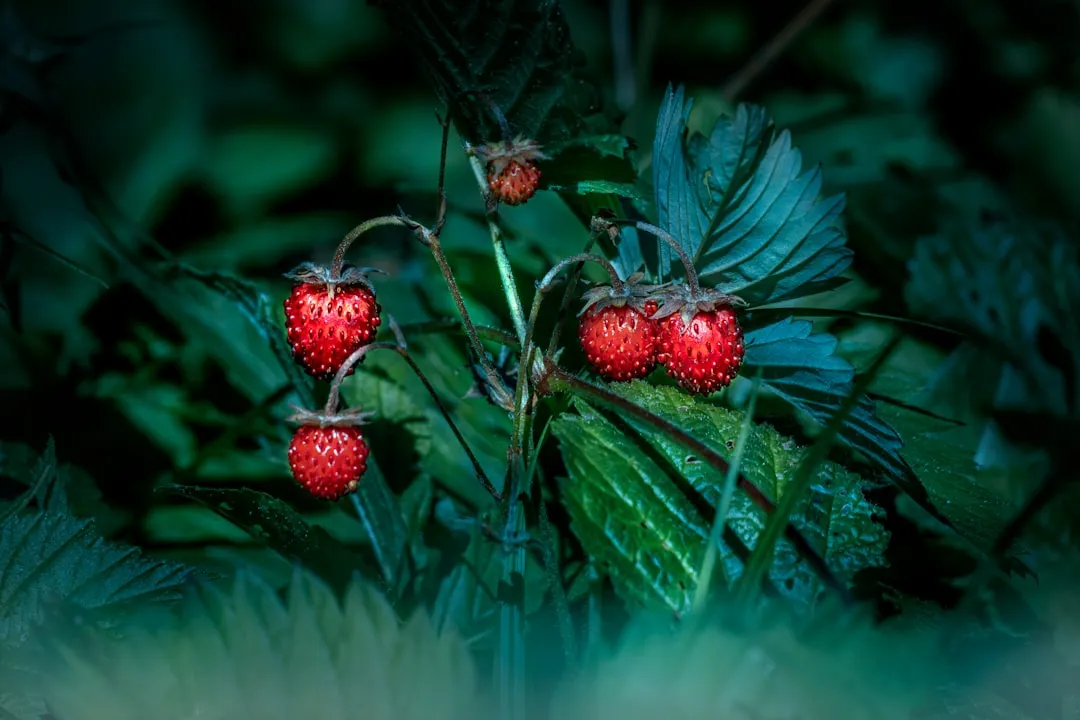
Wild strawberry might be the most charming multitasker in a firefly-friendly yard. It creeps along the ground, stitching bare soil together with low foliage and fine roots that help hold moisture and reduce erosion. That broad, living carpet buffers temperature swings and gives larvae a safer, cooler surface to move through during their long time hidden from view.
On top of that, wild strawberry fruits feed birds and small mammals, which may sound unrelated, but it all feeds into a richer, more complex ecosystem. Healthier soils, more organic matter, and more small critters all translate into better conditions for the snails, slugs, and worms that firefly larvae prey on. Instead of judging each plant by how showy it looks in isolation, think of wild strawberry as part of a quiet support crew that makes the night sky sparkle again.
7. New England Aster (Symphyotrichum novae-angliae): Structure for the Night Shift
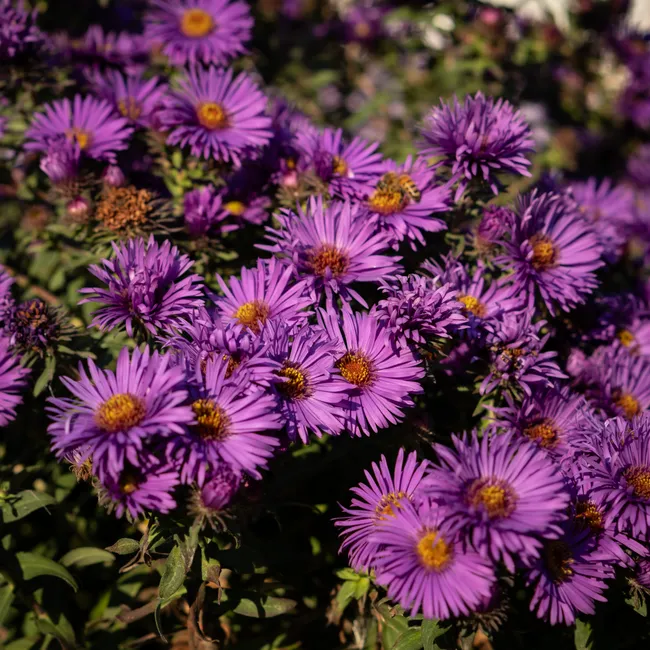
New England aster brings intense late-season color, but under those purple or pink blooms, something subtler is happening for fireflies. The tall, branching stems create a vertical scaffolding that shades the soil and slows down wind, building a more stable microclimate underneath. That tiny tweak in humidity and temperature can be the difference between soil that dries to dust and soil that stays hospitable to firefly larvae.
When asters are massed together rather than planted as lonely individuals, their lower leaves and fallen petals form a kind of natural mulch layer. That loose, organic blanket shelters the invertebrates that fireflies feed on and gives larvae more three-dimensional space to hide and hunt. Leaving stems standing into winter instead of cutting everything down at the first sign of frost turns your garden into year-round infrastructure instead of a seasonal fashion show.
8. Sensitive Fern (Onoclea sensibilis): Damp Refuge Builder
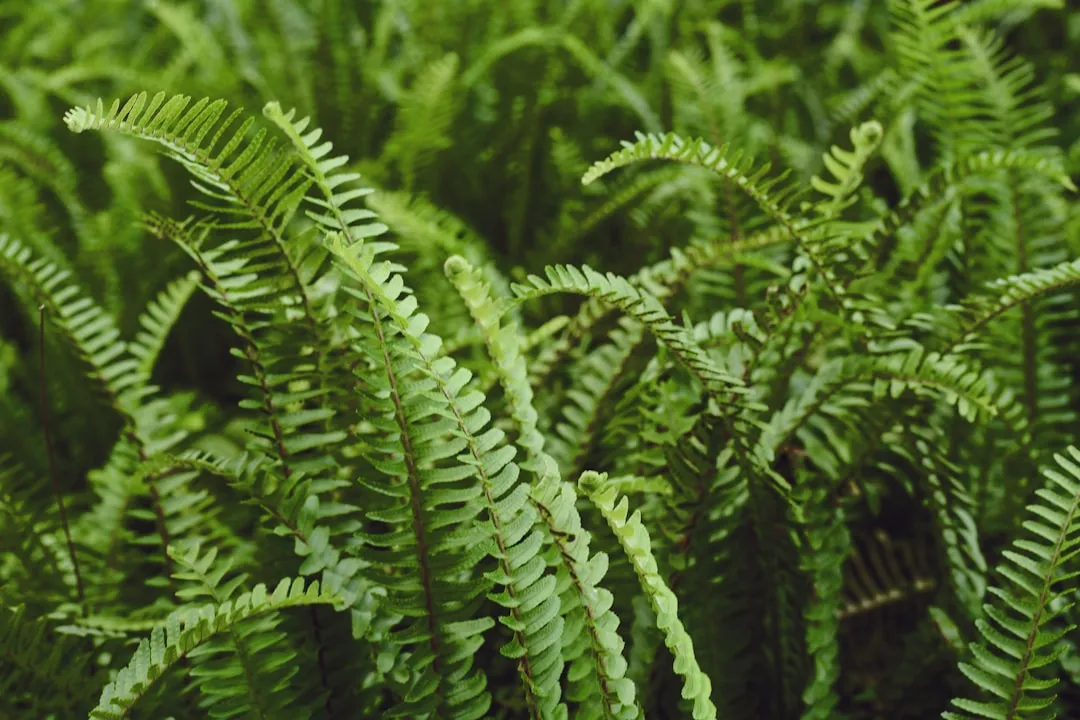
If you have a wetter spot on your property – a low area, near a downspout, or by a pond edge – sensitive fern can become prime firefly habitat. Its broad, arching fronds cast deep shade over the soil, slowing evaporation and keeping pockets of moisture that are perfect for moisture-loving firefly larvae. Ferns, in general, act like natural umbrellas for the forest floor, and this native species brings that effect into the garden.
As the fronds die back each year, they leave behind a soft, decomposing layer that further enriches the soil and thickens the protective cover. That kind of undisturbed litter is exactly what gets stripped away in typical landscaping with blowers and rakes. By letting a patch of sensitive fern grow and cycle naturally, you are essentially saying to fireflies: here is one corner where the world will not be tidied to death.
9. Eastern Red Columbine (Aquilegia canadensis): Dappled-Light Partner
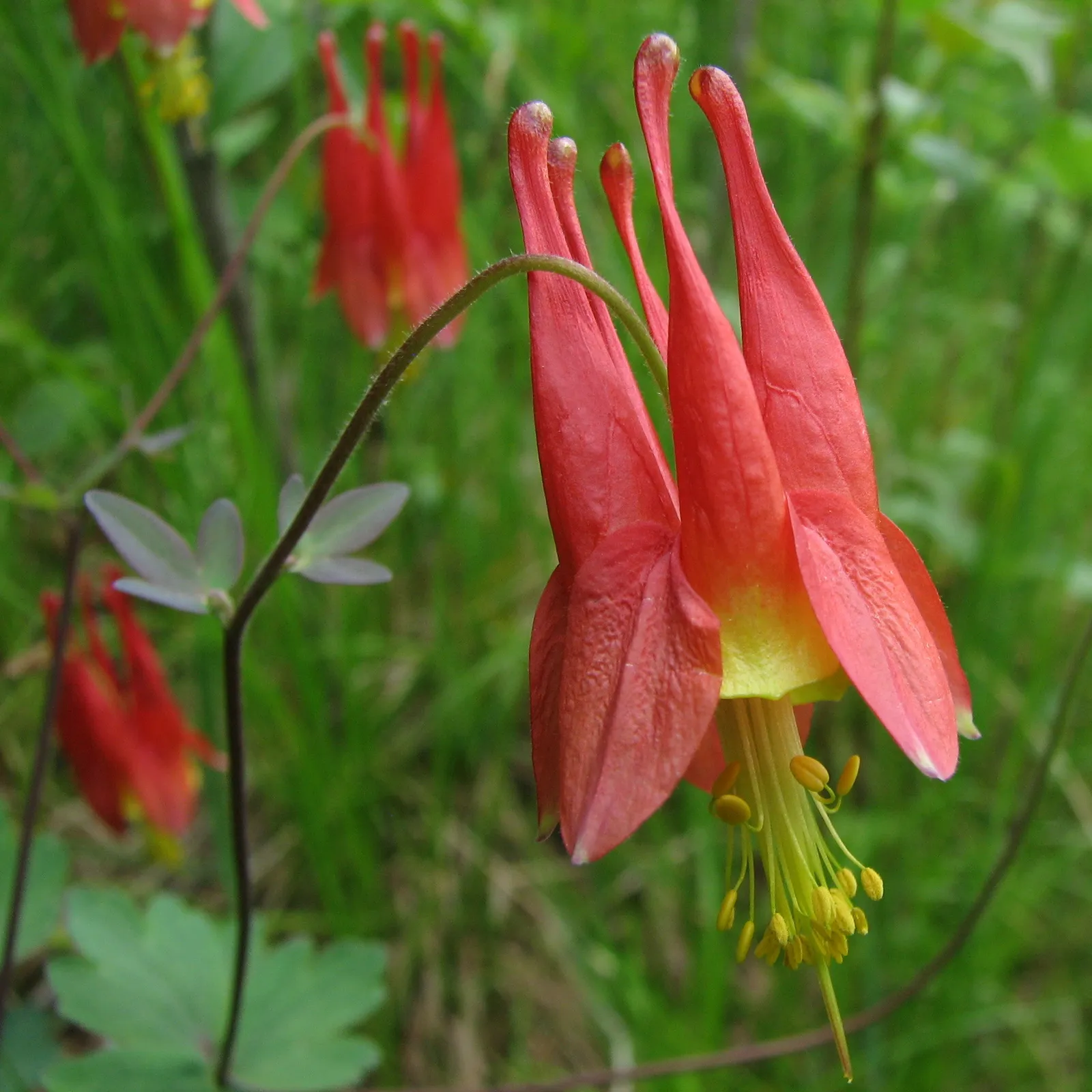
Eastern red columbine thrives in partial shade, particularly under open trees or near shrubs, and that dappled light pattern is a great match for firefly needs. The plant’s finely divided foliage creates soft, shifting shadows that keep the soil cooler and help preserve evening humidity, while still letting in enough light for a diverse understory to grow. Fireflies often use such semi-shaded transition zones between lawn and woodland as prime activity areas.
Columbine’s early blooms attract hummingbirds and pollinators, helping energize the local insect community from spring onward. As the season progresses, the fading flowers and foliage still contribute structure and organic matter. Combined with other natives, columbine helps transform a bare tree base or fence line into a layered, living edge – a kind of ecological border crossing where fireflies can safely move between open and sheltered spaces.
10. Common Milkweed (Asclepias syriaca): The Big-Leaf Habitat Engine
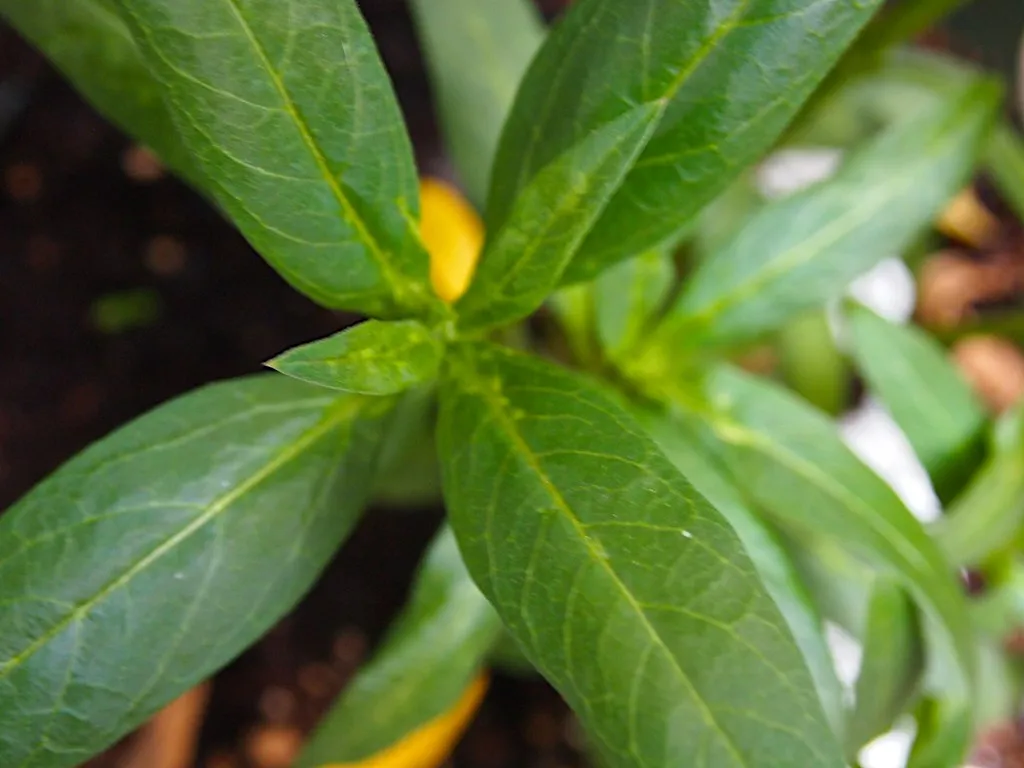
Common milkweed is famous for monarch butterflies, but its value for fireflies is real and underrated. Those big, broad leaves cast deep shade on the ground below, reducing soil temperature and preserving moisture in exactly the zones where larvae lurk. Dense stands of milkweed also break up wind and create pockets of still air, which help keep humidity higher on warm evenings when adult fireflies are active.
The plant’s complex flower clusters support a buzzing mix of insects that feed into a richer food web, and its thick stems and fallen leaves add to a multi-layered litter zone at the base. In a yard dominated by short, clipped turf, adding a patch of milkweed is like dropping a small, functional thicket into the landscape. It may look a bit wild, but that wildness is often what separates a silent yard from one that starts to glow again on summer nights.
Conclusion: Letting Your Yard Be Just Wild Enough
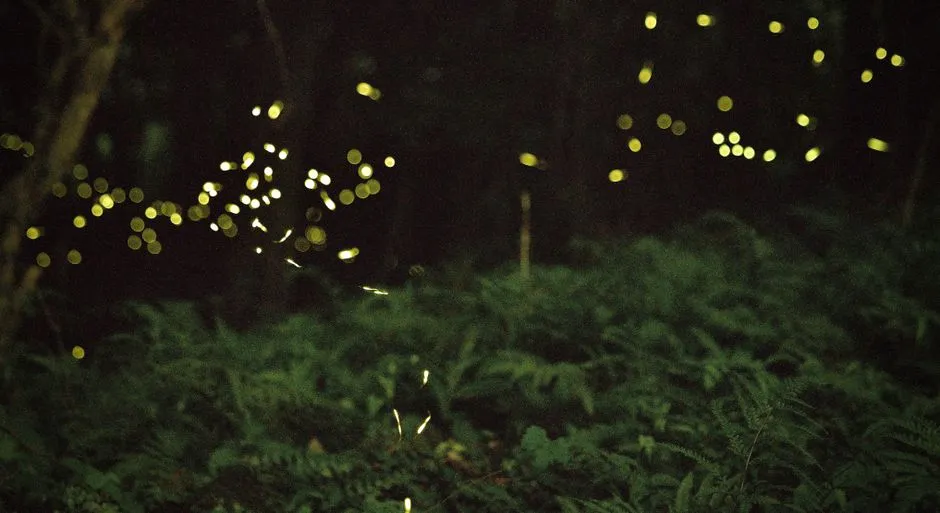
If there’s one uncomfortable truth buried in all this, it’s that the perfectly manicured yard is often a dead yard for fireflies. The pesticides, the weekly mowing, the bare soil and blown-away leaves – they quietly erase the very stages of life we say we miss when we realize our kids have never seen a real lightning bug show. Native plants like these ten do not magically “attract fireflies” like a scented candle; they repair the hidden layers of habitat that fireflies need long before they ever light up.
In my own experience, the first time I skipped raking a corner of the yard and let the native grasses and flowers take over, I felt weirdly guilty, like I was breaking some suburban rule. A couple of summers later, that neglected-looking corner was where the first real cluster of fireflies returned, blinking over the tall stems while the rest of the lawn sat dark. Native plants ask you to trade a little tidiness for a lot of wonder – honestly, isn’t a messy patch of switchgrass and milkweed worth it if it means your summer nights start to sparkle again?

- 10 Native Plants That Quietly Bring Fireflies Back - July 27, 2026
- 5 Animals You Can Only Find in Louisiana - July 27, 2026
- 5 US States With the Most Bulls - July 27, 2026