
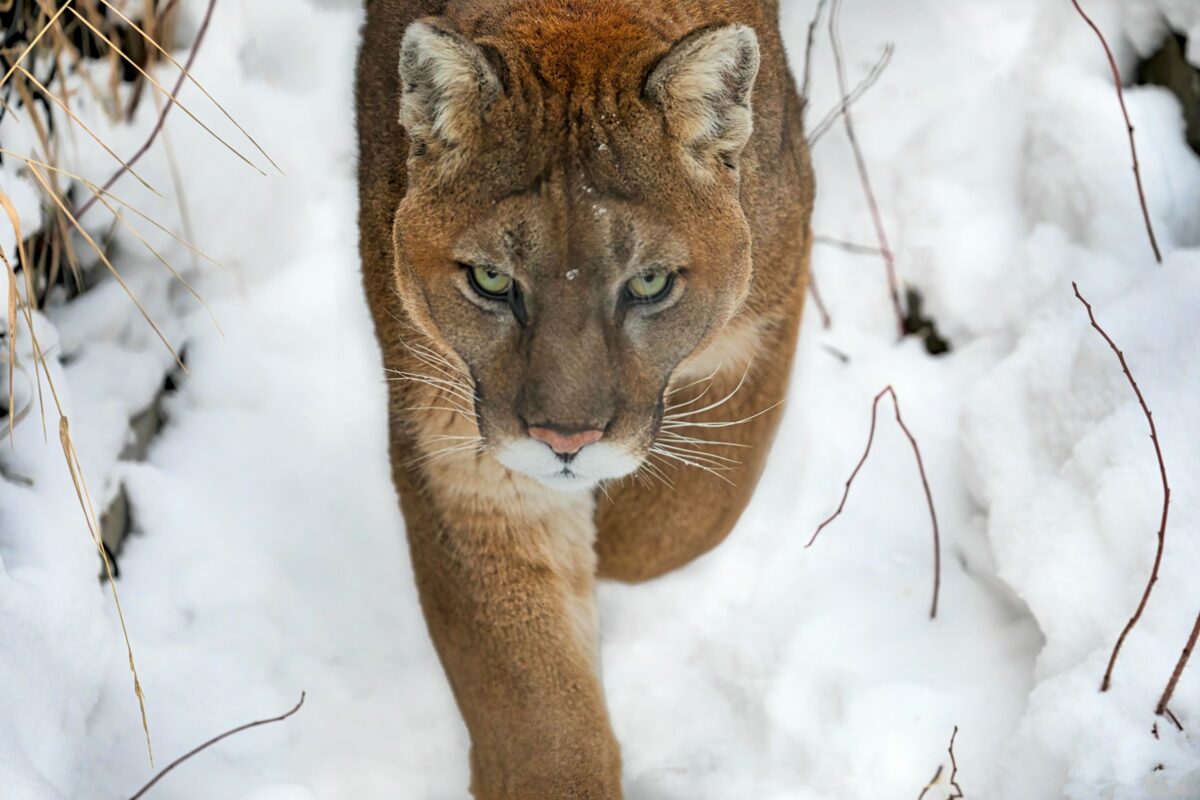
Picture a mountain lion standing at the edge of a six–lane highway, frozen between safety and survival. On one side: the last scraps of wild habitat. On the other: traffic, fences, backyards, and danger. That single moment captures what fragmented landscapes feel like for big cats that evolved to roam over enormous territories.
Wildlife corridors are one of the most hopeful ideas conservation has come up with in the last few decades. They are not magic doors back to some untouched wilderness, but they can stitch pieces of habitat together just enough to give mountain lions a fighting chance. Let’s dig into how these green lifelines actually work, and why they matter far more than most people realize.
1. Reconnecting Broken Habitat into Usable Home Ranges
One of the most surprising things about mountain lions is how much space a single cat needs. Adult males can use territories that stretch for hundreds of square miles, and females need large areas as well, especially when raising kittens. When roads, housing developments, and industrial zones slice up that space, the landscape turns into a patchwork of islands that are too small for a long–term, healthy life.
Wildlife corridors help stitch these islands back together into something close to a functional home range. Instead of each forested patch or canyon being a dead end, corridors link them into a loose network where a lion can move, hunt, rest, and avoid conflicts. It is a bit like reconnecting the chapters of a book that were ripped apart; the story of a lion’s life can finally flow again, instead of stopping abruptly at the edge of a highway or subdivision.
2. Giving Young Dispersing Lions a Safe Path to New Territories
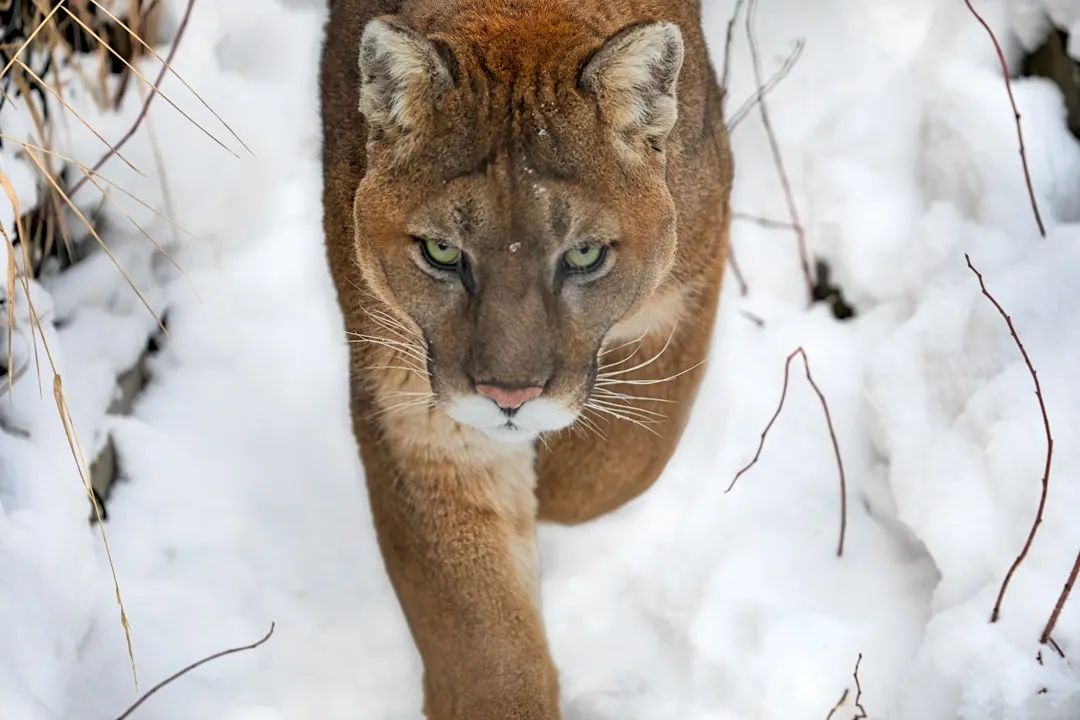
Teenage mountain lions basically get kicked out of the house. As they mature, young males especially are pushed away from their mother’s range and forced to strike out on their own, sometimes traveling long distances to find a vacant territory. In a fragmented landscape, that journey can be deadly, with roads, fences, and urban sprawl turning normal dispersal into a gauntlet of hazards.
Corridors, especially those that include safe road crossings or continuous strips of natural cover, give these dispersing cats a fighting chance. A well–placed underpass, overpass, or riparian greenway can be the difference between a young lion reaching a new mountain range or being hit by a truck at two in the morning. When dispersing individuals can move successfully, populations stay connected instead of collapsing into a few isolated family groups.
3. Preventing Inbreeding and Genetic Bottlenecks
One of the most sobering realities for mountain lions in heavily developed regions is the genetic trap. When a population is boxed in by roads and suburbs, only a handful of related animals are able to breed with each other, generation after generation. Over time, that can lead to inbreeding, reduced fertility, physical abnormalities, and a much lower ability to cope with disease or change.
Wildlife corridors act like open doors between family lines. When a male from one mountain range can travel across a valley or under a freeway and successfully join another population, he brings new genetic diversity with him. Even a few successful crossings over a decade can significantly improve the health and resilience of an isolated group, turning a slow genetic decline into a more stable, long–term population.
4. Reducing Roadkill and Deadly Vehicle Collisions
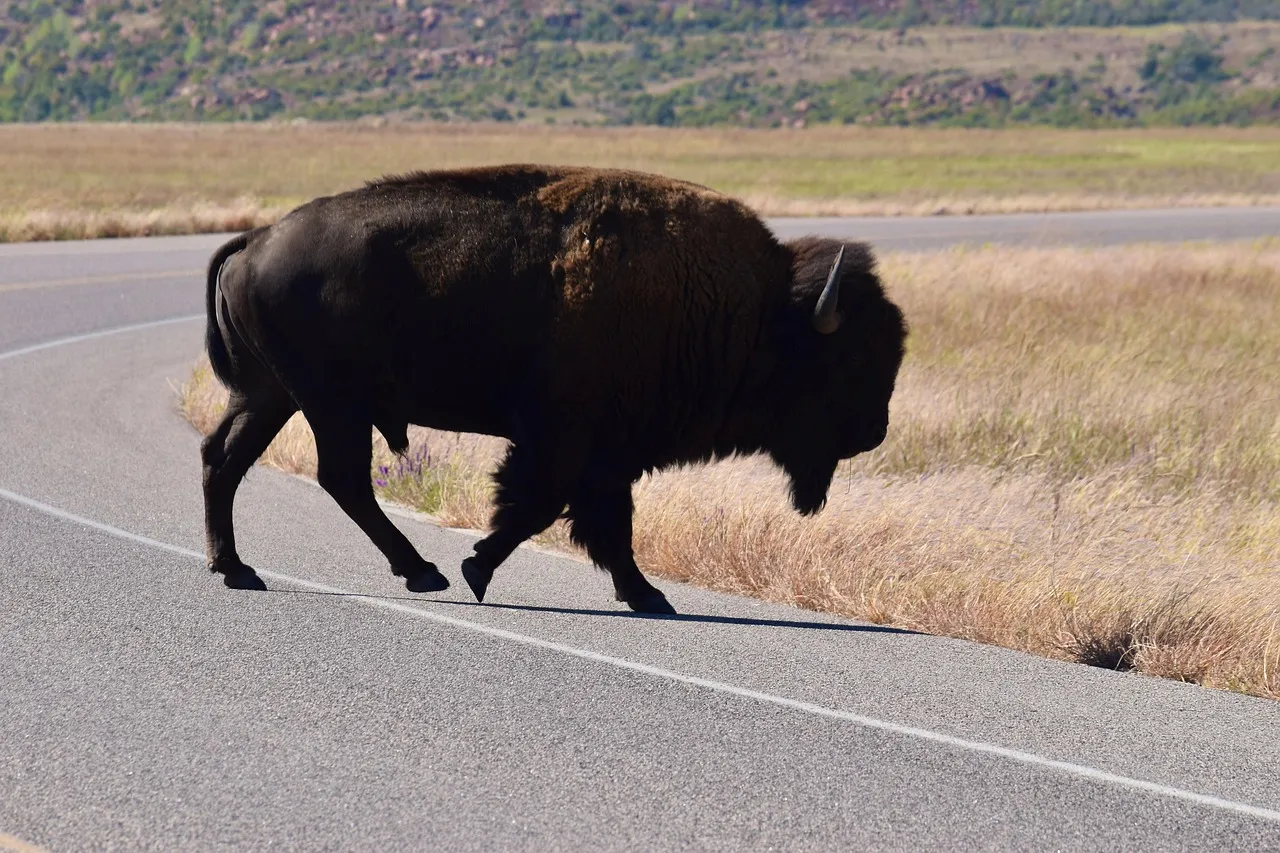
If you have ever seen a big cat on the side of a highway, it is hard to forget. Vehicle collisions are one of the leading human–caused deaths for mountain lions in many regions, especially where major roads slice through otherwise decent habitat. At night, a lion may follow a deer or simply try to cross, only to meet fast traffic it cannot anticipate.
Corridors that include dedicated crossing structures dramatically reduce that risk. Overpasses covered in soil and vegetation and underpasses framed with fencing guide animals to specific safe points instead of leaving them to dart randomly across asphalt. It is better for lions, better for deer, and honestly safer for drivers too, since hitting a two–hundred–pound predator at freeway speed is not just tragic for wildlife, it is dangerous for people as well.
5. Allowing Seasonal and Climate–Driven Shifts in Movement
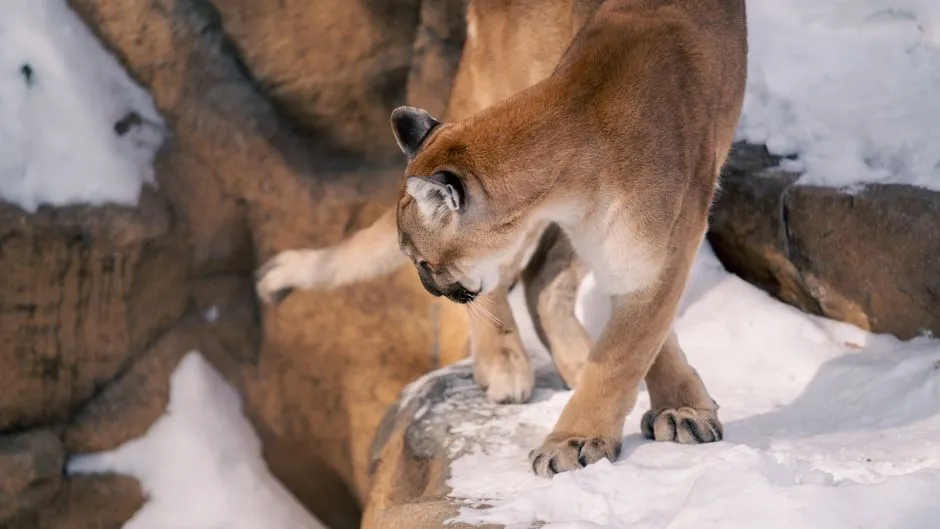
Mountain lions are adaptable, but they still follow the movements of their prey and the rhythms of the seasons. In dry years, prey may move to higher elevations or closer to remaining water sources. As climate patterns shift and heat waves, droughts, or heavy snows become more extreme or unpredictable, lions need the freedom to track these moving resources across larger areas.
Corridors help by keeping pathways open between low valleys, mid–elevation foothills, and high mountain habitats. When connectivity exists across different elevations and habitat types, lions are not locked into a single shrinking patch. Instead, they can shift their use of the landscape over time, following deer herds, avoiding fires, or seeking cooler or wetter refuges as conditions change.
6. Lowering Conflict with People and Livestock
It might seem counterintuitive, but creating wildlife corridors can actually reduce the chances of mountain lions showing up in backyards or going after livestock. When their natural routes are blocked by fences, subdivisions, or industrial zones, lions often end up funneled into human–dominated spaces as they try to navigate around the obstacles. That is when headlines about pets, chickens, or calves tend to appear.
By designing corridors that steer movement through wilder, less developed areas, we give lions a quieter route that lets them avoid humans altogether. Strategically placed habitat strips, riparian buffers, and crossing structures can act like gentle suggestions: go this way, not through the neighborhood. When lions can move freely in more natural habitat, they are less desperate, less cornered, and far less likely to push into human spaces out of sheer necessity.
7. Preserving Prey Pathways and the Whole Food Web
Mountain lions do not move in a vacuum; they follow the animals they hunt. Deer, elk, and other prey species also need intact routes between feeding grounds, winter ranges, and safe cover. When their pathways are cut off, the entire food web gets scrambled, and lions may find themselves stuck in areas where prey is scarce or highly unpredictable.
Wildlife corridors that work for big cats almost always benefit their prey as well. When deer can safely cross roads using the same overpasses or underpasses, or move along greenways that link feeding and bedding areas, it stabilizes their populations. A more stable prey base makes life less risky for mountain lions, who no longer have to push into marginal or human–dominated areas just to find a meal. In that sense, a corridor is not just a path for predators – it is a lifeline for an entire ecological community.
8. Creating Space for Long–Term Coexistence
At the end of the day, wildlife corridors are about more than just moving animals from point A to point B. They are about deciding whether we want a future where large predators still exist outside of zoos and photos. In crowded regions, the only way that works is if landscapes are designed with both people and wildlife in mind, not one or the other.
Corridors send a quiet but powerful message: we are willing to share. They turn fragmented, hostile edges into more permeable boundaries, where the presence of a mountain lion is not a looming crisis but a normal, managed part of a living landscape. Personally, whenever I hear about a new crossing being built or a GPS–collared lion successfully using a corridor, it feels like a small but solid vote in favor of coexistence rather than exclusion.
Conclusion: Corridors Are Not a Luxury, They Are a Responsibility
Wildlife corridors sometimes get framed as feel–good extras, like a nice–to–have green feature on a highway project. That view completely misses the point. In a world where we have already carved up most wild habitats, creating safe passages for species like mountain lions is closer to paying a debt than offering a gift. We built the barriers that made their movements dangerous and their populations fragile; reconnecting the landscape is the least we can do if we genuinely care about biodiversity.
Are corridors a perfect fix? Of course not. They require money, political will, careful design, and long–term maintenance, and they will not reverse all the damage we have done. But they are one of the clearest, most practical tools we have to keep mountain lions on the landscape, not just as ghostly legends, but as real, breathing, roaming predators. If we are serious about sharing the planet, then threading these lifelines through our fragmented world is not optional – it is part of what it means to be a responsible species. When you imagine the future, do you see highways that cut everything off, or green bridges that quietly keep wild lives moving?

- 15 Emotional Signs You’ve Formed a True Bond With Your Dog - July 28, 2026
- What Is the Symbolism of the Bear as a Totem Animal - July 28, 2026
- 5 US States With the Most Lynx - July 28, 2026