
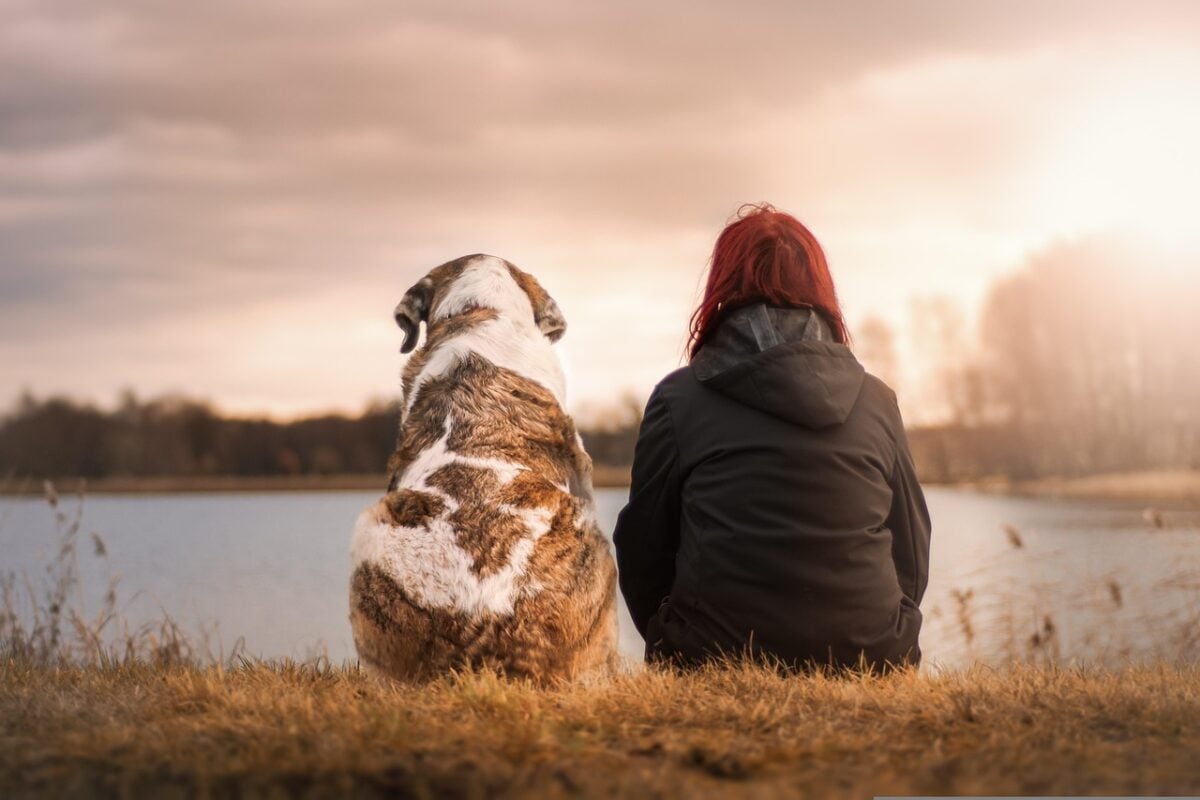
Most dog owners assume their pet loves everyone in the house equally, but that’s simply not true. Behavioral scientists have found that dogs form one primary attachment figure, and once that choice is made, that human gets a completely different version of the dog. Every other person in the house gets the good dog. The chosen one gets the real one, unfiltered and fully unguarded.
If you’ve ever quietly wondered whether you’re actually the favorite, or just the one who fills the food bowl, you’re about to find out. These sixteen behaviors are the tells – the small, unmistakable ways a dog says “you’re mine” without ever opening its mouth.
#1 – The Full-Body Lean That Isn’t an Accident
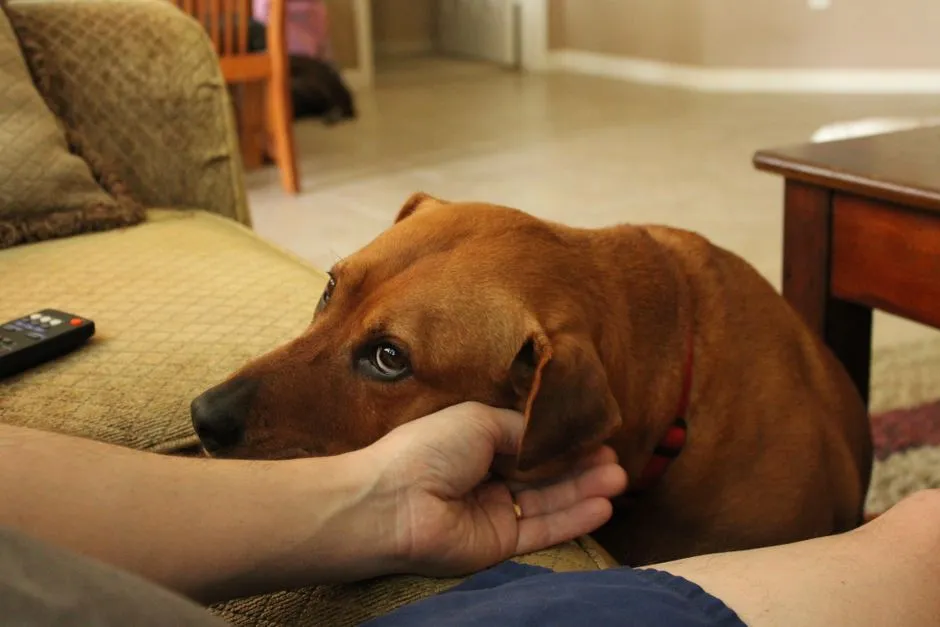
Most people think their dog leaning against their leg is just a space issue, but it’s actually a calculated act of trust.
Dogs are prey-driven animals at their core, and exposing their full body weight to another creature is a vulnerability they don’t extend casually. When a dog leans its entire side into one specific person, it’s using body pressure as a self-soothing mechanism, and it only works if the dog trusts that person completely. This lean is almost never distributed evenly across a household – it’s reserved for one person. Trainers call this “contact-seeking behavior,” and it spikes when the dog feels anxious, overstimulated, or simply wants closeness.
What’s fascinating is that dogs don’t lean on strangers, acquaintances, or even secondary family members with the same frequency or intensity. It’s a targeted behavior, not a generalized one. If your dog consistently chooses your leg over your partner’s, your kid’s, or your roommate’s, that’s not a coincidence – it’s a preference built over hundreds of small trust-building moments. But that’s nothing compared to what we found about #2…
#2 – The Deep Sigh That Only Happens With You
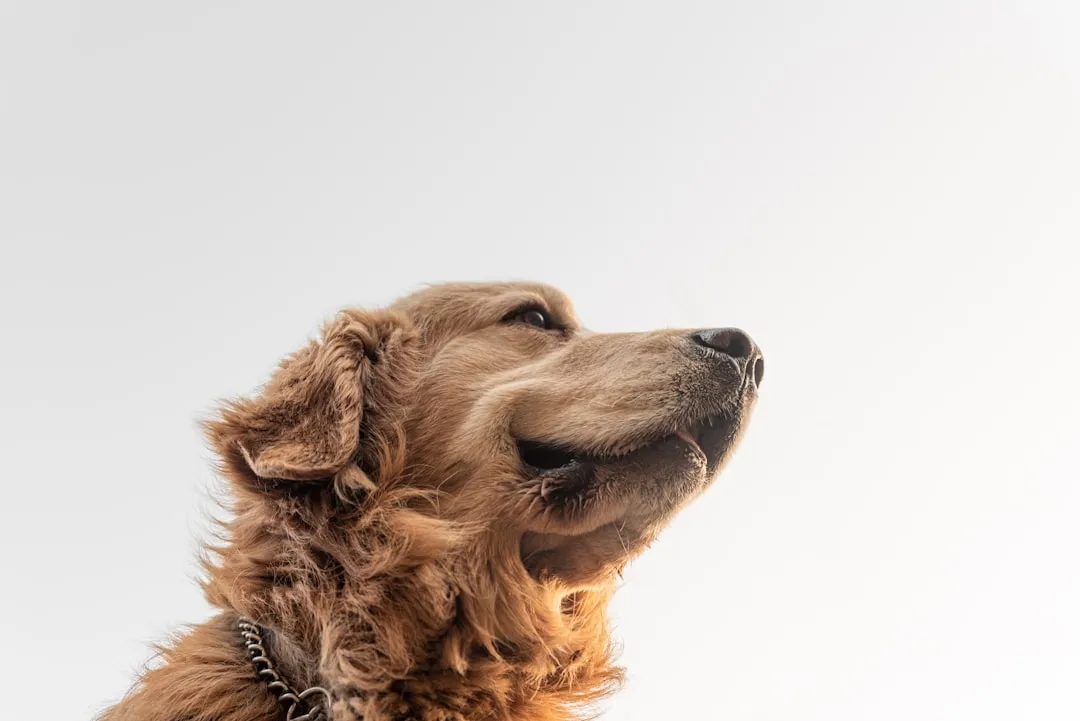
A dog exhaling loudly the moment it settles next to you isn’t random noise – it’s a physiological release.
Veterinary behaviorists point to this contented sigh as a sign of parasympathetic nervous system activation, meaning the dog has shifted out of “alert mode” completely. This kind of full-body relaxation response is almost exclusively triggered by the dog’s primary attachment person, not by whoever happens to be nearby. Dogs stay subtly vigilant around people they haven’t fully bonded with, even people they like.
That vigilance disappears entirely with “their” human. Owners often report their dog will pace, sniff, or stay half-alert around visitors, then immediately flop down with a heavy sigh the second the chosen person sits on the couch. It’s an audible signal that the dog has clocked out of guard duty because it feels safe enough to. Wait until you see how this connects to what happens at night, in #3…
#3 – Following You From Room to Room, Even When Nothing’s Happening
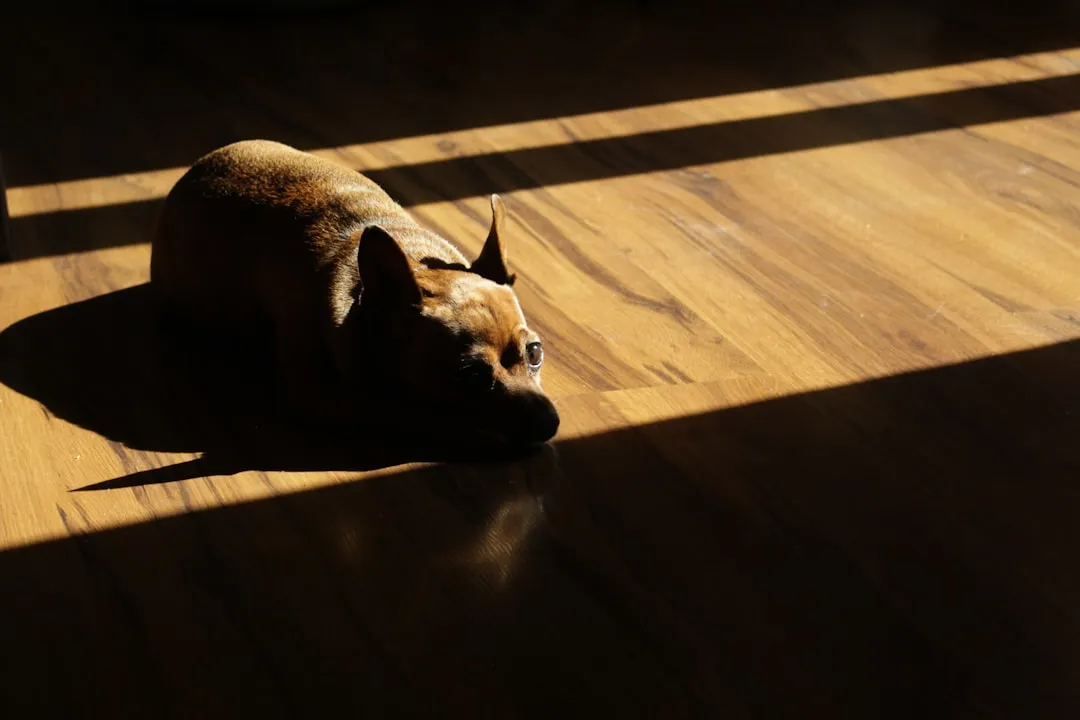
This is the behavior most owners notice first, and it’s rarely about food or walks.
Dogs that consistently trail one person through the house, sit outside bathroom doors, or reposition themselves every time that person moves are displaying what trainers call “shadowing.” It’s not clinginess for the sake of attention – it’s a survival-based behavior rooted in the dog’s instinct to stay close to its perceived pack leader or safest resource. Other household members might get a passing glance when they walk by, but the chosen human gets full tracking.
Interestingly, this shadowing often intensifies during times of change, like a move, a new pet, or even rearranged furniture. The dog is recalibrating its environment and doubling down on its one stable point of reference: you. Most people assume this fades with age, but many dogs actually shadow their chosen person more intensely as they get older. Next up in #4 is something that happens the moment the lights go out…
Fast Facts
- Shadowing often intensifies during big changes, like a move, a new pet, or rearranged furniture.
- Dogs track a chosen person using scent, sound, and peripheral vision all at once.
- Many dogs shadow their person more, not less, as they get older.
#4 – Sleeping Positioned Against You, Every Single Night
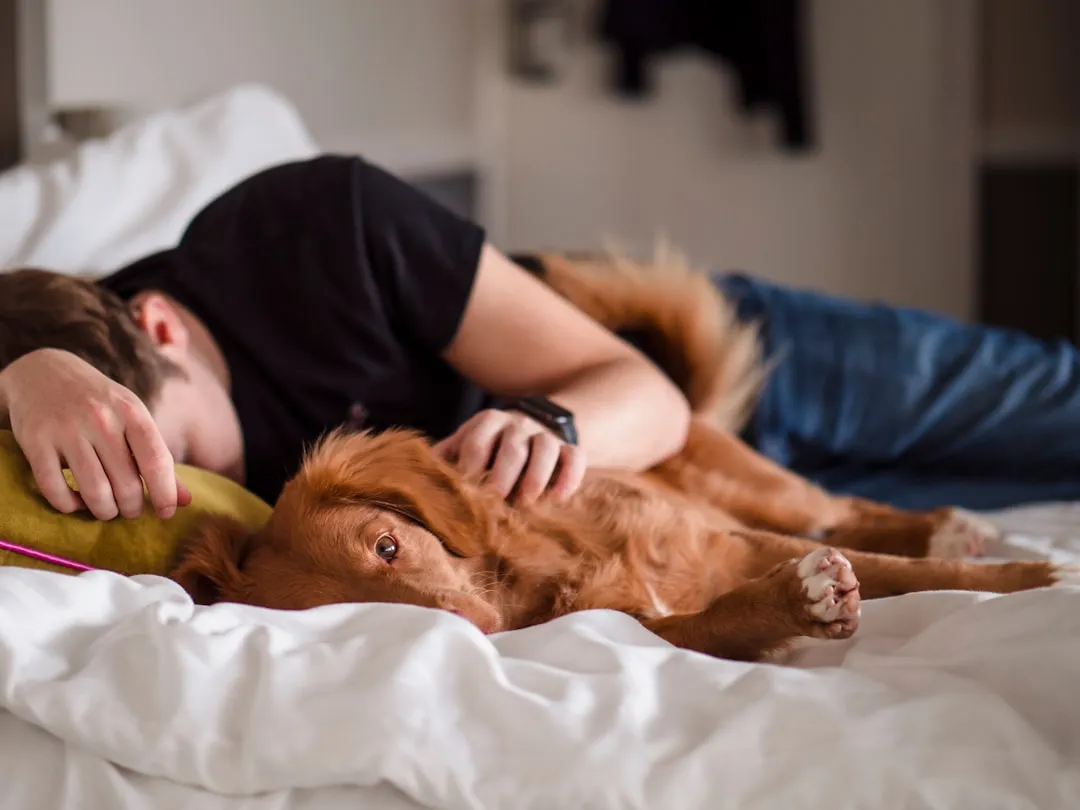
Sleep is one of the most vulnerable states an animal can enter, and dogs are extremely picky about who they do it next to.
A dog that consistently chooses to sleep back-to-back, curled into your legs, or draped across your feet is engaging in what’s known as contact sleeping. This isn’t about warmth – it’s about proximity to the one person whose presence alone lowers the dog’s stress hormones enough to allow deep sleep. Dogs sleep lighter and wake more easily around people they haven’t fully bonded with.
Multi-dog and multi-person households make this especially obvious. The dog might nap anywhere during the day, but when it’s time for deep, REM-cycle sleep, it gravitates toward one specific body. Owners often describe this as their dog “picking a side” and sticking to it for years, regardless of who else is in the bed or room. But #5 is where things get emotionally interesting…
#5 – Bringing You Random Objects Like They’re Gifts
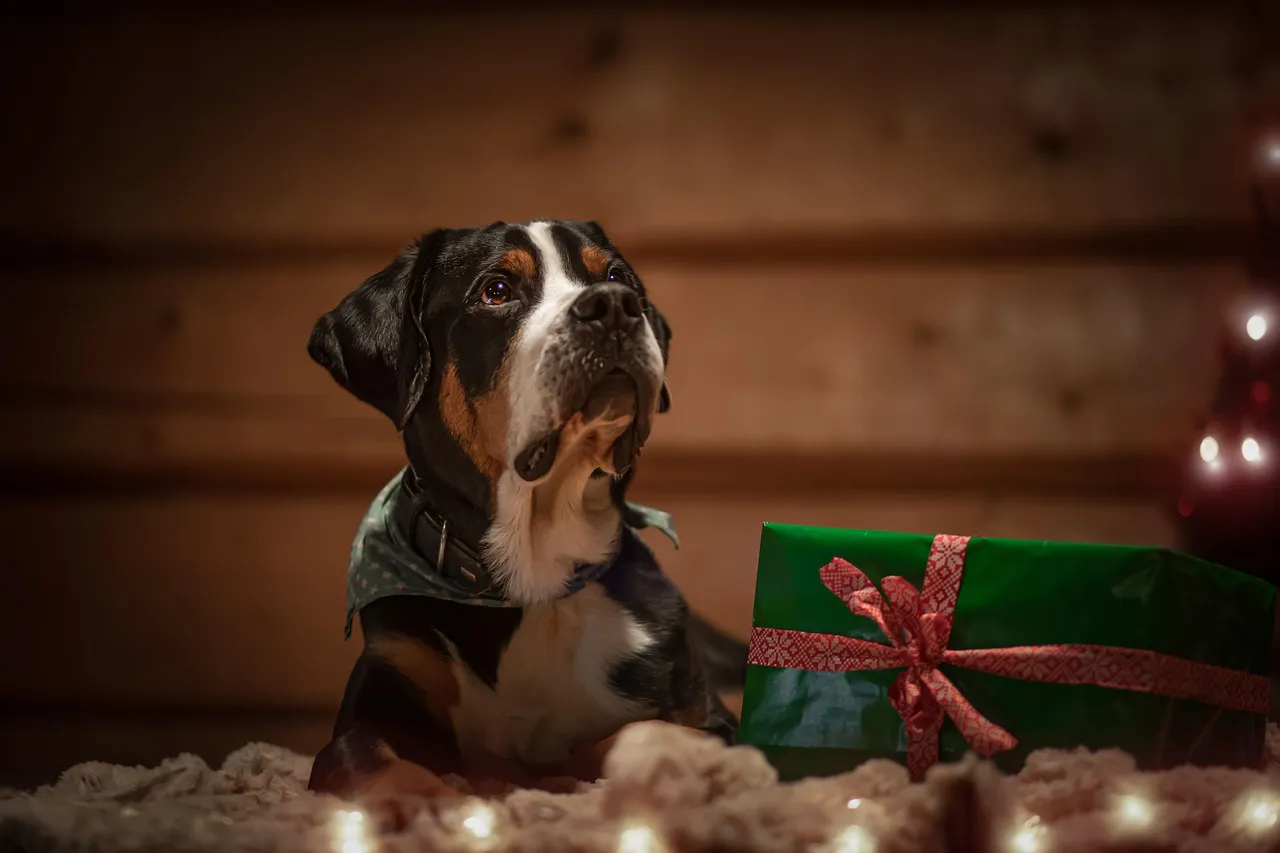
If your dog randomly drops a sock, a toy, or even a shoe in your lap, that’s not disorganized behavior – it’s communication.
This gifting behavior is rooted in ancestral pack instincts, where offering an object was a way of strengthening social bonds. Dogs rarely “gift” indiscriminately – they tend to reserve this behavior for the person they consider central to their emotional world. It’s a low-stakes way of initiating interaction and reinforcing connection without demanding attention outright.
What’s telling is the pattern: dogs typically don’t perform this ritual for every guest or even every family member. It’s usually one person who consistently receives these odd little offerings, sometimes daily. Some trainers argue this is the canine equivalent of a toddler bringing you a rock they found outside – it seems trivial, but the emotional intent behind it is significant. Here’s where #6 takes a slightly more protective turn…
#6 – Positioning Themselves Between You and Potential Threats
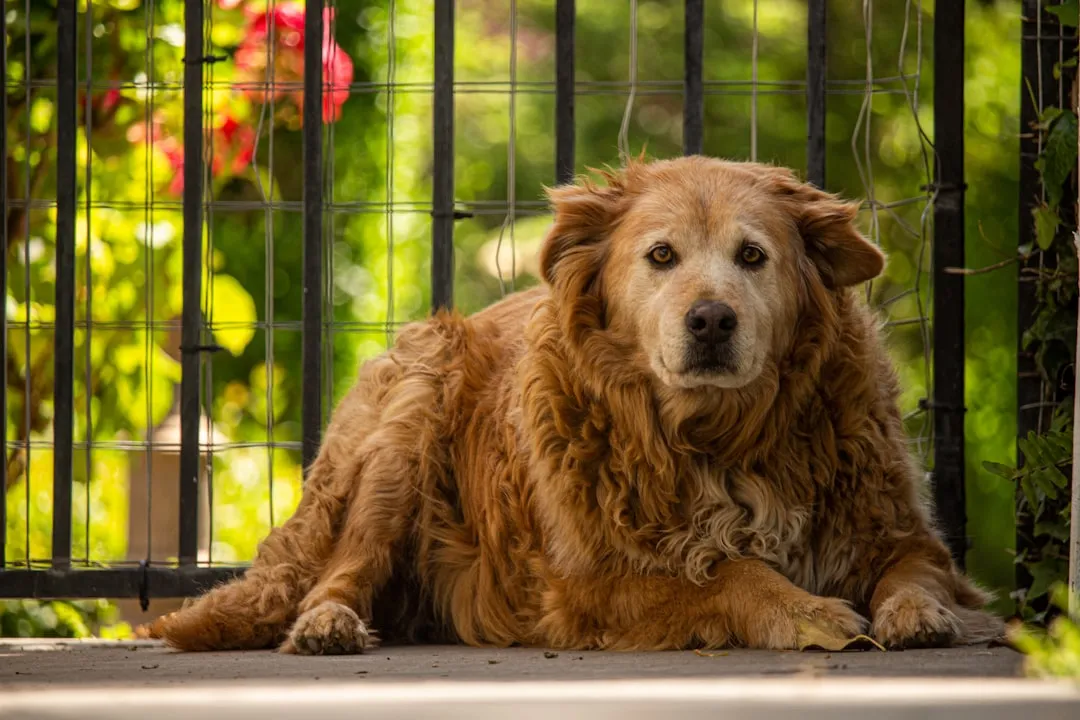
This one surprises a lot of owners because it looks like territorial behavior, but it’s actually something more specific.
Dogs that consistently place themselves between their chosen person and a doorway, stranger, or loud noise are displaying resource-guarding behavior – except in this case, the “resource” is a human being, not food or a toy. This kind of positioning is intentional and requires the dog to actively monitor both the environment and their person’s location simultaneously.
Many trainers consider this one of the clearest signs of primary attachment, because it demonstrates that the dog has assigned protective priority to one individual over others in the home. It’s worth noting that this behavior can occasionally cross into overprotectiveness, which is a legitimate concern – a dog that growls at family members approaching its chosen person isn’t “extra loyal,” it may need behavioral intervention. Still, in mild forms, it’s one of the most touching signs of a chosen bond. Wait until you see what happens in their eyes in #7…
#7 – The Slow Blink That Functions Like a Kiss
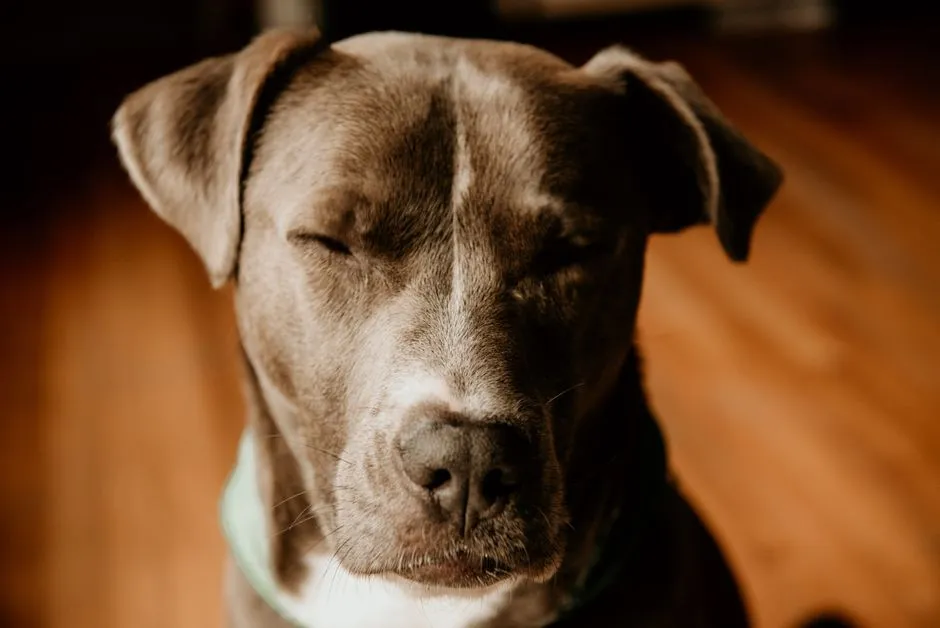
Dogs don’t have many ways to say “I trust you completely,” but this is one of them.
A slow, deliberate blink directed at one person, especially from across a room, is widely interpreted by behaviorists as a canine version of affection signaling. Unlike a stare, which can indicate tension, a slow blink is a relaxed, voluntary gesture that dogs rarely offer to people they’re unsure about. It requires the dog to feel calm enough to soften its entire facial posture.
This is one of those small, easily missed behaviors that owners often don’t notice until it’s pointed out to them. Once you see it, you’ll realize your dog does it almost exclusively toward you, especially during quiet moments like early mornings or right before falling asleep. It’s subtle, but it’s one of the purest signs of a chosen bond. Now here’s something about their tail that most people completely misread in #8…
#8 – The Tail Thump That Happens Even When They’re Half-Asleep
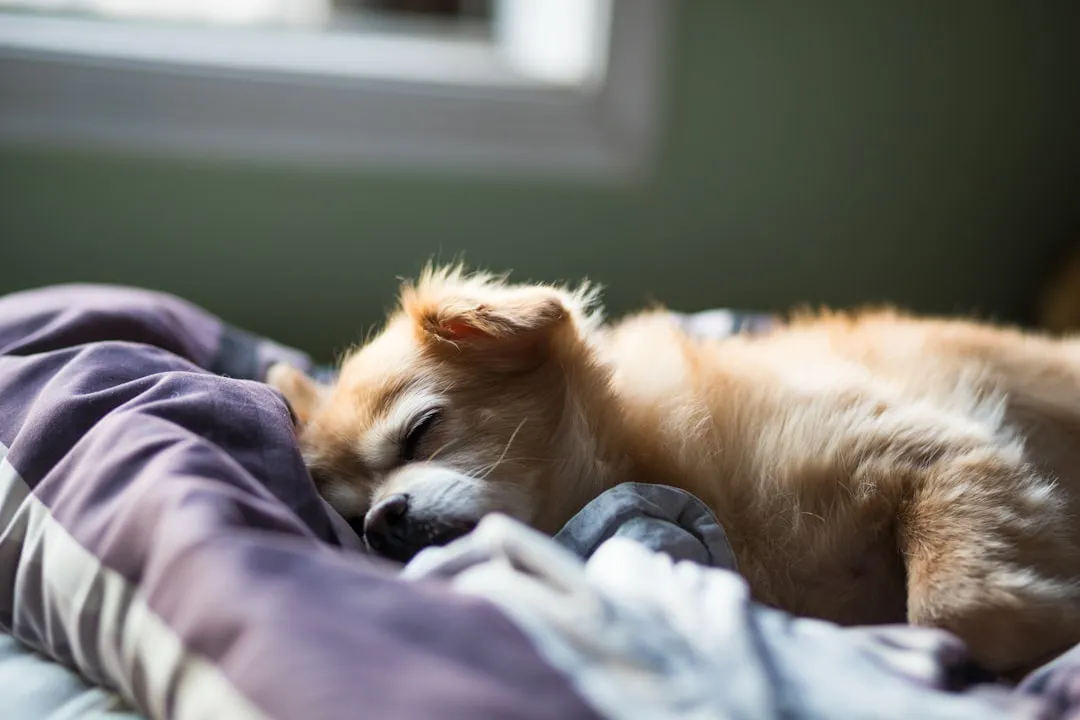
A wagging tail is common. A slow, sleepy thump reserved for one person is not.
Many dog owners have experienced this: the dog is fully asleep, barely stirring, until their chosen person walks into the room – and suddenly there’s a single, heavy tail thump against the floor or couch. This semi-conscious response indicates that recognition of that specific person is happening on a near-instinctual level, even before the dog is fully awake. It’s not a performative greeting; it’s involuntary.
This differs sharply from how dogs react to other household members entering the room, which often requires the dog to be more alert or awake to respond at all. The chosen human bypasses that threshold entirely. Some trainers describe this as evidence that the dog’s brain has essentially “hard-coded” that person’s presence as safe and significant. But #9 might be the most practical example of trust on this entire list…
#9 – Constantly Checking Back During Walks
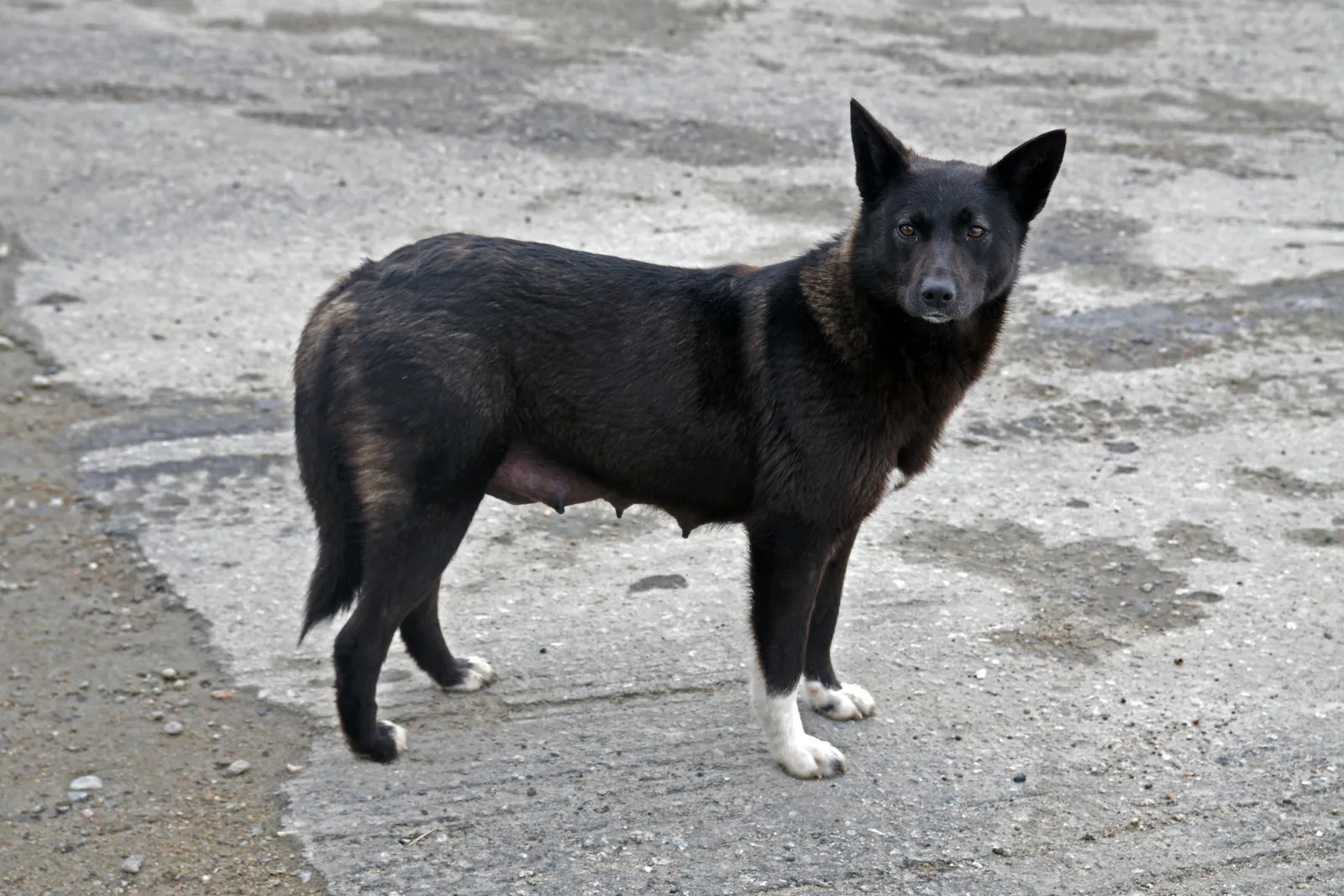
If your dog glances over its shoulder at you every few steps on a walk, that’s not nervous behavior – it’s teamwork.
This is called “check-in behavior,” and it shows that the dog views you as its navigational anchor. Dogs that trust their handler completely will still check in frequently, not because they’re anxious, but because they’re maintaining an active connection. Dogs walking with someone they’re less bonded to tend to pull ahead, ignore cues, or wander with less regard for that person’s location.
This behavior is especially noticeable off-leash, where a strongly bonded dog will roam but consistently loop back to check proximity, almost like touching base. It’s one of the clearest real-world demonstrations that the dog isn’t just tolerating the walk – it’s actively coordinating it with you as the reference point. Here’s a subtler version of that same trust, explained in #10…
Quick Compare
- Strongly bonded dog: checks in often, loops back off-leash, and matches your pace naturally.
- Less-bonded dog: pulls ahead, ignores cues, and wanders without regard for location.
- Strongly bonded dog: treats the walk as shared navigation, not solo exploration.
#10 – Resting Their Head or Paw on You Without Being Asked
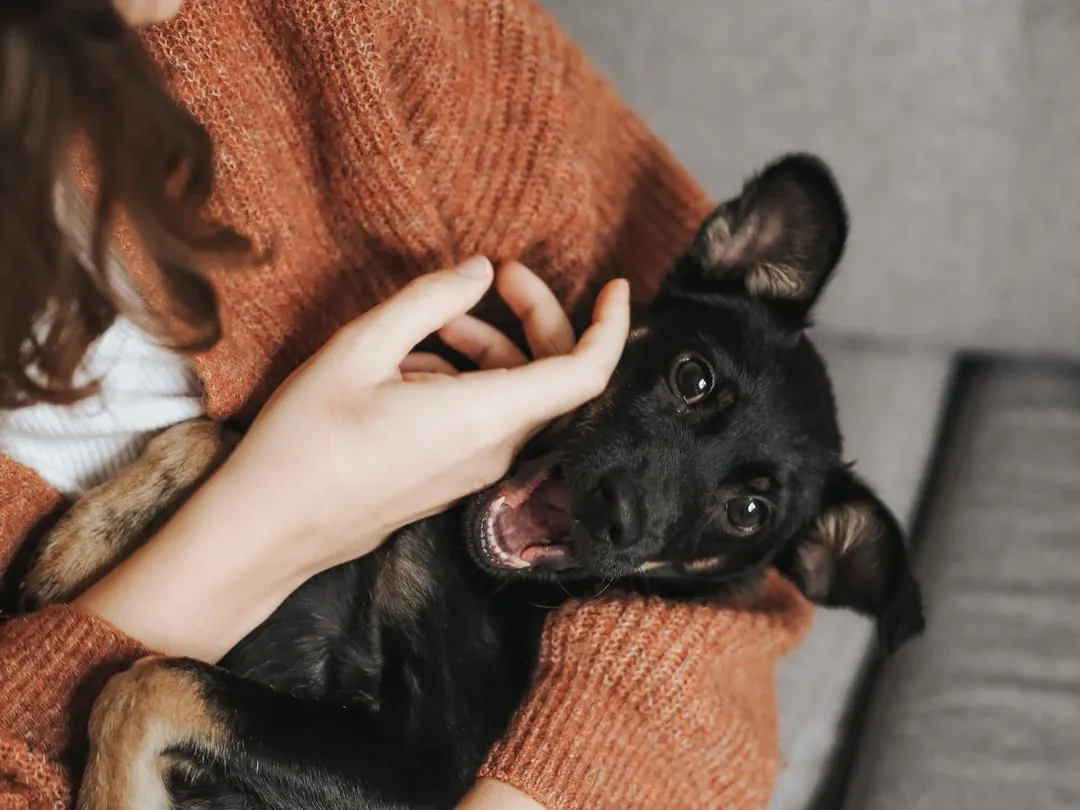
There’s a difference between a dog seeking petting and a dog voluntarily placing part of its body on yours.
When a dog rests its head on your lap, foot, or arm without any prompting or treat involved, it’s engaging in unsolicited affection – arguably one of the purest signals of attachment. This behavior tends to happen most when the dog is settling down to relax, which is exactly when trust matters most, because the dog is lowering its guard.
This is notably different from attention-seeking behaviors like pawing or nudging for a treat. There’s no transactional element here; the dog isn’t asking for anything. It’s simply choosing physical connection during a vulnerable moment, and it almost always goes to the same person, over and over, regardless of who else is in the room. Up next in #11 is something that separates real bonding from surface-level affection…
#11 – A Vocal Tone That’s Reserved Just for You
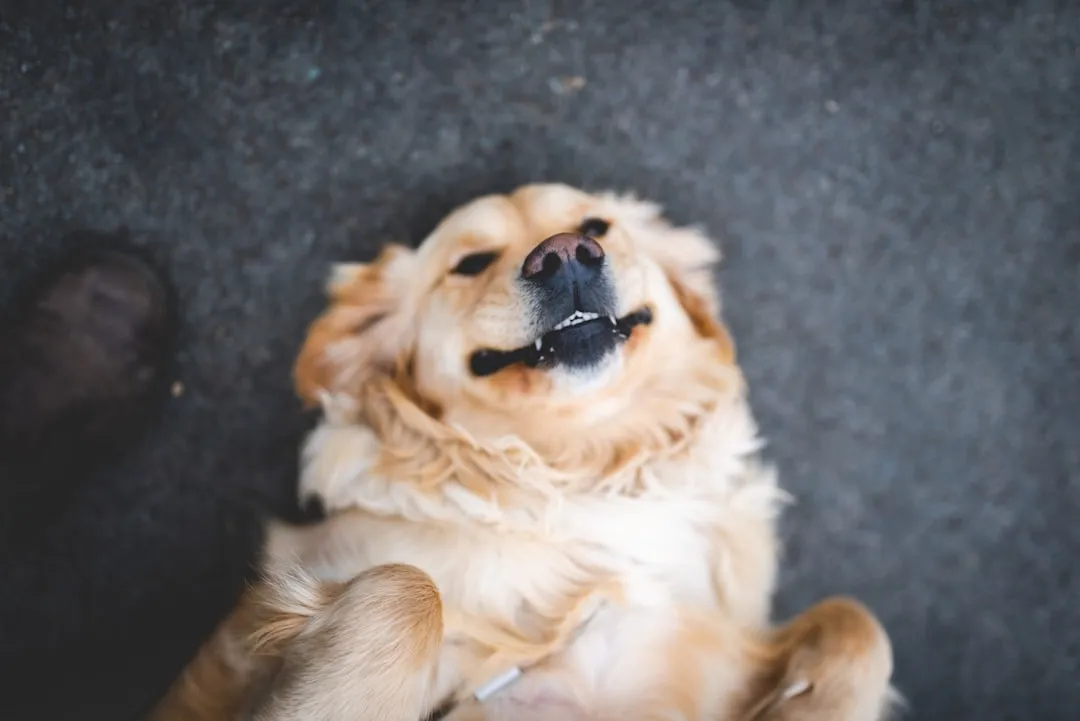
Dogs are surprisingly nuanced communicators, and many develop a specific whine, grumble, or “talk-back” sound used only with one person.
This isn’t the dog being demanding – it’s evidence of a communication style shaped specifically around a relationship. Some behaviorists believe dogs adjust their vocalizations based on how responsive a specific person has historically been to them, essentially fine-tuning their “language” for that one listener. Other household members might get generic barks, while the chosen person gets an entirely different vocal range.
This is one of the more controversial claims in canine behavior research, since vocal communication in dogs is still being studied, but anecdotally, it’s extremely consistent across multi-person households. Owners often describe it as their dog having a “special voice” that nobody else seems to trigger. Next, in #12, we look at something even more emotionally complex…
#12 – Sensing Mood Shifts Before You’ve Said a Word
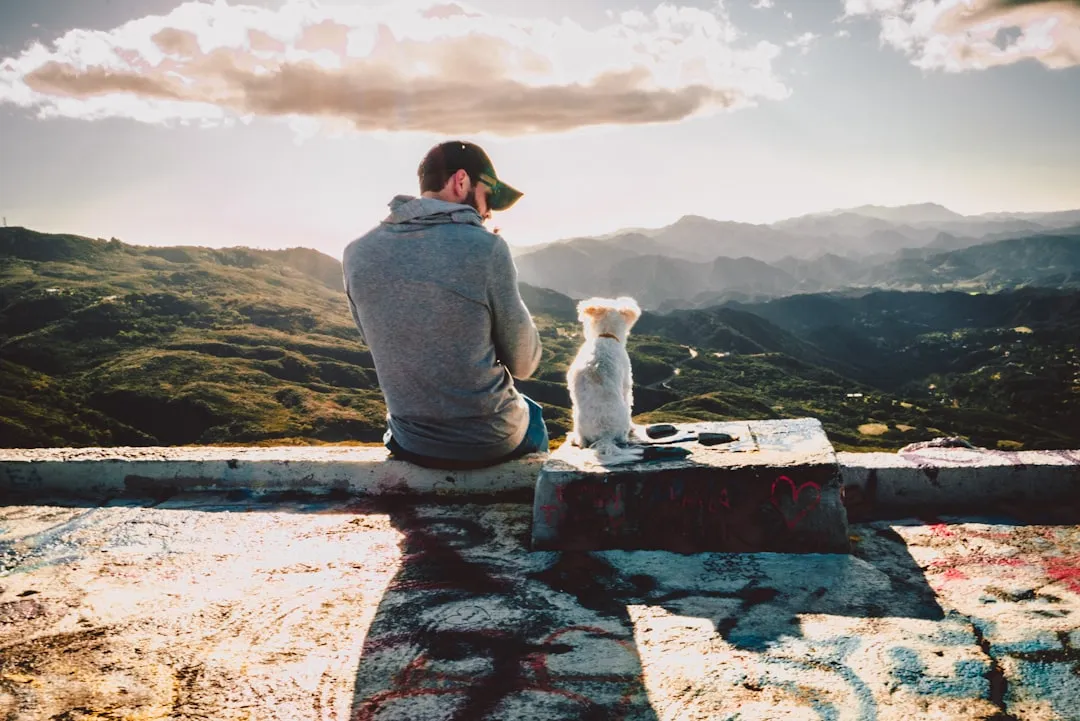
Dogs are remarkably attuned to human emotional states, but this sensitivity isn’t distributed equally across every person they interact with.
Multiple studies on canine cognition suggest dogs can detect subtle changes in a person’s breathing, posture, and even scent that correlate with stress or sadness. The strength of this emotional read-out tends to be far more accurate with the dog’s chosen person, likely because the dog has spent far more time studying that individual’s baseline behavior. A dog might miss subtle shifts in someone it barely knows but pick up on tiny changes instantly with its person.
This is why so many owners describe their dog “knowing” something’s wrong before they’ve said anything out loud. The dog isn’t guessing – it’s pattern-matching against thousands of prior observations unique to that one relationship. Next up in #13 is a much more physical expression of that same instinct…
#13 – Sitting or Lying Directly on Your Feet
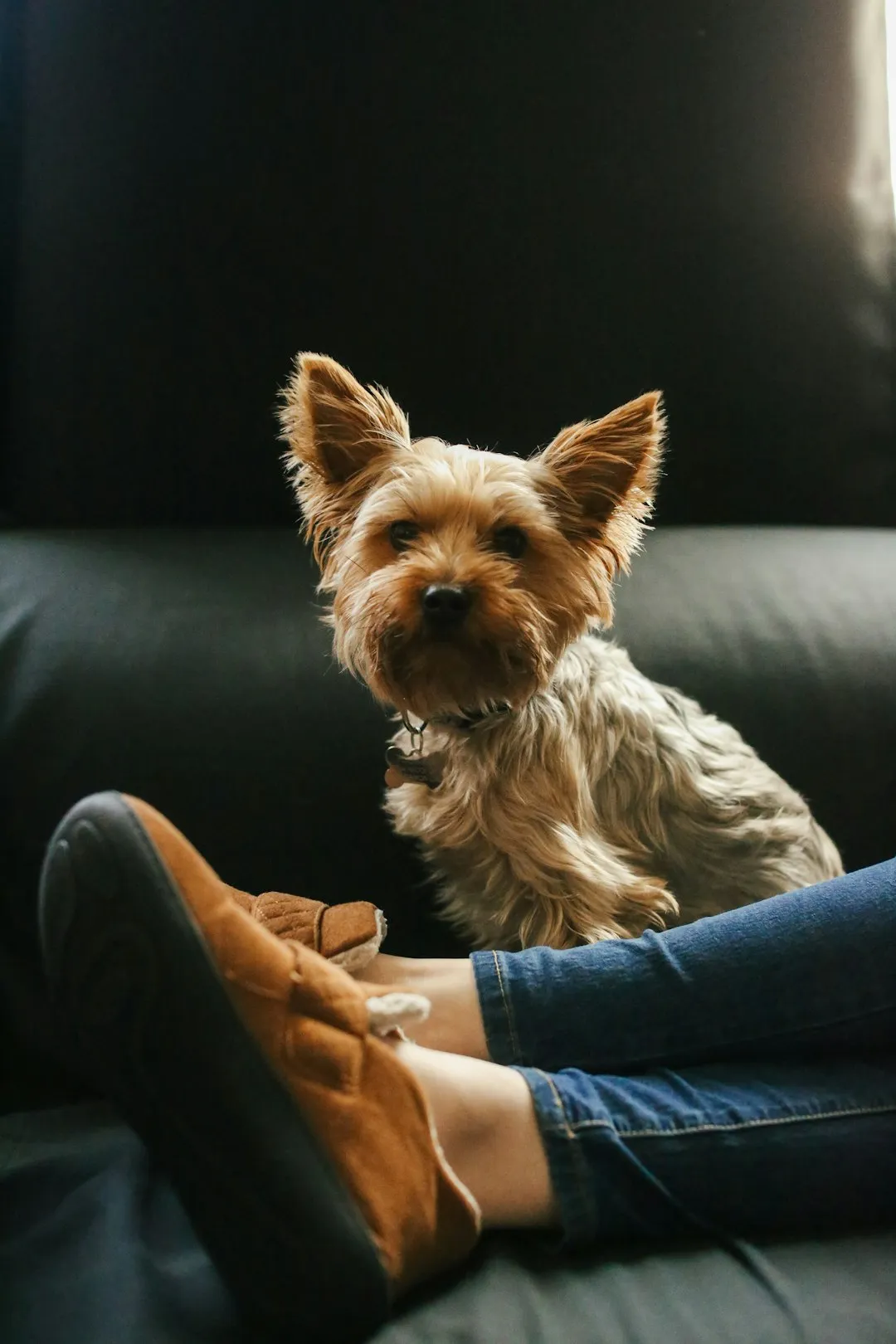
This one seems purely about comfort, but there’s more going on beneath the surface.
Dogs that consistently plant themselves on or against their chosen person’s feet are engaging in what’s sometimes called “anchoring behavior.” It allows the dog to physically monitor movement – the second you shift your feet, the dog knows, which means it can react instantly if you get up. This is a low-effort but highly effective way of staying tethered to the person it cares about most.
This behavior is rarely extended to secondary household members with the same consistency. A dog might sit near a guest, but sitting directly on someone’s feet – repeatedly, across months or years – is typically reserved for the one relationship the dog considers most important. It’s subtle, but once you notice it, you’ll see it everywhere. Here’s a version of this same instinct that plays out somewhere far less convenient, in #14…
Worth Knowing
- Anchoring on your feet lets a dog detect the smallest shift in weight before you even stand up.
- This habit almost always targets one person, even in homes with several pets or family members.
- It tends to show up most during downtime – evenings, quiet afternoons, or right before bed.
#14 – Following You Into the Bathroom, Every Time
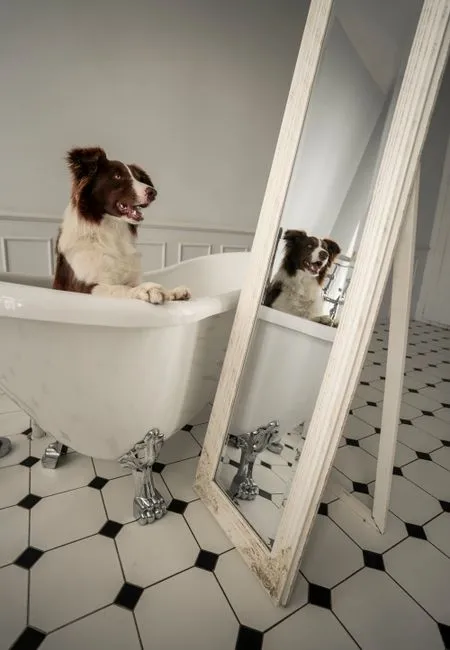
If your dog treats a closed bathroom door as a personal insult, you’re not imagining it – this is attachment behavior in its rawest form.
Dogs don’t understand privacy the way humans do, but they do understand separation, and even brief separations from their chosen person can trigger mild distress. This is why so many dogs will scratch at bathroom doors or wait directly outside, even though nothing interesting is happening on the other side. It’s less about curiosity and far more about maintaining constant proximity to their anchor person.
This behavior is almost always specific to one individual in the household. A dog might not care at all when a roommate or secondary family member closes a door, but the chosen person gets the full separation-anxiety treatment, even for a two-minute absence. It’s equal parts endearing and slightly extreme, depending on how you look at it. Now here’s a friction point that tends to spark real debate, in #15…
#15 – Listening to You and Basically No One Else
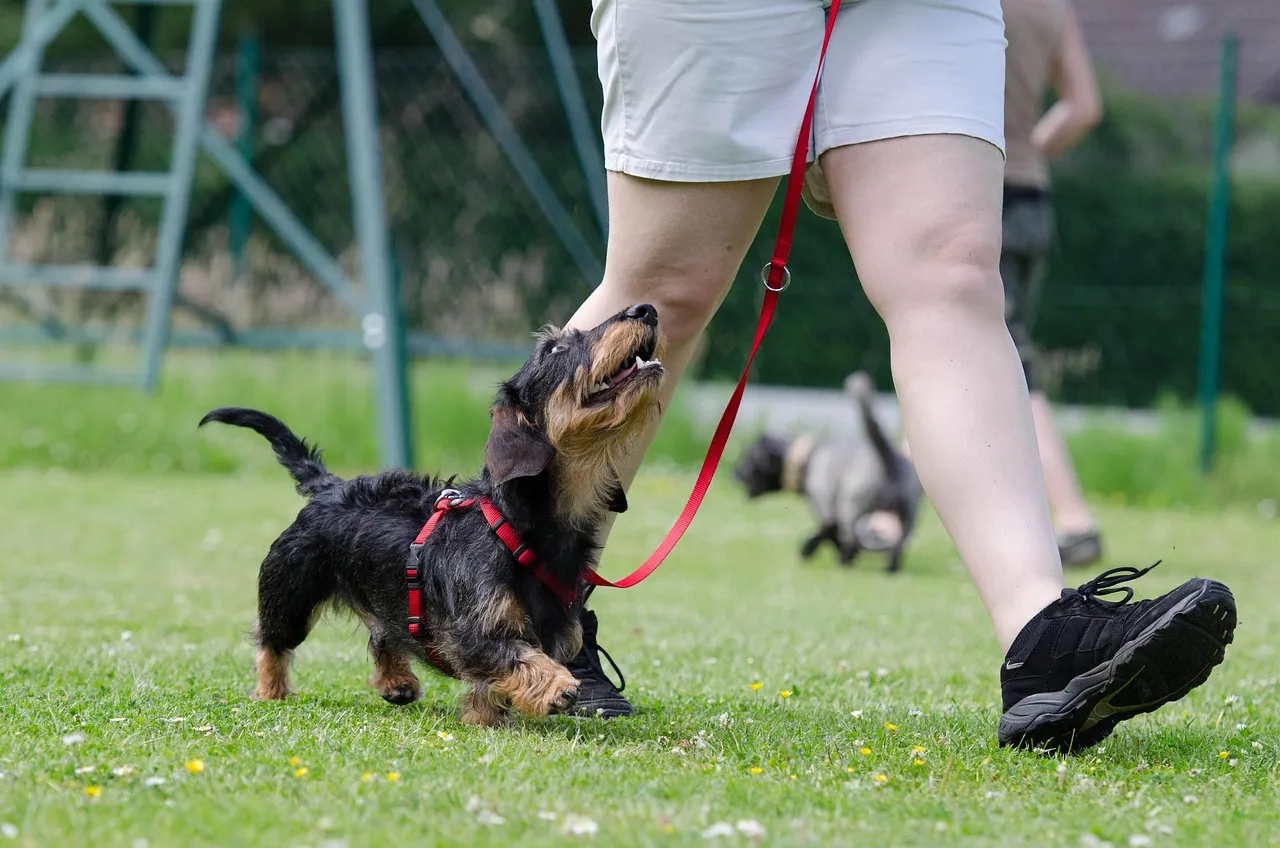
This is the one that causes household arguments, and for good reason.
Dogs frequently develop what trainers call “selective obedience,” where commands from one person are followed reliably, while the same commands from someone else are largely ignored. Most owners assume this is a training issue, but it’s often actually a bonding issue – the dog has decided whose direction matters most, and it isn’t necessarily the person who trained it. This can create real friction in households where multiple people expected equal authority over the dog.
Here’s the controversial part: many trainers now argue that formal obedience training matters far less than emotional bonding when it comes to which human a dog actually listens to. You can train a dog for months, and it may still default to ignoring you the second its chosen person gives a competing command. It’s not fair, but it’s remarkably consistent. And finally, #16 brings everything on this list together in the most emotional way possible…
#16 – The Reunion Reaction That Doesn’t Match the Length of the Separation
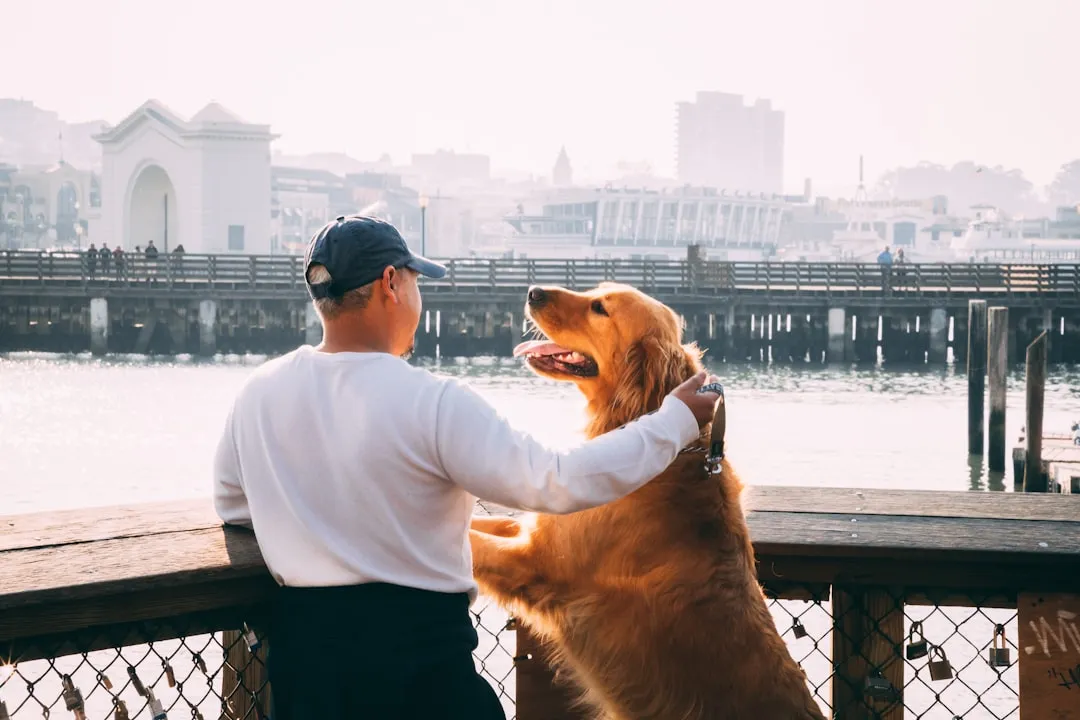
This is the behavior that convinces most owners, once and for all, that they’ve been chosen.
A dog that reacts to its person coming home from a two-minute errand with the same intensity as a multi-day trip is displaying disproportionate reunion behavior, and it’s one of the strongest attachment indicators behavioral scientists track. The intensity of a dog’s greeting isn’t about how long you were gone – it’s about how emotionally significant your presence is to that specific dog. Other people can walk in and out all day without triggering anything close to this reaction.
This is often the moment owners describe as undeniable proof of the bond. The full-body wiggle, the exaggerated whining, the immediate need for physical contact – it’s not performative, and it’s not something the dog does for convenience. It’s the clearest, rawest expression of the entire list distilled into a few seconds, every single time you walk back through the door.
Why It Stands Out
- Reunion intensity has little to do with how long you were actually gone.
- It’s one of the few bonding behaviors that’s nearly impossible to fake or train into a dog.
- Trainers often treat it as one of the strongest real-world markers of primary attachment.
The Bottom Line
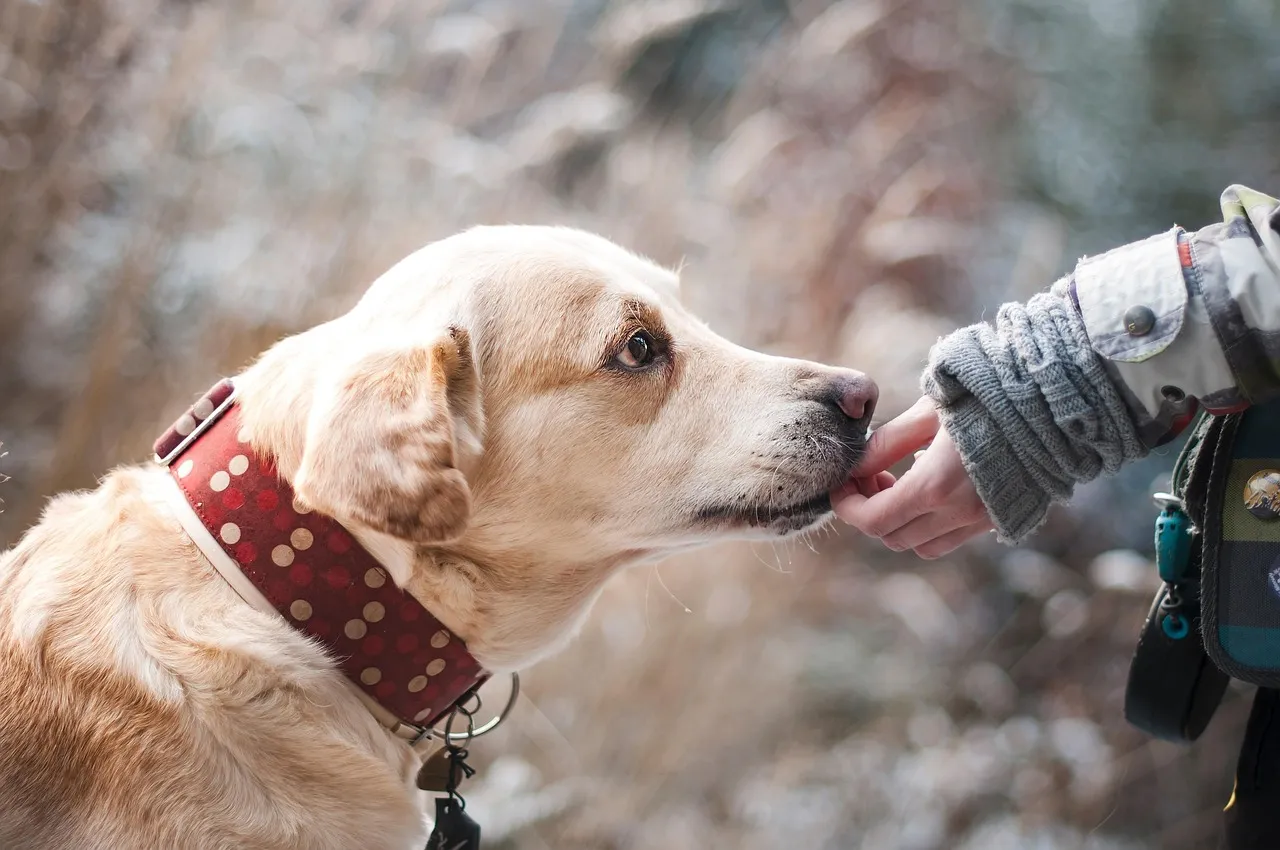
Dogs don’t fake this stuff, and they definitely don’t distribute it evenly. Once a dog picks its person, that choice shows up in dozens of small, consistent behaviors – the leaning, the sighing, the selective obedience, the disproportionate reunions – and honestly, that’s a bigger compliment than most people realize.
We’d argue this bond is even stronger than most “cat people” want to admit, and it’s not something you can force or buy with treats. It’s earned, slowly, through thousands of ordinary moments. So, are you the chosen one in your house? Drop your dog’s weirdest “just for me” habit in the comments – we want to hear it.

- 16 Things a Dog Only Ever Does Around the One Human It Has Truly Chosen for Life - July 31, 2026
- Why Highly Sensitive People Often Have Highly Reactive Dogs - July 31, 2026
- Avoid These 8 Cat Breeds If You’re a Scorpio - July 31, 2026