
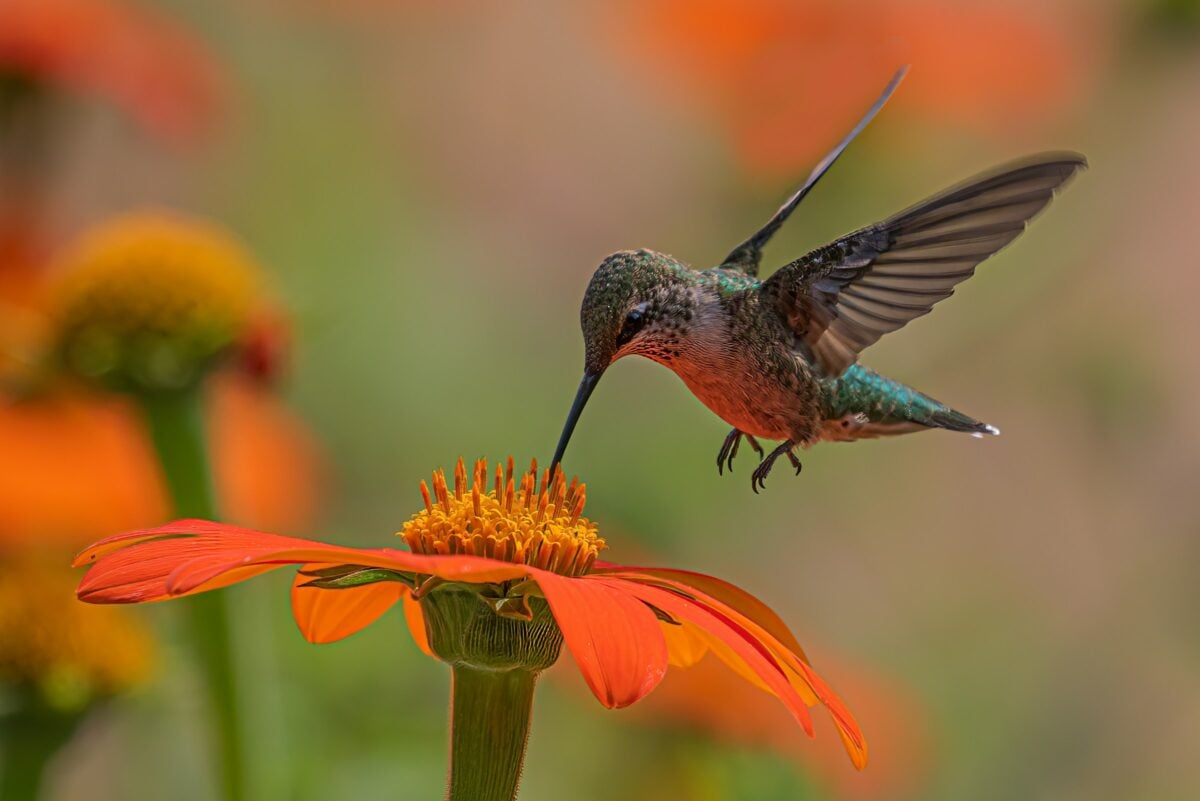
You’ve watched a hummingbird buzz your feeder a hundred times and thought you’d seen the whole show. You haven’t. Not even close.
Wildlife biologists who’ve spent decades tracking these birds say almost everything you assume about them is wrong – the “random” darting, the constant motion, even the cute little visits to your feeder are actually a tightly scripted world of near-death sleep states, high-speed aerial combat, and courtship stunts that would kill a bird twice their size. Here’s what’s actually happening in your garden the second you look away.
#1 – The Memorized Flower Route Nobody Notices
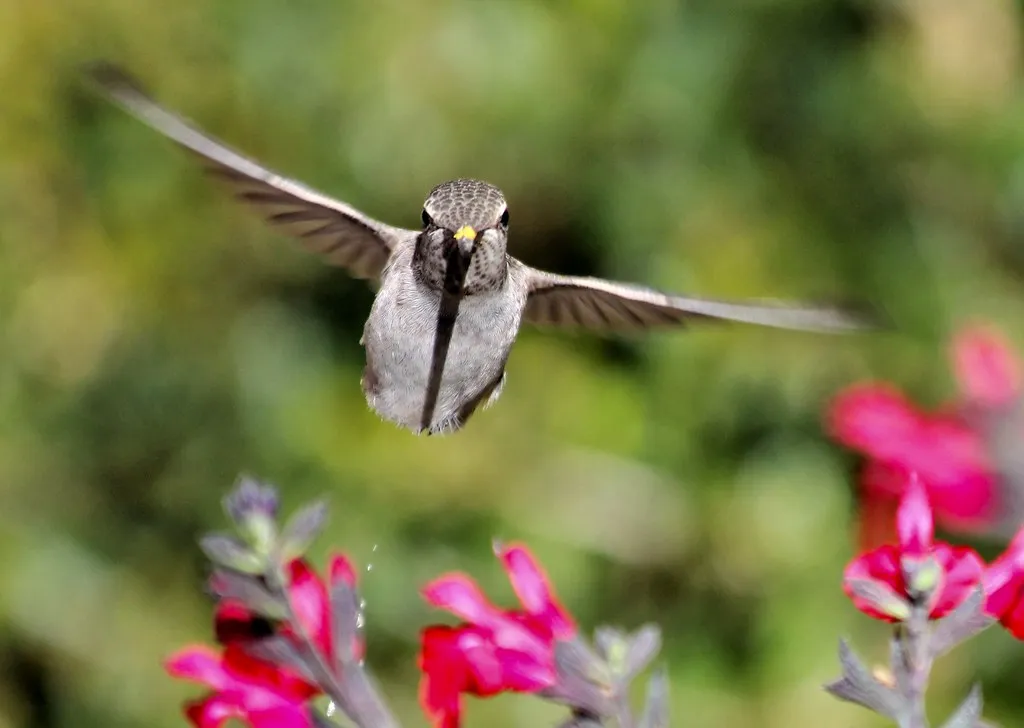
A hummingbird visiting your garden isn’t wandering aimlessly – it’s running a memorized circuit.
Researchers who study foraging hummingbirds have long documented a behavior called trap-lining, where an individual bird revisits the exact same sequence of flowers in the exact same order, sometimes dozens of times a day. The bird essentially builds a mental map of your entire yard, including which blooms refill fastest and which ones aren’t worth the detour. This isn’t guesswork; it’s calculated energy budgeting, because a hummingbird that wastes flight time checking empty flowers can starve within hours. What’s stranger is that this route can persist for weeks, with the bird returning to the same perches between stops like clockwork. Most gardeners assume they’re seeing “a hummingbird.” In reality, they’re watching the same individual clock in for a shift on a route it designed itself.
Fast Facts
- Hummingbirds rely on unusually strong spatial memory to track which flowers have already been drained.
- A single bird’s heart rate can exceed 1,200 beats per minute during active feeding flights.
- Trap-lining routes can stay stable for weeks at a time in the same yard.
- Skipping even one scheduled stop can cost a bird valuable recovery time later in the day.
#2 – The Victory Song After Mating

Most people assume hummingbirds are nearly silent birds. That assumption falls apart the instant a male finishes mating.
Ornithologists studying vocal behavior in species like the ruby-throated hummingbird have recorded something almost comedic: immediately after copulation, the male gives an agitated jumble of song phrases and rapid, scratchy calls from a high perch. It’s an unmistakable outburst, delivered from the most visible spot he can find, as if broadcasting the moment to the entire garden. Biologists still aren’t certain whether it’s a territorial announcement, a release of nervous energy, or both. This is one of the rarest behaviors to witness because the mating act itself lasts only seconds and typically happens away from human eyes. Catching the aftermath – the loud, almost frantic celebration song – is an even bigger stroke of luck.
#3 – The Single Mother Who Never Had a Partner
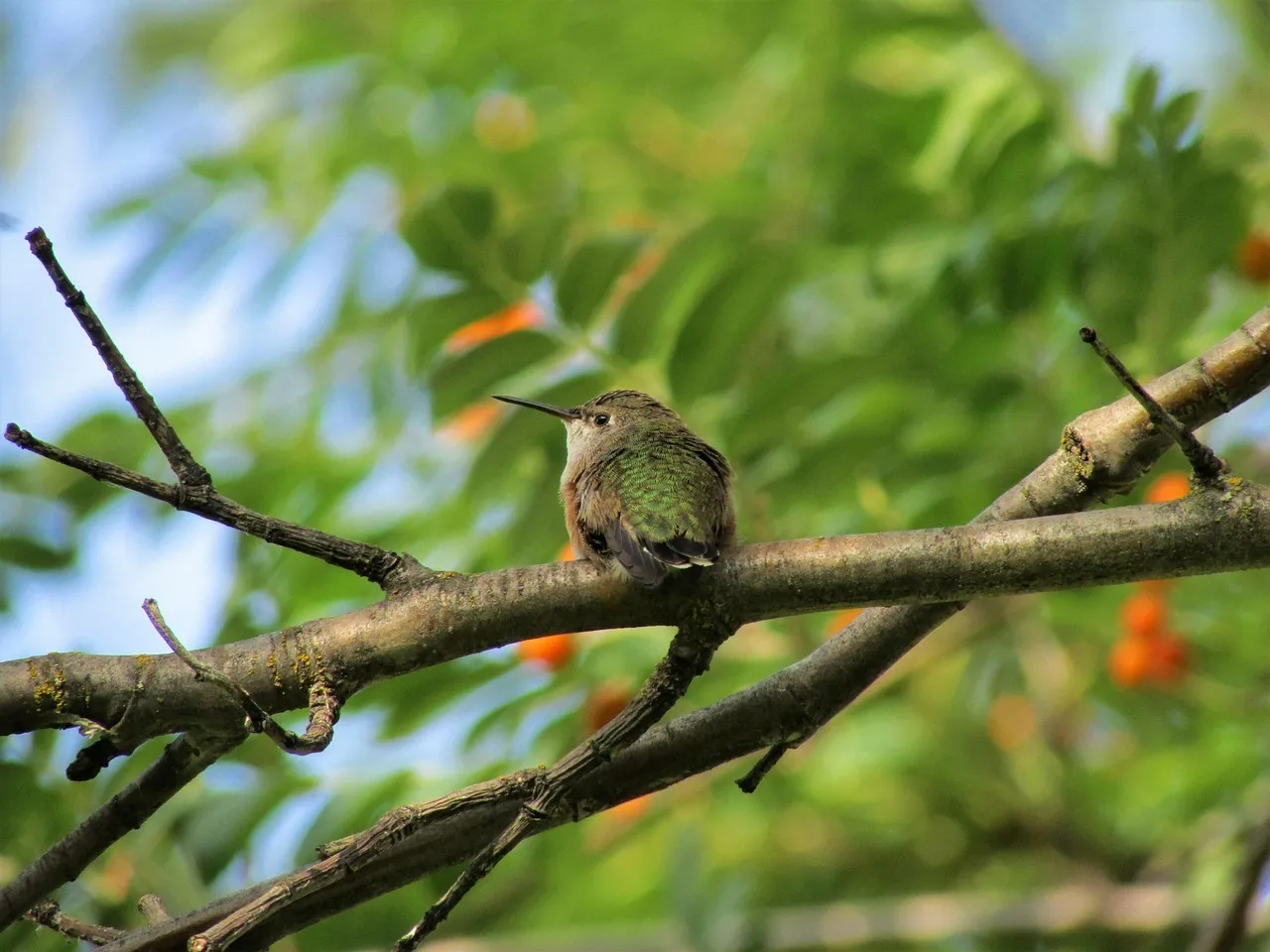
Here’s a fact that surprises even seasoned birdwatchers: male hummingbirds contribute nothing after mating. Nothing at all.
Ruby-throated hummingbirds form no pair bonds, and males and females keep separate territories for their entire lives. Once mating is finished, the female builds the nest and raises the young alone, while the male immediately starts looking for another female. There’s no co-parenting, no shared nest duty, no second visit. The female incubates, feeds, and defends the chicks entirely by herself, often while also defending her own feeding territory from other hummingbirds. Many people find this behavior almost harsh compared to songbirds that share nesting duties. Wildlife biologists frame it differently: it’s an efficient system built entirely around the mother’s independence, and arguably one of the most impressive parenting feats in the entire bird world.
#4 – The Obsessive Grooming Ritual After Every Feeding
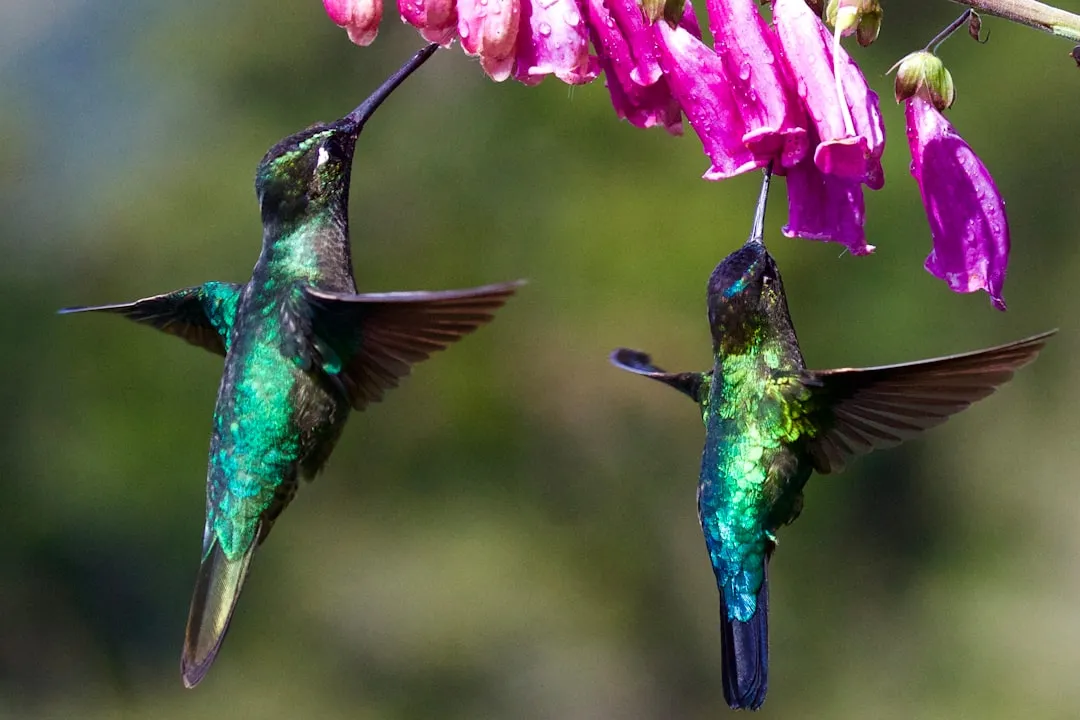
Hummingbirds are secretly some of the fussiest birds in your yard, and almost nobody notices.
Hummingbirds are very clean and groom themselves quite often, using their bills and claws to preen. After nearly every nectar visit, a hummingbird will retreat to a perch and meticulously clean sticky residue and stray pollen from its feathers, bill, and feet. This isn’t vanity – pollen buildup can interfere with flight efficiency and thermoregulation, both of which are life-or-death matters for a bird with such an extreme metabolism. The ritual is quick, usually lasting only a few seconds, which is exactly why most people miss it entirely. Between the speed of the bird and the brevity of the behavior, this grooming sequence is one of the most commonly overlooked rituals in any backyard, even among people who watch their feeders daily.
#5 – A Nest That Physically Stretches As the Babies Grow
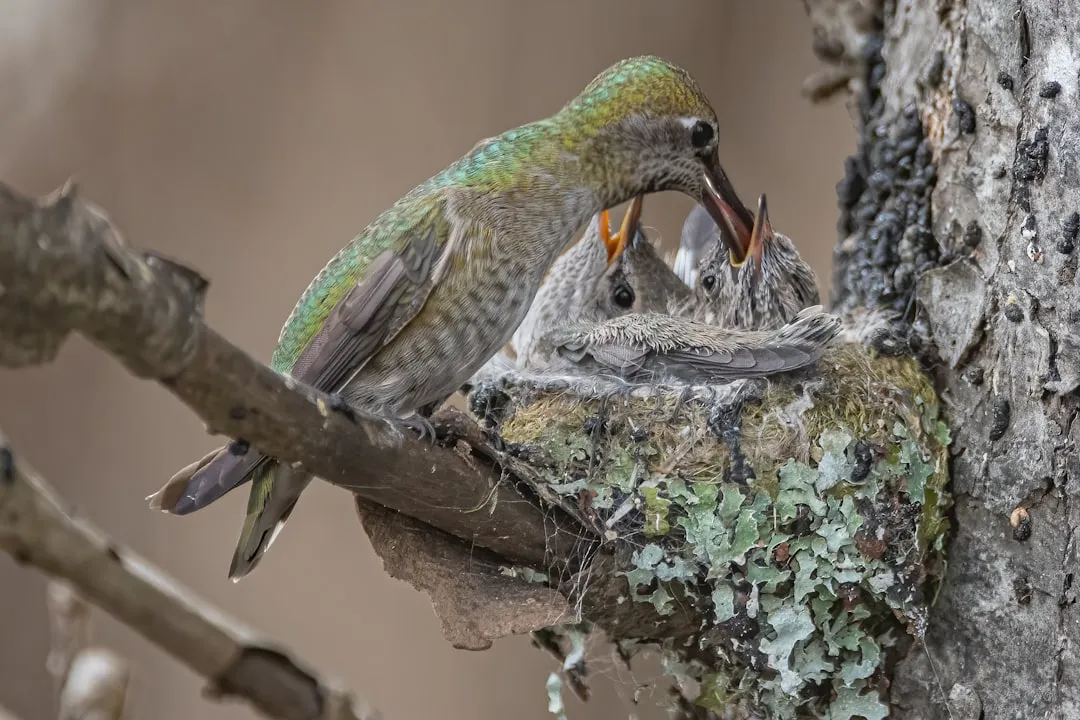
Most bird nests are static. A hummingbird’s nest is not – it’s engineered to expand.
The nest is made of thistle or dandelion down held together with strands of spider silk, and the female stamps on the base to stiffen it while keeping the walls pliable, shaping the rim by pressing it between her neck and chest. The elasticity is the entire point – as the chicks grow, the nest physically stretches around them instead of cracking or collapsing. Spider silk is lightweight, incredibly strong, and elastic, which matters because hummingbird nests aren’t static structures; they must expand as chicks hatch and grow without falling apart. Few people ever witness this stretching in real time because hummingbird nests are typically smaller than a golf ball and hidden deep in foliage.
#6 – The Camouflage Trick That Fools Predators and Humans Alike
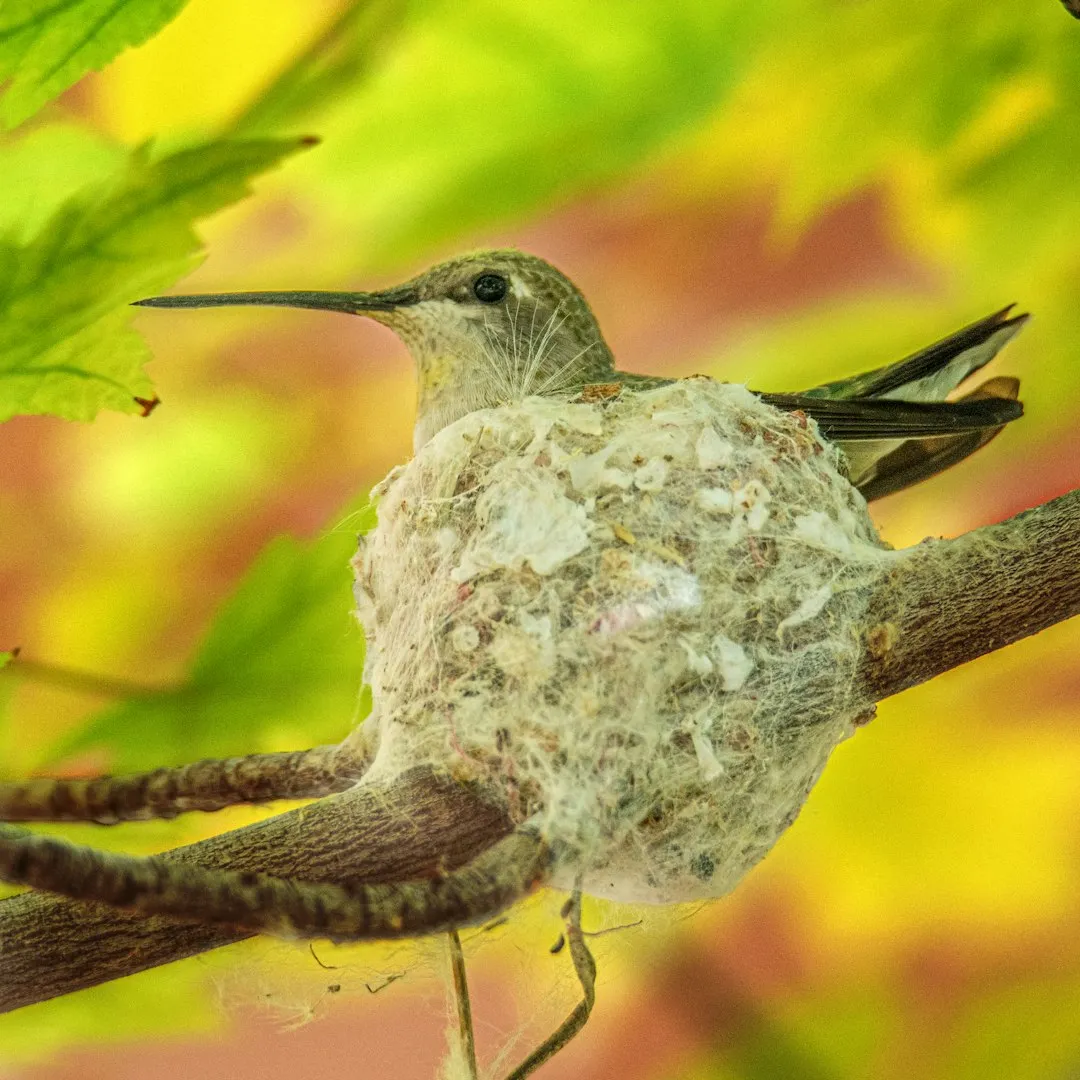
Here’s something most people walk past every single day without realizing it: a hummingbird nest disguised as a knot in a tree branch.
Hummingbirds attach their nests firmly to slender branches and use spider silk to plaster the outside with lichens, merging the nest’s silhouette with the contours of the branch so it looks just like a lichen-encrusted knot. This camouflage is so effective that even trained bird-watchers can walk directly underneath an active nest and never spot it. The exterior of the nest is decorated, probably for camouflage, with bits of lichen and moss. The female selects material that matches her exact surroundings, meaning nests in different yards can look completely different depending on the local bark and lichen color. It’s arguably the most underrated survival ritual in the entire hummingbird playbook.
#7 – The Feeder Dominance Hierarchy Nobody Talks About

Most people think hummingbirds “share” feeders peacefully. Wildlife biologists say that’s almost never true.
Male ruby-throated hummingbirds aggressively defend flowers and feeders, leading to spectacular chases and dogfights, and occasional jabs with the beak. A single dominant bird will often claim an entire feeder as personal property, chasing off every other hummingbird that dares approach, sometimes for hours at a stretch. This isn’t random aggression – these birds have an instinct to defend food sources because a patch of flowers produces only a little nectar each day. The controversial part: many backyard birders assume adding more feeders solves this problem. Biologists increasingly argue the opposite – a single dominant male will simply try to control multiple feeders at once, turning your yard into a battleground instead of a shared buffet.
Worth Knowing
- Adding more feeders rarely stops one aggressive bird from trying to control them all.
- Spacing feeders out of a dominant bird’s sightline can help other hummingbirds feed in peace.
- Males often stake out a high, visible perch near a feeder specifically to watch for rivals.
- Feeder squabbles tend to spike in late summer as territories overlap ahead of migration.
#8 – The Pre-Dawn Choir Almost No One Wakes Up For
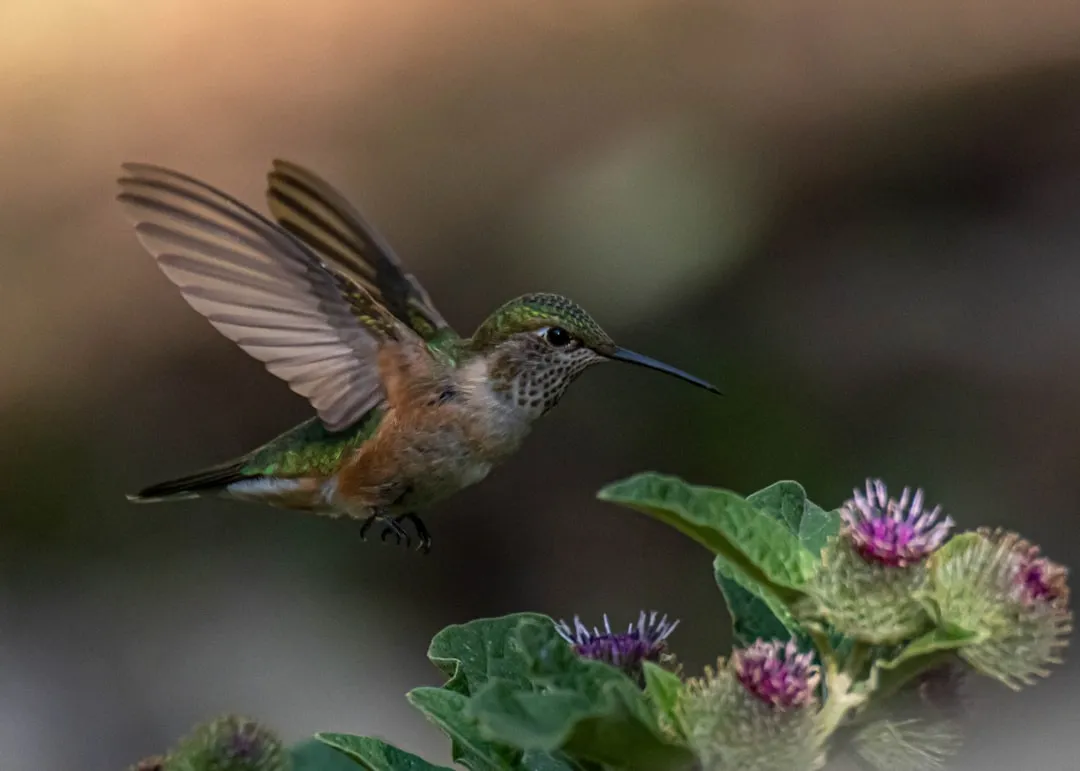
There’s a hummingbird ritual that happens before sunrise, and it’s one of the rarest things a human can witness.
In lekking species, males occupy small display territories, on average starting to sing about 27 minutes before sunrise and continuing for roughly 17 minutes, before abandoning the site until the next morning. The entire ritual is over before most people have even had coffee. Forest-dwelling hermit hummingbirds often follow a lek mating system where males gather in an open area and start by chirping to attract females passing through one by one. Because this display window is so narrow and timed to darkness, almost no casual observer has ever caught it live – biologists studying these leks have to arrive in pitch-black conditions just to document it.
#9 – The Throat Feathers That Aren’t Actually Red
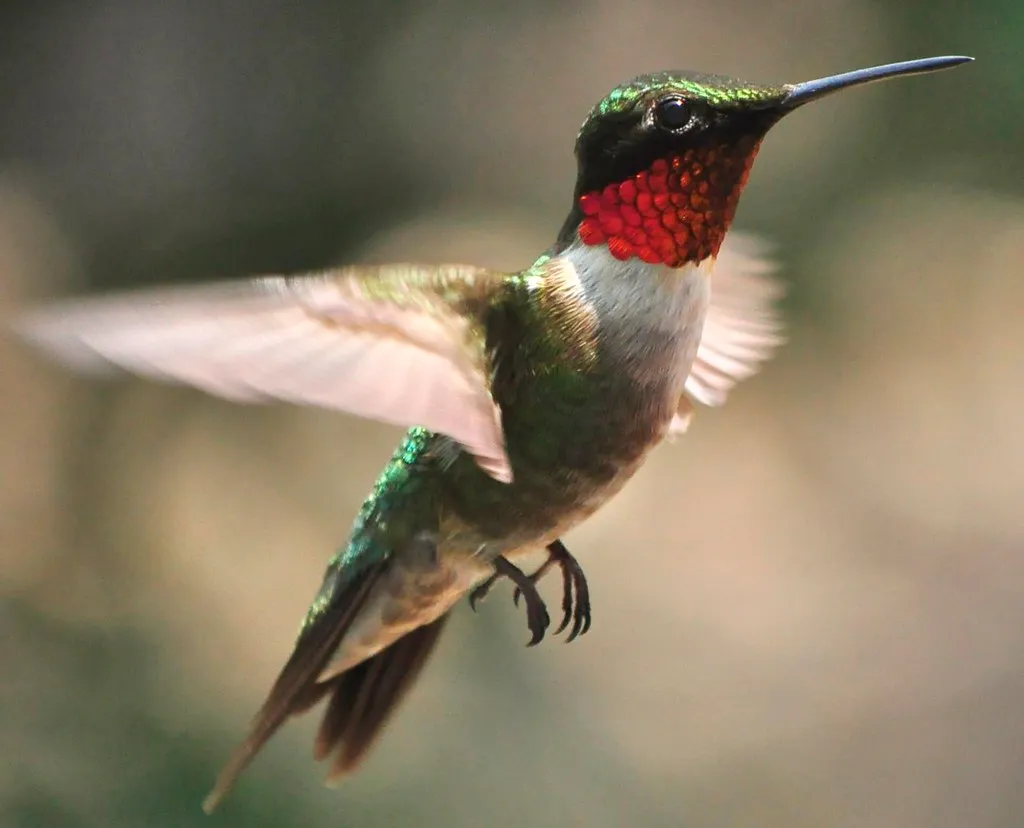
Here’s a fact that stuns most garden visitors: that flashy red or purple throat patch on a male hummingbird isn’t pigment at all.
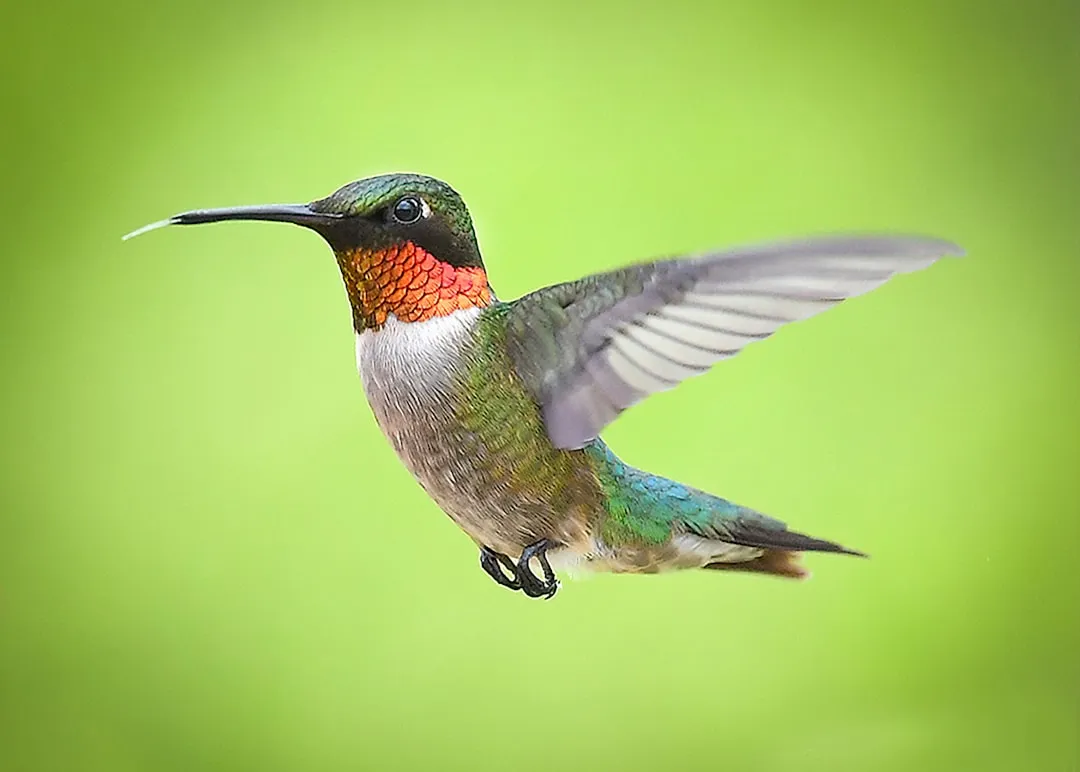
Males have a striking iridescent gorget, which may play a direct role in signaling behavior during courtship and territorial disputes. Gorget flashing in sunlight happens because the iridescent throat feathers refract light, and biologists believe this signals mate quality to watching females. Turn the bird’s head a few degrees and that “red” throat can flash to black or deep violet instantly – it’s structural color, not paint. This means the exact same bird can look completely different from one moment to the next, depending entirely on the angle of sunlight. Most people never catch the full flash because it requires the bird to be perfectly angled toward both the sun and the viewer simultaneously.
#10 – The Side-to-Side Dance Aimed at a Hidden Female
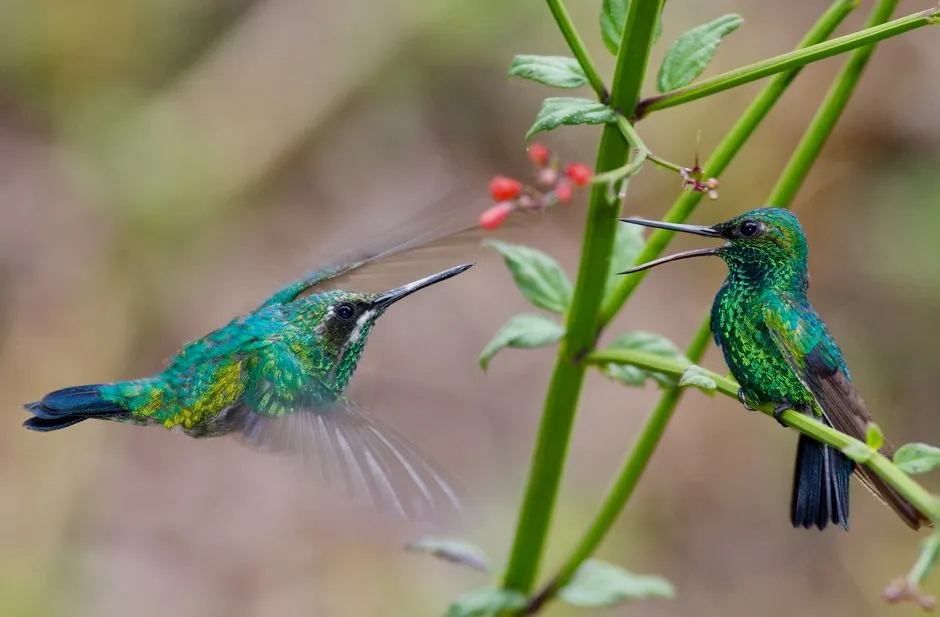
If you’ve ever seen a hummingbird zigzagging rapidly in place for no obvious reason, you were watching a private performance.
This shuttle display involves the male hovering in front of a potential mate and slowly moving side-to-side and up and down. Males quickly zoom side to side in a shallow arc with their throat feathers flared out, producing a loud whirring noise with their wings. The unsettling part is that the intended audience is often invisible to human observers – the female may be hidden in foliage, simply watching without reacting at all. This creates a strange scene: a bird performing an elaborate, physically demanding dance seemingly to nobody, when in fact a judge is silently evaluating every wingbeat from the shadows.
#11 – Mid-Air Combat With Locked Beaks
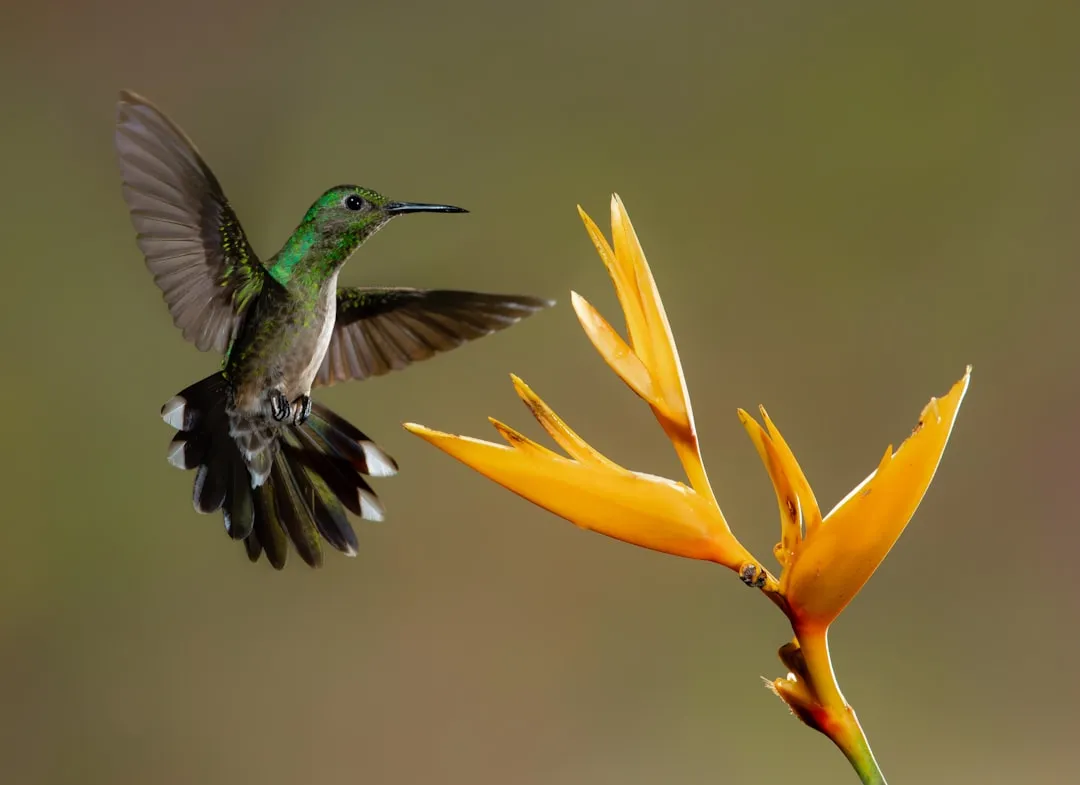
This next ritual sounds more like a duel than bird behavior, and biologists confirm it’s exactly that.
Dogfights are courtship and territorial displays where combat can involve extreme speeds, including mid-air bill locking. Most birds also use loud noises or the display dive itself to drive away an intruding male before things escalate to physical contact. When it does escalate, two males can lock beaks mid-flight and spin together before breaking apart – a level of aggression most people never associate with a bird small enough to fit in a teacup. This combat typically erupts so fast that it’s over in a second or two, making it nearly impossible to catch with the naked eye. Slowed-down video footage is usually the only way biologists have confirmed the beak-locking detail at all.
#12 – The Courtship Dive Faster Than a Falling Object Should Be
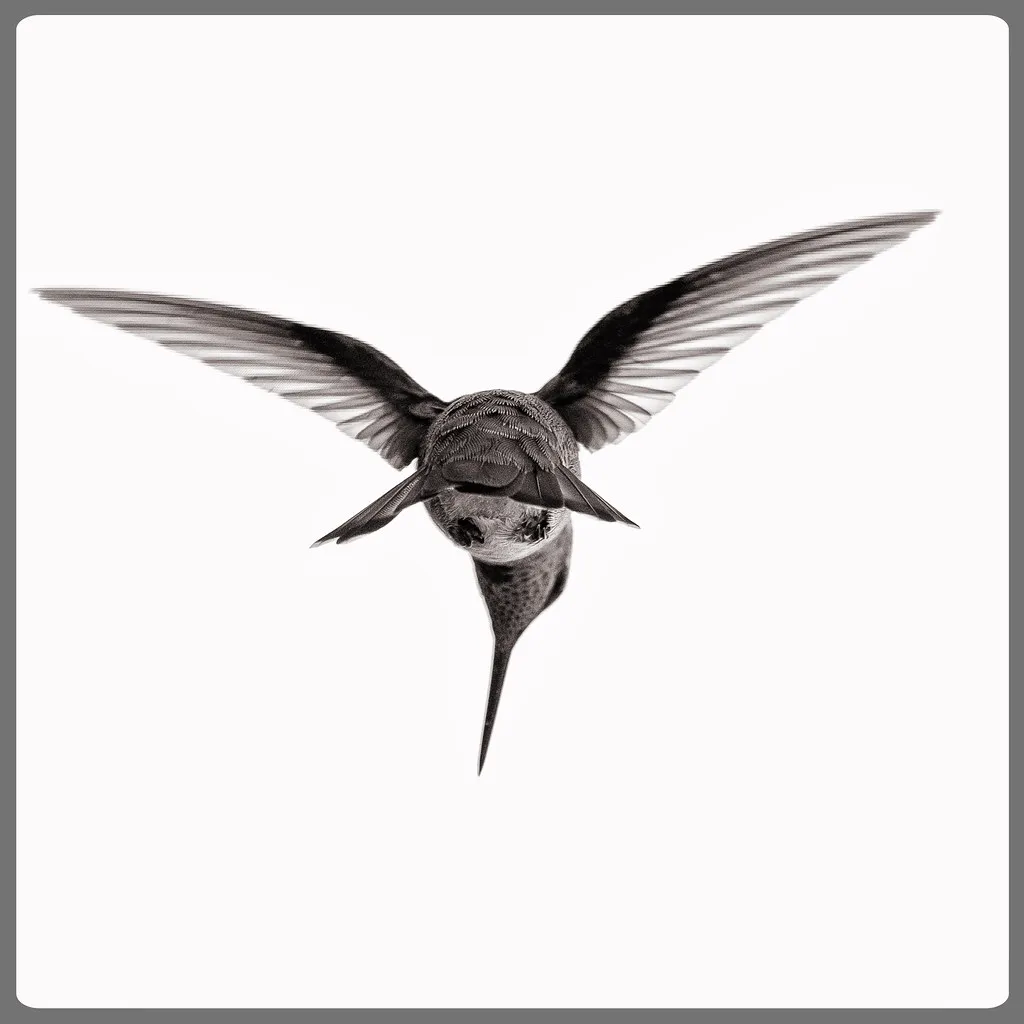
This is the ritual most biologists call the single most extreme thing a hummingbird does, and almost nobody sees it up close.
Male broad-tailed hummingbirds climb vertically to roughly 30 meters and perform sequential, powered U-shaped dives directly toward a stationary female. Anna’s hummingbirds climb up to 130 feet before diving in a J-shape at high speed, vibrating their tail feathers to produce a loud sound. These dives can reach speeds of 55 to 60 miles per hour, according to researchers who clocked male hummingbirds diving at 88.5 to 96.5 km per hour during courtship displays. Even more staggering: males folding their wings mid-dive have been recorded reaching an average maximum velocity of 385 body lengths per second, the highest known length-specific velocity of any vertebrate on record. That’s a bird smaller than your thumb outperforming fighter jets in relative speed.
At a Glance
- Broad-tailed males climb roughly 30 meters before dropping into their dive.
- Anna’s hummingbirds climb even higher, up to 130 feet, before diving in a J-shape.
- Recorded dive speeds have reached 55 to 60 miles per hour.
- Peak acceleration hits 385 body lengths per second – the fastest length-specific speed ever logged for a vertebrate.
#13 – The Sideways Dive That Tricks a Female’s Ears
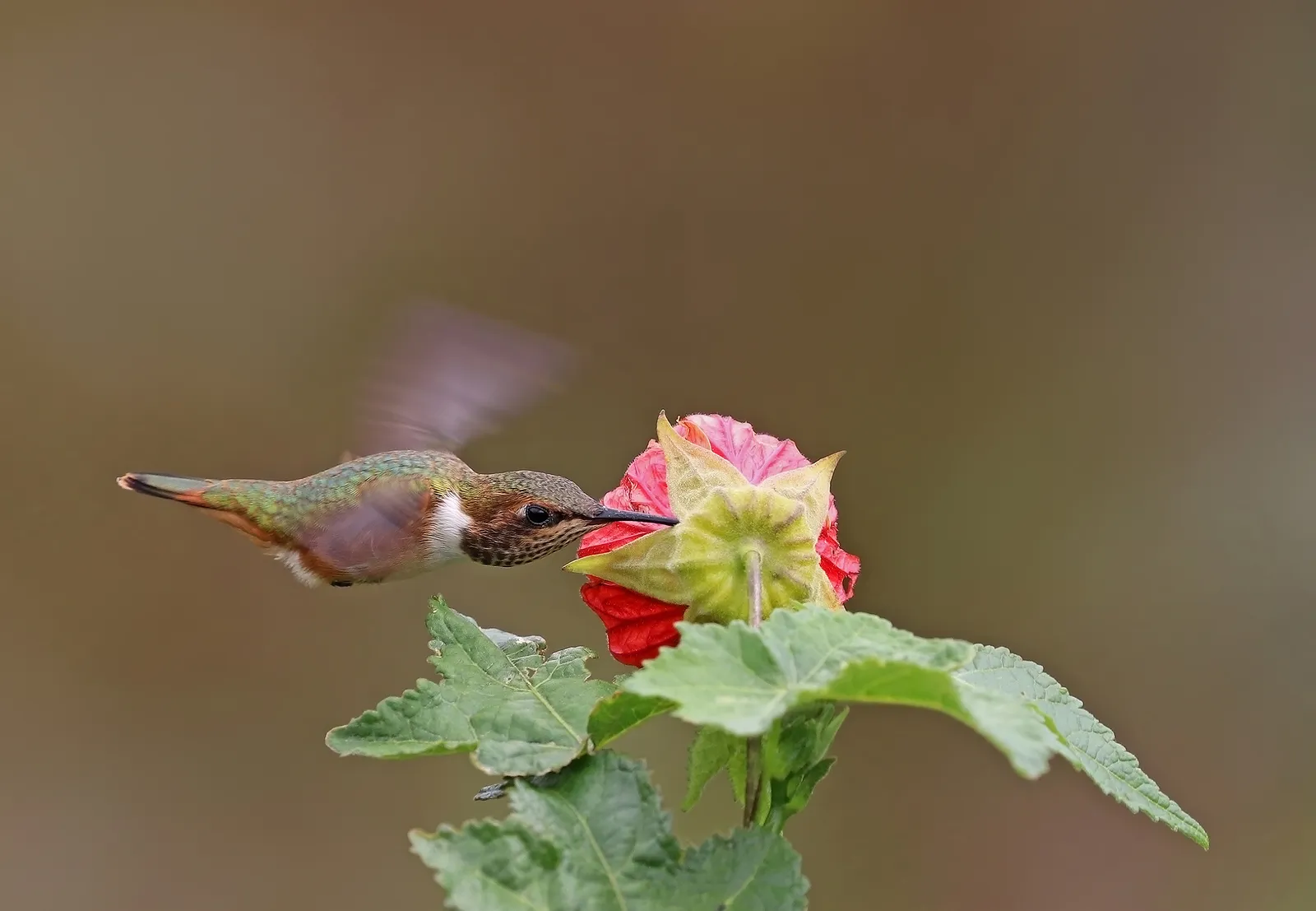
Not every dive is a straight shot at the target, and the reason why is surprisingly clever.
Male Costa’s hummingbirds typically dive to the side of the female rather than directly at her, a strategy that minimizes the Doppler effect, in contrast to other hummingbirds that descend straight toward their love interest. In other words, the male is deliberately adjusting his flight path so his mechanical sound doesn’t distort as he approaches – a level of acoustic precision that seems almost too sophisticated for a bird with a brain the size of a grain of rice. Biologists studying this behavior have noted it varies significantly by species, meaning the “showy dive” isn’t a single universal move – it’s a family of related displays, each fine-tuned for a slightly different sensory effect on the watching female.
#14 – The Weight-Doubling Feeding Frenzy Before They Vanish
Right before migration season, hummingbirds enter a ritual most people mistake for simple overeating.
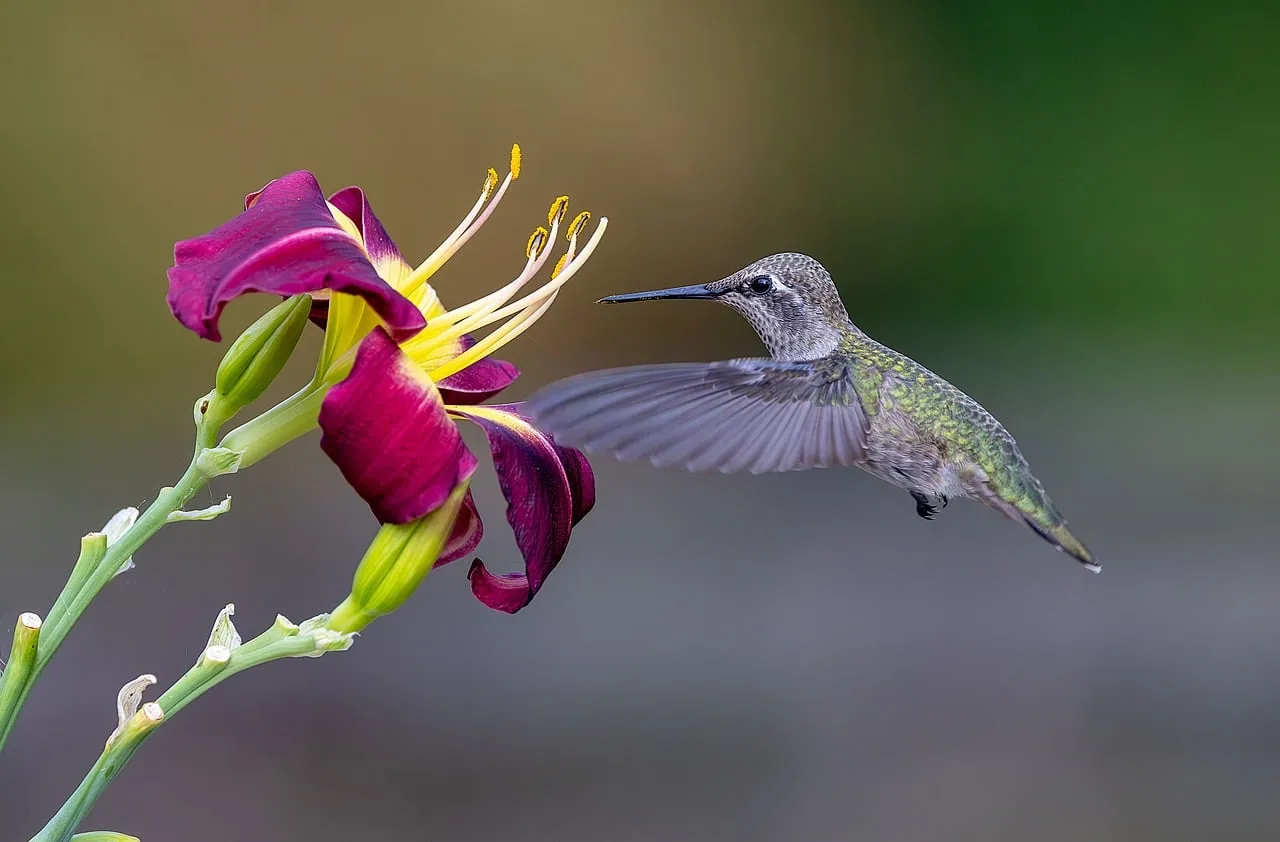
Researchers studying seasonal torpor patterns found that thinner hummingbirds with lower fat stores dipped into torpor earlier in midsummer, but as migration approached, entry into torpor became more predictable and fatter birds went into torpor more often – abandoning the usual survival rules to maximize fuel stores instead. Torpor, normally used to survive lean nights, gets repurposed entirely as a fat-banking tool before a long-distance flight. Even when fat stores are already large, hummingbirds continue using torpor during migration seasons specifically to enhance fuel deposition rather than simply to survive the night. This means the frantic feeder activity gardeners notice in late summer isn’t random hunger – it’s a calculated, biologically engineered fueling stage most people never connect to the bird’s upcoming journey.
#15 – The Violent Shiver That Restarts a Bird From Near-Death
Every single morning, hummingbirds perform a ritual that looks disturbingly close to resuscitation.
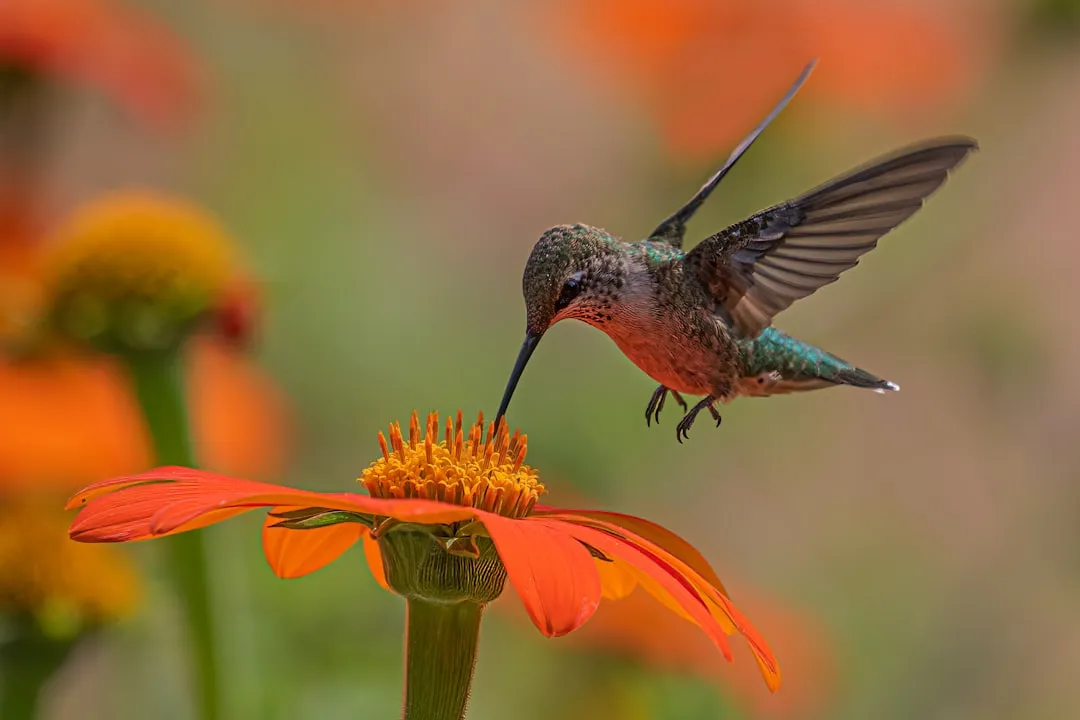
Because torpid animals are vulnerable to predators, many hummingbirds minimize risk by entering a shallower version of torpor from which they can emerge more rapidly at dawn. Rewarming from either state requires intense internal shivering to force body temperature back up before the bird can safely fly, feed, or even fully open its eyes. A bird that spent the night at near-freezing internal temperatures has to physically shake itself back to life before sunrise. This process typically happens while the bird is motionless on a perch, well before most gardens have any human activity, making it one of the least-witnessed rituals on this entire list. Wildlife biologists who’ve studied this recovery window describe it as one of the most physically demanding moments of a hummingbird’s entire day – arguably more demanding than any flight it will perform afterward.
#16 – The Nightly Near-Death State Hiding in Plain Sight
This final ritual is the one biologists consistently call the most misunderstood behavior in the entire hummingbird world.
Every night, a healthy, active hummingbird deliberately shuts its body down to the edge of death. During fasting conditions, torpid ruby-throated hummingbirds have shown average body temperature drops of nearly 25°C, from roughly 37°C down to about 13°C, alongside a 95% decrease in whole-animal metabolic rate compared to normal activity. A drop that extreme would be fatal in almost any other bird. High in the Andes, the effect is even more extreme: researchers who tracked wild hummingbirds overnight found that every species studied entered torpor, and several reached surprisingly chilly internal temperatures that would stop most animals’ hearts. This entire event unfolds in near-total darkness, inside a bird so small most people assume it couldn’t possibly survive something so extreme – and yet it happens in gardens everywhere, every single night, completely unnoticed.
Fast Facts
- Body temperature can plunge from around 37°C to as low as 13°C overnight.
- Metabolic rate can drop by roughly 95% during deep torpor.
- Every high-altitude Andean species studied has been documented entering torpor overnight.
- Rewarming requires vigorous shivering that can take several minutes before the bird can safely fly.
The Bottom Line
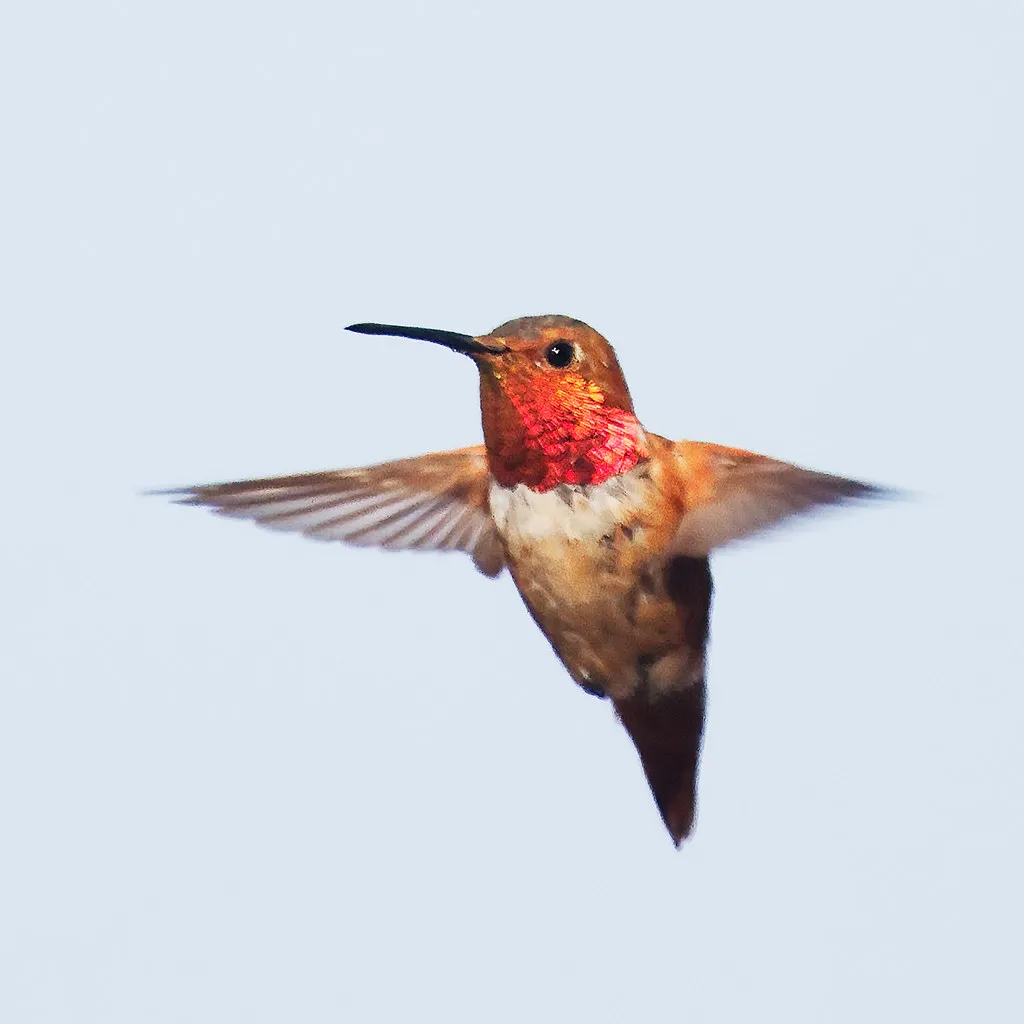
Once you know what’s actually happening, a hummingbird feeder stops looking cute and starts looking like the site of nightly near-death experiences, high-speed dogfights, and courtship dives that outperform fighter jets. Most people will spend years watching these birds without ever catching a single one of these 16 rituals in real time – and that’s exactly what makes them extraordinary.
The single mother raising chicks completely alone, the beak-locking combat, the pre-dawn choir that vanishes before breakfast – none of it fits the “cute garden visitor” image most people carry around. Wildlife biologists have made it clear: the hummingbird in your yard is living a far more violent, calculated, and physically extreme life than its size suggests. Honestly, that’s the real reason to keep a feeder up – not for the cuteness, but for the front-row seat to one of the toughest, strangest lives in the entire animal kingdom, playing out a few feet from your window every single day.
