
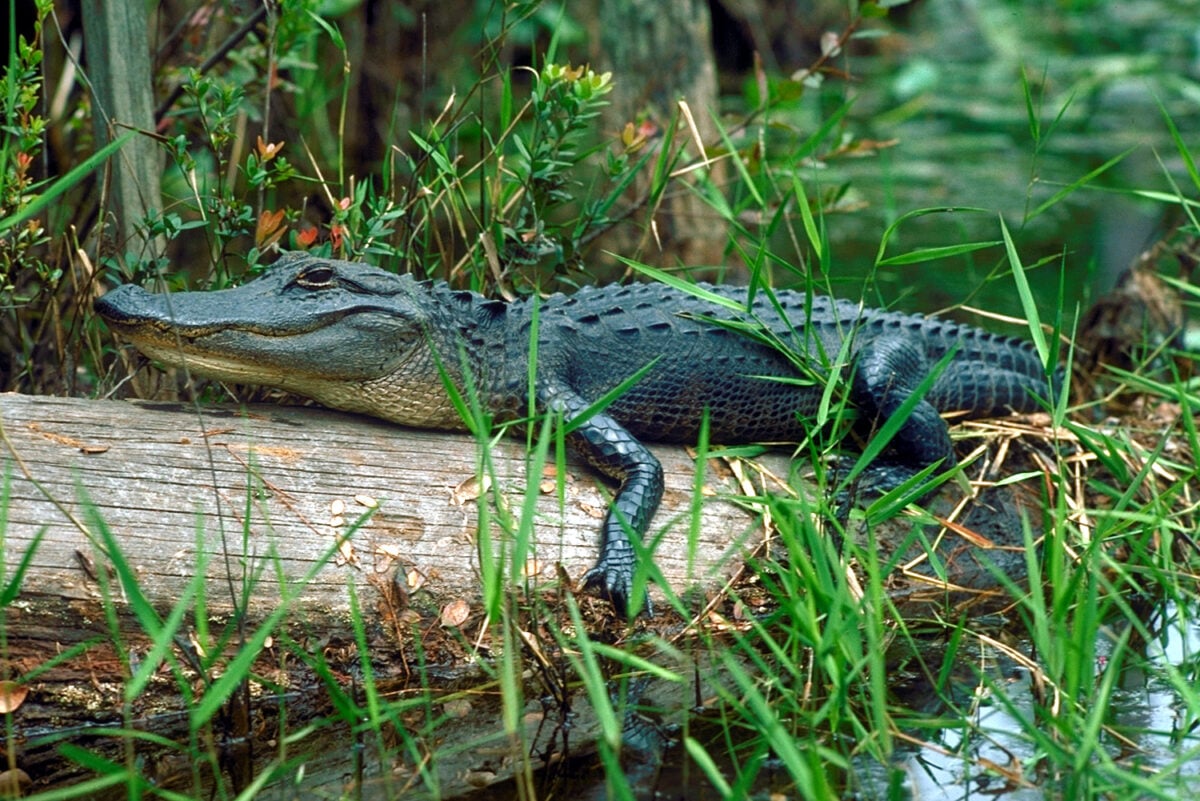
If you live in the American South, you are often never as far from an alligator as you think. These prehistoric-looking reptiles quietly share golf courses, backyards, and bayous with millions of people, and in some states they actually outnumber human residents in the swamps and marshes. The wild part? For most of the twentieth century, alligators were pushed close to extinction, and now they have bounced back so strongly that some states are juggling how to coexist with huge populations right on the edge of suburbia.
In this article, we are zooming in on the six states that host the largest numbers of American alligators and unpacking not just the where, but the why. Each of these states has its own mix of climate, wetlands, and culture that shapes how humans and gators get along day to day. Think of it as a tour of the United States’ swampiest, most alligator-rich corners, from fan‑boat country to backyard canal territory.
#1 Louisiana – The Undisputed Alligator Capital
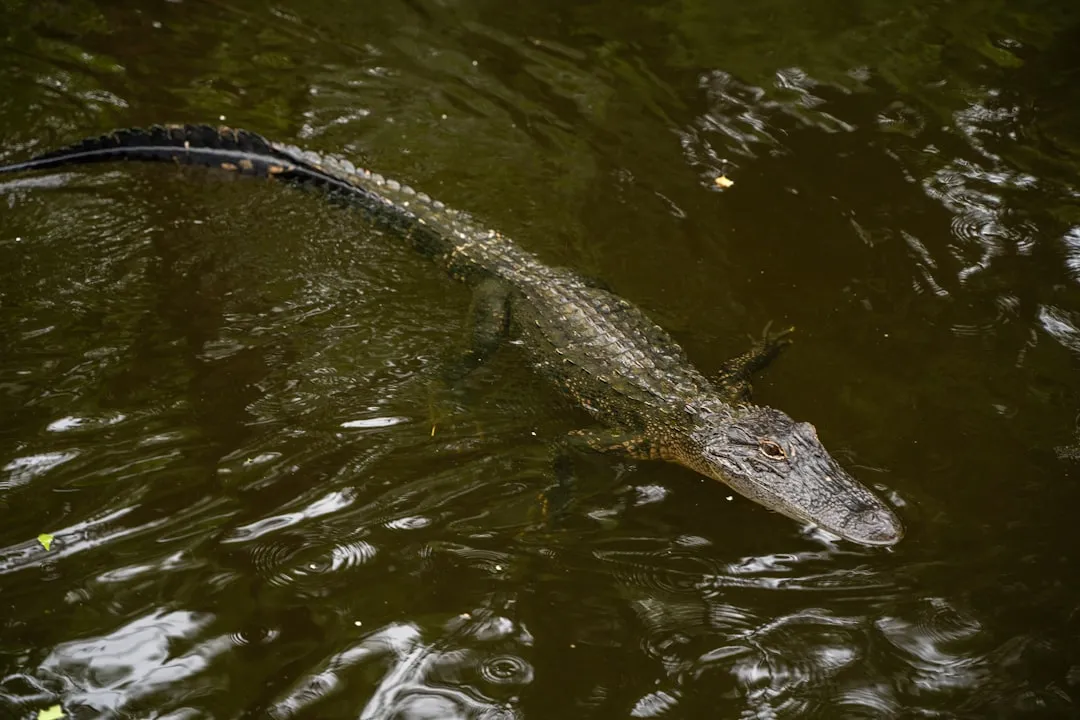
Louisiana is the heavyweight champion when it comes to alligator numbers, with an enormous wild population spread across its marshes, swamps, bayous, and river systems. Vast chunks of the state sit at or barely above sea level, creating huge stretches of brackish and freshwater wetlands that are basically a dream home for alligators. Add in a long, warm season and mild winters, and you have almost perfect conditions for gators to feed, grow, and breed.
What makes Louisiana especially interesting is the way it blends conservation with tightly regulated use. Decades ago, unregulated hunting almost wiped gators out, but strict protections and science‑based harvest programs helped them rebound dramatically. Today, Louisiana manages both wild alligators and a huge farmed alligator industry, while still keeping a healthy wild population. It is a rare case where an apex predator has recovered so strongly that it is both a conservation success story and a cornerstone of a local economy.
#2 Florida – Where Suburbs Meet Swamps
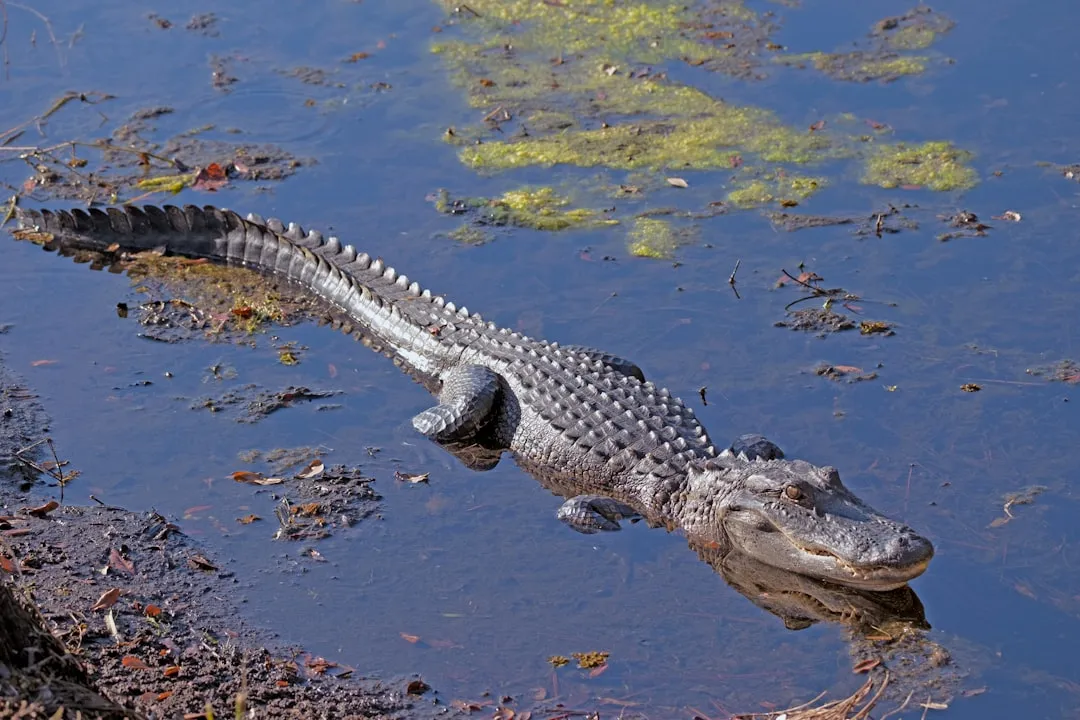
Florida is probably the first state that comes to mind when most people think about alligators, and for good reason: they are scattered across almost every freshwater system, from drainage ponds next to strip malls to the wild heart of the Everglades. The state’s warm, humid climate and flat, water‑rich landscape create endless habitat for them. People joke that any body of water in Florida might have a gator, and while that is an exaggeration, it captures how deeply woven they are into daily life there.
Because Florida is so heavily developed, you see one of the most intense examples of human‑alligator overlap anywhere in the United States. Golf course ponds, retention lakes, and canals give gators new, artificial habitat right inside neighborhoods. Wildlife officials spend a lot of time relocating nuisance alligators that get too comfortable near people or pets, and public education is constant: do not feed them, respect the water’s edge, and assume they are around even when you cannot see them. Florida shows how a booming human population and a thriving alligator population can coexist, but not without constant work.
#3 Texas – Big Wetlands in a Big State
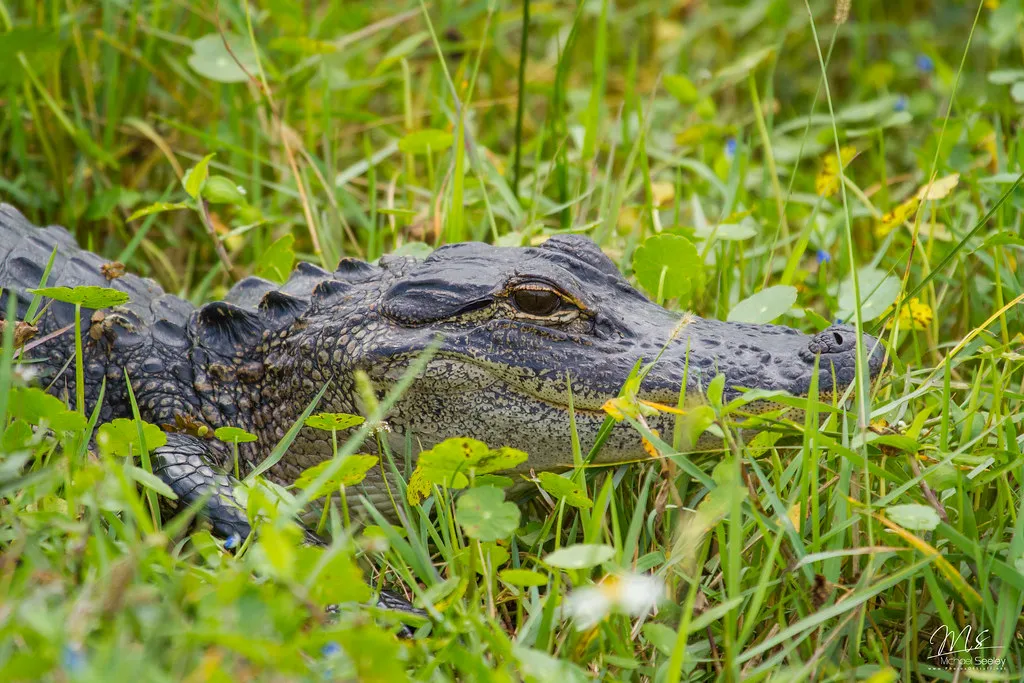
Texas is usually associated with deserts and wide‑open plains, but the eastern and coastal parts of the state tell a totally different story. From the marshes near the Louisiana border down along the Gulf Coast, Texas has large stretches of bayous, bottomland forests, and estuaries that support sizeable alligator populations. Warm winters and plenty of shallow water mean that gators thrive there, especially in wildlife refuges and undeveloped coastal areas.
What stands out in Texas is the contrast between wild spaces and rapidly growing cities. As metro areas along the Gulf expand outward, neighborhoods creep closer to natural wetlands and river floodplains where alligators have lived for generations. You end up with situations where a gator shows up in a roadside ditch or on the edge of a new subdivision. The state handles this with regulated hunting seasons, habitat protection, and public messaging that treats alligators as a normal part of the local ecosystem rather than a monster to be wiped out.
#4 Georgia – Swamps, Rivers, and the Okefenokee
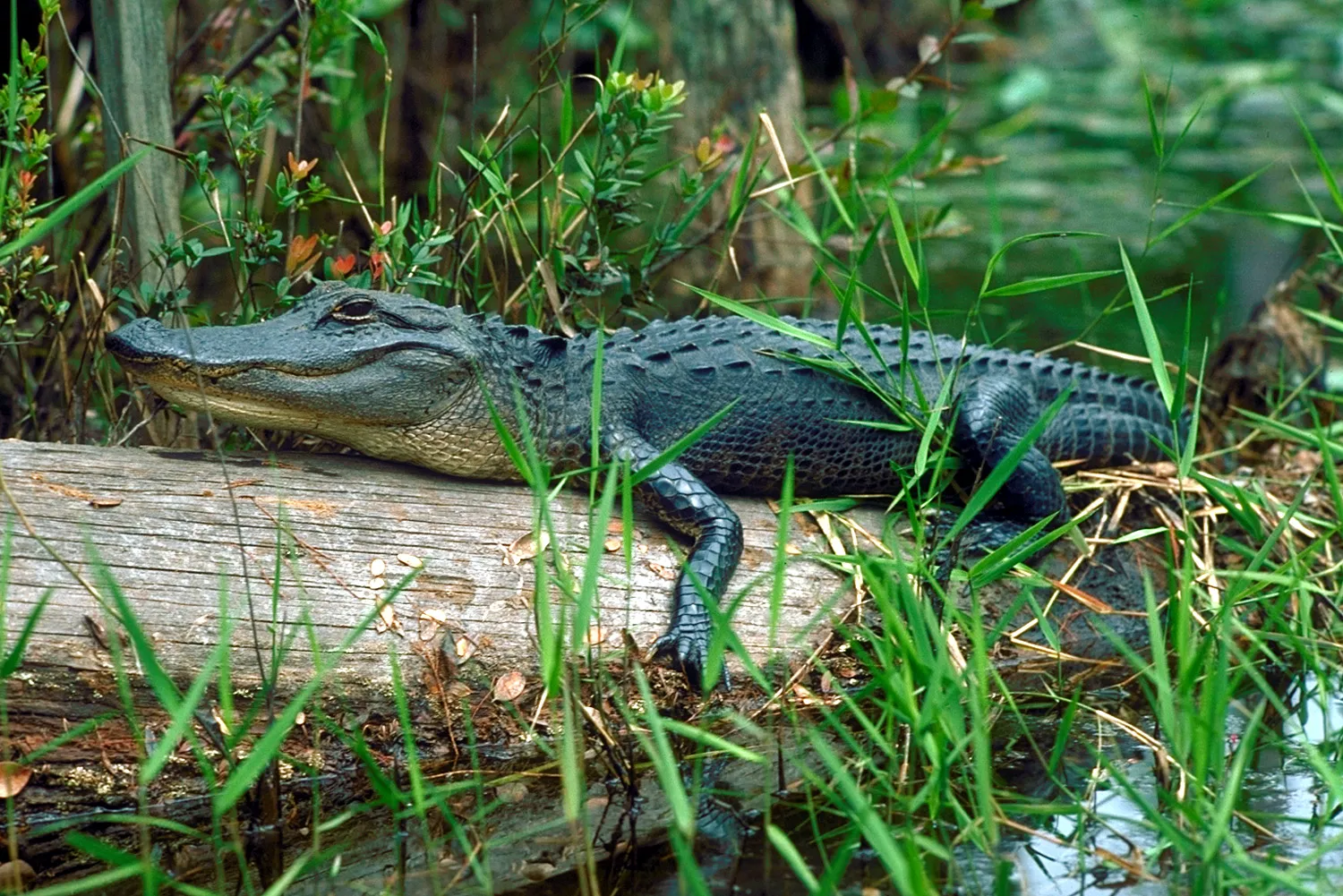
Georgia’s alligator strongholds are mainly in the southern half of the state, where the land flattens out into coastal plain and swamp. The Okefenokee Swamp, one of the most famous wetlands in the country, is a massive refuge for gators, supporting a healthy population in a relatively wild setting. Beyond that, lowland rivers, marshes, and ponds across southern Georgia provide the warm, shallow waters that alligators need to nest and hunt.
Georgia offers a kind of middle‑ground example: it is not as dominated by wetlands as Louisiana or Florida, but it still has enough habitat to support a robust alligator population. As development creeps southward, encounters between people and gators have become more common, especially around lakes and golf communities. The state uses a limited, heavily controlled hunting system to keep populations in balance and relies on a mix of relocation, outreach, and clear rules to reduce conflict. It is a balancing act between embracing the “wild South” identity and making sure people feel reasonably safe in their own backyards.
#5 South Carolina – Coastal Marshes and Growing Encounters
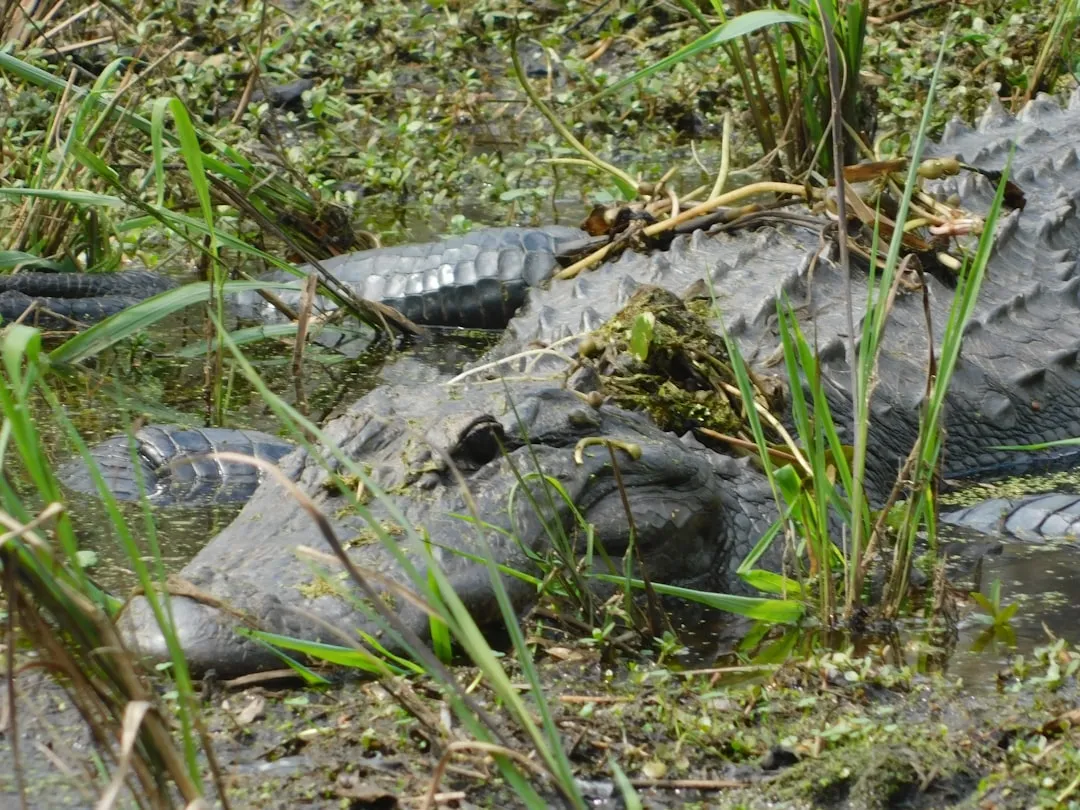
South Carolina’s coast is lined with salt marshes, tidal creeks, and freshwater ponds that support a thriving, though smaller, alligator population compared to giants like Louisiana and Florida. Barrier islands, coastal golf resorts, and inland wetlands all provide habitat, especially in the southern coastal counties. Winters are generally mild enough that alligators can stay active for a large part of the year, and warm summers boost their feeding and growth.
In recent decades, South Carolina has seen more reports of alligators in residential areas and tourist spots, which makes sense as both the gator population and coastal development have grown. Communities around resort towns often build ponds and water features that look pretty but double as perfect alligator hangouts. Wildlife officials remind residents and visitors not to feed or approach them, no matter how calm they look sunning on a bank. The state’s experience underlines a simple truth: when you build your dream home beside a marsh in the Southeast, you are effectively moving into alligator country.
#6 Mississippi – Quiet Wetlands With Plenty of Gators
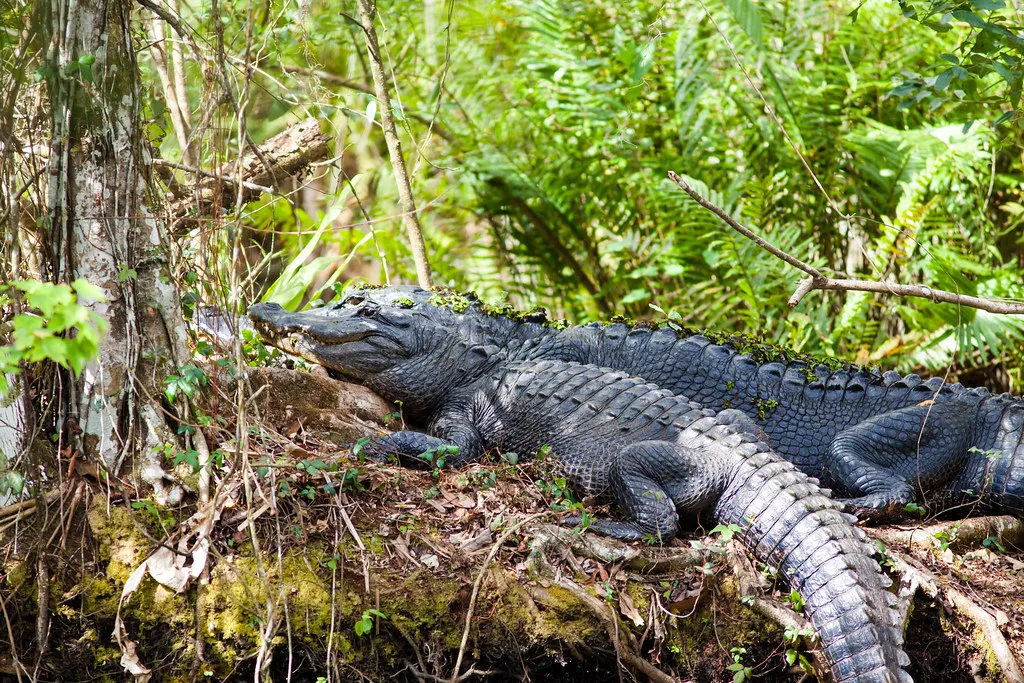
Mississippi tends to fly under the radar in conversations about alligators, but its mix of river floodplains, swamps, and coastal marshes makes it solidly part of gator country. The lower Mississippi River system, along with bayous and backwaters, offers classic alligator habitat: slow, murky water; thick vegetation; and plenty of fish, birds, and small mammals as prey. Warmer temperatures in the southern part of the state help sustain breeding populations, while cooler northern areas form the edge of their range.
What feels different in Mississippi is how low‑key the relationship between people and gators can be compared to more high‑profile states. Encounters still happen, of course, especially near lakes and rivers, but you hear fewer sensational headlines. The state manages alligators with regulated hunts, scientific surveys, and ongoing habitat protection, framing them as a normal part of the local wildlife rather than a constant crisis. In a way, Mississippi shows the quieter side of alligator country: fewer tourists, less drama, but plenty of ancient reptiles lurking just below the surface.
Opinionated Conclusion – Learning to Live With a Comeback Predator
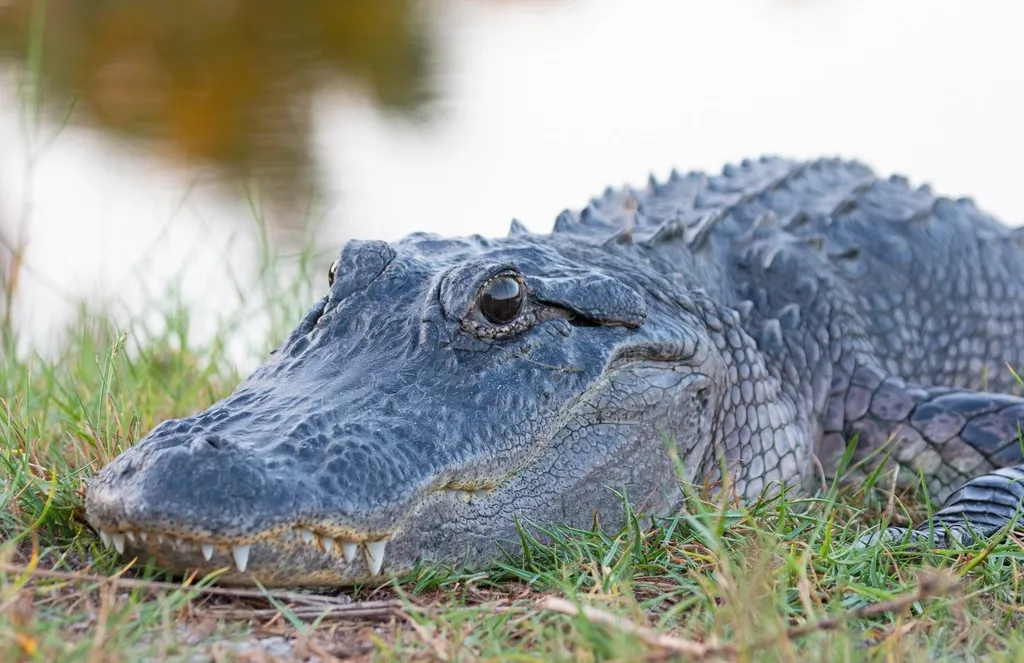
When you step back and look at these six states together, a clear story jumps out: the American alligator has pulled off one of the most impressive wildlife comebacks in the country, and now we are stuck figuring out how to live with the consequences. From Louisiana’s industrial‑scale marshes to Florida’s backyard ponds, humans built lives in places that are also ideal for a large, toothy reptile. In my view, the real mistake is not that the gators are back, but that we still act surprised every time one shows up in a spot we carved out of wetland a few decades ago.
I think the future of alligator country is going to depend less on the animals and more on us getting realistic about where and how we build. These states show that you can have thriving gator populations, successful hunting programs, major cities, and safe communities at the same time, but only if you plan for coexistence instead of pretending the swamps will politely stay put. To me, learning to live alongside alligators is a test of whether we can share space with a powerful wild animal without either worshiping it or waging war on it. If you live in or visit these states, the real question is simple: are you ready to treat that dark water with the respect it deserves?

- 6 US States With the Most Alligators - August 3, 2026
- 8 Things River Otters Do That Reveal Their Social Intelligence - August 3, 2026
- Hugs Might Not Be Great For Your Dogs, And Here’s The Reason Why - August 3, 2026