
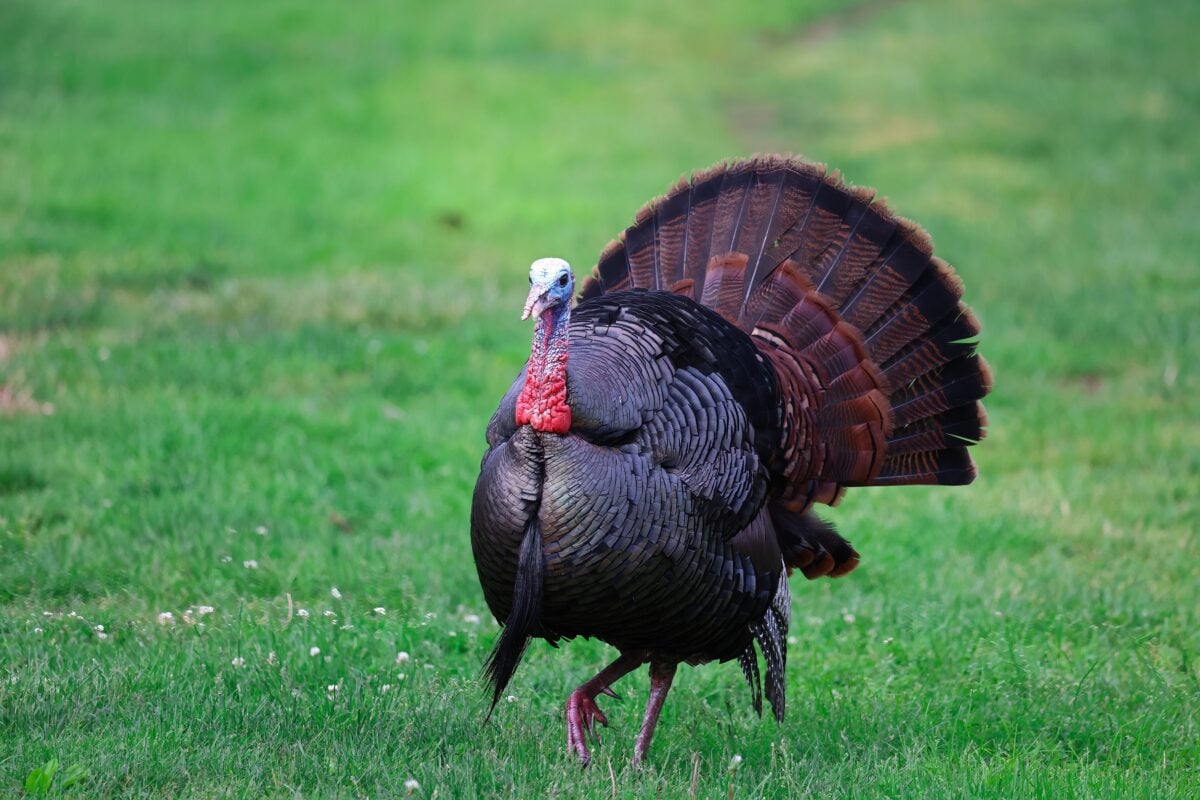
If you’ve ever driven a back road at sunrise and watched a flock of wild turkeys strut across the misty fields, you know they’re nothing like the frozen bird in a supermarket. These birds are fast, wary, sharp-eyed survivors that were once almost gone from much of the country and have now made one of the most striking wildlife comebacks in North America.
Today, millions of wild turkeys roam the United States, but they’re not spread out evenly. A handful of states hold especially huge numbers, thanks to a mix of habitat, history, and smart wildlife management. Let’s walk through the seven states where wild turkeys truly rule the woods and fields, and why these places have become such strongholds for one of America’s most iconic game birds.
#1 Texas – Where Turkeys Meet Big Sky Country
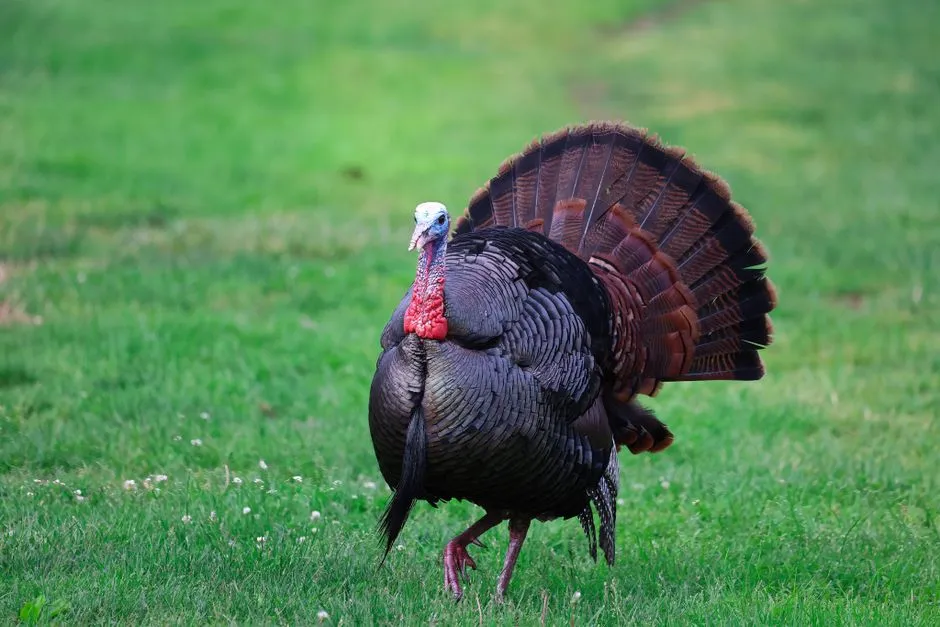
It surprises a lot of people that Texas, famous for cattle, oil, and football, is also a powerhouse for wild turkeys. But when you think about it, it makes sense: Texas has an enormous land area and an almost endless mix of habitats, from oak-covered hills and brush country to river bottoms and wooded canyons. All that space translates into room for several subspecies of wild turkey, especially the Rio Grande birds that thrive in more open, brushy landscapes.
On big ranches, in scrubby pastures, and along creek corridors, turkeys use scattered trees for roosting and open ground for foraging, picking at insects, seeds, and acorns. Well-managed private lands have played a huge role in keeping turkey numbers high here, with many landowners actively improving habitat because they value hunting traditions and wildlife watching. In a state where property is often measured in square miles, turkeys have the privacy and resources to flourish on a grand scale.
#2 Missouri – The Blueprint for Turkey Comebacks
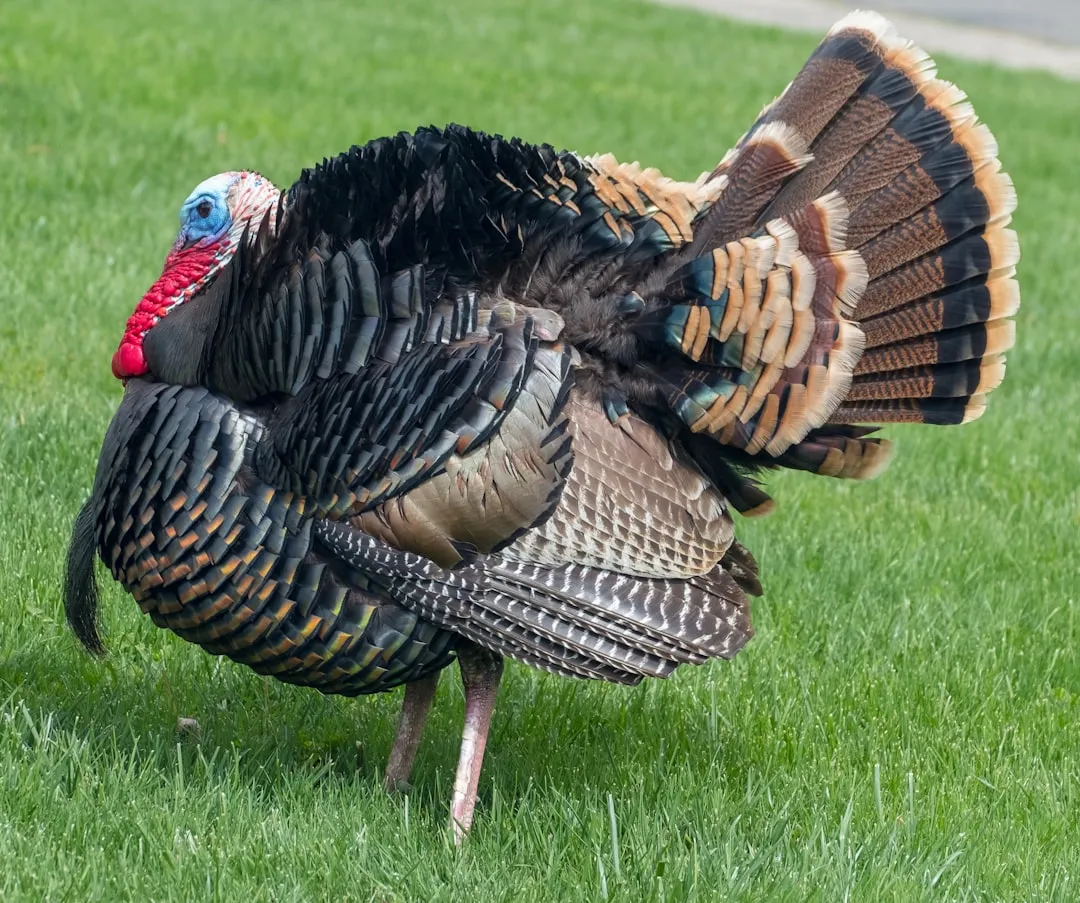
Missouri is often held up as one of the classic success stories in wild turkey restoration and still supports a very strong population today. Decades ago, turkeys were scarce in the state, pushed to the edge by overhunting and widespread habitat loss. Wildlife biologists and conservation agencies leaned heavily into science-based trapping, relocating, and habitat work, gradually rebuilding flocks across the Ozarks, river valleys, and northern farmlands.
Now, mixed hardwood forests blend into fields and pastures in a way that suits turkeys almost perfectly: roost trees on the ridges, bugs and tender plants in the fields, and plenty of places for hens to nest in brushy cover. Spring turkey season has become almost a cultural event, drawing hunters from other states and giving locals a strong sense of pride. When people talk about modern turkey management, Missouri is one of the states that quietly underpins a lot of the best practices used elsewhere.
#3 Pennsylvania – Turkeys in the Heart of the Appalachians
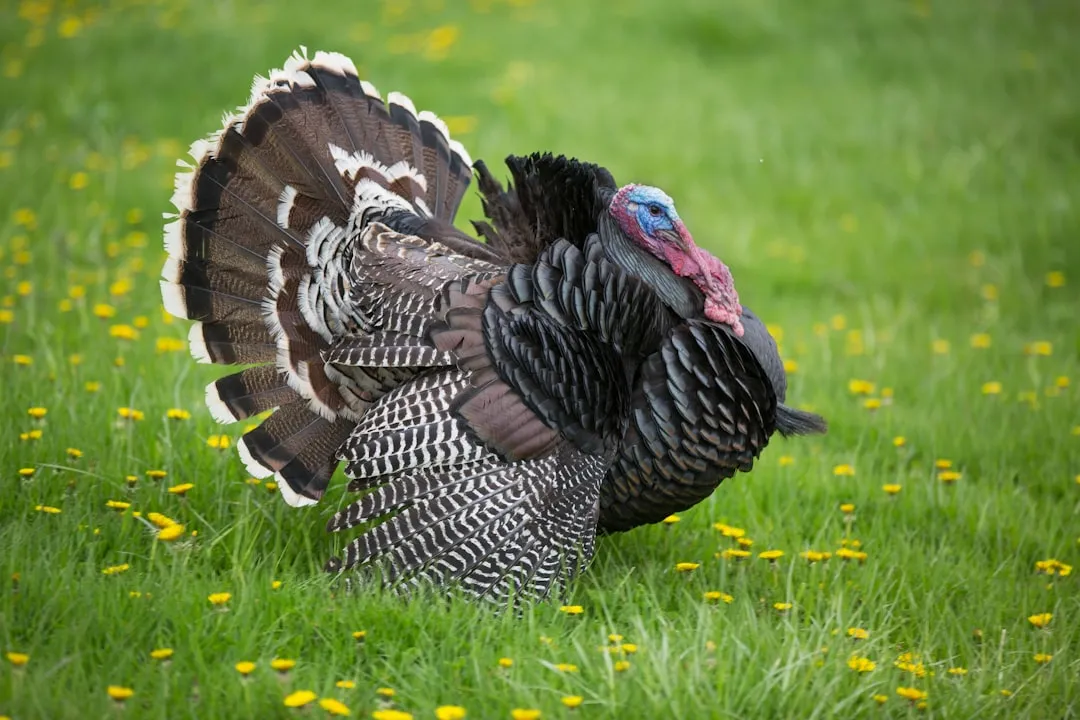
Pennsylvania is proof that wild turkeys can do remarkably well in a state that is both heavily forested and fairly densely populated. Large swaths of Appalachian hardwoods, reclaimed mine lands, rolling farms, and state game lands piece together a wide patchwork of habitat. Turkeys use the wooded ridges for roosting and winter shelter, while the valleys and openings provide food and nesting spots during spring and summer.
One reason Pennsylvania stands out is how deeply hunting and wildlife are woven into everyday life. Many families have stories of hearing gobblers while walking to school bus stops or seeing flocks pecking around cornfields after harvest. Strong game management policies, research programs, and a long-standing hunting tradition have helped keep turkey numbers high even as pressures like suburban sprawl and changing forest structure continue to nibble at their world.
#4 Alabama – Southern Forests Full of Gobbles
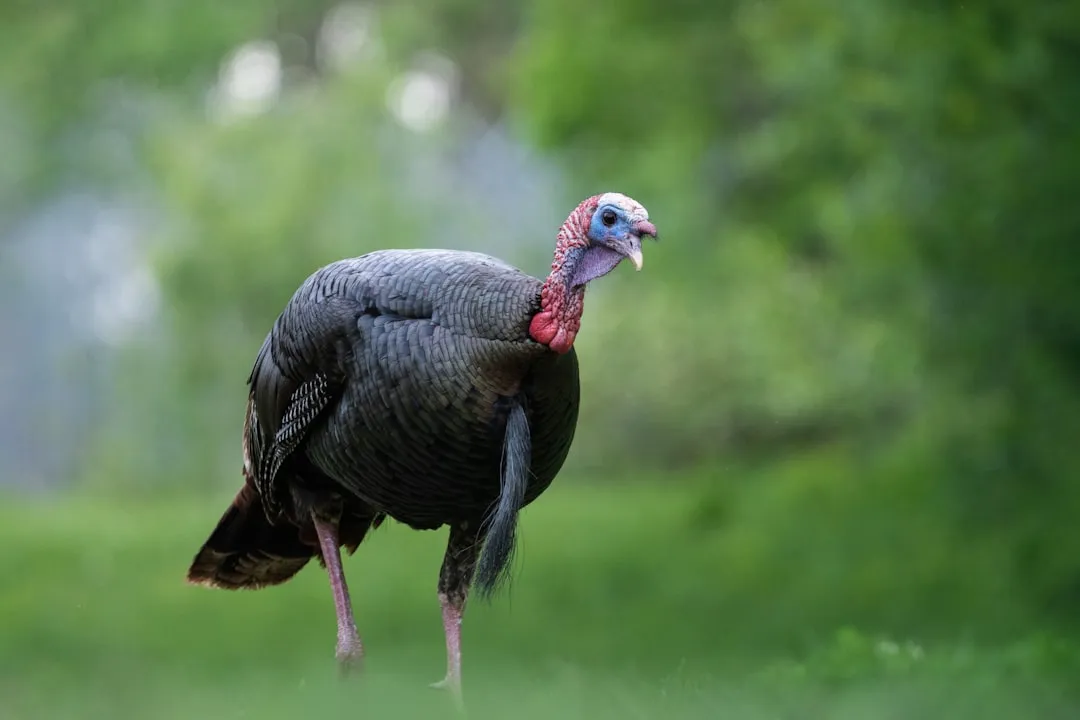
When people picture the Deep South, they might think of pine woods, sweetgum thickets, and humid mornings – and that’s exactly the kind of environment where Eastern wild turkeys can do extremely well. Alabama’s mix of hardwood bottoms, pine plantations, small farms, and cutover areas creates a mosaic of habitats at different stages of growth. Turkeys benefit from this variety, using mature forests for roosts and younger, brushier stretches for brood-rearing and bug-rich foraging.
Alabama also illustrates how changing land use cuts both ways. Intensively managed pine stands and industrial timber lands can sometimes simplify habitats too much, but many landowners are intentionally leaving streamside buffers, managing burns, and creating openings that favor turkeys and other wildlife. You’ll hear a lot of passionate opinions among Alabama hunters about how turkey numbers have shifted locally over the years, but zoomed out across the whole state, it remains one of the most turkey-rich landscapes in the country.
#5 Kentucky – Rolling Hills and Ridge-Top Roosts
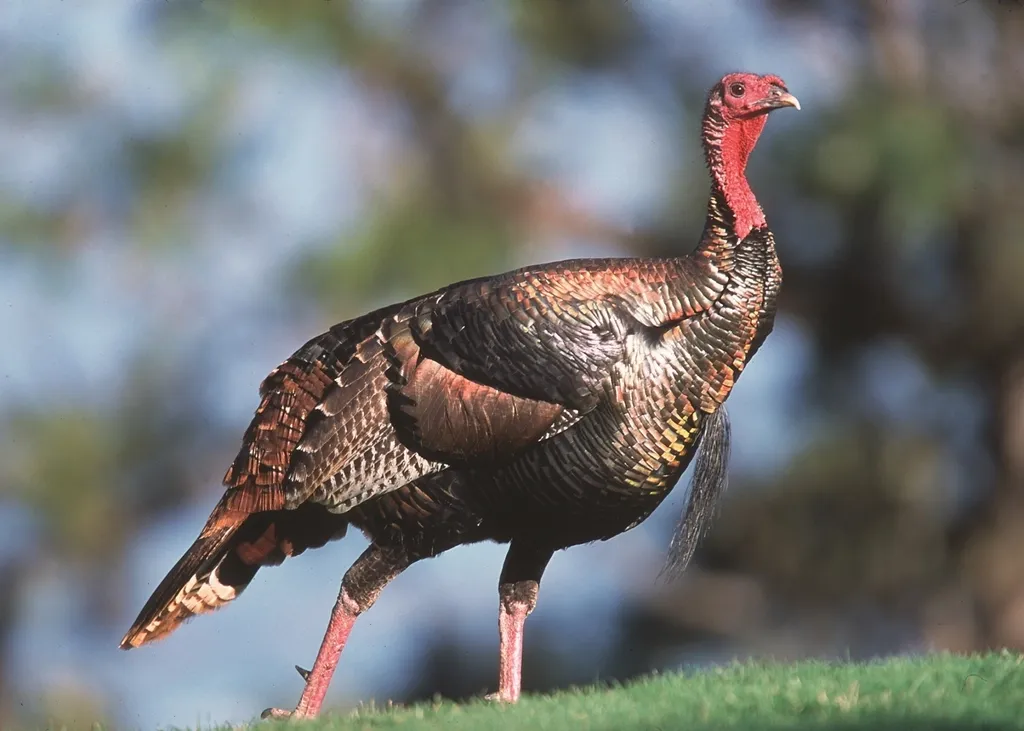
Kentucky’s reputation as a turkey state has grown steadily as flocks filled in restored habitats from the Appalachians to the Bluegrass region. Once-depleted populations came roaring back as forests regrew on old farmland and as wildlife agencies worked with partners to move birds into suitable but empty areas. Today, wooded hillsides, strip mine reclamation lands, and pasture edges give turkeys a mix of cover and feeding grounds over much of the state.
If you spend time in rural Kentucky, you quickly notice how common turkey sign has become: tracks in muddy field roads, feathers along logging trails, and dusting spots on sunny slopes. It is also a reminder that wild turkey success is not just about having trees; it is about having a diverse, somewhat messy landscape. Edge habitat – those spots where field meets forest or brush meets open ground – often holds the highest turkey activity, and Kentucky has a lot of that kind of in-between country.
#6 Tennessee – Rivers, Ridges, and Resilient Flocks
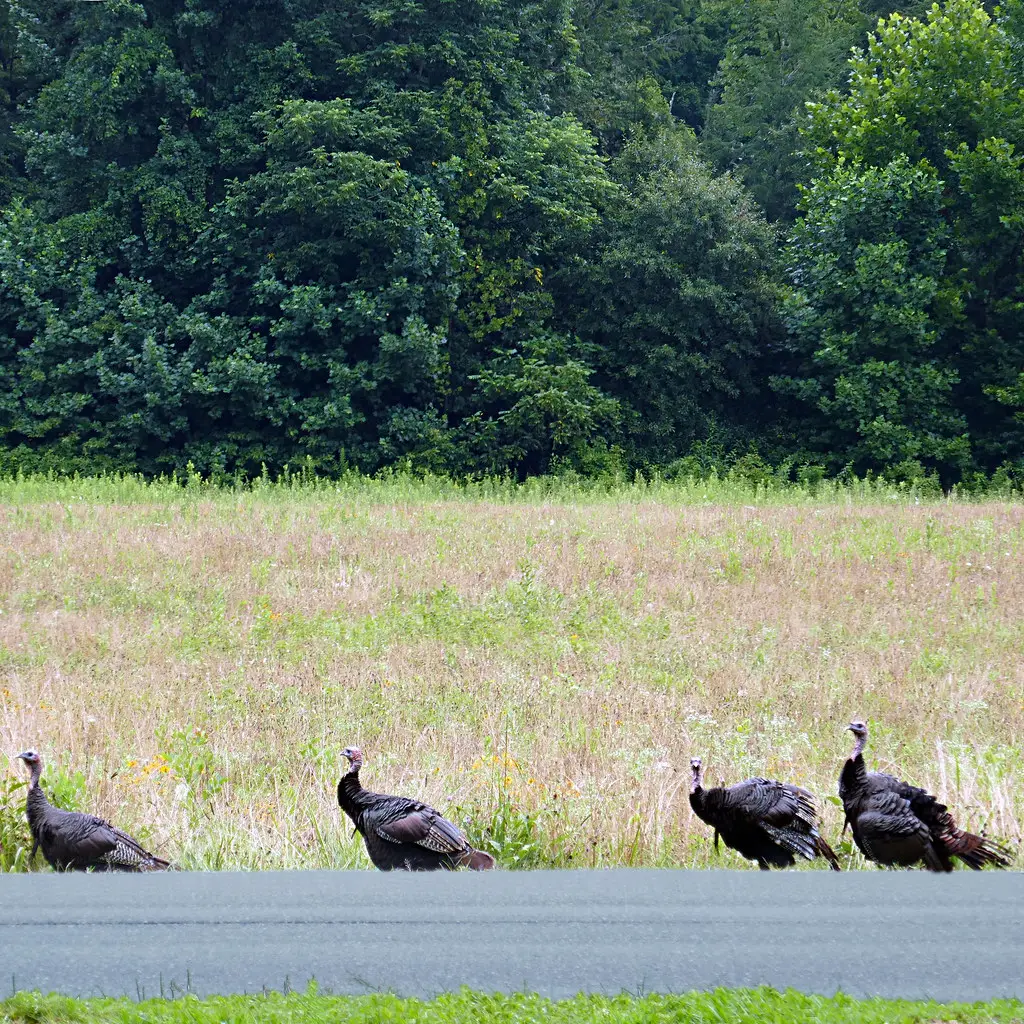
Tennessee sits at a crossroads of geography, climate, and habitat types, and wild turkeys have taken full advantage of that diversity. From the Great Smoky Mountains out east to the Mississippi River bottomlands in the west, turkeys find everything from steep wooded slopes to broad river valleys and patchy farmland. That variety lets different local flocks respond in different ways to shifting conditions like disease, weather, or food availability.
The state’s modern turkey population is another story of near disappearance followed by a painstaking recovery. Over the years, turkeys were trapped from strong populations and released into areas where they had been gone for decades, gradually stitching together a statewide presence. Today, the sound of gobbles echoing off a Tennessee ridge in April is so normal that many younger hunters can hardly imagine a time when it was rare, even though that change happened within living memory.
#7 Georgia – A Stronghold in the Southeast
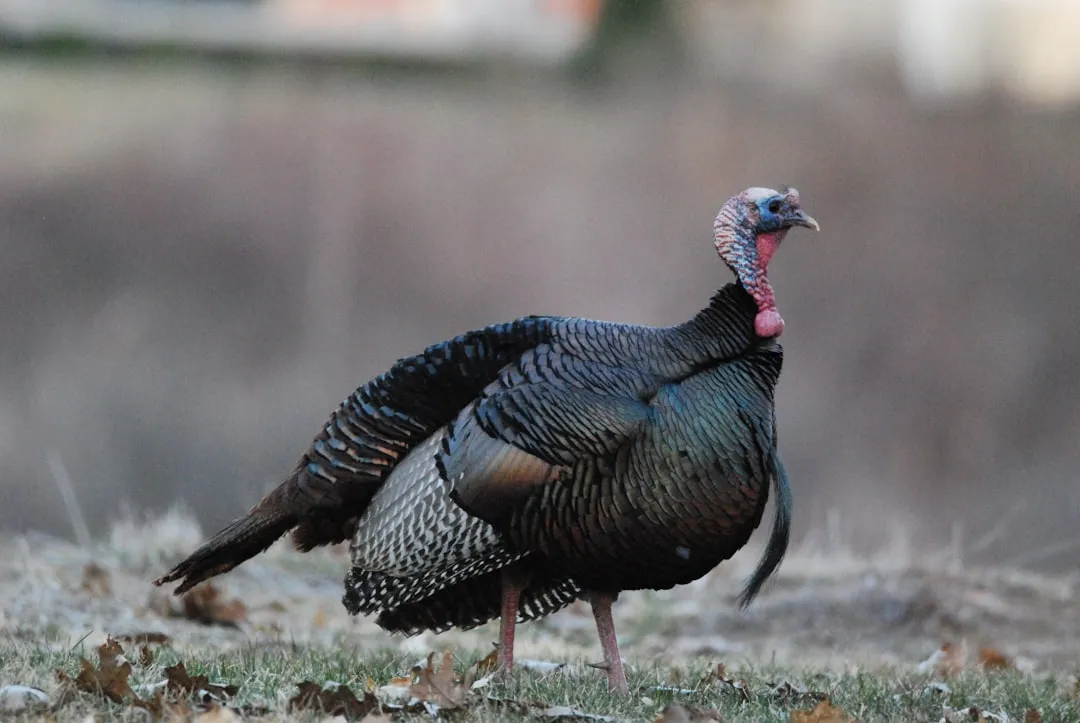
Georgia rounds out the list as a major southeastern state with a long and ongoing relationship with wild turkeys. Pine forests – both natural and planted – cover huge areas, and when they are managed with periodic fire and thoughtful thinning, they can be excellent turkey habitat. Add in hardwood creek bottoms, oak ridges, and agricultural lands, and you get a landscape where flocks can move seasonally between different food sources and shelter.
Like many southern states, Georgia has had waves of concern over local turkey declines in some regions, often tied to habitat shifts, predator dynamics, and weather during nesting and brood-rearing seasons. Yet at the statewide scale, it still supports very large numbers of birds and remains a destination for turkey hunters and wildlife watchers. The ongoing debates about seasons, bag limits, and habitat priorities show just how seriously people take these birds – and that intense interest is part of what keeps turkeys on the conservation radar.
Conclusion – Why These Seven States Matter for Turkeys’ Future
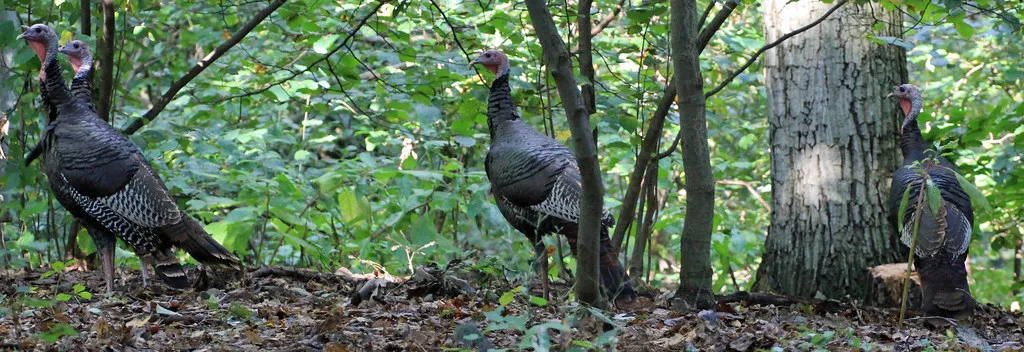
Looking across Texas, Missouri, Pennsylvania, Alabama, Kentucky, Tennessee, and Georgia, a pattern jumps out: wild turkeys thrive where there is space, habitat variety, and people who actually care enough to fight for them. These are not just places with big numbers on a chart; they are living laboratories showing what works and what can go wrong. When land is managed with fire, selective cutting, and a bit of intentional chaos, turkeys respond; when everything becomes uniform, paved, or chemically cleaned up, they start to fade.
In my view, these seven states carry a kind of unwritten responsibility. Because they hold so many birds, their decisions on habitat, hunting seasons, and development ripple out across the entire species’ future. If they keep leaning into science-based management and real-world habitat work rather than quick fixes or politics, wild turkeys will likely remain a familiar sight and sound for generations. The next time you hear a gobble cut through the morning air, it is worth asking yourself: are we doing enough, in the places that matter most, to make sure that sound never disappears?

- 7 US States With the Most Wild Turkeys - August 3, 2026
- 6 US States With the Most Alligators - August 3, 2026
- 8 Things River Otters Do That Reveal Their Social Intelligence - August 3, 2026