
Bringing home a rescue dog feels magical for about five minutes… and then you find yourself scrubbing the carpet at 2 a.m. wondering what on earth you’ve gotten into. Housebreaking is the one issue that can turn a dream adoption into a daily battle, especially with breeds that are famously stubborn, tiny-bladdered, or just a little too clever for their own good. The tough truth is that some rescue dog breeds really are harder to house-train than others, no matter how many treats you wave around.
That doesn’t mean these dogs are bad, broken, or hopeless. It just means you need different expectations, more patience, and sometimes a sense of humor about the mess. In this article, we’ll walk through ten popular breeds that often show up in shelters and rescues and that many owners quietly admit were a nightmare to housebreak. If you’ve ever felt like a failure because your rescue still has accidents, you are very much not alone.
#1 Chihuahua
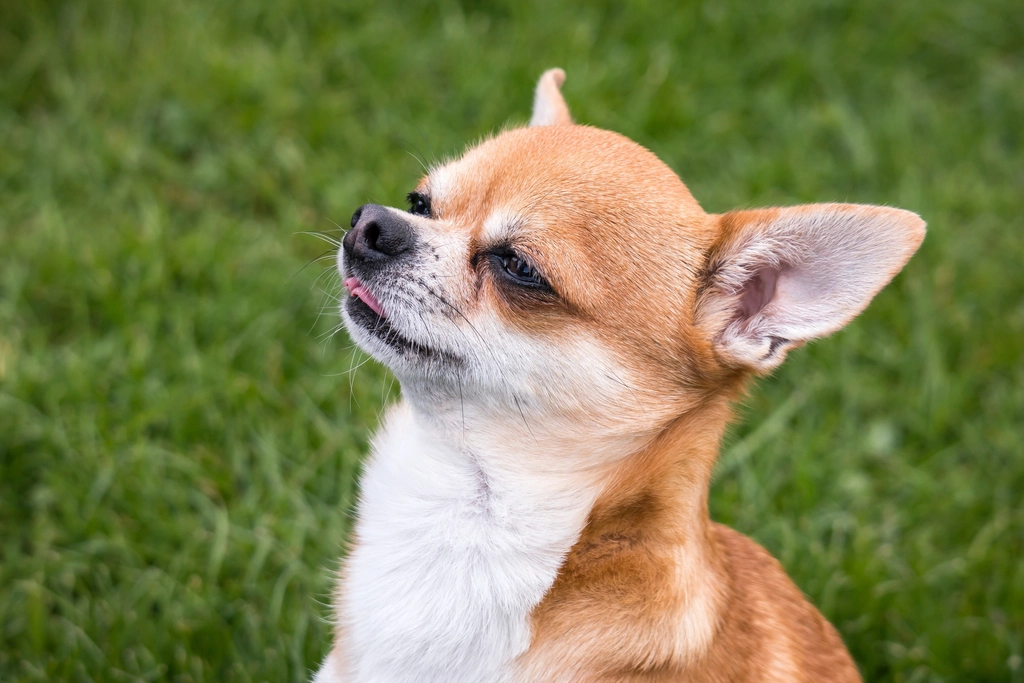
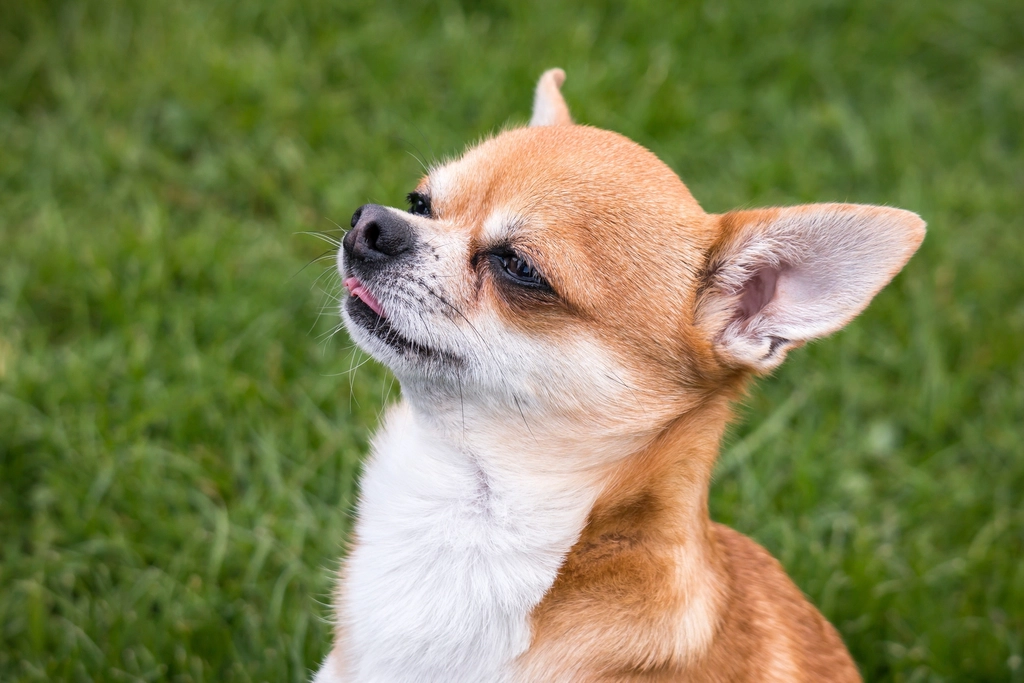
Chihuahuas are tiny, dramatic, and often maddeningly hard to housebreak. Their small size means a small bladder, so they simply cannot hold it as long as larger dogs, especially in those early months after adoption. Add in the fact that many Chihuahuas come from chaotic backgrounds, backyard breeders, or homes where they were allowed to pee on pads forever, and you get a dog who has never really learned that carpets are off-limits.
On top of that, Chihuahuas can be extremely weather-sensitive. A cold breeze or a bit of rain can be enough for them to slam on the brakes at the door and decide the living room is good enough. Consistent schedules, frequent trips outside, and rewarding even the tiniest success become non‑negotiable with this breed. If you go in assuming housebreaking a Chihuahua will take longer than average, you’ll be less frustrated and far more likely to succeed.
#2 Dachshund
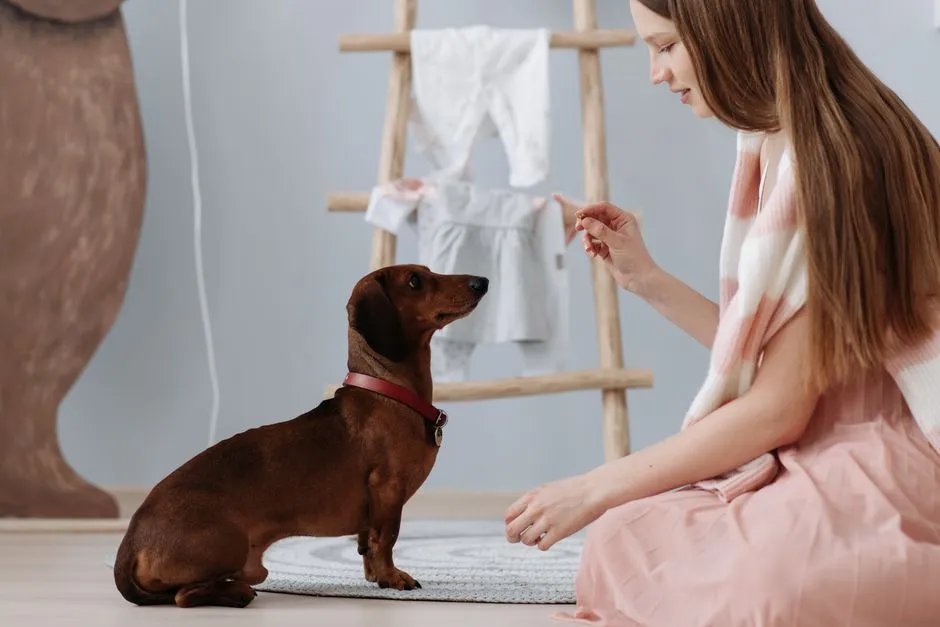
Dachshunds are smart, bold, and famously stubborn, and that combination makes housebreaking feel like a power struggle you did not sign up for. They were bred as independent hunters, working away from people, making their own decisions underground. That independence often shows up in training as a kind of quiet defiance: they know what you want, they just don’t always care enough to do it when you want it.
Many rescue Dachshunds also arrive with years of ingrained habits, especially if they were allowed to free‑roam indoors or lived mainly on puppy pads. Their elongated bodies and short legs do not help either, because cold, wet grass can feel pretty miserable to them. Owners who finally crack the code with Dachshunds usually lean heavily on routine, ultra‑high‑value rewards, and management (gates, crates, leashes indoors) instead of hoping the dog will “just grow out of it.”
#3 Bichon Frise
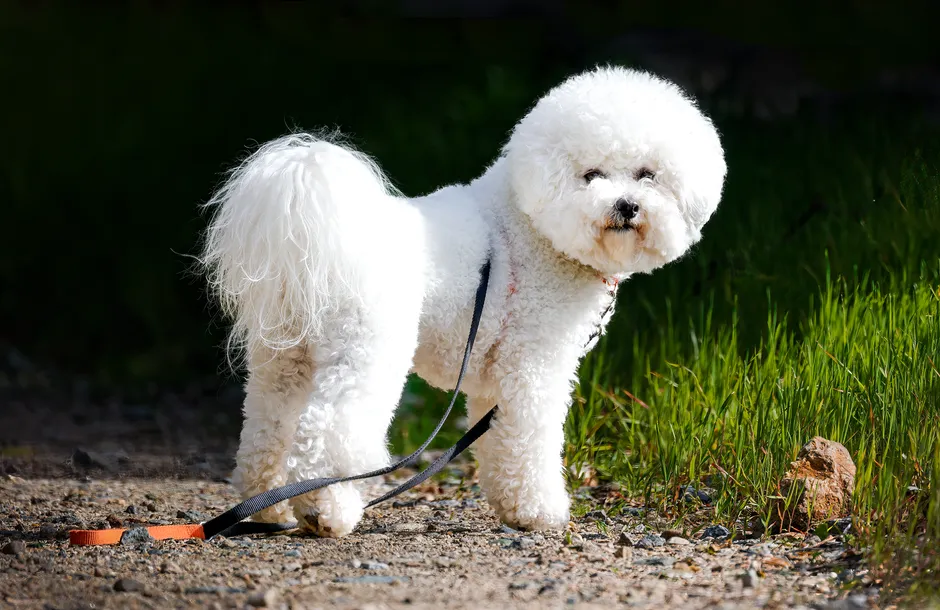
The Bichon Frise looks like a cloud made of cotton candy, but under that fluff is a dog that can drive you wild during housebreaking. Many Bichons in rescue have spent their early years with minimal structure: in puppy mills, as impulse buys, or as lapdogs who were never truly trained to go outside. They are small, sensitive, and easily stressed, and stress is one of the fastest ways to trigger accidents in the house.
At the same time, Bichons are extremely people‑oriented, which can backfire. Some will hold it too long waiting for their favorite person to come home, then release the second they get excited indoors. Others become anxious about going outside alone or in noisy environments, especially if they were not socialized well early on. Gentle, positive, heavily routine‑based training is essential, and punishing accidents usually just makes a Bichon more anxious and more likely to sneak off to pee in secret.
#4 Yorkshire Terrier
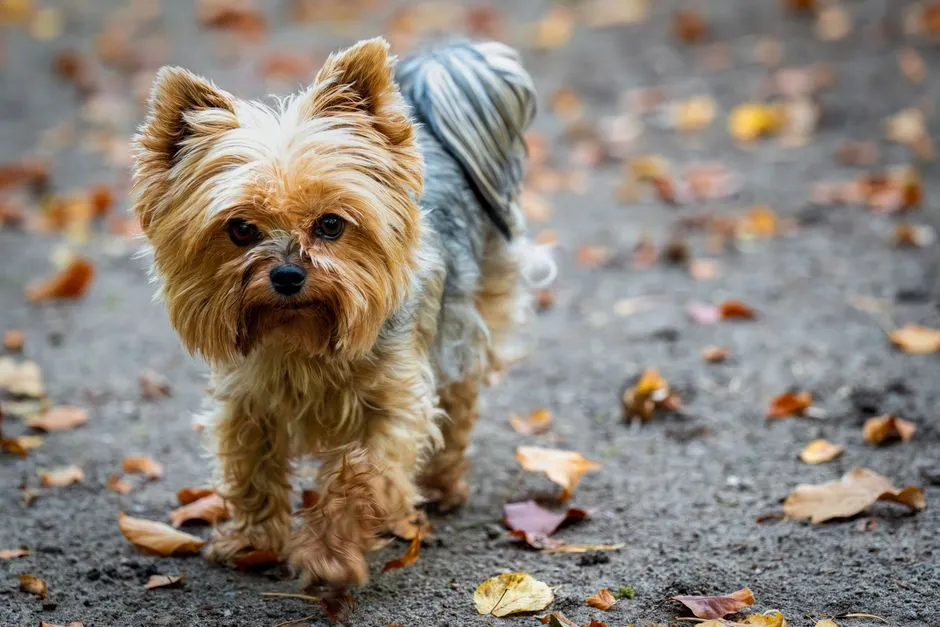
Yorkies are tiny terriers with a giant ego and a reputation for being tricky to housebreak. Many Yorkshire Terriers come from situations where they were treated like fragile accessories rather than dogs with real training needs. Being carried everywhere, peeing on pads in apartments, and rarely going outside all contribute to a dog who simply does not connect “grass” with “bathroom” when they land in a new home.
Their small bladder size and terrier attitude make the process even slower. A Yorkie might prefer a warm rug over a cold backyard, and if they have managed to “get away with it” for a few years before landing in rescue, those habits are deeply entrenched. Success with Yorkies often comes from starting over like they are untrained puppies: constant supervision, frequent potty breaks, and a zero‑tolerance policy for unsupervised freedom in the house until they have built a strong track record.
#5 Beagle
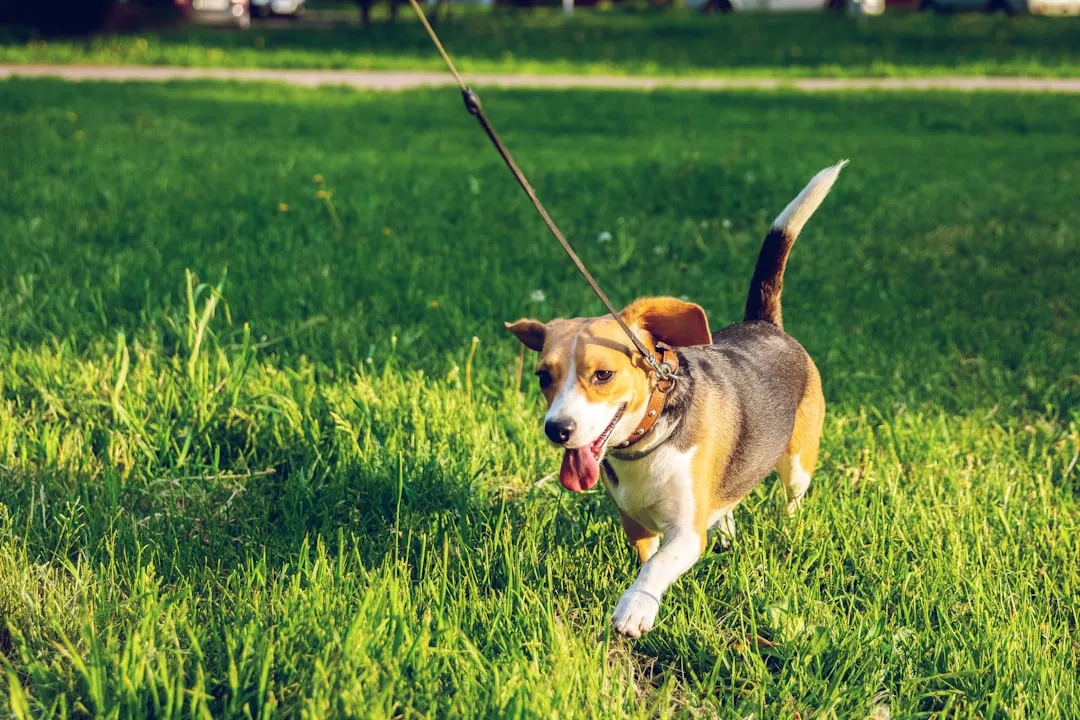
Beagles are often described as noses on four legs, and that single-minded scent focus can make housebreaking surprisingly difficult. When a Beagle is outside, they are not thinking about their bladder; they are thinking about that squirrel, that scent trail, or that mysterious smell three houses away. By the time they come back inside, their body suddenly remembers it still needs to go, and the nearest rug looks very convenient.
On top of this, many Beagles in rescue come from hunting backgrounds or neglect cases where nobody cared where they eliminated. They may have lived outdoors, in kennels, or in situations where peeing anywhere was perfectly acceptable. Transitioning that dog into a home where floors are sacred takes consistency and a bit of creativity. Structured potty walks with minimal distractions, on‑leash outside time, and rewarding the exact moment they finish can nudge their busy brain toward forming the right habit.
#6 Jack Russell Terrier (and Similar High‑Energy Terriers)
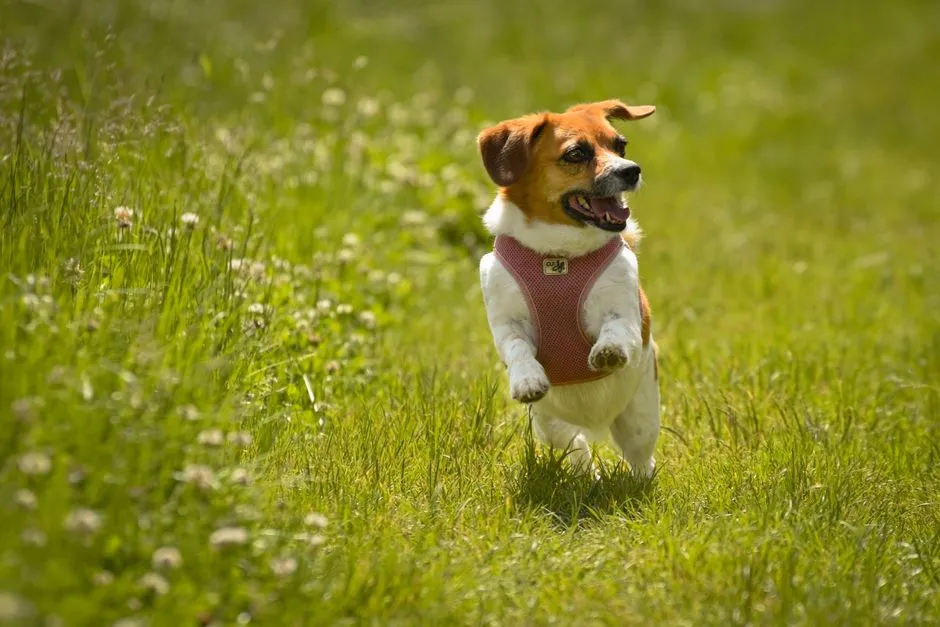
Jack Russell Terriers and their close cousins are kinetic energy in dog form, and that intensity often overwhelms basic house training. These dogs wake up at one hundred miles an hour and barely slow down; stopping long enough to calmly sniff, circle, and eliminate in the right spot can feel boring compared to chasing imaginary prey across the yard. If they are allowed too much free time indoors, accidents often happen mid‑play, almost as an afterthought.
In rescue, many Jack Russells have bounced between homes for exactly this kind of “too much dog” behavior, including poor house manners. That means you might be dealing with not just lack of training, but also anxiety, frustration, and pent‑up energy. A realistic plan with this breed usually means heavy exercise, mental enrichment, and tight structure around potty breaks. When their physical and mental needs are truly met, housebreaking becomes a lot easier, but it rarely happens by accident.
#7 Shih Tzu
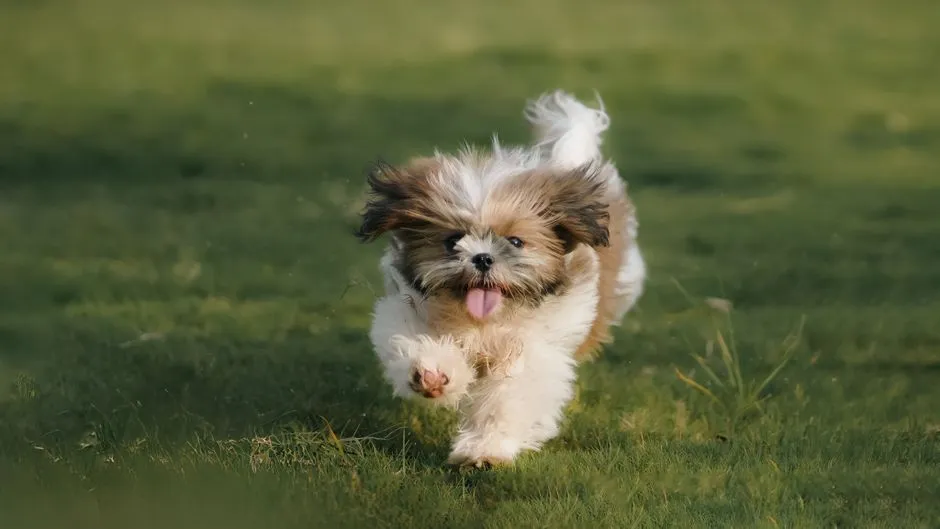
Shih Tzus are charming, affectionate companions, but plenty of owners quietly admit that housebreaking them took far longer than expected. Like other small breeds, they have limited bladder capacity and are prone to frequent, small eliminations. Many Shih Tzus in rescue have been treated like perpetual puppies, doted on without clear rules, and sometimes allowed to use indoor pads indefinitely, which blurs the line between “okay” and “not okay” surfaces.
Additionally, the Shih Tzu’s flat face and dense coat can make wet, cold, or snowy weather feel especially unpleasant. When stepping outside feels like being smacked in the face with a cold, damp towel, they may resist going out long enough to finish the job. Owners who make real progress with Shih Tzus usually pair rock‑solid routines with environmental tweaks, like covered potty areas, non‑slip surfaces, and warm coats, so the dog is physically comfortable enough to follow through.
#8 Pug
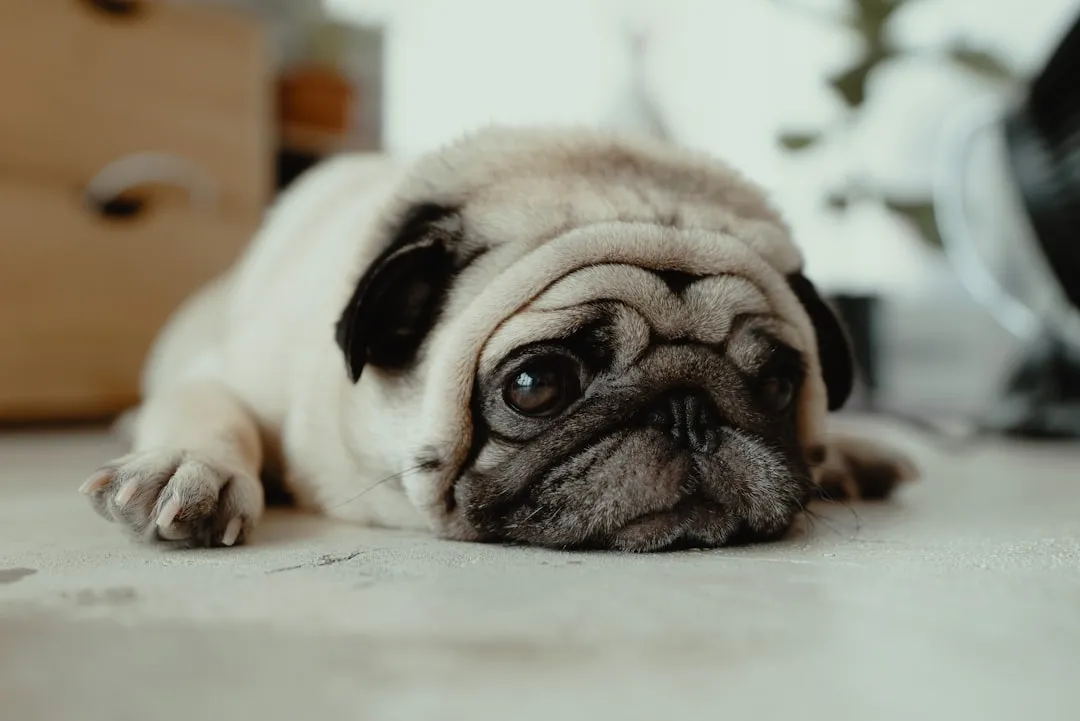
Pugs are clowns at heart, and they tend to approach life with a goofy, distracted energy that does not always mesh with precision house training. Their brachycephalic (short‑nosed) structure means they can be extremely sensitive to heat, cold, and humidity. That can lead to quick, rushed trips outside followed by a “I’ll finish later” mindset that unfortunately plays out on your living room floor.
Many rescue Pugs have lived as indoor lapdogs with very inconsistent routines or long hours alone, which also undermines reliable house manners. They bond intensely with their people, so separation stress or excitement at your arrival can trigger “greeting pees” and other inconvenient accidents. Calm, predictable schedules, short but frequent potty trips, and avoiding high‑drama greetings at the door can go a long way. With Pugs, housebreaking is less about them being defiant and more about working around their physical limits and emotional intensity.
#9 Maltese
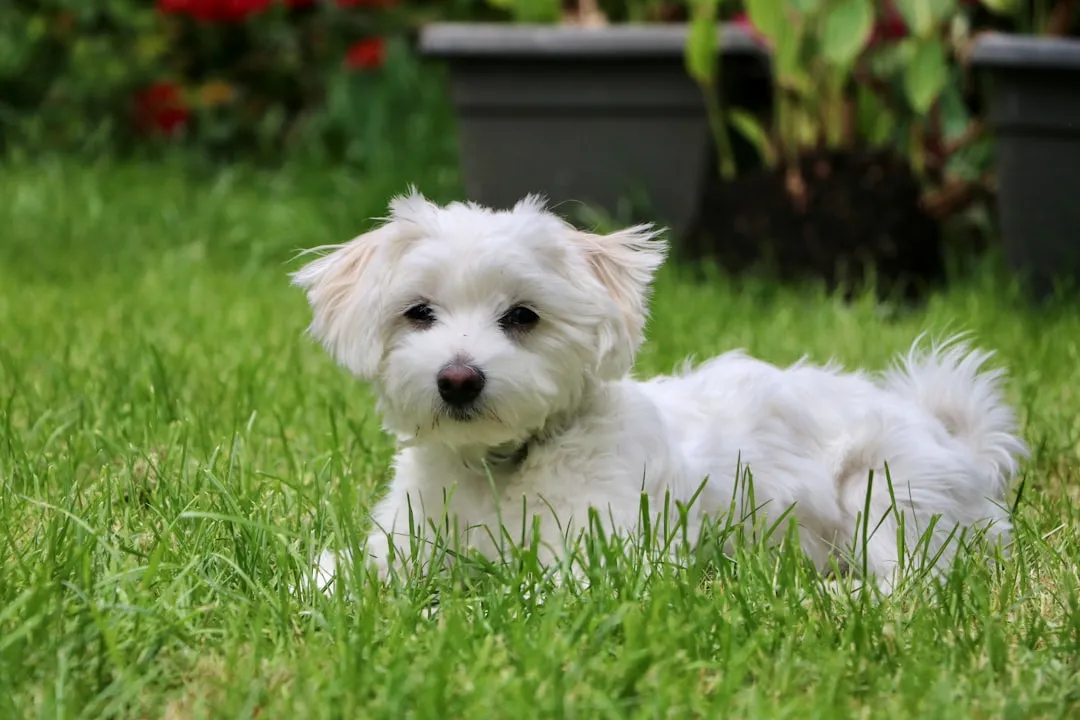
The Maltese is another tiny companion breed that looks like an angel and sometimes pees like a demon. Rescue Maltese often arrive from homes where they were pampered but not trained, or from high‑volume breeders where they never had a chance to learn clean habits. For a dog that weighs less than a small bag of flour, even a little bit of urine can feel like a flood on your floors, and owners can quickly feel overwhelmed.
Maltese are sensitive, often tightly bonded to one person, and easily stressed by changes in environment. All of that makes them prone to anxiety‑related accidents, especially during the early weeks after adoption. Calm, clear routines and a “start from zero” approach help: treat them exactly like an untrained puppy, even if they are five or six years old. When they finally figure it out, they can be wonderfully clean little housemates, but the learning curve is real.
#10 Italian Greyhound
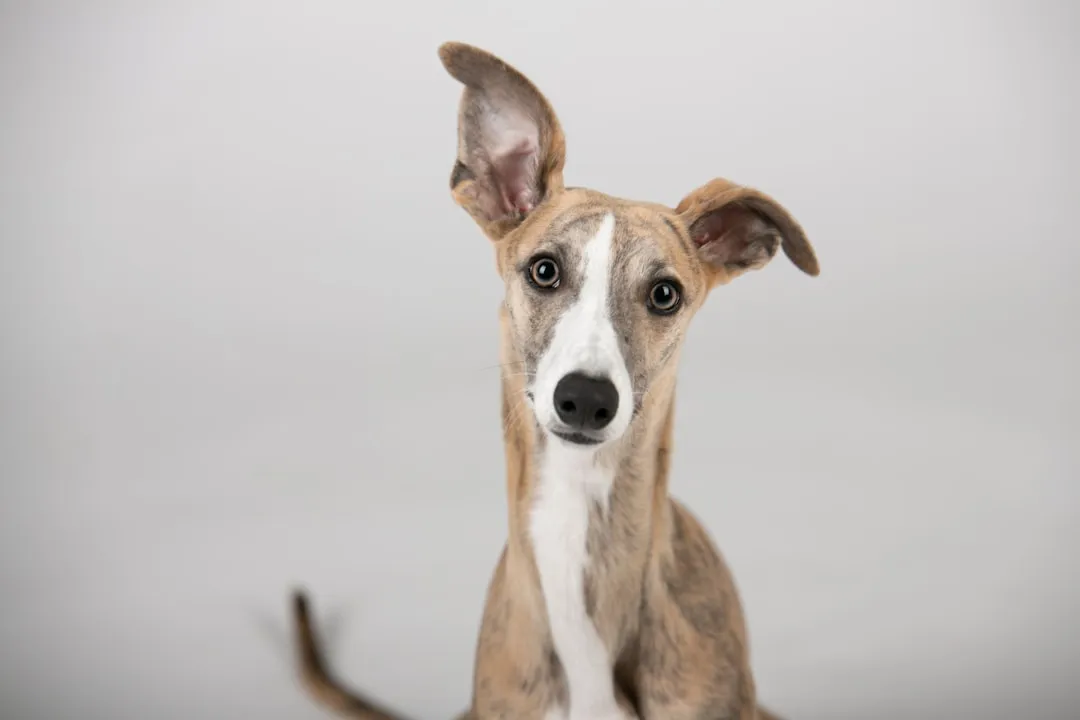
Italian Greyhounds have one of the worst reputations for housebreaking challenges, and many experienced owners will admit that some individuals never become perfectly reliable. Their slender build, ultra‑fine coat, and low body fat make them acutely sensitive to cold and damp conditions. When the weather is uncomfortable, many Italian Greyhounds refuse to step on cold grass long enough to fully empty their bladder, no matter how nicely you ask.
Rescue Italian Greyhounds also often come from homes where accidents were tolerated or managed with belly bands, so they never developed strong floor rules. Turning that around demands significant management: indoor leashes, limited access, indoor potty areas as backups, and maybe even covered outdoor runs. For some families, the compromise is accepting that this breed may always be a little less reliable than others and deciding whether their affection and elegance are worth that extra work. For the right person, the answer is a very honest yes.
Conclusion: Difficult To Housebreak Does Not Mean Impossible To Love
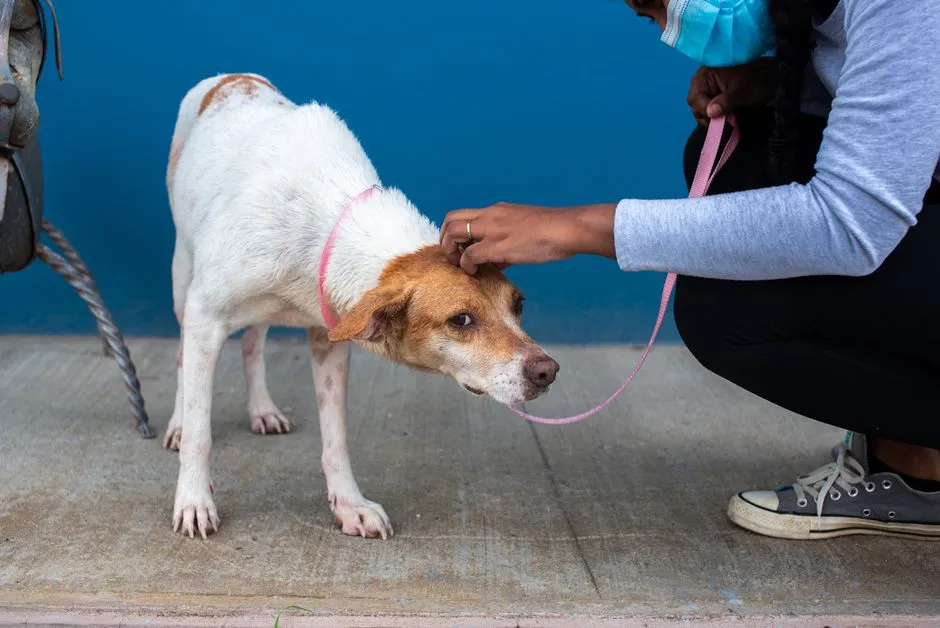
Looking at this list, it is tempting to swear off certain breeds forever, but that feels a bit too harsh and frankly unrealistic. Every one of these dogs can become a fantastic companion, and many of them do eventually become rock‑solid in the house. The catch is that with rescue dogs, you are often starting behind the starting line: past neglect, bad habits, medical issues, and plain confusion all pile onto the normal challenges of housebreaking.
My own opinion, after seeing these patterns over and over, is that the real issue is not that these breeds are “bad,” but that we routinely underestimate how long and how calmly we need to work with them. If you fall in love with one of these dogs, go in with your eyes open: plan for months of structure, not weeks, and assume that progress will be uneven. The payoff is a dog that finally trusts you, finally understands the rules, and curls up next to you on a clean couch in a house that no longer smells like panic and disinfectant. Knowing what you know now, would you still pick the “difficult” dog… or does that challenge secretly make you want them even more?

- 10 Rescue Dog Breeds Too Difficult To Housebreak - August 3, 2026
- 7 US States With the Most Wild Turkeys - August 3, 2026
- 6 US States With the Most Alligators - August 3, 2026