
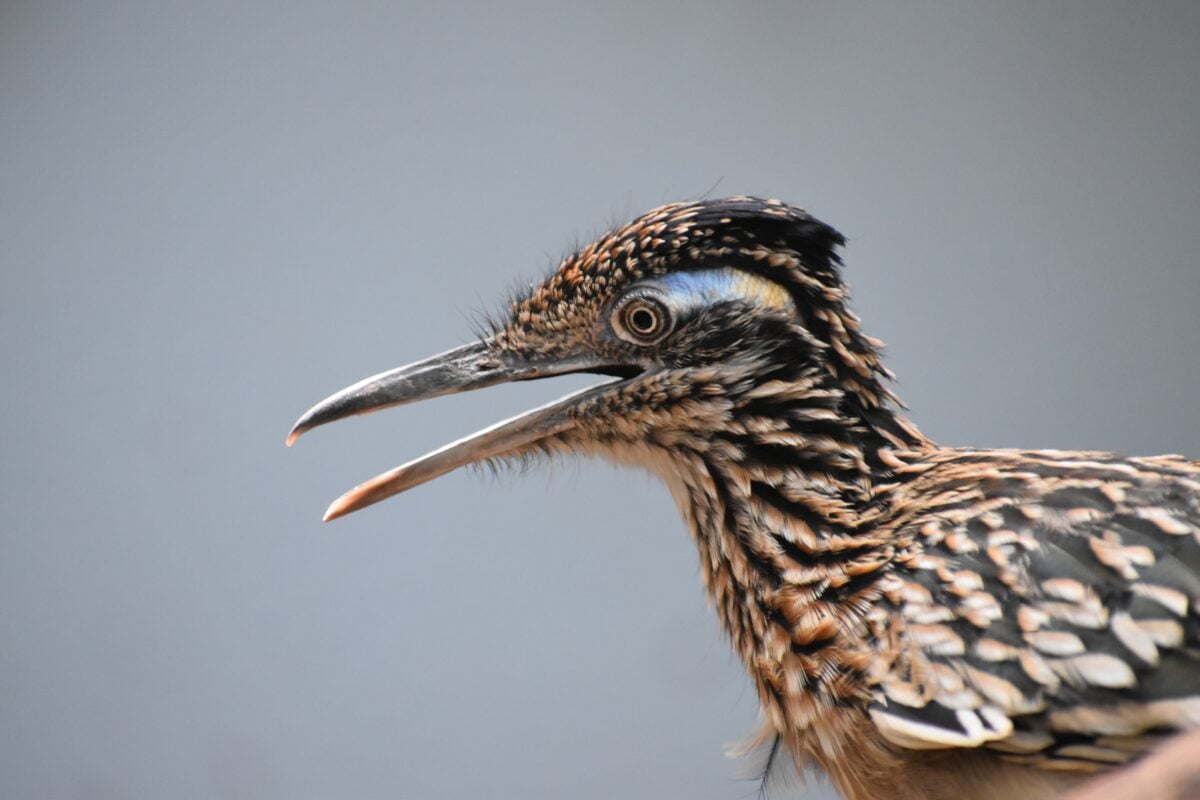
If you grew up watching cartoons, you probably think you already know everything about roadrunners: they are fast, they outrun trouble, and that is pretty much it. The real bird, though, is far stranger, tougher, and more fascinating than any animated version on a Saturday morning screen. The more biologists learn about roadrunners, the clearer it becomes that speed is just the flashy surface of a very deep story.
I still remember the first time I saw one in the desert and thought it looked like a tiny dinosaur with attitude, calmly sizing me up and then vanishing into the scrub. Since then, I have been hooked on how this bird lives right on the edge of what seems possible: extreme heat, scarce water, dangerous prey. Let’s dig into ten facts that show why the roadrunner is one of the wildest, most underrated birds in North America.
#1 They Are Ground Sprinters That Barely Bother to Fly
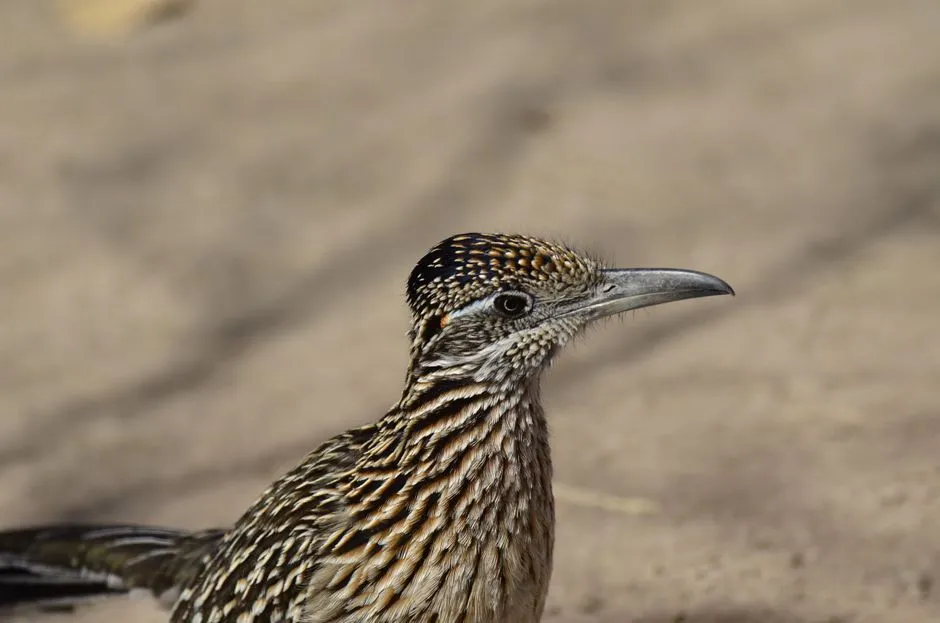
Here is the first surprise: for a bird with wings, the roadrunner is basically a land animal that treats flying like a last resort. It can fly short distances to escape danger or reach a perch, but most of its life plays out on the ground, feet pounding the sand like a tiny feathered sprinter. That is why its body is built low and sleek, with a long tail acting like a tightrope walker’s balancing pole when it zigzags through brush.
Instead of soaring like a hawk or gliding like a vulture, a roadrunner will usually explode into a quick dash, then hop onto a rock or shrub for a better view. Think of it more like a desert cheetah than a typical songbird. This ground-first lifestyle shapes almost everything about the species: how it hunts, how it escapes predators, and even how it communicates with its partner.
#2 They Are Fierce Predators, Not Gentle Seed-Eaters
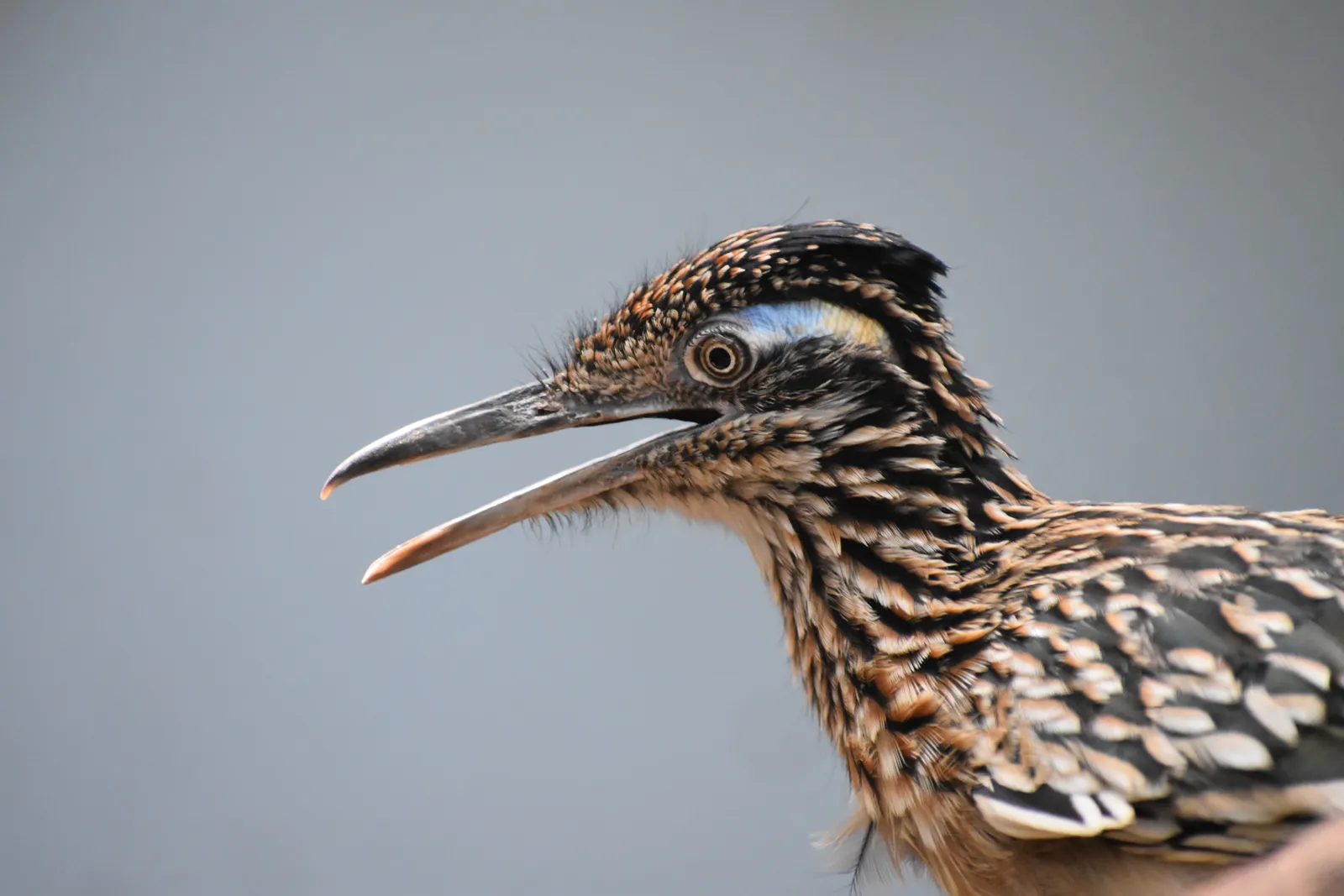
Another myth that dies fast when you watch a roadrunner up close is the idea of birds as fragile, seed-nibbling creatures. Roadrunners are carnivores at heart, and they do not hesitate to take on serious prey. They eat lizards, snakes, scorpions, mice, small birds, insects, and pretty much anything small and alive they can overpower. You are looking at a compact, desert hunting machine disguised as a quirky roadside mascot.
The way they hunt is brutally efficient. A roadrunner will stalk slowly, then lunge and grab a lizard or snake in its beak, and slam it repeatedly against a rock or the ground to kill or stun it before swallowing. It is the kind of behavior you might expect from a raptor, not a bird that looks like it should be posing on a postcard. Once you see that, it is hard to ever see roadrunners as cute background wildlife again; they are the working-class assassins of the desert food web.
#3 They Can Take On Venomous Snakes (Including Rattlesnakes)
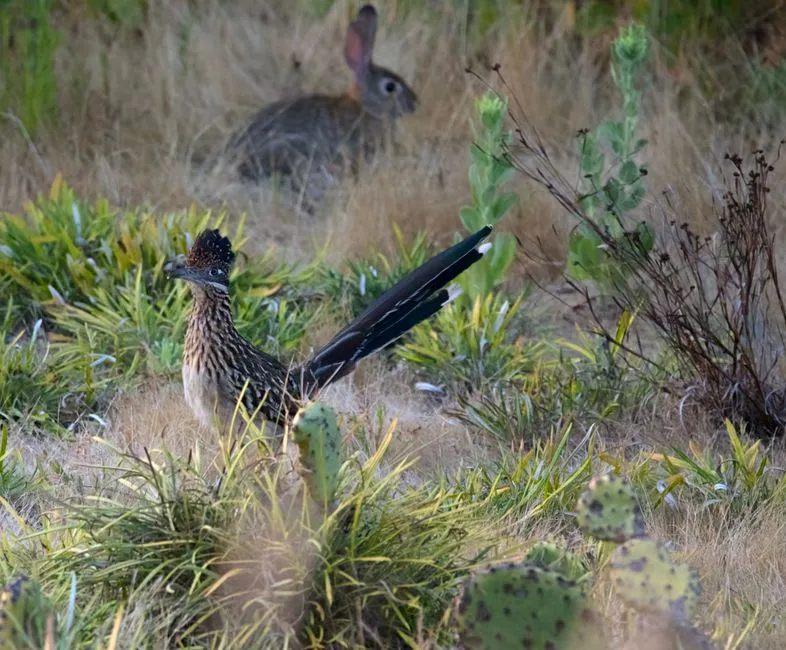
Most animals give rattlesnakes plenty of space, and for good reason. Roadrunners, however, occasionally do the opposite and turn a venomous snake into lunch. They rely on speed, precision, and a whole lot of nerve, darting in to grab the snake behind the head before it can land a strike. Sometimes a mated pair will even team up, with one bird distracting the snake and the other going in for the grab.
Once they get control, they use that signature move: slamming the snake against a hard surface until it is safe to swallow. It is important to be realistic here – this does not mean roadrunners are immune to venom or win every encounter. But it does mean they occupy a niche that very few birds dare to touch, balancing risk and reward in a way that makes them feel closer to a scrappy street fighter than a timid songbird.
#4 They Are Desert Survival Experts With Built-In Heat Hacks
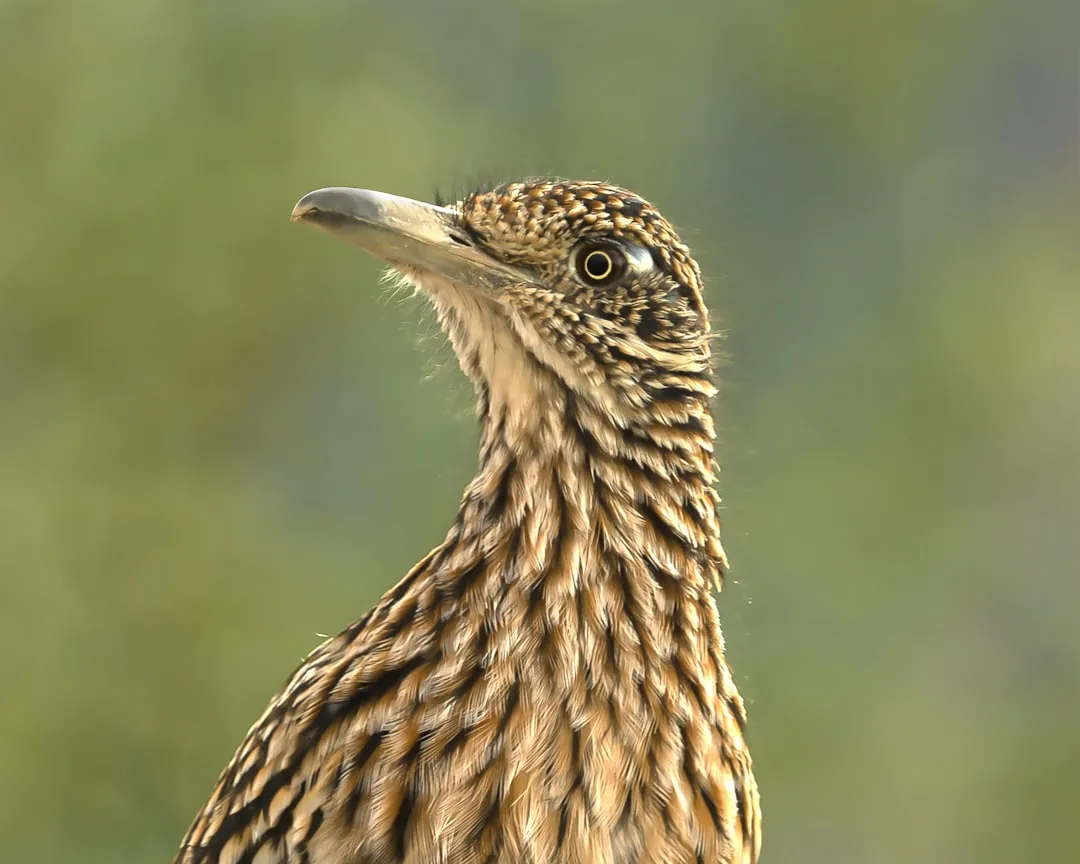
Living in hot, arid landscapes is like constantly playing a survival game on the hardest difficulty setting, and roadrunners have evolved some clever hacks to cope. During blazing midday heat, they often reduce activity, staying in the shade and conserving energy instead of racing around. In cooler mornings and evenings, they ramp up hunting and movement, using the more forgiving temperatures to their advantage.
They also rely on efficient water use. Instead of drinking often like many animals, they get much of their moisture from the prey they eat and from metabolic water produced when food is broken down. Their body is designed to conserve precious fluid, including excreting waste in a more concentrated form to avoid losing too much water. It is the desert equivalent of running your life on battery-saver mode all the time, only far more elegant and built into their biology.
#5 They Can Literally “Solar Charge” Themselves in the Morning
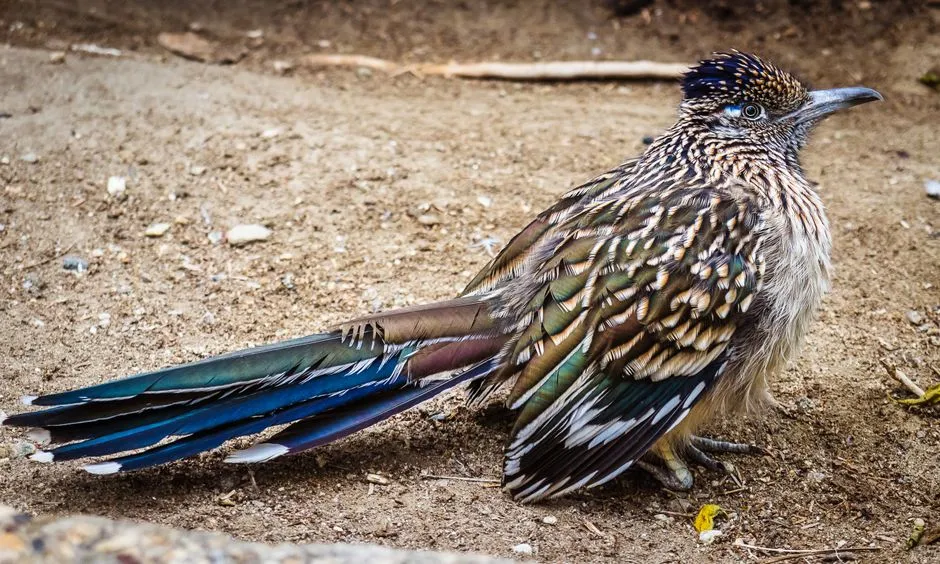
One of the most striking roadrunner facts feels almost science fiction: they use the sun as a daily power-up. In the chilly desert mornings, a roadrunner will often face the rising sun, fluffing the feathers on its back and sometimes exposing darker skin patches to soak up heat more quickly. This behavior helps warm their body efficiently after cold nights, like a living solar panel switching on at dawn.
For an animal with a high metabolism and relatively small size, losing heat overnight can be costly. By using the sun instead of burning extra energy solely through internal processes, roadrunners save fuel for more important jobs – like sprinting after prey or defending territory. When you see one standing still with feathers raised, it might look like it is just posing majestically, but it is really resetting its internal thermostat for another harsh desert day.
#6 They Are Surprisingly Social Partners, Not Lone Wanderers
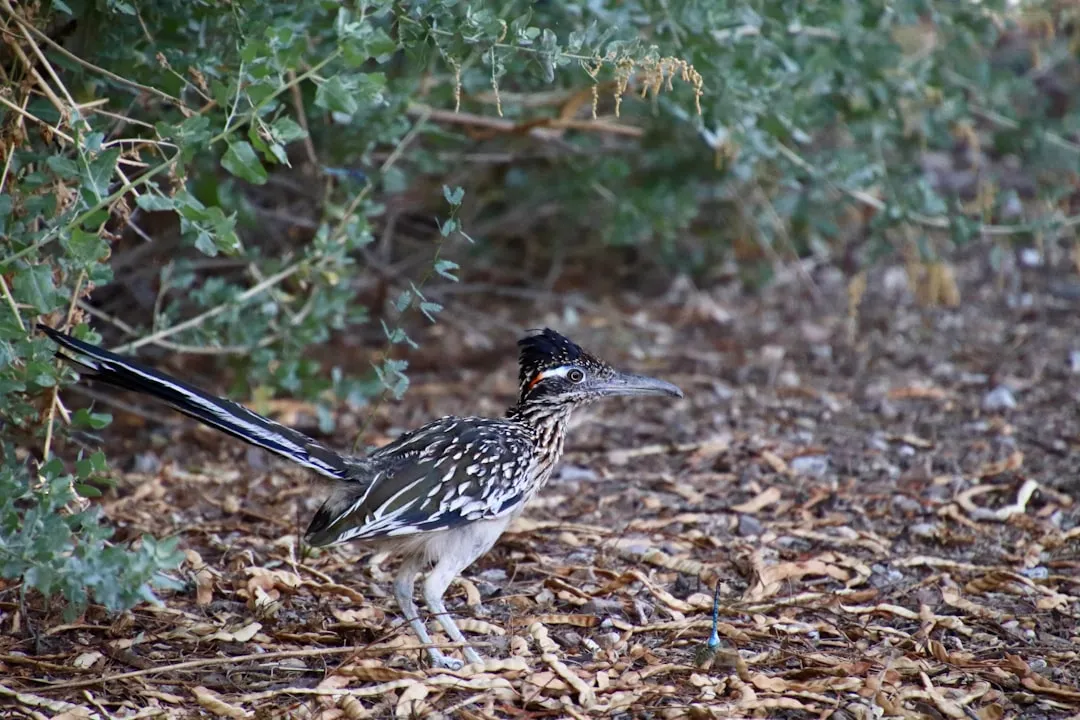
It is easy to picture roadrunners as solitary, slightly grumpy desert loners, but the reality is more complicated and, honestly, more touching. Many roadrunners form pair bonds that can last for multiple breeding seasons, with mates defending a territory together. They coordinate nest building, chick care, and patrol their home range as a kind of rough-around-the-edges power couple.
You will often see one bird stand watch while the other forages nearby, or both giving chase calls when an intruder appears. During breeding season, they engage in courtship displays and may even present food to each other. It is not a romantic movie, and nature can be harsh and messy, but there is something undeniably compelling about two scrappy desert birds teaming up to raise the next generation against all odds.
#7 Their Nests Are Functional, Messy, and Full of Odd Materials

Roadrunner nests are not delicate works of art; they are more like practical desert bunkers. Built in low trees, shrubs, or cacti, the nests are usually made from sticks and lined with softer material. What makes them especially interesting is their willingness to incorporate almost anything that works: grass, leaves, feathers, and sometimes even bits of shed snakeskin or human-made debris if it is available.
From the outside, the structure can look a bit chaotic, but function matters more than aesthetics. The nest has to protect eggs and chicks from the elements and from predators, while staying sturdy in wind and heat. I have always loved that about roadrunners: they are not here to impress anyone with interior design. They are here to get the job done in one of the harshest neighborhoods on the continent.
#8 Their Calls Sound More Like a Distant Mourning Than a Cartoon “Beep”
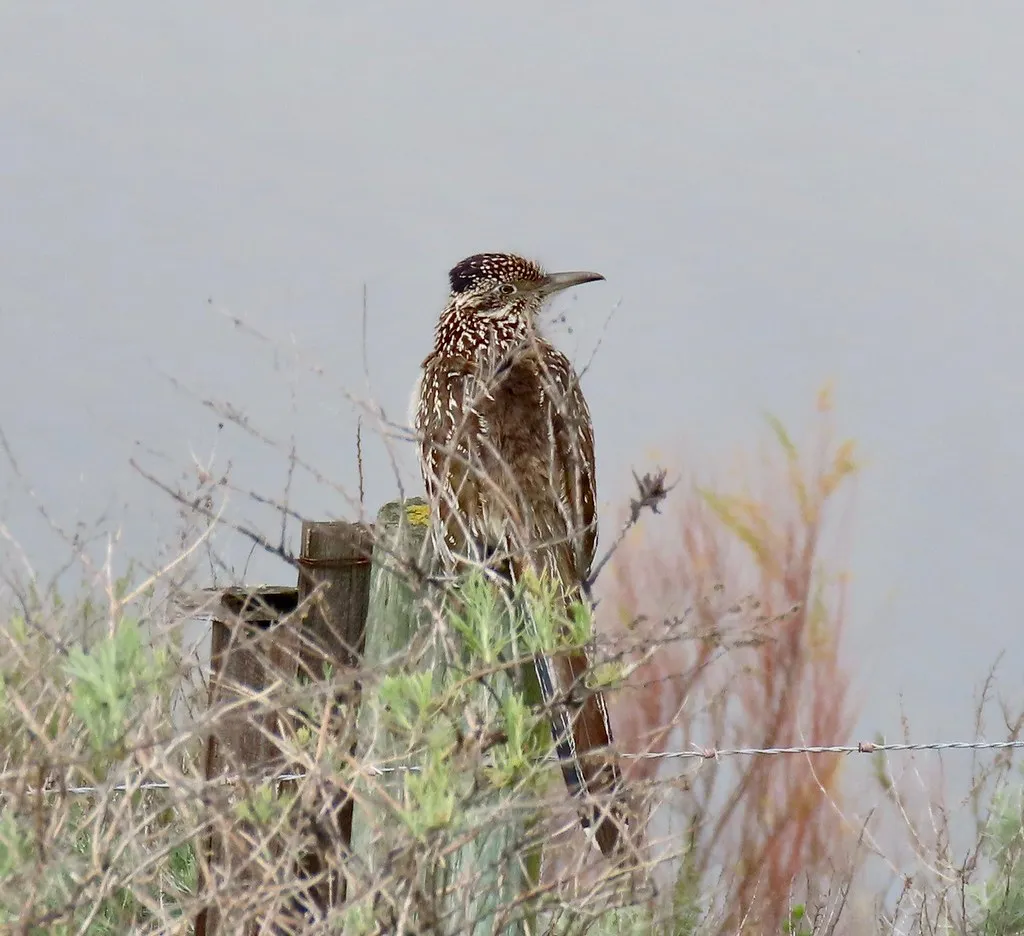
Cartoons trained a lot of us to expect a chirpy, high-pitched sound from roadrunners, but their real calls could not be more different. In the wild, their vocalizations are often low, cooing or moaning notes that carry over the landscape, almost like a dove that has spent too long alone out in the desert. These calls help mates stay in touch and signal territory without having to constantly see each other.
They also use a variety of other sounds and body signals: bill clacks, postures, and movements that say as much as a vocal call. When you first hear a roadrunner’s real voice, it can be surprisingly haunting, especially at dawn when the world is quiet. It is one more reminder that the cartoon version we grew up with is charming, but the real bird is far more complex, subtle, and a little bit mysterious.
#9 They Are Living Throwbacks With a Very Dinosaur-Like Vibe
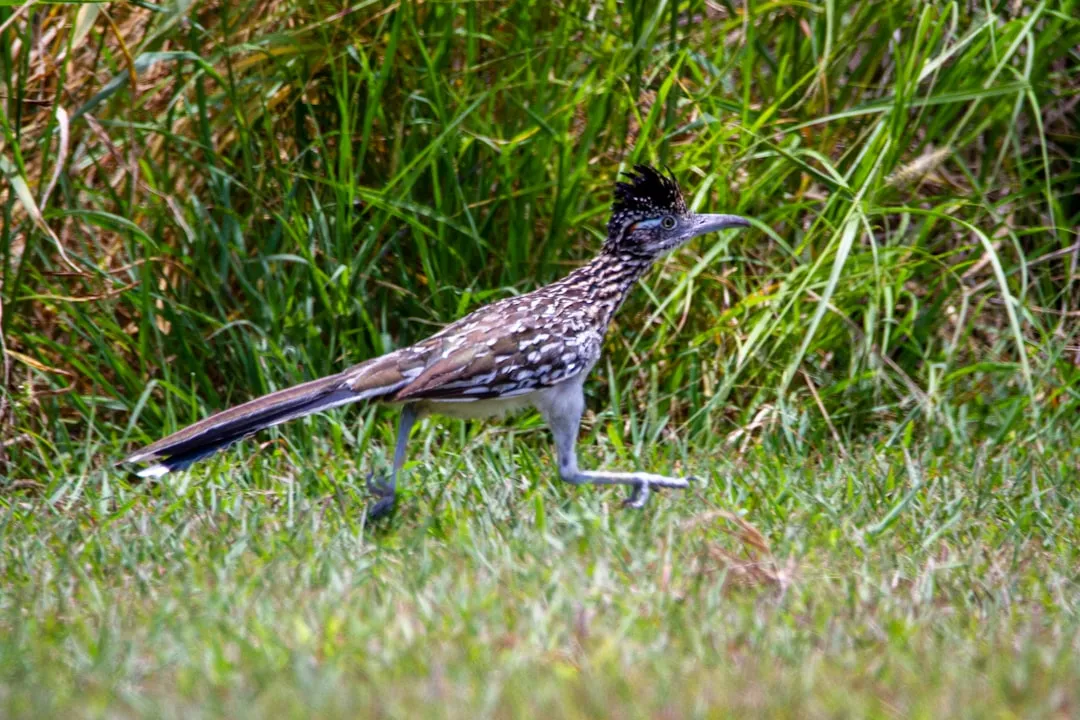
Watch a roadrunner walk or run, and it is hard not to think of small theropod dinosaurs. The long tail held out for balance, the forward-leaning posture, the quick, precise steps – they all give it a prehistoric flavor. Obviously, it is not an actual dinosaur roaming the roadside, but it is part of a bird lineage that shares deep evolutionary roots with those ancient predators.
That lineage shows in more than just looks. The combination of sharp beak, hunting style, keen eyesight, and ground-based lifestyle feels like a modern echo of a very old design that still works. To me, that is one of the most thrilling things about roadrunners: you can be driving down a modern highway, pass a gas station and a billboard, and then suddenly see a creature that feels like it stepped out of another era and just decided to keep up with the times.
#10 Their Future Depends on How We Treat the Desert They Call Home
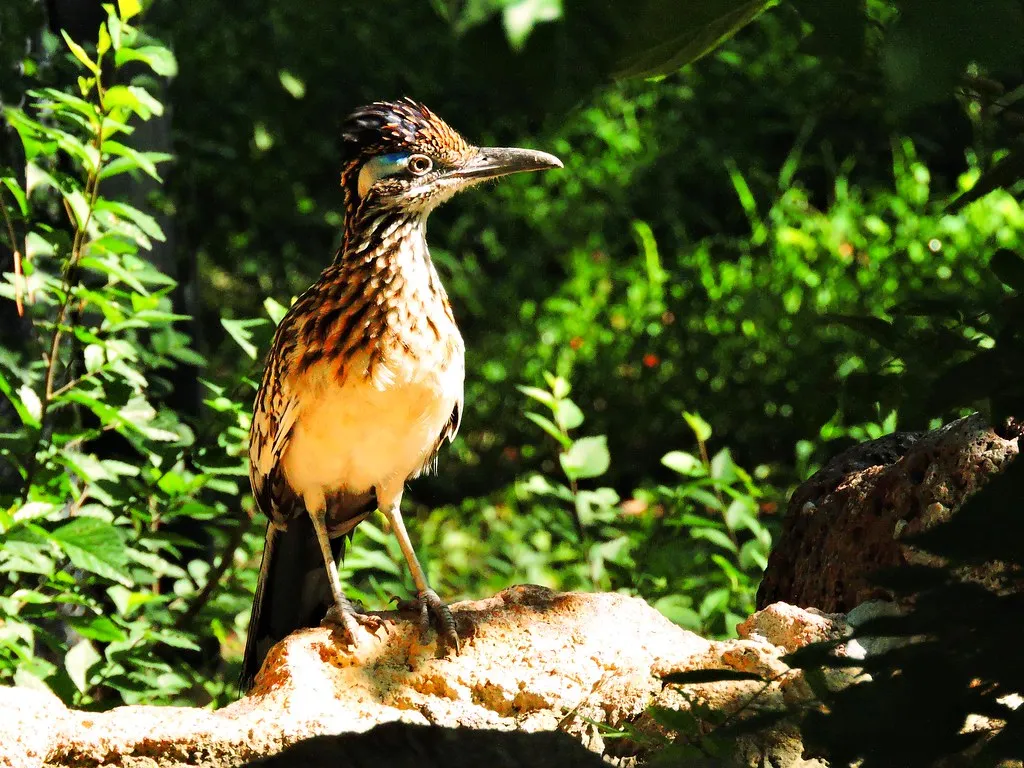
For all their toughness, roadrunners are not invincible. Habitat loss, sprawling development, and changes in desert ecosystems can chip away at the spaces they need to hunt, nest, and move safely. When we carve roads, build subdivisions, and clear natural vegetation, we chip away at the hidden infrastructure that keeps species like the roadrunner thriving. It is easy to forget that when you only see them as quirky roadside cameos.
Personally, I think roadrunners deserve to be seen as ambassadors for the desert, not just background extras. Protecting scrublands, limiting unnecessary sprawl, and keeping wild corridors intact is not abstract environmental talk; it is what keeps these fierce, strange, dinosaur-flavored birds in our everyday world instead of only in field guides. If we want future kids to spot a roadrunner and feel that same jolt of surprise and wonder, we have to decide that the desert is not empty land waiting to be “used,” but a living place worth leaving intact.
Conclusion: More Than Just Fast
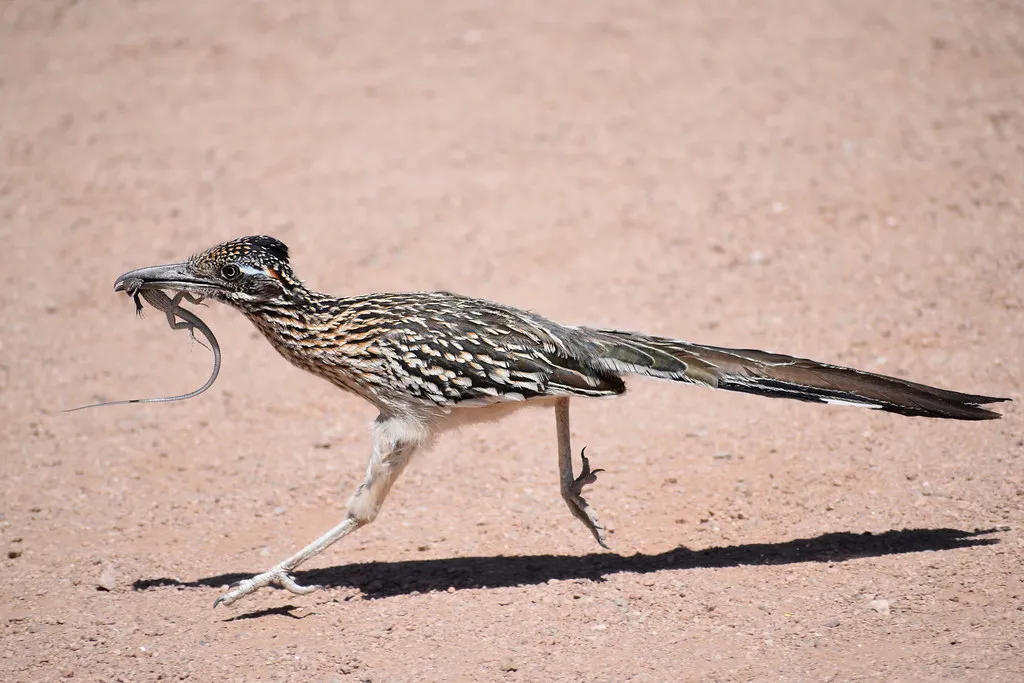
When you strip away the cartoon myths and really look at roadrunners, you get a bird that is equal parts athlete, predator, partner, and survivor. They are not just fast; they are inventive, tough, and deeply adapted to a landscape that does not forgive mistakes. In a world that often celebrates big, flashy animals, I think roadrunners quietly prove that some of the most impressive creatures are the ones sprinting past your car on an empty highway, completely focused on their next move.
If anything, they challenge us to take so-called “empty” places more seriously and to respect the small, sharp-edged lives that unfold there every day. Next time you are in roadrunner country, maybe slow down a little, scan the scrub, and see if you can spot that streak of motion and long tail. You might find yourself wondering, just for a second, who is really adapted better to this planet – you, or the bird that refuses to fly unless it absolutely has to. Did you expect all that from a roadside blur?

- 10 Facts About Roadrunners That Go Far Beyond Their Speed - August 3, 2026
- 10 Rescue Dog Breeds Too Difficult To Housebreak - August 3, 2026
- 7 US States With the Most Wild Turkeys - August 3, 2026