
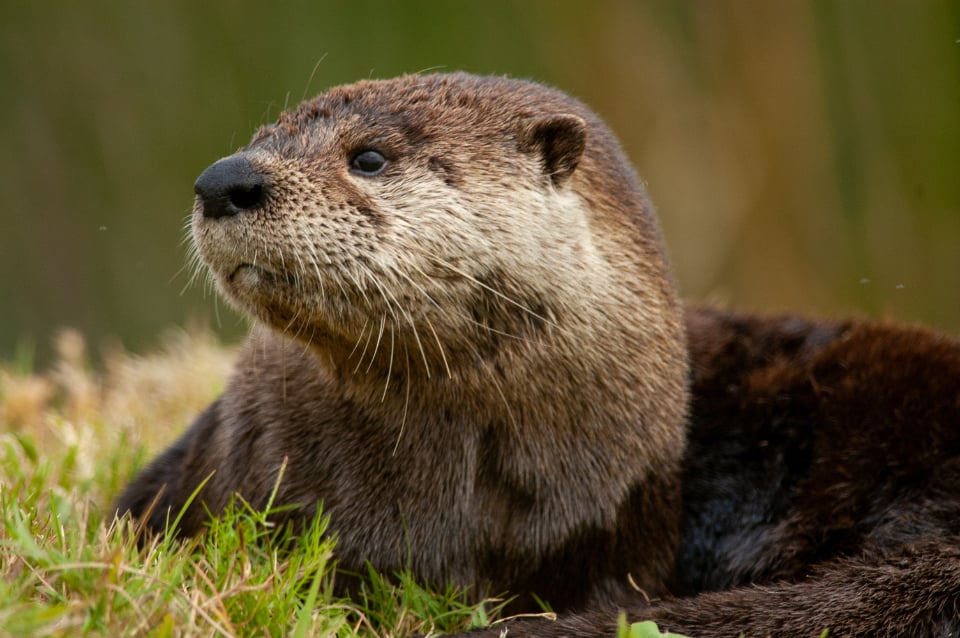
Watch a group of river otters for five minutes and you start to get the feeling they know exactly what they’re doing. They are not just cute chaos with whiskers; they are organized, responsive, and weirdly good at managing relationships. Under the splashing and play-fighting, there’s a social system that is a lot more sophisticated than most people realize.
Scientists who study otters talk about them in the same breath as other smart mammals like dolphins, dogs, and some primates. They form tight-knit groups, coordinate in real time, and solve social problems in ways that look strikingly familiar. Once you see how much strategy goes into their everyday lives, it’s hard not to rethink what “intelligence” really looks like in the wild.
#1 They Play Rough (On Purpose) To Build Trust And Skills
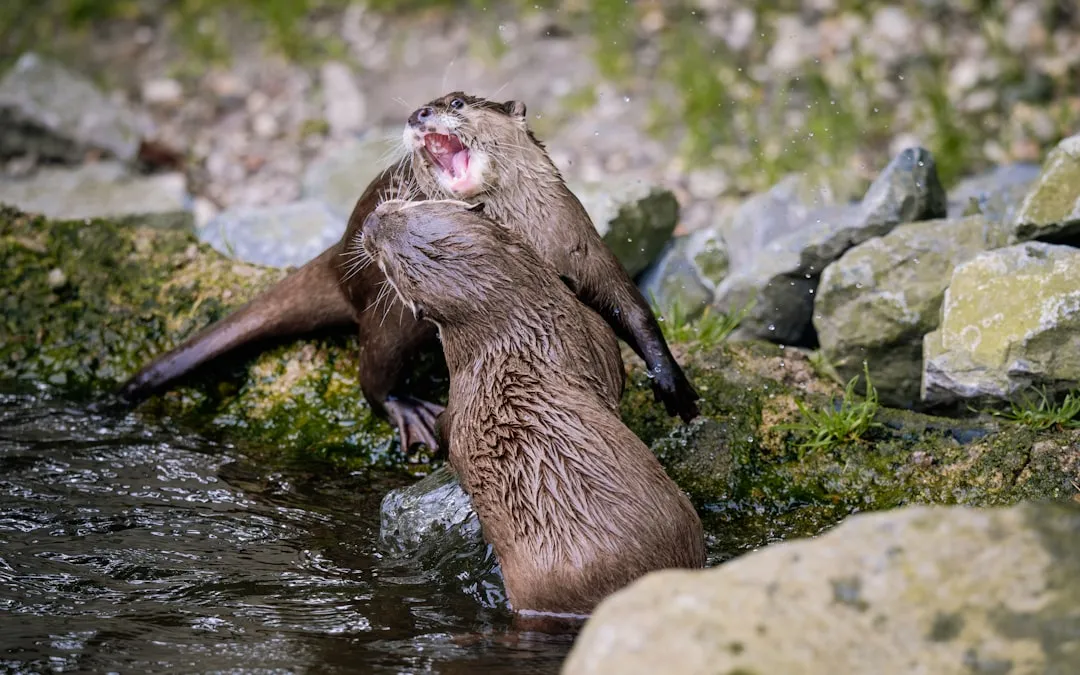
At first glance, river otter play can look like a noisy brawl: chasing, tackling, wrestling, sliding down muddy banks into the water again and again. But what seems like random fun is actually a carefully negotiated social workout. Otters pull their punches, take turns being the “winner,” and back off when a partner squeals or stiffens, which is a classic sign they’re reading each other’s comfort levels and adjusting.
This kind of rough-and-tumble play does more than kill time. Young otters are practicing hunting moves, learning how to navigate currents, and figuring out where they fit in the group without causing real injury. When you see them tumble together and then pop up side by side, relaxed and calm, you’re seeing a kind of emotional intelligence in action: using play to strengthen social bonds and rehearse serious life skills in a low-risk way.
#2 They Coordinate Group Hunts Like Tiny, Furry Strategists
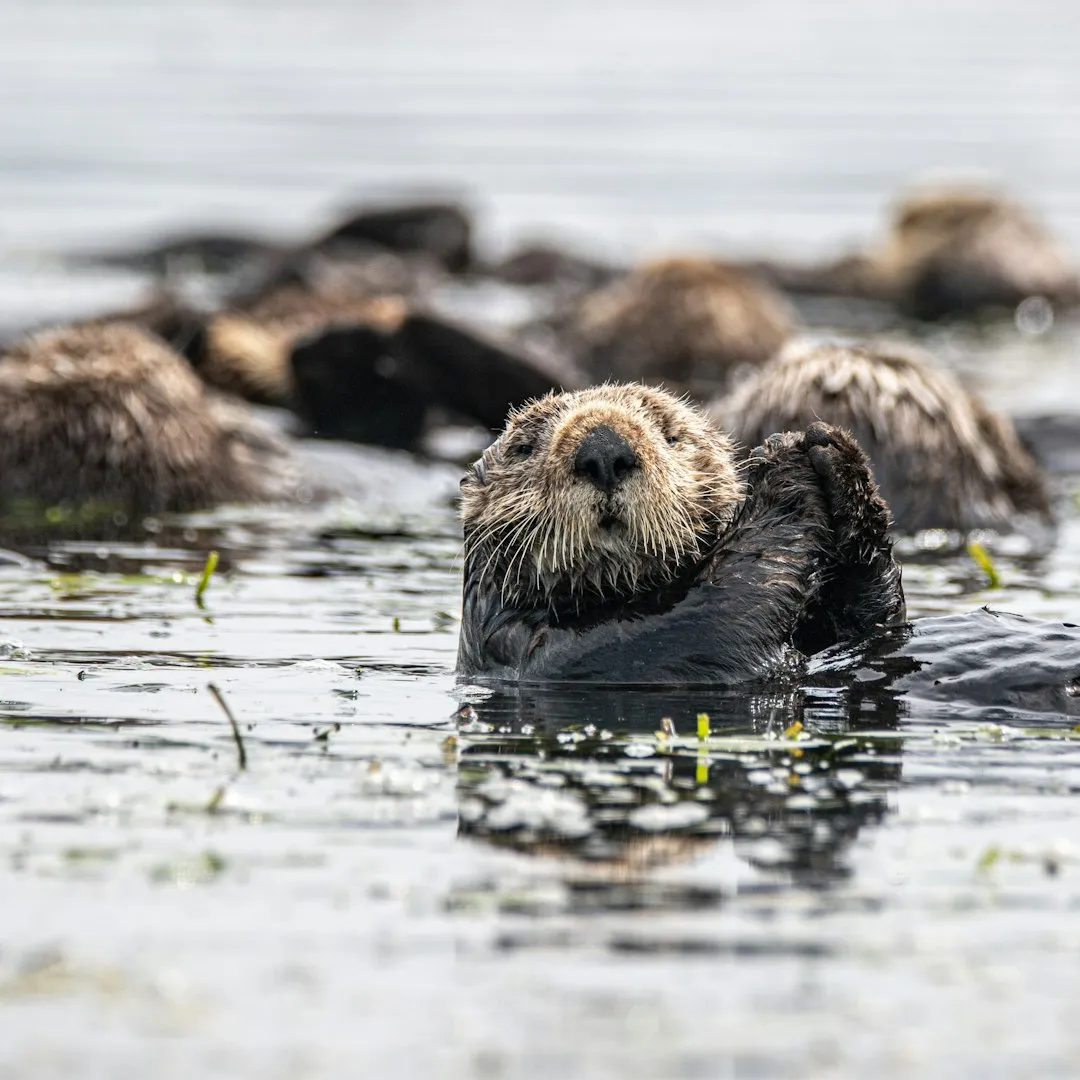
River otters are perfectly capable of hunting alone, but in many places they choose to work together, especially when fish are schooling or prey is tricky to catch. You’ll see them fanning out along a bank, diving in staggered patterns, or driving fish into shallower water where another otter is waiting. None of this works unless everyone is paying attention to what the others are doing and adjusting on the fly.
This kind of loose, flexible teamwork is a strong sign of social intelligence. The otters are reading body positions, splashes, and subtle sounds to predict their partners’ next moves. They adjust speed, direction, and timing the way a good basketball team reads the court, without having to stop and “talk it out.” When a group repeatedly pulls off coordinated hunts, it suggests they remember who is good at what, and lean into those strengths.
#3 They Use Vocal And Body Language To Negotiate, Not Just Noise
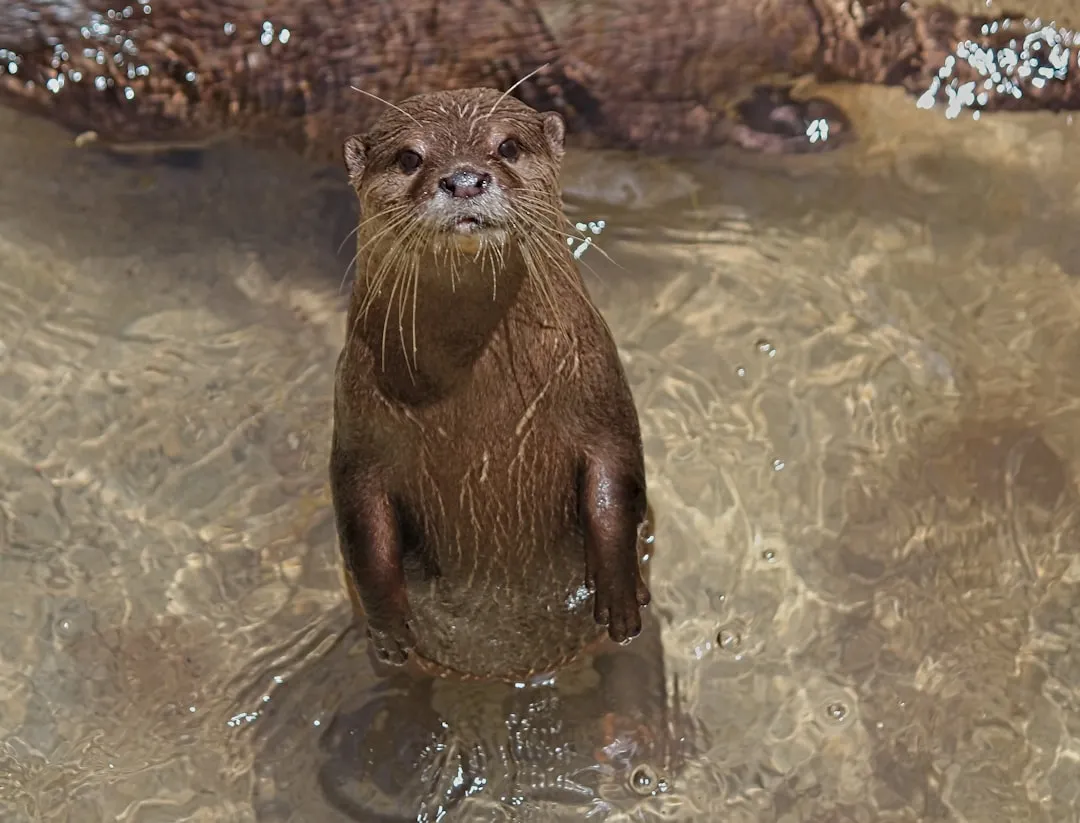
To human ears, otter sounds can blur into a lot of chattering squeaks, chirps, and snorts. But within those noises, there are distinct calls linked to alarm, contact, begging, and reassurance, and they rarely show up in random combinations. River otters pair these sounds with clear body cues: arched backs, tail positions, direct or averted gaze, and even how intensely they splash can shift the mood of an interaction.
Communication that complex is more than instinctive noise-making. It means individual otters can signal specific intentions like “come here,” “back off,” or “where are you,” and others can interpret and respond appropriately. In social mammals, that back-and-forth is how conflicts get defused before they turn bloody and how groups stay coordinated when visibility is low. When an otter hears a certain call and immediately abandons foraging to regroup, it’s making a fast social decision based on learned meaning.
#4 They Share Space And Resources With Flexible Social Rules
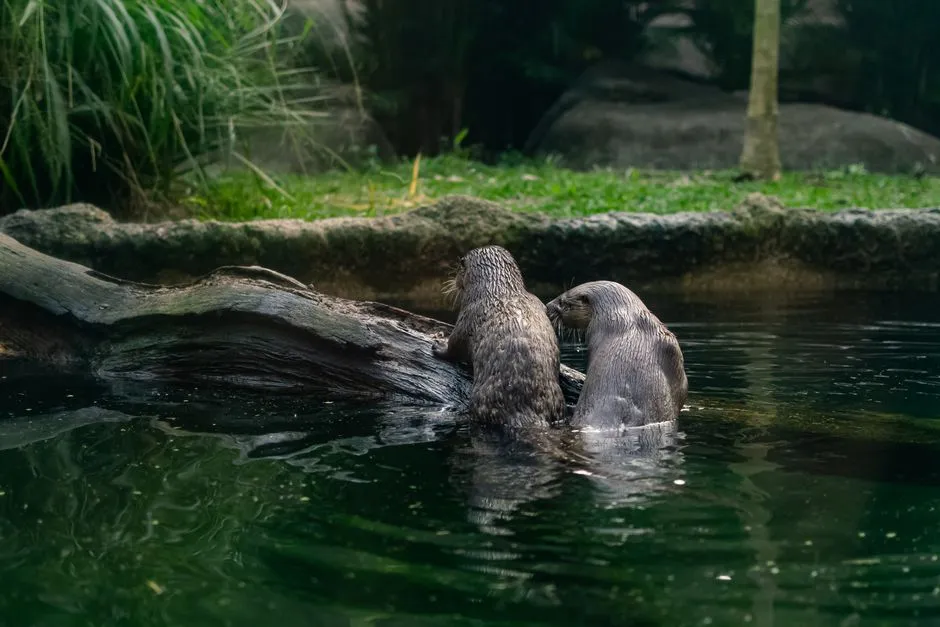
Unlike strictly solitary carnivores that defend rigid territories, river otters live on a spectrum: some individuals roam alone, others form family groups, and some males band together in loose coalitions. Instead of one fixed script, they adjust their behavior depending on who they’re with, what season it is, and how much food is around. That kind of flexibility is a mental workout, because the “right” move changes with the context.
In practice, this means they sometimes share prime resting spots or feeding areas without constant fighting, as long as everyone behaves within a certain unwritten code. Crossing that line can trigger aggressive posturing or chasing, but often it stops short of outright violence. The ability to tolerate some overlap, remember recent interactions, and decide whether a neighbor is “worth the trouble” points to a social intelligence that weighs costs and benefits rather than following a simple always-fight or always-flee rule.
#5 They Teach And Guide Their Young, Not Just Drop Them And Go
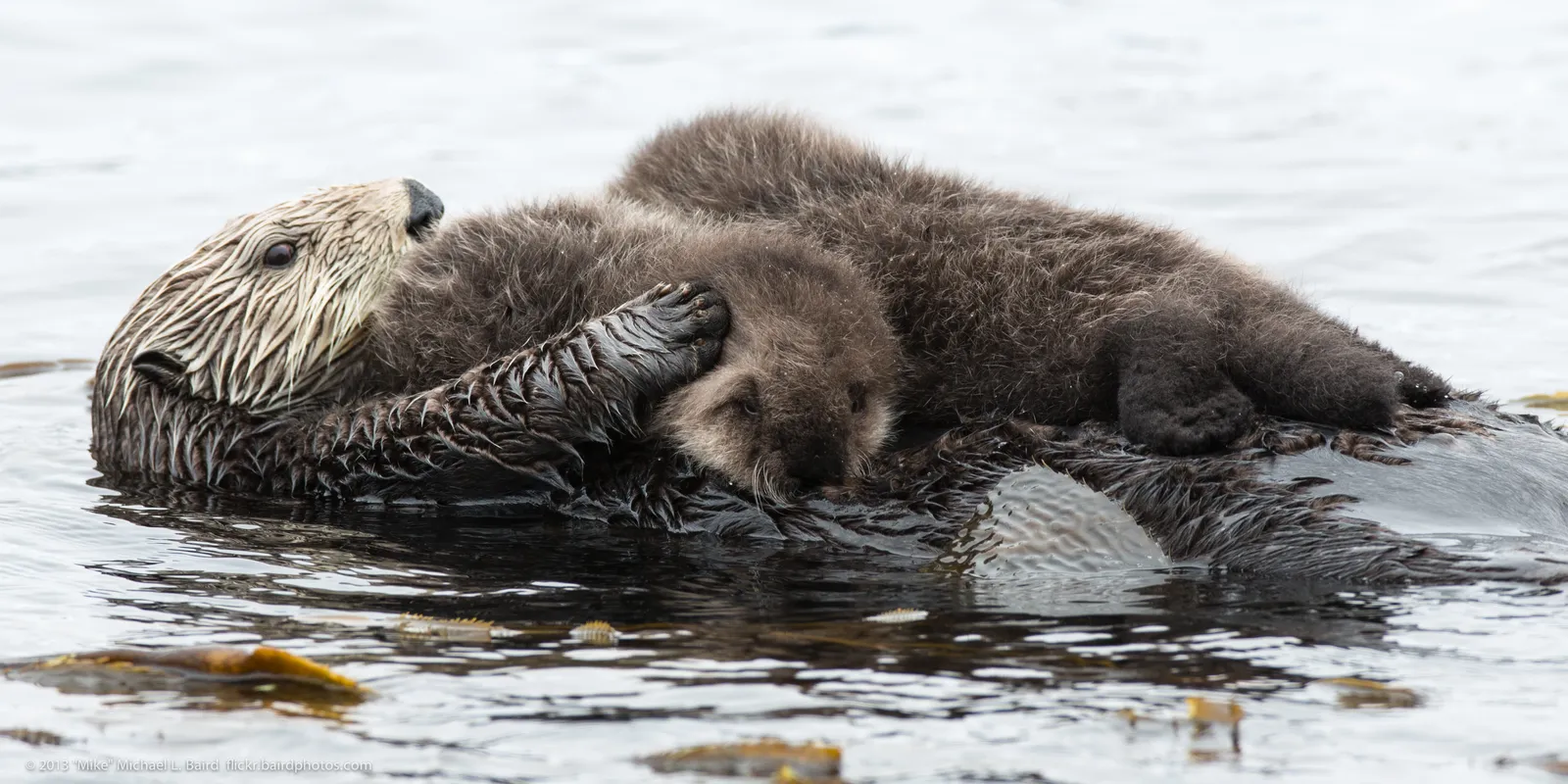
River otter mothers do a lot more than give birth and disappear. They guide pups to the water, sometimes physically hauling or nudging them in, then staying close as the little ones panic-paddle and learn. You’ll often see a mother circling back repeatedly, encouraging reluctant pups, and adjusting how much she helps based on how capable they seem that day.
This looks very much like teaching: breaking a hard task into manageable chunks and providing support that fades as the learner gains skill. It suggests that adult otters can evaluate what pups know and what they still need to practice, then tweak their behavior accordingly. You also see older siblings or juveniles sometimes joining in the care, playing more gently with tiny pups and more roughly with bolder youngsters, which hints that they are tracking age, size, and tolerance in a way that goes beyond pure instinct.
#6 They Recognize Individuals And Remember Social History
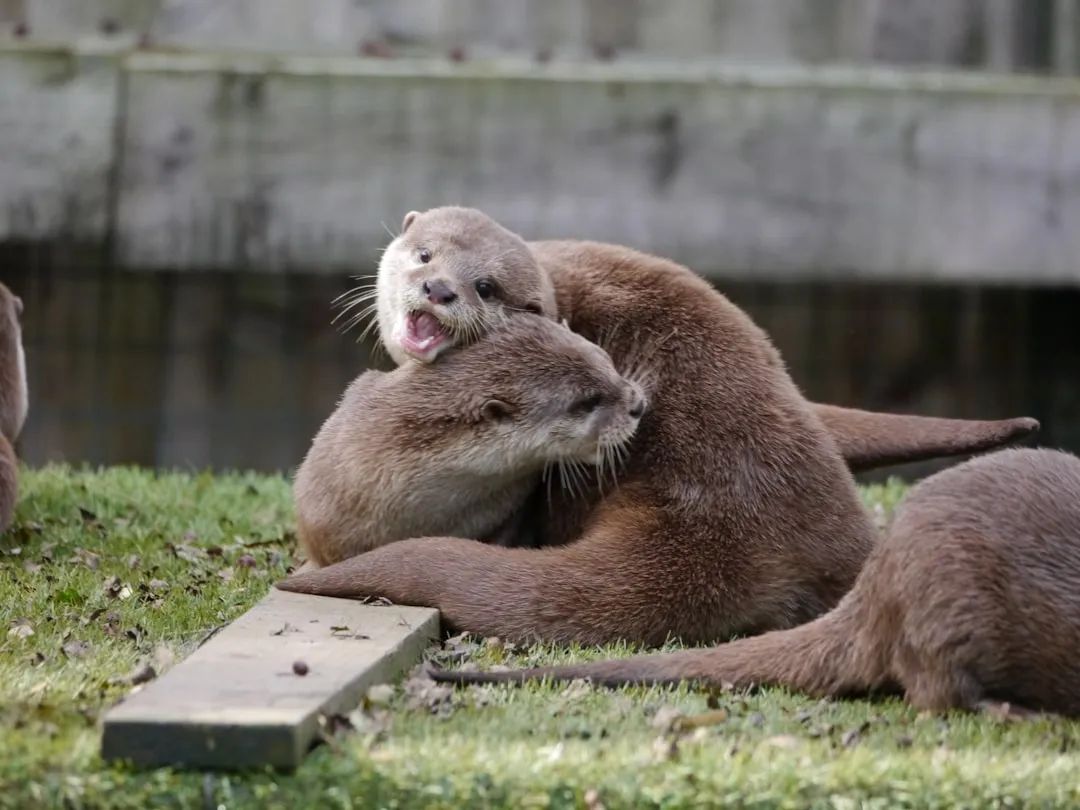
Anyone who has watched the same otter group over time notices familiar patterns: certain individuals tend to rest together, groom each other, or pair up in play more often than chance would predict. That kind of selective bonding means they can distinguish one group-mate from another, keep track of past interactions, and apparently develop preferences. Social grooming and nose-to-nose sniffing are not just random affection; they are ways of maintaining specific relationships.
Remembering who was friendly, who was aggressive, or who helped in a past conflict can shape how an otter responds the next time those two meet. That is, at its core, social memory. It allows them to build alliances, avoid bullies, and invest energy into reliable partners. In human terms, it’s the difference between treating everyone as a stranger every morning and actually having friends, rivals, and that one neighbor you’re still not sure you trust.
#7 They Play Politician When Conflicts Break Out
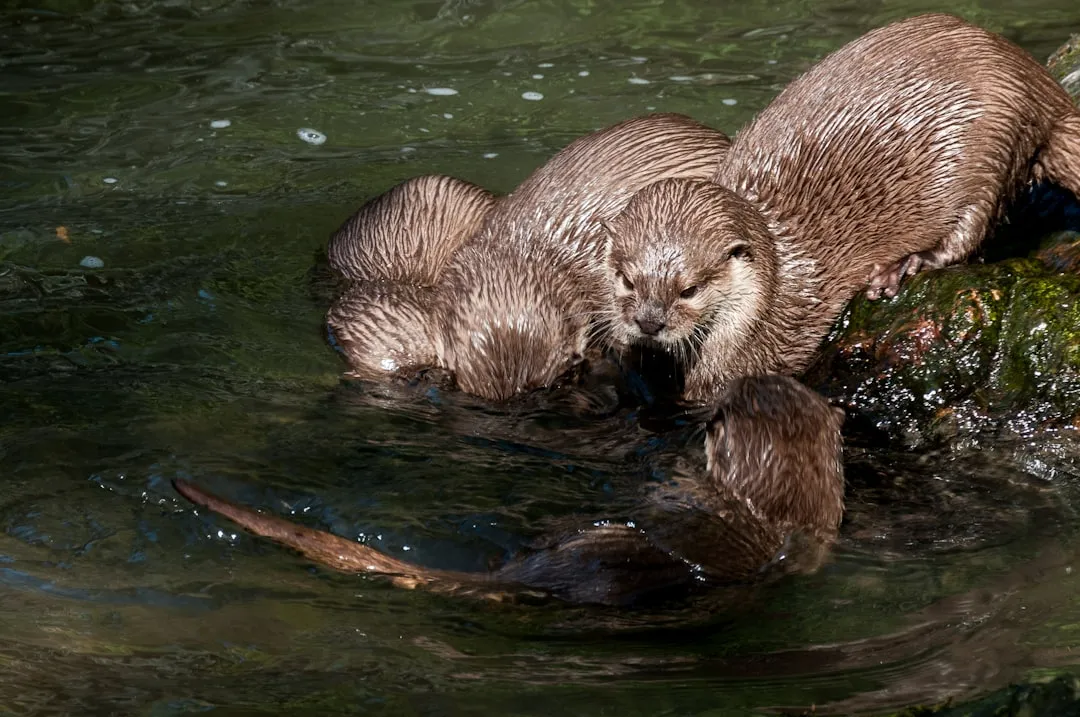
River otters are not strangers to conflict: they squabble over food, space, and attention, and occasionally fights can become serious. But far more often, you see a fascinating pattern of posturing, loud vocalizing, and quick retreats that stop short of true combat. Individuals may puff themselves up, thrash the water, or lunge and pull back, essentially bluffing to test the opponent’s resolve before committing to a dangerous fight.
Even more telling, you sometimes see group-mates stepping in, approaching from the side, or distracting one of the combatants, which can defuse tension. This looks a lot like basic conflict management, with individuals weighing whether the cost of fighting outweighs the benefit. In social species, avoiding unnecessary injury is a huge survival advantage, and otters seem to be quite skilled at reading when to push harder and when to back away with their pride mostly intact.
#8 They Explore Together And Learn From One Another
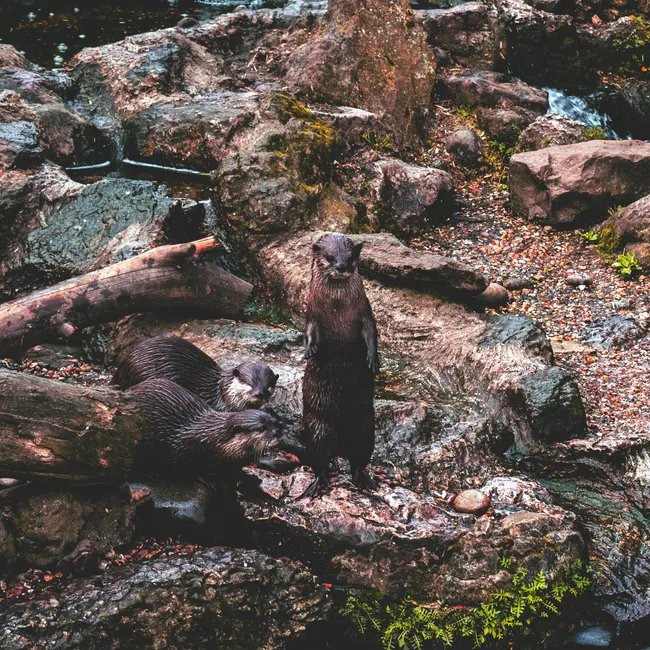
River otters are naturally curious, poking into crevices, sniffing under logs, and investigating anything new in their environment. When one discovers something interesting, others often come over to check it out, watching closely how the first individual behaves. This kind of social learning saves time and energy: instead of each otter reinventing the wheel, they can copy successful foraging tricks, safe routes, or clever ways to handle slippery prey.
You can think of it as a loose cultural transmission of useful habits, passed from experienced animals to younger ones simply by being near and paying attention. That ability to watch, imitate, and refine what others do is a quiet but powerful form of intelligence. It lets river otters adapt faster to changes in their rivers and lakes, and it hints that, under the surface, their societies have more tradition and shared know-how than we give them credit for.
Conclusion: Otters Force Us To Rethink What “Smart” Looks Like
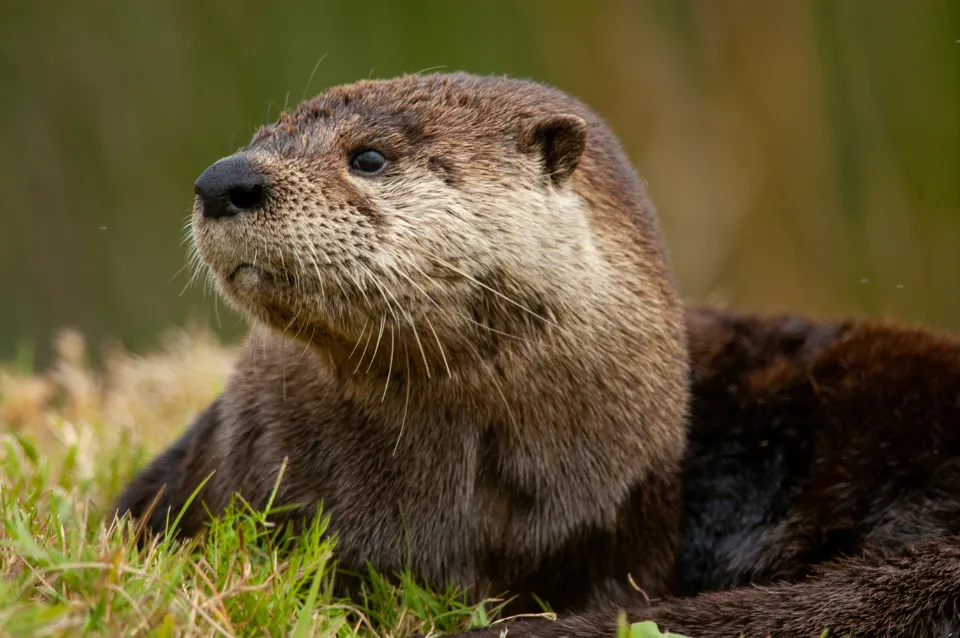
The more closely you look at river otters, the harder it is to see them as just playful background characters in a nature documentary. Their lives are full of negotiation, teaching, strategic cooperation, and emotional nuance, all packed into sleek bodies built for water. In my view, we have been underestimating them, mostly because their intelligence is expressed through games, splashes, and subtle social choices instead of tools or human-like problem solving.
Personally, I think river otters belong in the conversation whenever we talk about socially intelligent animals, right alongside better-known stars like dolphins and elephants. They challenge our habit of equating seriousness with smarts and remind us that joy and play can be signs of a sharp, adaptable mind. Next time you see one slide into a river with friends in tow, it might be worth asking yourself: how much of that is just fun, and how much is a kind of quiet genius we’re only starting to notice?

- 8 Things River Otters Do That Reveal Their Social Intelligence - August 3, 2026
- The Role of Weather in the Seasonal Behavior of Animals - August 3, 2026
- How Cold Snaps Challenge Arctic Animals - August 3, 2026