

Most people assume any dog under 20 pounds is basically apartment-proof. That assumption has cost new owners eviction notices, furious landlords, and a few too many 2 a.m. howling matches through thin walls.
Size has almost nothing to do with it. Energy, noise, and emotional wiring decide whether a dog settles into small-space living or slowly falls apart in it. Some 90-pound dogs practically live like sleepy house cats, while a few pint-sized “cute” breeds turn quiet buildings into a nightmare. Here are the 18 breeds that genuinely thrive in tight quarters – and the 8 that almost never truly settle, no matter how much you love them.
#1 – French Bulldog: The Chill Clown of City Living
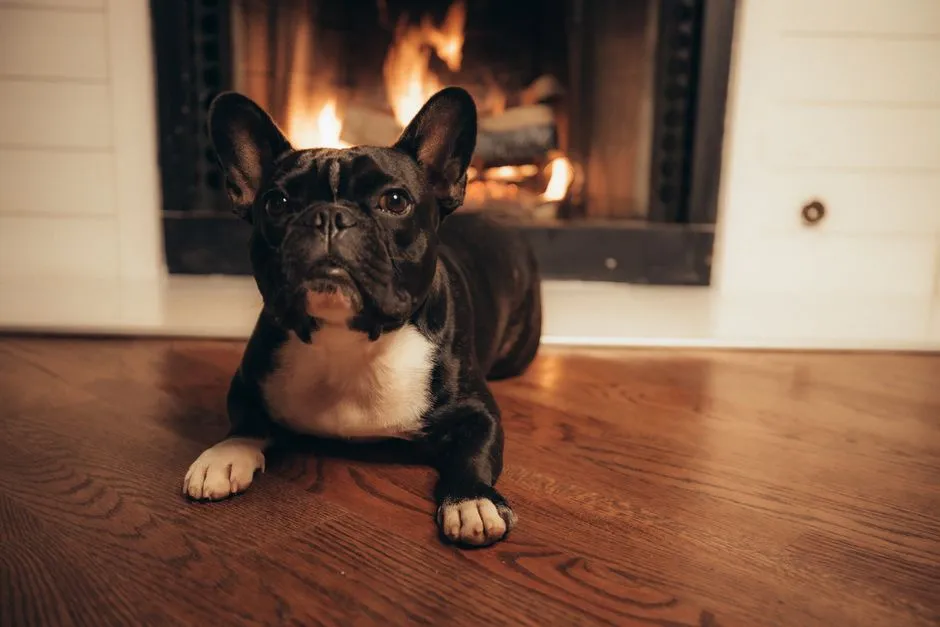
French Bulldogs might be the closest thing to a “designed for apartments” breed you’ll ever find. They’re compact, usually under 30 pounds, and famously low-energy compared to most small dogs. A few short walks and some indoor playtime are often enough to keep them satisfied.
That doesn’t mean they’re maintenance-free. Frenchies can snore, snort, and struggle badly with heat, so AC and short outdoor sessions are non-negotiable, and many owners underestimate vet costs tied to those adorable smushed faces. Still, their quiet nature and “happy to chill” personality make them one of the most popular small-home dogs on the planet.
#2 – Cavalier King Charles Spaniel: Velcro Dog in a Tiny Package

Cavaliers are the classic “lap dog who also kinda wants to go hiking.” In small homes, they shine because they’re surprisingly adaptable and naturally soft-tempered, bonding intensely with their humans and happily shadowing you from room to room.
The trade-off is real separation anxiety. A Cavalier left alone for long workdays in a studio can become stressed and vocal, so plan on two decent walks plus a short play session to keep them sane. If you want a small, sweet, low-drama dog and you’re home a lot, Cavaliers are genuinely hard to beat.
#3 – Greyhound: The “Giant Cat” That Outsmarts Studio Limits
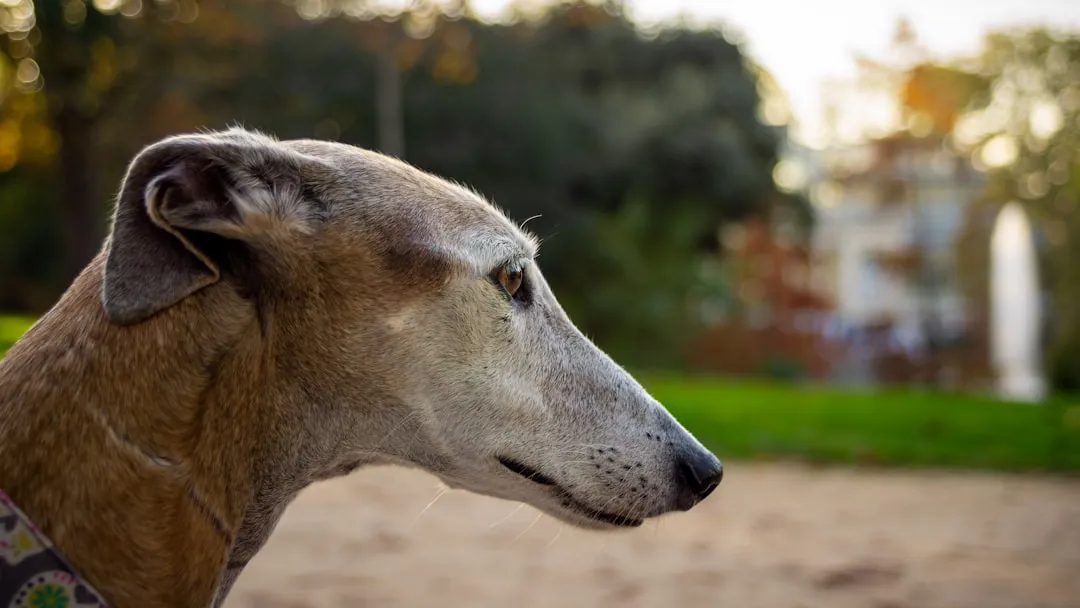
Most people see a Greyhound and assume no way that racer belongs in an apartment. Trainers quietly laugh at this, because adult Greyhounds are shockingly lazy indoors and sleep 16 to 18 hours a day. Their famous speed is sprint-based, so once retired, many are happy with one solid walk or a quick zoom in a fenced area.
They fold up beautifully onto a couch and rarely stomp around the way heavier breeds do. The main challenge is sensitivity: loud hallways, elevators, and chaotic buildings can overwhelm newly retired Greyhounds. Even so, as “large dogs for small homes” go, they’re one of the biggest open secrets in rescue circles.
Fast Facts
- Adult Greyhounds typically sleep 16 to 18 hours a day
- Average weight ranges between 60 and 70 pounds
- Built for short, explosive sprints rather than long runs
- Most retired racers only need one solid leashed walk daily
#4 – Bichon Frise: The Cheerful Cloud That Doesn’t Shed Everywhere
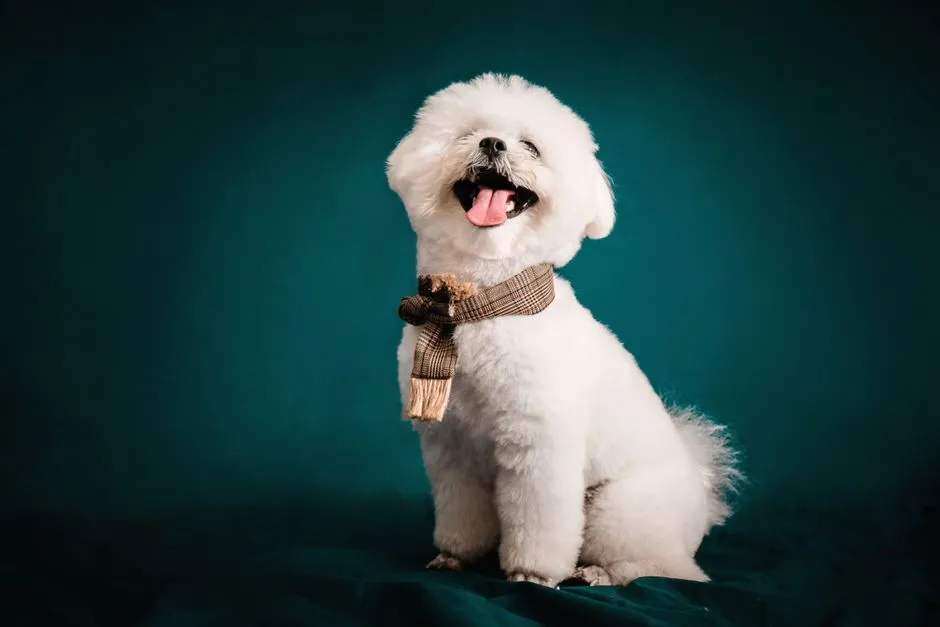
The Bichon Frise looks like a walking cotton ball, and in most apartments, that’s exactly the energy they bring: light, bright, and bouncy without wrecking your square footage. Typically under 15 pounds, their coat sheds very little, which many landlords quietly appreciate.
The catch is grooming. Regular professional trims and at-home brushing are mandatory, or you’re looking at painful mats. Bichons also hate being ignored, and a bored one can slide straight into barking or destructive habits. Owners willing to invest the effort get one of the most joyfully manageable small-home dogs around.
#5 – Shih Tzu: Palace Dog Turned Apartment Royalty

Shih Tzus were literally bred to live in palaces, not on farms, and that history still shows. These dogs are usually content with short walks and long cuddle sessions, which makes them ideal for studio and condo life.
They’re less yappy than many toy breeds when properly socialized, and sturdier than people expect – not the fragile ornaments they look like. They’re just not built for intense sports or marathon hikes, so if you want a dog that thrives in 600 square feet without constant activity demands, they’re quietly one of the best picks out there.
#6 – Pug: Goofy, Compact, and (Usually) Couch-Approved
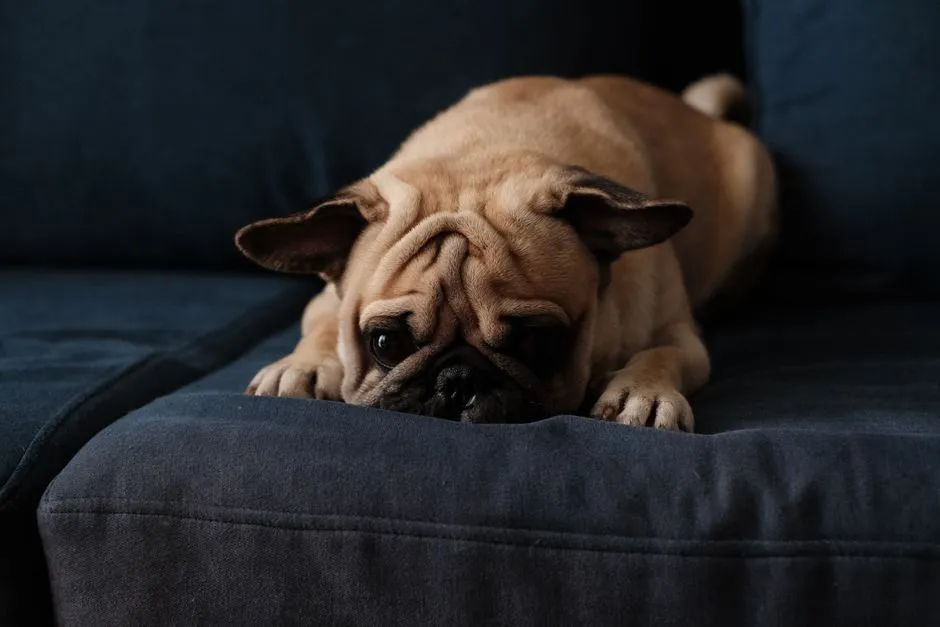
Ask any city vet which dogs they see over and over in apartments, and Pugs are nearly always on the list. These sturdy little clowns are prepared to spend half the day snoring on your lap, and they’re usually friendlier and quieter than other toy breeds in thin-walled buildings.
But Pugs come with real health caveats. Their short noses mean overheating, respiratory trouble, and exercise intolerance are serious concerns, not minor quirks. Owners who understand those limits and can absorb potential vet bills get an incredibly loving, low-distance roommate – just not the “low-maintenance” dog people assume.
At a Glance
- Average weight: 14 to 18 pounds
- Exercise needs: two short walks, weather permitting
- Coat: short, moderate shedder
- Watch for: overheating and breathing strain in warm months
#7 – Chihuahua: Tiny Body, Big Personality That Needs Management
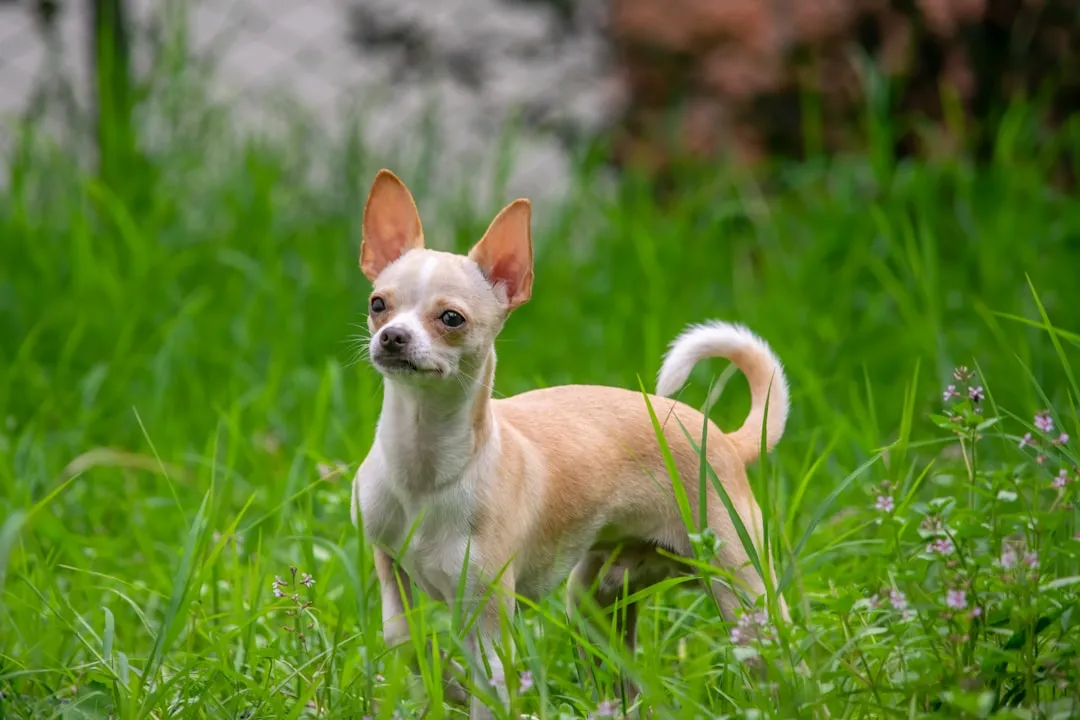
On paper, Chihuahuas look like the ultimate apartment dog: pocket-sized, cheap to feed, easy to carry. In reality, they’re one of the most misunderstood small breeds in tight spaces, because their confidence and “big dog in a tiny body” attitude can spiral into nuisance barking fast.
Well-socialized, well-trained Chihuahuas don’t need long walks and bond fiercely with their people, which is perfect for solo city dwellers. The real problem is that too many owners baby them instead of training them. Treat a Chihuahua like a real dog, and it can thrive in even the smallest studio.
#8 – Dachshund: The Sausage Dog Who Owns the Sofa

Dachshunds may have been bred for hunting, but most modern Doxies are more interested in burrowing under your blanket than tunneling after badgers. They’re long, low, and perfectly apartment-sized, with exercise needs that stay moderate rather than extreme.
Their biggest downside indoors is noise. Dachshunds were designed to “talk” to hunters underground, and without training that instinct turns into constant door-bellering. Back issues are another real risk, so many small-home owners invest in ramps or pet stairs to protect that famous long spine.
#9 – Boston Terrier: Compact Athlete Who Still Fits a One-Bedroom

Boston Terriers are like the sporty city friend of the dog world – small, muscular, and energetic without being unhinged. Compared to many terriers, they’re less barky and more people-pleasing, which your neighbors will genuinely appreciate.
They do need real exercise, not just hallway strolls: think brisk walks, a game of fetch, or tug sessions indoors. Like other flat-faced breeds, they’re sensitive to heat, but their versatility – keeping up with an active owner while also switching off completely indoors – makes them one of the best first apartment dogs out there.
#10 – Maltese: Quiet, Devoted, and Built for Lap Life
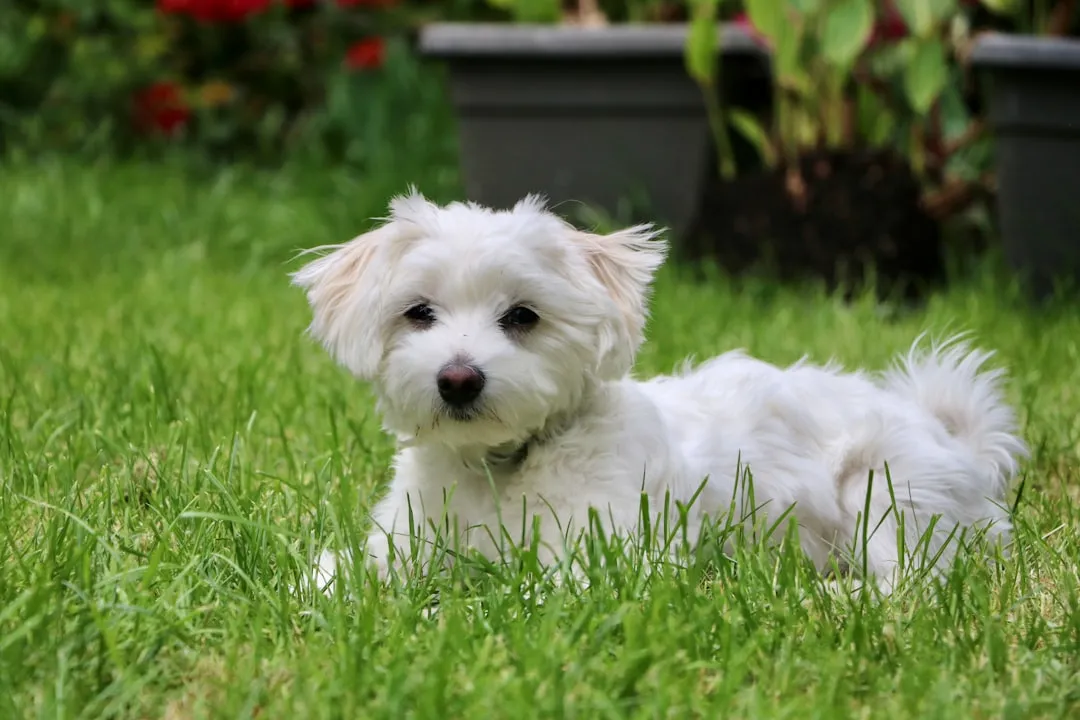
If you’re in a thin-walled apartment and noise is your number one fear, the Maltese deserves a serious look. Well-bred, well-socialized Maltese are often quieter than other toy breeds and deeply human-oriented, making them easy housemates without big yards or intense workouts.
They do expect to be included, though – this isn’t a dog you leave alone for 10 hours and “make up for it” on weekends. Their silky coats need grooming discipline, but with consistent training they’re polite and stable even in busy buildings. For remote workers or downsizing retirees, the Maltese is criminally underrated.
#11 – Pekingese: Low-Energy Royal Who Doesn’t Need a Yard
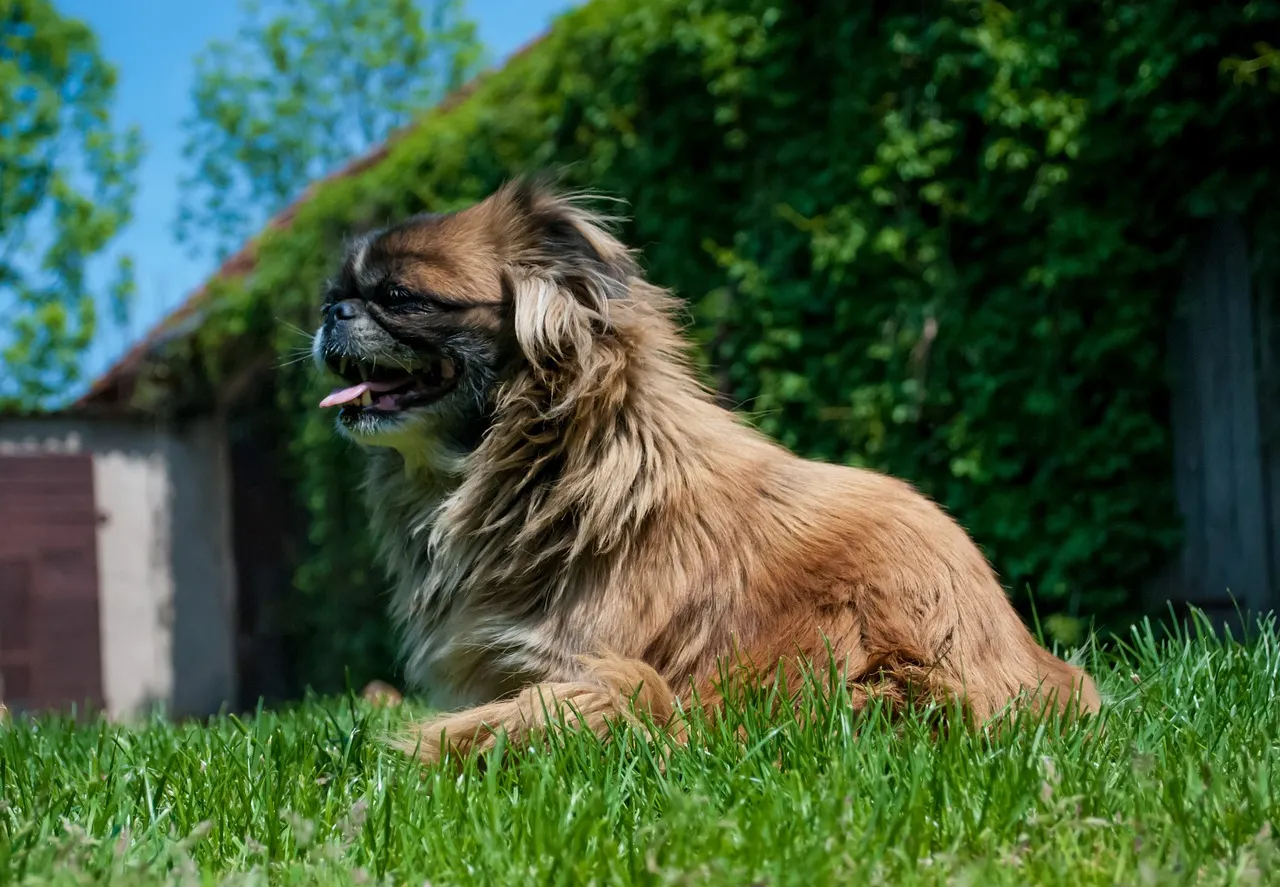
The Pekingese proves energy level matters more than square footage. These dogs are typically happy with short, slow walks and lots of lounging, which makes them extremely compatible with stairs, elevators, and small homes in general.
They’re independent and a bit aloof with strangers, which in a busy building is actually a blessing. Grooming is heavy, and their flat faces bring the usual heat sensitivity, but for people who want a quiet, dignified, low-activity roommate, Pekingese are an overlooked perfect fit.
#12 – Havanese: Social Butterfly Made for Condo Community Life

If your small home is in a busy building where you actually like your neighbors, the Havanese might be your ideal fit. They’re small, cheerful, and famously adaptable to urban living, often thriving on the buzz of elevators, lobbies, and sidewalk cafés.
Their coat sheds less than average, which helps in tight spaces, and they’re bright enough that teaching “quiet” and polite greetings early works well. Skip that training, though, and they can slip into barking at every hallway noise. For social singles or families, Havanese deserve their growing popularity.
Quick Compare
- Havanese: social, adaptable, low shedding, needs early training to curb hallway barking
- Maltese: quieter baseline temperament, more Velcro-attached, similar grooming demands
- Bichon Frise: bouncier energy, same low-shed coat, more prone to boredom barking
#13 – Italian Greyhound: Pocket-Sized Sprinter, Full-Time Lap Warmer
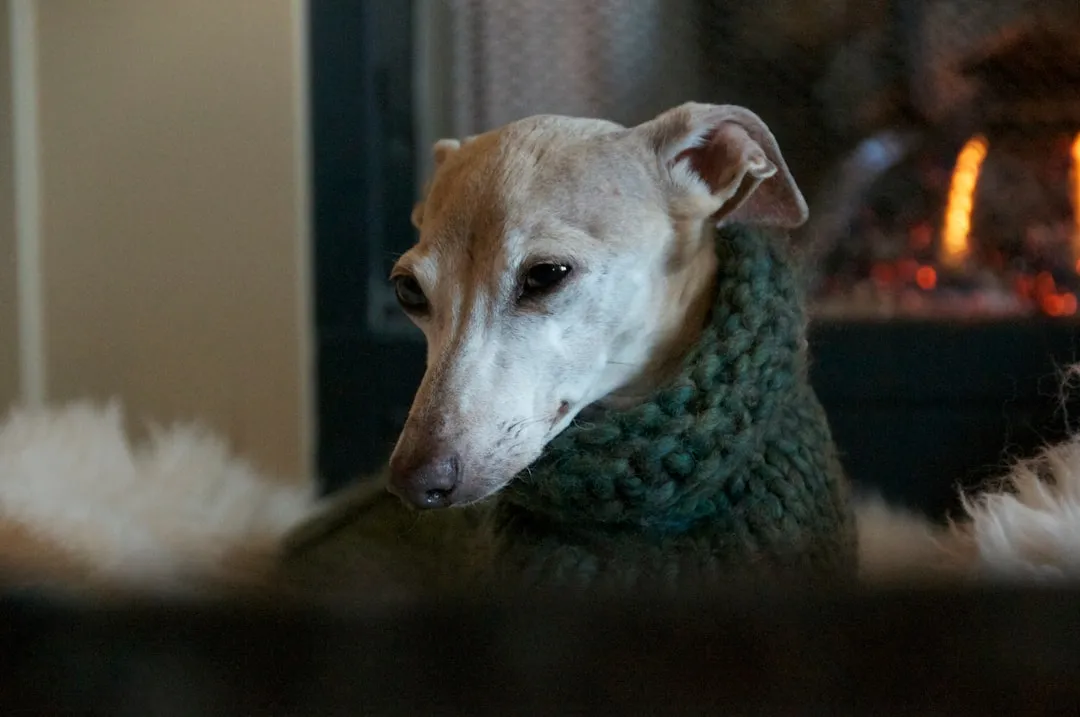
Think of the Italian Greyhound as the skinny-jeans version of the classic Greyhound – ultra-slim, gentle, and often happiest curled up in a blanket on your lap. They don’t take up much space and rarely demand hours of exercise.
But they care deeply about comfort. These dogs get cold easily, hate slippery floors, and can be prone to leg injuries. House-training in high-rises is trickier too, so many successful owners rely on balcony potty spots or indoor grass pads. Patient, gentle, home-a-lot owners get an almost catlike, deeply attached companion.
#14 – Chinese Crested: Minimal Hair, Maximum Personality

The Chinese Crested flies under the radar, partly because of their unusual, often hairless look. For allergy-sensitive people in small spaces, though, they can be a game-changer – light, agile, and shedding far less than most breeds.
The trade-off is that hairless skin needs real care: sunburn, dryness, and temperature swings become full-time considerations, especially near drafty windows. They’re playful and affectionate but sensitive, so harsh training or chaotic homes can overwhelm them fast. For the right person, the Crested is a genuine hidden gem.
#15 – Coton de Tuléar: The Velcro Cloud Built for Indoor Life
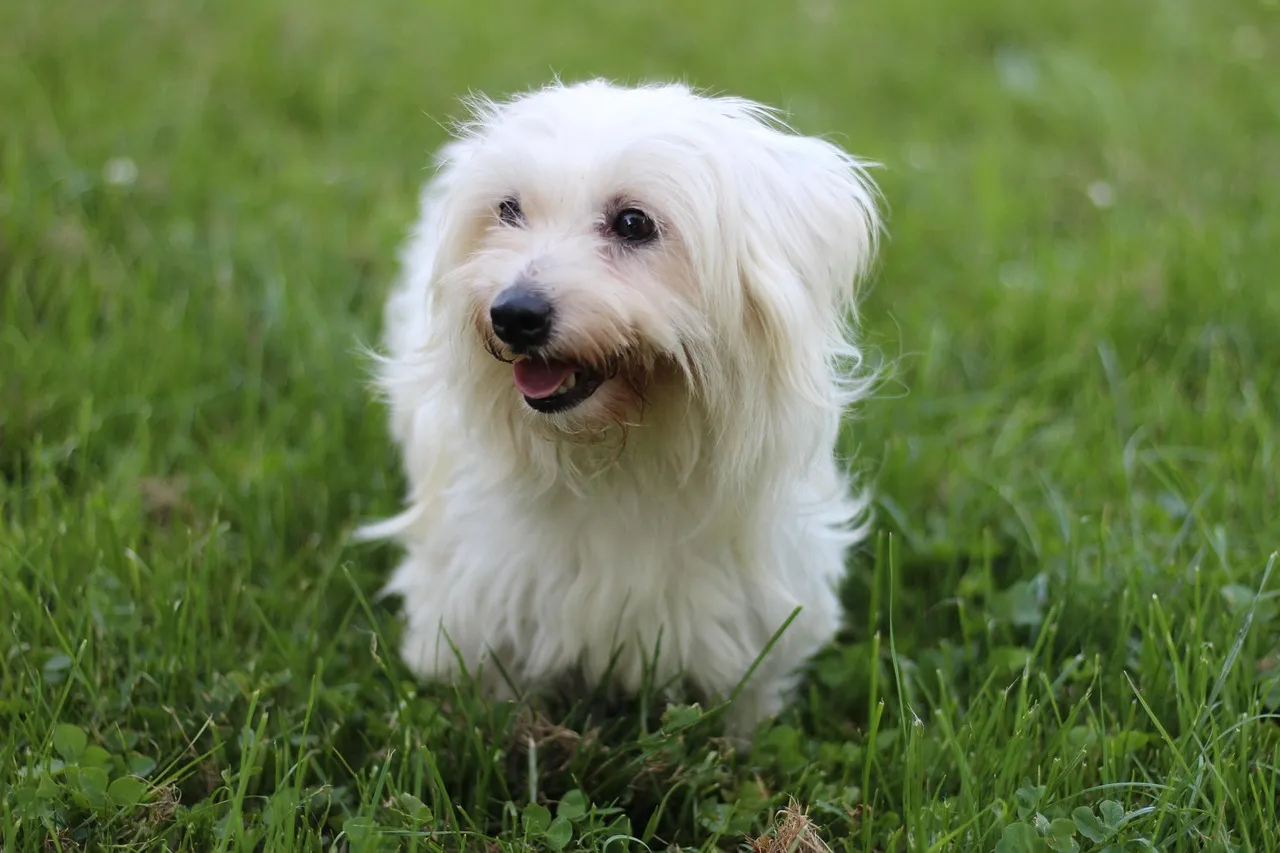
The Coton de Tuléar sounds fancy, but their lifestyle preference is simple: be with you, wherever you are, preferably on something soft. A couple of moderate walks and some indoor puzzle games usually cover their needs completely.
Grooming is real work – their cottony coat mats easily without regular brushing, something “non-shedding” fans often underestimate. Cotons can develop separation anxiety if left alone too much, so they’re best for homes with regular company. In return, they offer an almost stuffed-animal calm that fits beautifully in small spaces.
#16 – English Bulldog: Low-Mileage Companion With Big-City Fans
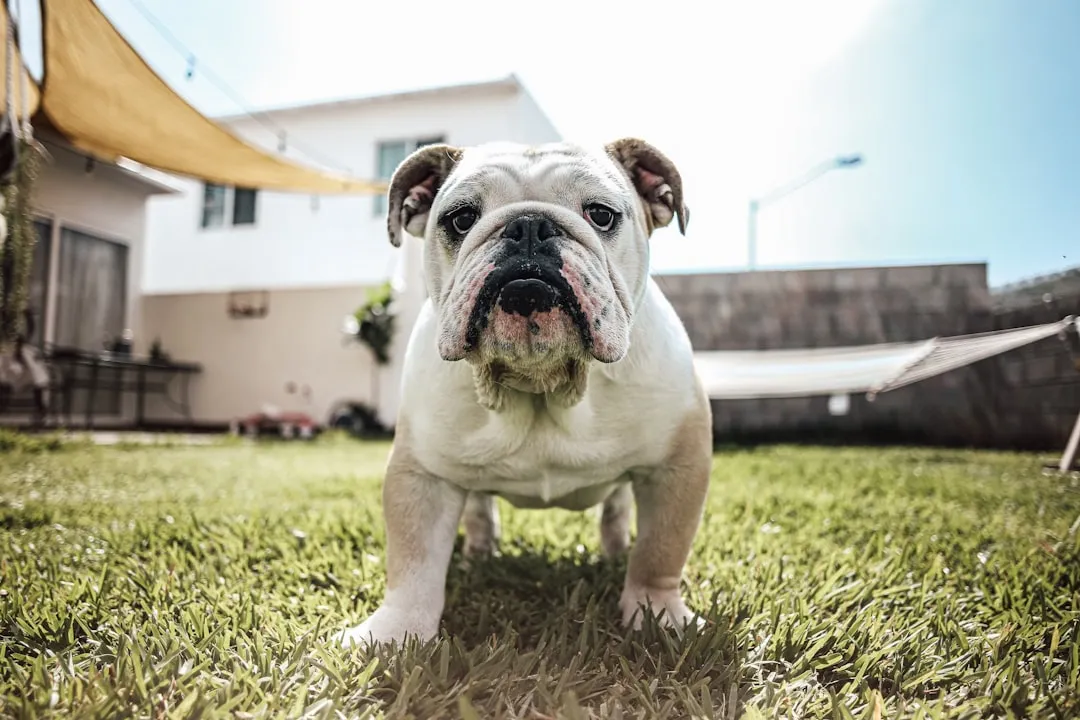
Here’s where opinions get heated. English Bulldogs are extremely low-energy and generally tolerant of small living spaces, content with short strolls and long naps – one of the few medium-sized dogs that genuinely don’t demand much physical room.
But health issues are a serious ethical conversation. Breathing problems, joint issues, skin infections, and heat sensitivity are common, and in poorly ventilated apartments that can be miserable for the dog. If you’re considering one, budget for excellent ventilation, temperature control, and real veterinary costs – they’re mellow roommates but a serious responsibility.
#17 – Japanese Chin: Catlike, Quiet, and Surprisingly Undemanding
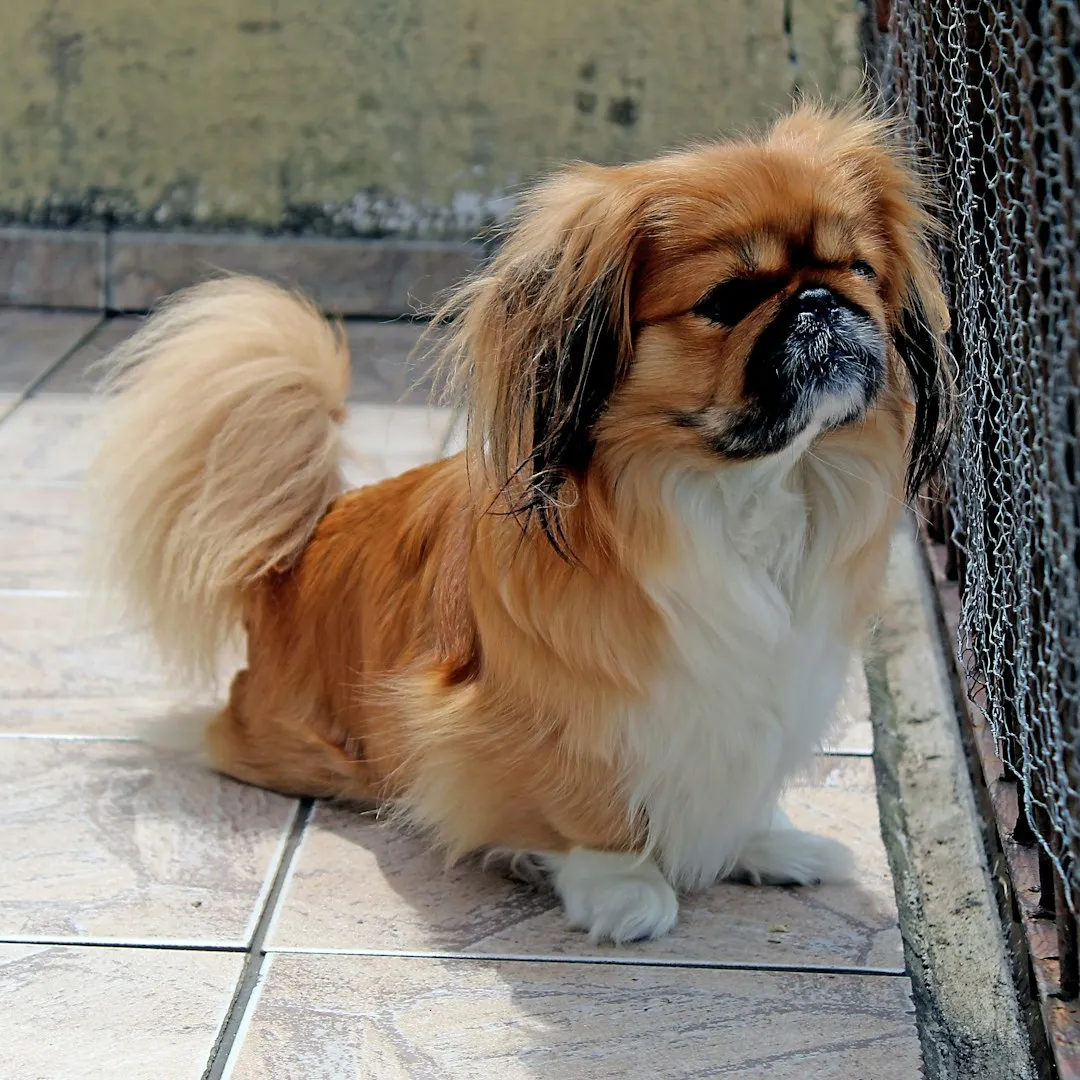
The Japanese Chin doesn’t get the social media attention Frenchies or Pugs do, but small-space experts quietly adore them. They’re light, graceful, and more catlike than most toy breeds, content to perch and observe rather than tear through the house.
They do best in calm homes – screaming kids or constant chaos will stress them out fast. Their coat looks intense but tends not to mat as fiercely as expected, and they’re quieter than average, which neighbors notice. For a refined, undemanding roommate, the Chin deserves a spot on more shortlists.
#18 – Mixed-Breed Rescues: The Real Secret Weapon for Small Homes
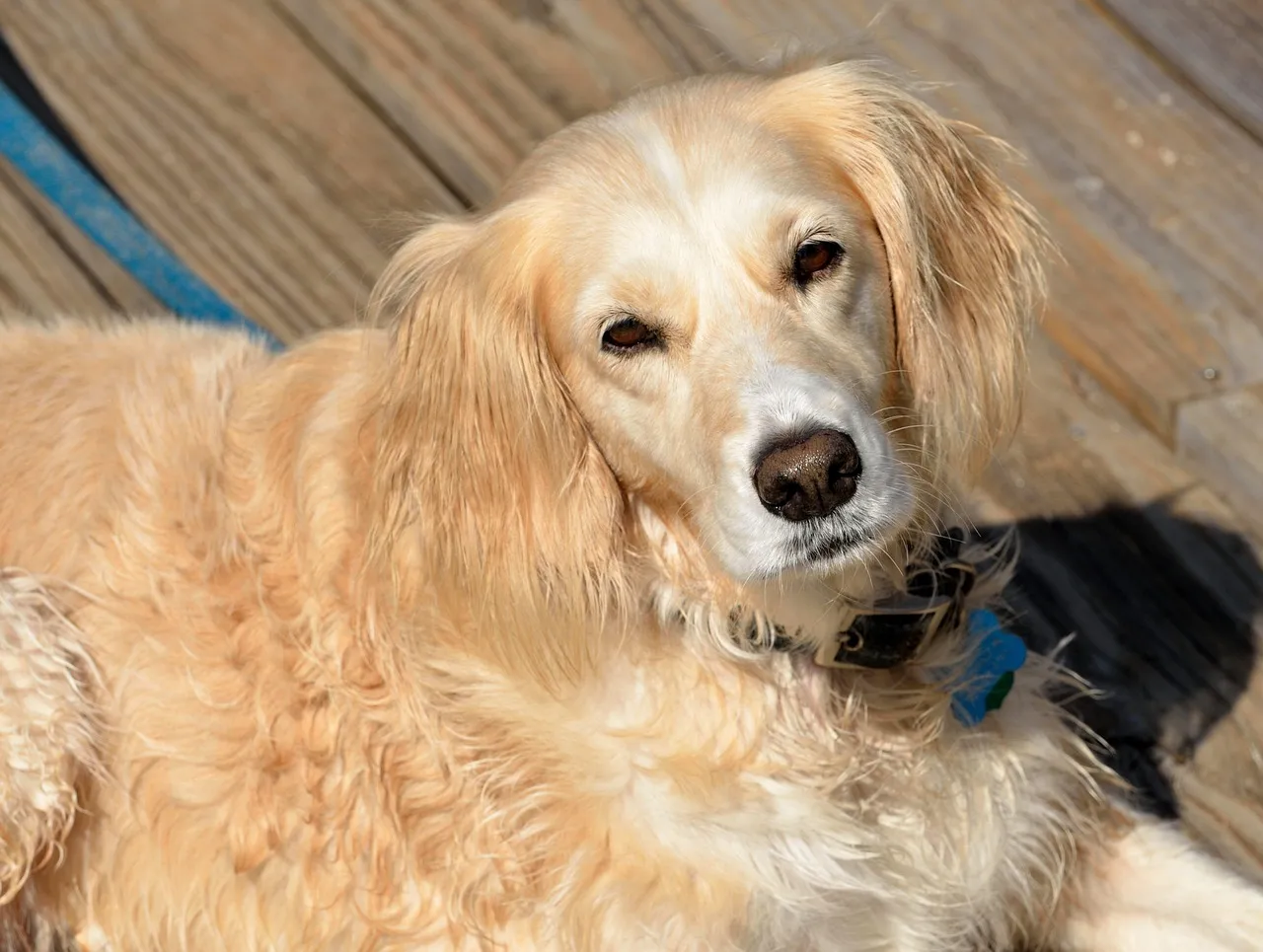
Here’s the truth many purebred lists gloss over: the single best small-home dog for you might be a mixed-breed rescue whose personality actually matches your lifestyle, not whatever breed is trending online. Shelters constantly evaluate foster dogs and can tell you plainly – this one is quiet and apartment-fine, this one absolutely needs a yard.
Instead of chasing a label, describe your home and schedule to a rescue and let them match you. You might end up with a 30-pound mutt who’s couch-potato gold and totally uninterested in barking at your neighbors. “Small-home suitability” is less about pedigree and more about honest assessment – and that’s exactly where things start to go wrong with the next 8.
Worth Knowing
- Foster-based shelters often know a dog’s real-world temperament, not just guesses from looks
- Many rescues will actively match dogs to your square footage, schedule, and noise tolerance
- Adult rescues frequently come pre-tested for calm indoor living, unlike unpredictable puppies
- Adoption fees are typically far lower than breeder prices for a comparable temperament
#19 – Border Collie: Brilliance That Breaks in a One-Bedroom
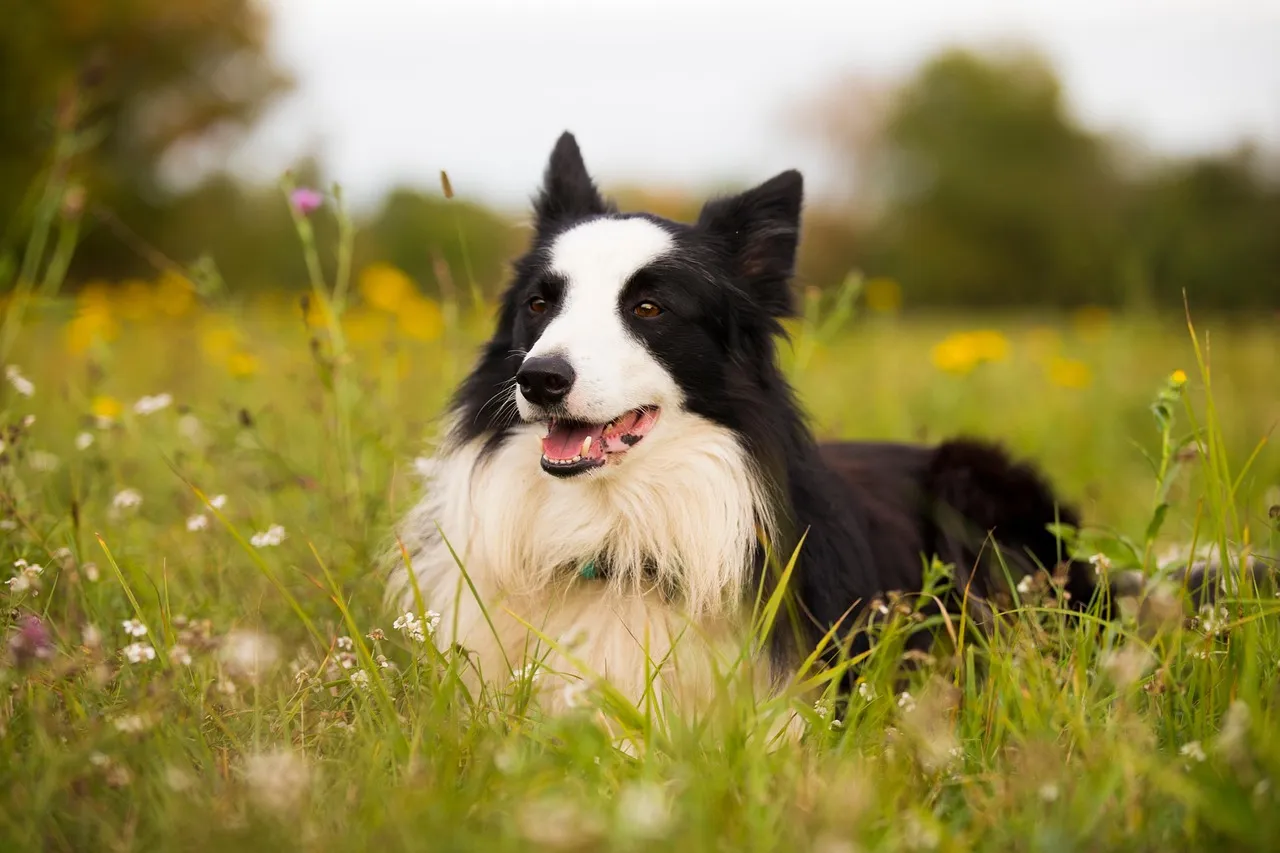
Border Collies are often called the smartest dogs in the world, and that’s exactly why they’re a disaster in most small homes. They were bred to work, think, and move constantly. Put that brain into a 600-square-foot apartment with two 20-minute walks, and you’re basically building a frustration bomb.
A highly committed owner doing daily agility or herding sports can keep one content indoors, but most people simply don’t have that time or space. The usual result is obsessive behavior, destructive chewing, and neurotic spinning. Trainers quietly call Border Collies the most frequently mismatched breed in modern city life.
#20 – Siberian Husky: Drama, Volume, and an Endless Escape Plan
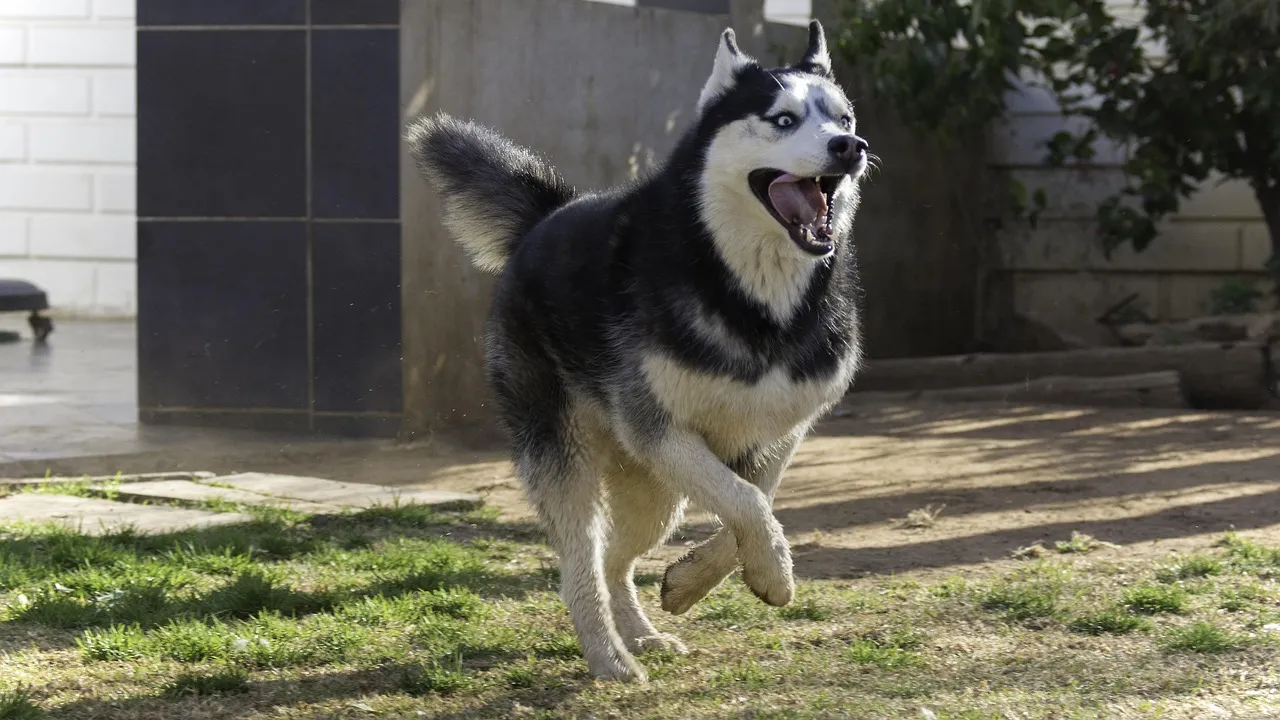
Social media turned Huskies into meme stars, but apartment walls don’t care about your feed. Huskies are athletic, vocal, and hard-wired to run and explore for long distances, not circle the block twice a day. Boredom sets in fast, and for a Husky, boredom looks like escaping, howling, and redecorating your drywall.
They also shed like it’s a competitive sport, turning small spaces into fur tumbleweeds in every corner. Landlords rarely appreciate the signature Husky “talking” echoing down a hallway either. A disciplined, outdoors-obsessed owner might make it work, but for the average urban family, Huskies are overkill more often than not.
#21 – Australian Shepherd: The Overachiever Who Hates Being Idle

Australian Shepherds are gorgeous, clever, and increasingly trendy – and bluntly, one of the worst picks for cramped, low-stimulation living. Like Border Collies, they’re herding dogs built to manage livestock in wide open spaces, and even “mini” Aussies rarely come with mini brains or mini energy.
Without real outlets – structured training, safe off-leash running, dog sports – they develop problem behaviors fast: herding kids, nipping ankles, barking at every hallway sound. Trainers repeatedly warn people to love an Aussie’s personality first, not the Instagram photos, before bringing one into a small space.
Fast Facts
- Bred for hours of daily herding across open pasture, not hallways
- Average weight: 40 to 65 pounds, with stamina to match
- Typically needs 60 to 90+ minutes of vigorous activity most days
- Ranks among the most trainable breeds, but also among the most easily bored
#22 – Dalmatian: High-Octane Spot Machine in the Worst Possible Setting
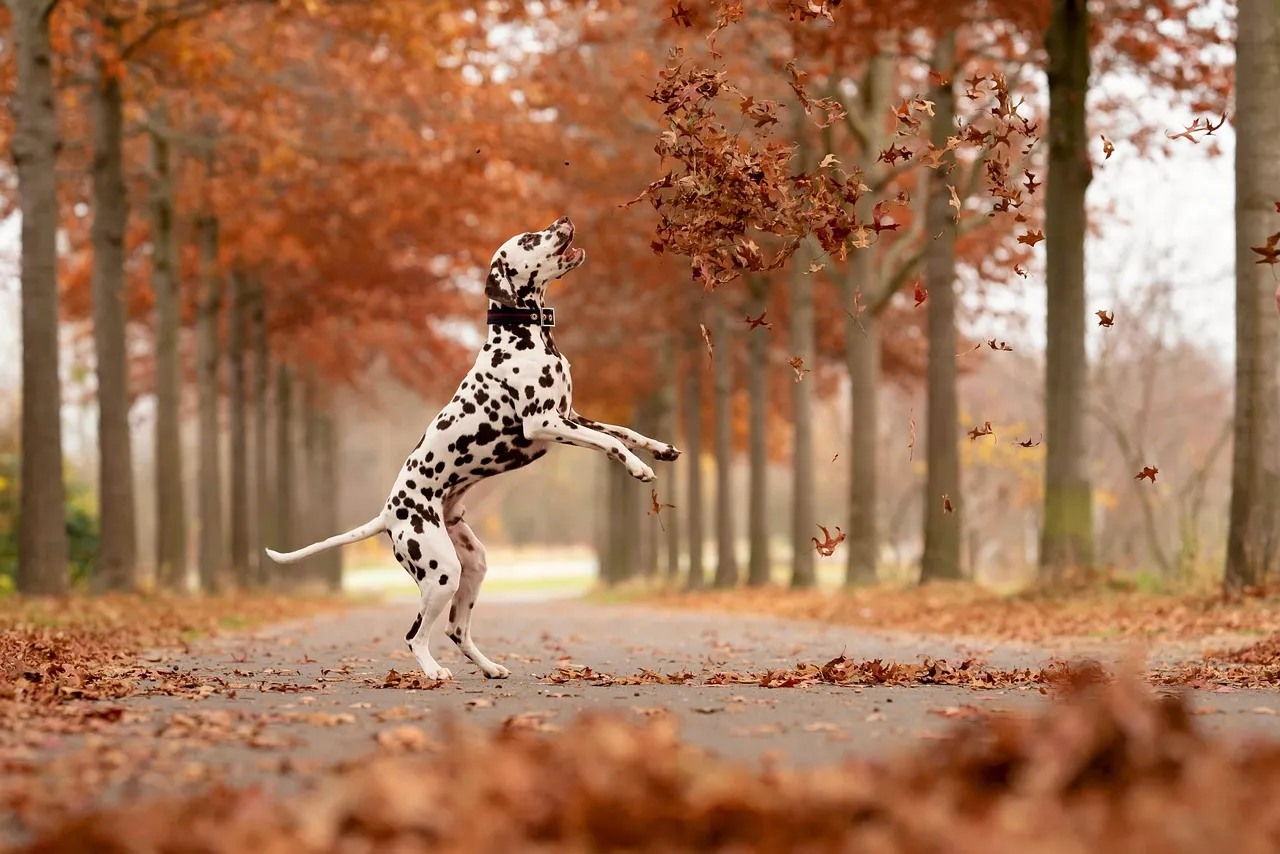
The Disney effect convinced generations that Dalmatians belong in family homes, but behavior pros know better: these are endurance athletes with serious energy and sensitivity, not living room accessories. Historically bred to run alongside horses for miles, they were never built to pace a 700-square-foot apartment twice a day.
Without enough structured exercise, they get restless, destructive, and sometimes reactive. Their shedding is intense too – short, spiky hairs embed into everything in a small space. Some can adjust with owners who are dedicated runners, but for the casual city dweller who fell for “cute spots,” the mismatch is stark.
#23 – Belgian Malinois: The Working Missile That Implodes in Apartments
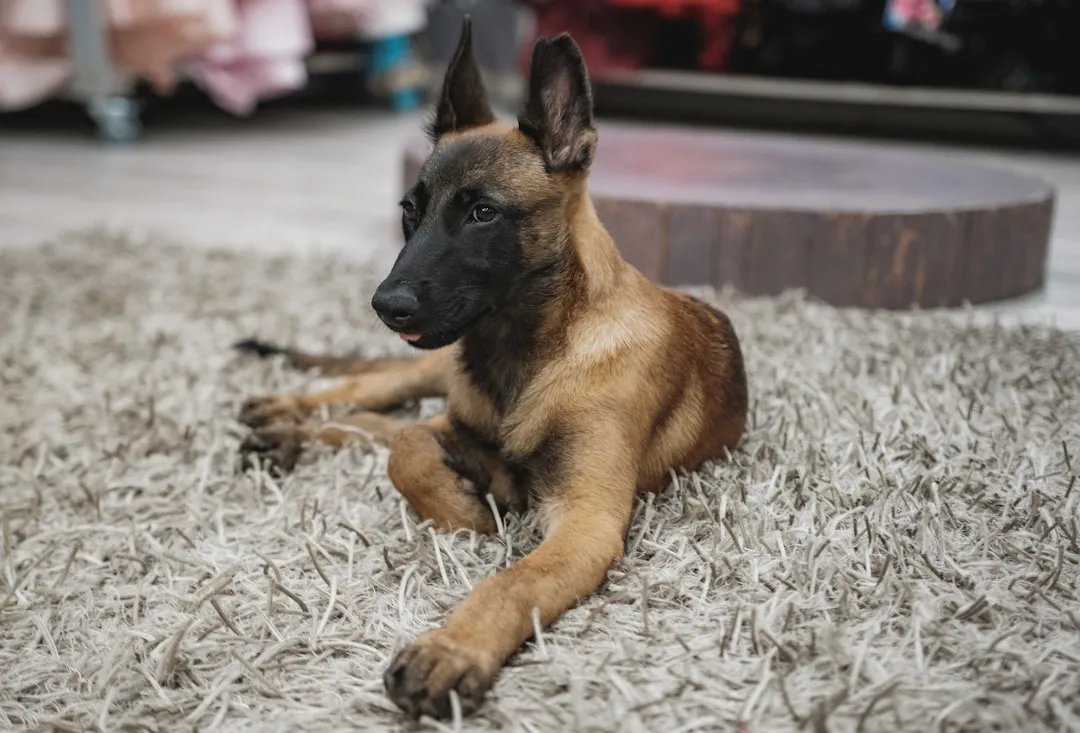
Let’s be blunt: the Belgian Malinois is a professional working dog, not a lifestyle accessory, and small homes are almost never the right environment. This is the breed used in police, military, and protection work because they’re intense, driven, and constantly looking for a job.
Without heavy daily training and real physical outlets, a Malinois will invent work – patrolling windows, obsessing over noises, shredding furniture, or turning frustration into reactivity that’s genuinely dangerous in crowded buildings. Unless you’re deep into dog sports or working-dog training, a Malinois in a small home is unfair to both of you.
#24 – German Shepherd: Loyal, Protective, and Built to Patrol Something Bigger
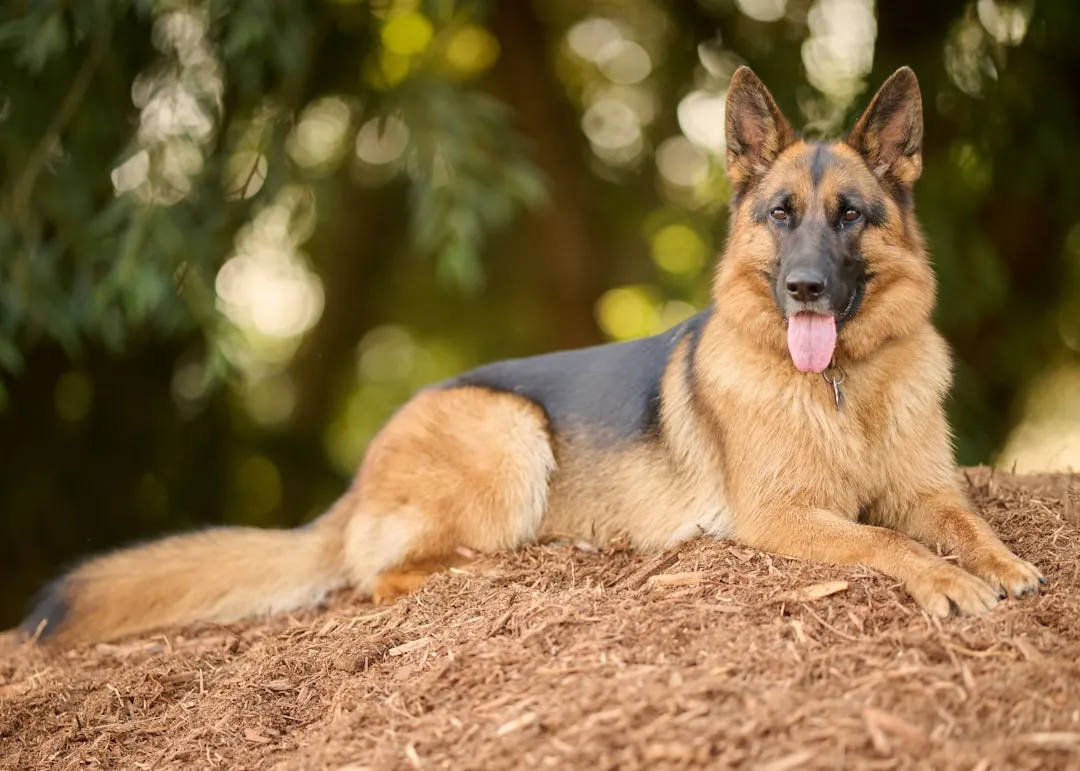
German Shepherds are brilliant and devoted, which is exactly the problem in a cramped apartment. They were bred to guard, herd, and work alongside people all day, and that instinct doesn’t switch off just because your ceiling is nine feet away instead of a pasture.
Left under-stimulated, Shepherds often become hyper-vigilant, barking at every hallway footstep or elevator ding, and their protective streak can turn into real tension with neighbors and delivery workers. They also shed constantly, which turns small spaces into a year-round fur situation. A Shepherd with a job, serious exercise, and real training can adapt, but the average small-home lifestyle rarely gives them enough to do.
#25 – Vizsla: The Velcro Dog Who Falls Apart When You Leave
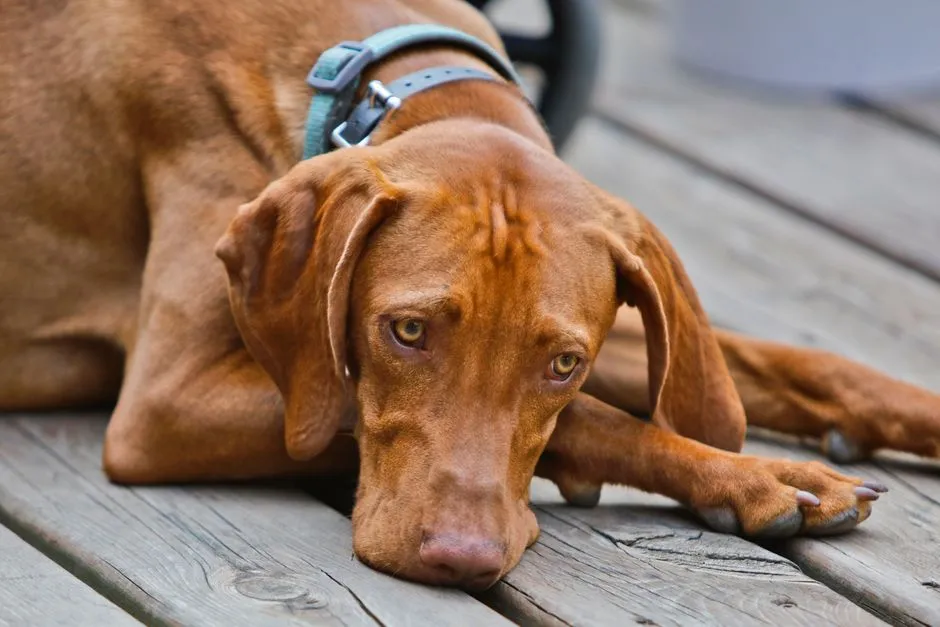
Vizslas are nicknamed “velcro dogs” for a reason, and in a small home that closeness can tip into something exhausting fast. They need serious daily exercise – real running, not a leisurely stroll – and when that need goes unmet, the energy has to go somewhere.
Worse, Vizslas are notorious for severe separation anxiety, sometimes howling, pacing, or destroying furniture within minutes of being left alone in a small apartment. They’re sweet, sensitive, and deeply attached, but that attachment becomes a liability in a studio where you can’t always be home. This is a breed built for active households with space to burn, not quiet condo living.
#26 – Beagle: Cute Face, Loud Voice, and a Nose That Won’t Quit

Beagles are small, which tricks a lot of apartment hunters into thinking they’re safe bets. Behaviorally, they’re loud, nose-driven scent hounds bred to follow smells and sing about it, not quietly nap through elevator dings. That trademark baying carries through walls with astonishing power.
Their noses also make leash walks in busy areas a constant negotiation, and without enough exercise and enrichment, many Beagles turn into escape artists and counter-surfers. Some mellow, older Beagles adapt fine with patient owners, but as a general rule, they’re far more work in small spaces than their size suggests – maybe the most underestimated mismatch on this whole list.
The Bottom Line
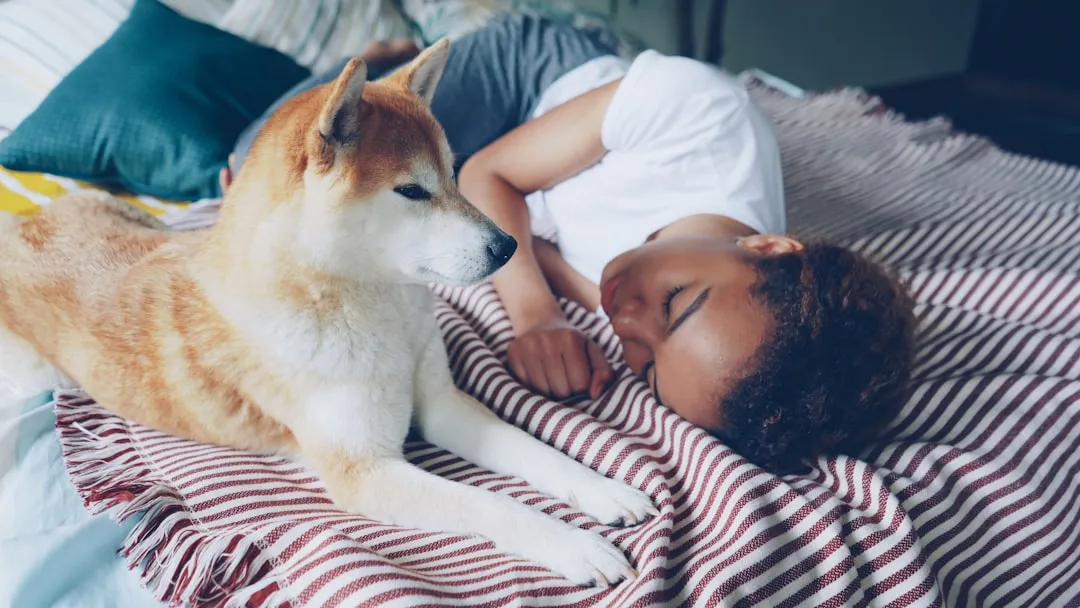
The biggest myth in dog ownership is that small dog equals good for small home and big dog equals bad for apartments. The truth is blunter than that: energy level, noise, and mental needs matter far more than height at the shoulder.
A retired Greyhound may be the easiest studio roommate you’ll ever have, while a high-drive Aussie, Vizsla, or Husky can turn your condo into a daily battle no matter how much you love them. Some people will insist they’ve “made it work” with any breed, and sure, extreme dedication can bend the rules. But for most owners, choosing a dog that actually fits your real lifestyle – not the one you wish you had – is the kinder, smarter move for everyone living under that roof, including the dog.
Which breed on this list do you think is unfairly judged, either too harshly or not harshly enough? Drop your take in the comments.
