

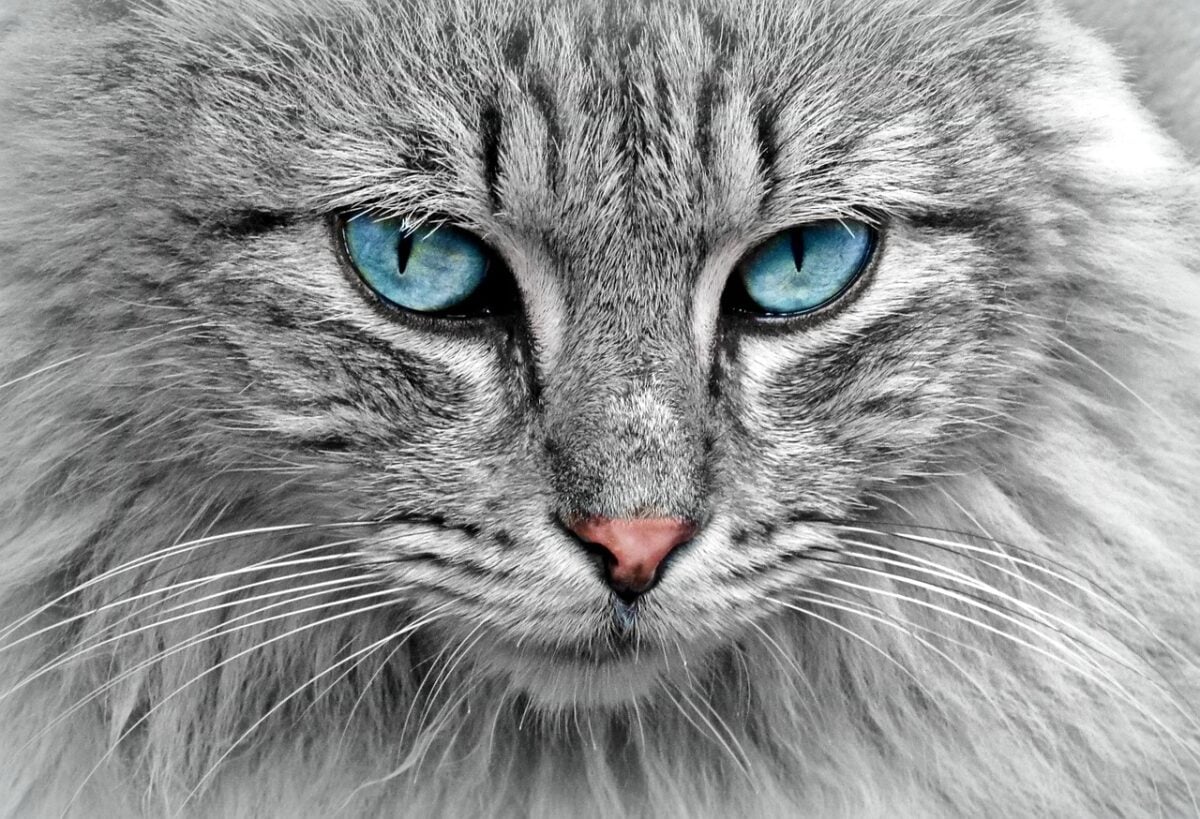
Most cat owners assume dying looks dramatic – collapse, gasping, an emergency vet dash. It doesn’t. Cats are evolutionary masters of disguise, and the signs that a senior cat is approaching the end are often so quiet, so easy to explain away as “just getting old,” that owners miss them entirely until it’s almost too late to say goodbye properly.
Vets say the same thing again and again: subtle changes like hiding, withdrawal, or a skipped meal are often the very first indicators that something serious is happening. Here are the 17 quiet, often-missed signs veterinary hospice experts say to watch for – starting with the one almost every owner mistakes for simple moodiness.
#1 – The Sudden Disappearing Act
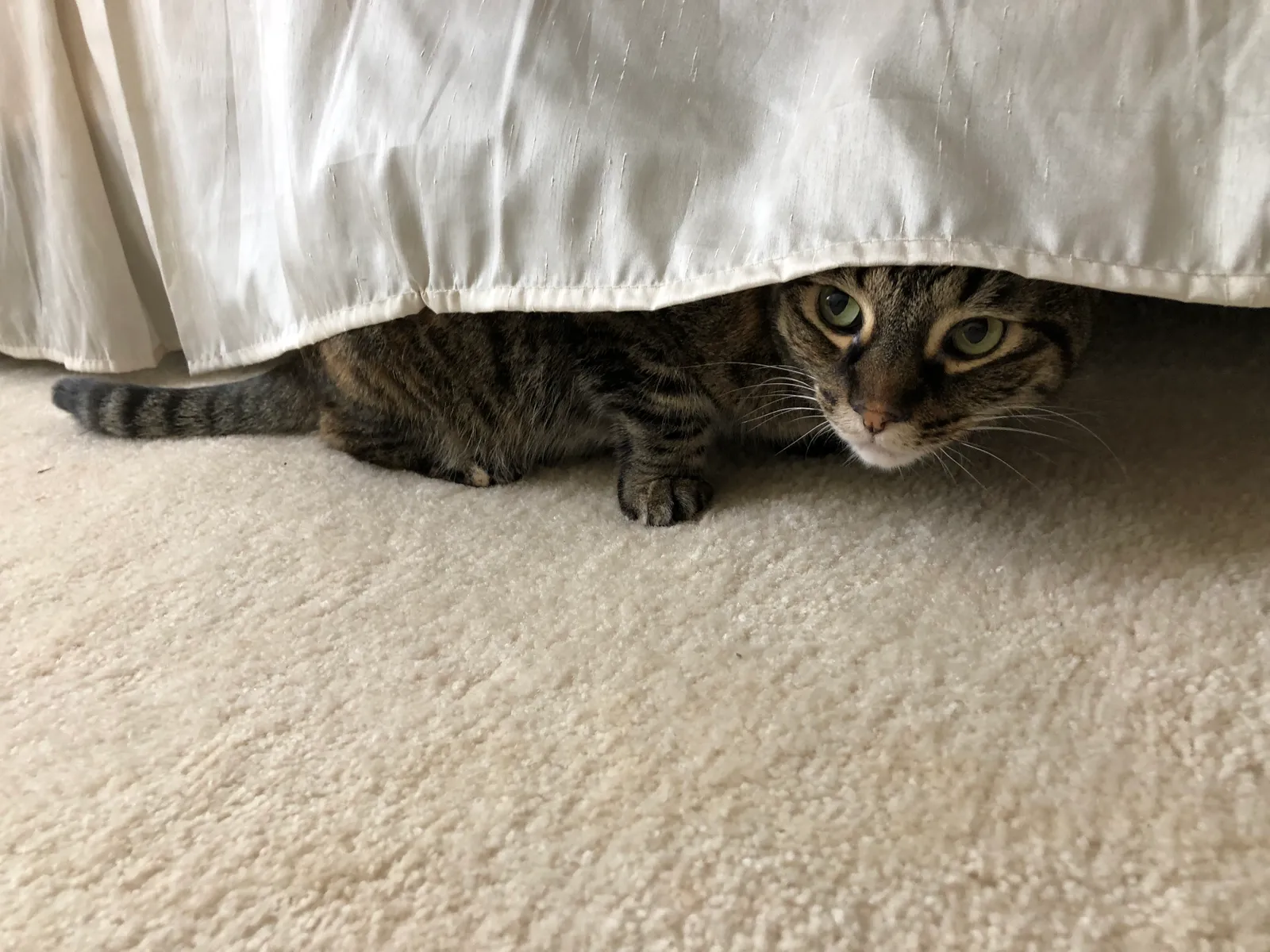
A cat who starts vanishing for hours at a time isn’t being “moody” – it’s often the first real warning sign.
Cats are instinctive survivors, and that instinct doesn’t switch off with age. When they feel vulnerable, their instinct is to hide from potential predators, seeking out unusual, quiet, or dark places – under beds, deep in closets, or in cool corners of the basement – to rest undisturbed. Most owners chalk this up to a cat “just wanting alone time,” especially in cats who were already independent.
What most people don’t realize: persistence is the tell. A single afternoon of hiding means nothing. But persistence and severity matter – if a cat has been hiding for days, combined with other symptoms like appetite loss, mobility issues, or dramatic changes in vocalization, this likely indicates a severe decline rather than typical feline behavior. But #2 is where things get even harder to ignore.
#2 – The Slow-Motion Hunger Strike
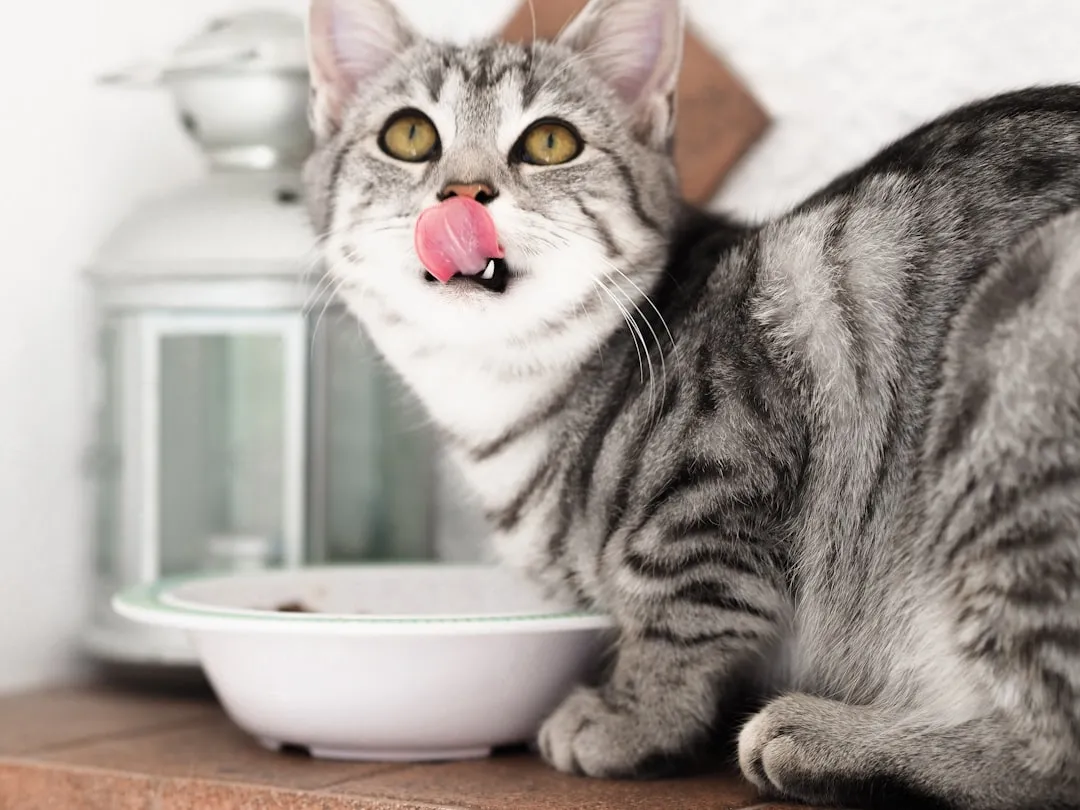
Nobody expects a food-obsessed cat to just… stop caring about dinner. But that’s exactly how it often starts.
It’s rarely an abrupt refusal. When a cat is dying, it’s common for their appetite to gradually decrease and eventually stop altogether. Some cats may go a day or two with little or no food, but ongoing refusal to eat – especially when paired with lethargy, weakness, dehydration, or hiding – can indicate the end of life is near. Owners often mistake this for pickiness and simply switch brands.
The truth vets wish more owners understood: appetite loss is treatable in early illness but often becomes irreversible in true end-of-life decline. In late-stage disease, cats will lose their appetite, and at this stage, hand-feeding will often be necessary. Waiting it out “to see if she comes around” is a mistake many owners make. And #3 is even sneakier than this one.
#3 – Turning Away From Water, Too
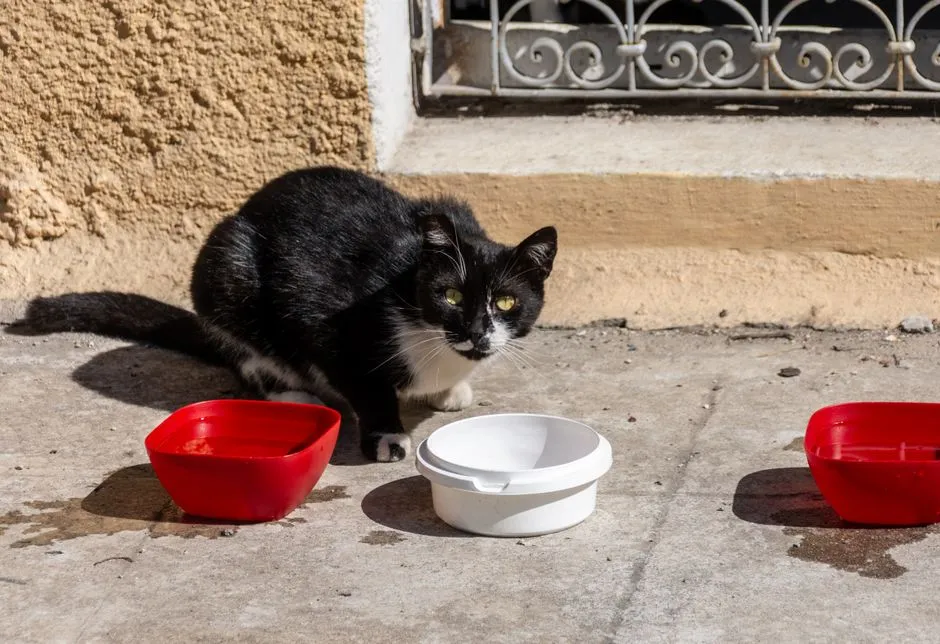
This one is sneakier than appetite loss, and far more dangerous.
A cat skipping a meal is common. A cat refusing water entirely is not. While a sick cat might skip a meal, a dying cat often has no interest in either food or water, and this lack of intake leads to rapid dehydration that can accelerate decline within 24 to 48 hours.
Secretly, this is one of the most reliable red flags hospice specialists watch for, because thirst is a more primal drive than hunger. When both vanish together – significant appetite loss followed by refusing water entirely – it’s frequently cited as a defining marker of the final stage. Which brings us to a warning sign hiding in plain sight in #4.
Fast Facts
- Dangerous dehydration can set in within 24 to 48 hours once both eating and drinking stop
- Gently pinched skin that stays “tented” instead of snapping back can signal fluid loss
- Dry, tacky, or sticky gums are another early clue that hydration has dropped too low
- Vet-administered fluids under the skin can sometimes offer short-term comfort even in late-stage cats
#4 – The Hollow, Gaunt Face
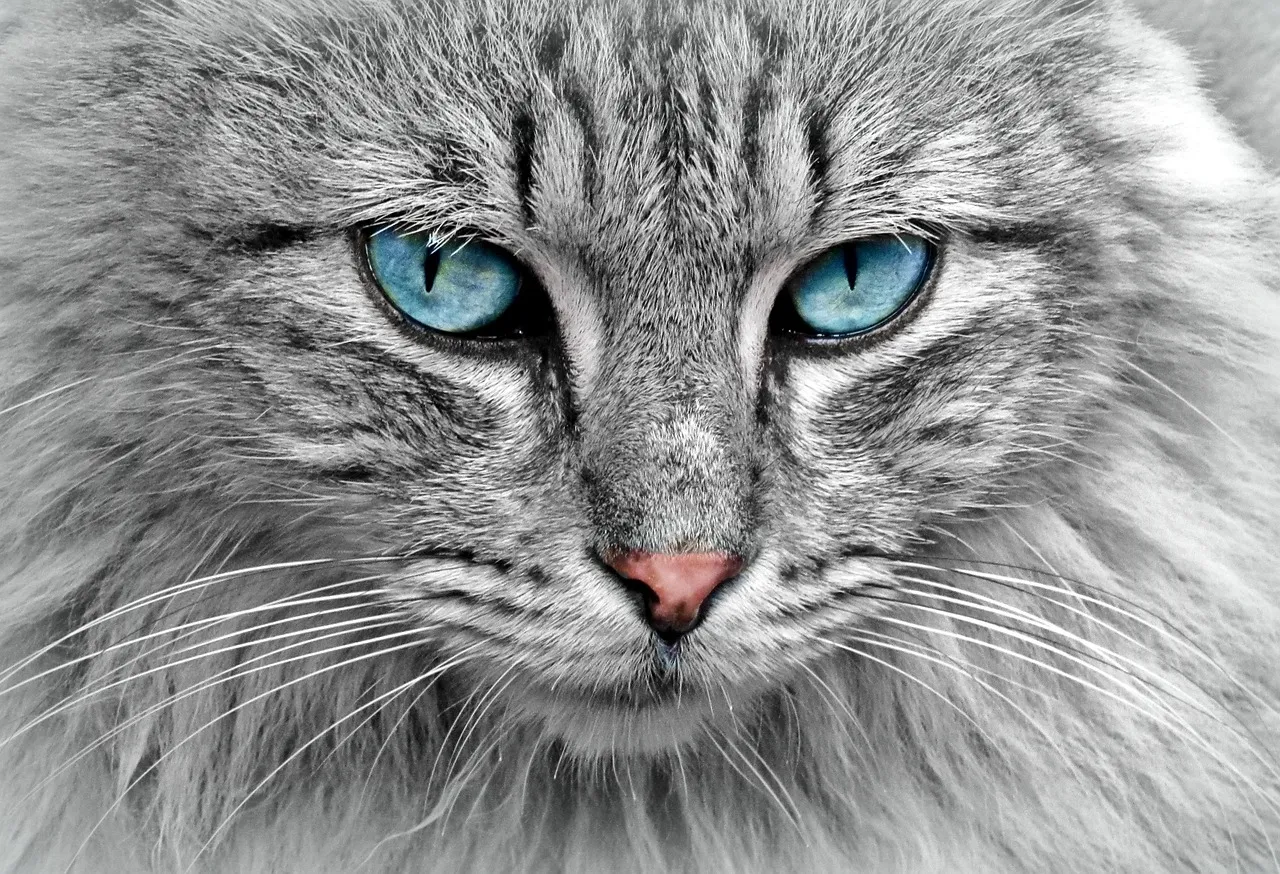
Weight loss in senior cats is common – but there’s a specific look that separates “normal aging” from something far more serious.
Most owners notice a thinner body first. Vets notice the face. Slow, steady weight loss is common in pets with chronic illness, but sudden or worsening weight loss can be a sign a cat is dying – this occurs because of metabolic changes and is particularly common in pets with cancer. In cats, significant and rapid weight loss can cause a distinctive, hollow appearance to the face.
That sunken, almost skeletal facial change is a detail most Facebook pet groups never mention. Combined with muscle wasting along the spine and shoulders, it’s often one of the clearest physical markers that something serious – not just old age – is at play. Wait until you see what #5 reveals about grooming.
#5 – Skipping the Self-Grooming Ritual
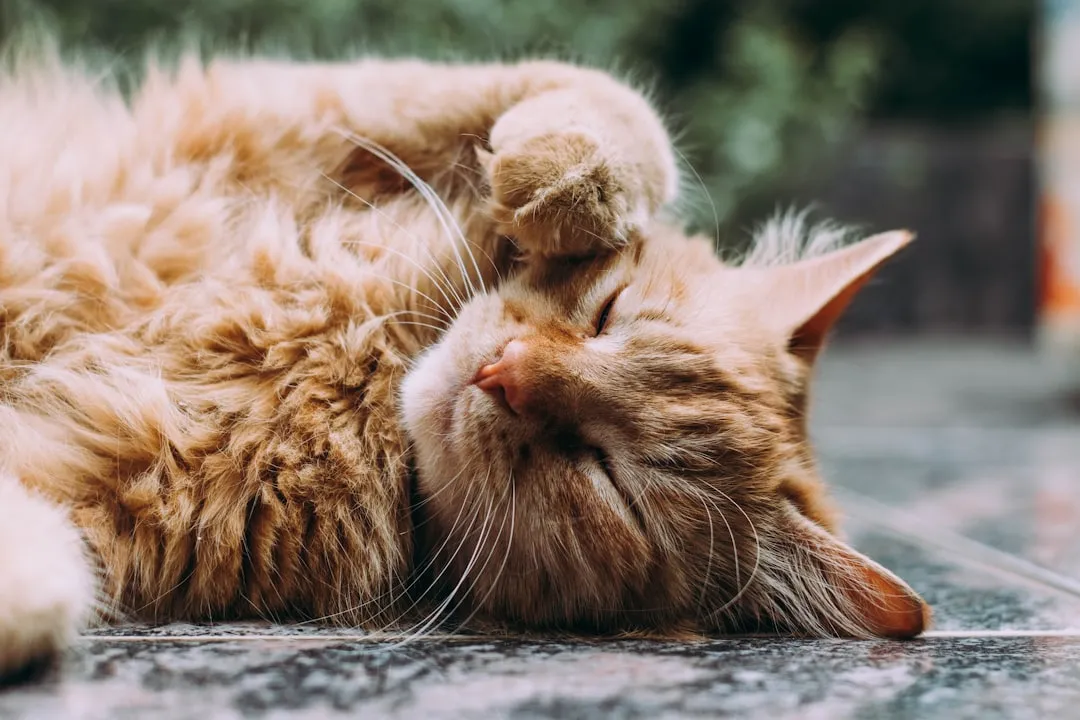
A cat who stops washing itself isn’t being lazy. Cats are famously fastidious, so any drop-off matters.
Matted fur, greasy patches, and a generally unkempt coat are often dismissed as “she’s just old and stiff now.” Sometimes that’s true. Decreased grooming doesn’t necessarily signal impending death – senior cats may stop grooming due to arthritis, which makes it painful to reach certain areas, dental problems causing discomfort, or simply a lack of energy they once had.
But context changes everything. When grooming decline is accompanied by multiple other end-of-life signs – such as withdrawal, appetite loss, and mobility issues – it often indicates a more severe decline, and a veterinary examination can help determine if the changes are treatable or something more serious. Then there’s #6, the one owners almost never catch.
#6 – Sleeping 20 Hours a Day (Or More)
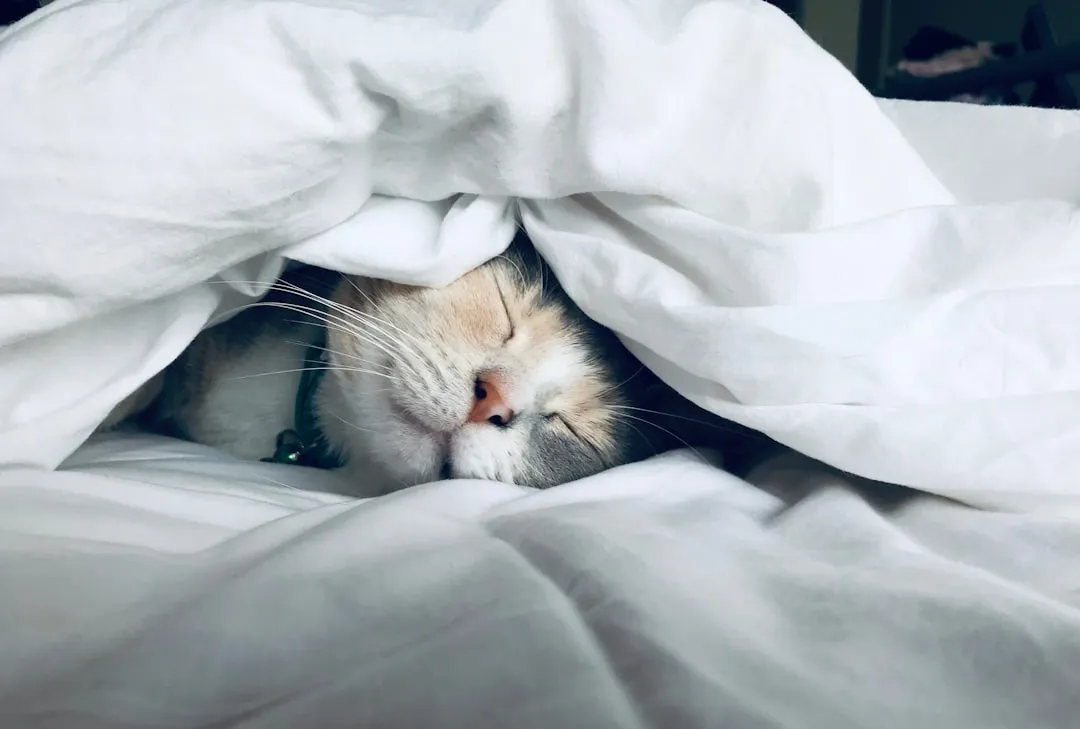
Every cat sleeps a lot. That’s normal. What’s not normal is a cat who’s essentially unreachable.
There’s a difference between a catnap and near-unconsciousness. Watch for extreme lethargy – sleeping 20+ hours – a complete loss of appetite and thirst, and a drop in body temperature. Owners often describe this stage as their cat becoming “a different animal,” barely stirring even for food or affection.
Turns out, this isn’t just deep rest – it’s often the body conserving what little energy remains. As a cat nears the end of her life she will probably be less active, will sleep more and more, and may be too weak to stay awake. Some cats also appear depressed and listless. But #7 might be the strangest sign on this entire list.
#7 – Cold Ears and Ice-Cold Paw Pads

Touch your cat’s ears next time she’s curled up. If they feel unusually cold, don’t ignore it.
This is one of the least-known physical signs, and one vets take seriously. Ears and paw pads that feel noticeably cold often signal that circulation is weakening as the body’s systems begin to slow down. Most owners have never even heard this is a marker worth checking.
A dropping body temperature reflects a much bigger issue happening internally – poor circulation and blood pressure shifts that the cat can’t communicate any other way. A dying pet’s body may develop cardiovascular shock, causing the pet to become cold or appear pale or bluish from lack of oxygen. These changes can indicate the end is very near, possibly within minutes. Which leads straight into one of the most heartbreaking shifts: #8.
#8 – Pulling Away From the Family
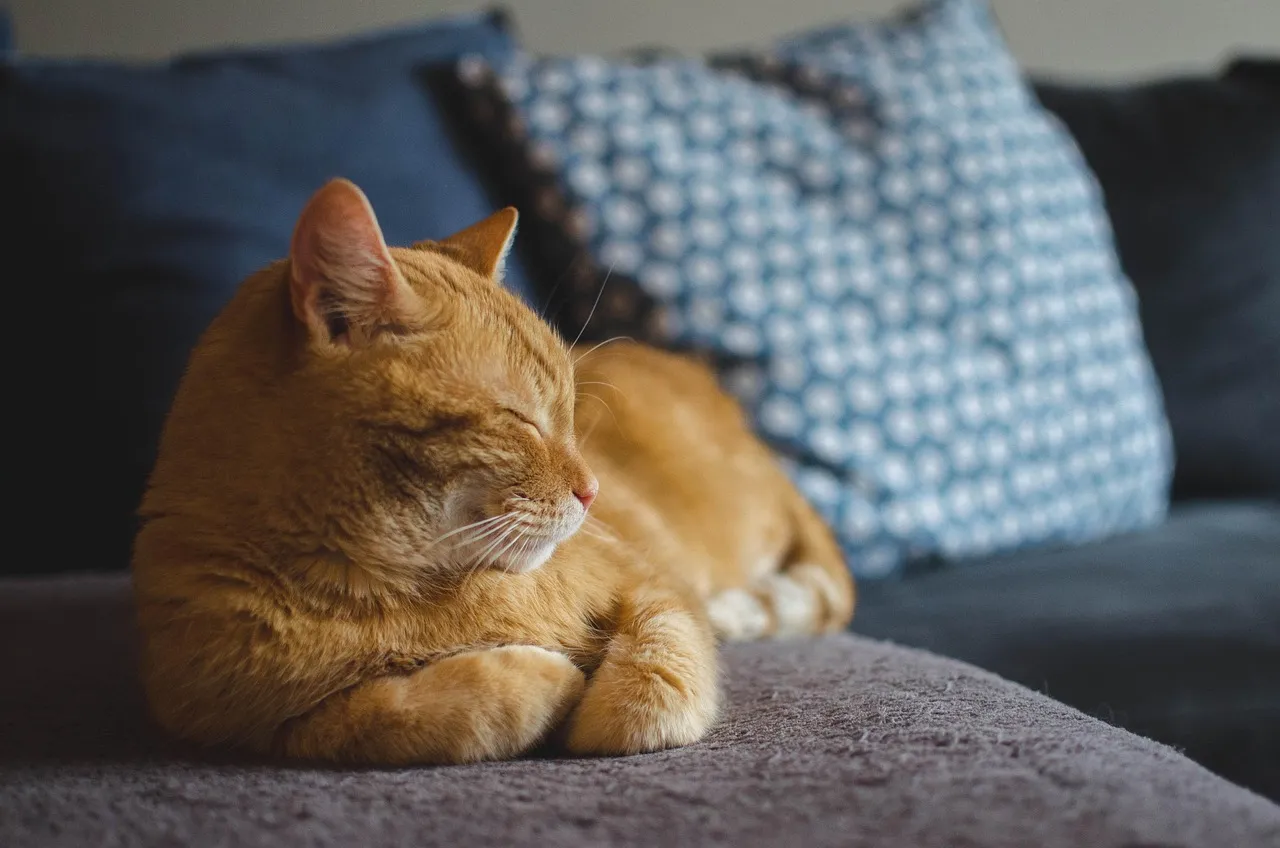
A cat who once greeted you at the door and now avoids eye contact isn’t being cold. Something deeper is shifting.
Behavioral withdrawal is one of the most emotionally painful signs for owners to witness. Dying pets may behave differently around people, often becoming more distant or sometimes more clingy. Choosing to hide or isolate themselves may reflect fatigue and a desire for quiet, or an instinct to separate from others when the end is near. Owners should avoid forcing interactions but remain close by.
Many owners take this personally, wondering if they did something wrong. Experts want you to know: this isn’t rejection – it’s biology. Some cats are stoic and withdraw from their human family, while others go the opposite direction entirely. Except some cats do the complete opposite, and that’s #9.
#9 – Or the Opposite: Sudden, Desperate Clinginess
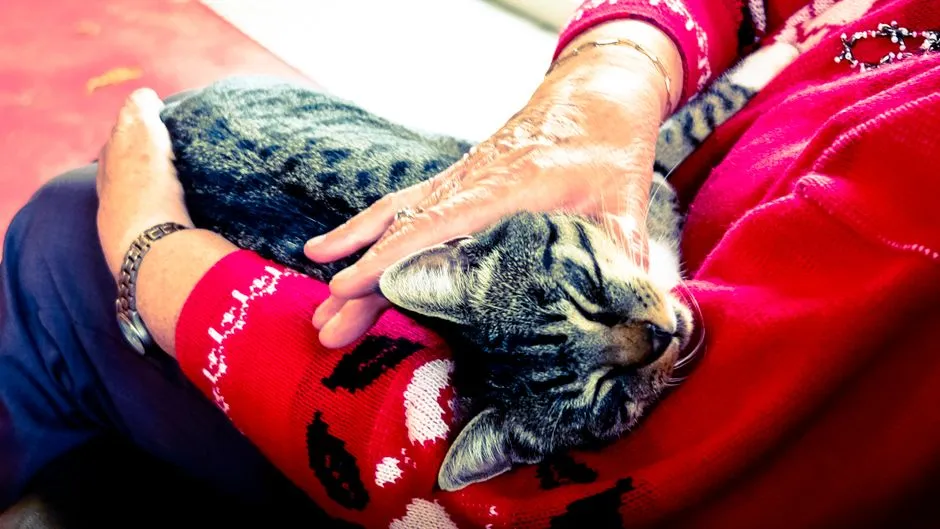
Here’s the twist most owners never expect – some cats do the exact opposite of hiding.
Instead of retreating, some senior cats become almost velcro-like, following owners room to room, crying to be held, or refusing to leave a lap. This is just as significant a behavioral shift as withdrawal, and it points to the same underlying cause: the body and mind reacting to decline in the only ways they know how.
This is a genuinely controversial point in pet forums – some owners insist clinginess means “she’s fine, she just loves me more,” when in reality it can be a comfort-seeking behavior tied to pain or anxiety. It’s worth mentioning to a vet, not dismissing as sweetness. Then comes something even more unsettling: #10.
Quick Compare
- Withdrawal: hiding, avoiding touch, seeking dark quiet spaces
- Clinginess: constant following, crying to be held, refusing to leave a lap
- Shared cause: both are self-protective or comfort-seeking responses to pain or decline
- Shared advice: either extreme is worth mentioning at the next vet visit
#10 – Confusion and Disorientation
Senior cats staring blankly at walls, forgetting the litter box location, or getting “lost” in a familiar hallway are showing more than typical old-age forgetfulness.
Cognitive decline is one of the most under-discussed signs of a cat nearing the end. Cats likely don’t understand death as a concept, but like us, their biology is geared toward survival, and harmful or highly stressful situations may trigger fear, pain, or confusion. Cats may show signs ranging from subtle personality changes to clear distress, depending on the cause, severity, and duration of their illness.
Veterinarians often describe it bluntly: as the body starts to shut down, those mental faculties go too. This is a hard one for families to watch, because it can feel like losing the cat’s personality before losing the cat itself. But a cat’s voice can tell you even more, as #11 shows.
#11 – A Vocal Cat Goes Silent (Or a Quiet Cat Won’t Stop Crying)
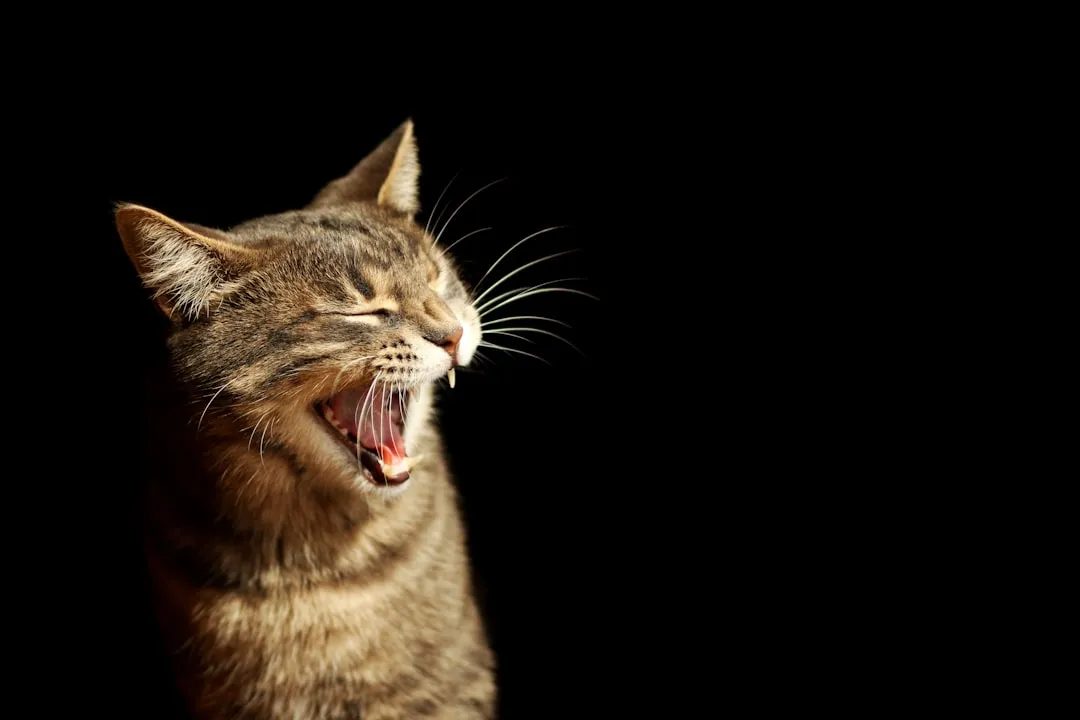
A cat’s voice changing is one of the most overlooked, and most heartbreaking, signals.
Some cats who were once chatty go completely quiet in their final weeks. Others do the reverse – crying constantly or vocalizing in ways they never did before. Either extreme deserves attention, especially in a cat who’s already showing other signs on this list.
Most people don’t realize persistent crying can actually be a pain signal rather than simple attention-seeking. Common signs that a cat is suffering include hunched posture, limping, or stiffness, along with persistent crying, restlessness, or resistance to touch. Dismissing new vocal patterns as “just getting more vocal with age” is one of the biggest mistakes owners make. Still, nothing prepares owners for #12.
#12 – Accidents Outside the Litter Box
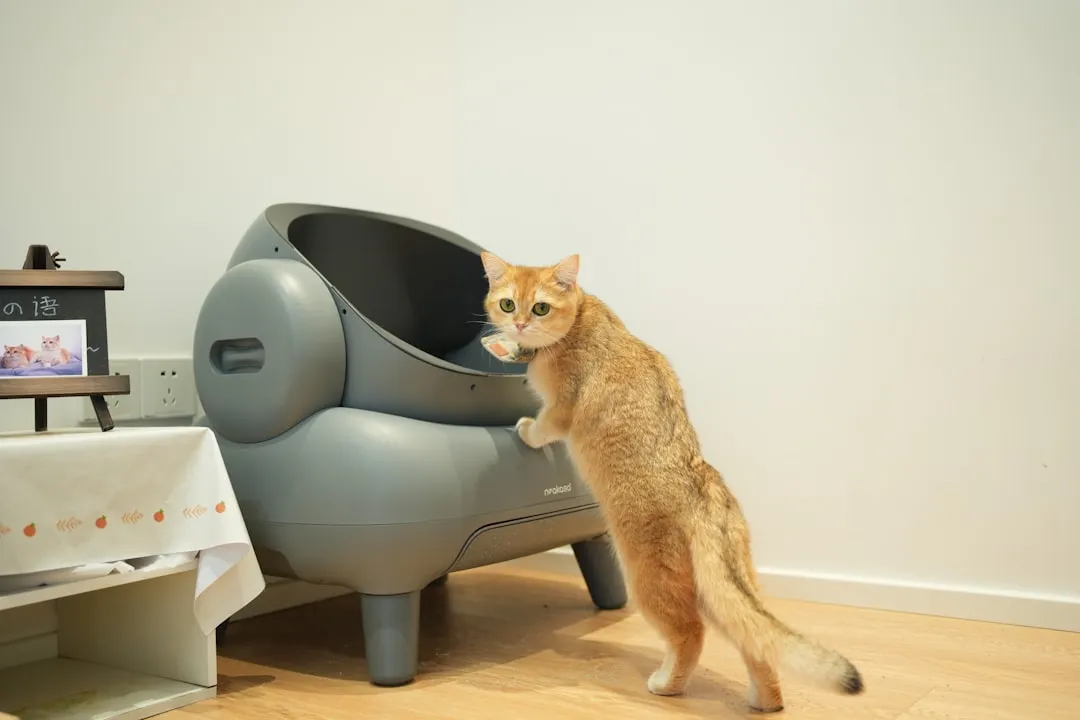
A perfectly house-trained senior cat suddenly having accidents isn’t defiance. It’s often one of the clearest physical breakdowns happening internally.
This symptom tends to appear later in decline, and it catches owners off guard because it feels so out of character. Dying pets may lose control of their bladder or bowels in the days before passing – accidents can occur due to weakness, decreased mobility, nervous system problems, or organ failure, even after previously perfect housetraining.
Vets recommend adjusting the environment rather than punishing the behavior. Placing the litter box, food, and water bowl in an easy-to-access area matters, since a terminal cat shouldn’t have to climb stairs to reach the tray. A low-sided litter box can also help if pain makes stepping in difficult. And #13 is the one vets say should never wait until morning.
#13 – Breathing That Sounds “Off”
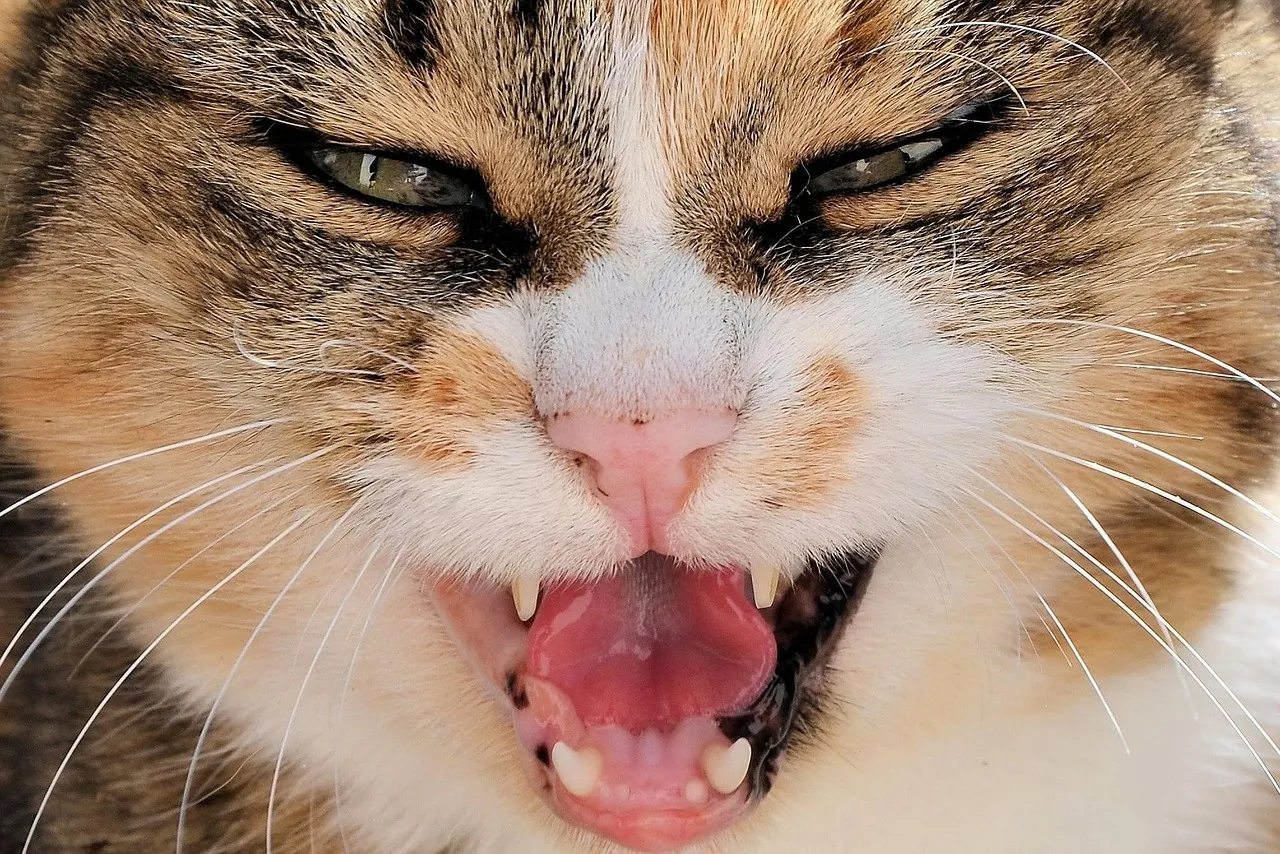
Rapid, shallow, or unusually labored breathing is one sign owners can’t afford to explain away.
This is one of the few signs on this list that genuinely warrants an immediate call, not a wait-and-see approach. Rapid, shallow, or labored breathing might indicate pain, and if a cat stops breathing while in a deep sleep, owners should contact their veterinarian immediately.
In more advanced decline, breathing patterns shift dramatically. Abdominal breathing, labored shoulder movements, or agonal jaw breathing can appear, and open-mouth breathing that develops for the first time is considered a genuine emergency rather than a symptom to monitor overnight. Which is closely tied to #14, a sign almost no one checks.
Worth Knowing
- Rapid, shallow breaths at rest can signal pain, anemia, or fluid buildup in the chest
- Open-mouth breathing in a cat, unlike in a dog, is almost always an emergency
- Visible “belly breathing,” where the stomach heaves with each breath, often means labored effort
- Any new breathing change in a senior cat warrants a same-day call to the vet
#14 – Pale, Bluish, or Grey Gums
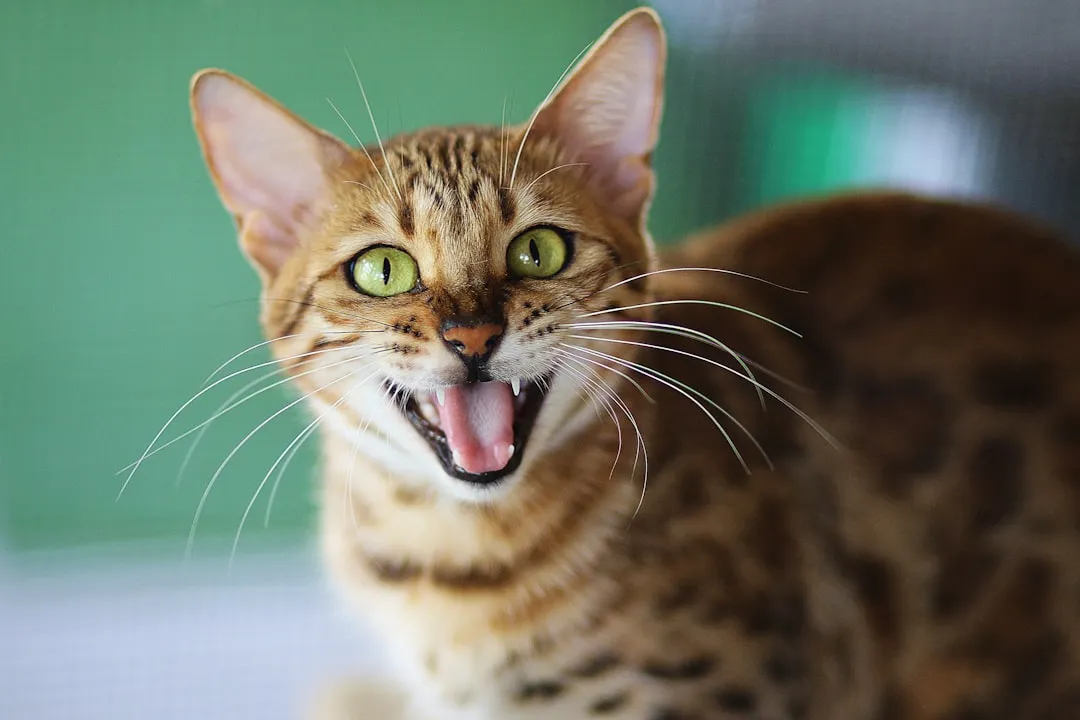
Gum color is a detail almost no one checks – and it’s one of the most medically telling signs on this entire list.
Healthy cat gums should be a rich pink. When they shift toward pale, grey, or bluish tones, something significant is happening internally. Pale or white gums and collapse are frequently associated with severe anemia or oxygen deprivation, and this is especially common – and dangerous – in senior cats.
Veterinary hospice guidance treats sudden gum-color changes as urgent. Gums or tongue turning blue or purple may indicate rapidly accumulating fluid in the lungs or chest cavity – a condition that can sometimes be relieved even in a cat already on a palliative-only plan. This is not a “wait until morning” symptom. But sometimes it’s quieter than that, as #15 shows.
#15 – No Interest in Favorite Spots or Routines
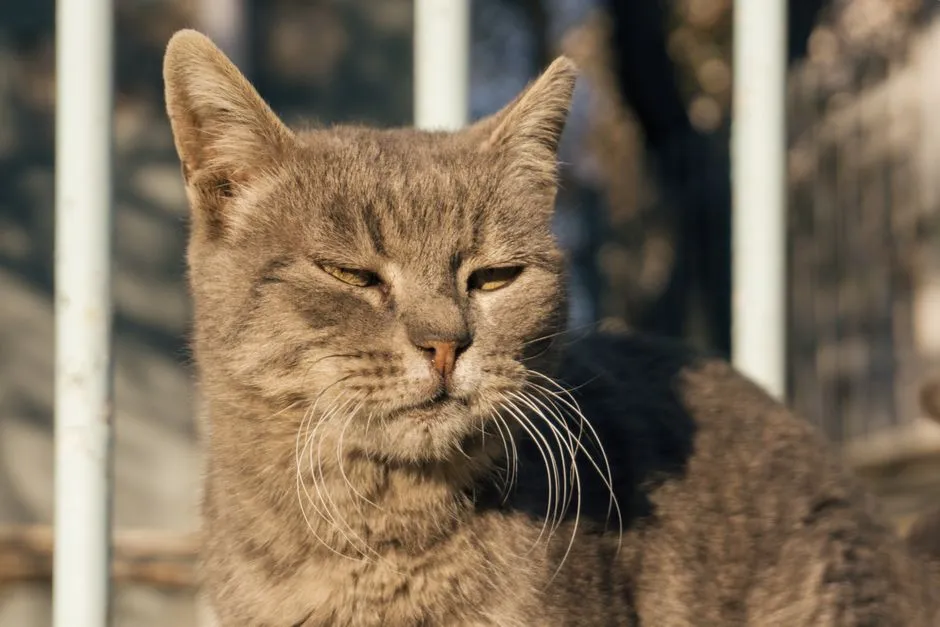
A cat who once claimed the sunny windowsill every single afternoon, and now won’t even attempt the jump, is telling you something important.
Loss of interest in once-beloved routines is a quieter version of lethargy, but just as telling. If a cat is no longer enjoying the things they used to do, is very lethargic or hiding away, has no appetite, or has simply lost their spark for life, they might need veterinary attention and end-of-life care.
Owners often describe this stage as their cat “losing its spark” – an admittedly unscientific phrase, but one vets hear constantly from families trying to describe a change they can feel but can’t quite name. Building ramps or giving a boost so a cat can still access favorite window spots or napping perches can sometimes restore a little quality of life, even temporarily. Then there’s #16, often mistaken for simple old-age quirks.
#16 – Restlessness That Won’t Settle
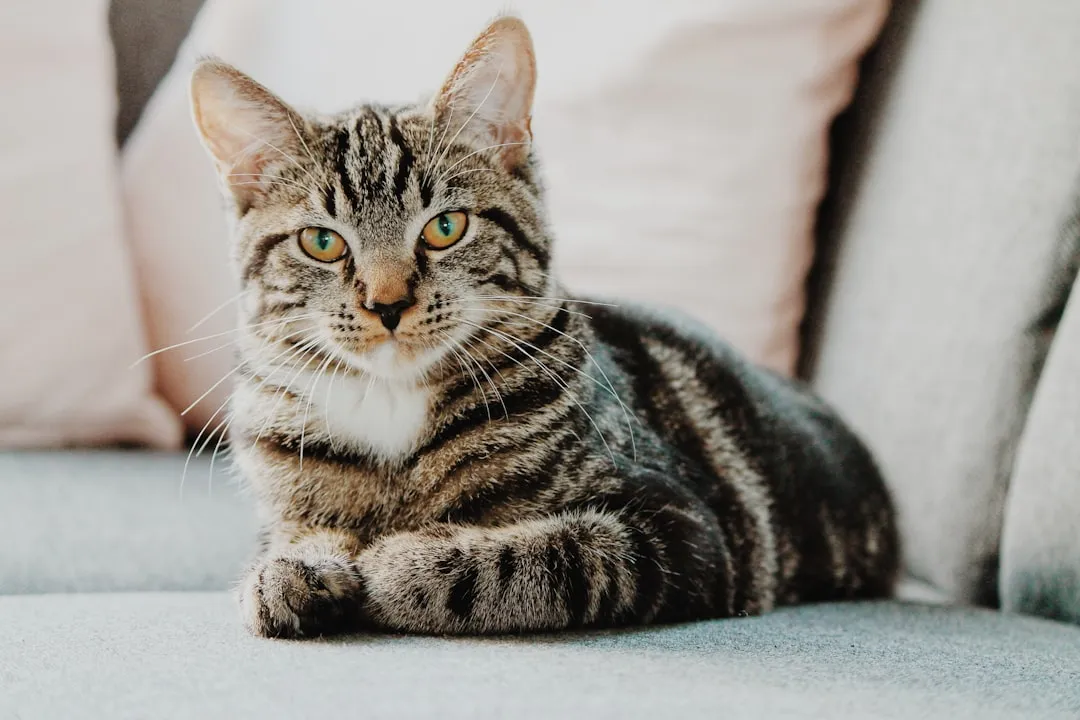
A cat pacing at 3 a.m., unable to get comfortable in any position, is showing something far more specific than “insomnia.”
Restlessness is frequently listed alongside pain indicators rather than as a stand-alone behavioral quirk. Subtle signs of pain include hiding, loss of appetite, drooling, neglect of grooming, sitting huddled up, restlessness, and loss of interest in their surroundings.
This is a genuinely controversial take, but worth saying: many owners assume restlessness in old cats is “just anxiety” and don’t connect it to physical decline at all. Persistent crying, restlessness, or resistance to touch are grouped together by hospice vets as classic discomfort signals – not personality changes to simply wait out. And that brings us to the sign that catches almost every owner off guard: #17.
#17 – The Sudden “Rally” Right Before the End
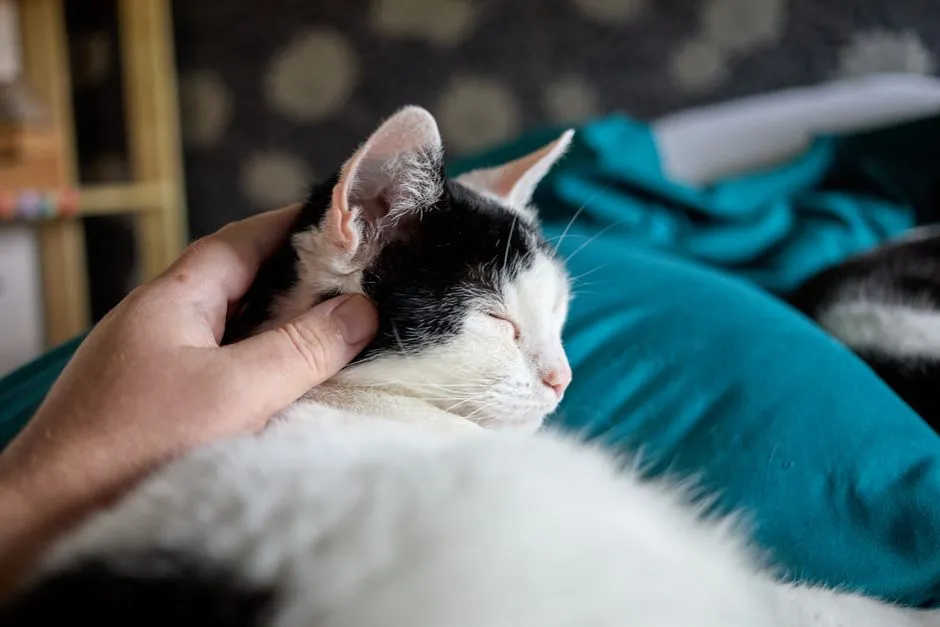
This is the sign almost no owner sees coming, and the one that breaks hearts hardest in hindsight.
Sometimes, in the final day or two, a declining cat suddenly seems better – more alert, more affectionate, even eating a little. Families understandably feel hope. But hospice veterinarians recognize this pattern differently, especially when it follows weeks of the other 16 signs already described. The final days of a cat’s life will vary based on the cat and their health history, and if a vet detects a terminal disease, they’ll help develop an end-of-life plan, which may include treatment, hospice care, palliative care, or euthanasia.
Secretly, this final burst of energy is one of the most misunderstood moments in end-of-life care. It’s not always recovery – it’s sometimes the body’s last surge before systems shut down. This is precisely why vets emphasize wanting a cat to have as peaceful a passing as possible, with hospice care including medications, comfort therapy, and environmental adjustments like elevated food bowls, low-entry litter boxes, and ramps arranged well before this stage arrives, not scrambled together in a panic.
At a Glance
- Hospice care can include pain medication, appetite stimulants, and anti-nausea support
- Low-sided litter boxes and raised food bowls reduce strain on weak joints
- Ramps or steps help cats reach favorite resting spots without needing to jump
- A simple written quality-of-life checklist can help families track good days versus hard ones
The Bottom Line
Here’s the uncomfortable truth: most owners miss these signs not because they don’t love their cats, but because cats are biologically wired to hide weakness until there’s almost nothing left to hide.
The most overlooked signs – cold ears, gum color, silent withdrawal, a sudden “rally” – are rarely dramatic, which is exactly why they slip past even attentive owners. If your senior cat is showing two or three of these signs together, that’s not old age. That’s your cat asking, quietly, for help.
Animals are such agreeable friends. They ask no questions, they pass no criticisms.
George Eliot
A conversation with your vet about hospice or quality-of-life scoring, sooner rather than later, is the one decision experts consistently say families wish they’d made earlier. Did your cat show a sign we didn’t mention? Tell us in the comments – it might help another owner catch it in time.

- 17 Quiet Signs Your Old Cat Is Nearing the End That Most Owners Miss Until Far Too Late - August 3, 2026
- The City of White Marble: Ashgabat, Turkmenistan - August 3, 2026
- What To Do If You See a Wolf in Your Backyard in Montana - August 3, 2026