
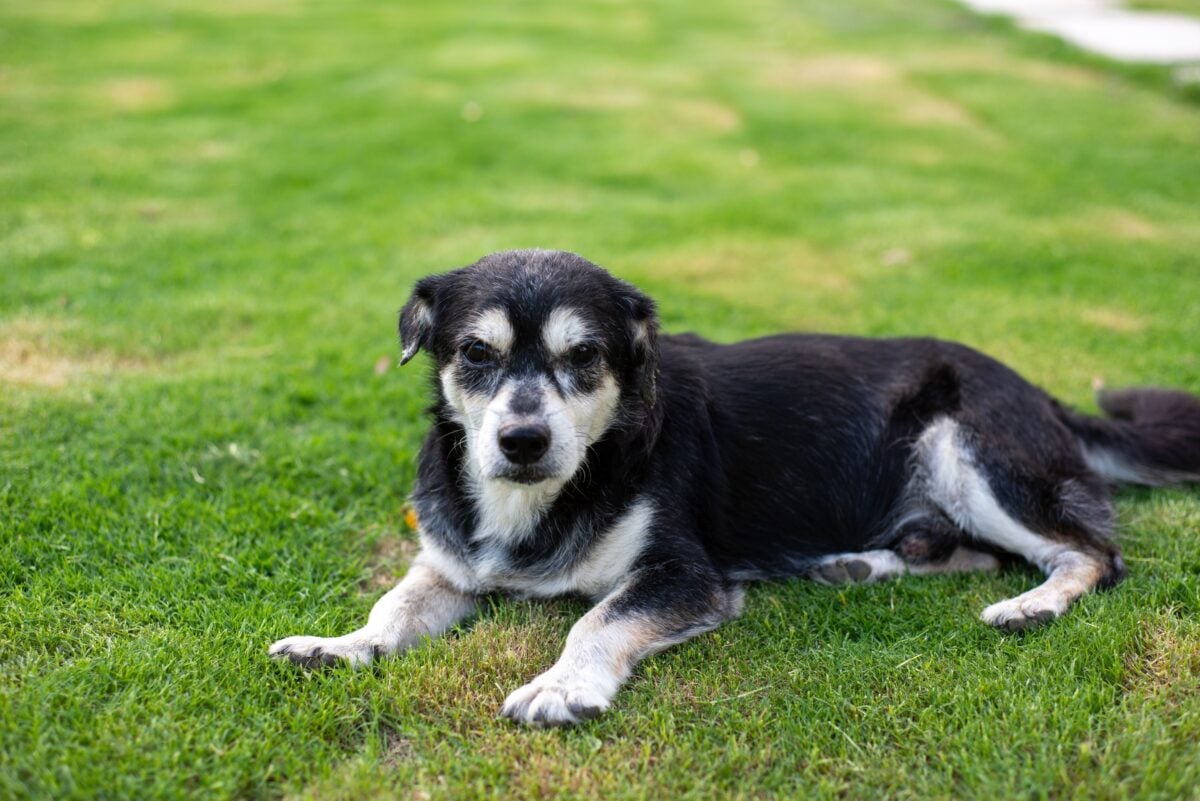
Most people assume a dying dog will look like a dying dog: no appetite, no energy, obvious pain every time they move. That’s the myth. The truth is stranger and much harder to catch – some of the clearest signs a dog is in their final weeks look like nothing at all, or worse, like they’re actually getting better.
Owners chalk it up to “just getting older” and move on, only to replay those same moments months later with a sick feeling in their stomach. If you’ve ever wondered whether you missed something, you’re about to find out you probably weren’t imagining it. Here are 15 things dogs quietly do in their last weeks – the ones almost nobody recognizes until it’s already over.
#1 – They Suddenly Want To Be Alone More

It sounds harsh, but one of the most common late-stage changes is a dog quietly pulling away from the family. The dog who used to trail you from room to room starts staying on the bed, under the table, or tucked in a corner instead. It isn’t rejection. Just getting up to greet someone at the door can suddenly feel like running a marathon.
Owners often misread this as moodiness, as if the dog is mad about something. In reality, it’s frequently a gentle sign the body is conserving whatever energy it has left. Some behaviorists point to old instinct: in the wild, sick animals isolate themselves rather than draw attention. It’s one of the hardest habits to watch, mostly because it feels personal when it almost never is.
#2 – Or They Cling To You Like Never Before

Here’s the confusing part: other dogs do the exact opposite at the end. The independent dog who never cared where you were may suddenly shadow you from room to room. They insist on touching you while they sleep, cry the second you leave, or curl into your chest like a puppy again.
This sudden “velcro dog” phase is usually about comfort, not sentiment for sentiment’s sake – their body feels strange or painful, and you are the safest place they know. Owners often look back and say, “I thought it was sweet he got cuddly in his old age. I had no idea he felt that bad.” Nobody knows for certain whether dogs understand they’re dying, but they clearly feel vulnerable, and vulnerable dogs seek out their person.
#3 – Their Eating Habits Get Weird, Not Just “Less”
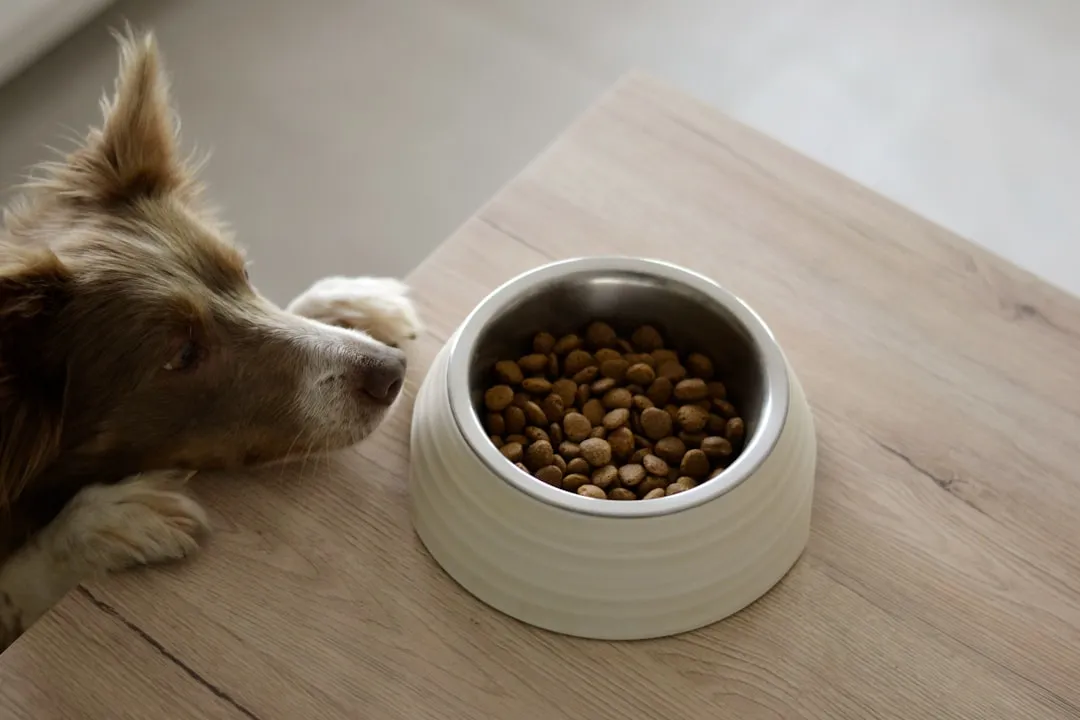
Most people watch for a dog to stop eating altogether, but in the final weeks the changes are usually stranger than that. Some dogs get suddenly picky – chicken yes, kibble no, soft treats yes, chews absolutely not. Others eat at odd hours, ignoring breakfast completely and then cleaning the bowl at 2 a.m.
These shifts can signal nausea, pain, or organ decline long before appetite disappears entirely. It’s easy to write it off as fussiness, especially if they’ll still beg for a bite of your dinner. The real reason is more physical than behavioral: sick dogs gravitate toward high-smell, high-fat foods because they’re easier to sense and more rewarding to a struggling system.
- Dropping food on the floor, then slowly re-eating it
- Taking a bite gently, then walking away and leaving the rest untouched
#4 – They Start Drinking Either Way More… Or Almost Not At All
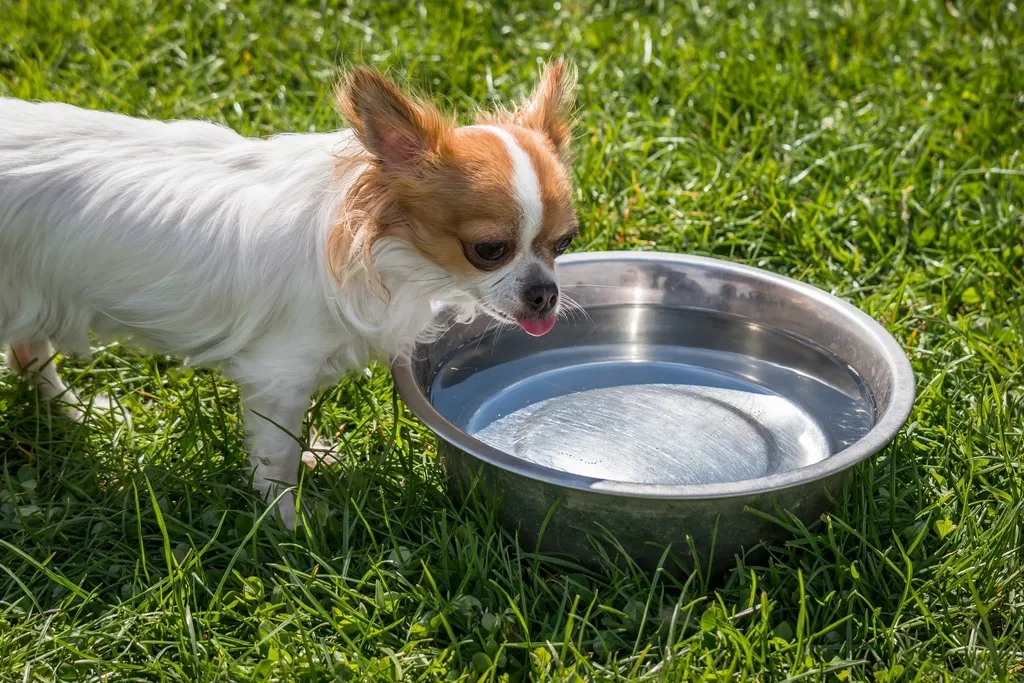
Water intake might be the most underrated end-of-life clue there is. In the last weeks, dogs tend to swing hard in one direction – either camping out at the bowl or seeming to forget it exists. A sudden increase can point to kidney issues, diabetes, or endocrine disease, while a sharp drop often signals advanced organ failure or serious nausea. Neither should get filed under “just age.”
Owners frequently realize in hindsight that the puddles on the floor or the overnight accidents weren’t laziness – they were medical red flags in plain sight. On the other end, a dog who barely drinks from the bowl might still lick rainwater, shower drips, or ice cubes, which can look quirky in the moment. Paired with weight loss, bad breath, or lethargy, though, it’s exactly the kind of detail vets wish people mentioned sooner rather than later.
Fast Facts
- Increased thirst can point to kidney disease, diabetes, or a hormone imbalance
- A sudden drop in drinking often signals nausea or advanced organ decline
- Watch for changes in either direction, not just total refusal to drink
- Pairing water changes with weight loss or bad breath makes the warning sign stronger
#5 – Their Sleep Becomes Strange And Fragmented

“Old dogs just sleep more” is only half the story. In the final weeks, many dogs don’t simply sleep longer – they sleep differently. They might crash hard during the day, then pace or pant restlessly at night. Some fall asleep sitting up, then jolt awake looking lost and confused.
This fractured pattern is often a mix of pain, anxiety, and canine cognitive dysfunction – doggie dementia, in plain terms. Owners usually connect the dots only afterward: the dog who suddenly woke every two hours to “check the house” wasn’t becoming a better guard dog, they were uncomfortable or disoriented.
- Dreaming more intensely, with twitching, whining, or paddling
- Choosing cold floors or unusual spots, almost like they’re trying to escape their own discomfort
#6 – They Stop Doing One “Tiny” Thing They Always Loved
One of the most heartbreaking things to realize in hindsight is how small the real turning point looked at the time. Maybe the dog who always dropped a toy at the door just stopped. Maybe the one who crashed every movie night on the couch started staying in the hallway instead.
We brace for big, dramatic declines, but the real message usually arrives quietly – the daily fetch game skipped even though they still go on walks, the enthusiastic greeting reduced to a faint tail wag from the bed. Owners tend to explain it away: “He’s just mellowing out,” or “She’s finally calming down in her old age.” More often than not, that was the exact moment their body stopped being able to keep up with their personality – and catching it early can mean the difference between a long, hard decline and a gentler goodbye.
#7 – Their Eyes And Expression Quietly Change
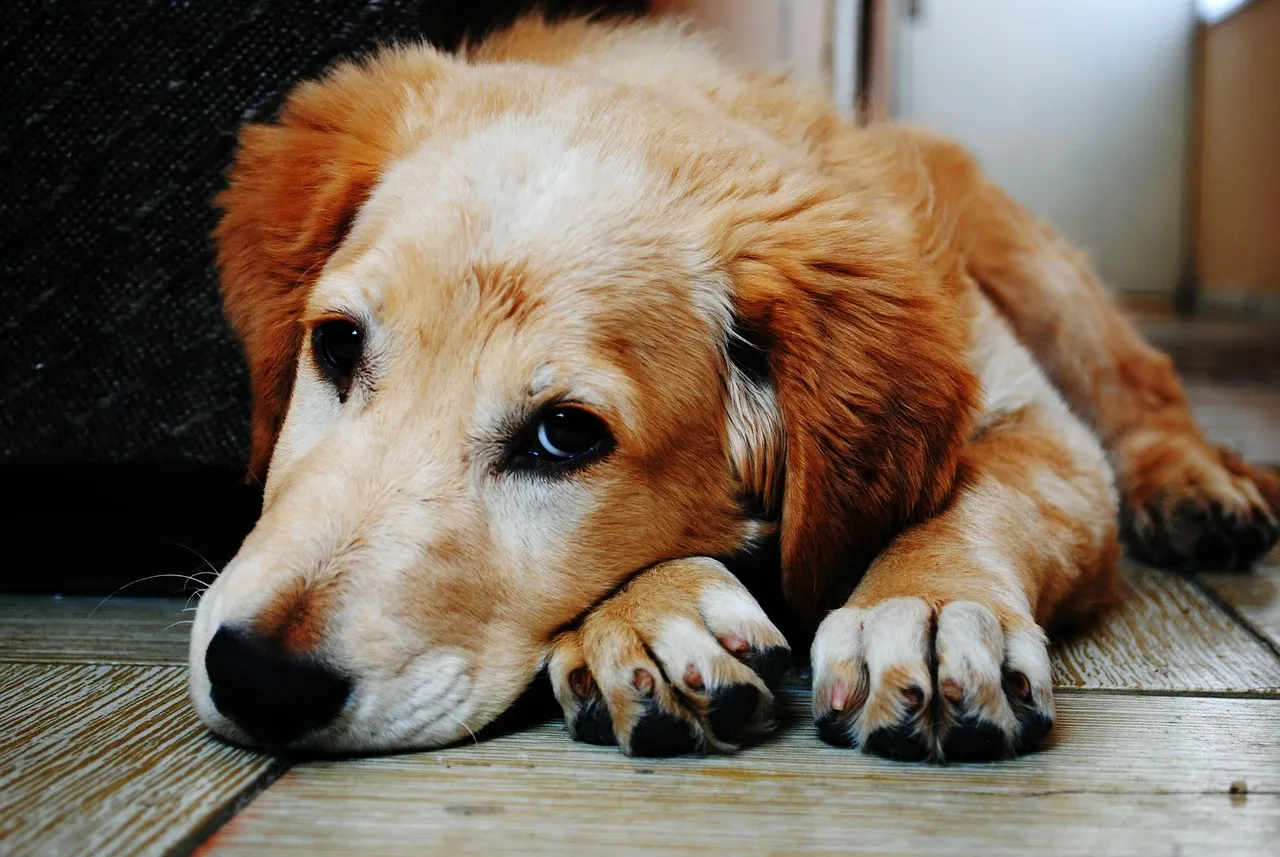
This is the sign almost nobody talks about, yet the people who’ve seen it never forget it. In the final weeks, many dogs get a different look in their eyes – less spark, more distance, a kind of tiredness that wasn’t there before. It isn’t mystical. Chronic pain, neurological decline, or plain exhaustion can soften the muscles around the face and dull how the eyes focus, creating that unmistakable “old soul” look.
Some owners describe it as their dog “looking through me instead of at me.” Others notice squinting, slower blinking, a new sensitivity to bright light, or eyes that suddenly look glassy or sunken when they never had before. It’s easy to dismiss as normal aging until you scroll back through old photos and see exactly how fast it changed – and once you notice it, that quiet shift can be one of the most honest signals you get about your dog’s quality of life.
Worth Knowing
- A cloudy or bluish haze can reflect aging cataracts rather than tiredness alone
- Slower blinking or reduced eye contact often tracks with pain or neurological decline
- New sensitivity to bright light can point to underlying inflammation
- Comparing recent photos to older ones often reveals changes you’d otherwise miss day to day
#8 – They Have “Good Days” That Feel Almost Too Good
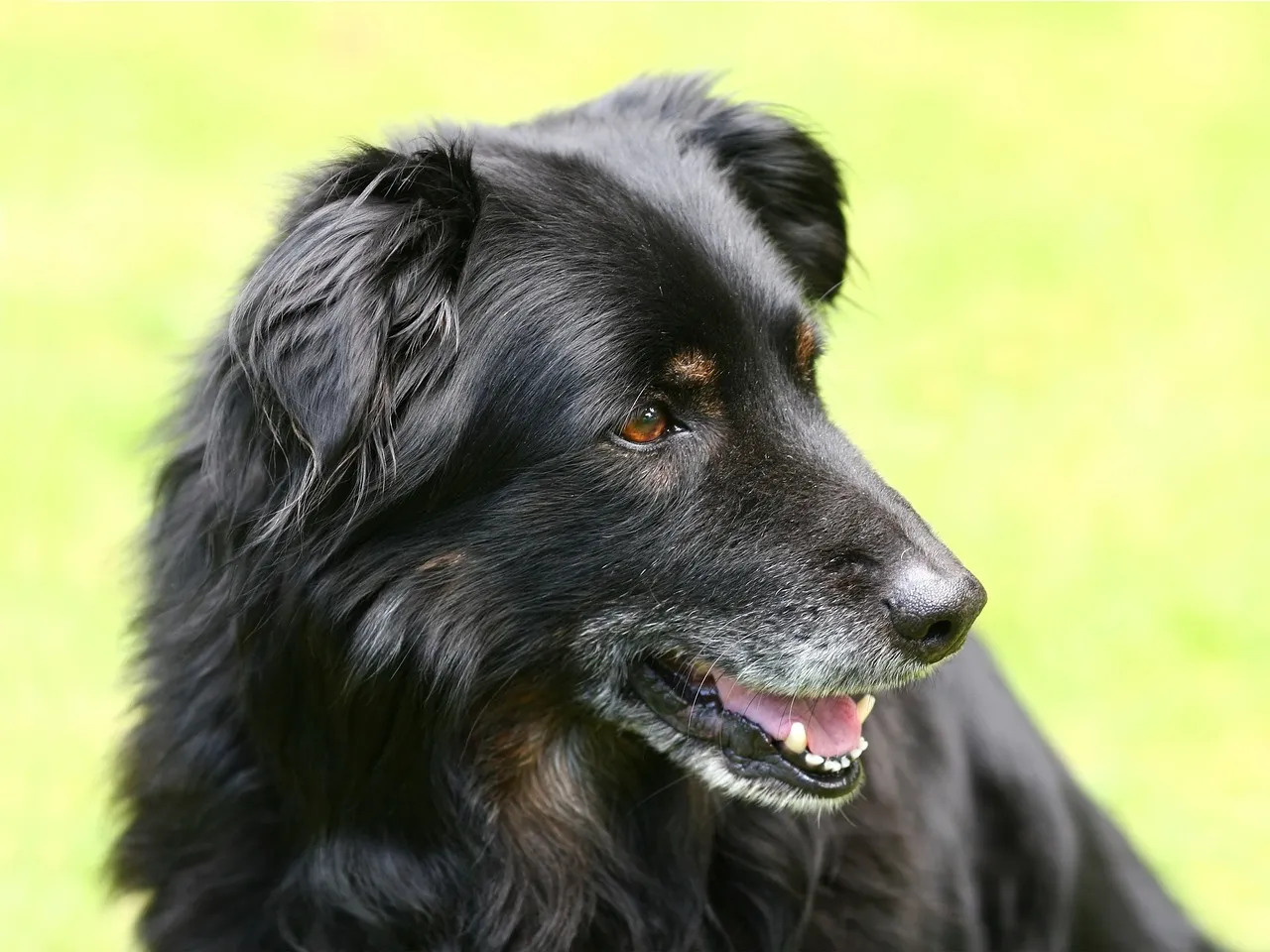
This one is brutal. Many owners describe a strange “rally” days or even weeks before the end – the dog seems brighter, eats better, maybe plays again for the first time in months. It can happen as stress hormones shift or after a medication adjustment finally kicks in, but it doesn’t always mean real recovery. Sometimes it’s the body’s last surge before decline, not a turnaround.
Because of that, people often delay hard decisions: “He looked like his old self again, so we canceled the appointment.” Then they spend months wondering what would have happened if they hadn’t. A short-lived upswing in a very sick senior dog deserves close watching, not blind relief.
- Take extra photos while you can
- Spend quiet time on their favorite, low-effort things
It’s painful, but it can also be a genuine gift if you recognize it for what it actually is.
#9 – They Lose Bathroom Control In Ways That Aren’t Just “Accidents”
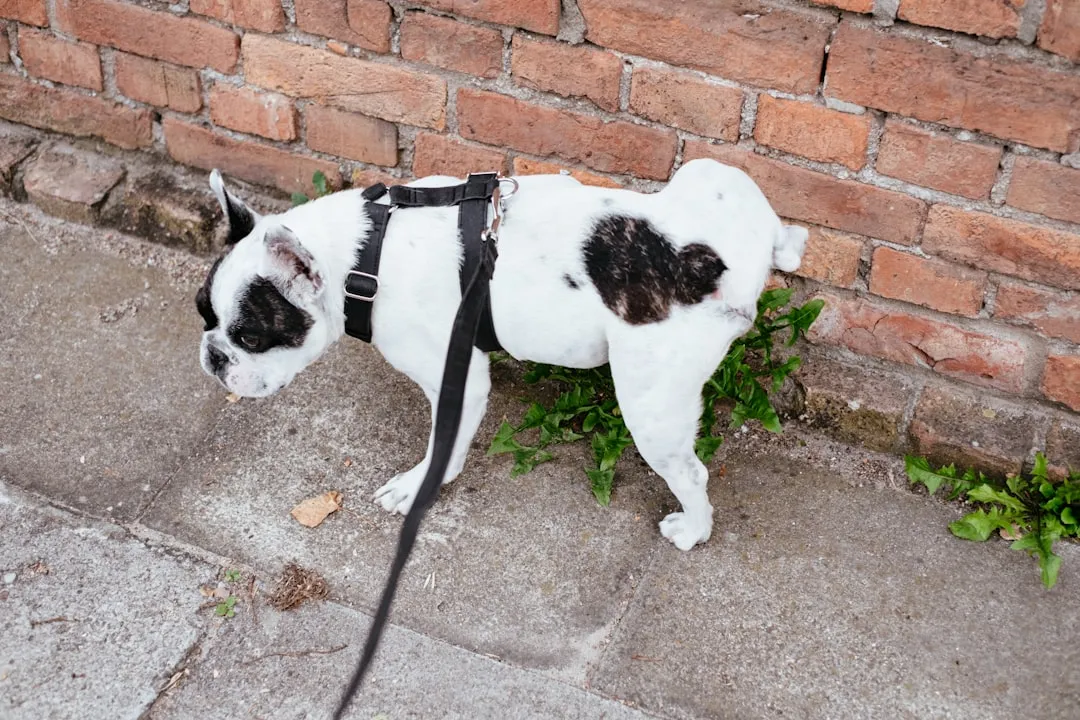
People are embarrassed to bring this up, but almost everyone who’s been through it remembers it clearly. A house-trained dog who suddenly has frequent accidents, can’t hold it through the night, or soils the spot where they sleep is rarely being defiant. In the final weeks, it’s usually muscle weakness, nerve decline, or organ disease – not bad behavior.
You might see dribbling when they stand up or lie down, or notice them relieving themselves mid-walk as if they never felt it coming. Owners often react with frustration in the moment, then feel crushing guilt once they realize their dog physically couldn’t help it. There’s a decent chance your dog felt confused, maybe even ashamed, depending on their temperament. Meeting that stage with pads, diapers, or more frequent trips outside isn’t spoiling them – it’s basic kindness at the end of a lifetime of loyalty.
#10 – Their Breathing And Body Temperature Feel “Off”

Most people don’t regularly check their dog’s breathing rate or feel their paws for temperature – until something feels wrong. In the final weeks, you might notice shallow panting at rest, faster breathing than normal, or strange pauses where they almost seem to forget to take a deep breath. These patterns can point to pain, heart or lung problems, or simple fatigue in the muscles that control breathing.
Owners also often remember the moment they realized their dog felt oddly cold or warm to the touch, especially at the ears, paws, and nose. Circulation changes can make extremities cooler, while inflammation or fever can do the opposite. On their own, any one of these signs might mean little. Together, in an aging dog with other symptoms, they’re often part of the picture vets are quietly reading even when they don’t say so directly.
At a Glance
- A normal resting breathing rate for dogs is roughly 15 to 30 breaths per minute
- Rates that climb consistently above 30 to 35 at rest can point to fluid buildup or heart strain
- Cool ears, paws, or nose often reflect poor circulation
- Warmth combined with lethargy may signal fever or inflammation
#11 – They Get Startlingly Anxious Or Restless For “No Reason”
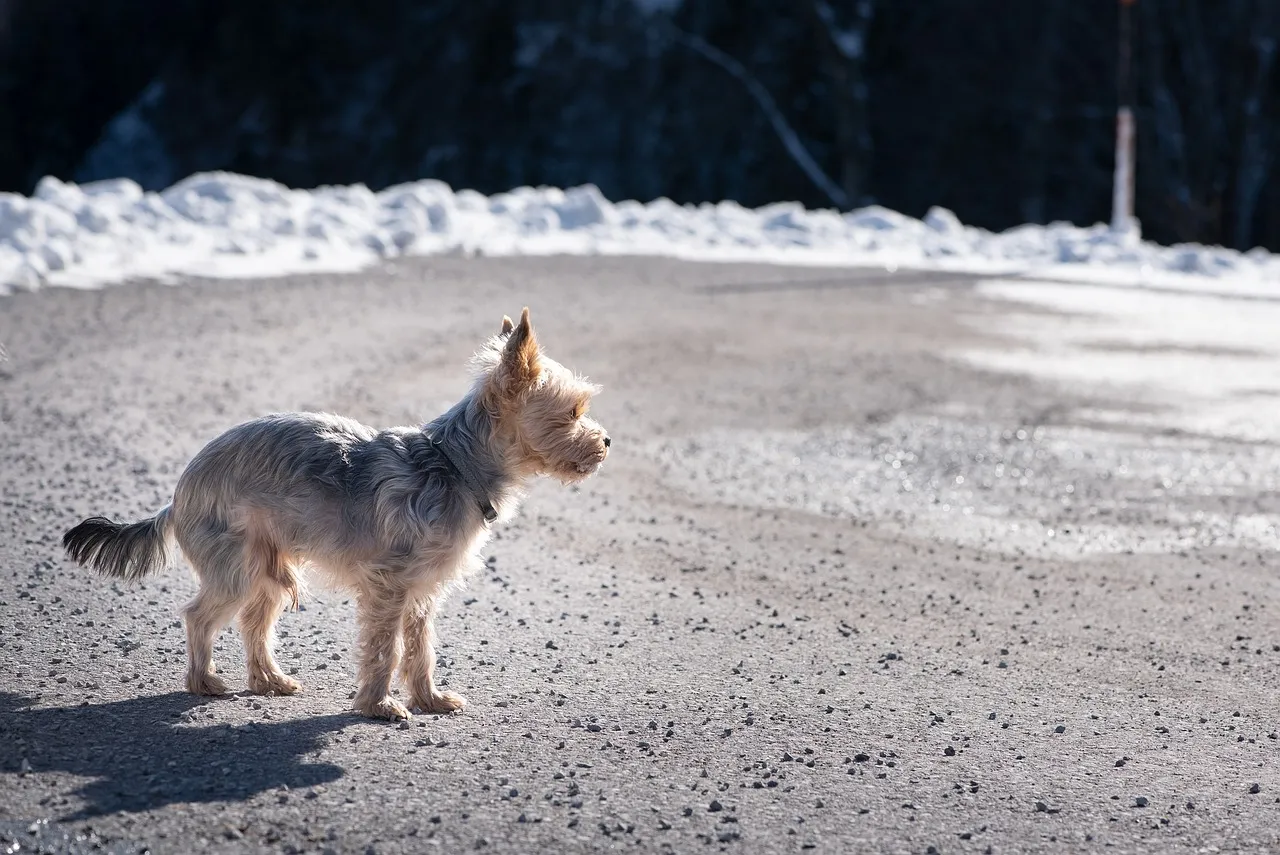
One of the hardest behaviors to watch is late-life agitation. Dogs who were always easygoing suddenly start pacing, panting, whining, or scratching to go in and out without ever settling anywhere. This restlessness is usually driven by pain, organ discomfort, or cognitive changes – not a new bad habit that appeared out of nowhere at age thirteen.
People often describe it simply: “He just couldn’t get comfortable anywhere.” That’s worth paying attention to, especially alongside barking at night, staring at walls, or a sudden fear of being alone or of the dark. It’s exhausting for caregivers, and here’s the harder truth: medicating a dog just enough to quiet these signs, without ever addressing what’s actually causing them, can end up prolonging discomfort for our own comfort instead of theirs. Most owners only understand that distinction in hindsight.
#12 – They Retreat To One “Final” Spot And Barely Leave It
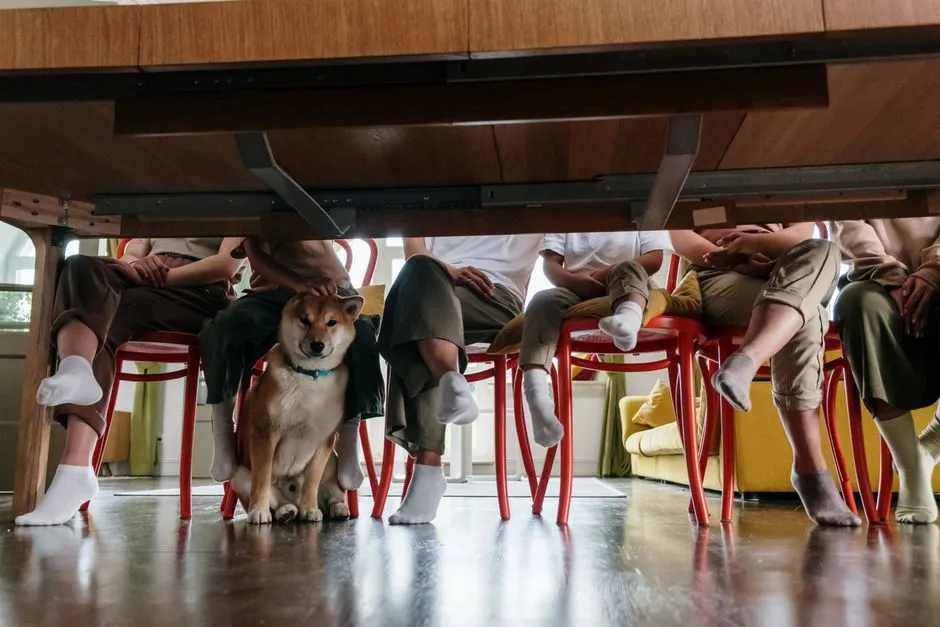
Many dogs, in their last weeks, pick one specific place – under a favorite table, behind the couch, a certain patch of yard – and that becomes their entire world. They sleep there, watch the room from there, and only leave when it’s absolutely necessary. It isn’t random. It’s them choosing the spot where they feel safest and least exposed.
Some owners realize only later that this corner or bed was their dog’s version of a den, a place where they were quietly settling in to rest for good. You’ll often notice resistance if you try to move them elsewhere, and visible relief once they’re back in their chosen place. Forcing them to stay “where the family is” can feel like love, but it may actually add stress if their body is telling them to hide and rest. Bringing the family to them instead – blankets, quiet company, low lights – is usually the kinder move.
#13 – They Start Ignoring The Door, The Leash, Or The Car Keys
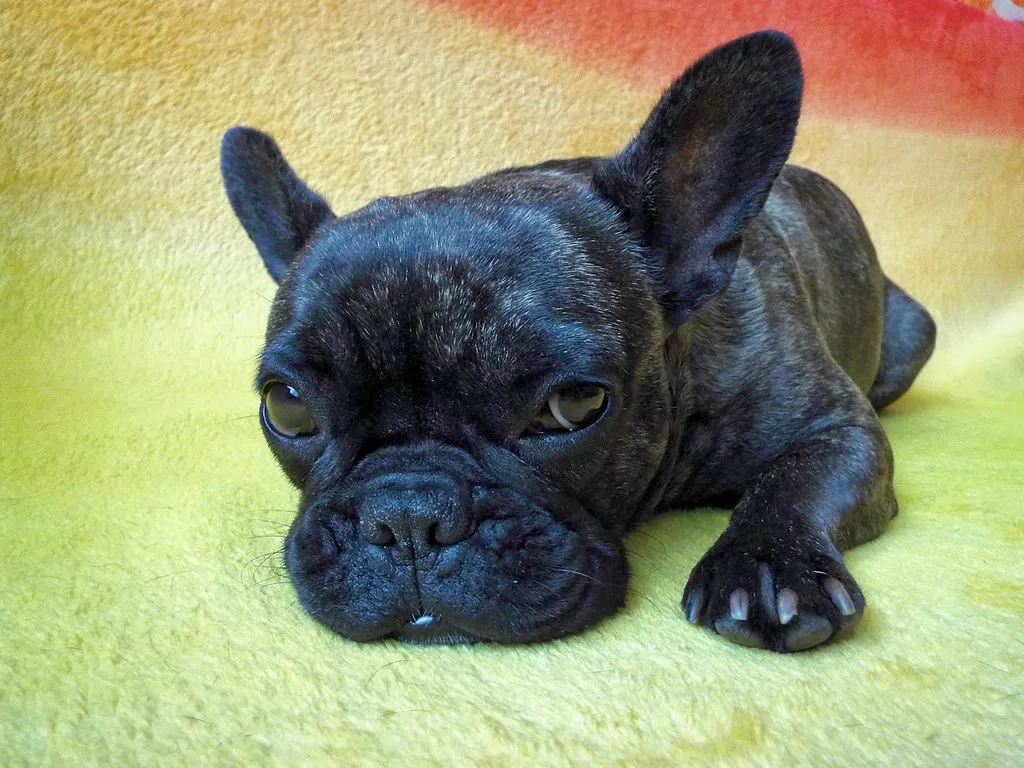
For most dogs, certain sounds are basically electric: the jingle of keys, the leash clipping on, a knock at the door. In the final weeks, those once-magic triggers can suddenly mean nothing at all. When a dog who lived for walks doesn’t even lift their head at the leash, it’s rarely boredom. It’s profound fatigue or discomfort.
Owners frequently replay this exact moment afterward: “That last week, he didn’t come running when I got home. I just figured he was going deaf.” Sometimes hearing really does decline, but more often the dog hears perfectly well and simply doesn’t have the reserves to respond. It isn’t a lack of love. When the most exciting sounds in a dog’s world stop working, the body is usually much further along than anyone wants to admit.
#14 – They Give Very Brief, Very Clear Flashes Of Discomfort
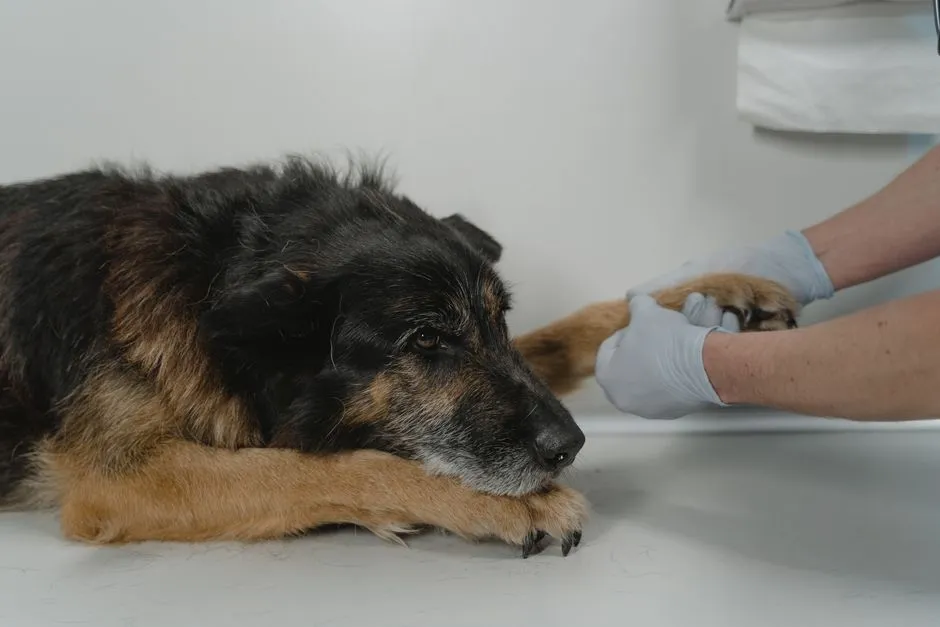
One of the biggest myths about dying dogs is that real suffering always looks like nonstop crying. In reality, plenty of stoic dogs give only fleeting, almost apologetic signs of pain – a flinch when you touch one specific spot, a sudden yelp standing up, a single low growl when another dog bumps into them.
These tiny moments get brushed off constantly, right up until owners realize they were the truth quietly slipping past a dog’s instinct to hide weakness. Watch for a split-second grimace when they rise, or a sudden refusal to take the stairs “just this once” after a stumble. We downplay these signals because we want more time, badly. But many vets quietly weigh these exact micro-signals heavily when families ask about end-of-life decisions. If you’re only reacting once the pain looks constant and obvious, there’s a good chance you’re already reacting late.
Quick Compare
- Loud pain: constant crying, refusing to move, obvious limping – hard to miss
- Quiet pain: one flinch, one low growl, one skipped stair – easy to explain away
- The catch: quiet pain is often just as serious, but it rarely gets treated with the same urgency
#15 – They Have One Last “Normal” Moment That Haunts You
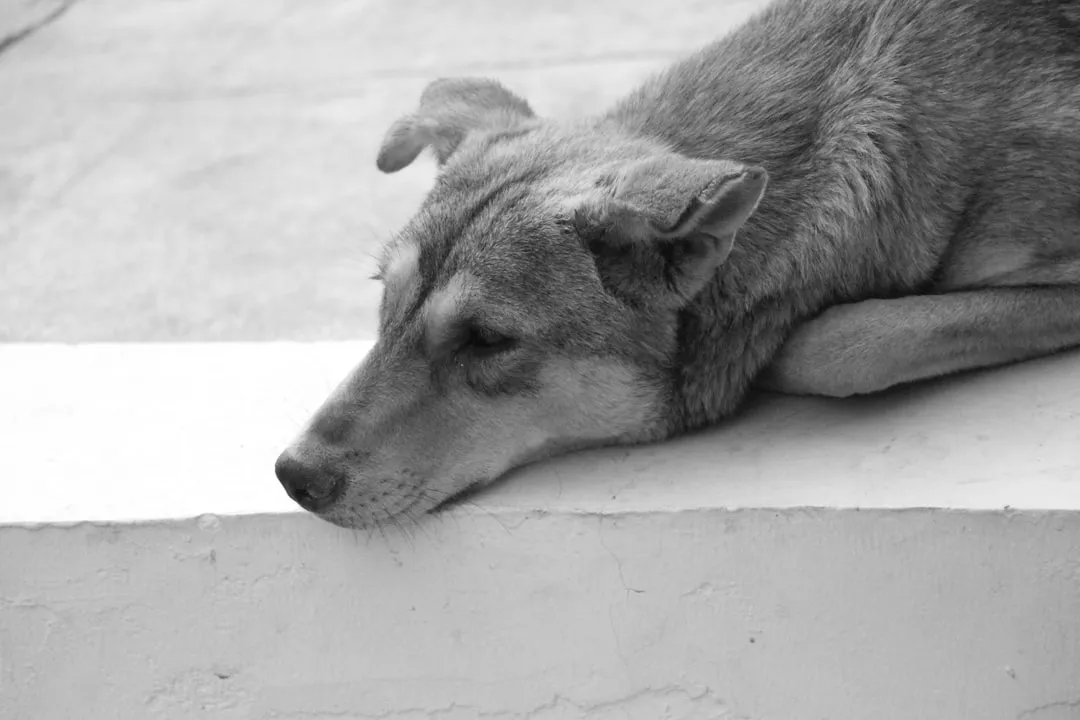
Ask enough grieving owners and you’ll hear the same story, almost word for word: “The day before we said goodbye, she did something so completely her – just one more time.” A final tail-thumping greeting. One last slow, half-hearted game of fetch. Sharing a bite of burger off the floor like old times.
These moments feel like miracles while they’re happening and torture in hindsight, because they make people second-guess a decision for years afterward. Here’s the truth most vets and behaviorists quietly agree on: a single bright hour doesn’t erase weeks or months of real struggle. Bodies flicker before they go out completely. That last burst of normal isn’t proof you gave up too soon – it’s often a gift your dog pulled together for you, one final time, long after “okay” had already passed.
The Bottom Line
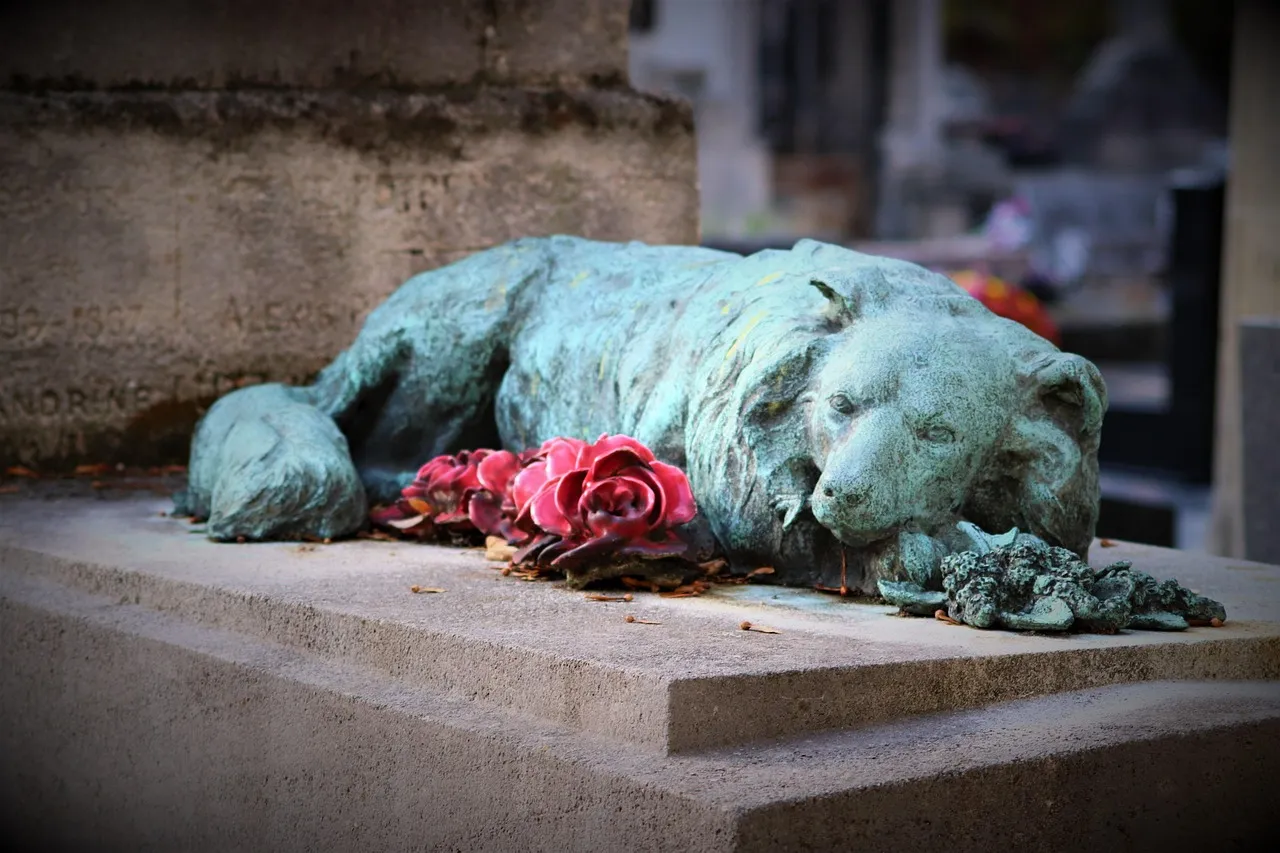
Line these fifteen signs up side by side and a hard pattern appears: our dogs are usually telling us the truth long before we’re ready to hear it. The quiet withdrawal, the strange rally, the one small ritual they quietly stop doing – none of it feels dramatic enough in the moment, which is exactly why so many loving owners miss it and drown in guilt afterward.
The real mistake isn’t failing to catch every single clue. It’s believing the only acceptable time to act is when suffering finally becomes impossible to ignore. Here’s the opinion some people resist and most eventually come around to: a goodbye that feels slightly too early is almost always kinder than one single day that turns out to be too late. You won’t find that written on an inspirational pet meme, but it’s what most end-of-life vets will tell you honestly, off the record, if you ask them directly.
Did we miss a sign you only understood after losing your dog? Tell us in the comments – your story might be exactly what helps someone else see the truth in time.

- 16 Ways Senior Dogs Try to Comfort Their Families in the Weeks Before They Go - August 5, 2026
- 15 Things Dogs Do in Their Final Weeks That Most Owners Only Understand in Hindsight - August 5, 2026
- 10 Powerful Guard Dog Breeds Known For Their Unwavering Loyalty And Protective Instincts - August 4, 2026