
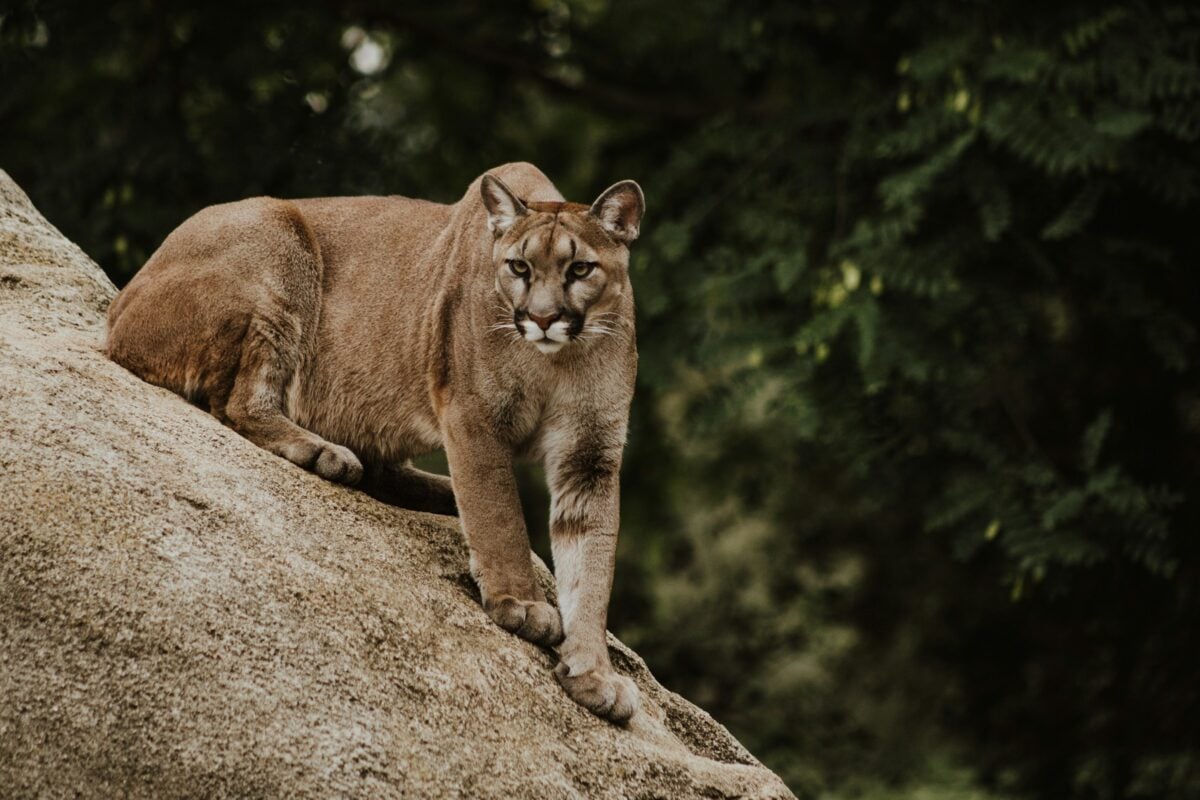
1. Their first instinct is fear, not curiosity
For a long time, people assumed mountain lions were simply indifferent to humans, going about their business as apex predators with little regard for who wandered into their territory. Research out of UC Santa Cruz turned that assumption on its head. In a landmark experiment, scientists played recordings of human voices near feeding pumas and watched the cats abandon their kills and flee almost immediately.
New research into the behavior of mountain lions indicates that they don’t like encountering humans any more than we like bumping into them on hiking trails. That reaction was not occasional or half hearted. This is the first study to experimentally link the fear of humans to feeding behavior in large carnivores. It suggests that fear, not tolerance or curiosity, is the default emotional setting for a lion that hears something human nearby.
2. They already know you’re there long before you know they are
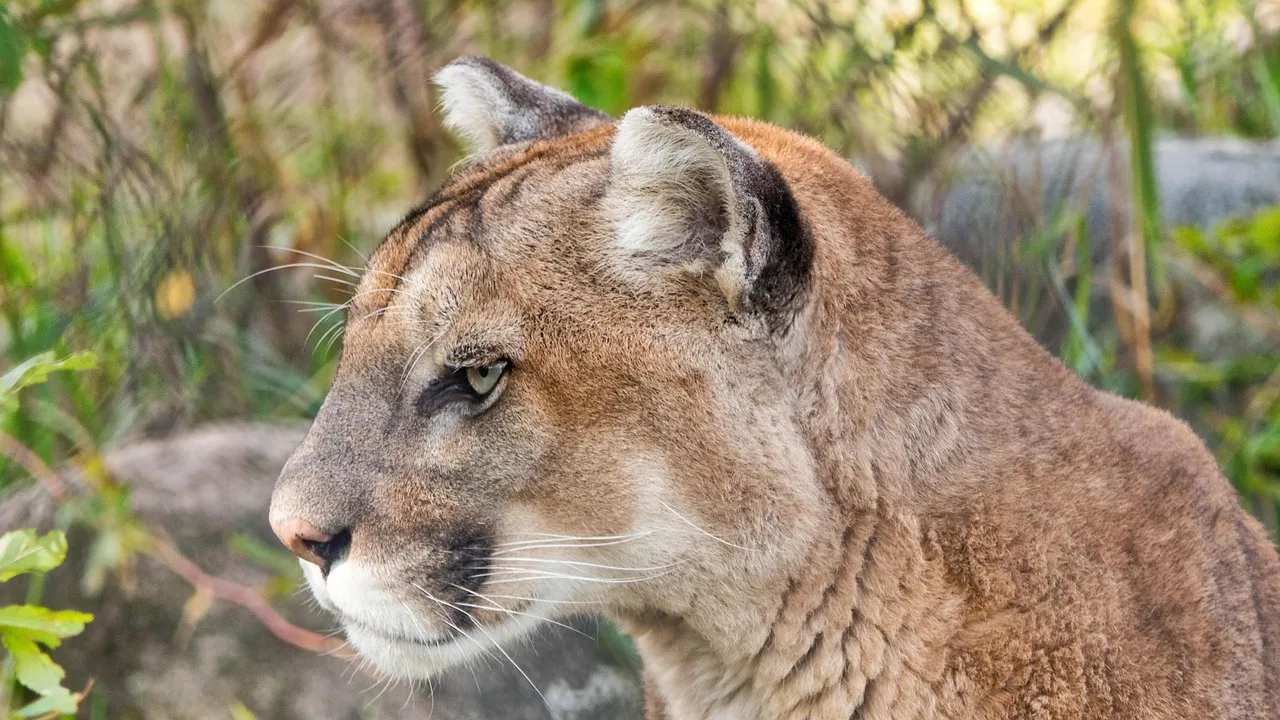
One of the more unsettling discoveries from recent tracking studies is that lions are not simply reacting when they stumble across a hiker. They’re planning ahead. Researchers in the Santa Cruz Mountains compared puma GPS data with human movement data pulled from a popular fitness tracking app and found something remarkable about how far in advance the cats adjust.
If you’re a hiker or mountain biker in these spaces, mountain lions already know you’re there, and they’re avoiding the area, the study’s lead researcher explained. They know which trails are used, when, and how much, and they avoid places that are consistently busy, rather than just reactively getting out of there when someone comes down the trail. In other words, the avoidance is not a startled reflex. It’s a learned, almost strategic pattern built from repeated observation of human habits.
3. They’ve shifted their entire schedule to dodge us
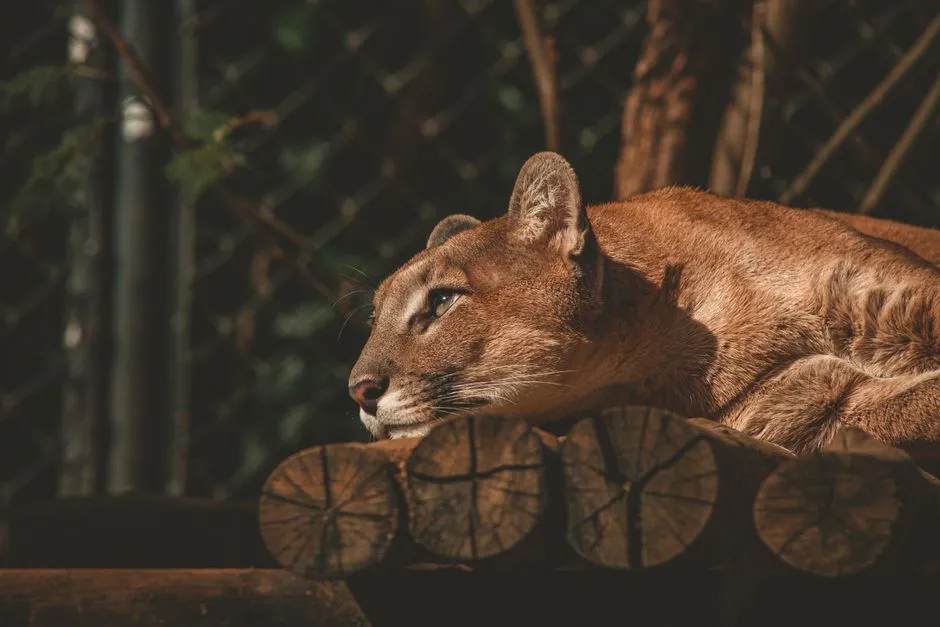
Perhaps the clearest evidence of avoidance comes from how mountain lions have restructured their daily clocks in areas dense with people. A multi year study tracking collared lions in the Santa Monica Mountains near Los Angeles found a striking pattern tied directly to human recreation levels.
The study revealed that mountain lions in areas with higher levels of human recreation were more nocturnal than their counterparts in secluded regions, while cats in more remote places preferred being more active during dawn and dusk. This isn’t a subtle shift either. Lions living near hiking trails and bike paths have essentially flipped their schedules to the middle of the night, precisely the hours when almost nobody else is out there.
4. Famous urban lions prove the pattern isn’t a fluke
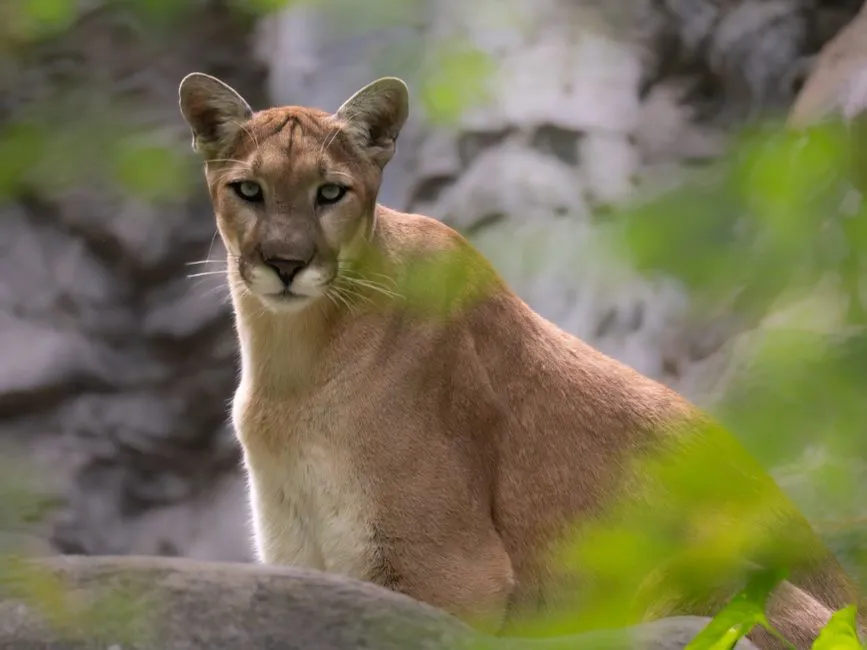
Sometimes individual animals become case studies in their own right, and few mountain lions have been documented as closely as P22, the cougar who became a minor celebrity after settling into Griffith Park in the heart of Los Angeles. Despite living surrounded by millions of people, his radio collar told researchers a very different story than his tabloid fame suggested.
P22 preferred to keep a low profile despite the fame he earned after crossing two busy freeways to find a home in active Griffith Park, and P22’s story demonstrates how, when faced with increased human activity, mountain lions actively avoid human contact. He wasn’t the only one either. Another lion in the same study, known as P41, living in the small Verdugo Mountains range, turned out to be the single most nocturnal animal tracked in the entire project, essentially disappearing into the night whenever human activity picked up nearby.
5. Getting injured is a death sentence they can’t risk
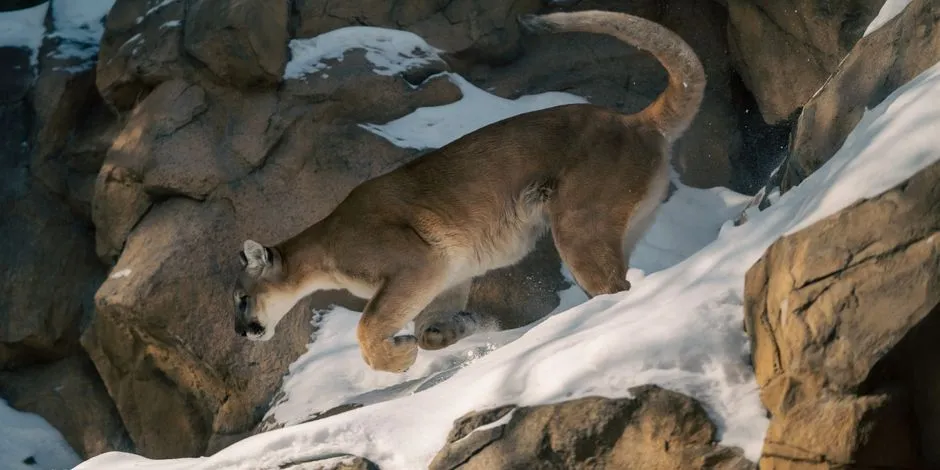
There’s a hard biological reason lions choose retreat over confrontation almost every time. Unlike humans, who can call for help or lean on modern medicine after an injury, a mountain lion with even a moderate wound is often facing a slow decline toward starvation. Their entire survival strategy depends on staying physically capable.
Predators, like the mountain lion, cannot afford an injury. If they are hurt they cannot hunt effectively, defend a territory, or seek water and shelter. When injured, wild animals starve. That single fact reframes almost every mountain lion encounter. A fight with a human, even a small one, carries a cost that vastly outweighs any possible benefit, so the calculation almost always favors walking away.
6. Humans simply aren’t on the menu
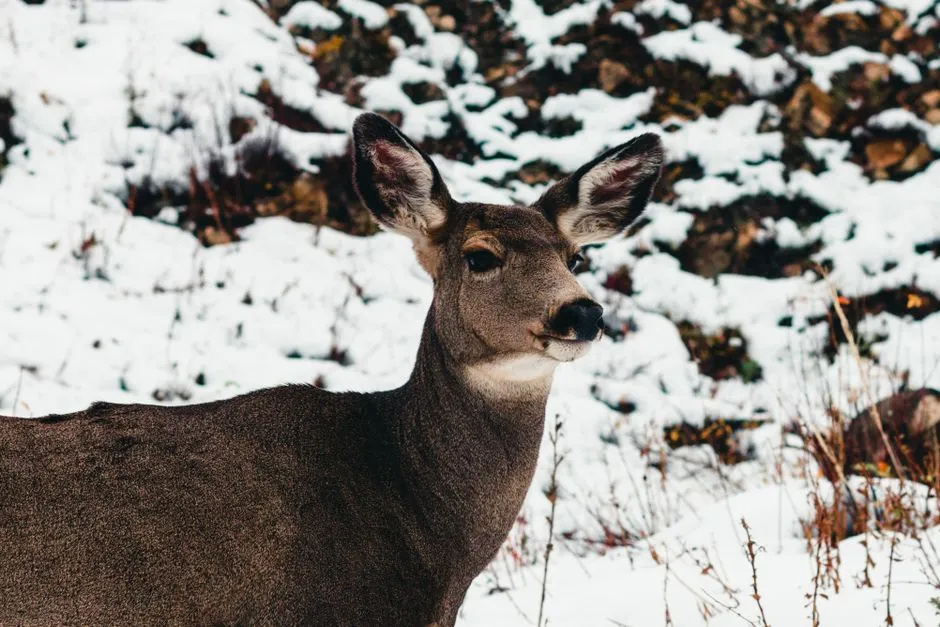
It helps to remember what mountain lions are actually built to hunt. Their entire physiology, from their ambush style to their preferred prey size, is oriented around animals that behave nothing like a standing, talking human being. Deer make up the bulk of their diet across nearly every region they inhabit.
Mountain lions generally prefer wild prey like deer, and they rarely take down animals heavier than about 500 pounds. Even livestock, which seems like an easier and more accessible target, rarely shows up in their diet in any meaningful way. A study of mountain lion diets on private ranchlands in Texas found zero livestock kills despite cattle and horses being present throughout the study area, and multiple other studies have found that livestock makes up very little of mountain lion diets, or doesn’t appear at all, even when abundant on the landscape. A person walking upright, talking, and moving unpredictably simply doesn’t register as viable prey under normal circumstances.
7. Solitary instincts run deeper than territory alone
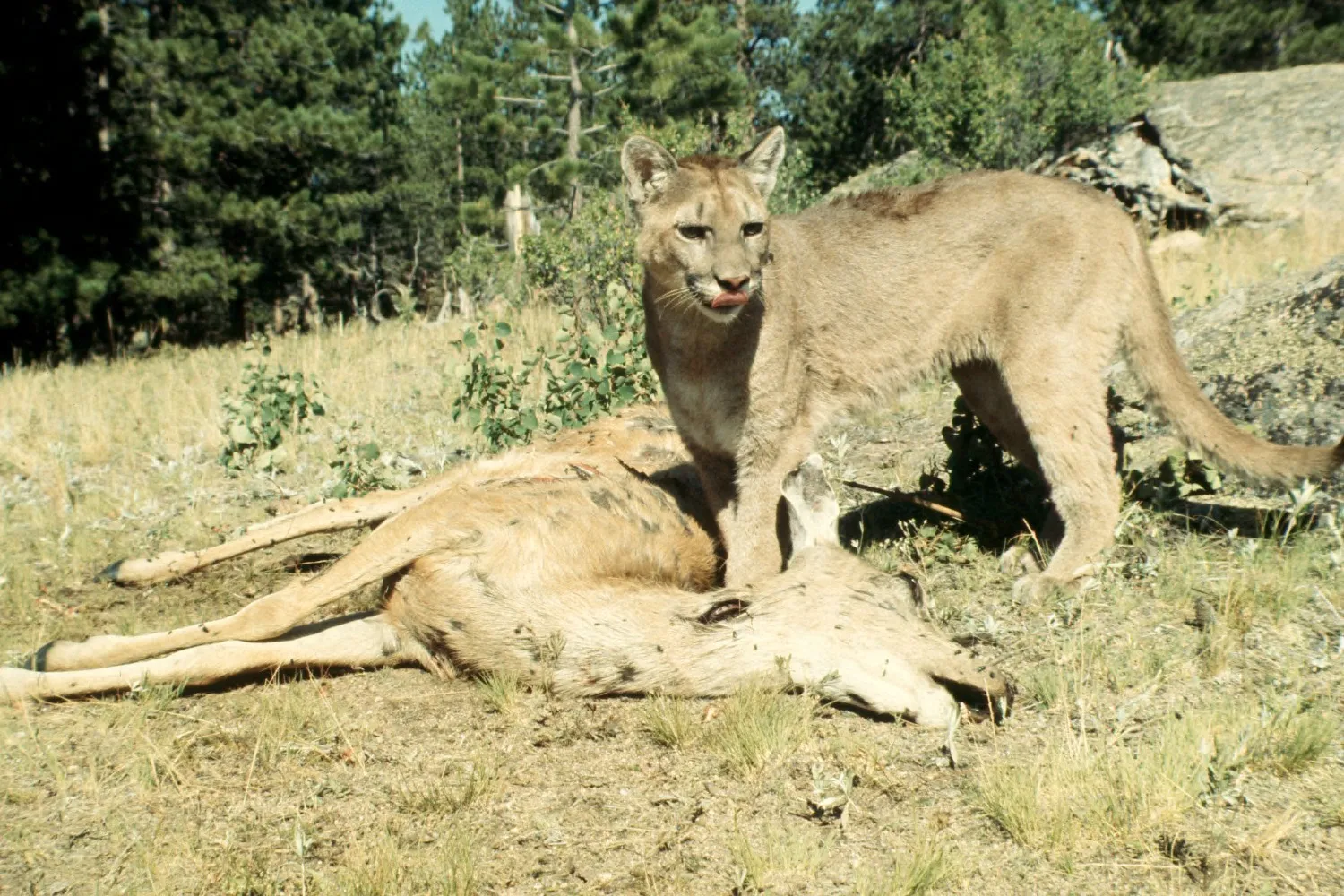
Mountain lions are famously solitary animals, and that trait extends well beyond how they treat other lions. Their default mode of operation, whether dealing with rivals over territory or unfamiliar creatures wandering through their range, is avoidance first and confrontation only as an absolute last resort.
Research has shown that mountain lions go out of their way to avoid other mountain lions, and humans, relying on wariness as their first defense, resorting to fights only when necessary to defend a territory or a litter of kittens. That single behavioral rule explains most of what shows up in the numbers. There have been 29 cases of fatal mountain lion attacks on humans in North America since 1868, for an average of about 0.18 attacks per year. Given how many millions of people share landscapes with these animals every year, that number reflects an animal whose instincts are overwhelmingly tilted toward staying out of sight.
The Bigger Picture Worth Remembering
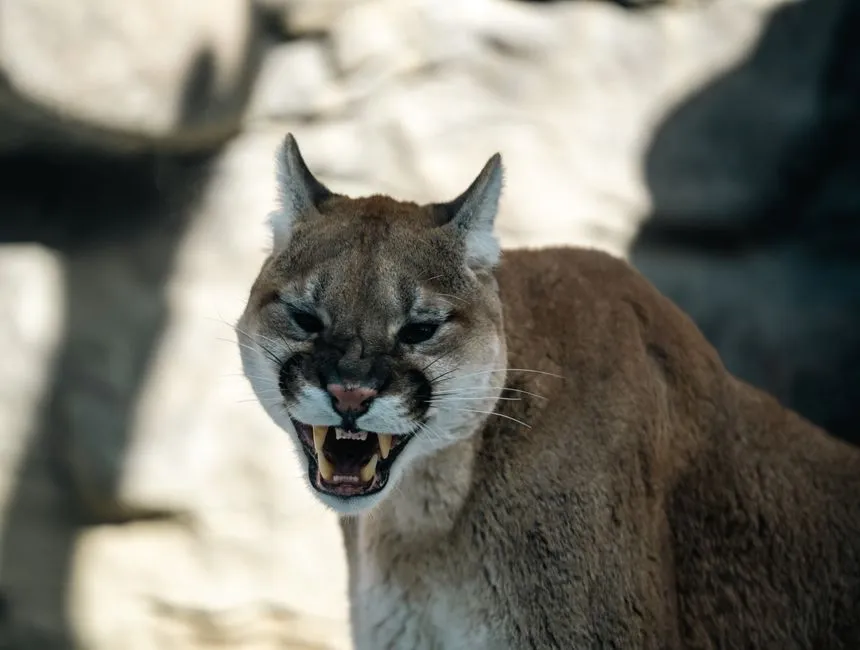
None of this means mountain lions are harmless or that caution in their territory is unnecessary. It means the fear many people carry into the backcountry is wildly out of proportion to the actual risk. These are animals actively rearranging their schedules, their movement patterns, and even their hunting behavior just to steer clear of us, and the data backs that up consistently across multiple independent studies.
My honest take, after digging through the research, is that we’ve spent decades fearing an animal that spends most of its energy fearing us right back. If there’s a genuine concern here, it’s not about lions becoming bolder. It’s about how shrinking wild spaces and constant human presence might eventually push these naturally avoidant animals into corners where retreat isn’t an option anymore. That’s a conservation problem worth paying attention to, far more than any myth about lions stalking hikers for sport.

- 7 Reasons Mountain Lions Avoid Humans More Often Than They Approach - August 6, 2026
- 10 Mind-Blowing Facts About the Rocky Mountains - August 6, 2026
- 10 Native US Trees That Secretly Help Wildlife Survive Heatwaves - August 6, 2026