
The reflection theory: what science actually says is happening
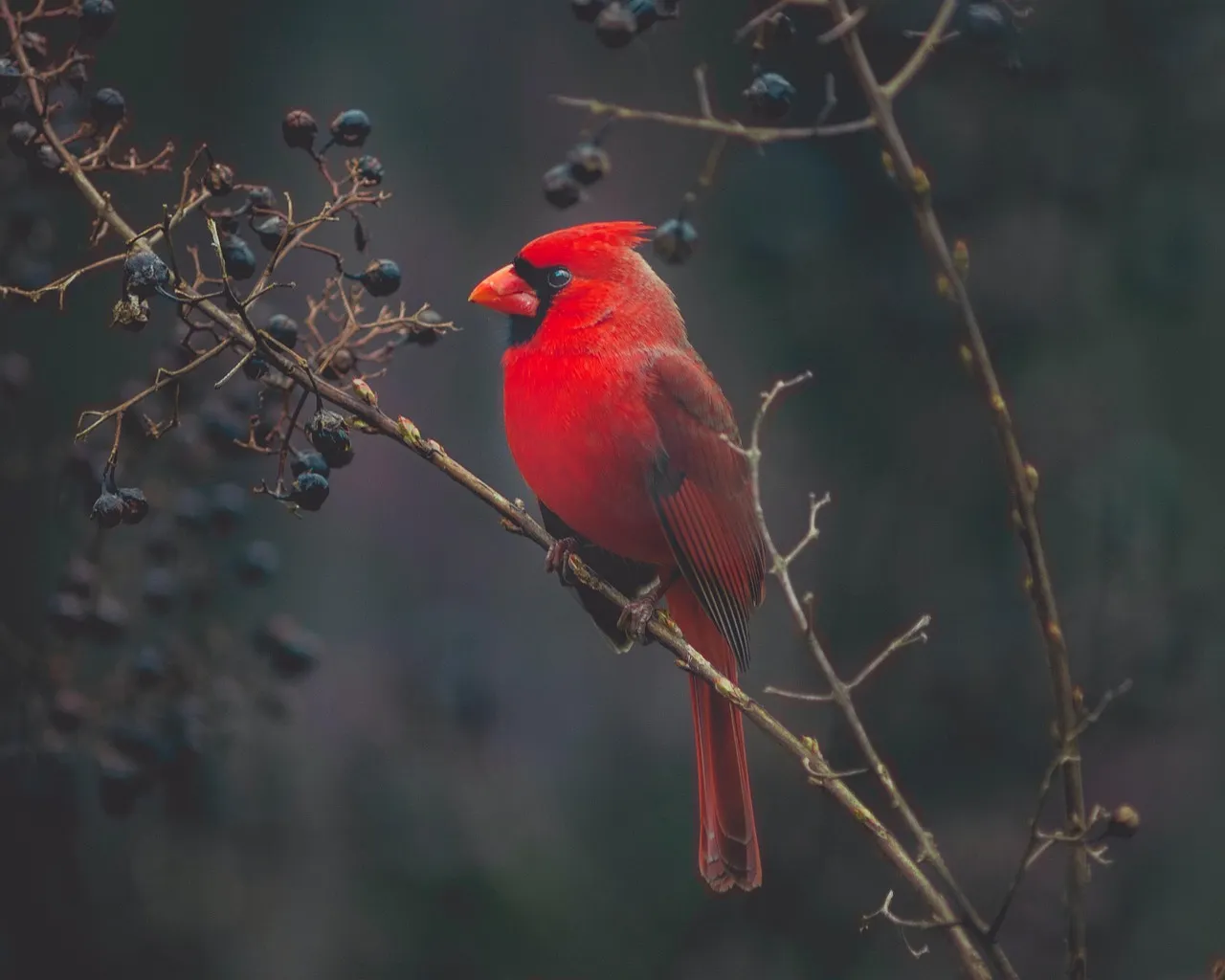
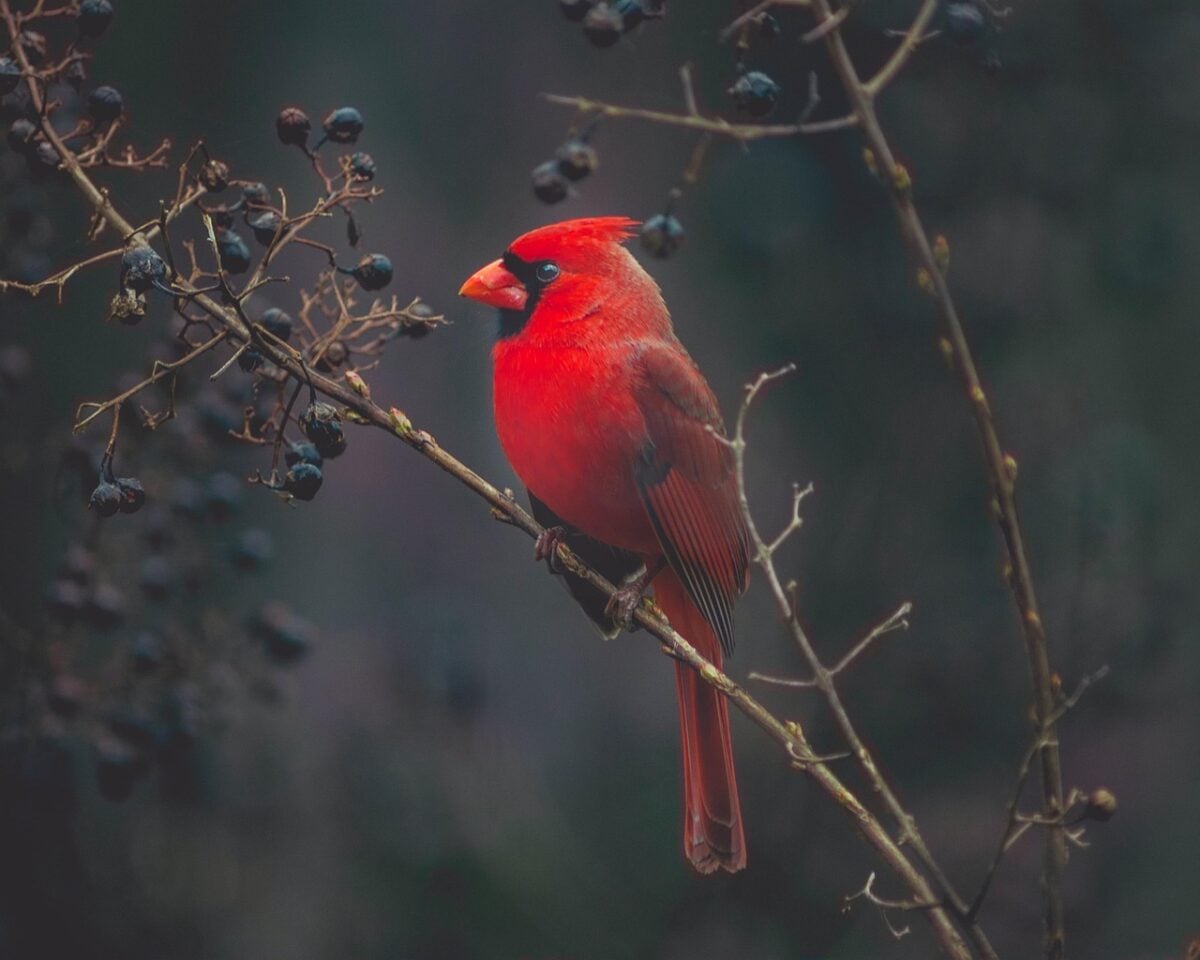
The leading explanation from ornithologists and extension wildlife specialists is refreshingly unromantic. This is a problem that is most common in spring as male birds are establishing and defending territories, and the male sees his reflection in the window and thinks it is a rival trying to usurp his territory. He isn’t confused in some vague sense. He genuinely believes another cardinal has invaded his patch.
What makes this loop so persistent is the nature of a reflection itself. This often causes a loop to form where the male fights his reflection, getting angrier as the reflected intruder never leaves. Every peck he throws, the “rival” throws right back, instantly and with equal force. From the bird’s point of view, there’s no version of this fight he can win, so he simply keeps trying.
Why cardinals specifically, and why so often the males
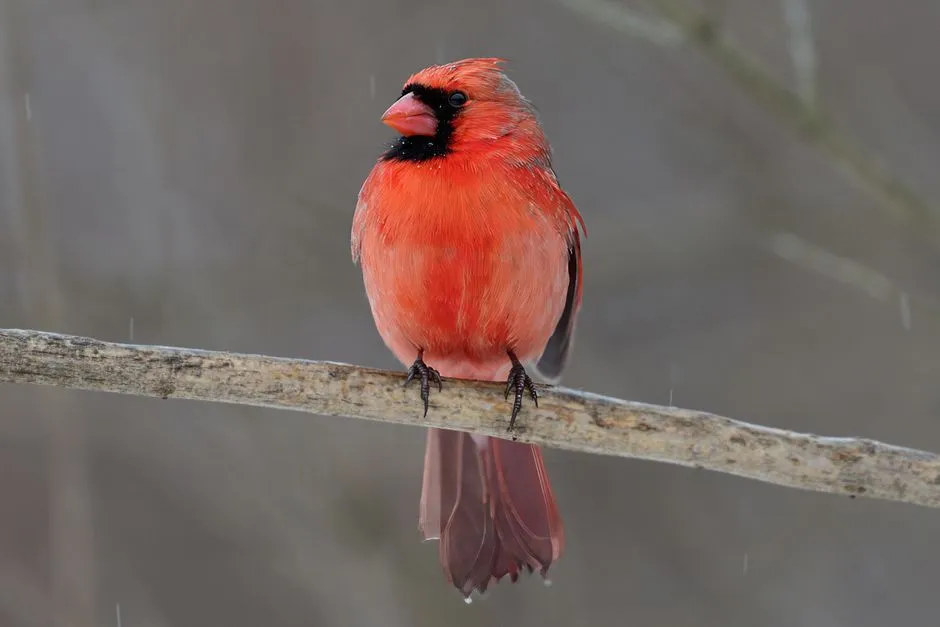
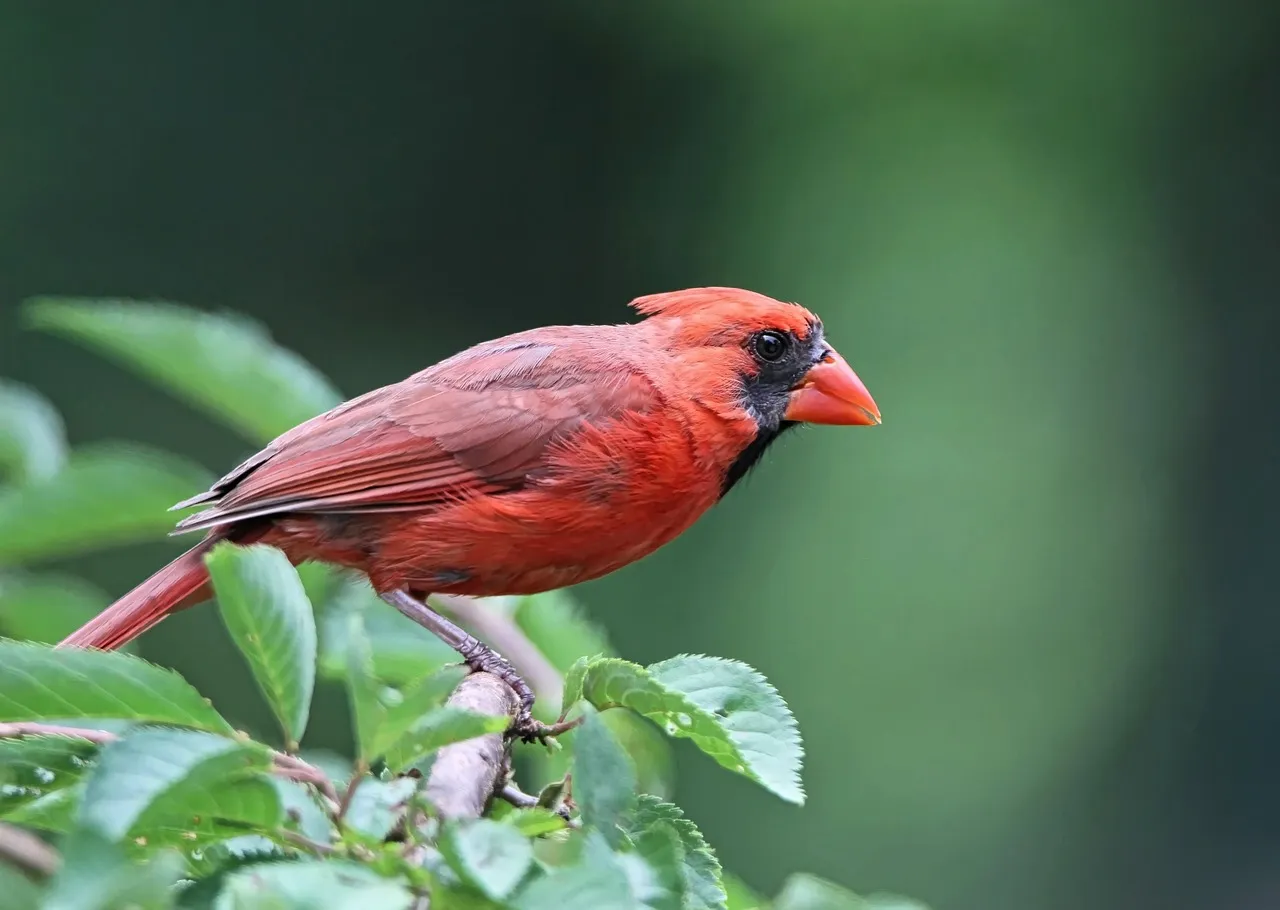
Plenty of species get confused by their own reflection, but cardinals seem to make headlines for it more than most. Part of the reason is visual. Their vibrant coloring makes their reflections easily visible, triggering their aggressive response, so they are more prone to perceiving their reflection as a threat. A drab brown bird’s reflection barely registers. A brilliant red one is impossible to miss, even for the bird making it.
Males tend to be the main offenders, though not exclusively. The Northern Cardinal and the American Robin are among the most frequent offenders, and males are usually the ones most likely to display this behavior, though occasionally female Northern Cardinals may engage in this type of attack as well. Females do sometimes join in, usually when defending a nest site rather than a broader territory, which suggests the motivation shifts slightly depending on which bird is doing the pecking.
The territorial instinct behind the behavior
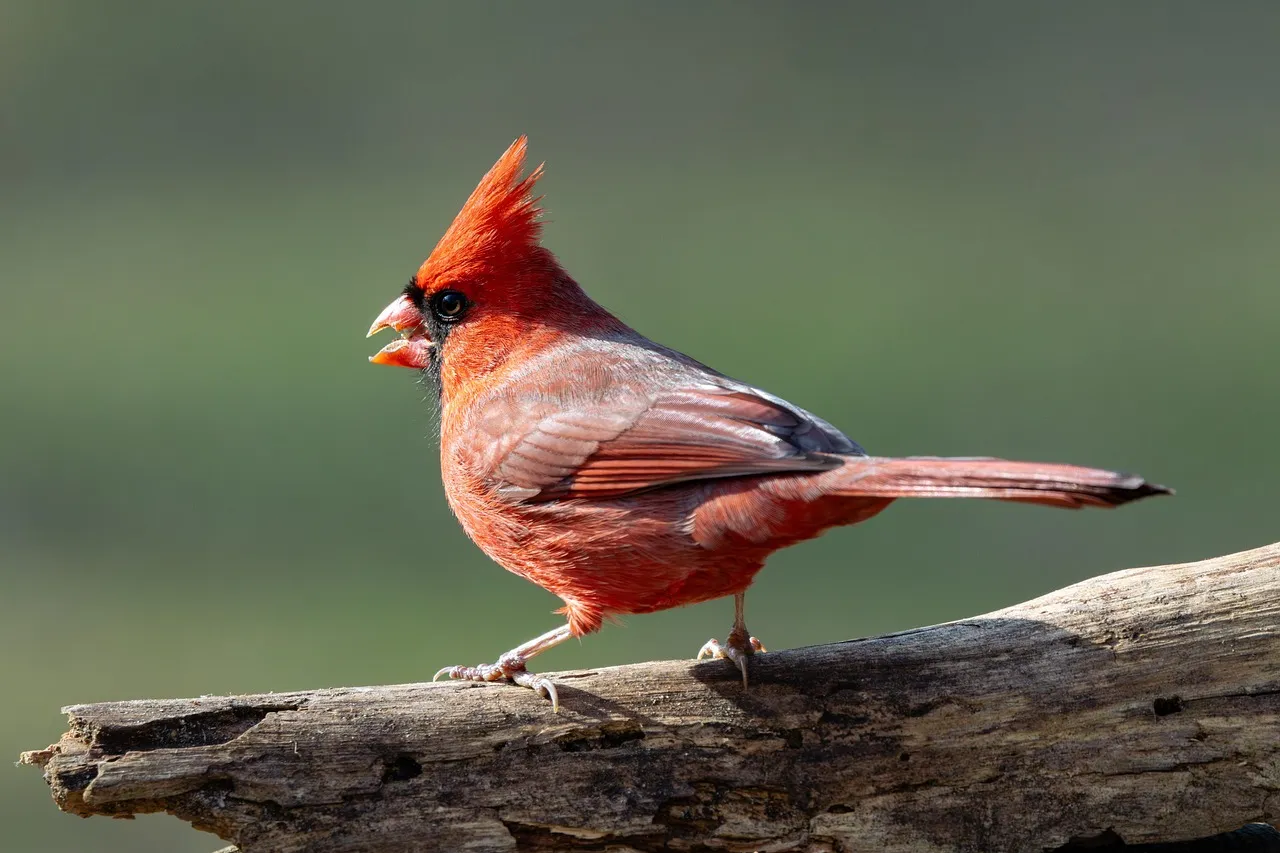
To understand why a bird would fight a piece of glass for hours, it helps to understand how seriously cardinals take their real estate. Cardinals are fiercely territorial birds, and during breeding season, males stake out areas that can span several acres, patrolling these boundaries vigilantly. That’s not a casual defense. It’s closer to a full-time job.
When an actual intruder shows up, the response is dramatic but brief. When another male cardinal enters this space, the resident bird will display a range of aggressive behaviors: lowering his body, raising his crest, flapping his wings, and chasing the intruder until he leaves. Normally that display works. The intruder backs off, the resident bird wins, and life goes on. A reflection breaks that entire script, because it never retreats and never gets the message.
Timing: why the tapping often starts at the same window every day
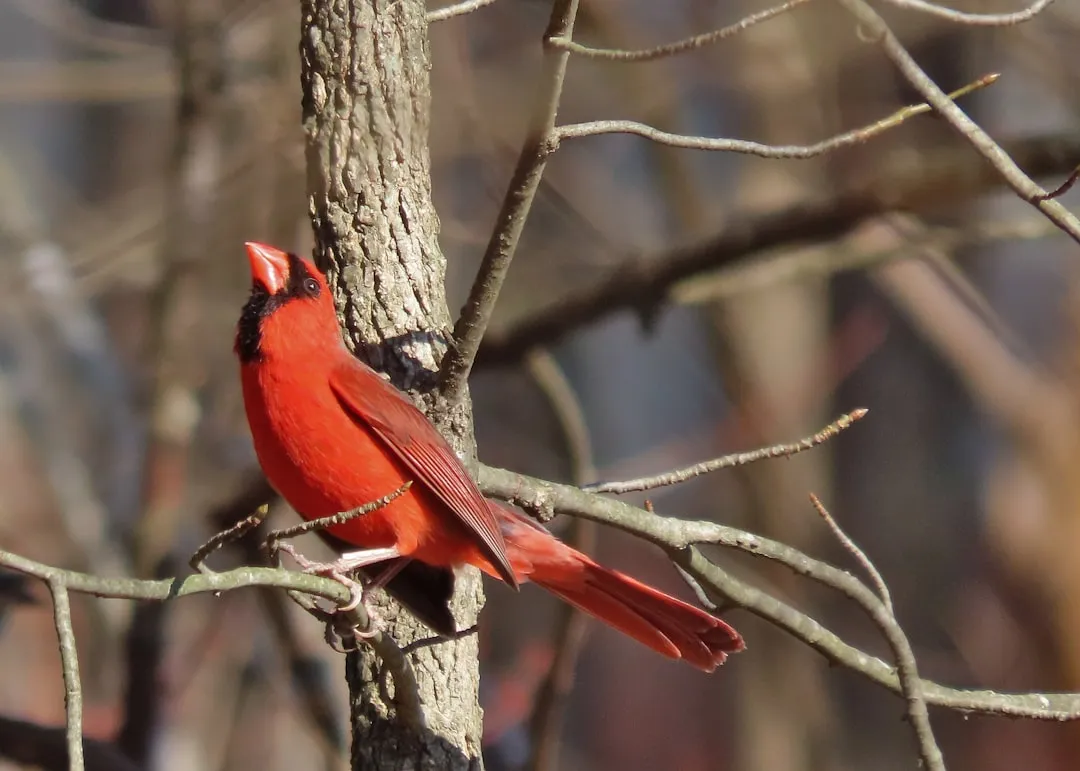
The consistency of the routine, the fact that it’s the same window at roughly the same hour, isn’t random. Light angle plays a huge role in when a reflection becomes visible enough to trigger the response, so morning sun hitting a particular pane can create the mirror effect only during certain hours. That’s often why the tapping seems to have a schedule, even though the bird itself isn’t checking a clock.
Seasonally, this behavior tends to track the breeding calendar closely for most songbirds. If this behavior is occurring in spring, it is probably associated with territorial behavior at the beginning of the breeding season, and once a male has found a mate and has a nest with eggs or young, the behavior should stop, though one exception is with male cardinals who will often keep this up all year long as they maintain year-round territories. That last detail matters. Unlike many songbirds that only get territorial for a few months, cardinals can hold their ground year round, which is part of why some homeowners report the tapping continuing well past spring.
The folklore side: cardinals as messengers and signs
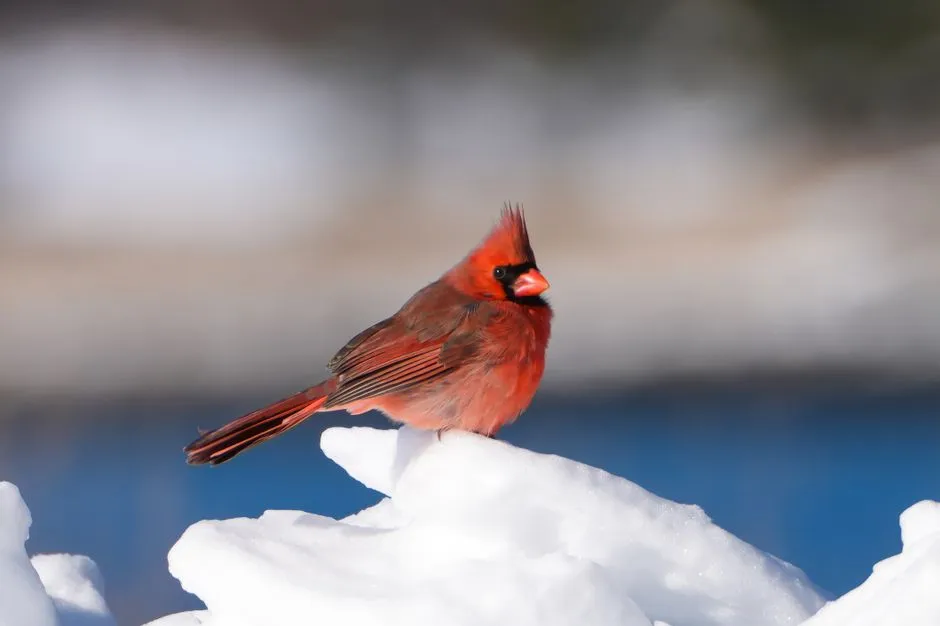
Set the biology aside for a moment, because there’s a whole separate tradition that shapes how people interpret a cardinal showing up at their window, day after day. The most widespread belief is that a cardinal visit is a sign from a loved one who has passed, and cardinals are also tied to romance, family loyalty, and hope, especially when they brighten a gray winter day. None of this is something you’ll find in a field guide, but it’s deeply woven into American folk tradition nonetheless.
The name itself carries some of that symbolic weight. When European settlers arrived in North America, the cardinal’s bright red hue reminded them of the red vestments worn by leading Roman Catholic bishops, and even the bird’s jaunty crest echoes the shape of a bishop’s headgear. That religious association likely helped the bird pick up its reputation as a spiritual go-between. Whether or not you buy into it, it’s worth knowing this belief has no single origin story and no way to be proven, which is exactly why so many people feel free to interpret it however brings them comfort.
Can the tapping mean something other than territory or symbolism?
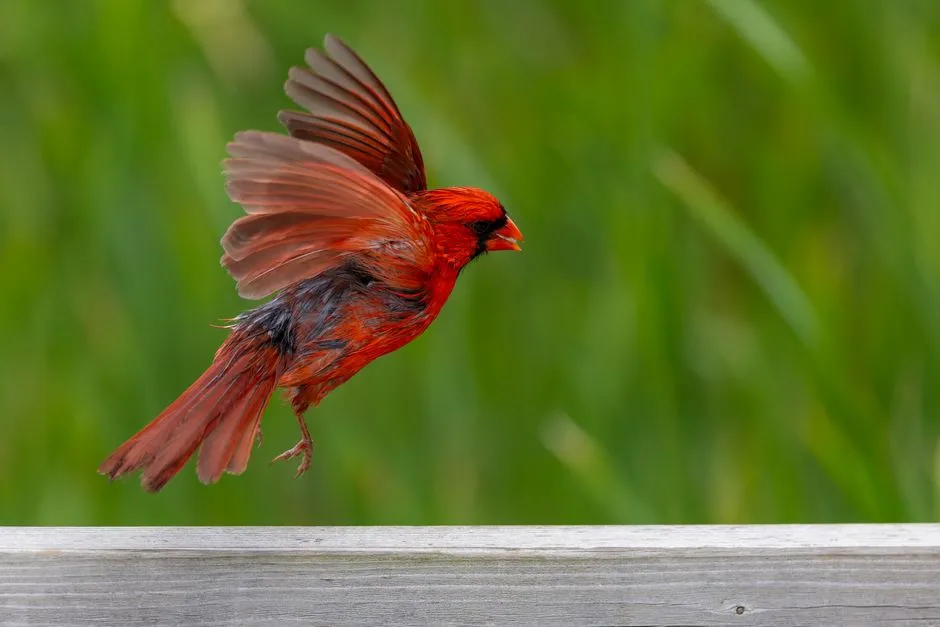
Occasionally the explanation is neither instinct nor spirit, just simple geometry. Windows often reflect the sky, trees, or other natural surroundings, and to a cardinal this reflection looks like an extension of its habitat, a clear path to fly through or a place to perch, so when the bird tries to reach this open space, it crashes into the glass. In that case the bird isn’t attacking anything at all. It’s simply misjudging a barrier it can’t see.
There’s also a feeding angle some homeowners overlook entirely. If a feeder sits close to a window, the bird may be perching, feeding, and incidentally bumping the glass as it moves around, rather than deliberately fighting anything. Glass doors or large windows can be transparent, allowing birds to see indoor plants, lights, or even the other side of the house, and cardinals may try to fly through these spaces, not realizing a solid barrier exists. The distinction matters practically, because a bird that’s genuinely confused by transparency needs a different fix than one locked in a reflection battle.
What actually helps if the tapping won’t stop
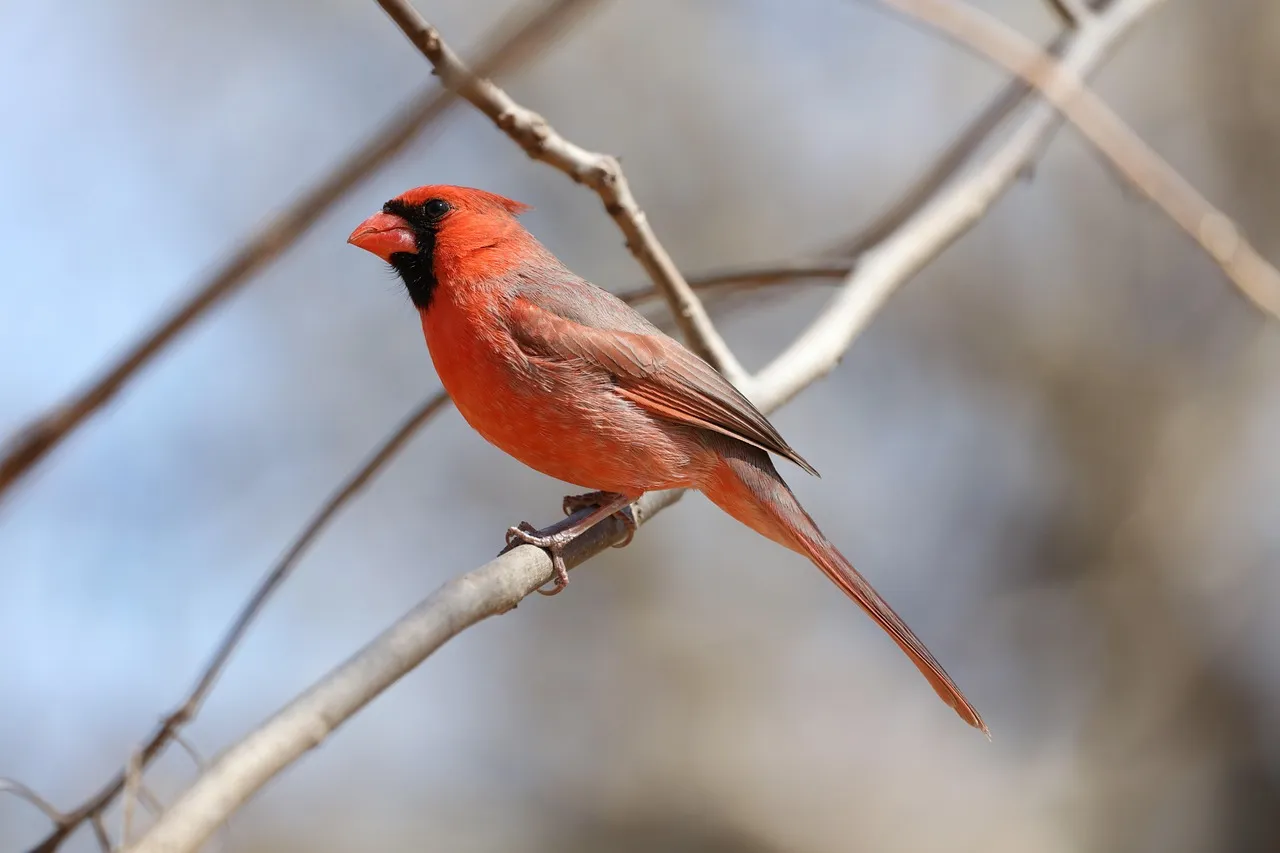
If the daily visits are becoming a real concern, either for your sanity or the bird’s safety, the fixes that work all target the same thing: the reflection itself. The only real solution is to do away with the reflection itself, which means you need to block the reflection on the outside of the glass, and putting an exterior screen on the window is one simple solution. Soap smeared on the outside pane, exterior netting, or specialized anti-reflective film all accomplish the same basic goal from different angles.
Some fixes people reach for instinctively don’t actually hold up over time. Scarecrows, plastic owls, and other visual deterrents that are not regularly moved are often ineffective as birds quickly learn they are not a threat. If nothing seems to work and the behavior isn’t causing injury, patience is a legitimate strategy too, since many cardinals will eventually settle into a mate, a nest, and quieter mornings once breeding season priorities shift.
Final thoughts

- What It Means When a Cardinal Taps at the Same Window Each Morning - August 6, 2026
- 7 Reasons Mountain Lions Avoid Humans More Often Than They Approach - August 6, 2026
- 10 Mind-Blowing Facts About the Rocky Mountains - August 6, 2026