
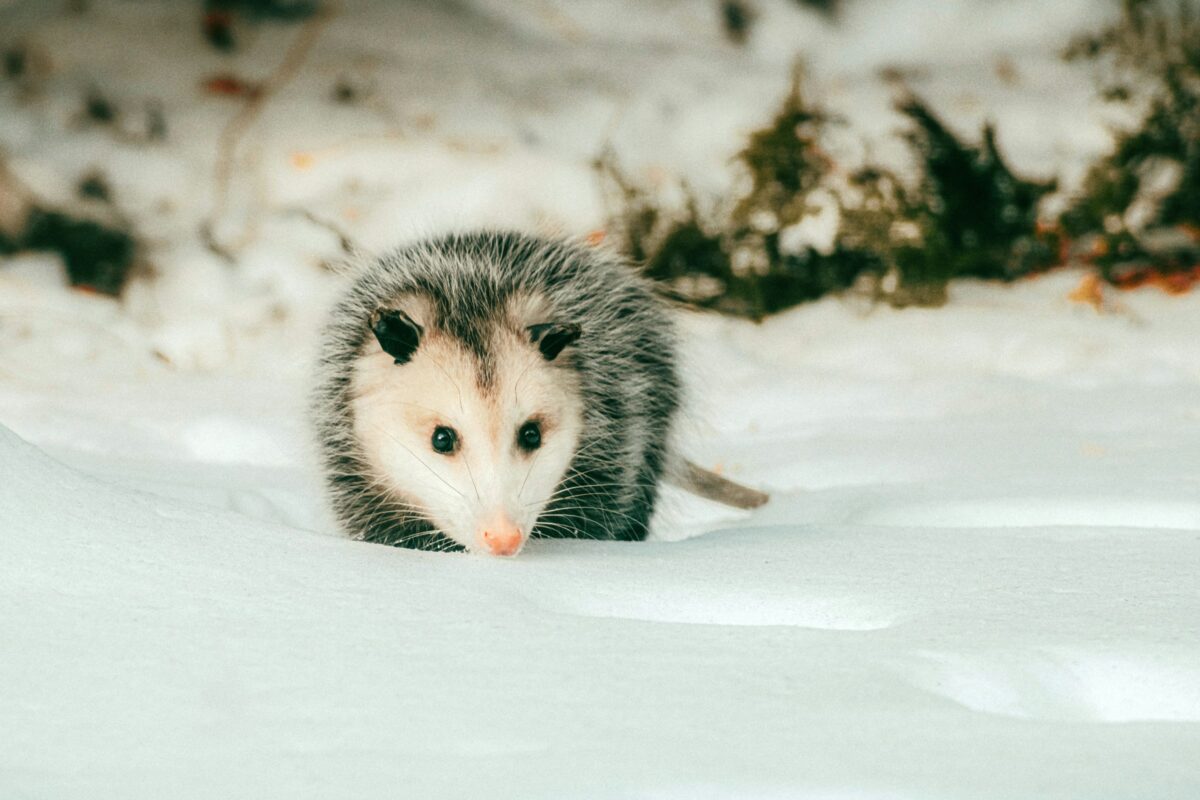
#1 It’s an involuntary reflex, not a choice
The first thing to understand is that an opossum is not deciding to play dead the way a person might decide to hide. It’s not acting. It’s not voluntary at all. It’s a built-in physiological defense system that is automatically triggered as a last-resort response to an otherwise inescapable death. The animal has no more control over it than you have over flinching when something flies at your face.
Once the threat crosses a certain line, the opossum’s nervous system takes over completely. The body’s nervous system sets off a cascade of neurochemicals and hormones that dramatically affect the function of the many parts of the brain, as well as organs throughout the body. That cascade is what shuts the animal down, not a calculated plan to fool a predator.
#2 Fighting back rarely works in their favor
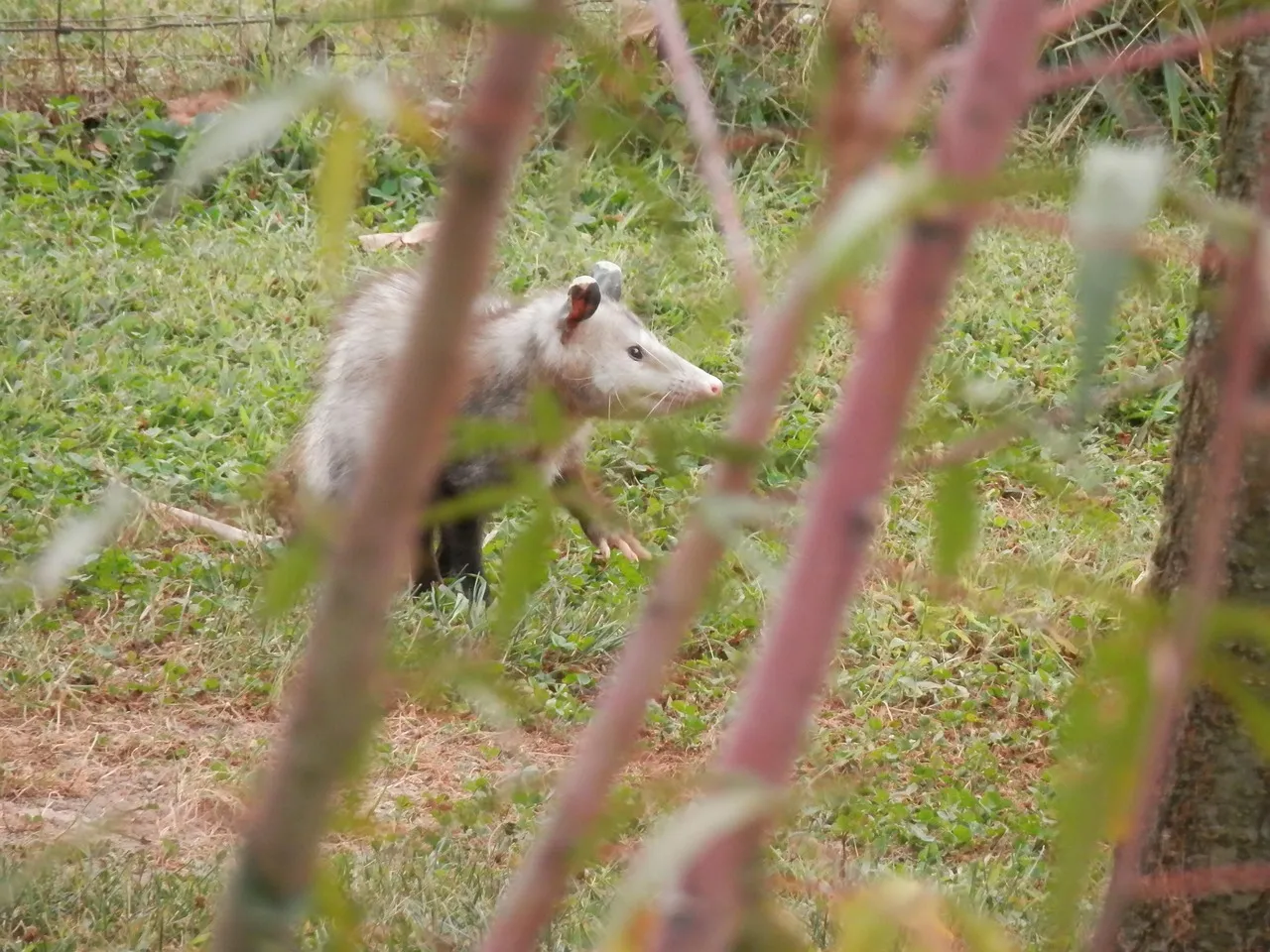
Opossums are not built for combat. They will hiss and show teeth if given the chance, but they are more likely to run the other way, bare their teeth and growl in dangerous situations, though it’s not very difficult for most predators to overpower them. Against a coyote, a large dog, or a bobcat, a physical confrontation almost always ends badly for the smaller marsupial.
This is why wildlife experts often describe their behavior with a twist on the familiar phrase. Opossums are FRIGHT or FLIGHT instead of FIGHT or FLIGHT. They would much rather avoid the confrontation, rather than fight. When avoidance and fleeing both fail, freezing becomes the only option left on the table.
#3 Predators are wired to ignore “dead” prey
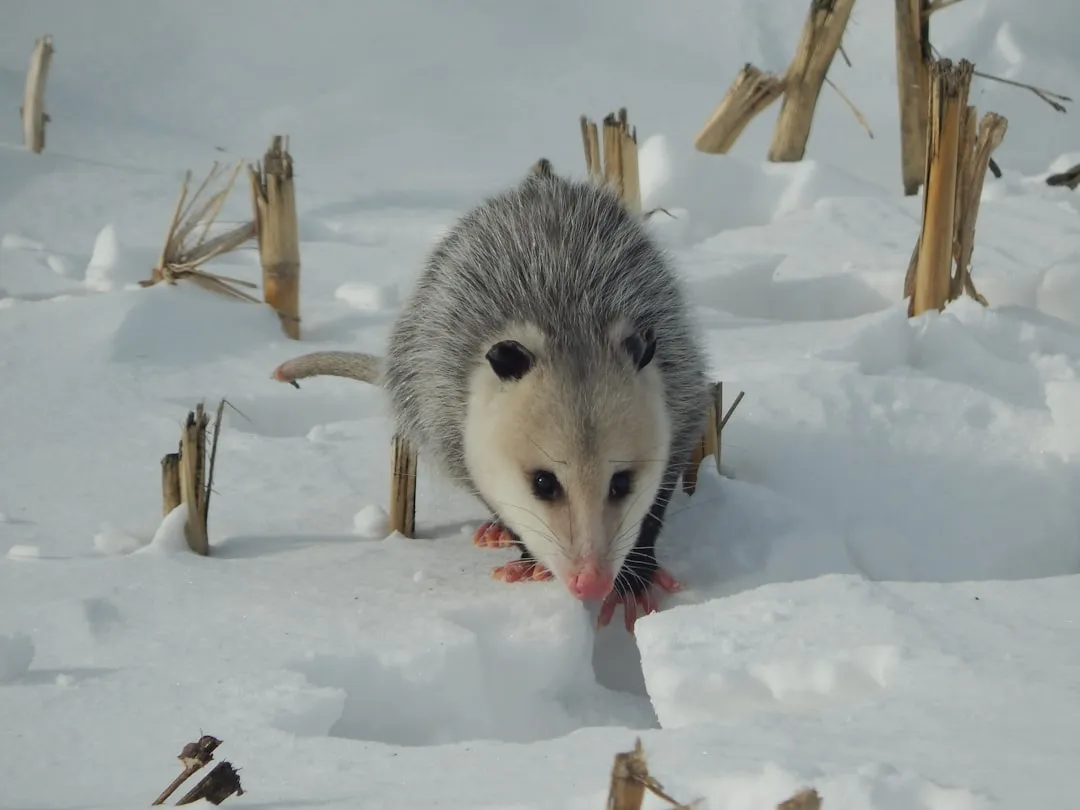
There is a practical logic behind looking dead, even if the opossum isn’t consciously aware of it. Many hunters, from foxes to birds of prey, rely heavily on movement to trigger their chase instinct, and a still, silent body simply does not register the same way. Biologists believe this response is linked to a predator’s instinct to release prey that’s seemingly lifeless, kind of like a “yuck, this isn’t appetizing anymore” reaction.
Carrion also carries disease risks that fresh prey does not, and predators have evolved a natural wariness around anything that looks like it has been dead a while. An opossum sprawled out, stiff and unresponsive, taps directly into that hesitation. It is less a trick of intelligence and more a fortunate byproduct of how predator brains are wired to assess risk before committing to a meal.
#4 The body sends convincing signals of decay
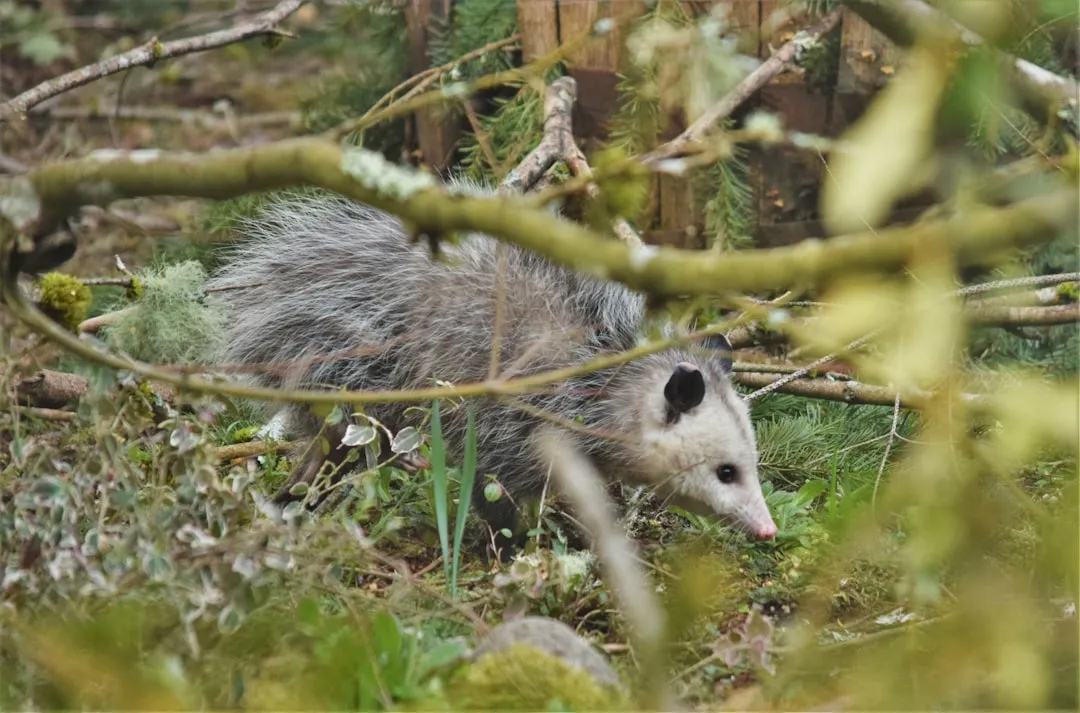
Looking still is only half the performance. The body backs it up with sensory cues that are hard to fake on purpose, which is exactly why they work so well. Opossums lie on their sides, their muscles rigid, their bodies flexed and unresponsive to touch, right down to their toes. Their breathing and heartbeats slow down and become hardly perceptible. Their mouths, frothy with saliva, hang open. Their tongues turn blue and dangle out. They discharge urine and feces, along with the associated unpleasant smells.
On top of that comes the scent. This putrid scent mimics the smell of a decaying carcass, deterring predators who find carrion unappealing or fear consuming diseased meat. Between the smell, the drool, and the limp posture, most animals get the message and move along without a second bite.
#5 Freezing first buys time before full shutdown
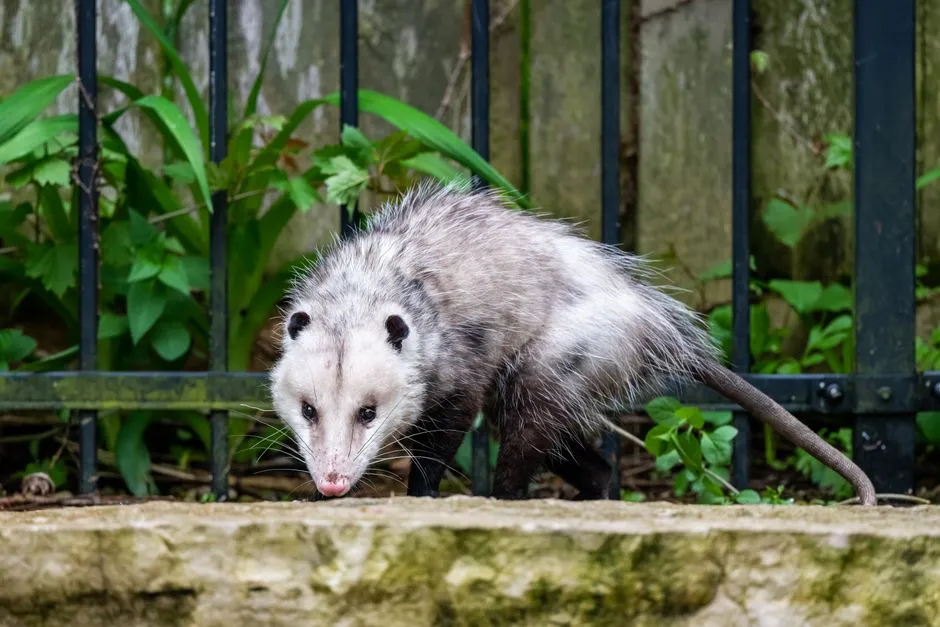
It turns out there are actually two distinct stages to this response, not just one dramatic collapse. Researchers studying the phenomenon have described it as a spectrum rather than a single switch. It sits at the far end of a spectrum of hardwired threat responses. Animals escalate through alertness, freezing in place, fleeing, and fighting before reaching this last-resort state when all other options have failed.
The lighter freeze and the full death feign even appear to run on separate biological circuits. These two stages appear to involve different reflex pathways: when researchers blocked a specific nerve signal using atropine, the heart rate drop disappeared during the mild freeze, but the immobility itself continued, confirming that the stillness and the cardiovascular changes are controlled by separate systems working in parallel. In other words, holding still and shutting the body down are not the same mechanism, even though they look similar from the outside.
#6 Stillness defeats a predator’s tracking ability
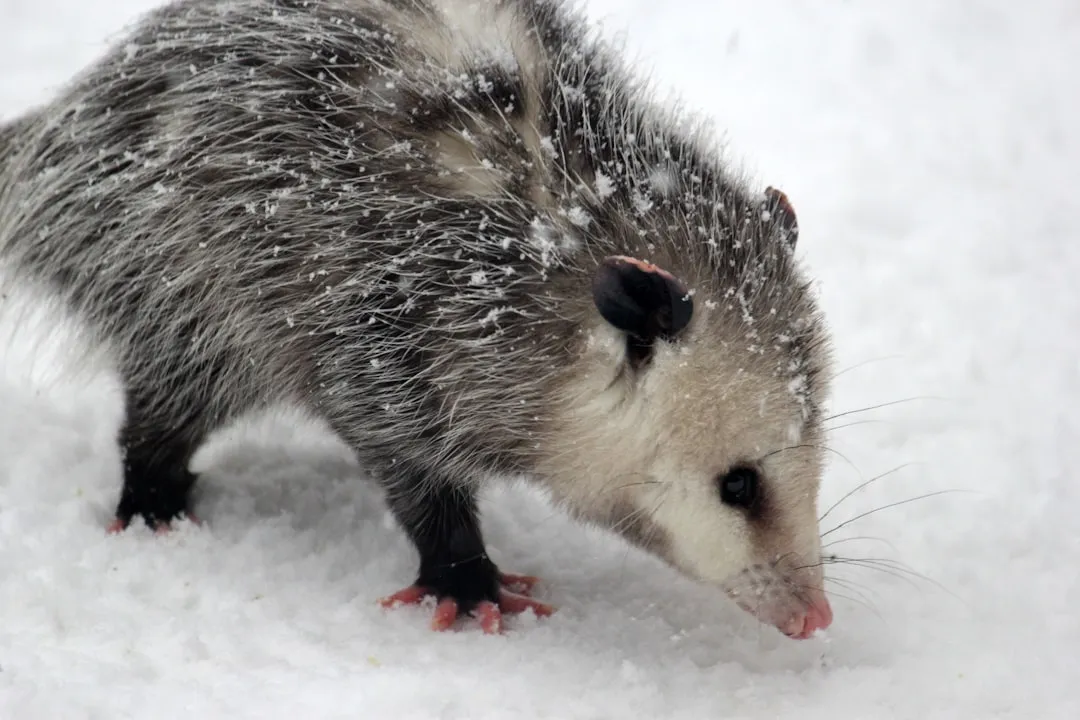
Even outside of full thanatosis, plain old stillness is a defense strategy on its own. Opossums lean on this constantly, especially during daylight hours when they are more exposed than usual. Even when not playing dead, and especially during daylight hours, opossums will hold absolutely still, frozen, to avoid predators being able to track them, since hawks and owls can track moving prey much easier than prey that doesn’t move a muscle.
This kind of freezing is a bit different from full-blown tonic immobility, since the animal is still alert and capable of bolting if it needs to. Scientists actually treat the two as separate categories of behavior for that reason. It’s distinct from freezing when a predator approaches. Organisms do that to keep quiet and hide, but they are ready and able to move fast if they are detected. So freezing is often the opening move, and full collapse is the desperate closing one.
#7 It’s the last resort after other warnings fail
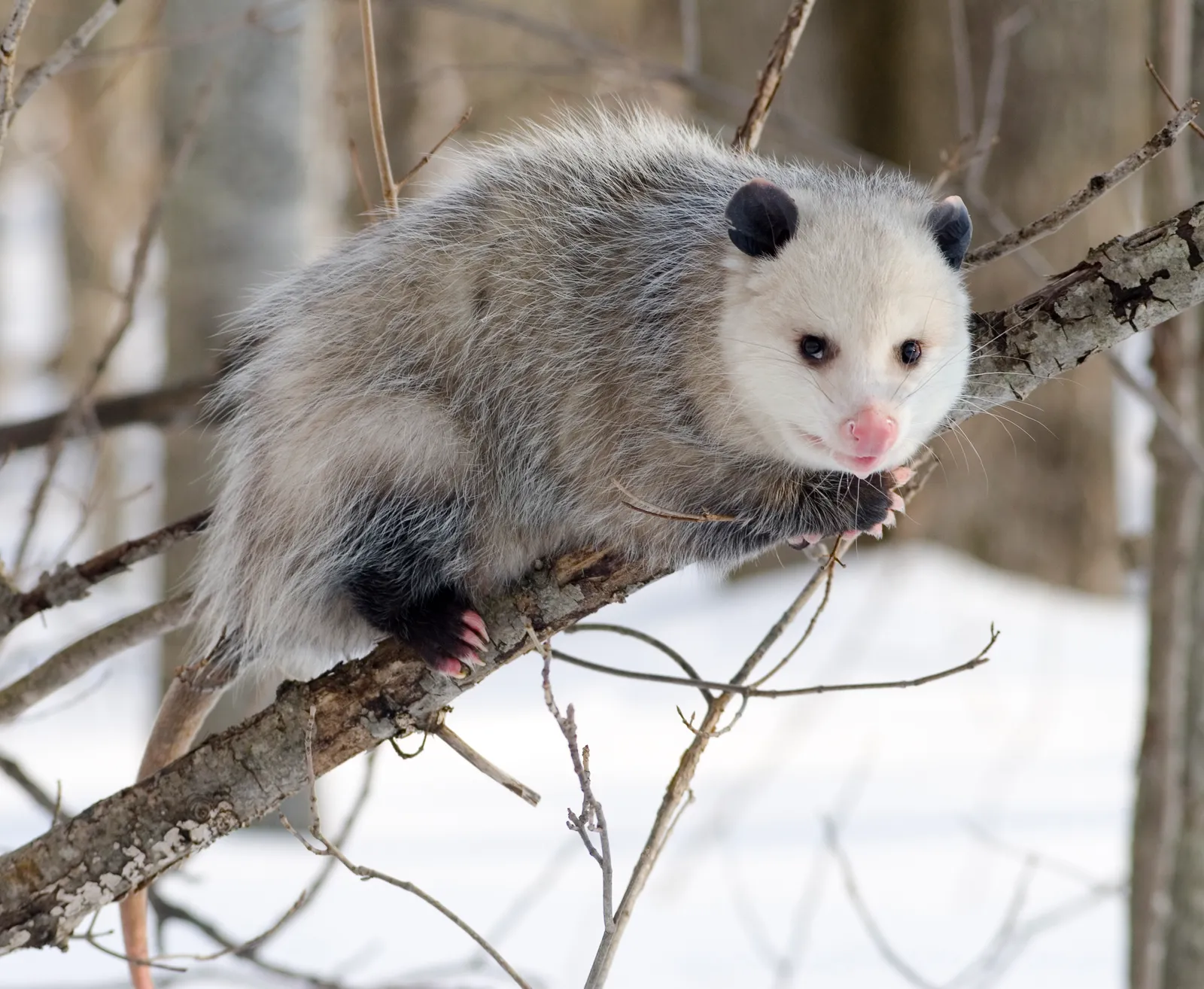
Opossums do not skip straight to playing dead the moment they sense danger. They typically try warning signals first, hoping a show of teeth and noise will do the job without any further escalation. The animal most famously associated with this behavior is the Virginia Opossum, giving rise to the common phrase “playing possum.” When its initial defensive attempts, like hissing or growling, fail to deter a threat, the opossum’s body automatically triggers thanatosis.
That sequence matters because it shows the freeze response is not the animal’s default setting. It is the fallback plan after bluffing and posturing have already been tried and clearly haven’t worked. Only once a predator ignores the warning and keeps advancing does the body flip into the deeper, involuntary shutdown that everyone associates with the phrase “playing possum.”
#8 It’s an ancient survival strategy baked into their biology
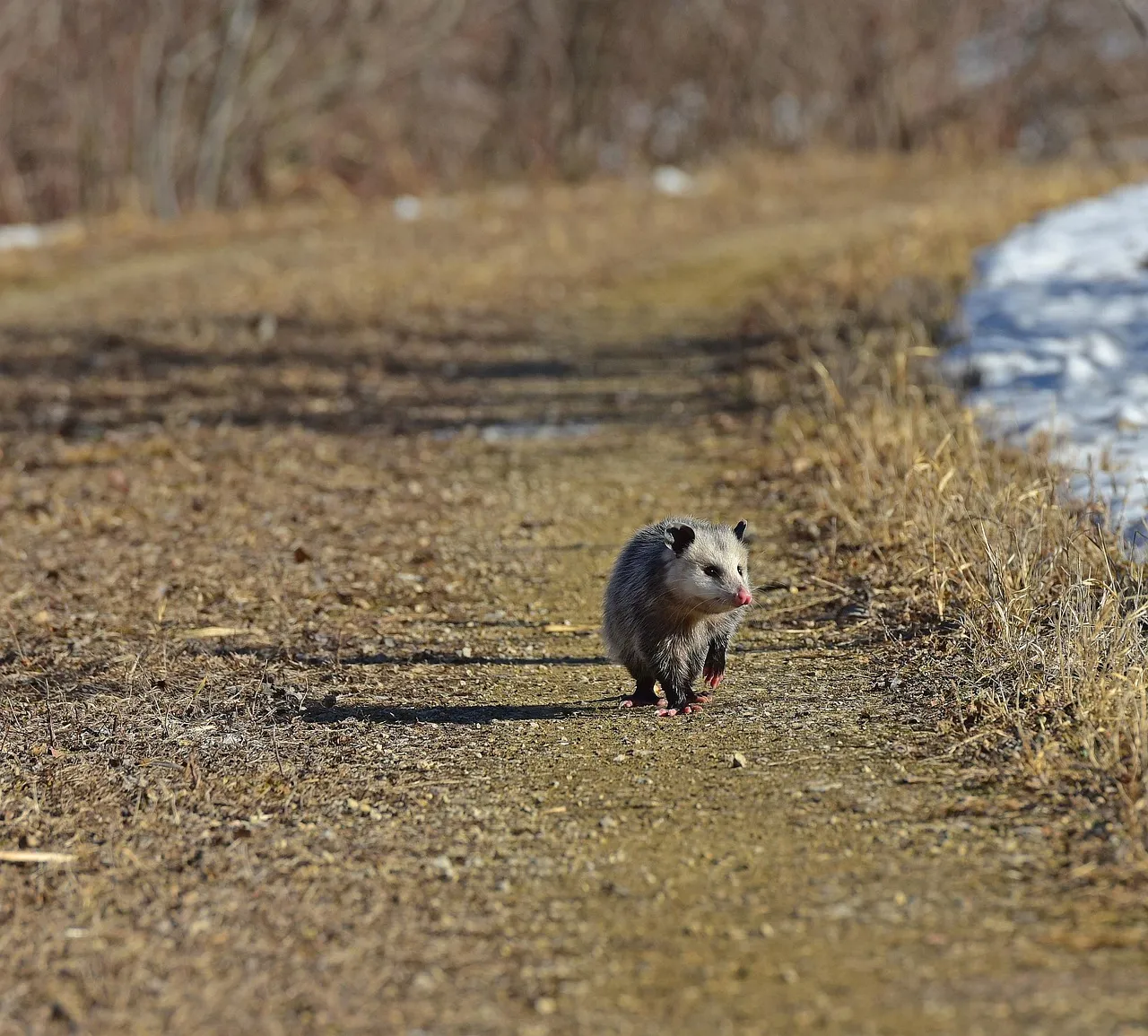
This is not some quirky new adaptation. Opossums belong to one of the oldest surviving mammal lineages in North America, and their freeze response has had an enormous amount of evolutionary time to get refined. This adaptation has served the species well, contributing to opossums being one of the oldest surviving mammal species in North America, with a lineage dating back 70 million years.
A behavior that persists across tens of millions of years and countless predator encounters generally sticks around because it works, not because it is glamorous or clever in any conscious sense. The opossum’s ancestors that froze at the right moment lived long enough to pass that same wiring down. Every modern opossum collapsing on a suburban lawn today is running a script that has been tested by an almost unimaginable amount of trial and error.
The takeaway

- Animal Science Says Dolphins Use Signature Whistles That Function Remarkably Like Individual Names - August 15, 2026
- 7 Reasons the Maned Wolf Looks Like a Fox on Stilts but Is Neither a Fox Nor a Wolf - August 15, 2026
- Animal Science Says Vampire Bats Share Food With Hungry Companions They Know - August 15, 2026