
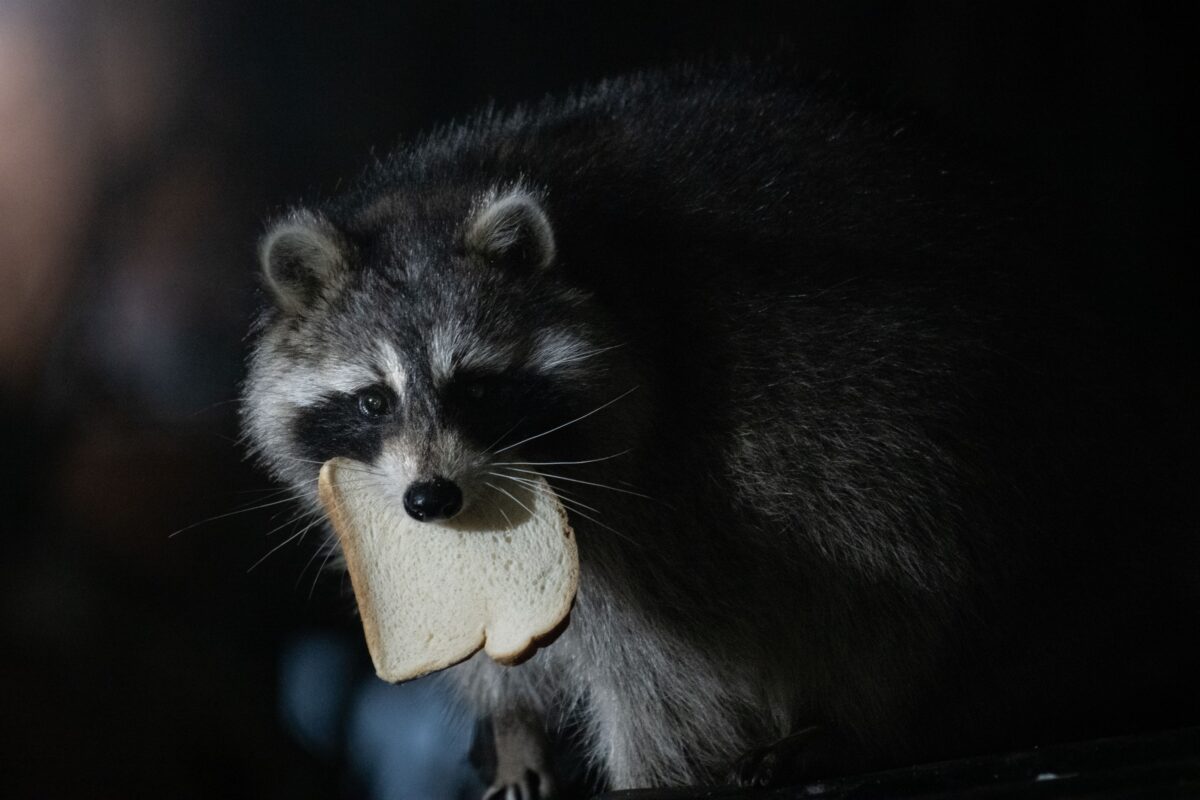
#1 It Usually Comes Down to a Reliable Food Source
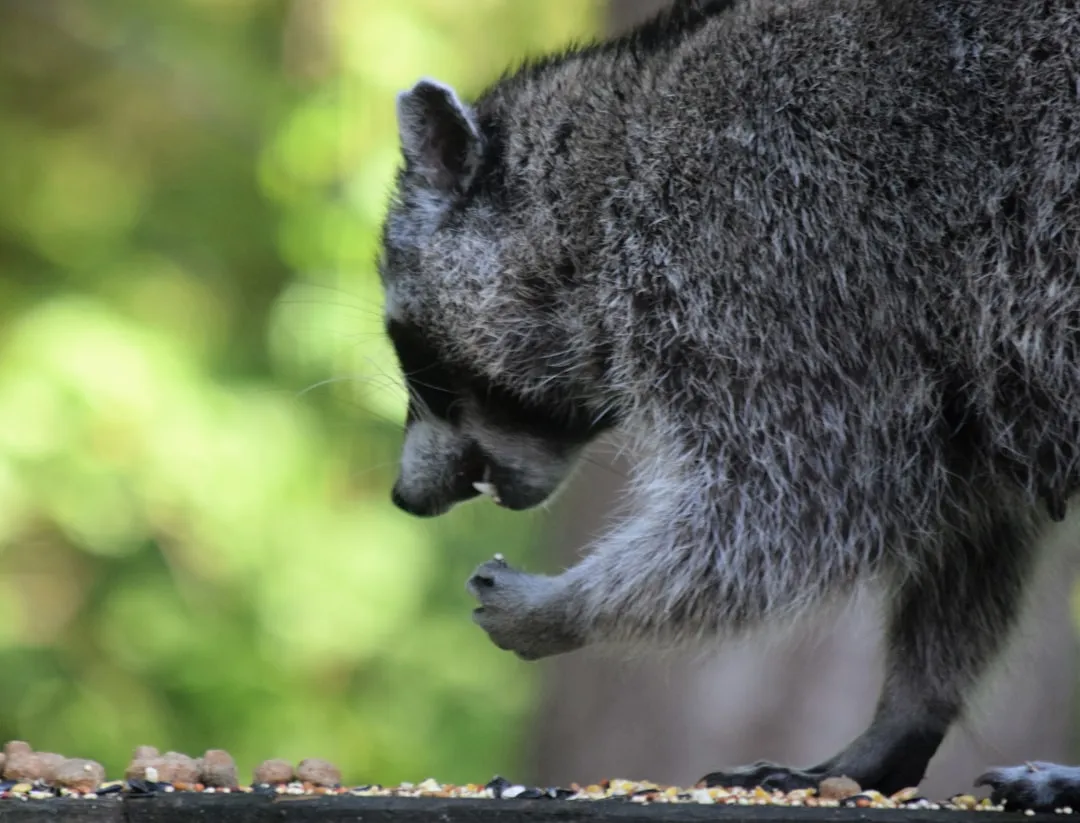
Raccoons are opportunistic feeders, and once they find a dependable meal, they remember exactly where and when to get it again. If your trash goes out on a certain night, if bird feeders get refilled at a set hour, or if pet food sits outside after dinner, a raccoon will quickly learn that schedule. Their memory for food locations is remarkably sharp, and researchers have long noted that raccoons can recall solutions to food puzzles for years afterward.
This isn’t guesswork on their part. A raccoon that visits nightly at the same time has likely mapped your property into its mental routine, treating it the way a commuter treats a familiar route to work. The consistency of the food source, not the raccoon’s personality, is often what drives the consistency of the visit. Remove the incentive, and the timing usually shifts or disappears entirely.
#2 Raccoons Are Creatures of Habit
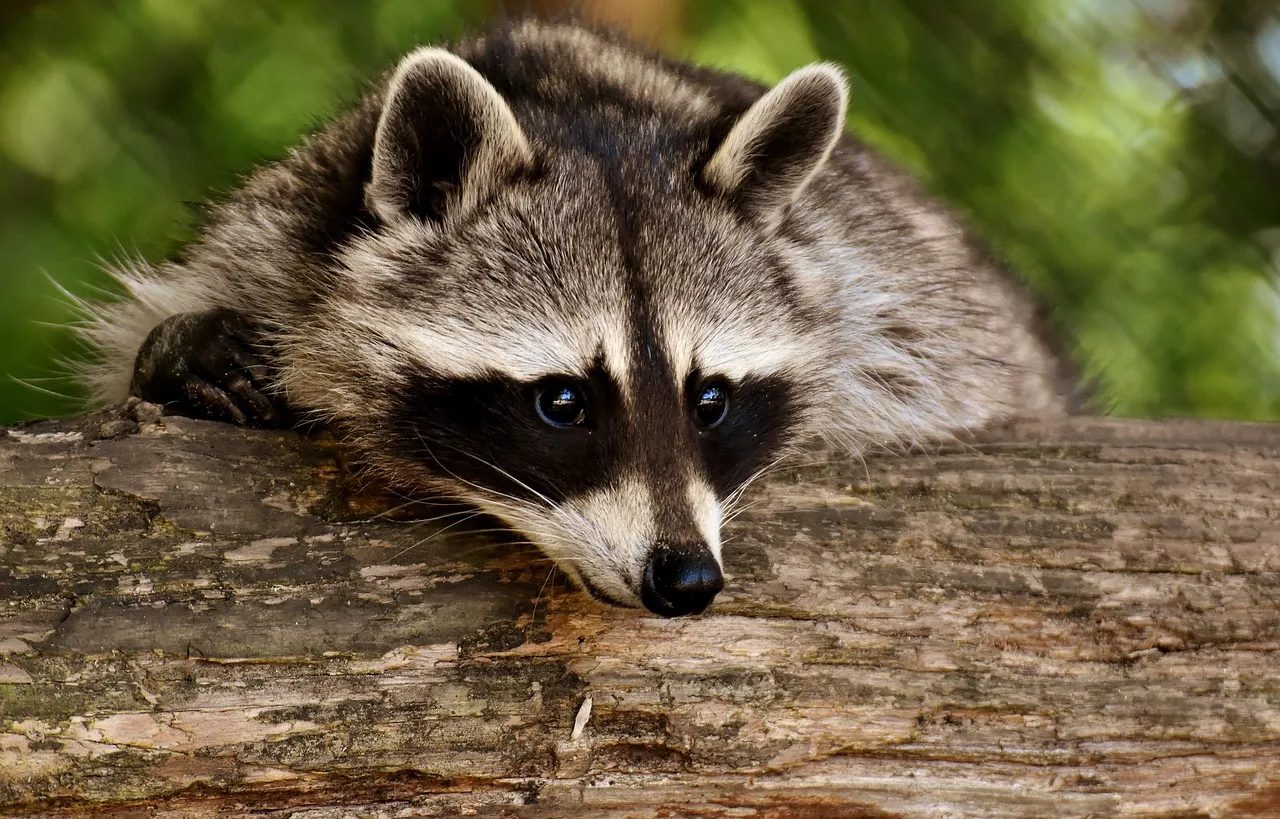
Beyond food, raccoons simply favor routine. Once an individual establishes a nightly path through a neighborhood, it tends to stick with that path unless something disrupts it, such as a new predator scent, construction, or a sudden change in food availability. This preference for habitual movement helps them conserve energy and avoid unnecessary risk in unfamiliar territory.
Wildlife trackers who follow raccoons with GPS collars often find that individual animals use surprisingly consistent circuits night after night, hitting the same stops in the same order. Your yard may simply be one checkpoint along a raccoon’s established loop. Seeing it at the same time isn’t a coincidence so much as a reflection of how efficiently these animals plan their nightly rounds.
#3 Their Internal Clock Is Surprisingly Precise
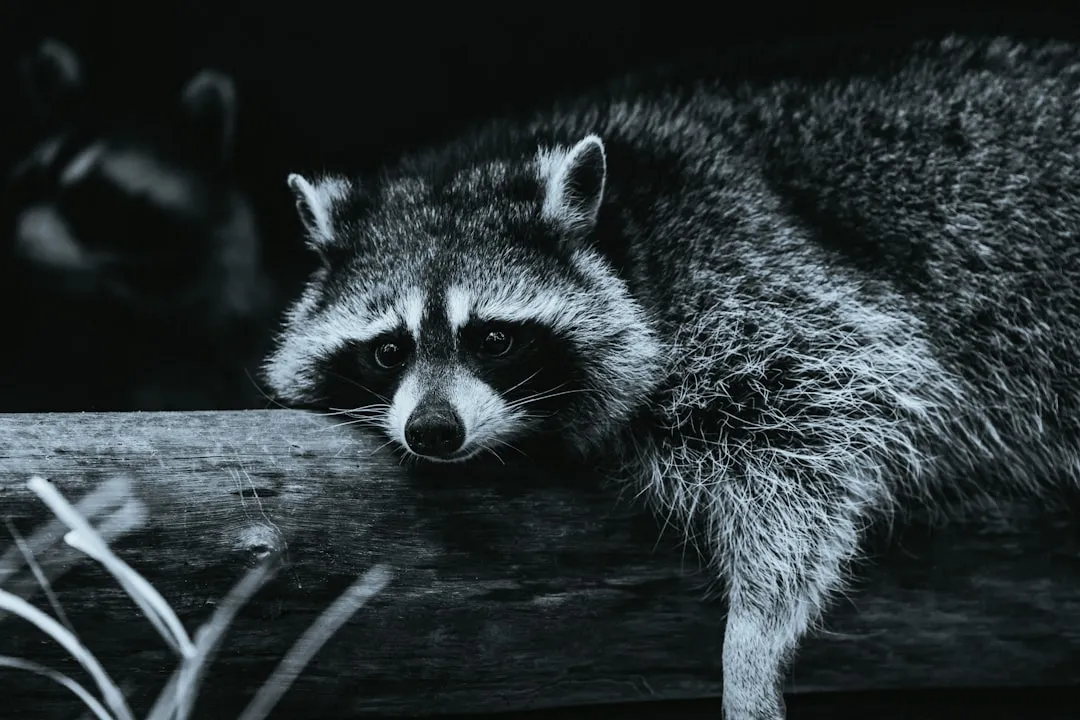
Raccoons are governed by circadian rhythms, the same internal biological clocks that regulate sleep and activity in most mammals, including humans. These rhythms are influenced heavily by daylight and darkness, which means a raccoon’s schedule naturally shifts as sunset times change throughout the year. Even without a food incentive, raccoons tend to become active shortly after dusk and remain active through parts of the night before returning to their den before sunrise.
This built in timing mechanism is part of why sightings can feel so punctual. A raccoon isn’t checking a watch, but its internal biology is doing something remarkably similar. As seasons shift and daylight hours change, you may notice the visiting time drifting slightly earlier or later, which lines up with changes in sunset rather than any change in the animal’s behavior itself.
#4 You May Be Part of a Larger Nightly Route
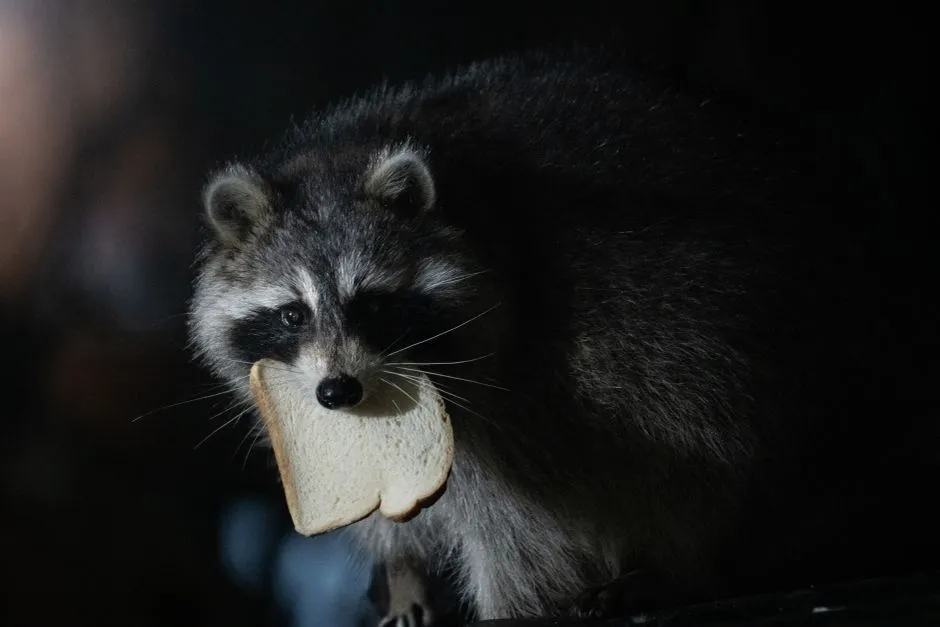
Home range studies on urban and suburban raccoons show that individual animals often patrol a set territory each night, sometimes covering several blocks or more depending on food density. Your property might simply be one stop among many, sandwiched between other yards, alleys, or wooded patches the raccoon checks in a repeating sequence. This explains why the timing can feel almost scheduled, since the raccoon is essentially running the same loop at a similar pace every night.
Neighbors on the same route often notice the animal at different times, spaced out according to the order of stops. If you compare notes with people nearby, you may find a raccoon passing through multiple yards in a predictable sequence, almost like a delivery route. That consistency reflects efficient movement patterns rather than any special interest in your home specifically.
#5 Territorial Behavior Plays a Role Too
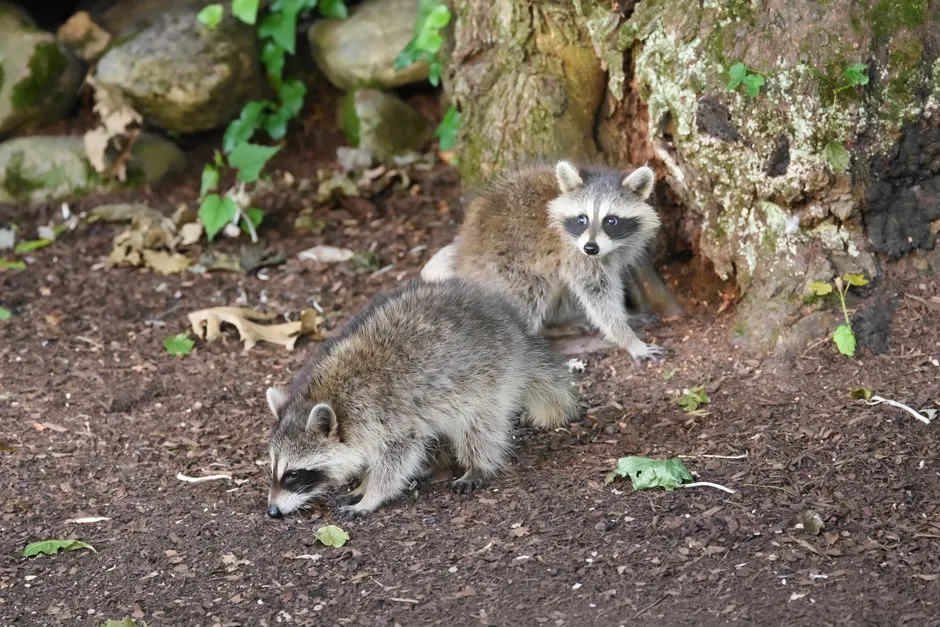
Raccoons, particularly females with young or dominant males, often maintain territories they patrol regularly to monitor for threats, rivals, or changes in food access. A nightly visit at a consistent time can be part of this territorial check, especially if your yard sits within an established range. This behavior tends to intensify during certain periods, such as when a mother raccoon is raising kits nearby and wants to keep tabs on nearby resources.
Territorial patrols are usually calm and businesslike rather than aggressive toward humans, but they do reinforce the routine nature of these visits. The raccoon isn’t necessarily seeking confrontation or even food every time. Sometimes it’s simply maintaining awareness of its surroundings, much like a homeowner doing a quick check of the property before heading inside for the night.
#6 Weather and Season Can Shift the Timing
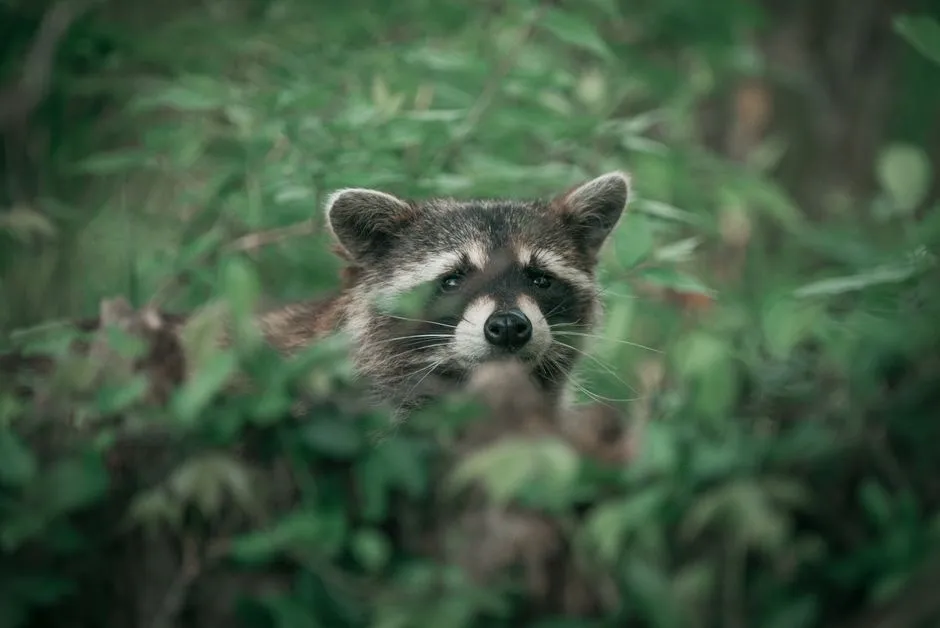
While raccoons are creatures of habit, they aren’t immune to environmental changes. Colder nights, heavy rain, or shifts in daylight length can nudge their activity earlier or later, since raccoons tend to avoid harsh weather when possible. During particularly cold stretches, some raccoons enter a state of reduced activity, sometimes called torpor, where they stay denned up for days at a time before resuming their usual rounds.
This means a nightly visitor might occasionally skip a night or two without anything being wrong. Seasonal changes in food availability, such as fruit ripening or insects becoming scarce, can also cause slight shifts in when and how often a raccoon appears. If the timing drifts gradually rather than disappearing suddenly, it’s usually just the animal adjusting to natural seasonal rhythms.
#7 It Could Signal a Den Nearby
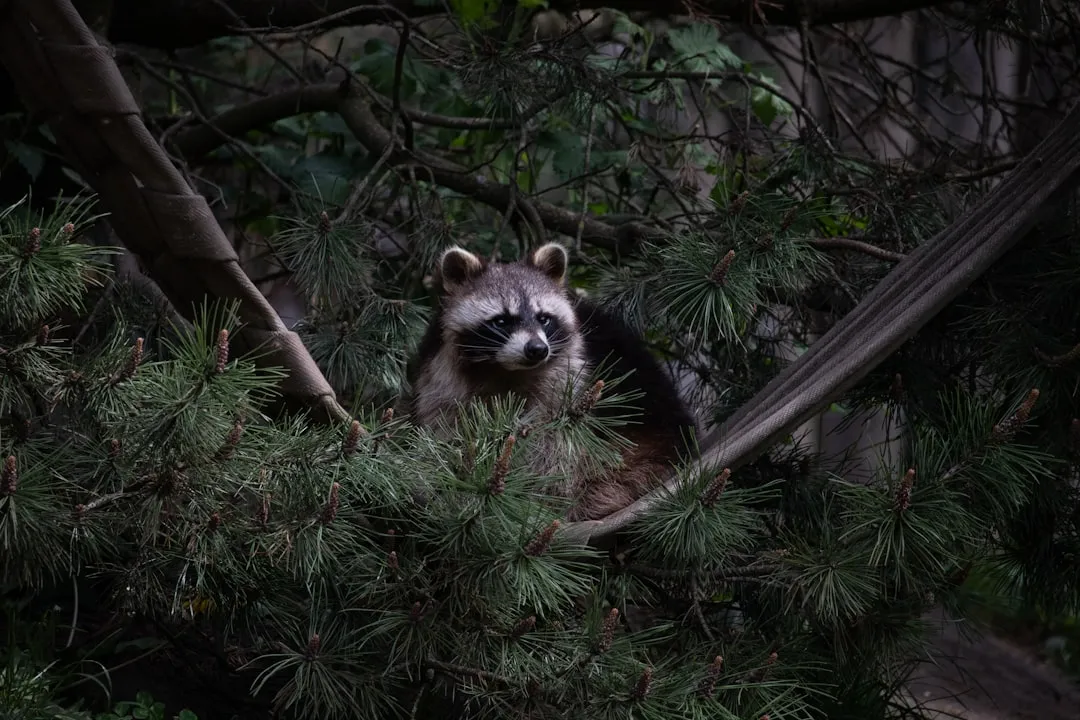
Consistent nightly visits, especially ones that begin very shortly after sunset, can sometimes indicate that a raccoon’s den is close by, perhaps in a nearby tree cavity, chimney, attic space, or under a shed. Raccoons don’t tend to travel far from their den in the early part of the evening, so a punctual first appearance may mean your property sits near their home base rather than deep into their broader route. This is especially true in spring, when females often den close to reliable food sources while raising young kits.
If you notice not just consistent timing but also multiple raccoons, including smaller juveniles, this strengthens the likelihood of a den in the immediate area. It’s worth doing a quiet visual check of sheds, crawl spaces, and attic vents, since an active den nearby explains both the timing and the reliability of the visits far better than random wandering would.
#8 When Consistent Visits Become a Problem
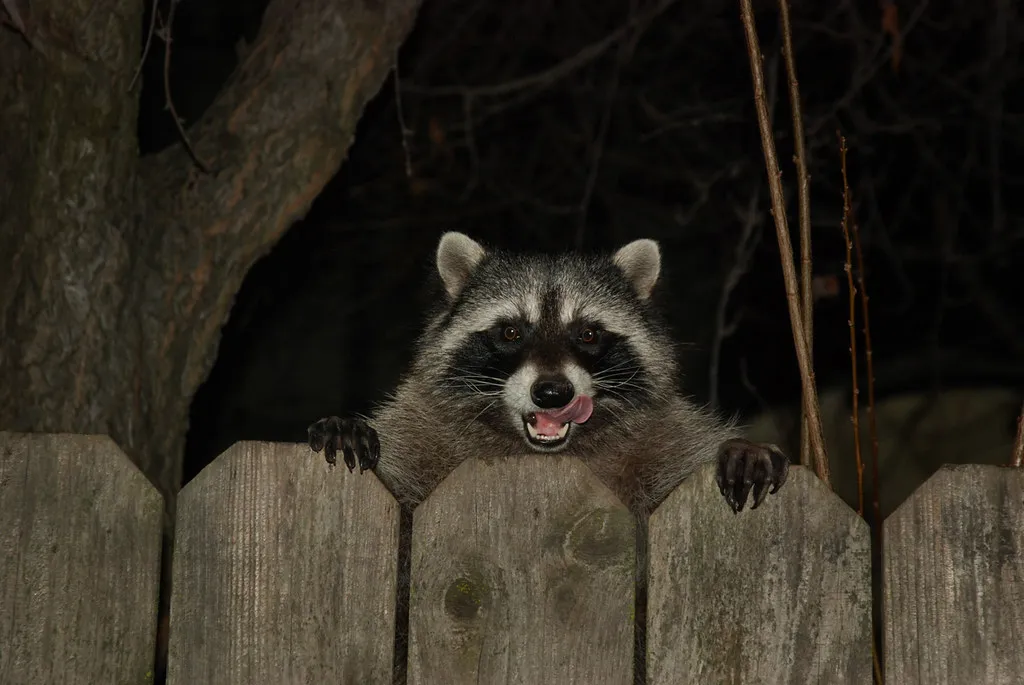
A raccoon showing up at the same time each night isn’t inherently dangerous, but repeated visits can escalate into real issues if food access continues. Raccoons can cause property damage, get into structural spaces, or become bolder around humans and pets over time if they associate a location with an easy meal. Once a raccoon becomes comfortable enough to approach during daylight hours or show unusual aggression, that shift in behavior can be a sign of illness and should be taken seriously.
The good news is that predictable visits are also easier to manage than random ones. Because you know roughly when the animal arrives, you can secure trash cans, bring in pet food, and close off potential den sites before that nightly window, often breaking the pattern within a week or two. Consistency, in this case, works in your favor as much as it does the raccoon’s.
The Bottom Line on Nightly Raccoon Visits

After looking at the biology and behavior behind this pattern, my honest take is that a punctual raccoon says more about good habitat management, intentional or not, than about anything mysterious happening in your yard. These animals are intelligent, routine driven, and remarkably good at exploiting consistency, which means the responsibility for breaking an unwanted pattern usually falls on us rather than the raccoon.
If the nightly visits are harmless and you enjoy the occasional glimpse of local wildlife, there’s no need to intervene. But if the visits are becoming a nuisance, the fix isn’t complicated. Remove the incentive, secure potential den sites, and the same internal clock that brought the raccoon to your yard at eleven o’clock every night will eventually reroute it elsewhere.

- Animal Science Says Dolphins Use Signature Whistles That Function Remarkably Like Individual Names - August 15, 2026
- 7 Reasons the Maned Wolf Looks Like a Fox on Stilts but Is Neither a Fox Nor a Wolf - August 15, 2026
- Animal Science Says Vampire Bats Share Food With Hungry Companions They Know - August 15, 2026