
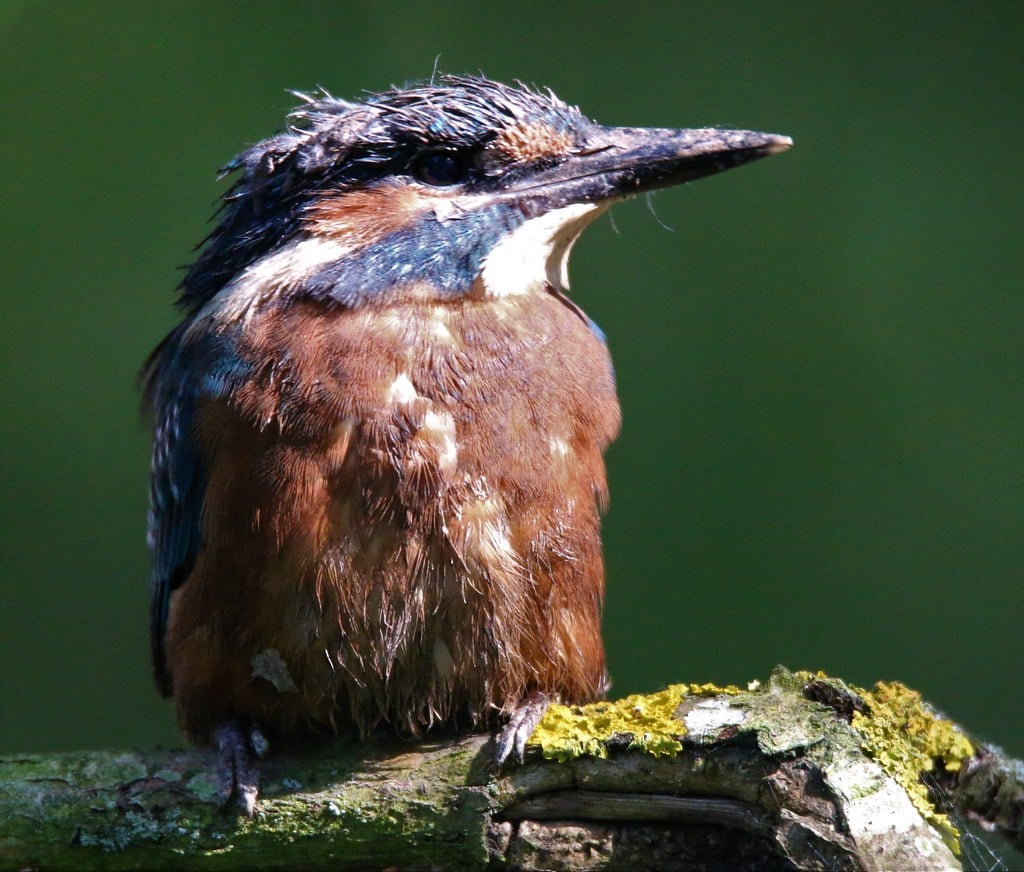
If you have ever heard a sharp rattle over a river and looked up just in time to see a blue-gray bird dive like a thrown spear into the water, you have probably met a Belted Kingfisher. They look almost cartoonish with their big shaggy crests, but everything about them is built for one thing: hitting the water headfirst at speed and coming back up with a fish.
The more you learn about these birds, the more they start to feel like tiny, feathered torpedoes with attitude. Let’s dive into ten fascinating facts that explain how Belted Kingfishers live, hunt, and thrive along North America’s waterways – and why watching one hunt, headfirst and fearless, never really gets old.
1. A Crest That Looks Wild but Works Hard
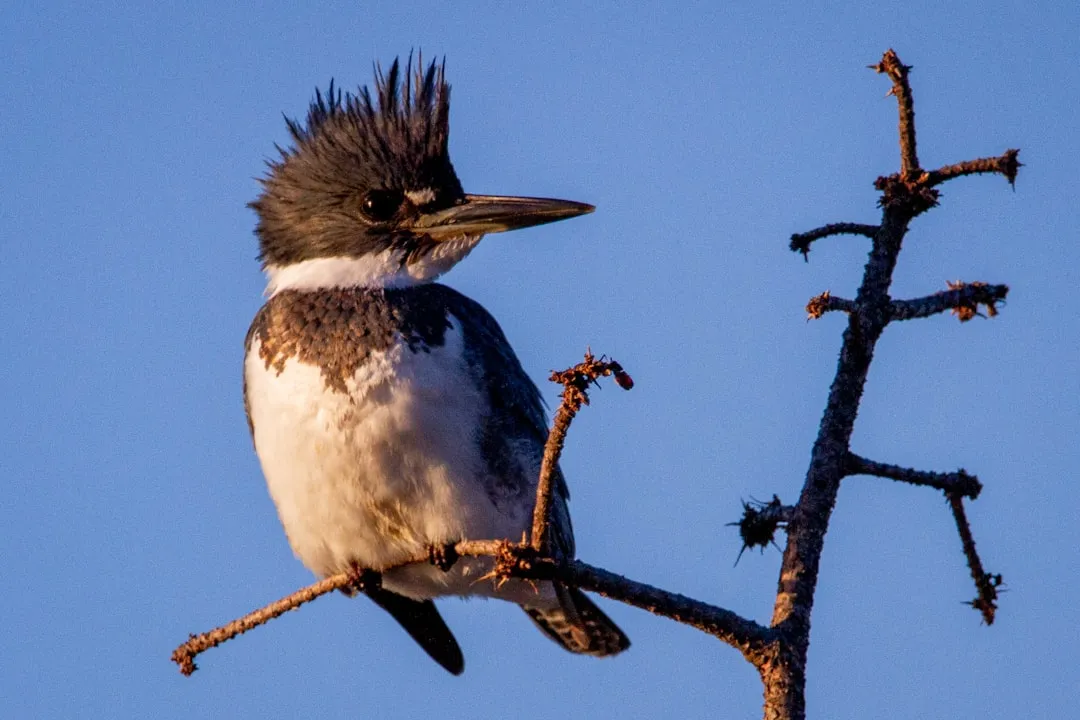
At first glance, the shaggy crest of a Belted Kingfisher looks like a bird having a permanent bad hair day. It gives them a dramatic, slightly punk-rock profile that makes them easy to spot even at a distance along rivers and lakes. That messy crown has turned them into one of those birds you remember the first time you see one.
The crest is more than just looks, though. Kingfishers raise and lower it as a visual signal, especially during courtship or territorial disputes. It can make the bird look bigger and more intimidating to rivals, like someone throwing their shoulders back before an argument. What seems like pure style is actually a piece of body language built into their feathers.
2. Built Like a Living Dart for Headfirst Dives

The signature move of a Belted Kingfisher is that headfirst plunge into the water. To pull this off repeatedly without injury, their bodies are shaped like a streamlined dart: large head, pointed bill, sturdy neck, and a compact, muscular torso. When they fold their wings back and commit to the dive, the whole bird becomes a single, narrow projectile.
Their bones and muscles are arranged to absorb impact, with a strong skull and reinforced neck that help handle the sudden deceleration when they hit the surface. It is a little like watching an Olympic diver who has trained every muscle and movement for that perfect entry, except the kingfisher is doing it to grab a wriggling fish instead of a medal.
3. Eyes That Recalculate the World Underwater

One of the underrated superpowers of Belted Kingfishers is their ability to see fish clearly through shifting, reflective water. Light bends when it passes from air into water, which would normally throw off depth and position. Somehow, these birds manage to correct for that refraction almost automatically in midair as they line up a dive.
They have excellent vision and special adaptations that protect their eyes at the moment of impact, including an inner eyelid that can act like a built‑in pair of goggles. Right before they hit the water, that clear lid slides across the eye to shield it from force and debris while still letting in enough light to track the prey. It is the bird equivalent of putting on safety glasses at exactly the right fraction of a second.
4. Hunting From the Air: Hover, Scan, Strike
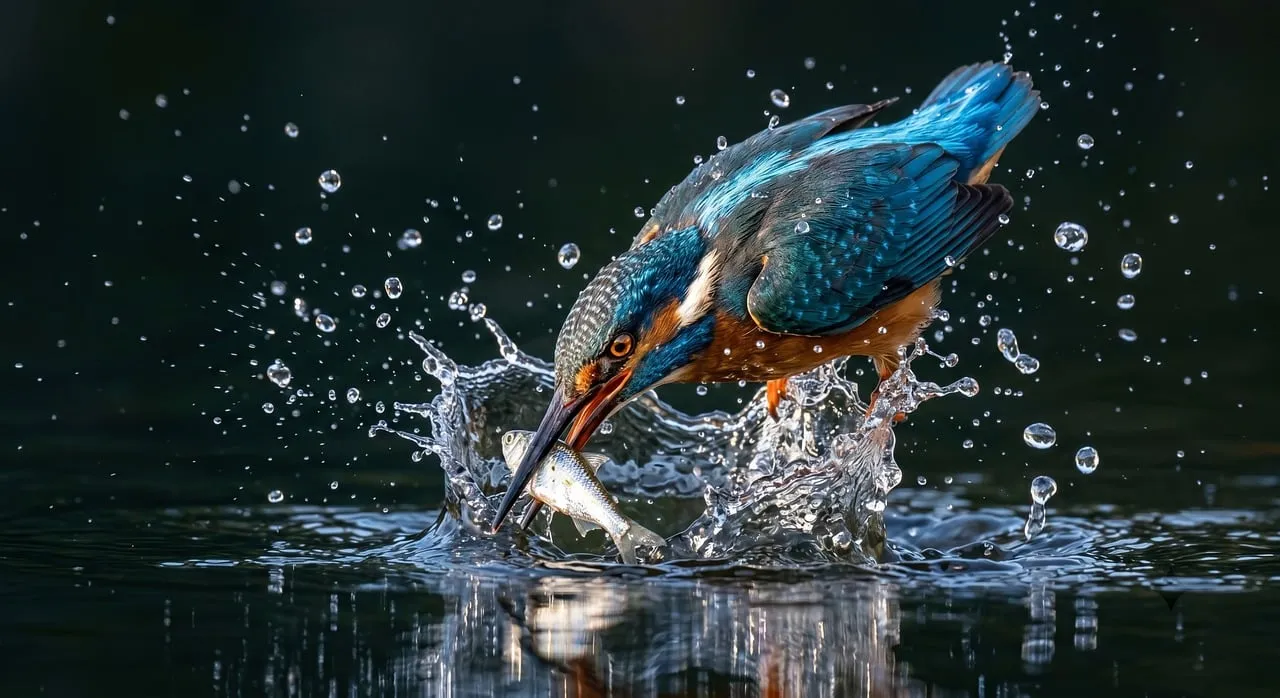
If you watch a Belted Kingfisher over a pond, you will notice it does not just sit and hope. Often, the bird will beat its wings rapidly to hover in place over the water, almost like a tiny helicopter. From that suspended position, it can scan below for fish near the surface, adjusting slightly with the wind like it is balancing on an invisible string.
Once it locks onto a potential target, the transition from hovering to diving is abrupt and committed. The wings snap back, the body tilts forward, and the kingfisher drops like a weighted arrow. It is a high‑risk move in a world where a mistimed dive wastes precious energy, so every plunge reflects a careful, split‑second decision that looks casual only because the bird is so practiced.
5. The Rattling Call That Announces Their Territory
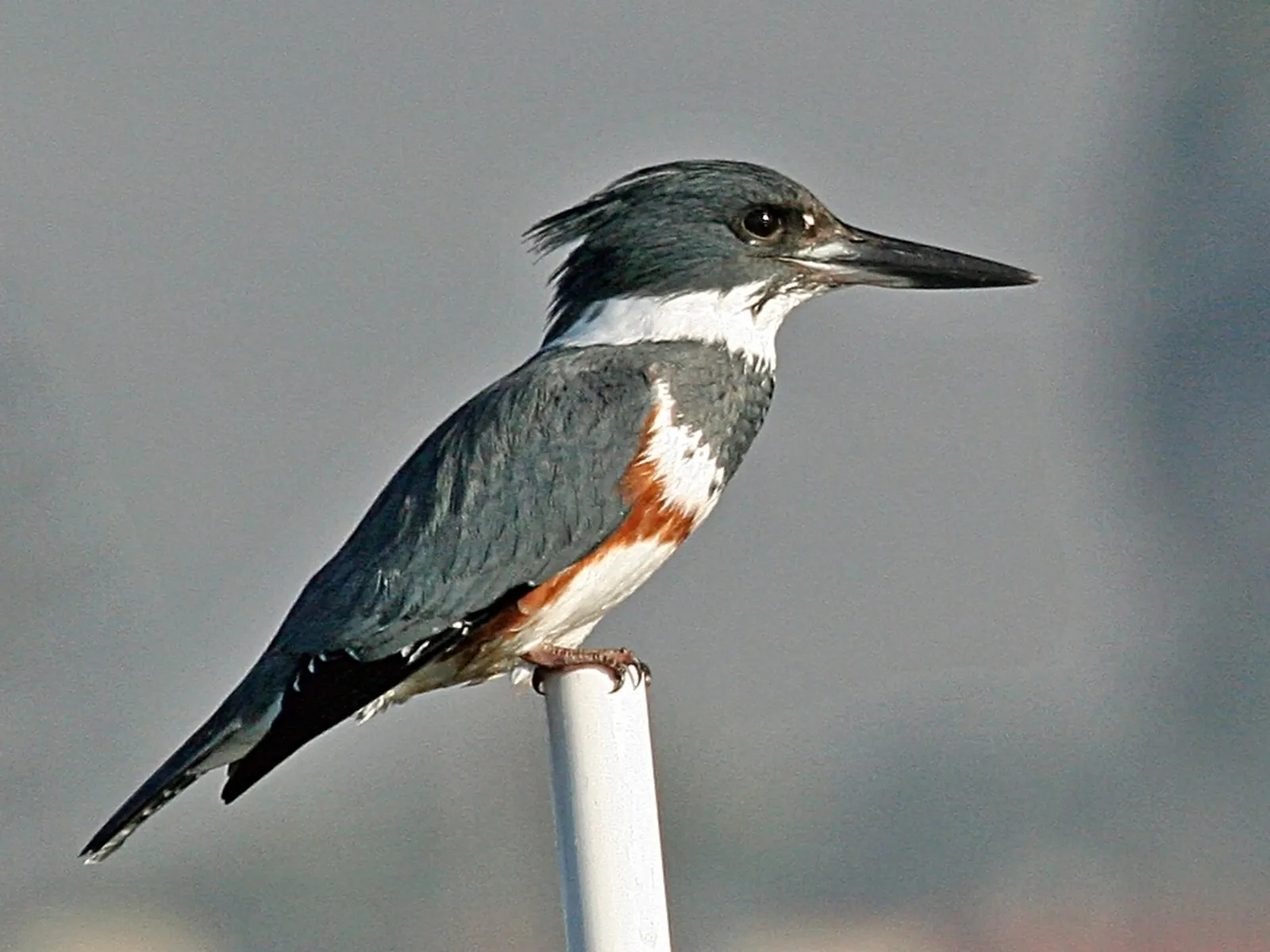
Long before you see a Belted Kingfisher, you often hear that dry, rattling call echoing along the water. It travels well over open rivers and lakes, working almost like a verbal fence line: this bank, this stretch of water, this fishing spot is taken. They are surprisingly feisty about defending their feeding and nesting territories from other kingfishers.
That bold voice fits their overall personality. These are not shy birds quietly slipping through the reeds. They patrol their chosen stretches of shoreline with confidence, looping back and forth while calling, flying from exposed perch to exposed perch as if daring others to challenge them. For such a relatively small bird, they act like they own the coastline – and for that season, they more or less do.
6. Females Wear the Fancier Outfit
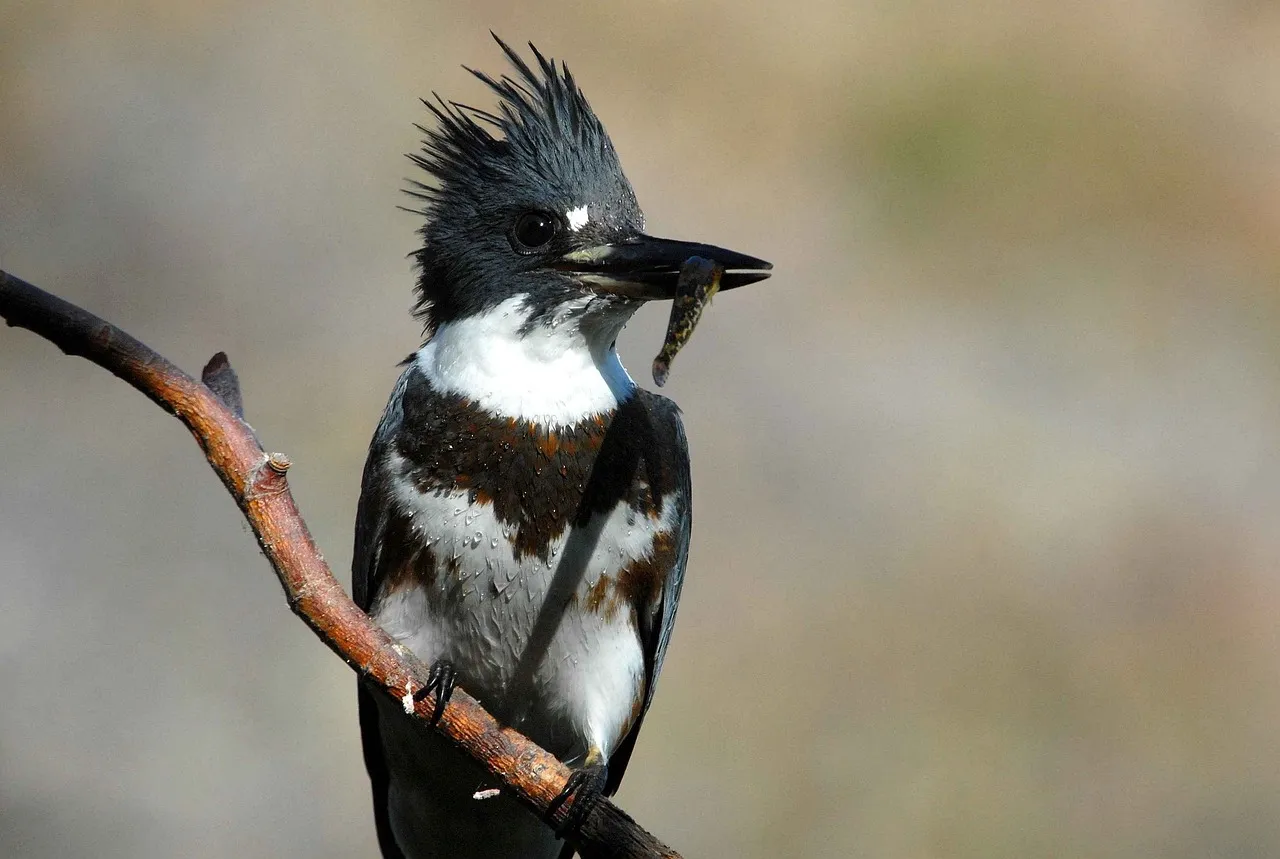
In many bird species, males get the flashy plumage and females stay more muted, but Belted Kingfishers flip that script. Both sexes share that blue‑gray back and white underside with the namesake dark “belt” across the chest. However, females add an extra band of rusty coloring on their belly, giving them a more colorful, layered look.
Seeing a species where the female is more decorated challenges some casual assumptions people carry about “typical” bird patterns. It is a good reminder that evolution is less about following rules and more about what works in a particular ecological and social context. In kingfishers, the female’s added color may play a role in mate choice or signaling maturity, but it also just makes them instantly recognizable once you know what to look for.
7. Riverbank Burrows: Underground Homes for a Diving Bird
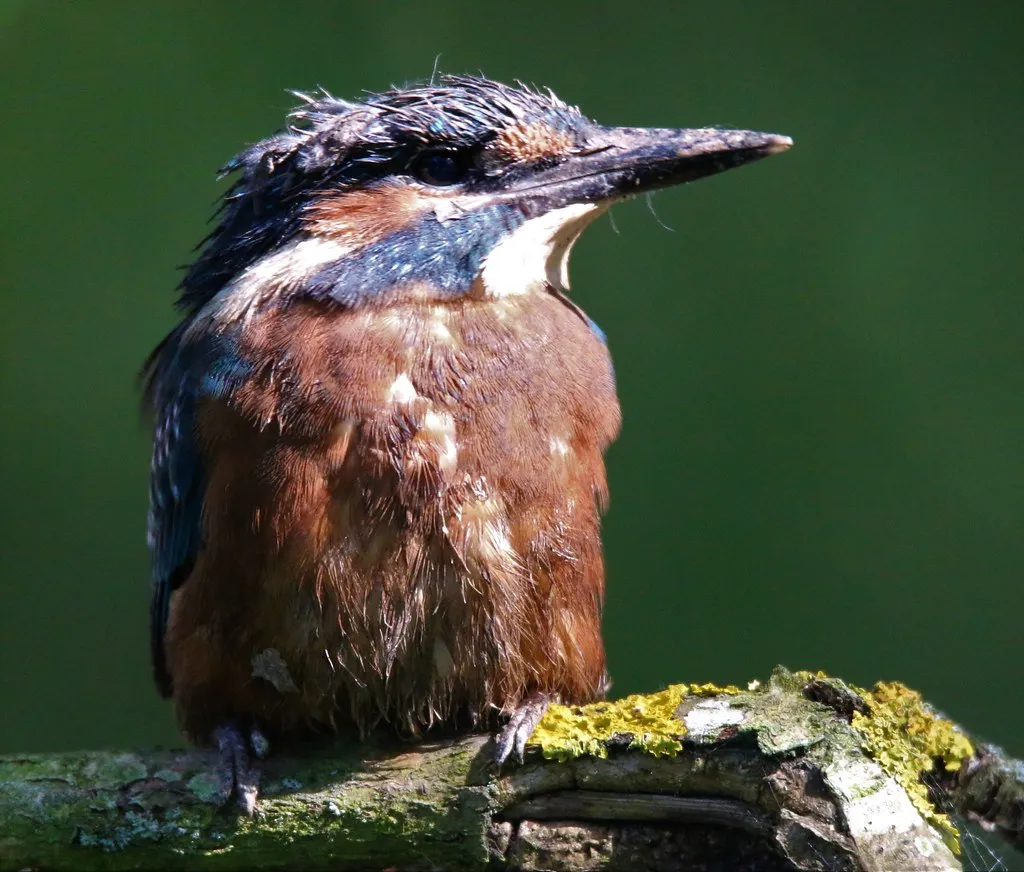
It feels almost ironic that a bird tied so tightly to water chooses to nest in dry tunnels dug into banks and cliffs. Belted Kingfishers carve long horizontal burrows, sometimes several feet deep, into soft soil near suitable fishing waters. Both members of a pair typically take turns excavating, flicking dirt out behind them until a chamber forms at the far end.
These underground nests offer shelter from predators and insulation from weather, creating a relatively stable microclimate for their eggs and chicks. It is a surprisingly secretive side to a bird that spends the rest of its day conspicuously rattling and diving in the open. Above the surface they are all noise and motion; below it, they are quiet architects of hidden riverside tunnels.
8. Diet Dominated by Fish, but Not Only Fish
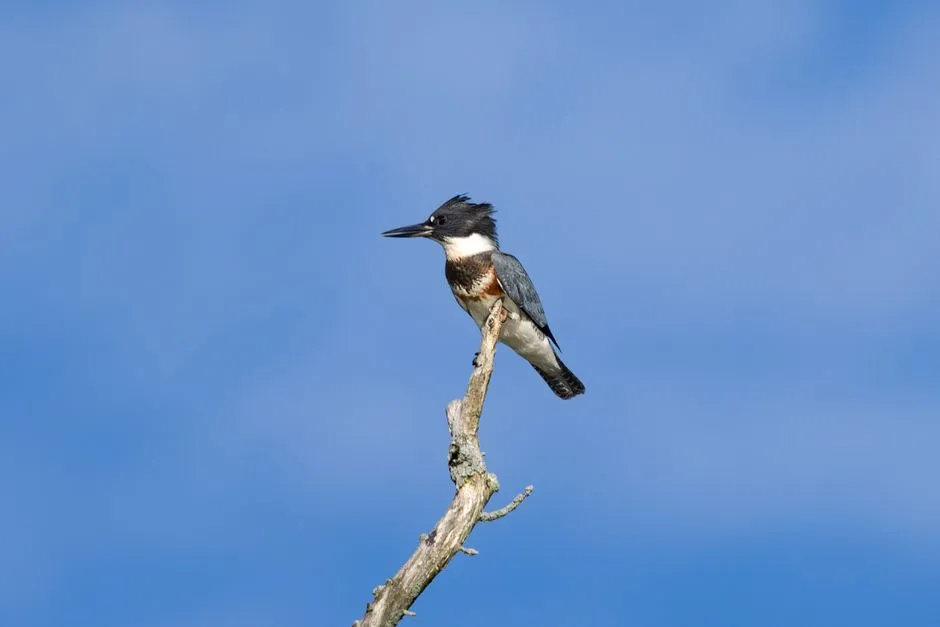
Fish are the main prize for Belted Kingfishers, and their bills and hunting style are clearly tuned for catching them. They target small fish that swim close enough to the surface to be visible from above, quickly swallowing them headfirst so the fins fold back and slide down more easily. It is efficient, if a bit brutal, and it allows them to process several catches in a short window of productive hunting.
But they are not limited to one kind of prey. When fish are scarce or conditions change, kingfishers will also take aquatic invertebrates, small crustaceans, and even amphibians. This flexibility gives them a survival advantage in variable environments, like rivers affected by droughts, floods, or human interference. They are specialists in style, but more adaptable than they first appear on a casual watch.
9. Sensitive to Water Quality and Habitat Change
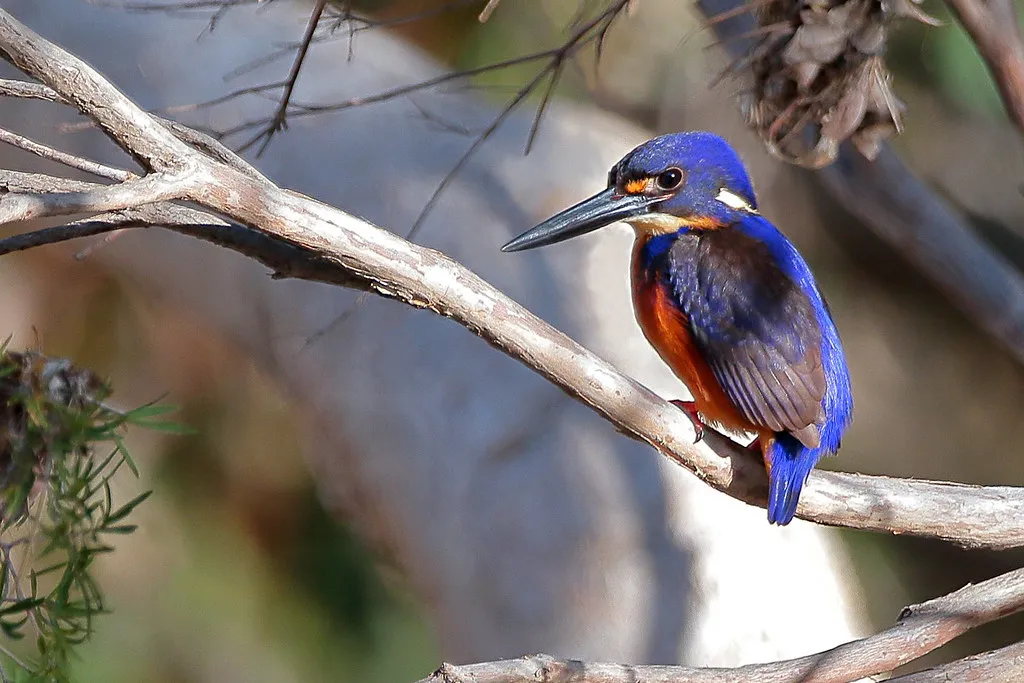
Because Belted Kingfishers depend on clear, fish‑bearing waters and stable banks for their burrows, they tend to do best in relatively healthy freshwater systems. Heavy pollution, silt‑choked rivers, or shorelines heavily armored with concrete can make life harder for them. When water quality drops and fish populations decline, kingfishers often move on or struggle to raise young as successfully.
In that sense, they act as a kind of informal indicator of ecosystem health. Seeing and hearing a kingfisher regularly along a creek usually hints that there are still enough fish and suitable nesting spots nearby. Losing them is not just the disappearance of a charismatic bird; it can be a small but meaningful red flag about the state of a local waterway that humans also rely on, even if we do not dive into it headfirst.
10. A Familiar Sight Across North America’s Waters
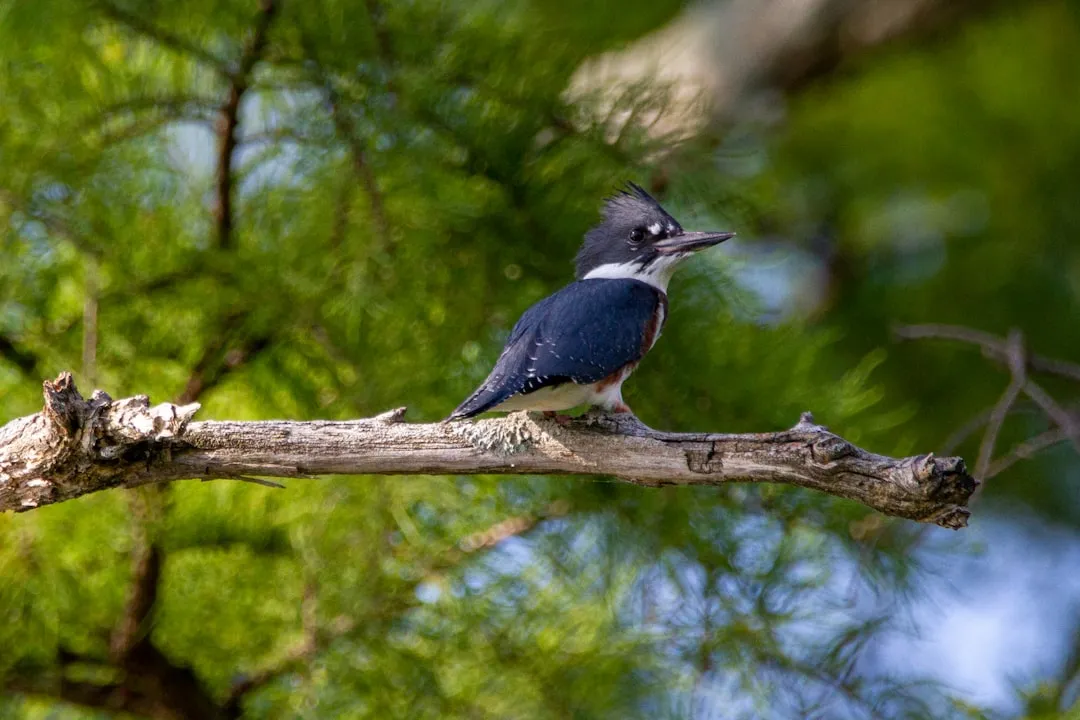
One of the reasons Belted Kingfishers feel so iconic is that they are widely distributed across much of North America. From quiet farm ponds to broad coastal estuaries and mountain streams, they show up wherever there is open water with fish and a decent bank to nest in. Their combination of a distinct silhouette, loud call, and dramatic hunting style makes them a staple in many people’s mental image of a healthy river or lake.
They also migrate in parts of their range, shifting south or toward ice‑free waters when winter makes northern habitats too harsh. Yet even in colder months, many people still spot them along unfrozen stretches, rattling past and patrolling the open water. Whether you are a seasoned birder or just curious about the wildlife you pass on a walk, the Belted Kingfisher is one of those birds that quietly stitches together the continent’s aquatic edges.
Conclusion: The Small Predator That Deserves a Big Reputation
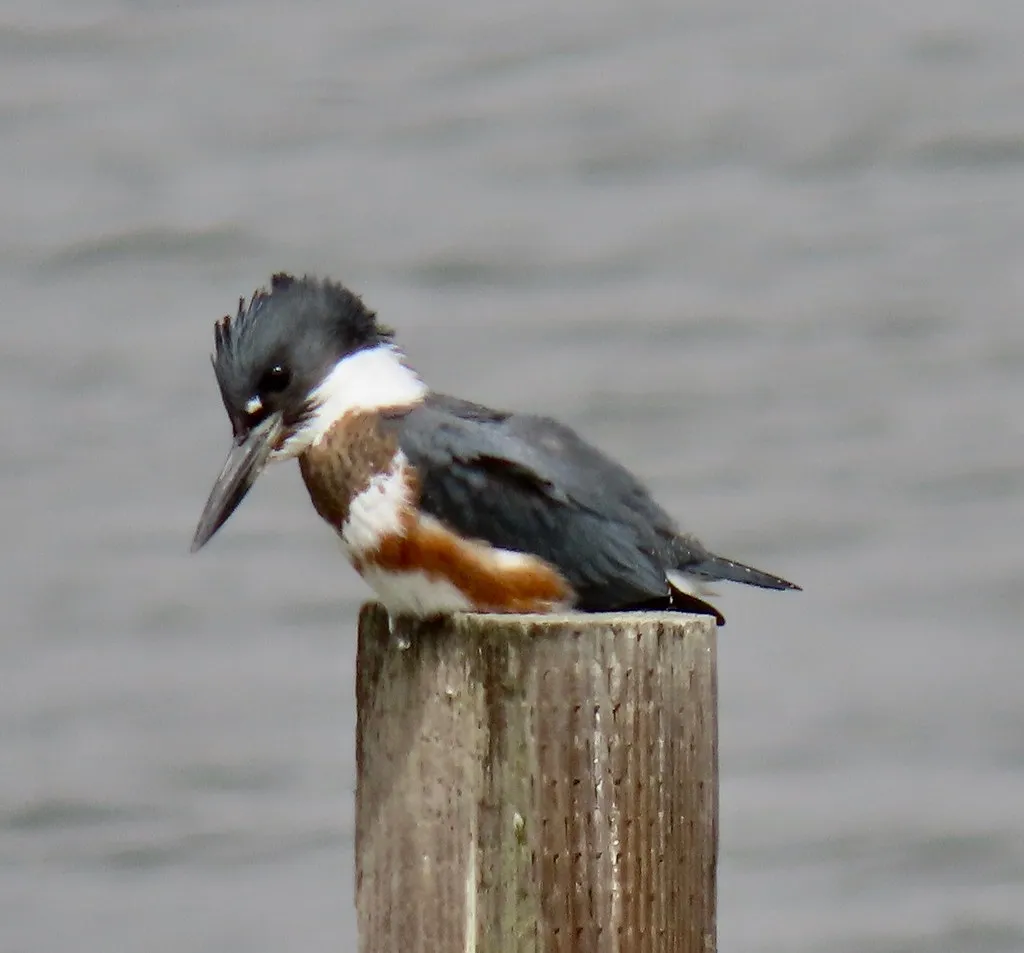
The more time you spend watching Belted Kingfishers, the harder it is to dismiss them as just another bird on a wire. They are tough, loud, visually striking, and perfectly tuned to a very specific way of making a living: scanning from above, then committing to that headfirst plunge with zero hesitation. In a world where many animals are forced to compromise, there is something refreshing about a bird so unapologetically specialized and bold.
From their wild crests to their underground burrows, from the rattle in the air to the splash on the water, Belted Kingfishers prove that you do not have to be huge to be a top‑tier predator in your niche. Personally, I think we undervalue them compared to raptors, even though they show just as much precision and nerve, only on a smaller stage. Next time one streaks past you over a river, ask yourself: would you dive headfirst into cold water at speed for every meal the way they do?

- 10 Facts About Belted Kingfishers and Their Headfirst Hunting Style - August 9, 2026
- 7 Ways to Keep Your Indoor Cat Entertained and Mentally Stimulated - August 9, 2026
- What Creature Reflects Your Zodiac Sign’s Darkest Traits - August 9, 2026