
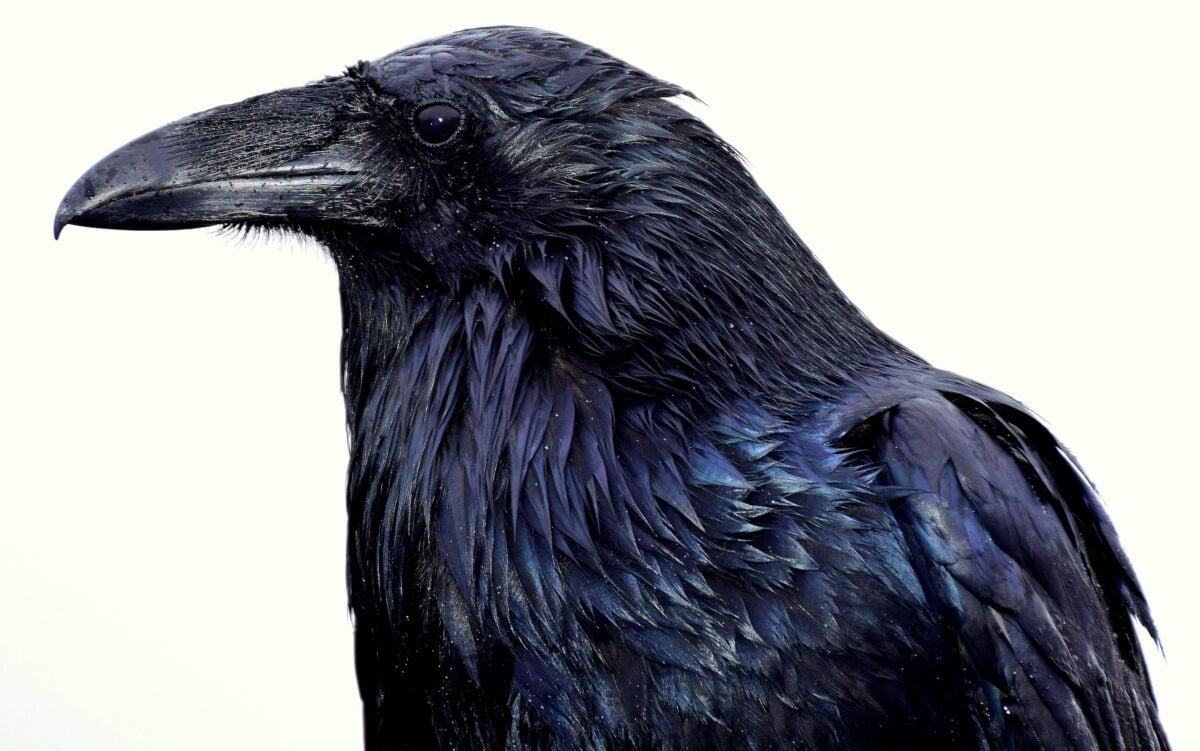
If you have ever seen a group of crows loudly calling around a dead crow on the ground, it can feel a little eerie, almost like a tiny funeral. For a long time, people assumed this was about grief or some kind of ritual. Modern animal science paints a very different – and honestly, far more fascinating – picture. Those noisy gatherings are not ceremonies. They are brief, high-stakes training sessions about danger.
Researchers have been steadily uncovering how crows turn death into data, using the body of a fallen bird as a lesson about what, or who, might be unsafe. Once you realize that, those black silhouettes in the trees start to look less spooky and more like a neighborhood watch holding an emergency meeting. Let’s unpack what science has discovered, and why these so‑called “murder” birds might actually be some of nature’s most impressive strategists.
Why Crows Gather Around Their Dead: Not Mourning, But Intelligence
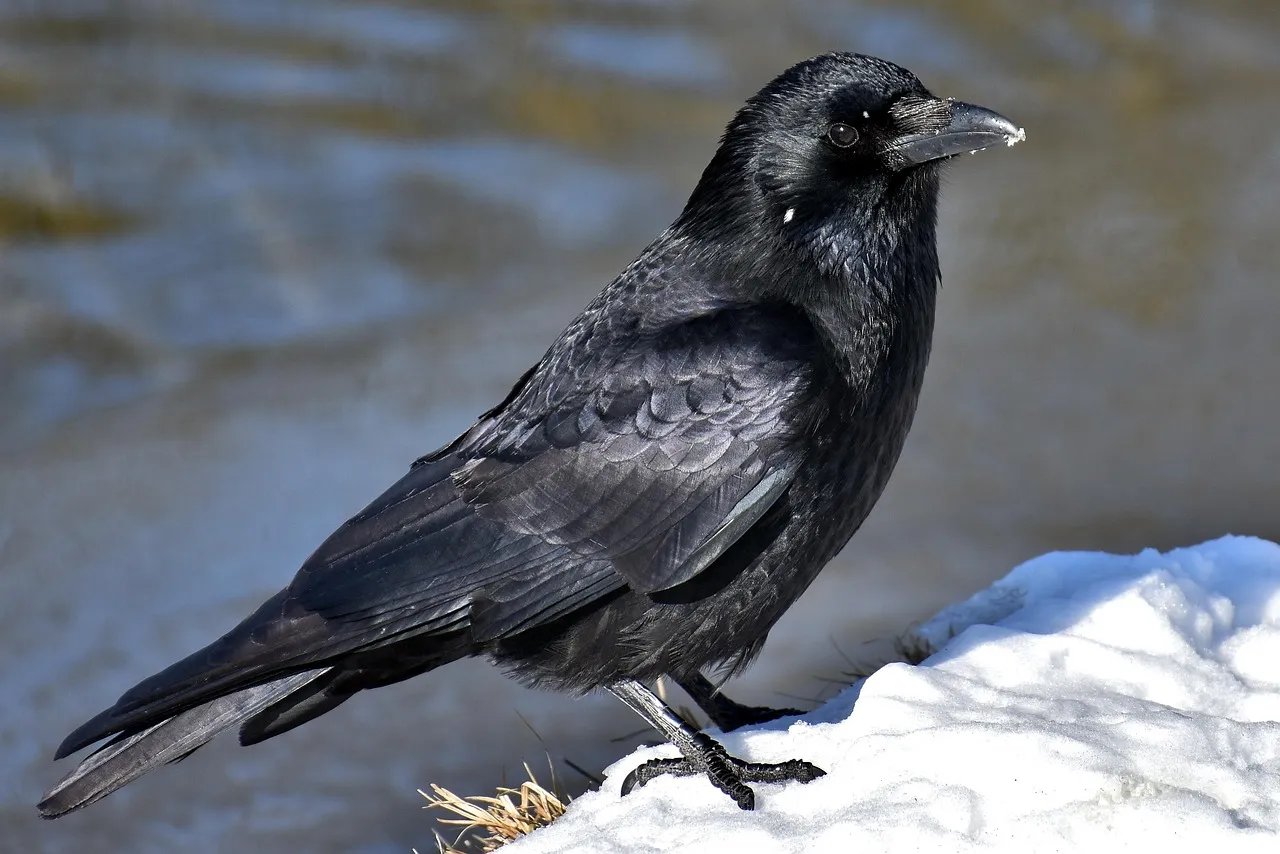
At first glance, a circle of crows around a dead companion looks heartbreakingly emotional. They call, they stare, they sometimes hop around the body as if they are reacting in distress. It is incredibly tempting to say they are holding a funeral. While there may be elements of emotional response, experiments suggest their main goal is practical: figure out what killed the crow and how to avoid the same fate.
In several studies, scientists placed a dead crow in an area and watched what happened. Nearby crows quickly noticed, called loudly, and attracted others to the scene. Rather than touching the body tenderly, they usually kept a safe distance, scanning surroundings, and treating the area as risky. That behavior fits much better with threat assessment than with ritual mourning. In other words, the death is a warning sign, and the group shows up to read it.
How Scientists Tested the “Learning from Death” Idea
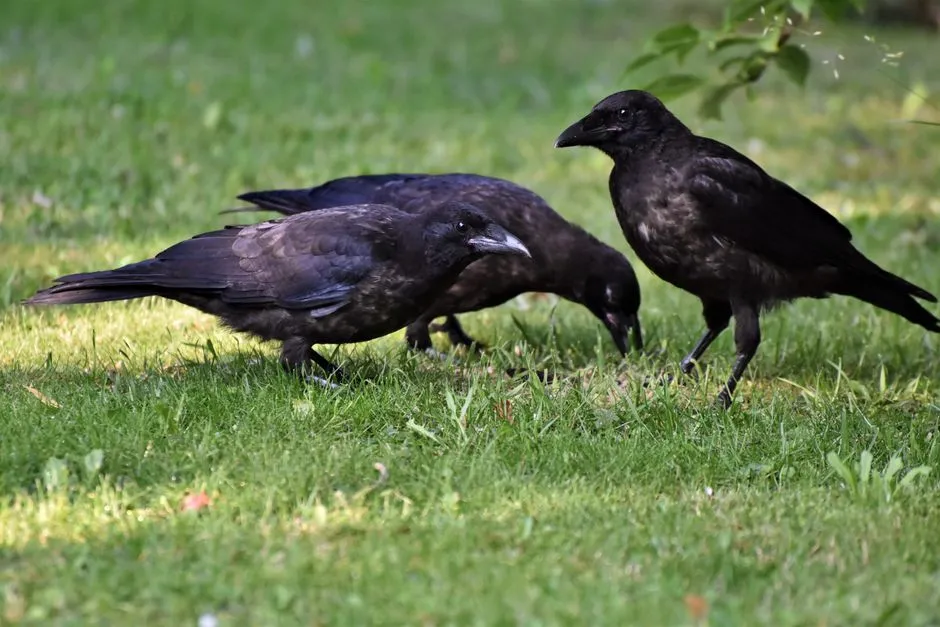
It is one thing to say crows might be learning from a corpse, and another to prove it. Researchers designed clever experiments using people wearing masks, dead crow models, and sometimes taxidermied birds. For example, a person in a specific mask would stand near a dead crow, allowing other crows to see them together. Later, that same masked person would walk through the area with no dead bird at all.
The result was striking: crows who had seen the masked person near a dead crow would loudly scold and mob that person in the future. Crows who had never seen the mask before often ignored it. That pattern means the birds connected “this particular face” with “dead crow equals danger” and stored that memory. They were not just upset about a body. They were building a mental file labeled “threat” and updating it with new information.
Social Learning: When One Crow’s Death Protects the Whole Flock
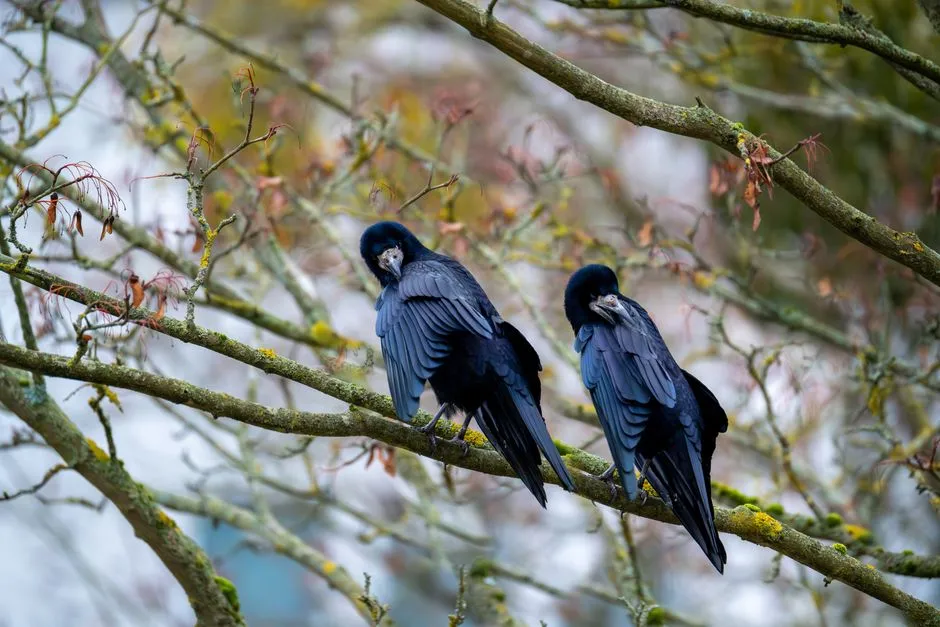
What makes this behavior especially powerful is how fast it spreads socially. When one crow discovers a dead bird and starts calling, others respond and come in to investigate from surrounding trees and even neighboring territories. Some of those newcomers never saw the original event that caused the death, but they still watch everyone’s reaction and pick up the message: this place, or this figure, is not safe.
Over time, this turns individual tragedy into community-level wisdom. Young crows can essentially “attend class” at these gatherings, seeing what older, experienced birds treat as dangerous. That is social learning in action, not very different from a human child learning to avoid a specific street corner because older kids talk about something bad that happened there. One crow’s misfortune can literally recalibrate the behavior of dozens of others.
The Role of Memory: Crows Remember Faces, Places, and Context
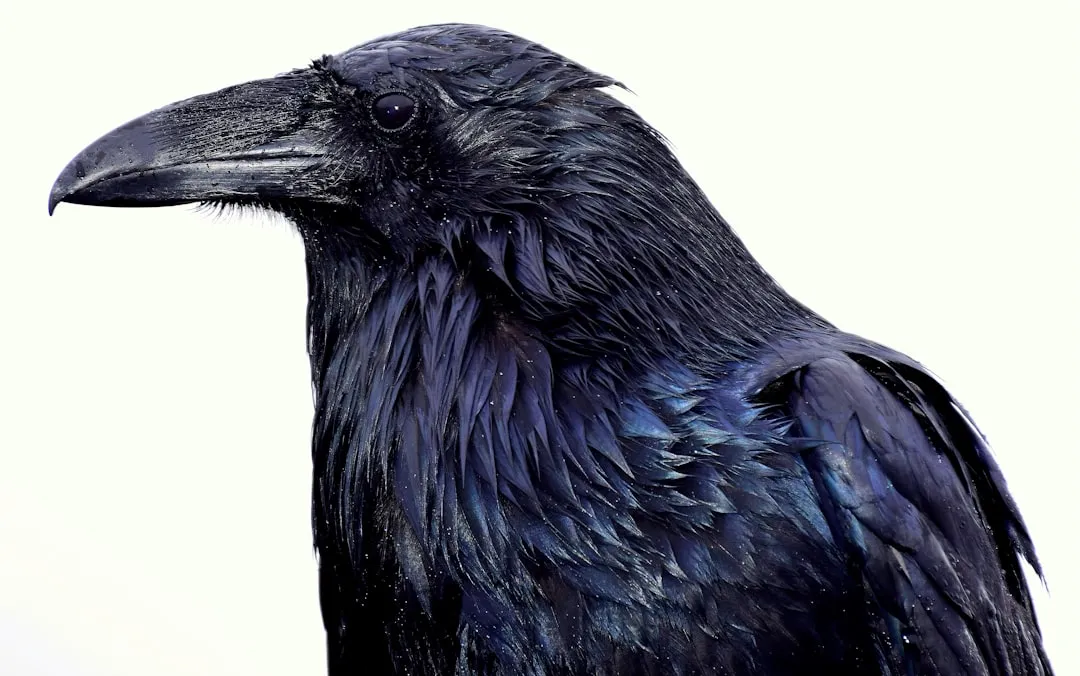
Crows are famous for recognizing human faces, and these death-related gatherings show how they put that ability to work. When a crow spots someone or something associated with a dead crow, it can recall that connection over months or even years. Studies have shown that crows continue to react to a dangerous-looking person long after the original encounter is over, and that new generations can join in the scolding just by copying older birds.
It is not just faces, either. Crows remember locations where they saw a dead bird and often treat those areas with suspicion. You can think of a crow’s mind as a constantly updating map of risk, with little mental pins dropped wherever something bad has happened. The body of a dead crow is like a bright red pin on that map, and the gathering around it is a way of making sure the whole flock updates their mental GPS together.
Emotions vs. Strategy: Are Crows Grieving, Or Just Being Practical?
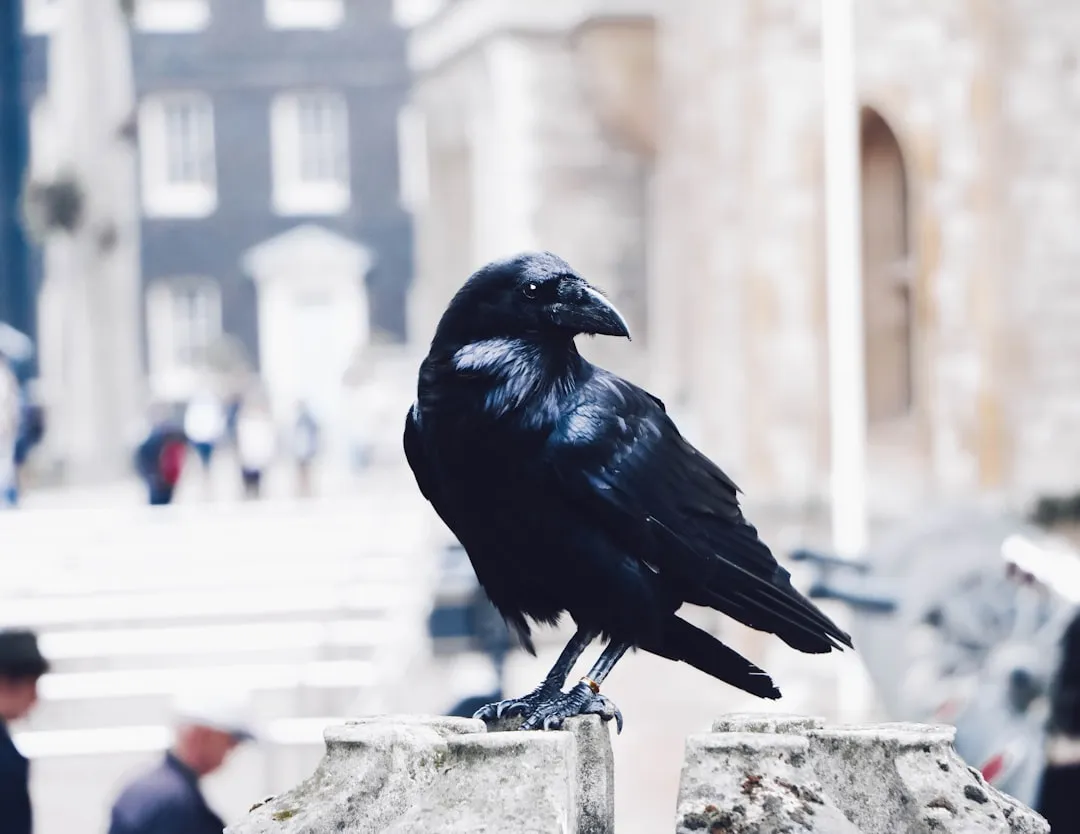
This is where it gets tricky and a bit emotional for us as humans. Watching crows vocalize and linger around their dead looks like sadness, and it might well involve some form of distress. But science has to be careful. It is much easier to measure changes in behavior and survival than to measure inner feelings. The clearest evidence right now says these gatherings are strongly tied to vigilance, learning, and avoidance, rather than anything like a human funeral ritual.
Personally, I think it is a mistake to frame it as either grief or strategy. It can be both. A crow might feel unsettled or alarmed by a dead companion while also using the moment to gather critical information. Humans do this too: we often mix emotion with problem-solving when something terrible happens. The difference is that with crows, we can clearly see the survival advantage of treating a death as data, and that practical side is what studies keep confirming.
Why This Matters for Understanding Animal Minds
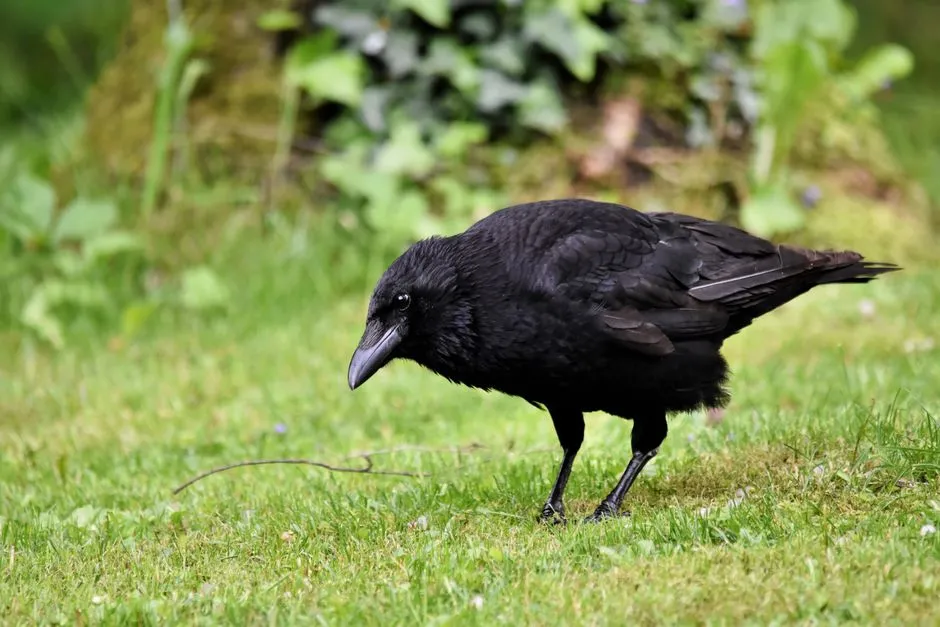
The idea that crows use dead conspecifics as information hubs forces us to rethink how we see animal intelligence. This is not a simple reflex like fleeing from a loud noise. It is closer to investigation and analysis. Crows appear to ask, in their own way, what happened and what does this mean for me and my group. That kind of question is a big leap from basic instinct.
It also pushes back against the old habit of dismissing animal behavior as mindless or purely mechanical. When birds coordinate, share information, and remember specific individuals associated with danger, they are operating in a mental space that feels uncomfortably close to our own. I find it humbling that a bird many people label as a pest is out there building a shared memory of threats that rivals what some human communities manage to do.
How Humans Accidentally Train Crows Through Death
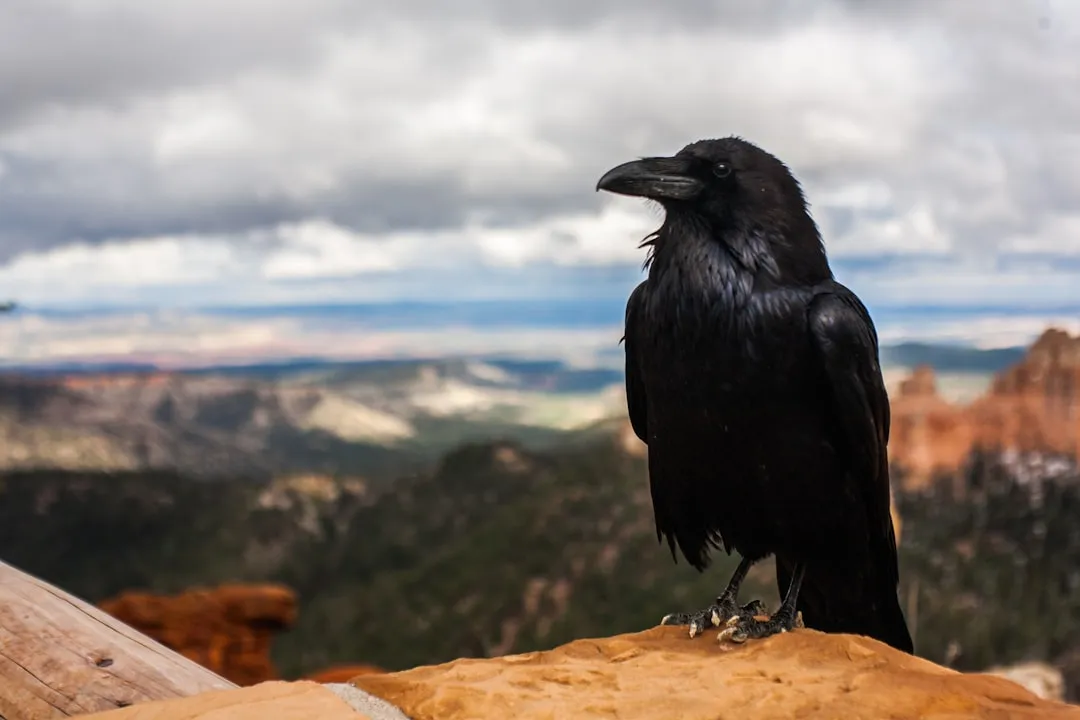
There is a slightly unsettling twist here: our actions can turn us into known threats in the crow world without us realizing it. If a person harms a crow or is seen near a dead one, local birds may tag that face as dangerous. That label can spread to nearby crows who were never directly harmed, just by watching their neighbors react. From then on, that person might find themselves regularly scolded and mobbed when they walk outside.
On the flip side, people who feed crows without ever being near anything obviously bad can end up in the “mostly safe” category. This does not mean crows see us as friends in a human sense, but it does mean they track our patterns over time with impressive nuance. In a way, each crow gathering around a dead bird becomes a mini training seminar about humans, predators, vehicles, and anything else that can suddenly turn lethal in their environment.
What Crow “Funerals” Reveal About Our Own Reactions to Death
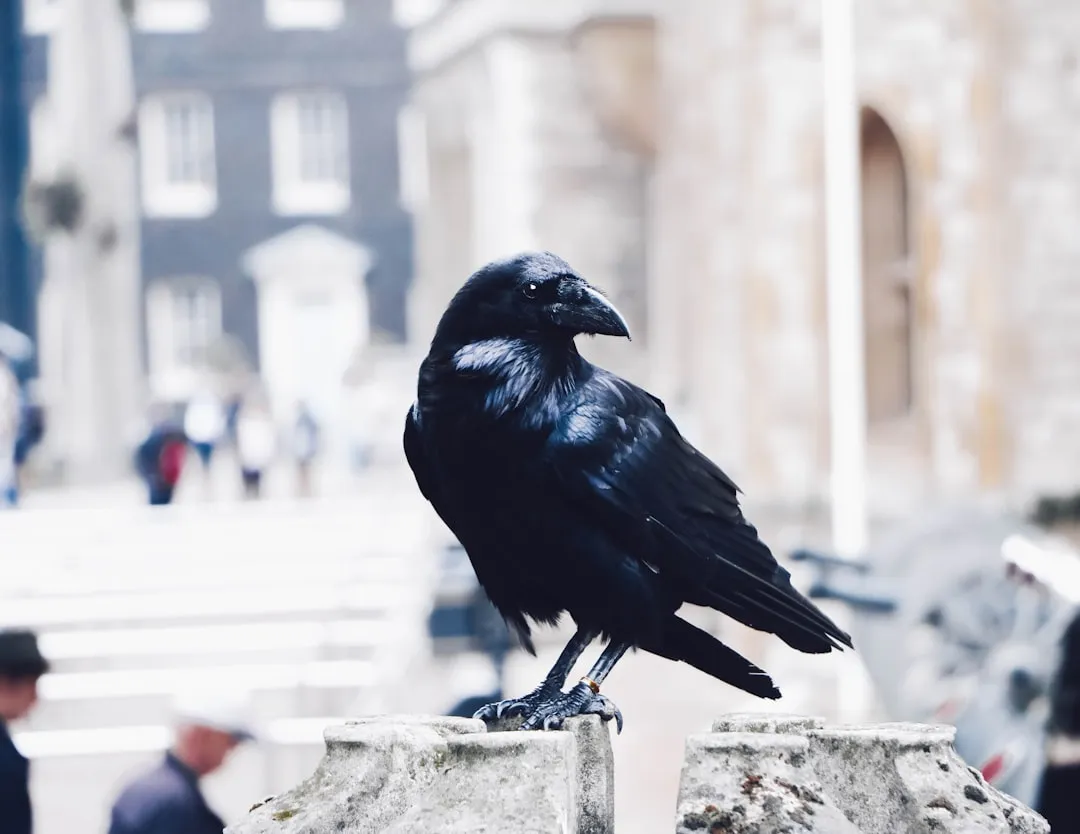
I think one of the reasons this topic grabs people is that it reflects something back at us. We hold funerals, share stories, and sometimes change our behavior because of one person’s fate. Crows, in their own stripped-down way, seem to be doing a similar thing: turning a loss into a lesson. The difference is that their focus leans heavily toward survival and threat detection, where ours often leans toward meaning and remembrance.
There is a part of me that finds the crow approach brutally honest. They do not pretend death is anything other than a loud warning sign. They gather, they learn, and then they move on a little wiser and a little warier. In a world where we often look away from uncomfortable truths, there is something refreshingly direct about a bird that treats a fallen body as a non-negotiable message: pay attention, or you might be next.
Conclusion: Death as Data, and Why I Think Crows Get It Right
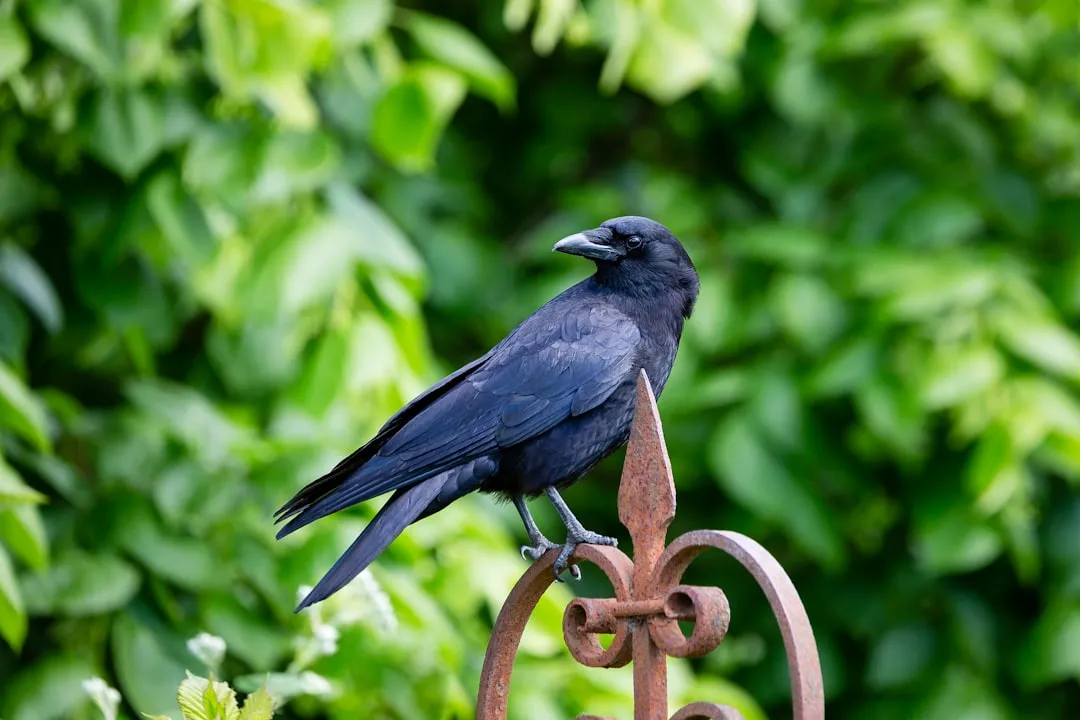
When you put all the evidence together, the most convincing explanation is that crows gather around their dead to learn, not to hold ceremonies. They identify what might have caused the death, associate any nearby faces or objects with danger, and broadcast that information socially. I think that makes them less creepy and more admirable. They are running a live, outdoor version of a safety briefing every time something goes wrong.
In my view, calling these gatherings funerals actually undersells how impressive they are. Funerals are about closure; crow gatherings are about survival. They turn tragedy into a shared upgrade of the whole group’s threat radar. Next time you see a cluster of crows shouting over a body, you might still feel a chill, but maybe also a little respect. If you were in their position, would you not want your community to learn from your last mistake too?
