
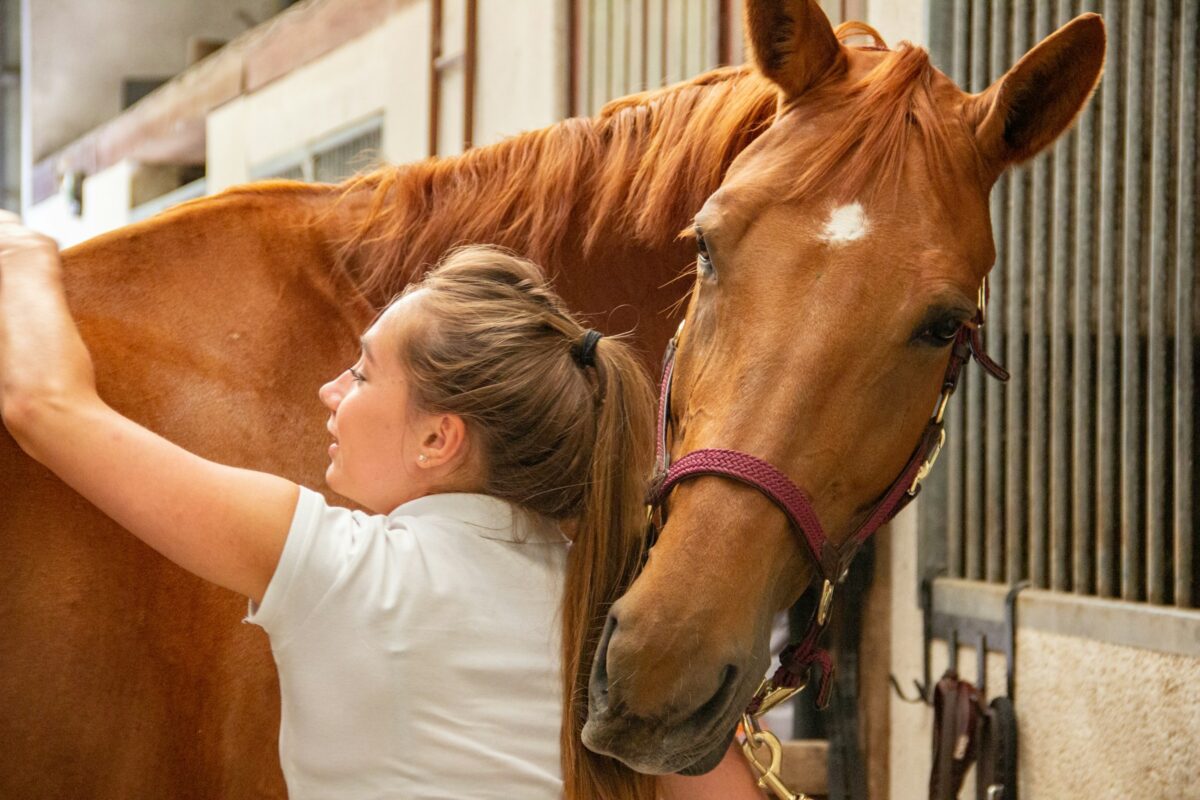
If you have ever looked into a horse’s eyes and felt like it was really sizing you up, you probably were not imagining it. Modern animal cognition research suggests that horses do far more than just respond to treats and training cues; they build emotional memories of the people around them. That means your kindness – or your roughness – may echo in a horse’s mind long after you walk out of the barn.
This idea is both heartwarming and a little unsettling. On one hand, it validates what many horse lovers have always felt in their gut: the relationship is real, not just a projection. On the other, it means we carry a much bigger responsibility every time we handle a halter or pick up a lead rope. Once you know horses can remember how you made them feel, it is hard to shrug off a bad mood as “just one ride.”
The Surprising Memory Power Hiding Behind Those Soft Eyes
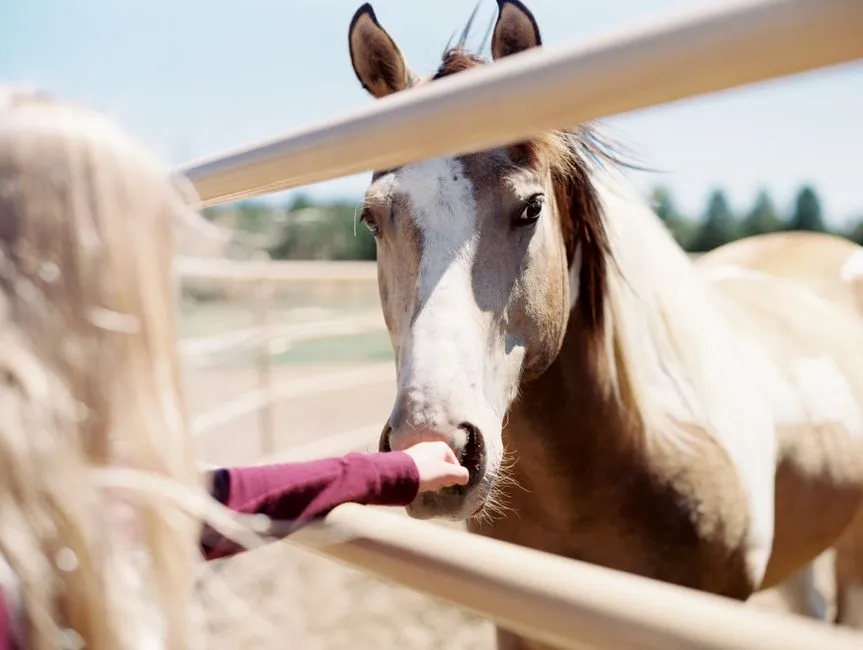
We tend to think of horses as big, gentle animals with short attention spans, but their memory systems are remarkably sophisticated. Studies in animal cognition show that horses can remember complex tasks, routes, and social relationships for long periods, sometimes after only a few exposures. In practical terms, that means a horse does not just forget the person who handled it roughly or kindly last month.
Researchers have found that horses can match past experiences with present cues, like recognizing a familiar face or the sound of a particular voice. When a horse meets someone again, it is not a blank slate; it is more like opening an old file. The brain pulls up stored emotional and sensory details, which then shape how the horse reacts – relaxed and curious, or tense and defensive. Once you see them this way, it is almost impossible to treat them as simple “livestock” ever again.
How Horses Read Our Faces, Voices, and Hidden Intentions
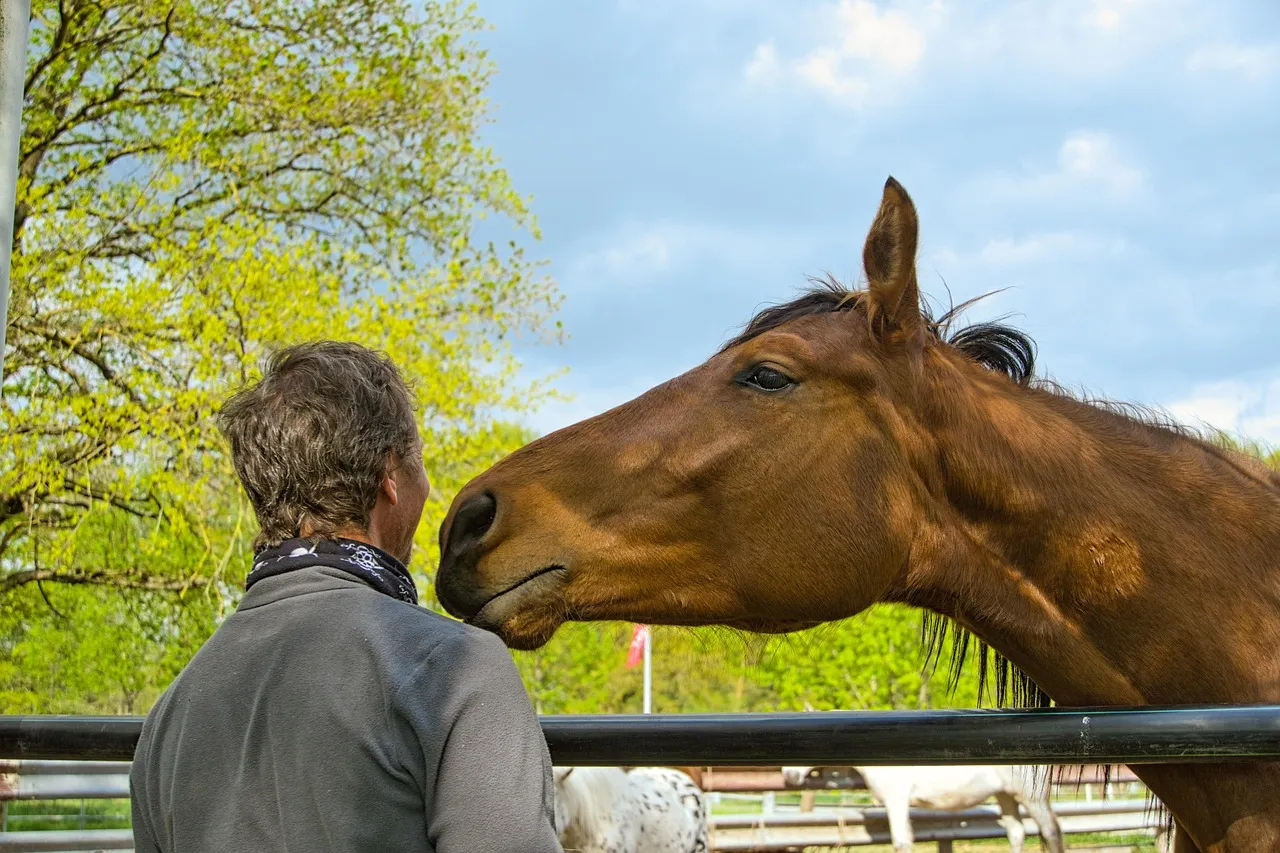
One of the most fascinating discoveries is that horses do not just remember what we do; they seem to remember how we felt while we were doing it. Experiments indicate that horses can distinguish between positive and negative human facial expressions and later react differently to the same person, even when that person’s face is neutral the next time. In other words, if you approached a horse with anger earlier, it may treat you with suspicion later, no scowl required.
Horses are also unusually sensitive to tone of voice, body tension, and the tiny movements we barely notice in ourselves. They evolved as prey animals, so picking up on subtle emotional shifts is literally a survival skill. To them, a tight jaw or a clipped, impatient voice can signal danger, while a soft stance and relaxed shoulders signal safety. I remember working with a tense mare who only truly settled when I forced myself to breathe and drop my shoulders; it felt like she could feel my heart calm down, then chose to trust that version of me.
Good Memories, Bad Memories: Emotional Imprints That Stick
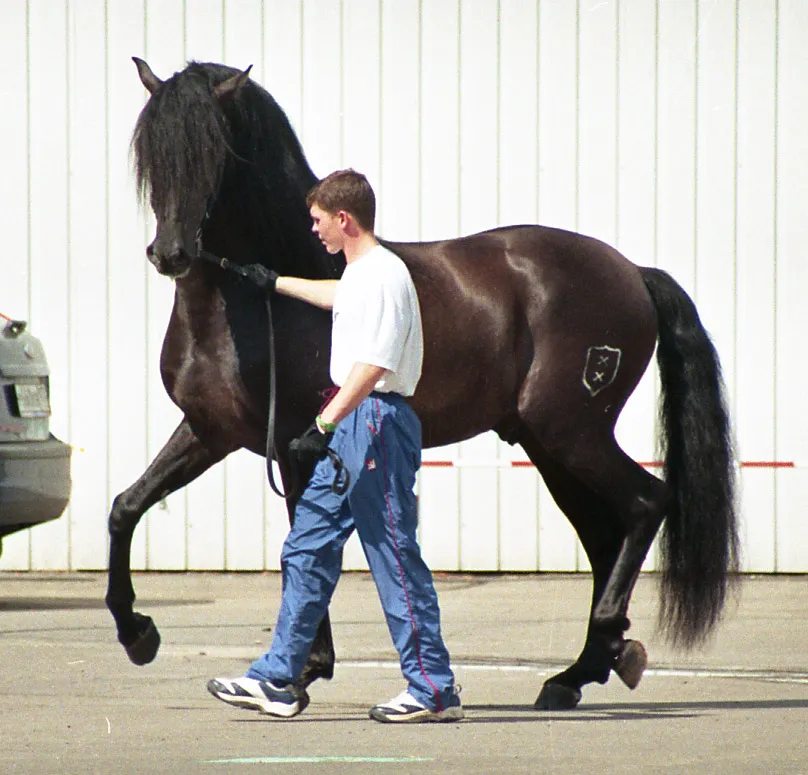
Not all memories are created equal in a horse’s mind. Experiences that involve strong emotions – fear, pain, relief, comfort, or pleasure – seem to leave deeper marks. A horse that was handled gently during a stressful vet visit, for example, may later associate that handler with safety even when things get tense again. On the flip side, a horse that was whipped or forced in a frightening situation can carry that emotional imprint into future encounters with similar people or equipment.
These emotional imprints can show up in very practical ways. A horse might walk eagerly towards the person who consistently feeds, grooms, and speaks kindly, even if others are standing nearby. The same horse might pin its ears, hold its breath, or step away from someone it associates with pain or fear. It is not being dramatic or stubborn; it is running on lived experience. If we wrote our human relationships this simply – “this person makes me feel safe, this person does not” – our own decisions might look a lot more like a horse’s.
Trust Is Not Training Alone – It Is a History of How You Showed Up
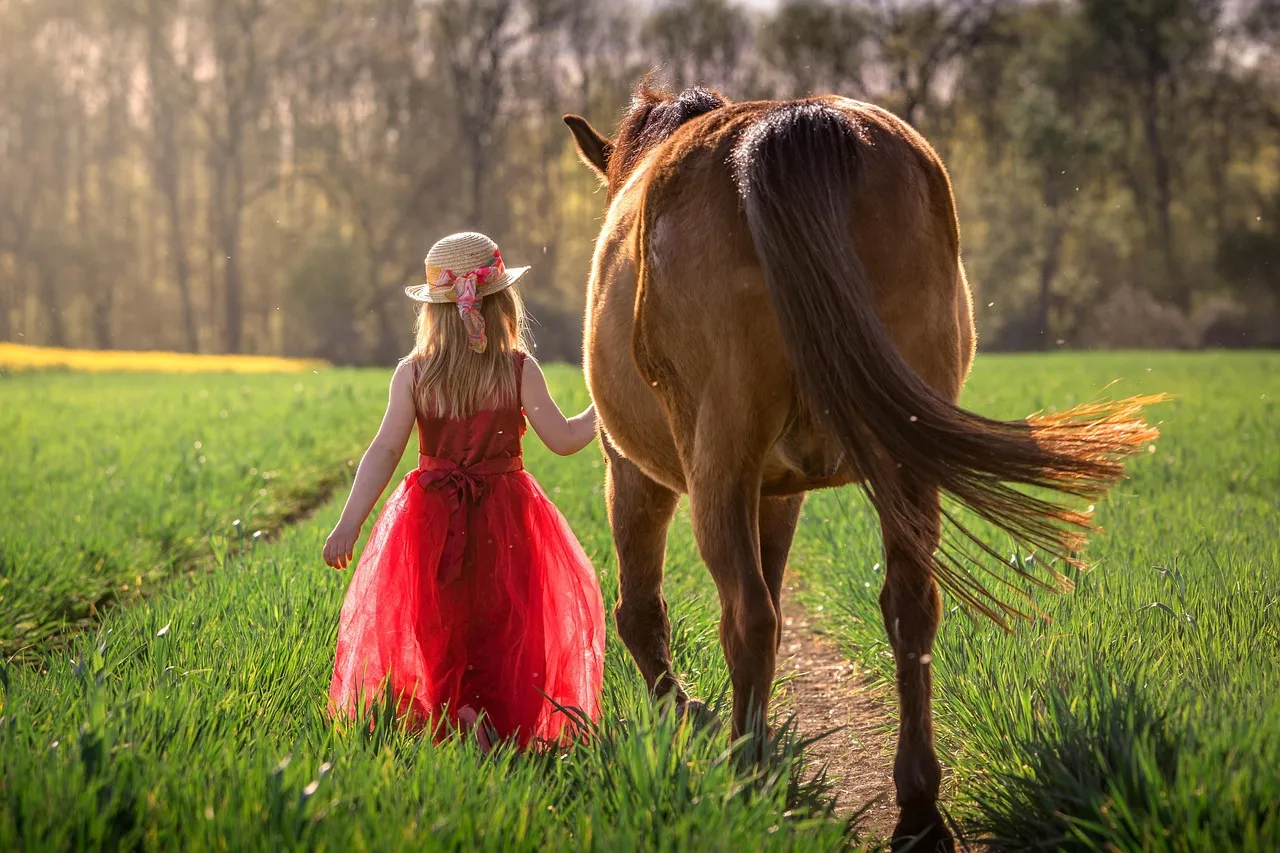
Many people still talk about horses in terms of dominance and submission, but that frame increasingly looks out of date. When you factor in memory and emotional learning, trust becomes less about “showing who is boss” and more about building a consistent history of fair, predictable, respectful interactions. Horses do not just obey; they decide, based on past experience, how much of themselves to offer you.
Over time, a horse that is treated fairly tends to become softer, more curious, and more willing to try. It is like any friendship: the more often you show up as someone reliable, the braver the other party feels. On the other hand, if a horse’s experience of you is confusion, pain, or sudden bursts of anger, all the technical skill in the world cannot fully cover for that. The animal may still perform, but underneath you often see tension, hesitation, or checked-out compliance. That is not trust; that is survival mode dressed up as training.
When Horses Remember Harm: Fear, Avoidance, and “Problem” Behavior
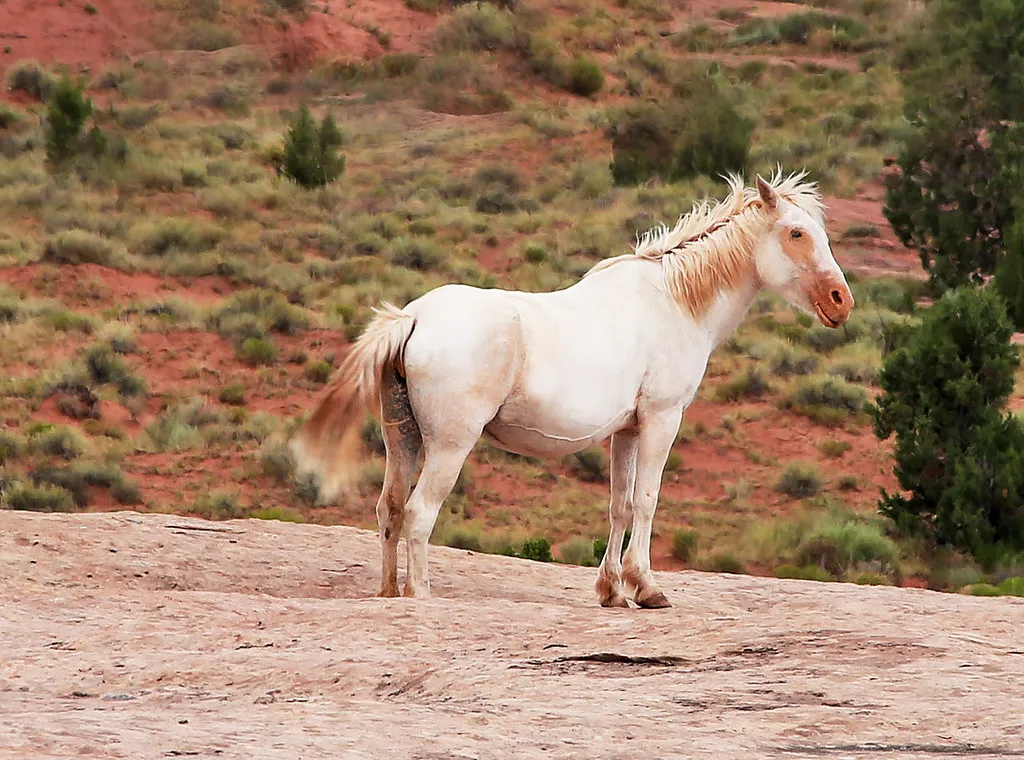
From a distance, some horses get labeled as dangerous, stubborn, or “difficult,” but memory changes how we read that story. If an animal has learned that certain people or situations lead to pain, it makes perfect sense to see resistance, spooking, or aggression. Those are not moral failures; they are protective strategies built on remembered experience. Calling that a “bad attitude” is like blaming a burned child for pulling away from a hot stove.
In barns and riding schools, this often shows up as a horse that refuses to be caught by specific people, balks when certain tack appears, or tenses when approached from one side. You can punish the reaction and maybe suppress the behavior, but you have not changed the underlying memory. To actually help, humans have to earn new memories that are strong enough to soften the old ones. That is slower, less flashy work, but it is the only route to genuine change instead of forced obedience.
Kindness Leaves a Trail: The Science Behind Positive Handling
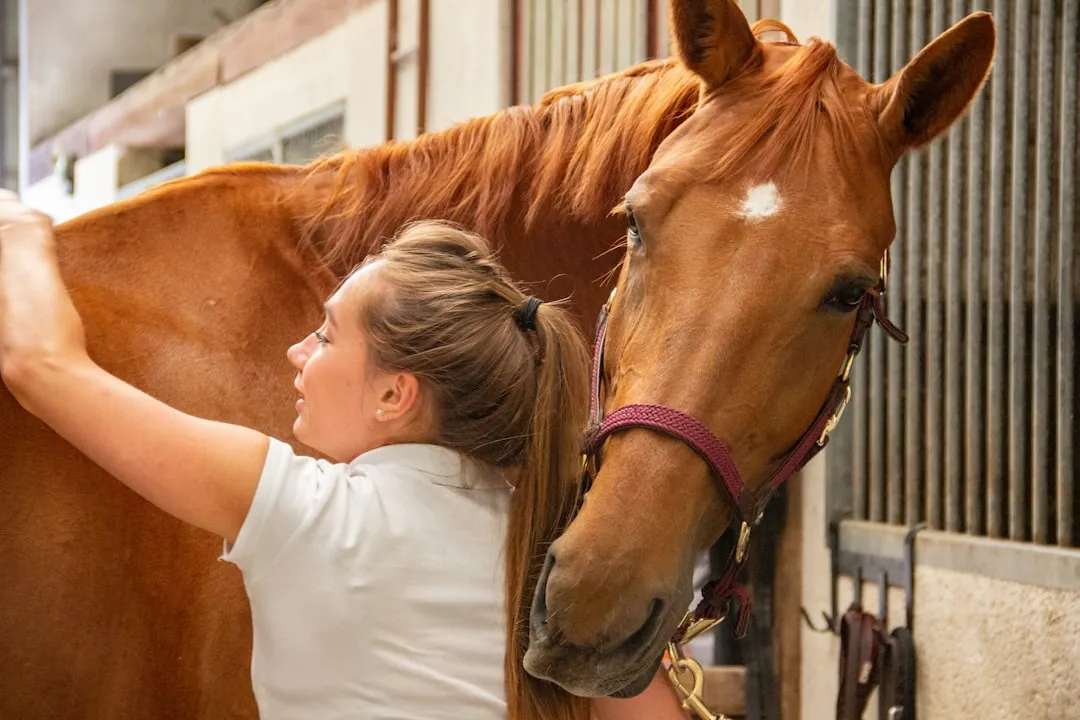
There is a practical upside to all this: positive interactions are not just “nice,” they are neurologically efficient. Gentle handling, clear cues, and reward-based training align with how horses form associations, making learning smoother and less stressful. Horses handled this way often show lower signs of chronic stress and are quicker to approach and engage with people, which in turn makes future handling easier and safer.
Think of every good interaction as adding a brick to a bridge between horse and human. Grooming that feels good rather than rushed, groundwork that builds understanding rather than fear, even simply sitting quietly in a stall can contribute to a bank of positive experiences. Over time, that bank balance becomes incredibly valuable. When something scary happens – a loud noise, a painful medical procedure, a sudden change in routine – the horse is more likely to lean on that bridge of trust rather than abandon it.
Rethinking Our Responsibility: Horses Remember, So What Now?
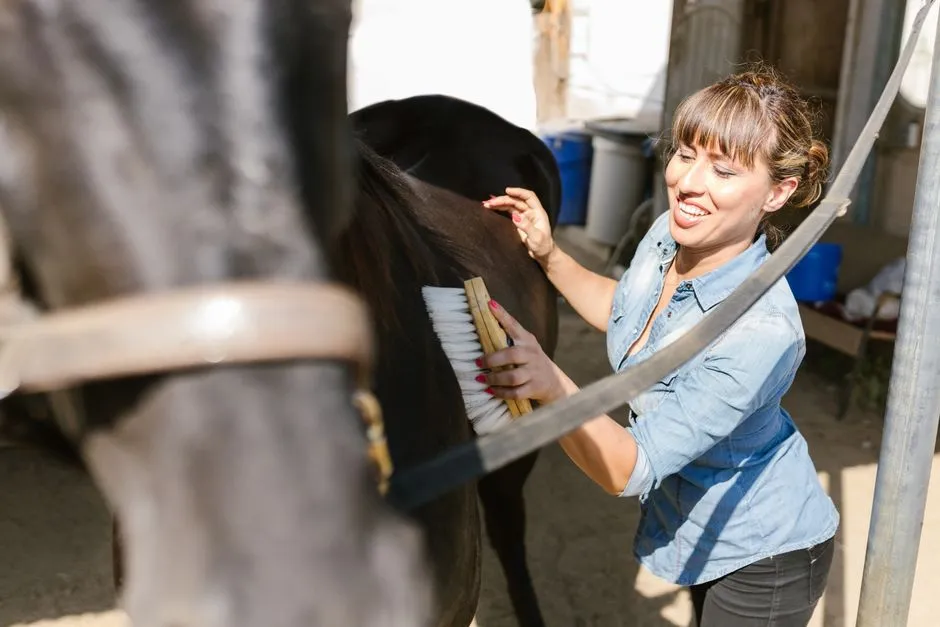
Once we accept that horses remember the way we treat them, the moral bar rises whether we like it or not. We can no longer excuse roughness as “just getting things done” or dismiss fear as a flaw in the horse instead of a reflection of its history. If our actions live on in an animal’s mind as either safety or threat, then every rushed grooming session, every snapped command, every ignored flinch suddenly matters more than our convenience.
In my view, this is where the conversation about horses needs to change most radically. If we are going to ride them, train them, and keep them in our worlds, the least we owe them is a relationship built on respect for their emotional lives, not just their physical usefulness. The science of animal cognition does not just flatter our love for them; it quietly calls us out. Horses remember us. The real question is whether we are willing to become the kind of humans they deserve to remember warmly. When your horse looks at you tomorrow, what kind of history do you want staring back?

- 8 Ways Bobcats Move Through Suburbs Without Being Seen - August 9, 2026
- 7 Reasons Black Bears Return to the Same Food Source - August 9, 2026
- Animal Cognition Says Horses Remember People Who Treated Them Well and Those Who Did Not - August 9, 2026