
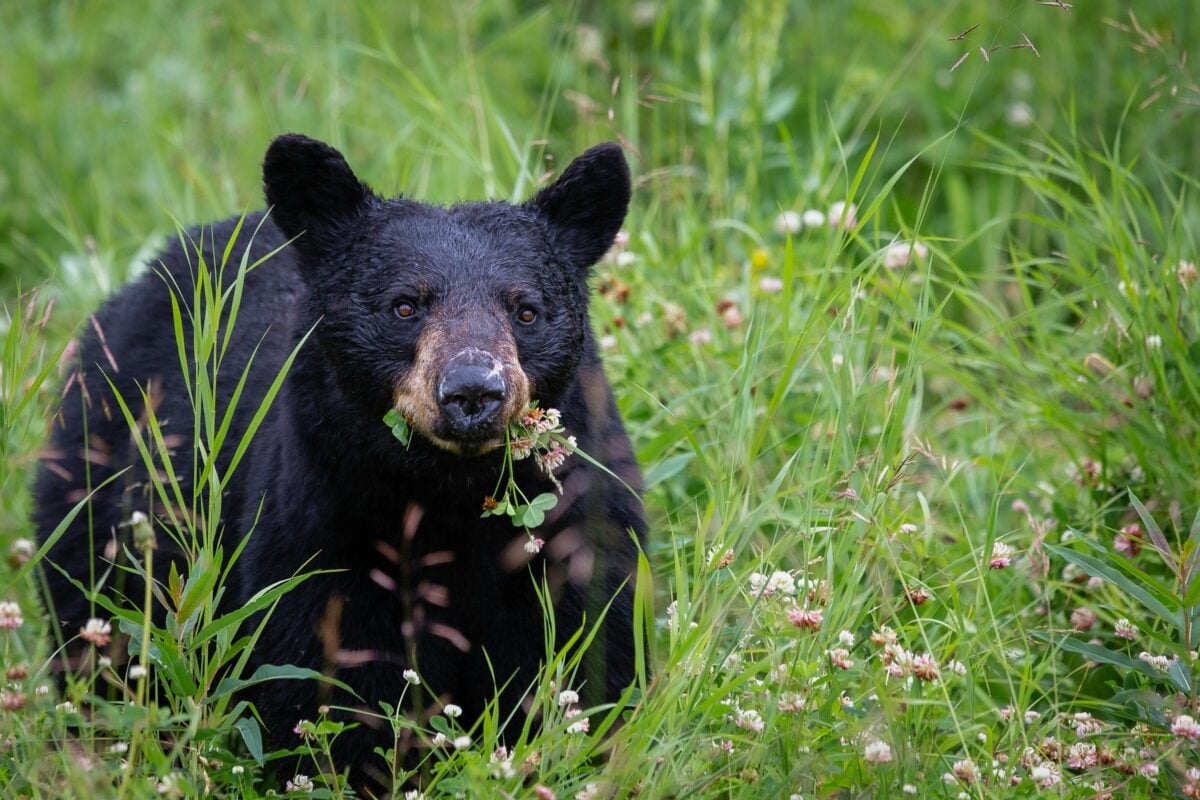
If you’ve ever watched a black bear on a trail cam or in a backyard, you know the feeling: once it finds the bird feeder, the corn pile, or that patch of berry bushes, it just keeps coming back like a late-night fridge raider. It can feel almost personal, as if the bear has your address memorized. But what looks like stubbornness or mischief is actually a smart survival strategy wired deep into the bear’s brain.
Black bears live in a world where one good food source can mean the difference between thriving and struggling, especially before winter. They are constantly running a quiet calculation in the background: how much energy do I spend to find food, and how much do I get back? When something pays off, they remember. And that simple logic explains why, once a bear hits the jackpot, it hardly ever treats it as a one-time event.
They Have Incredible Spatial Memory
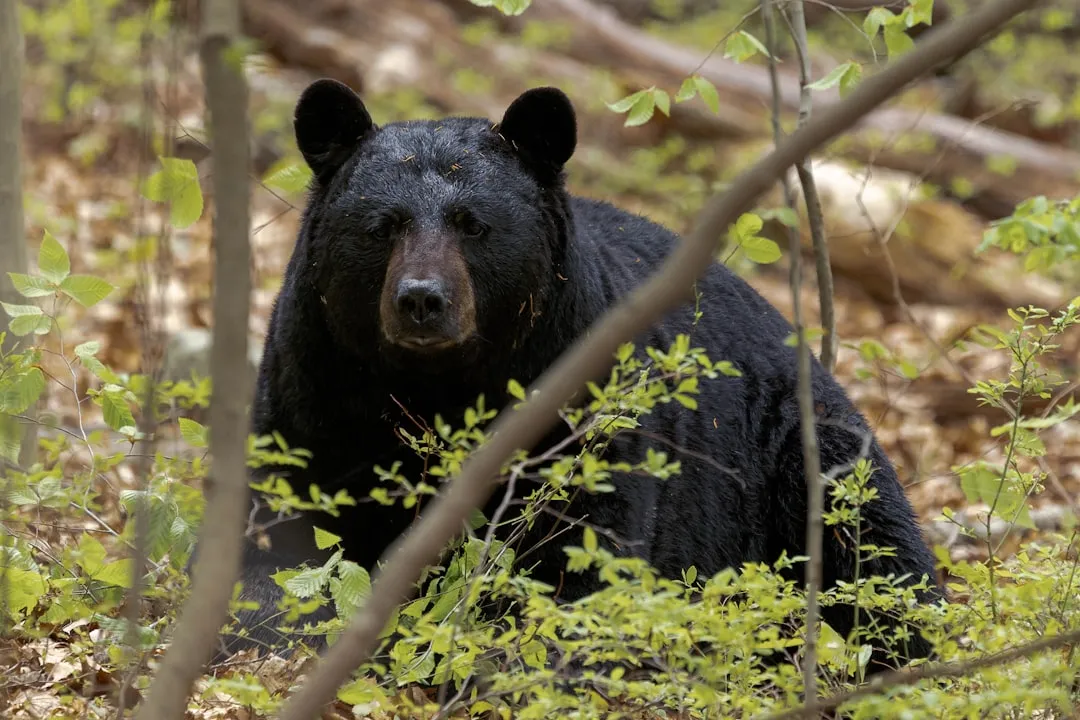
Here’s the shocking part: black bears remember locations better than most of us remember where we parked at the mall. Their brains are wired to build mental maps of their landscape, especially places that pay off with high-calorie food. Scientists who track collared bears often see them walk straight back to the same berry patches, nut trees, orchards, or dumpsters year after year, even after long periods away.
Instead of wandering randomly, a bear’s daily movements are more like a curated playlist of “known good spots.” Once your yard, a corn field, or a natural patch of oak trees makes that list, it tends to stay there. The bear doesn’t need signs or trails; its spatial memory does the heavy lifting. That’s why simply “waiting it out” rarely works once a bear has already cashed in at a particular place.
Food Rewards Rewire Their Behavior
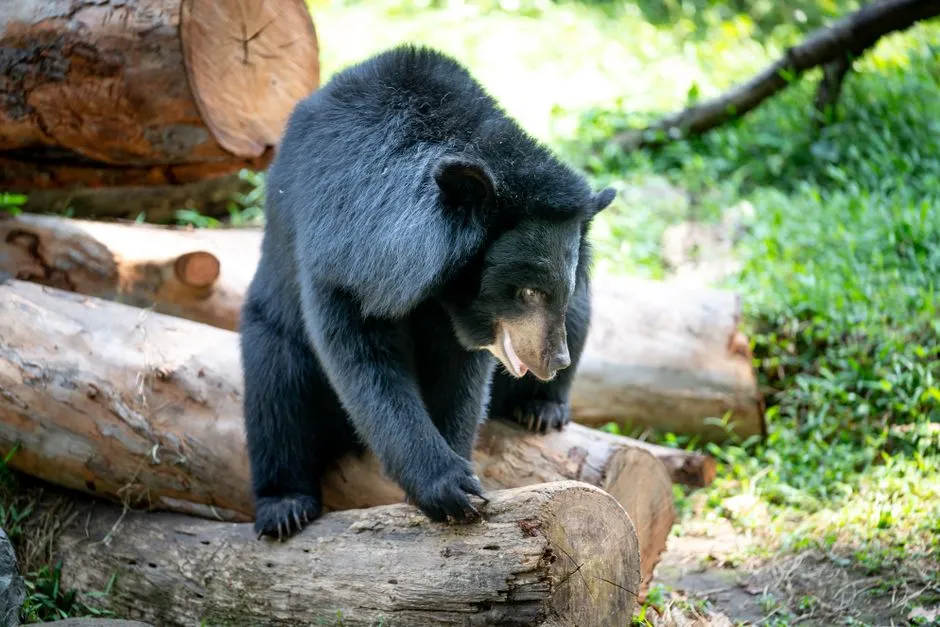
Black bears are classic examples of reward-driven learners. The moment a bear finds an easy, calorie-rich food source, its brain lights up with positive reinforcement. That powerful reward response strengthens the link between the location, the behavior that led there, and the payoff. This is the same basic learning loop that makes us keep checking the same coffee shop or snack cupboard.
Over time, those rewarded visits become habits. The bear is not just remembering; it’s being nudged by a kind of internal “do that again” signal every time hunger hits. That’s why one night of unsecured trash, spilled grain, or a full bird feeder can start a pattern that feels almost impossible to break. The behavior is literally carved into the bear’s decision-making system through repetition and reward.
They Need Efficient Calories Before Winter
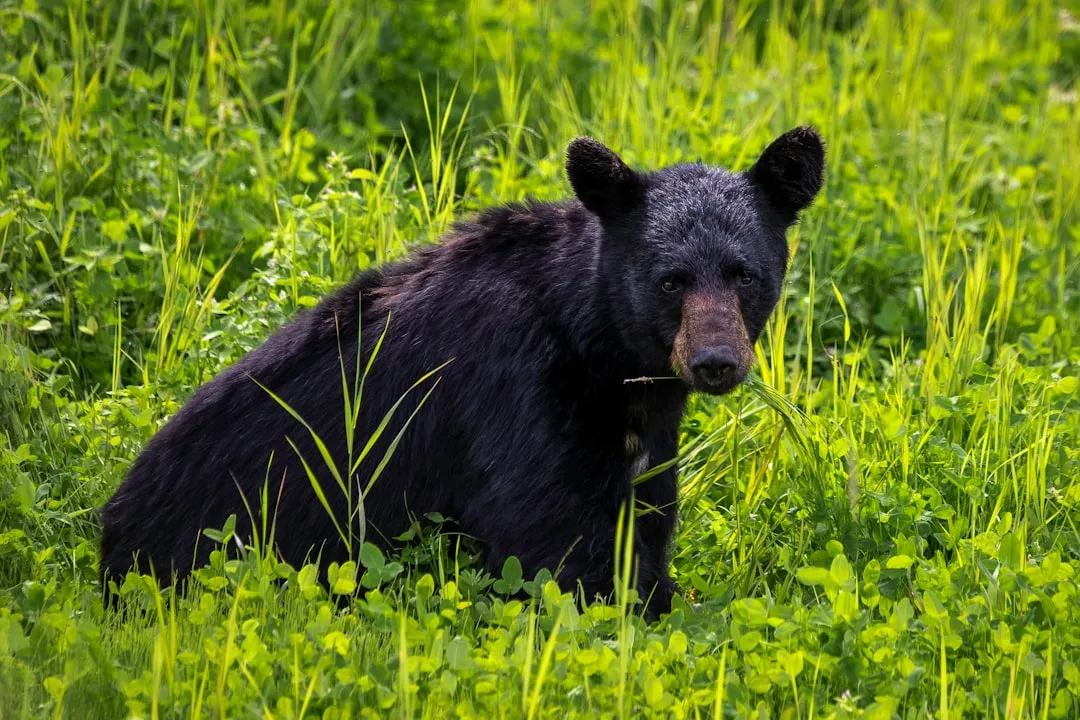
From late summer into fall, black bears enter a phase of intense feeding called hyperphagia, where they eat almost constantly to pack on fat before denning. In that window, efficiency becomes everything. A reliable food source that offers lots of calories for relatively little effort is like finding a grocery store that never runs out and never charges. It would be irrational, from the bear’s perspective, not to go back.
Natural foods like acorns, beechnuts, berries, and insects can be patchy and unpredictable from year to year. A corn field, an apple orchard, or unsecured livestock feed, by contrast, can feel like a guaranteed win. Returning to that jackpot again and again helps the bear build the fat reserves it needs to survive months without eating. When survival is on the line, loyalty to a good food source is not stubbornness; it’s strategy.
Habitual Travel Routes Lock In the Pattern
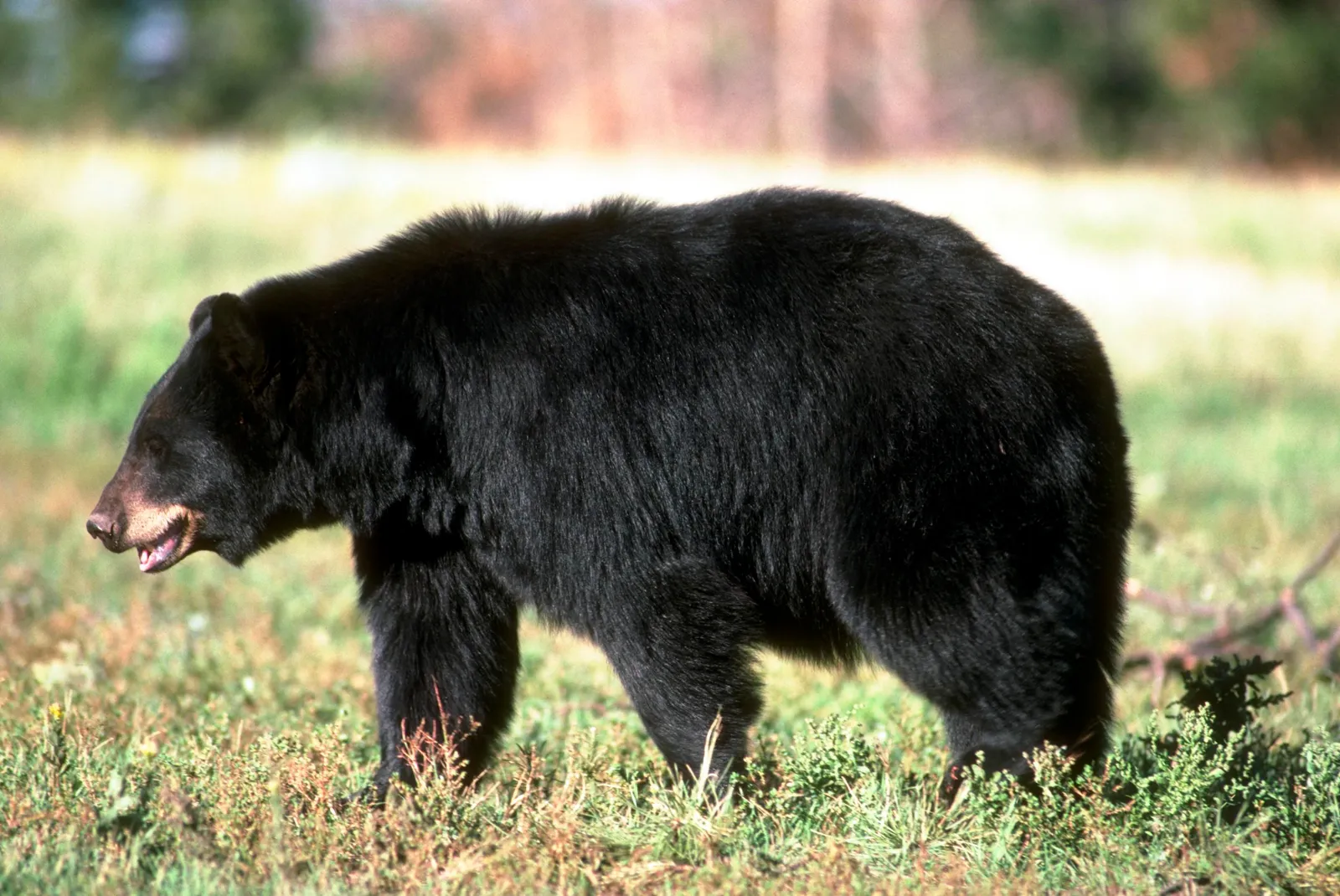
Once a black bear has found a good food source, it doesn’t just remember the spot; it also remembers how to get there. Over time, this creates habitual travel routes, like invisible trails etched into the bear’s mind. The animal starts moving through its home range in a predictable loop, hitting the same hotspots in roughly the same order, as long as they keep paying off.
These travel habits make returning almost automatic. If a feeder, garbage can, or field lies along that mental route, the bear will check it the same way you might automatically refresh a favorite app without really thinking about it. Even if the food is gone for a night or two, the route is still there, and the bear may keep testing the spot in case the buffet has been restocked.
The Risk–Reward Trade-Off Favors Returning
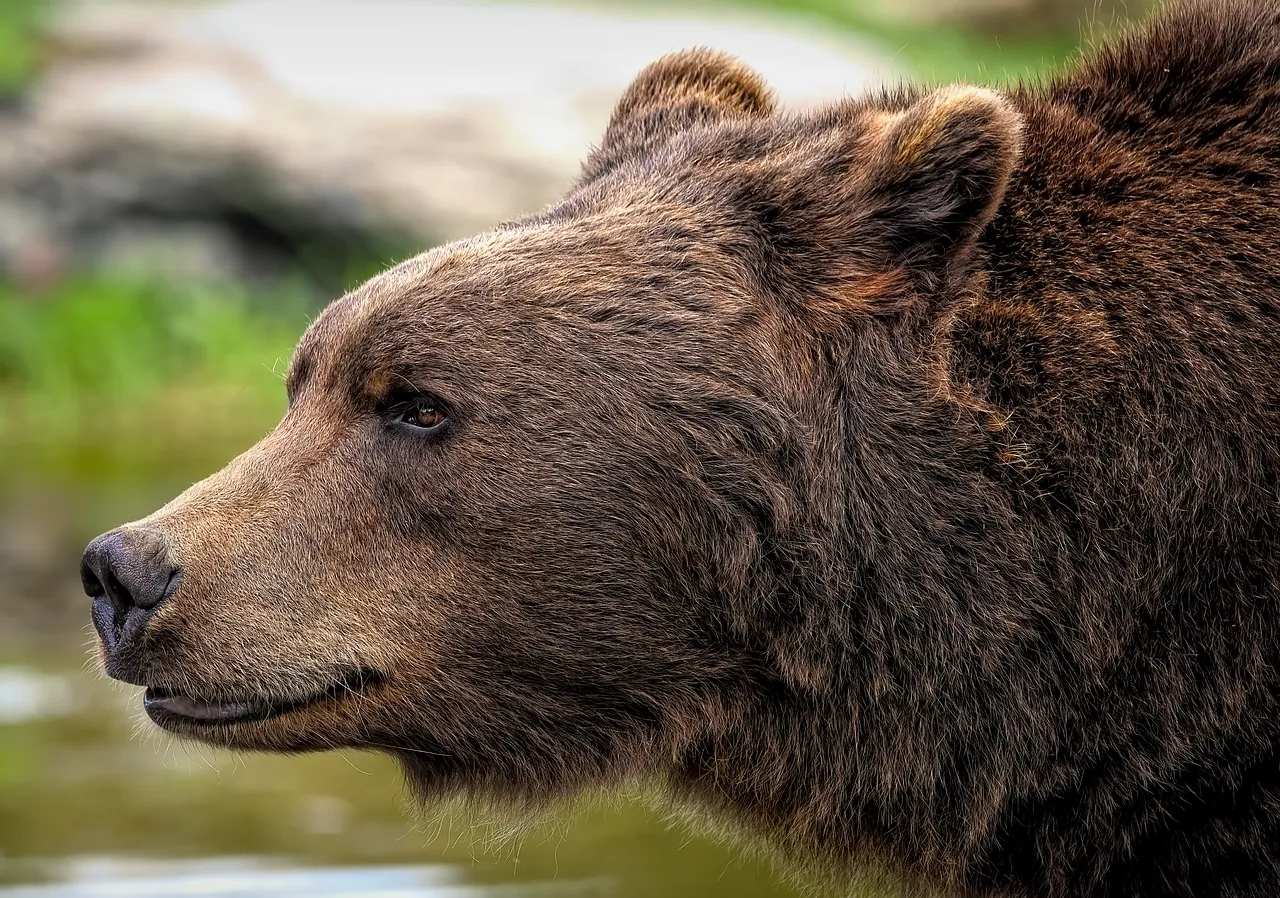
For a wild animal, every choice balances risk against reward. Venturing into a yard or near a road carries some danger, but if the payoff is big enough and consistent enough, the math still works in the bear’s favor. Once a place has proven safe several times, the perceived risk drops even further, and the bear’s confidence grows. It starts to feel like “normal” territory, not a risky experiment.
On the flip side, searching for new food sources costs energy and time, with no guarantee of success. So if a bear already has a known location where food has appeared again and again, returning there is the smart economic choice. It is like us choosing a familiar, reliable grocery store rather than wandering around town trying random shops every week. In the bear’s world, playing it safe often means going back to what worked last time.
Human Food Sources Are Extra Tempting
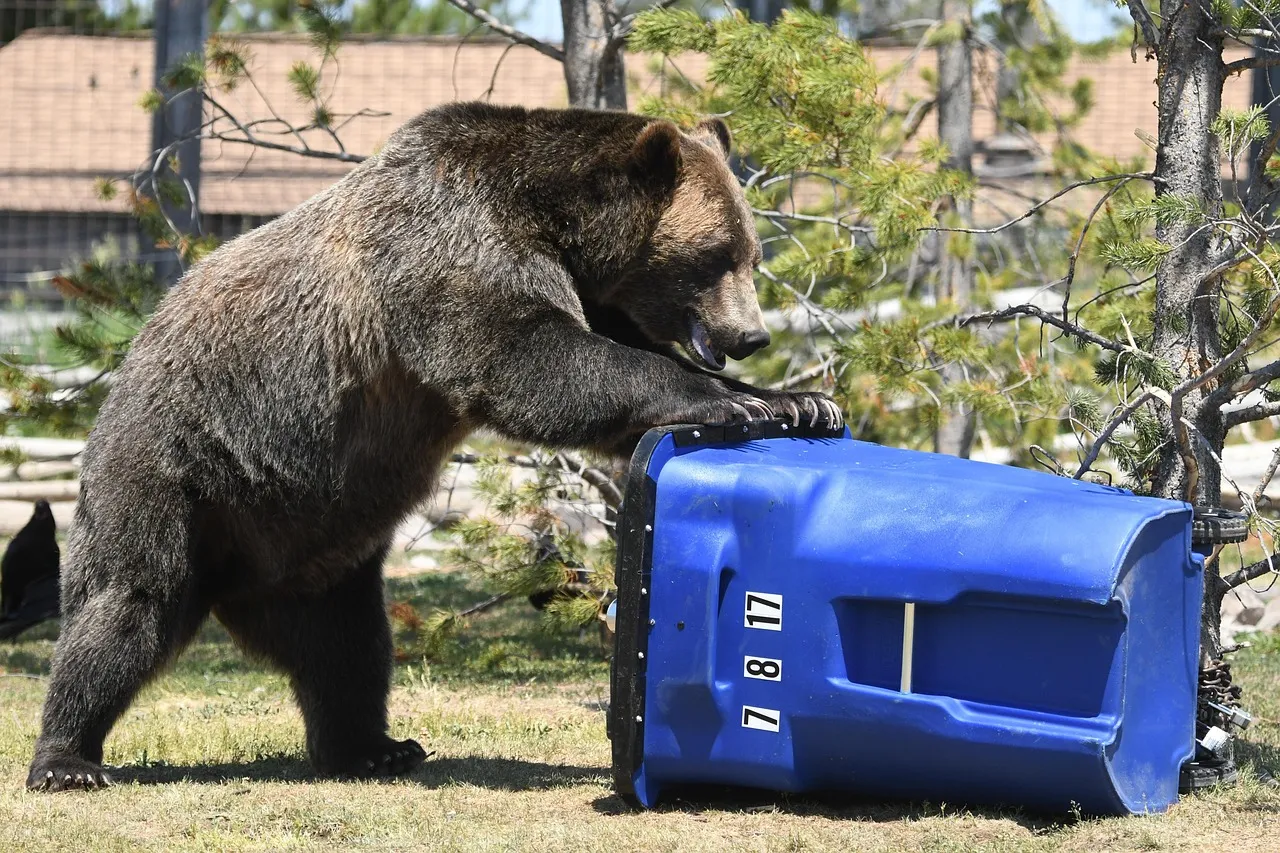
When black bears tap into human-related foods, things escalate quickly. Our trash, livestock feed, pet food, grills, compost, and bird feeders are often far richer in calories than most natural food sources in the same area. To a bear, that is like stumbling onto a table full of fast food that never seems to run out. Once they realize how easy and dense those calories are, it is incredibly hard for them to just walk away.
On top of that, human food often takes far less effort to access than foraging naturally in the woods. Instead of spending hours searching for scattered berries or digging for insects, a bear can tip over cans, break into a shed, or raid a feeder in minutes. That energy savings is huge, especially as winter approaches. So if a neighborhood or farm offers that kind of reward, a bear will absolutely treat it as a regular stop, not a one-off discovery.
Learned Behavior Spreads Across Years and Generations
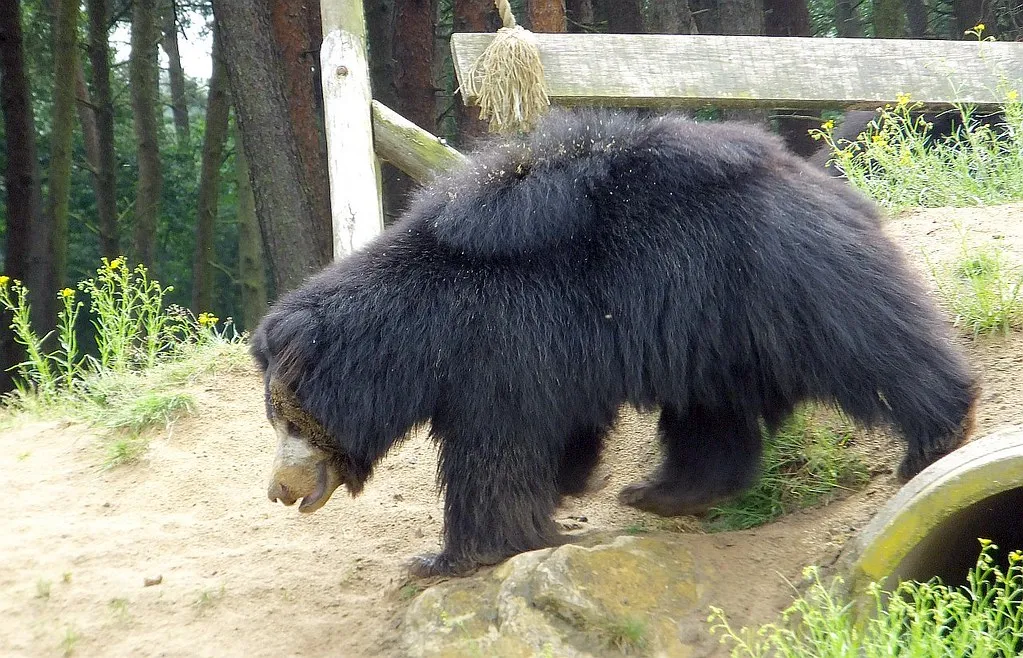
Black bear behavior is not just individual; it is also cultural in a loose sense. Cubs spend their first seasons moving alongside their mother, watching where she goes and what she eats. If she repeatedly returns to a certain food source – a corn field, an orchard edge, or a stretch of berry-rich hillside – the cubs learn that pattern as normal. Later in life, they may revisit those same spots on their own.
Even without direct teaching, bears learn from their own past successes. A young bear that raids trash once and gets a massive payoff is far more likely to try again in the same place, even years later. In this way, returning to the same food source is both a personal habit and, sometimes, a kind of family tradition. That is one reason communities see repeat bear activity in the same general areas across many seasons.
Consistency in a Chaotic Environment
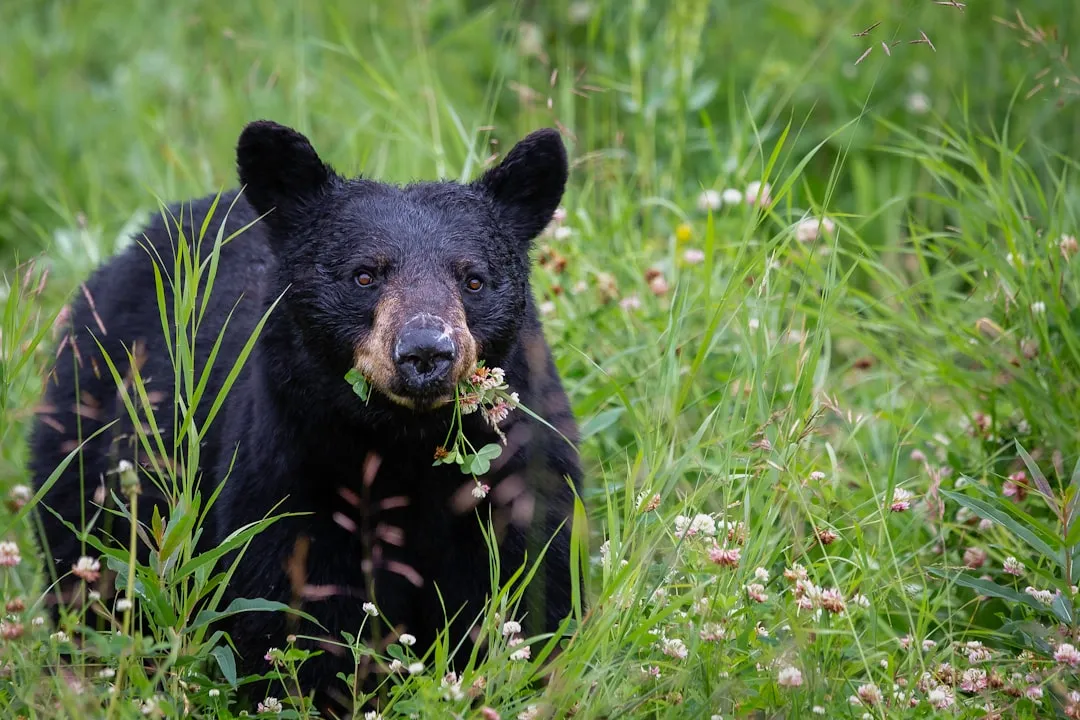
Wild landscapes are changing faster than ever: shifting seasons, fluctuating crops, droughts, storms, and human development all affect what is available to eat and where. In that kind of unstable world, a black bear that finds something predictable will cling to it. A steady food source offers a rare bit of reliability in an otherwise unpredictable life, and that predictability is almost as valuable as the calories themselves.
From my point of view, this is where we often misunderstand bears. We see a repeat visit as stubborn trespassing, but the bear is just grabbing onto the one piece of certainty it has found. In a sense, it is doing exactly what we would do if our world kept shifting under our feet: sticking close to the one place that keeps feeding us. Once you see it that way, the behavior feels less like a nuisance and more like a brutally honest survival tactic.
Conclusion: Returning Is Rational, But It Puts Bears at Risk
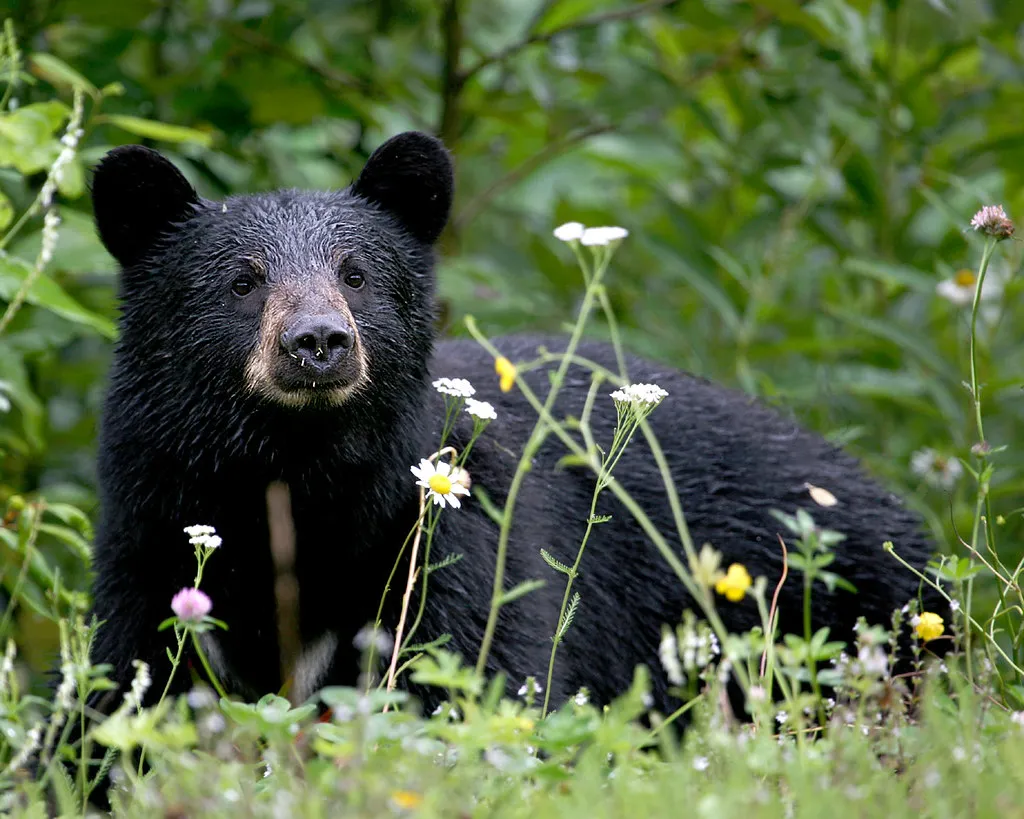
When you step back and connect the dots, black bears returning to the same food source stops looking mysterious and starts looking inevitable. Powerful memory, strong reward learning, energy efficiency, habitual routes, tempting human foods, and learned behavior all push them toward repetition. From the bear’s side, going back is not bad behavior – it is good strategy. The problem is that what is smart for the bear can create real conflict for people.
My opinion is that the real question is not why bears keep coming back, but why we keep acting surprised when they do. If we offer easy calories, they will treat those places like regular stops on their daily route, every single time. The most honest, science-backed view is this: we either remove or secure the food source, or we keep inviting the same bear to return. Knowing that, what would you change first – the bear’s instincts, or the buffet we leave out for it?

- 8 Ways Bobcats Move Through Suburbs Without Being Seen - August 9, 2026
- 7 Reasons Black Bears Return to the Same Food Source - August 9, 2026
- Animal Cognition Says Horses Remember People Who Treated Them Well and Those Who Did Not - August 9, 2026