
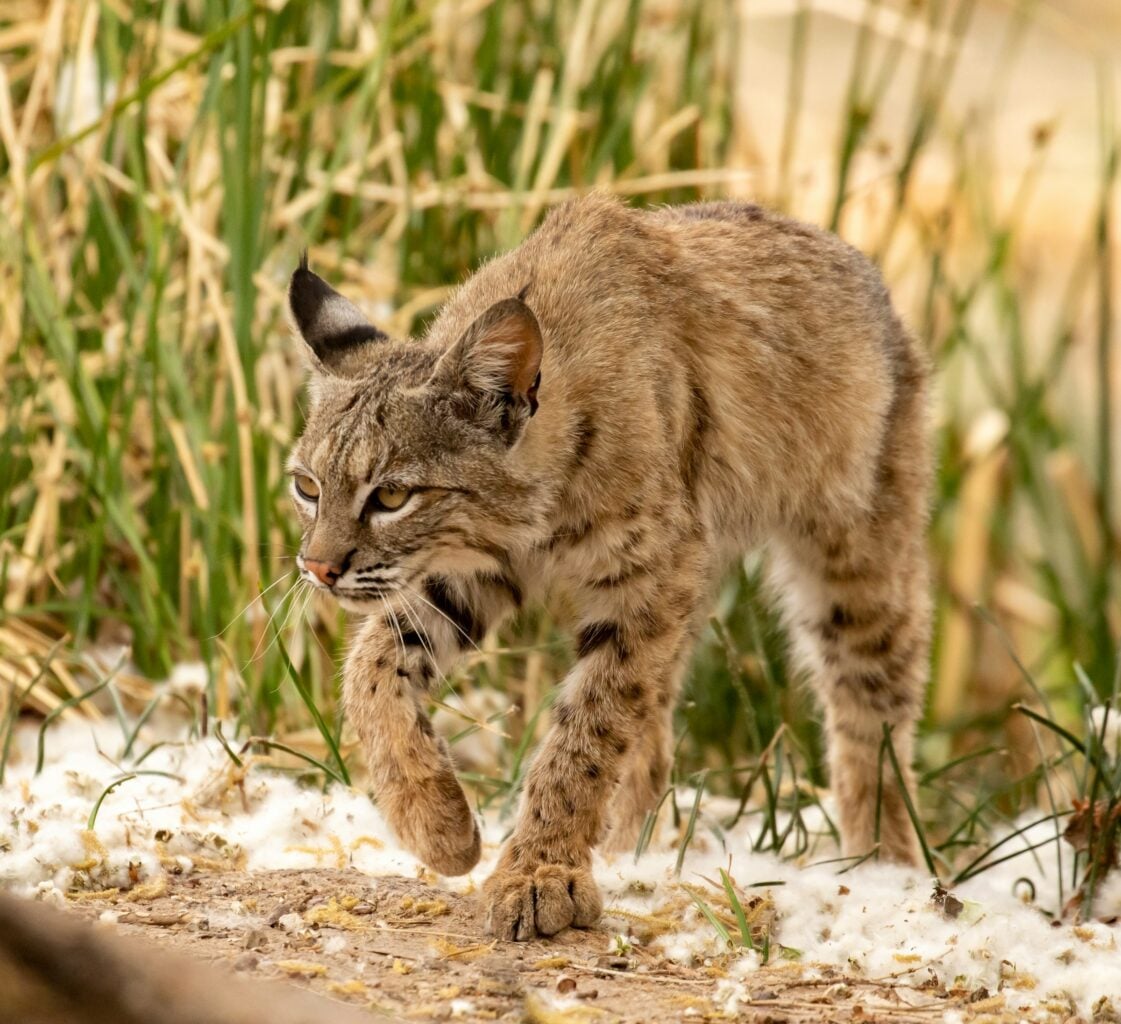
If you live near the edge of a city and swear you’ve never seen a bobcat, there’s a decent chance one has still padded past your yard at night without you having a clue. Bobcats are living this strange double life right beside us: wild predators threading their way between cul-de-sacs, shopping centers, and school fields, almost like ghosts. The wild part is that biologists keep finding bobcats on trail cameras in places where residents insist there are “no wild animals left.”
Once you understand how a bobcat thinks about space, sound, and safety, it becomes obvious why we rarely spot them. They are specialists in not being noticed, even when they are crossing the same sidewalks and drainage ditches that kids use on the way to school. Let’s walk through the main ways these cats quietly commute through our built world and why you probably miss them every time.
They Treat Yards and Streets Like a Patchwork Maze
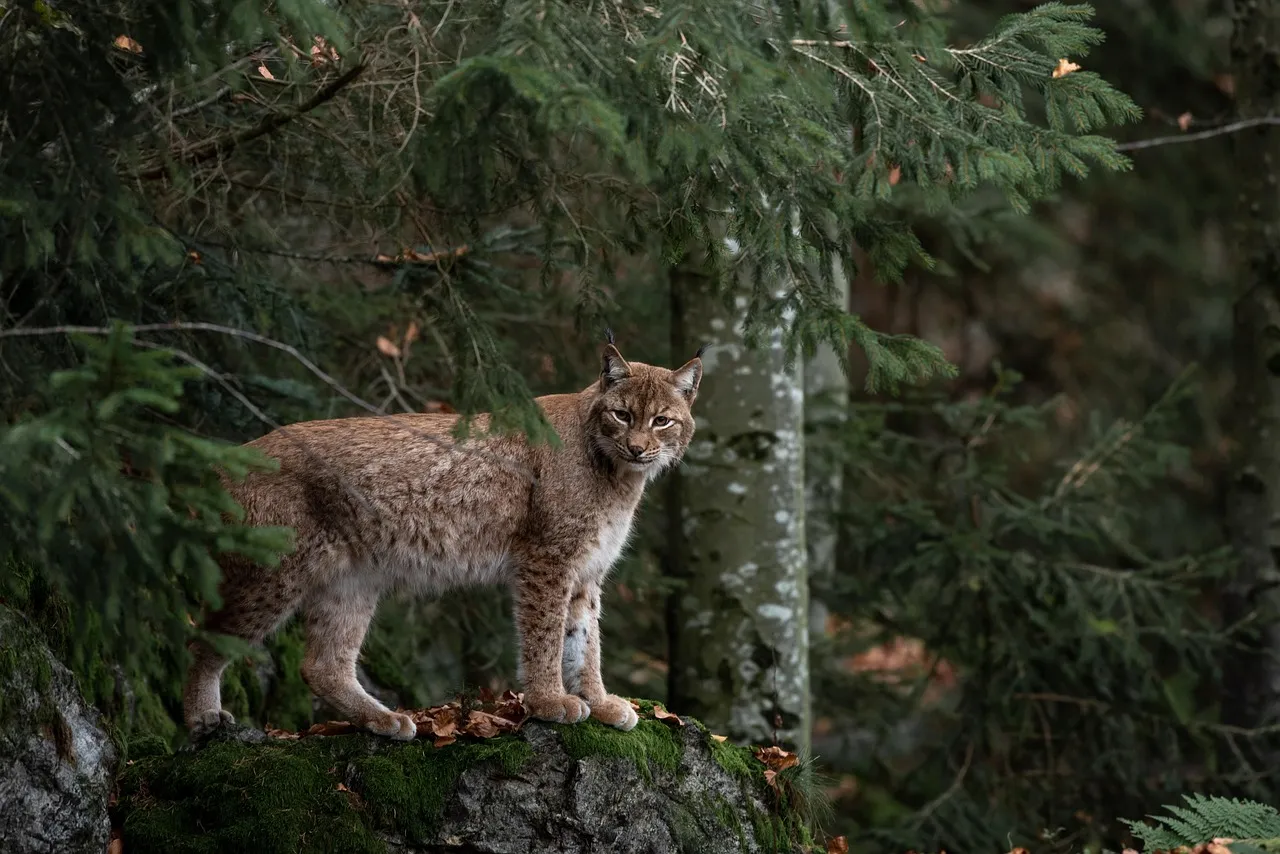
Here’s a slightly unsettling idea: your backyard is just one square in a giant maze a bobcat already has mapped out in detail. Bobcats learn the layout of their surroundings the way we learn shortcuts in our own neighborhoods, but they see a very different map. Instead of thinking about roads and property lines, they track where cover is thick, where dogs are usually loud, and which fences have gaps or low spots they can slip under.
Over time, a bobcat builds a mental network of safe “tiles” it can step through: one yard with a hedge, one drainage ditch, a narrow strip of trees behind a grocery store, the shadowy side of a storage building. When you look at a suburb from above, the scattered green patches and edges might seem broken and random. To a bobcat, those fragments form an invisible pathway, almost like the alley system behind old city blocks that only locals really know how to use.
They Move Most When We Sleep
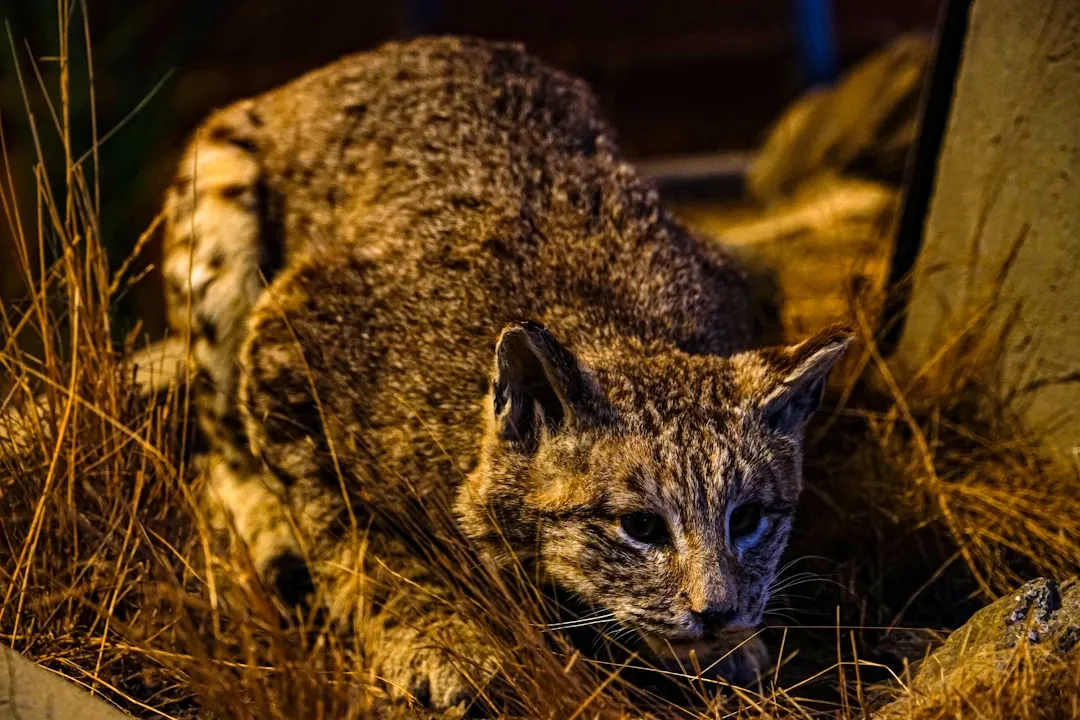
Bobcats are not strictly nocturnal, but around people they act like they are. In truly wild areas, they might be active at dawn and dusk, overlapping a bit with daytime. In suburbs and around small towns, they quietly shift more of their movement into the darkest hours, when human activity, car noise, and backyard chaos are all at their lowest. It’s a simple adaptation: the fewer people outside, the easier it is to move around without conflict.
If you’ve ever checked a motion-activated camera left in your yard overnight, you know the feeling of shock when you see what walked by at 2:37 a.m. while you were scrolling in bed or fast asleep. A bobcat may cross a busy road, inspect a fence, or follow a creek behind four different houses long after porch lights are off. By the time you grab your coffee the next morning, it’s already curled up in a quiet thicket, invisible again, as if the night never happened.
They Stick to Edges and Boundaries We Barely Notice
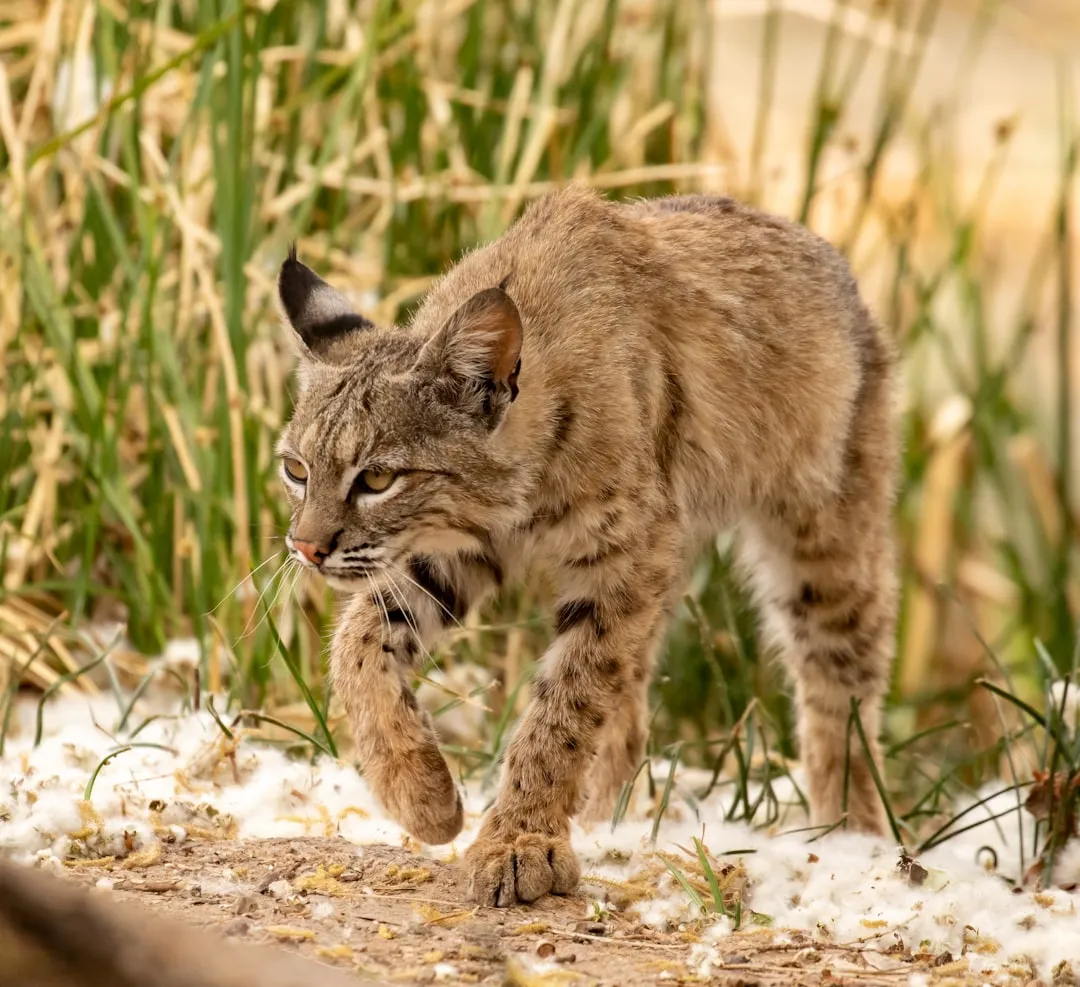
One of the biggest bobcat superpowers is their obsession with edges. They love the borders where two habitat types meet: the line where a backyard hits a wooded lot, where a railroad embankment meets a warehouse, or where a weedy field edges a subdivision. These places are rich in small animals like rabbits, rodents, and birds, but they also offer cover and quick escape routes. To us, that overgrown ditch behind the strip mall is an eyesore. To a bobcat, it’s both highway and buffet.
Suburbs are full of edges: fence lines, hedges, utility corridors, creek banks, even the strip of shrubs between a parking lot and the sidewalk. Bobcats hug these lines the way a cautious pedestrian might walk along walls and alleys instead of cutting across a brightly lit square. You might stare straight across an open lawn and see nothing, never realizing that twenty feet away, in the narrow green edge along the property, a bobcat has frozen, watching you pass.
They Use Storm Drains, Culverts, and Greenbelts as Hidden Highways
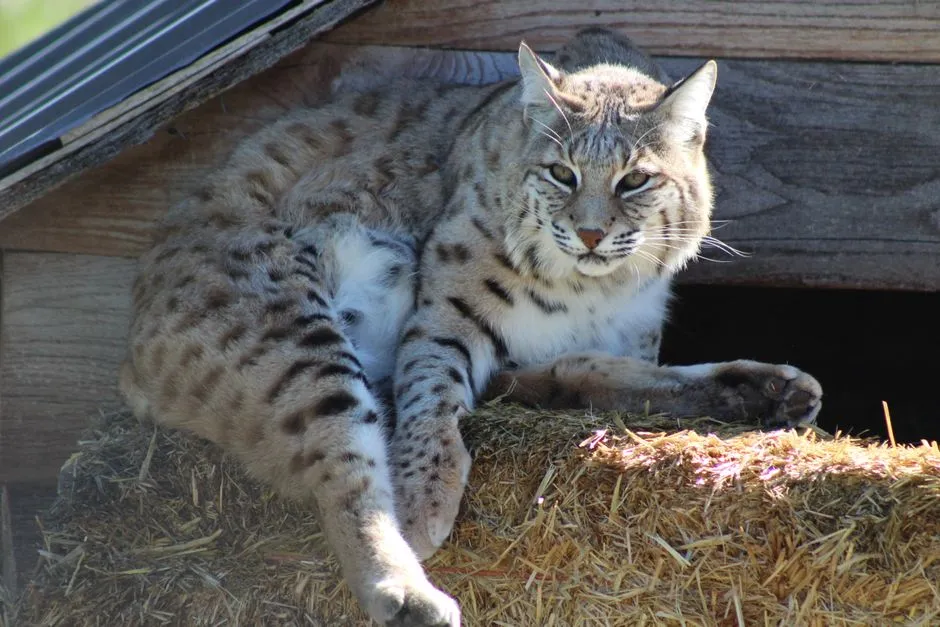
If you picture bobcats strolling down the sidewalk, you’re imagining the rarest behavior. Most of the time, they are funneling through hidden routes that our infrastructure accidentally created for them. Storm drains, culverts under roads, and long, narrow greenbelts become safe passageways that let them bypass traffic and open, exposed spaces. It’s like having a secret subway system under the neighborhood that only wildlife knows how to use.
Creeks and drainage channels are especially important. Even when they are ugly concrete ditches, the strips of vegetation along them offer cover and a continuous route through miles of houses and businesses. I once saw a series of trail camera images from a single concrete culvert: raccoons, foxes, skunks, then finally a bobcat slipping through with the casual confidence of someone who knows the back door to every building in town. From the street above, there was no sign of that hidden traffic at all.
Their Camouflage and Body Language Make Them Vanish in Plain Sight
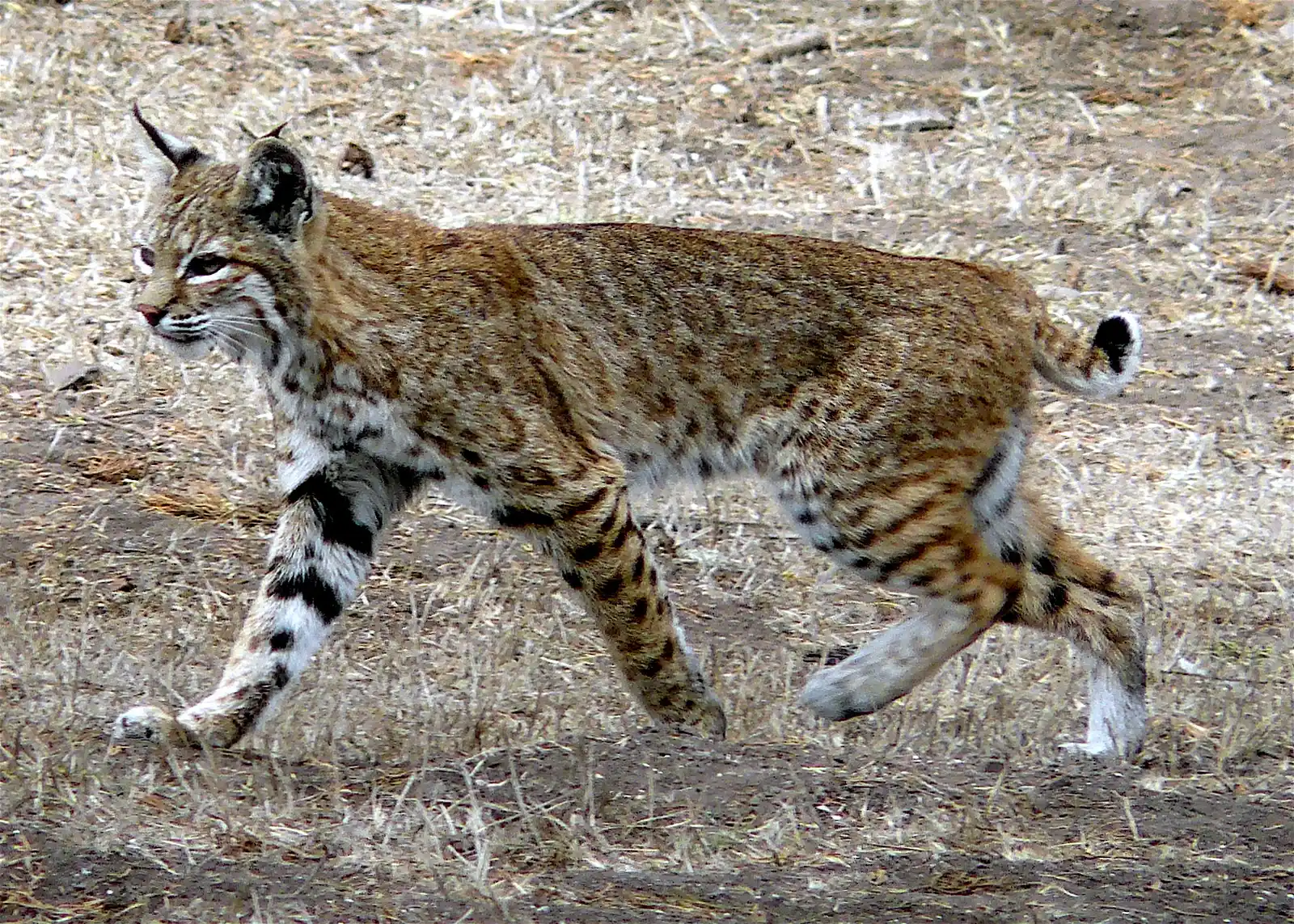
Bobcats are built to disappear. Their fur is a mottled mix of browns, grays, and subtle spots that breaks up their outline against leaf litter, dry grass, and shadows. That pattern still works surprisingly well in suburban settings because many yards, vacant lots, and roadside strips are full of the same dull, mixed tones. A bobcat stepping into a patch of tan mulch or dry winter grass can almost melt into the background, especially when it holds still.
Just as important as color is how they move. Bobcats do not blunder around like distracted dogs; they flow. They keep their bodies low, step carefully, and often freeze at the slightest sound or light change. This body language is the opposite of how most humans and pets behave outdoors, which makes them harder for our brains to spot. You could be walking your dog and glance up from your phone for one second, and the bobcat that was halfway across the next yard has already dropped behind a shrub and become nothing but a shadowy shape you never quite register.
They Time Their Routes Around Our Daily Routines
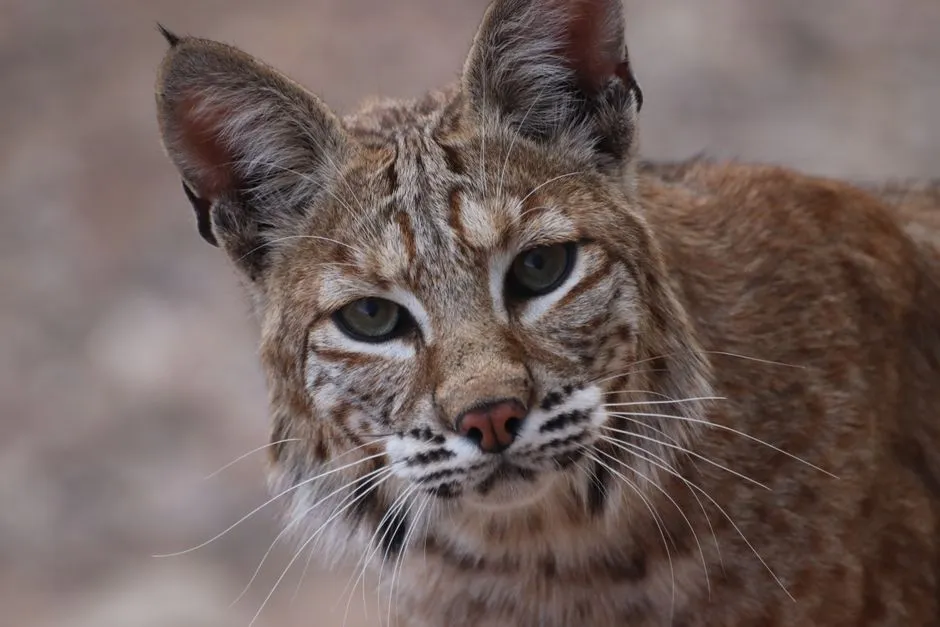
Over time, bobcats notice our schedules. Trash day, school pickup, the evening dog-walking rush, the early morning joggers and cyclists: these patterns repeat day after day, and wild animals are very good at picking up on repeated disturbance. Bobcats may avoid a particular street during late afternoon because that is when kids are cutting through, but use the same spot in the quiet lull after dinner or before sunrise.
This kind of passive learning does not require them to understand us the way we think of understanding. They simply react: too much noise, too many smells, too many unpredictable movements means a higher chance of stress or danger, so they shift to other times or alternate routes. In a way, the neighborhood runs on two overlapping clocks. One clock is ours, full of commutes and errands; the other is the bobcat’s, carefully threaded into the empty spaces we leave behind.
They Read Scent and Sound Like a Moving Weather Report
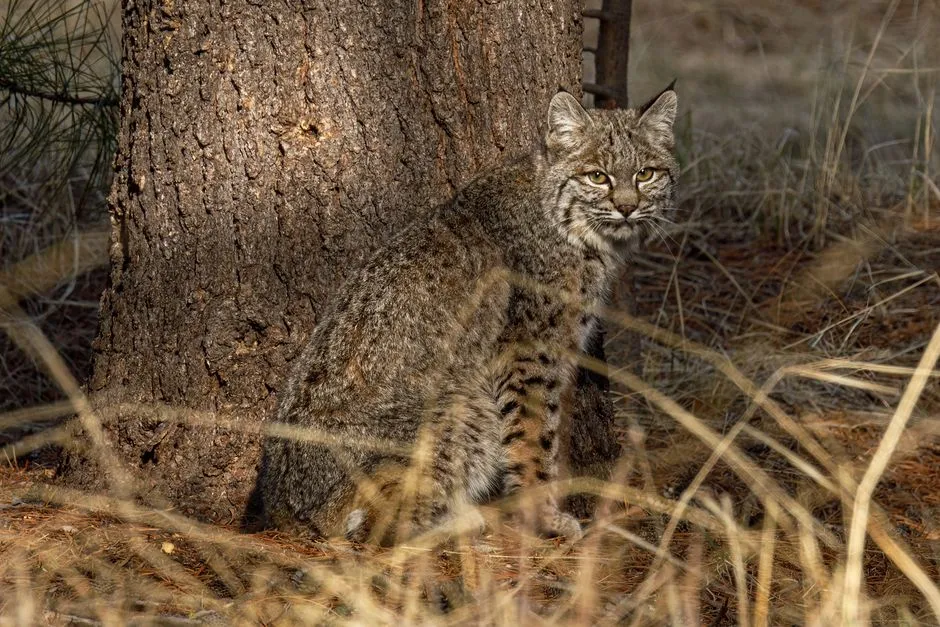
Where we see a quiet street, a bobcat “sees” a swirling cloud of smells and faint sounds. Every dog that walked by, every trash can that got tipped over, every place where a raccoon paused to investigate a yard leaves a chemical footprint. Bobcats use this scent landscape to decide where to step next, avoiding areas that reek of fresh disturbance and gravitating toward calmer corridors where recent activity is lower.
Sound works similarly. The sudden bark of a dog, a slamming car door, or a garage opening can make a bobcat instantly change direction or freeze in cover. In this way, they are constantly editing their own path in real time, almost like someone watching the traffic map on their phone and choosing the least congested route. The result is that they slide through the quiet blind spots between our loud, smelly, unpredictable pockets of activity, usually without ever being noticed.
They Raise Kittens in the Quietest Corners of Our Chaos
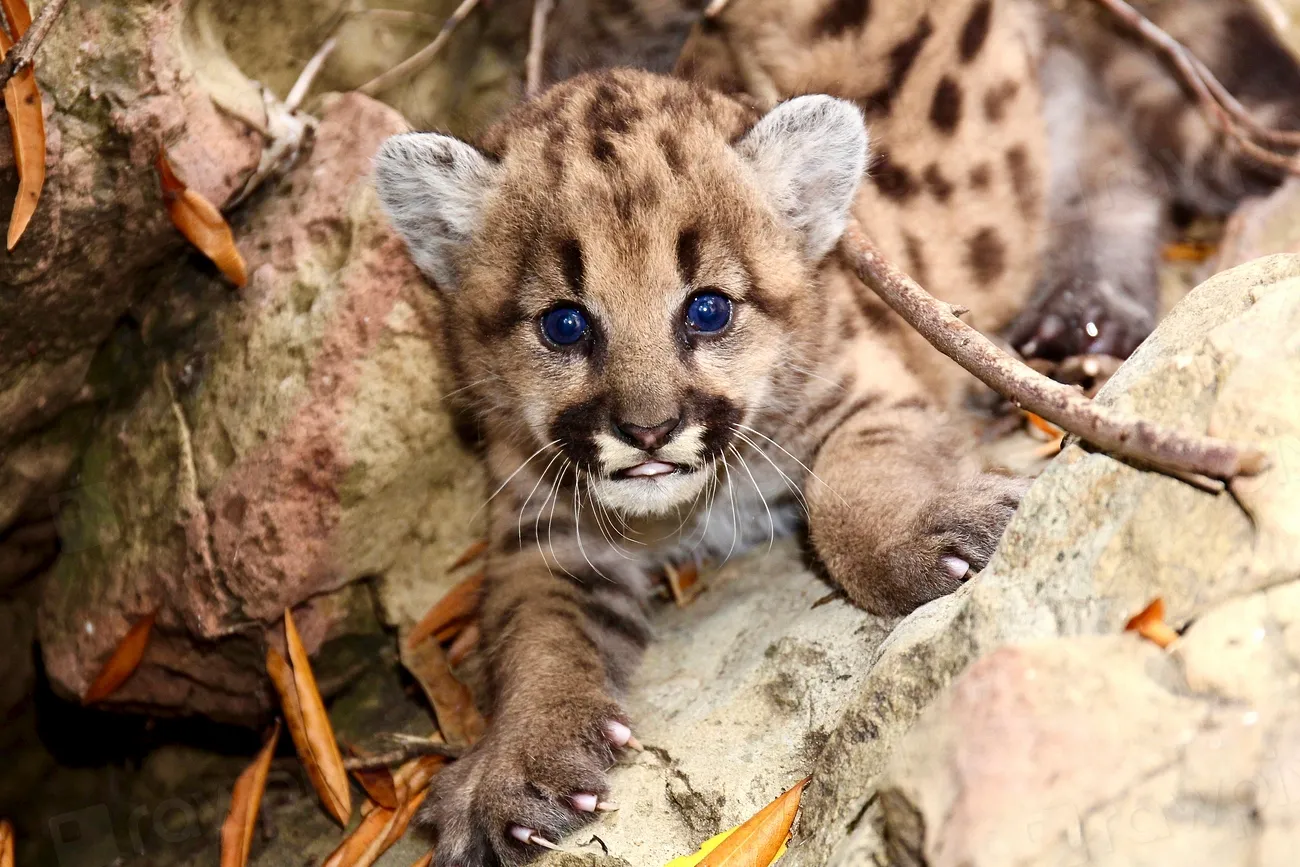
One of the most surprising things researchers keep finding is how often bobcats den and raise kittens inside or just beyond suburban areas. They pick the quietest corners: thick brush on a steep slope behind houses, a dense briar patch near a golf course, or a tangle of downed trees along a power-line corridor. These spots can be only a short walk from busy streets, yet they remain undisturbed because nobody has a reason to push into them.
While the kittens are small, the mother’s movements become even more secretive and deliberate. She will use the safest nearby routes to hunt and then quietly return, often staying within a tight loop of cover that lets her avoid open ground as much as possible. People may hike, walk dogs, or mow lawns within hearing distance, completely unaware that a family of wild cats is listening to them from just beyond the wall of vegetation. It’s a strange, almost intimate coexistence that most residents never realize is happening.
They Constantly Test and Adjust to Our Sprawl
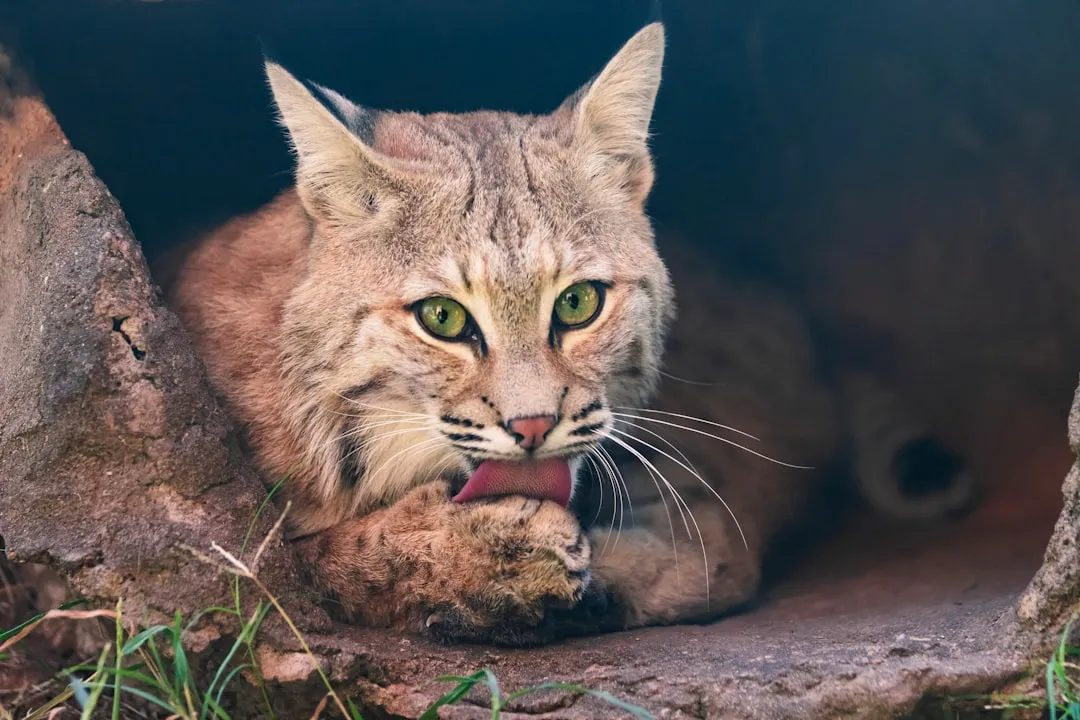
Suburbs are not static. New homes go up, fences appear, brush gets cleared, and empty lots become shopping centers. Bobcats do not just give up when their old routes change; they probe the new landscape. They might test a fence line at multiple points, investigate whether a fresh culvert connects to an older drainage, or shift their travel corridor one or two houses over to avoid a new cluster of dogs. This trial-and-error behavior lets them keep using the same general territory even as its details change.
Sometimes, though, the adjustments come with costs. More roads mean more risk of collisions. Thinner strips of habitat mean fewer safe resting spots and less prey. From my perspective, this is where our choices really matter: small acts like leaving a narrow strip of native vegetation along a creek or designing developments that keep connected green corridors can tip the balance in favor of these cats. Bobcats are doing the hard work of adapting; whether they keep slipping through our neighborhoods in twenty years depends partly on whether we leave them any threads of wildness to hold onto.
Conclusion: The Wild Neighbors We Pretend Not to See
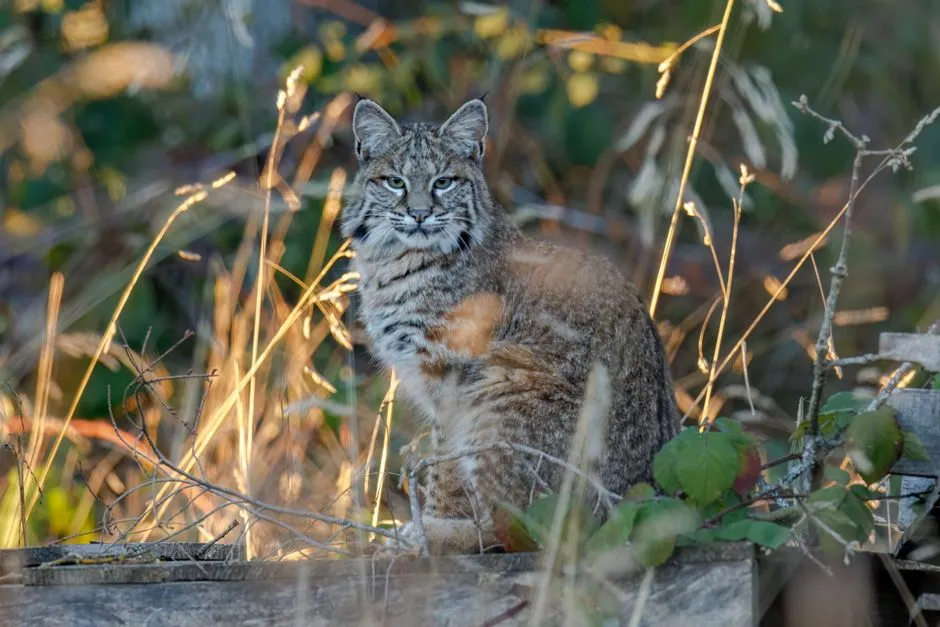
Once you realize how bobcats move through suburbs, it becomes hard to say you live in a purely “urban” place anymore. These cats are not mythical visitors; they are regular commuters using our overlooked edges, our storm drains, and our bad landscaping decisions as shelter and passage. To me, there’s something both humbling and hopeful in that. Even where we have paved, fenced, and mowed almost everything, a wild predator is still quietly threading through the cracks.
At the same time, we should not romanticize this as cost-free coexistence. Bobcats are making constant compromises to navigate a world designed for cars and lawns, not for stealthy hunters that need space and cover. If we want them to keep moving through our suburbs without disappearing altogether, we have to decide that connected green space, intact edges, and a bit of tolerated wildness are worth protecting. The next time you step outside at night and feel like you are alone, will you wonder who is really watching whom from the shadows?

- 8 Ways Bobcats Move Through Suburbs Without Being Seen - August 9, 2026
- 7 Reasons Black Bears Return to the Same Food Source - August 9, 2026
- Animal Cognition Says Horses Remember People Who Treated Them Well and Those Who Did Not - August 9, 2026