
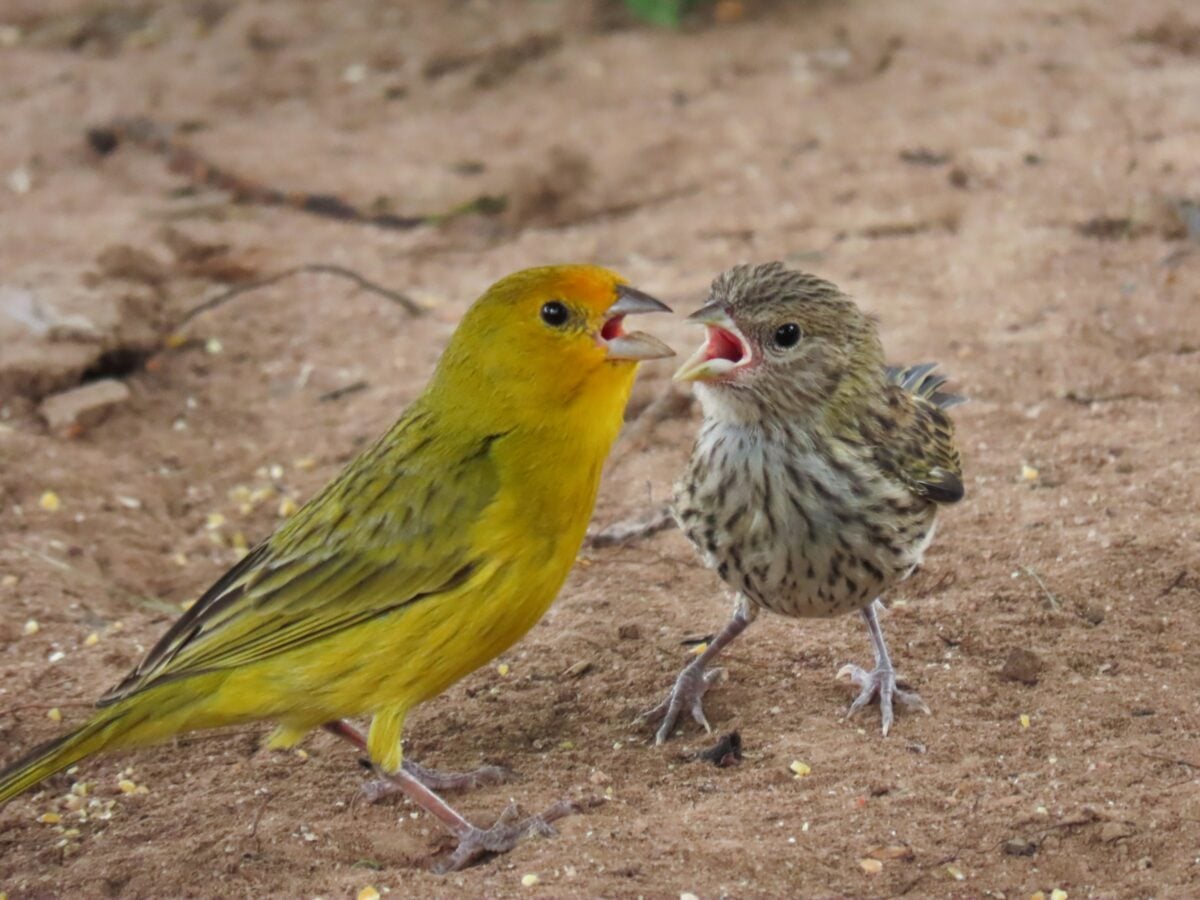
Next time you hear a bird delivering a flawless morning solo, remember this: it probably spent hours practicing that performance under its breath. In the hidden corners of forests, city parks, and backyard trees, young songbirds quietly rehearse their calls long before they ever dare to sing out loud. It sounds almost human, like a kid whisper-singing a song before stepping on stage for the school concert.
What scientists are discovering is surprisingly intimate and strangely relatable. Songbirds do not simply wake up one day with a perfect song hardwired into their brains. They go through a messy, trial-and-error learning phase that looks a lot like how we humans learn to talk or play an instrument. Once you see birds this way, not as mindless chirpers but as practicing artists, it changes how you hear every note outside your window.
The Surprising Discovery: Birds Whisper Their First Songs
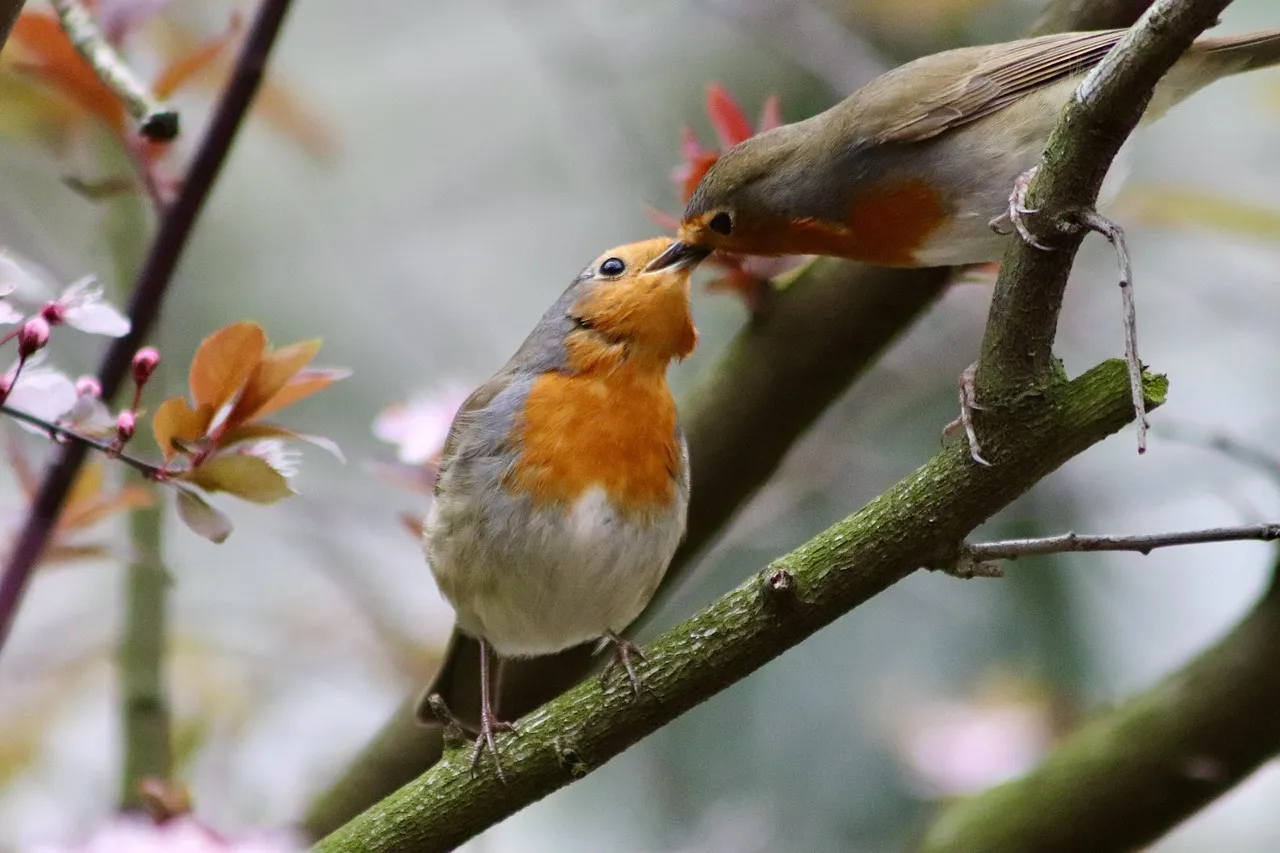
One of the most striking findings in animal behavior research is that many young songbirds actually practice their calls so quietly that nearby animals, and often even humans with normal hearing, barely notice. This subdued, private rehearsal is sometimes described as a kind of vocal mumbling, where the structure of the adult song is there, but delivered in a low, hesitant way. It is not just random noise, but it is also not yet a confident performance.
Researchers have documented this quiet practice phase in several species, especially songbirds that rely heavily on learning, like zebra finches and sparrows. In lab settings, sensitive microphones and spectrogram analysis reveal faint, practice-like vocalizations that would otherwise disappear into background sound. To me, there is something almost touching about this image: a bird, alone on a branch, quietly trying out its voice before daring to go public.
How Young Songbirds Learn: From Babbling to Perfect Pitch
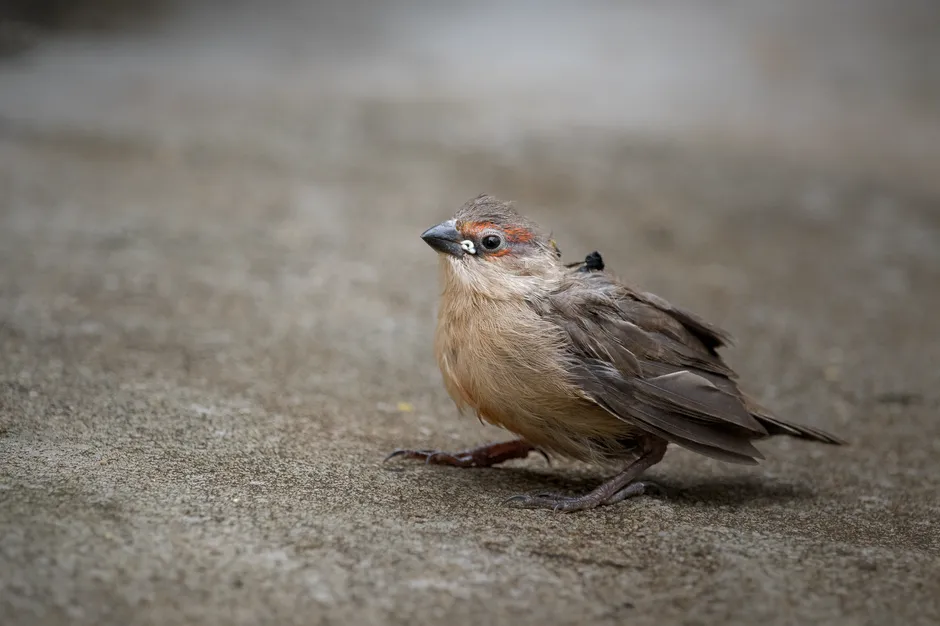
The learning process in young songbirds has strong parallels with how human infants learn to speak. At first, young birds produce what scientists often call subsong, a kind of babble that is loose, variable, and unstructured. Over time, with repetition and feedback from their own ears, that babble gradually sharpens into something recognizable, approaching the clear, stereotyped song of adults in their species.
This journey from noise to nuance does not happen in a day or a week. Young birds cycle through phases, slowly matching the rhythm, pitch, and sequence of notes they have heard from adults. It reminds me of hearing a child mispronounce a word for months before suddenly getting it exactly right; the brain is quietly adjusting, comparing attempts to a mental template, and slowly narrowing the gap.
The Role of Adult “Tutors” in Shaping a Bird’s Voice
Most songbirds do not invent their songs from scratch; they copy them, usually from a father or a close male neighbor. Scientists sometimes refer to these adults as tutors, because the young bird essentially studies their voices the way a music student studies a favorite pianist. The quiet practice phase is when the juvenile bird repeatedly rehearses its developing version against the inner memory of the tutor’s song.
In experiments where young birds are raised without adult song tutors, their final songs often end up abnormal or simplified, showing how crucial social learning is in this process. Conversely, when they are exposed to clear, consistent adult songs, their own practice gradually locks onto that pattern. To put it simply, the public performance you hear at dawn is the end result of a long period of private listening and under-the-breath imitation.
Inside the Bird Brain: Neural Circuits Built for Practice
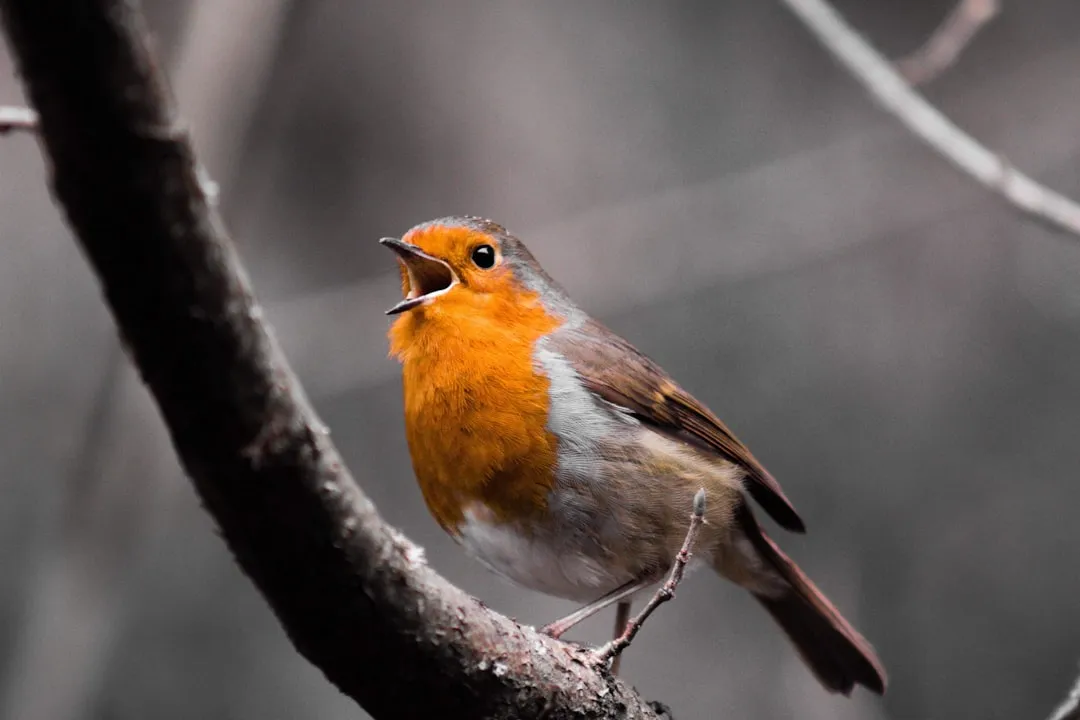
Songbirds have become favorite models in neuroscience precisely because their brains contain specialized circuits dedicated to learning and producing song. Certain clusters of neurons in regions linked to vocal control fire differently during quiet practice than during full-volume performance. In some cases, the practice phase shows more variability in neural firing, reflecting the trial-and-error nature of learning.
What fascinates many researchers is that these brain circuits allow birds to compare what they intend to produce with what they actually produce, all in real time. During quiet rehearsal, the system can afford to be messy and flexible, allowing exploration and small mistakes. Once the song is mastered and delivered loudly in public, those same circuits tighten up, stabilizing the pattern so the bird can deliver a clean, repeatable performance, especially during courtship or territorial displays.
Why Quiet Practice Matters for Survival and Status
![Why Quiet Practice Matters for Survival and Status (By fir0002 flagstaffotos [at] gmail.com
Canon 20D + Canon 400mm f/5.6 L, GFDL 1.2)](https://nvmwebsites-budwg5g9avh3epea.z03.azurefd.net/aatg/b31f845328ef88c275634fca639e04cf.webp)
Quiet practice is not just cute; it is strategic. In the wild, broadcasting an imperfect song at full volume could have real costs. A clumsy or incorrect song might fail to attract mates, invite competition, or even signal weakness to rivals. By rehearsing softly, young birds can refine their skills without drawing unwanted attention before they are ready.
Once their songs are polished, these birds step into a far more high-stakes soundscape. A well-executed song can help secure territory, impress potential mates, and establish social rank. In that sense, the quiet rehearsal phase is like a rehearsal for a job interview or a big audition: all the stumbles happen backstage so the final performance looks effortless and confident when it really counts.
Parallels With Human Learning: From Piano Lessons to Public Speaking
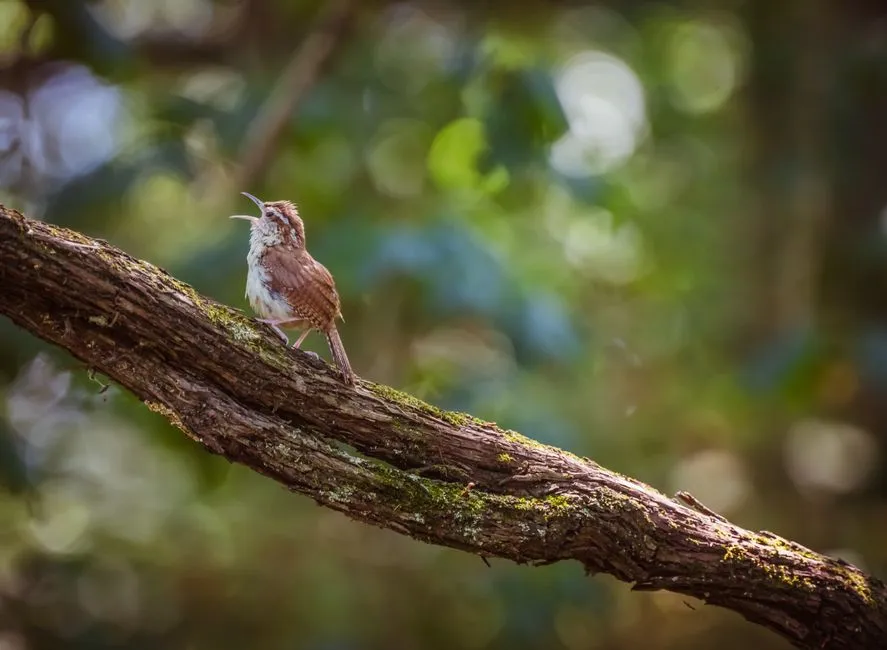
If you have ever whispered a speech to yourself before walking into a meeting, or hummed a tune under your breath before singing in front of friends, you have done exactly what songbirds do. Both humans and birds rely on a feedback loop where we hear ourselves, compare the result to an internal model, and adjust. That low-stakes, private practice is where most of the real learning happens, long before the spotlight comes on.
I think this is why research on birdsong resonates so strongly with people who have played music or learned a second language. The frustration of early attempts, the slow sense of improvement, the fear of going public before you are ready – all of it is mirrored in those quiet, scratchy, experimental calls birds produce. It is a reminder that mastery, whether in song or speech, is built on countless imperfect repetitions that nobody else ever sees or hears.
What This Teaches Us About Animal Minds and Emotion
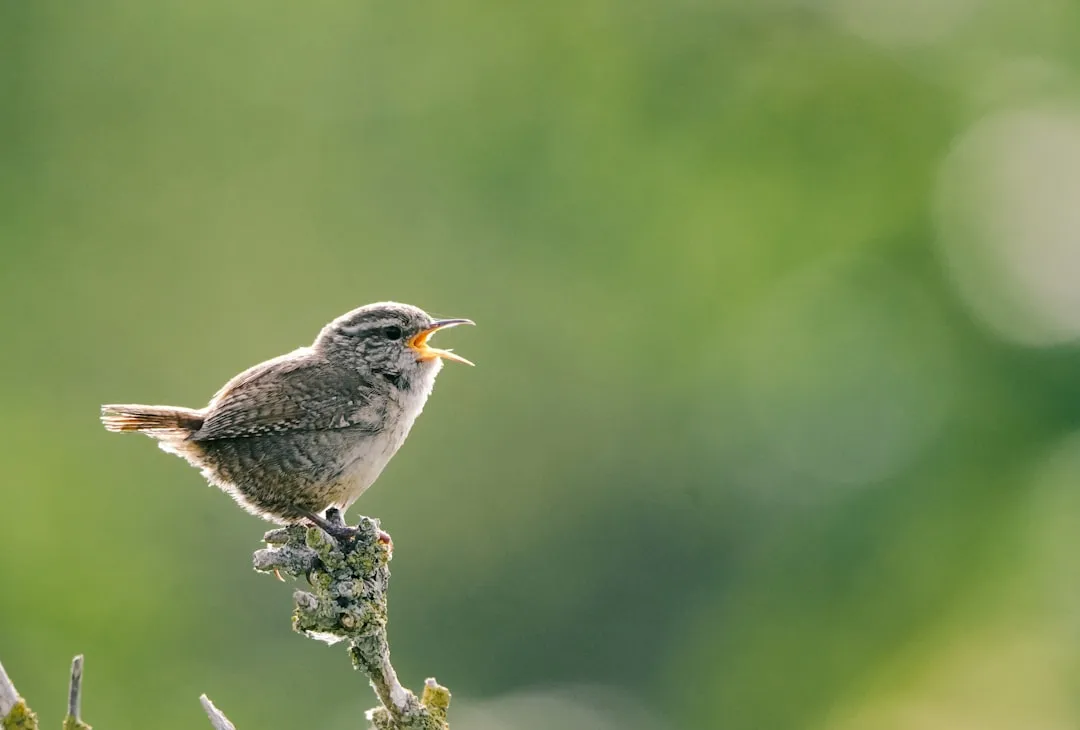
The idea that birds practice their songs quietly forces us to rethink how simple or complex animal minds really are. This is not just reflexive noise-making; it is a learning process that involves memory, evaluation, and gradual refinement. That suggests a level of cognitive sophistication and flexibility that, not too long ago, many people assumed only humans possessed in the realm of vocal learning.
I find it hard not to feel a sort of emotional connection to these birds once you know this. You picture a juvenile sparrow tucked into leaves at dusk, running through imperfect versions of a song it has heard from its father, adjusting tiny details it can barely control yet. It may not experience stage fright the way we do, but there is still something intensely vulnerable about practicing your voice alone, just hoping that one day it will be good enough to be heard.
Conclusion: The Hidden Rehearsals Behind Every Dawn Chorus
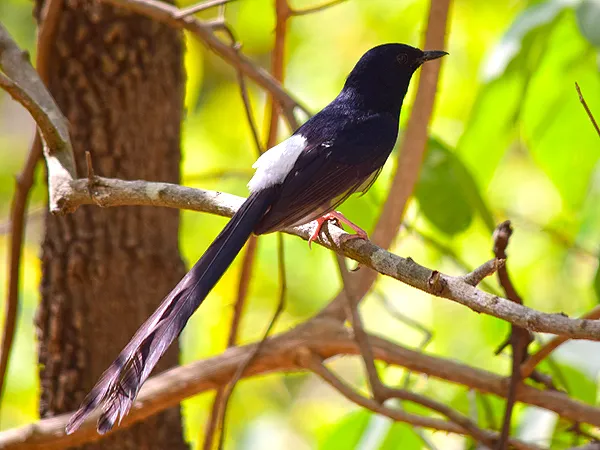
Knowing that songbirds quietly practice their calls before going public changes the way those early-morning sounds feel. They are no longer just automatic background noise; they are the polished result of an invisible apprenticeship, filled with soft mistakes and tentative experiments. To me, that makes the dawn chorus less like a random natural soundtrack and more like an orchestra that has spent weeks in rehearsal before opening night.
In a way, the science here is humbling and a little confrontational. If birds are willing to put in that much hidden work to get their voices right, what excuse do we have for expecting instant perfection from ourselves? The next time you are tempted to be embarrassed by your own rough drafts – spoken, written, or sung – maybe remember the young bird mumbling its song in the shadows first. Does it change how you hear that tiny voice in the trees, knowing it once started as a whisper?

- Animal Science Says Songbirds Practice Their Calls Quietly Before Performing Them in Public - August 10, 2026
- 8 Scents That Cockroaches Hate - August 10, 2026
- 10 Worst Dog Breeds For People Over 50 - August 10, 2026