
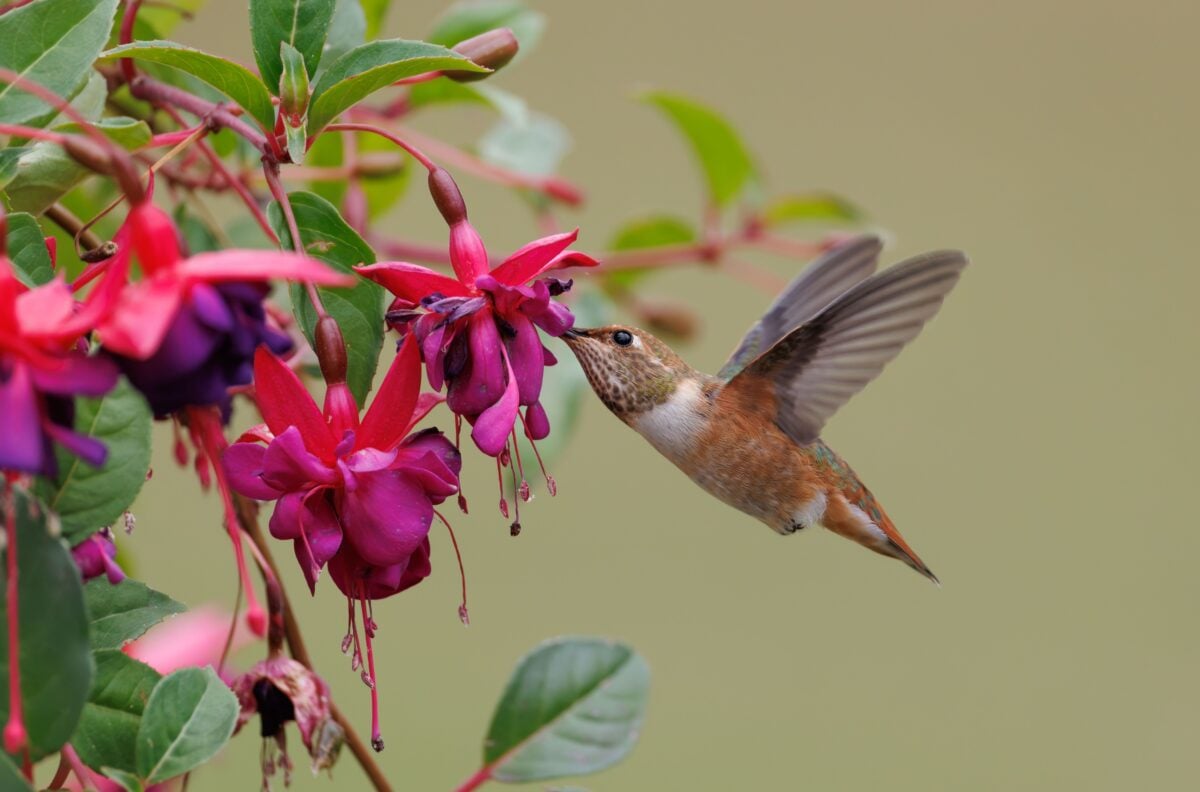
If you have ever glanced at your calendar and realized your hummingbirds arrived almost exactly when they did last year, it can feel a little eerie, almost like they are reading your planner. That uncanny timing is not a coincidence, and it is not magic either. It is a fascinating mix of biology, geography, and a kind of internal clock that is far more precise than most of us realize.
When hummingbirds show up in your yard on nearly the same date every spring, they are offering you a front-row seat to some of the most remarkable migration behavior on the planet. Their punctuality can reveal clues about climate, habitat health, and even the reliability of your local seasons. Once you understand what is really going on behind that perfect timing, you will probably never look at your feeder, or your calendar, quite the same way again.
The Hidden Internal Clock Driving Their Perfect Timing
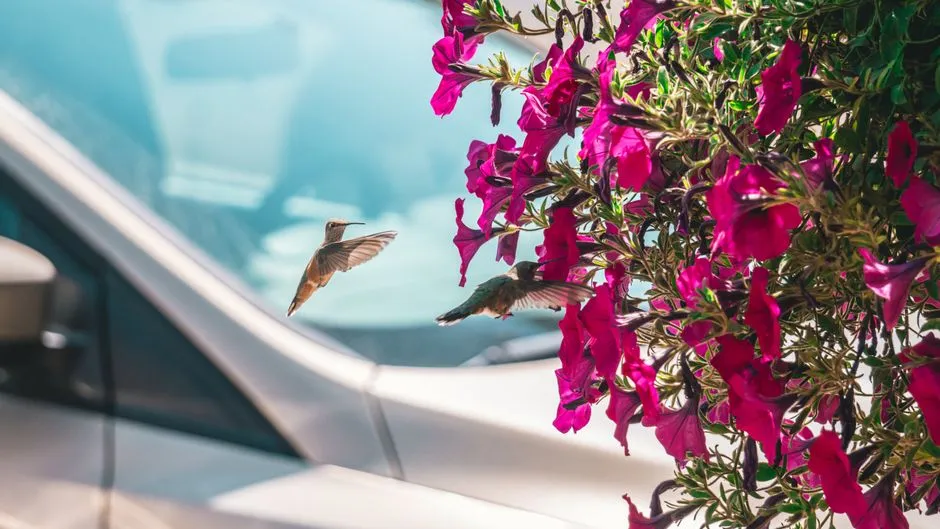
It might feel like hummingbirds are watching the weather or waiting for your feeder to go up, but their timing starts long before they ever reach your yard. Inside their tiny bodies is a biological clock that responds to changing day length, not your local forecast. As days grow longer or shorter in their wintering grounds, hormonal signals begin to tell them it is almost time to move.
This internal clock is wired into their genes and fine-tuned by generations of trial and error. Birds that departed and arrived at the “right” times were more likely to survive and pass on their traits, so over time their timing locked into a remarkably reliable pattern. That is why, even if you get a warm spell early or a cold snap late, your hummingbirds will still tend to aim for roughly the same window each year instead of chasing every little weather swing.
Migration Routes That Act Like Invisible Highways
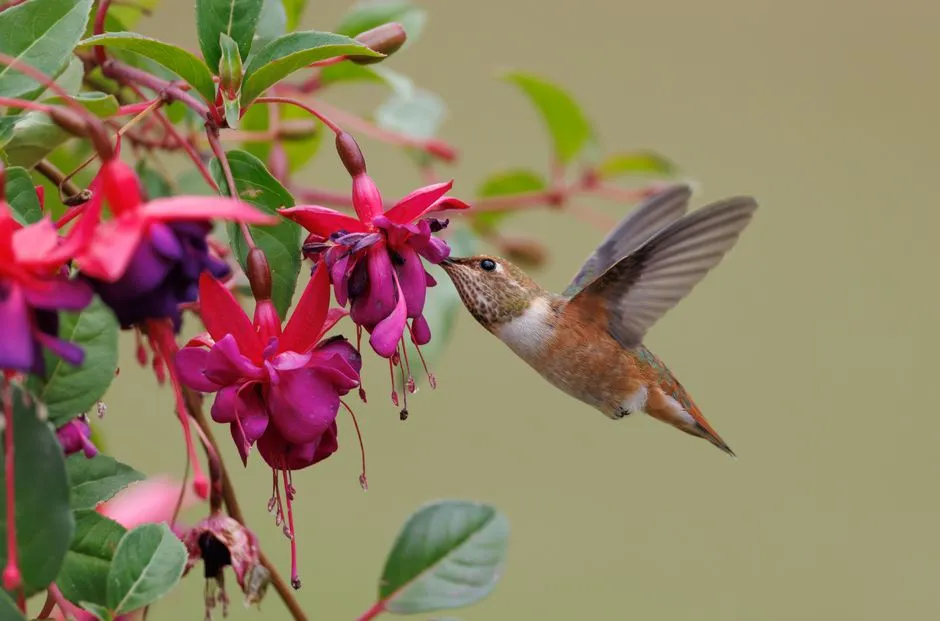
Another reason hummingbirds return at nearly the same time is that they are not improvising their entire journey every year. They follow established migration routes, like invisible highways in the sky, that have predictable stopover points and food sources. These pathways have been used for countless generations, becoming a sort of inherited map.
Because those routes and stopovers tend to be in the same places and offer food at roughly the same times, the birds that stick to them gain consistency. Their timing locks in around the rhythm of the ecosystems they move through. So if they pass through a certain blooming shrub in Texas every March, or a reliable patch of insects further north in April, their arrival at your yard will naturally fall into a repeatable pattern.
Why Photoperiod Matters More Than Local Weather
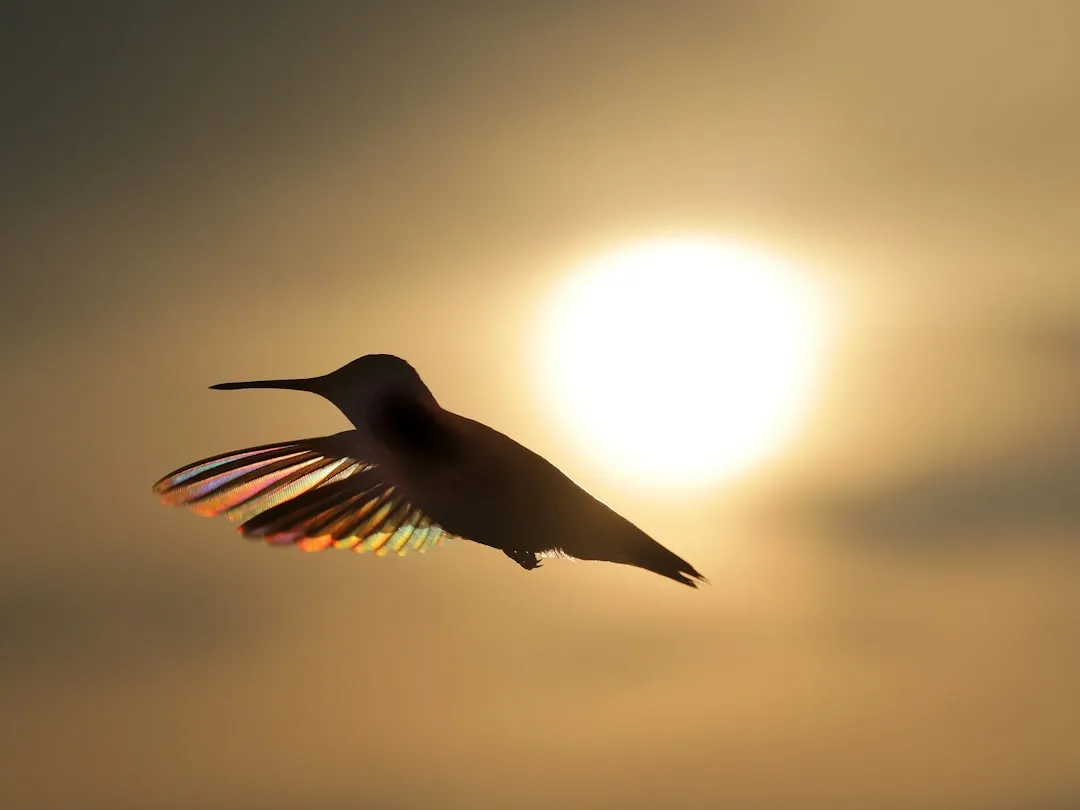
We humans obsess over weather apps and forecasts, but hummingbirds pay much closer attention, in their own way, to light. The length of the day, called the photoperiod, does not waffle around like temperature does from year to year. Sunrise and sunset on a given date might shift slightly over the decades, but they are incredibly stable compared to spring heat waves or surprise frosts.
Because photoperiod is so predictable, it makes sense that evolution wired many migratory birds, including hummingbirds, to use it as their main start and stop signal. So if you’re wondering why they return in late April even though you had a heat wave in March one year or a snowstorm in May another, the answer is simple: the sun and the calendar are more reliable guides than your weather app. Their timing may look almost spooky to us, but from the bird’s perspective, it is just following the most dependable cue in nature.
The Role of Memory and Site Fidelity
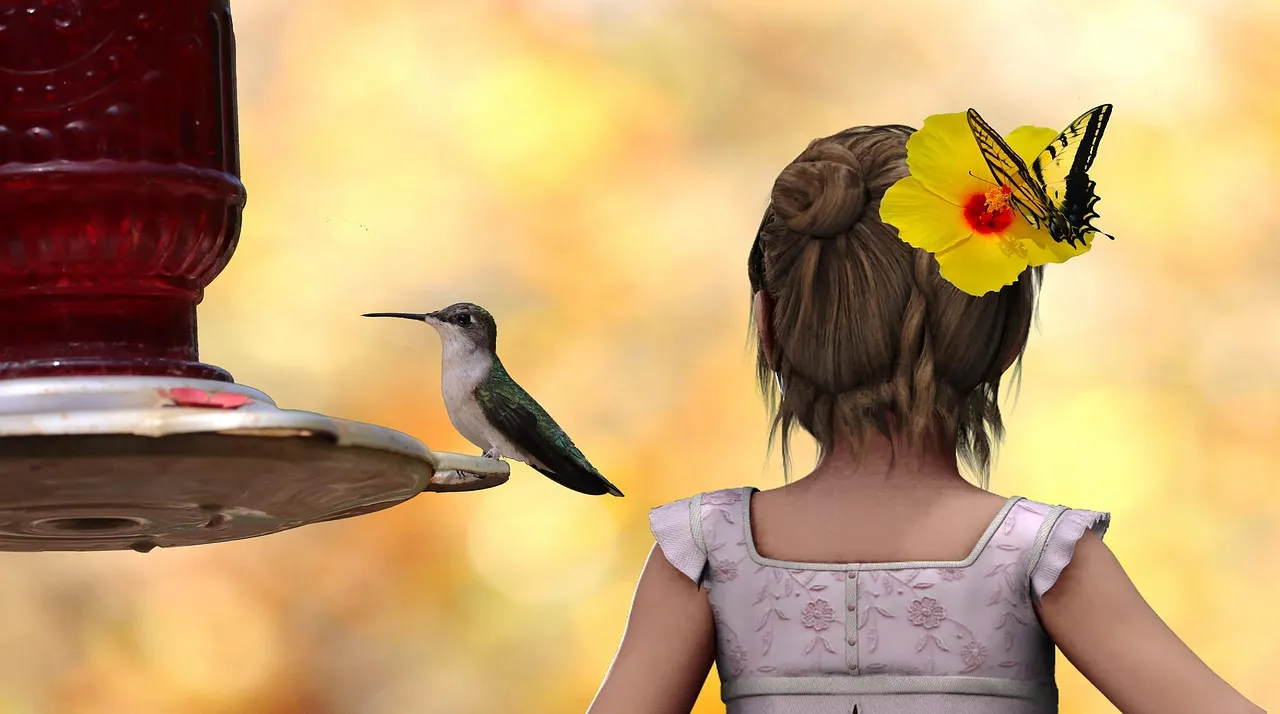
When a hummingbird comes back to the same yard or even the same feeder year after year, that is called site fidelity, and it is not just random chance. These birds remember good feeding spots the way you remember your favorite coffee shop or hiking trail. If a place worked for them last year, it is a smart bet to try it again this year at around the same time.
That memory can be incredibly detailed. Many people notice that the same individual, often recognizable by behavior or subtle markings, seems to defend the same corner of the yard. Their return on nearly the same date suggests that once they lock in a successful schedule and route, they keep repeating the pattern. In a way, your backyard becomes a saved “bookmark” in their mental map of the world, complete with an approximate time stamp.
Flowers, Insects, and the Subtle Dance With Seasonal Food
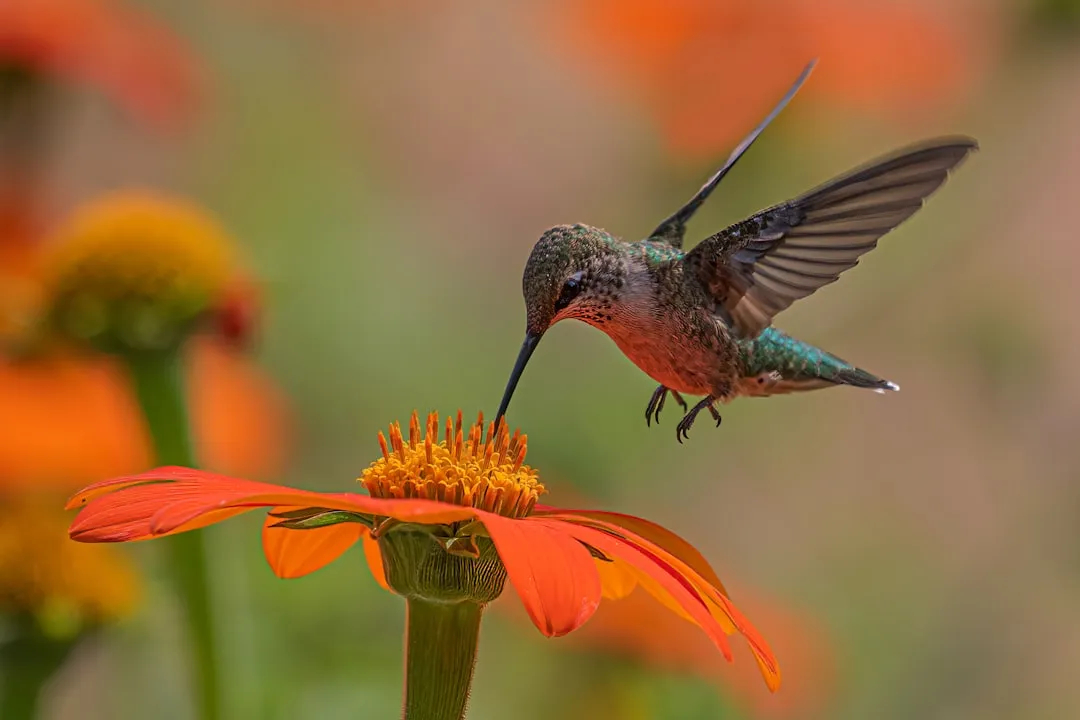
Hummingbirds do not migrate for fun; they move because food availability shifts with the seasons. Nectar-rich flowers, tiny insects, and spiders follow a rough schedule each spring and summer in your region. When the birds return at nearly the same time every year, they are effectively syncing up with when those resources have historically appeared.
Of course, nature is not a perfectly set clock, and there can be years when flowers bloom earlier or later. But over long periods, the average timing of plant growth and insect hatches tends to cluster into predictable windows. Hummingbirds are keyed to those patterns. If your birds arrive and find your garden bursting with blooms and insects in most years, that reinforces the timing in their evolutionary playbook and keeps them coming back on that same reliable schedule.
What Their Timing Can Reveal About Climate Change
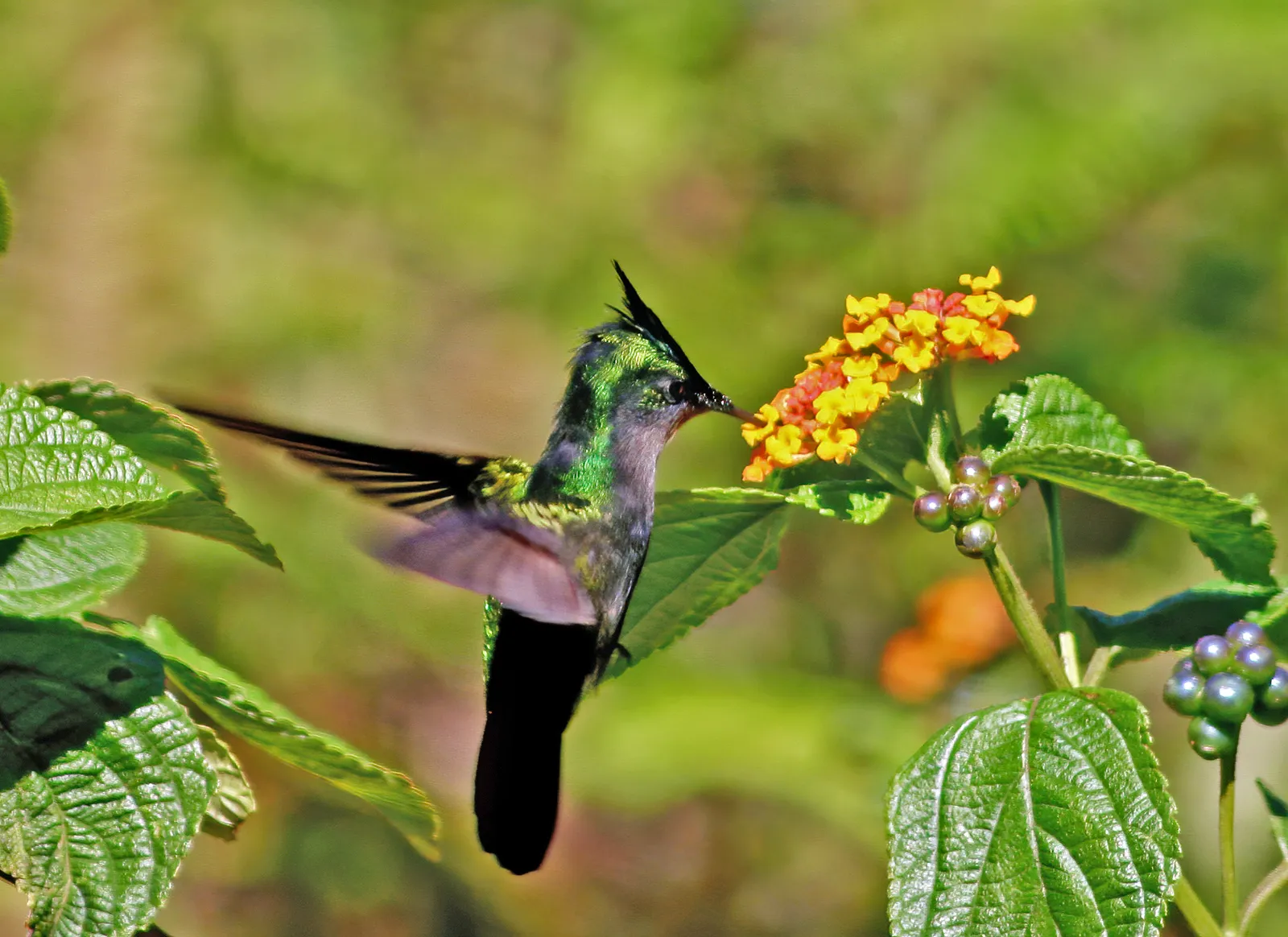
If your hummingbirds have been arriving at nearly the same time for as long as you can remember, that suggests your local seasonal cues are still fairly stable, at least from their perspective. However, researchers have been seeing shifts in timing for some bird species as springs warm earlier or weather patterns become more erratic. If the flowers shift their schedule but the birds do not, that can create a mismatch.
That is why carefully noting your hummingbirds’ arrival dates is more than just a fun habit; it is a tiny piece of citizen science. If over many years you start seeing them show up noticeably earlier or later, that might reflect broader changes in regional climate or habitat conditions. Their punctuality today, and any future drift in that pattern, can be a subtle but powerful signal of what is happening to the environment beyond your backyard fence.
How You Can Support Their Remarkable Routine
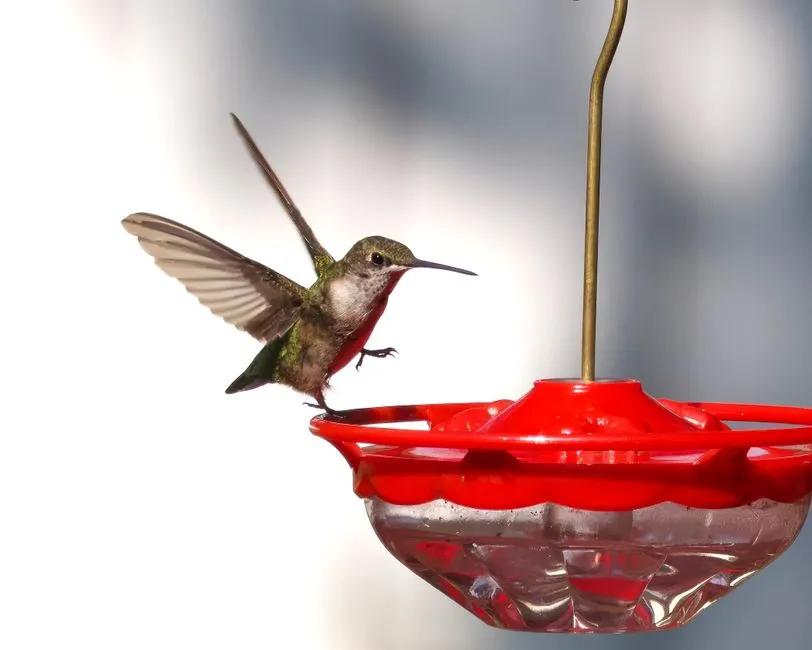
Knowing that hummingbirds are running on a finely tuned schedule, you can actually become part of their support system. Putting out clean feeders slightly before you expect their return, based on past years, can help them refuel quickly after a long journey. Planting native flowering plants that bloom in succession through the season creates a dependable nectar buffet that lines up with their needs.
It also helps to keep your yard as safe as possible for a bird that has just traveled hundreds or even thousands of miles. Minimizing pesticide use, offering patches of sheltering shrubs, and avoiding window collisions with decals or screens can all make a difference. When you line up your timing and landscaping with their internal calendar, you are essentially saying: you can count on this stop on your route, year after year.
When the Pattern Breaks: Absences, Delays, and What They Might Mean
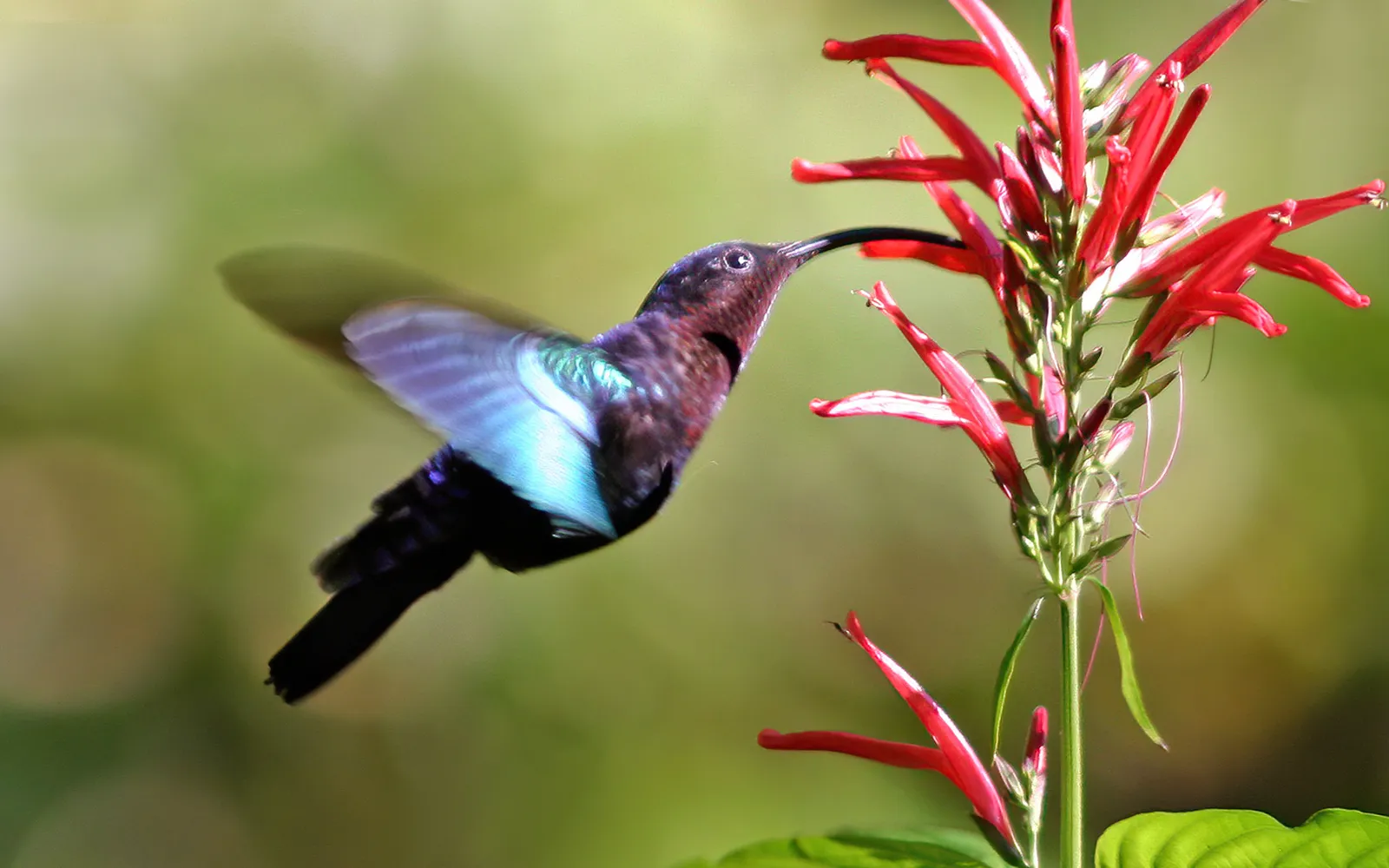
Of course, sometimes the pattern does not hold. Maybe one year your hummingbirds show up a week or two late, or they seem fewer in number, or in rare cases, they do not appear at all. That kind of break in the rhythm can be unsettling, especially when you have grown attached to “your” birds and their punctual arrivals. But a single odd year does not always mean disaster.
Storms along the migration route, changes in habitat further south, or even local issues like a lack of early blooms can all shift timing slightly. If the disruption is brief and the pattern rebounds in following years, it might have been a temporary blip. If you see a long-term decline or regular delays, that could be a sign of wider problems like habitat loss or climate-driven timing mismatches, and it might be worth paying closer attention or getting involved with local monitoring projects.
Conclusion: Why Their Calendar Matters More Than We Think
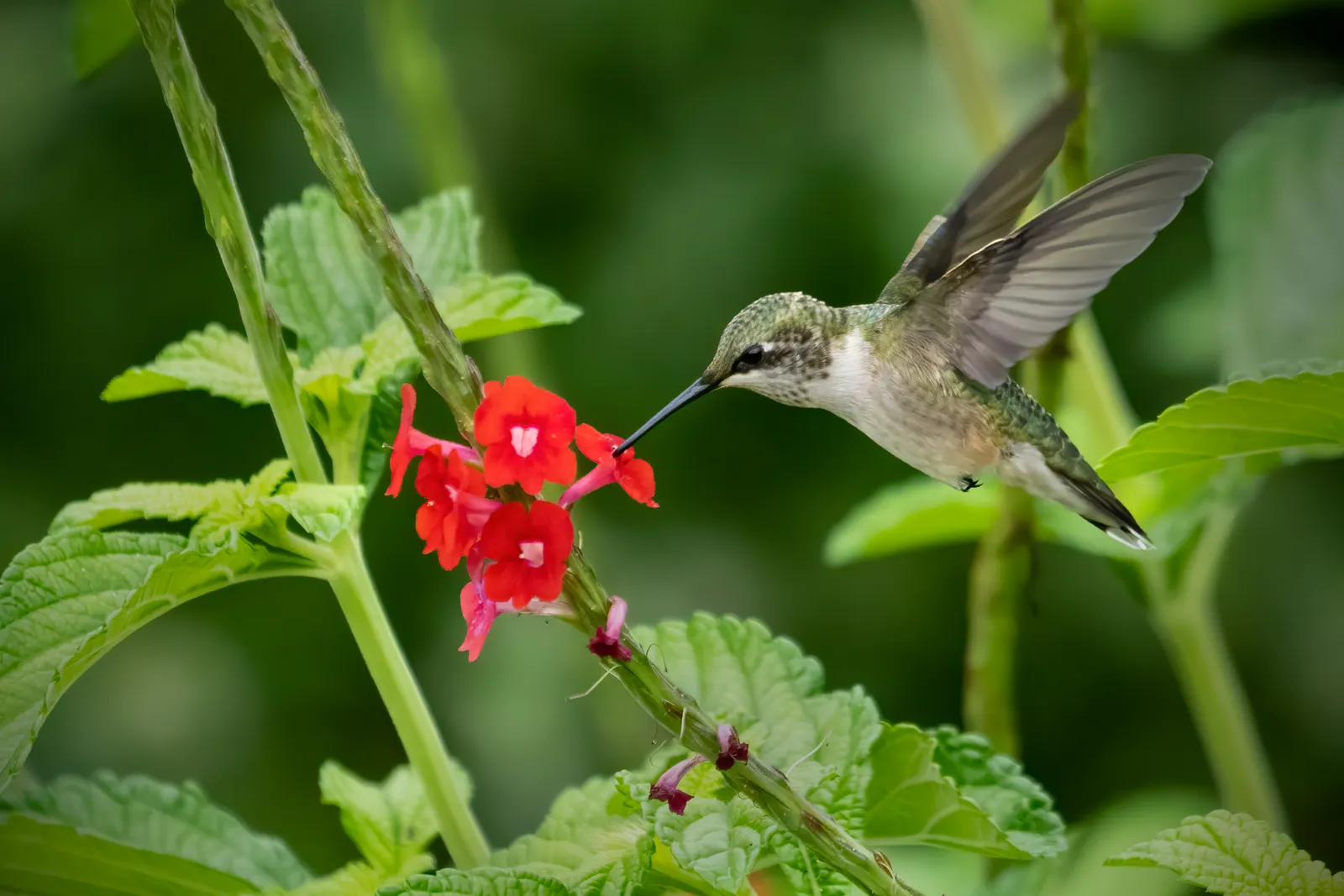
When hummingbirds return to your yard on nearly the same date every year, they are doing far more than putting on a charming show. They are quietly revealing how finely tuned life can be to the turning of the Earth, the length of the day, and the steady drumbeat of the seasons. Their punctuality is not just cute; it is evidence of a complex, time-tested survival strategy that depends on everything from the position of the sun to the bloom time of wildflowers.
Personally, I think their timing should make us both grateful and a little uncomfortable. Grateful, because we get to watch this precision play out right outside our windows. Uncomfortable, because it reminds us how easily that delicate schedule could be thrown off if we keep changing the climate and landscape faster than these tiny migrants can adapt. The next time your hummingbirds show up right on time, will you see it as just another spring routine, or as a question nature is quietly asking about whether we will keep the calendar stable enough for them to return again?

- What It Means When Hummingbirds Return on Nearly the Same Date Every Year - August 10, 2026
- Animal Science Says Songbirds Practice Their Calls Quietly Before Performing Them in Public - August 10, 2026
- 8 Scents That Cockroaches Hate - August 10, 2026