
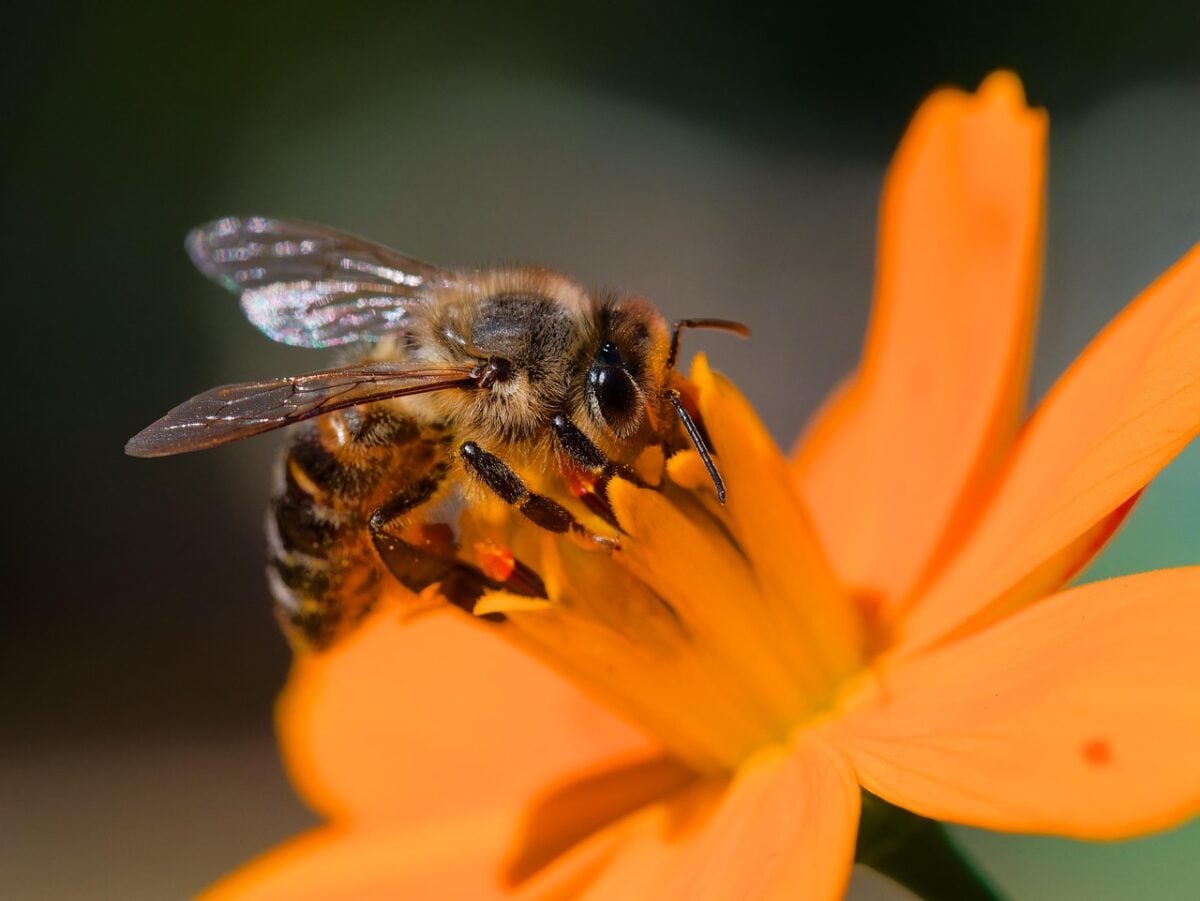
If someone told you that tiny insects invented their own version of GPS, you’d probably laugh. Yet that’s exactly what honeybees did, long before humans ever dreamed of satellites and navigation apps. Through a strange, hypnotic movement called the waggle dance, bees can tell each other where food is, how far away it lies, and even which way to fly relative to the sun.
This isn’t some cute nature story. It’s one of the most mind‑bending communication systems in the animal kingdom, rooted in hard science and jaw‑dropping precision. Once you understand how bees literally dance directions to one another, it completely changes how you see “small” brains, animal intelligence, and what we assume only humans can do.
A Dance That Draws a Map in the Dark
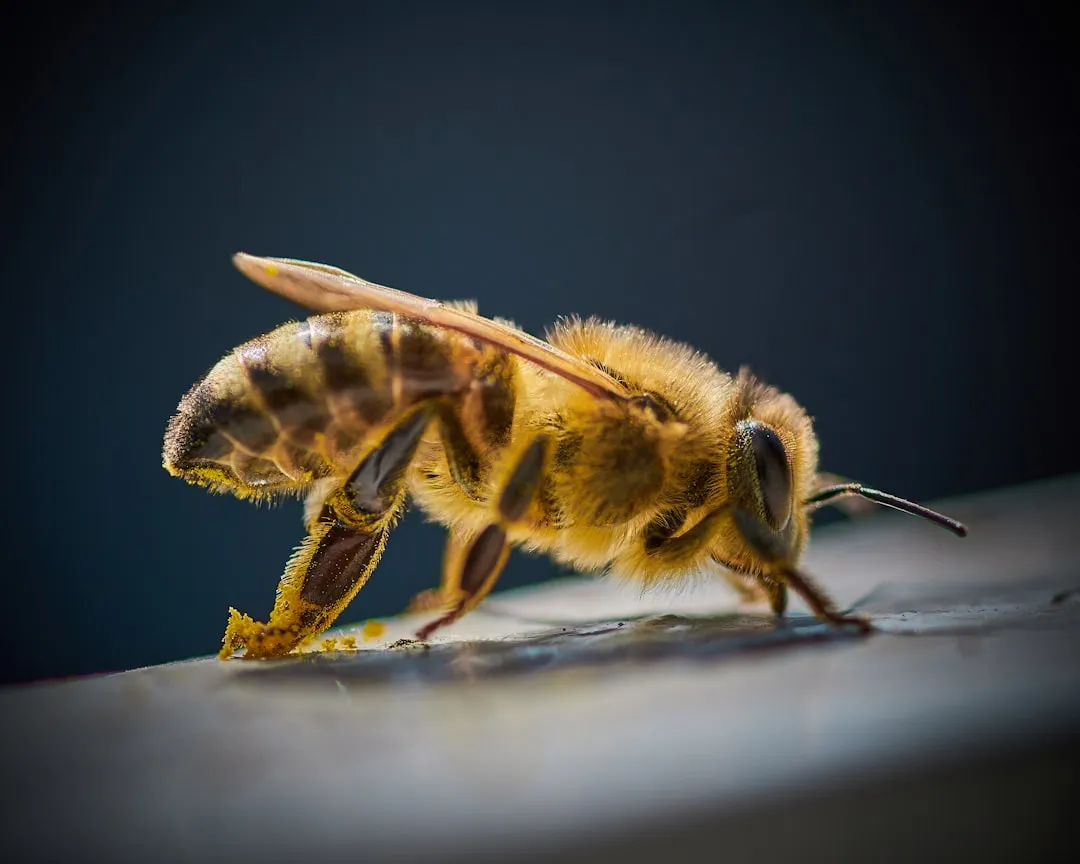
Imagine trying to give your friend directions to a restaurant, but you’re not allowed to speak, write, or point. All you can do is move your body in a small circle over and over again in a dark room. Somehow, your friend still finds the place. That’s basically what honeybees pull off every single day inside their hives.
The waggle dance happens on the vertical surface of the honeycomb, where it’s dim or almost completely dark. A worker bee returns from a good food source, climbs onto the comb, and starts repeating a figure‑eight movement. The middle part of this loop is a straight line called the waggle run, where she vibrates her body, buzzes, and shimmies with serious intensity. Other bees crowd around her, touching her with their antennae to “read” the dance.
How Bees Encode Direction With the Angle of the Sun
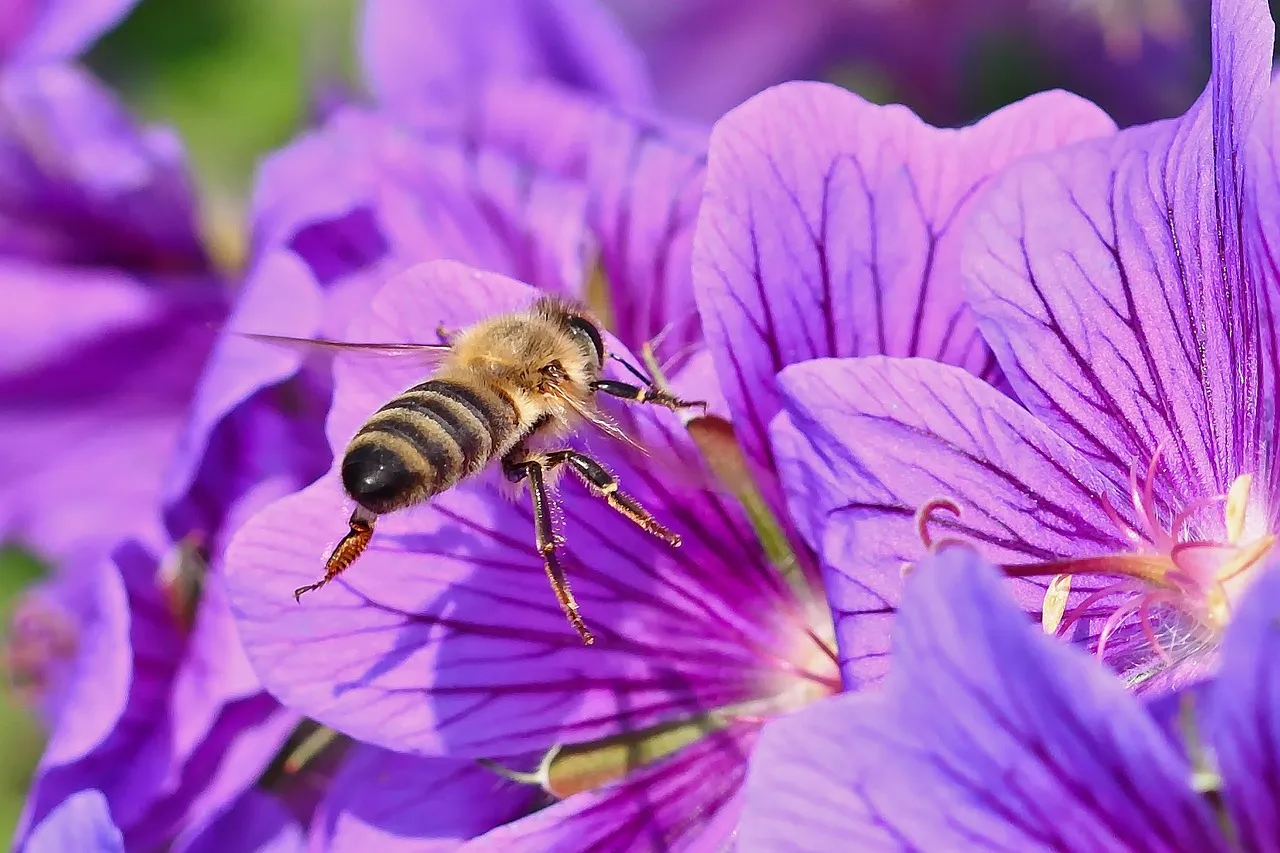
Here’s where it gets wild: the direction the bee runs during the waggle part of the dance is a code for the direction of the food outside the hive. Bees treat the vertical comb like a map of the sky. Straight up on the comb means “fly directly toward the sun.” If the waggle run tilts, say, thirty degrees to the right of straight up, it means “fly thirty degrees to the right of the sun’s position.”
So if the sun is in the east and the waggle run is tilted to the left, the dancers are saying something like “go northeast,” just without words or conscious maps. The followers don’t see the actual sun from inside the hive, but they use the angle of the waggle to know how to orient themselves once they fly out. It’s a body‑language compass, and it works even when clouds hide the sun.
Timing the Waggle: How Distance Is Built Into the Dance
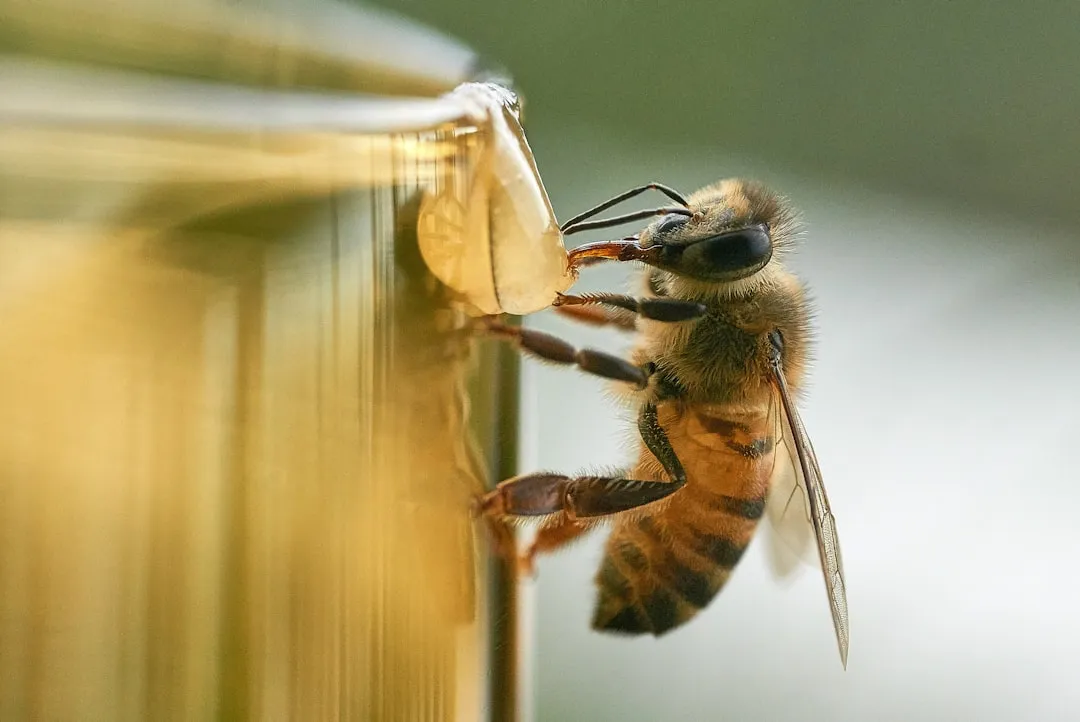
Direction is only half the story; bees also signal how far to travel. They do this through the duration and intensity of the waggle run. The longer the bee waggles in that straight line, the farther away the food source is. Short, quick waggles mean the flowers are close. Slow, drawn‑out waggles tell the others they’ll need to fly further.
It’s not an exact ruler like humans would use, but it’s surprisingly consistent. Other bees have learned, over millions of years of evolution, how to interpret these time‑based signals into flight distances. You could think of it like a friend saying, “It’s just around the corner” versus “It’s a bit of a drive.” The waggle dance compresses a whole travel estimate into a few seconds of tiny, vibrating footsteps.
Bees Track a Moving Sun With an Internal Clock
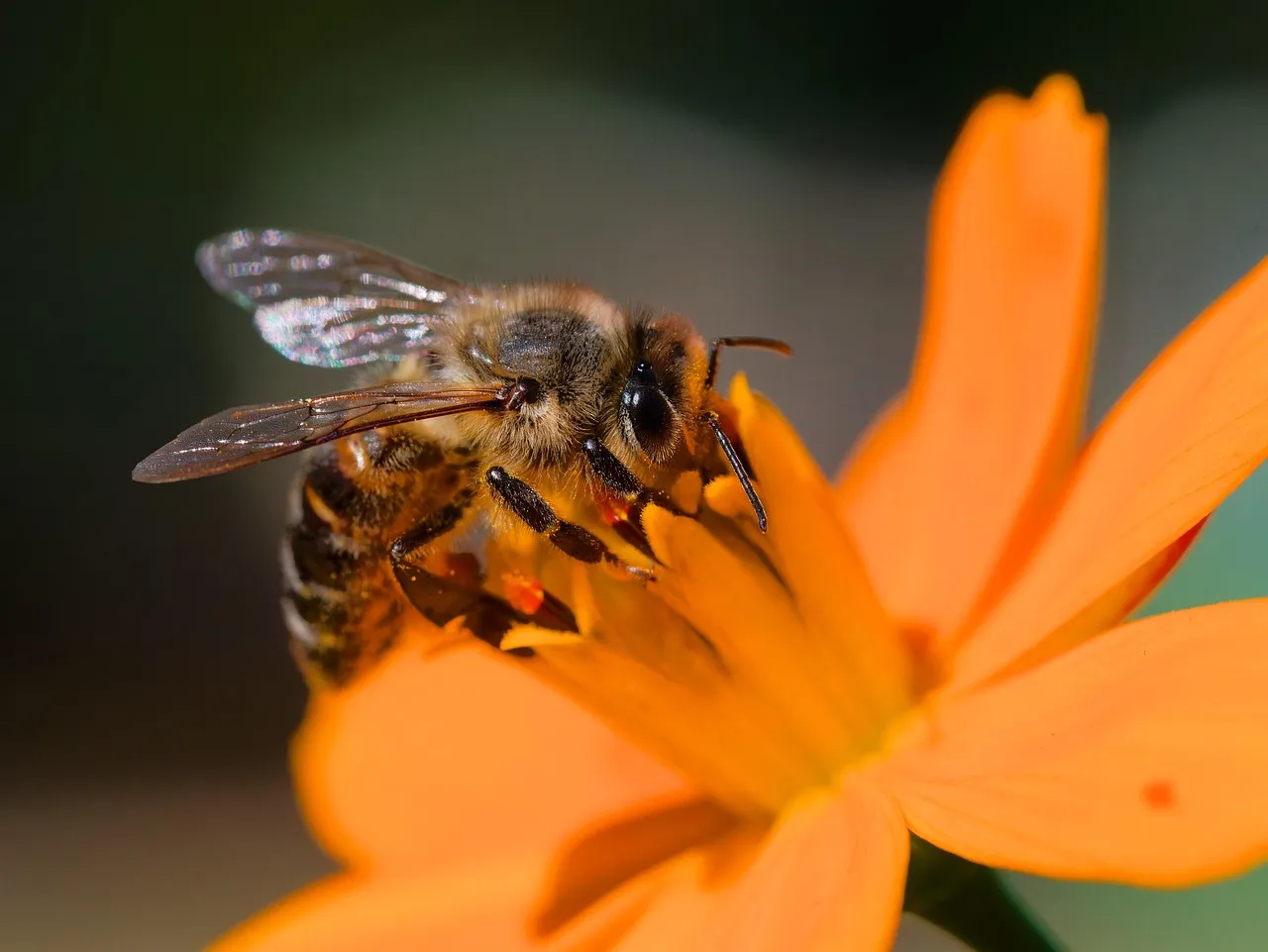
The sun isn’t a fixed point like a nail in the sky. It moves throughout the day, which should make a sun‑based map pretty confusing. But honeybees have something like a built‑in watch that keeps track of time and compensates for the shifting position of the sun. A direction signaled in the morning needs to be adjusted later in the afternoon, and bees manage that automatically.
Researchers have shown that if bees are kept in artificial time conditions, their dances shift in predictable ways, as if their bodies are recalculating the solar angle. That means the waggle dance is not just a stiff, hard‑wired reflex. It’s flexible, based on both where the sun is and what time their internal clock thinks it is. For a creature with a brain smaller than a grain of rice, that’s honestly humbling.
Using Polarized Light When the Sun Is Hidden
Cloudy day? For humans, that just means squinting more at the sky. For bees, it could destroy their entire navigation system – unless they had a backup. And they do. Honeybees can detect patterns of polarized light in the sky, invisible to our eyes, that still point to where the sun is hiding behind clouds.
Even when the sun is blocked, the sky carries an organized pattern of light waves that shift depending on the sun’s position. Bees see this pattern and use it like a ghost outline of the sun’s location. That allows them to keep dancing accurate directions inside the hive, and foragers can still follow those instructions outside, even when the weather refuses to cooperate.
Following the Dance: How Other Bees Decode the Signal
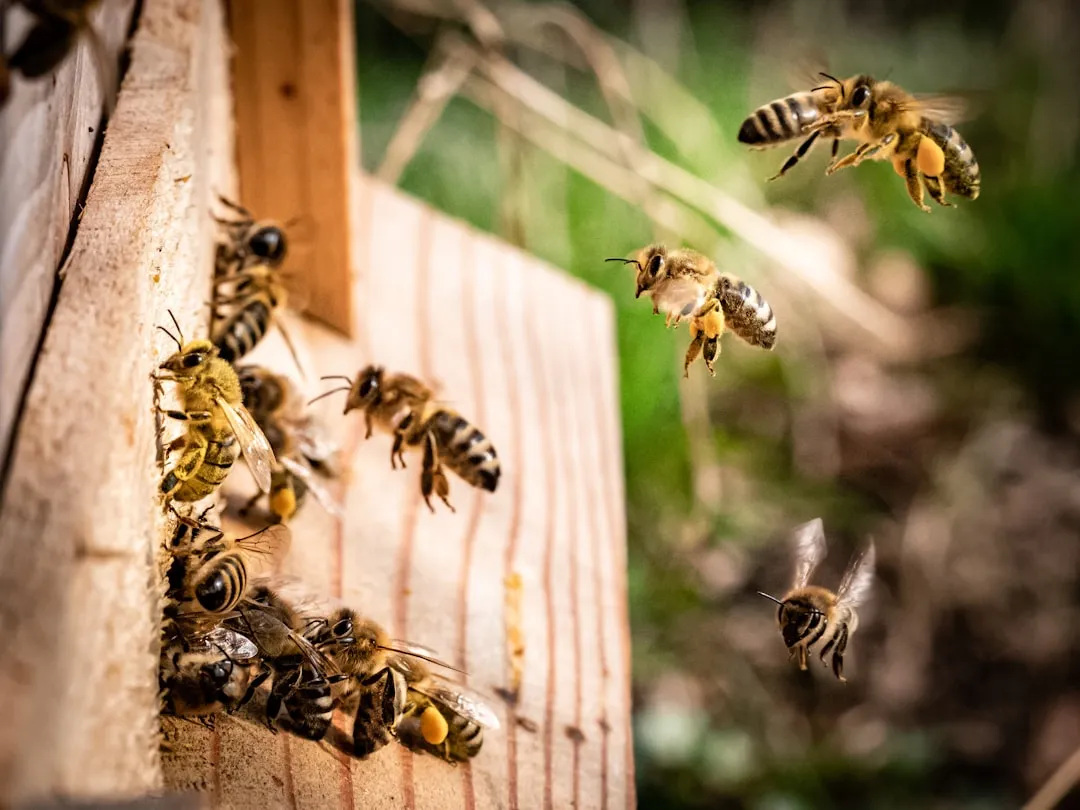
Watching a waggle dance from the outside, it looks like chaos: bees jostling, bumping, and climbing over each other. But for the follower bees, it’s more like pressing your ear up to a speaker. They move right up to the dancer, touching her with their antennae and bodies, feeling every vibration and turn as she repeats the routine.
After observing a few cycles, the followers peel away and fly out of the hive. They don’t have a video replay or a written note. They just carry a sense of angle and distance in their nervous system, plus a rough idea of how rich the food source is, based on how excited the dancer was. It’s like learning directions from a friend who talks with their hands more than their mouth – and somehow, the results are good enough to guide flights over hundreds or thousands of meters.
Why the Waggle Dance Matters for Science and Survival
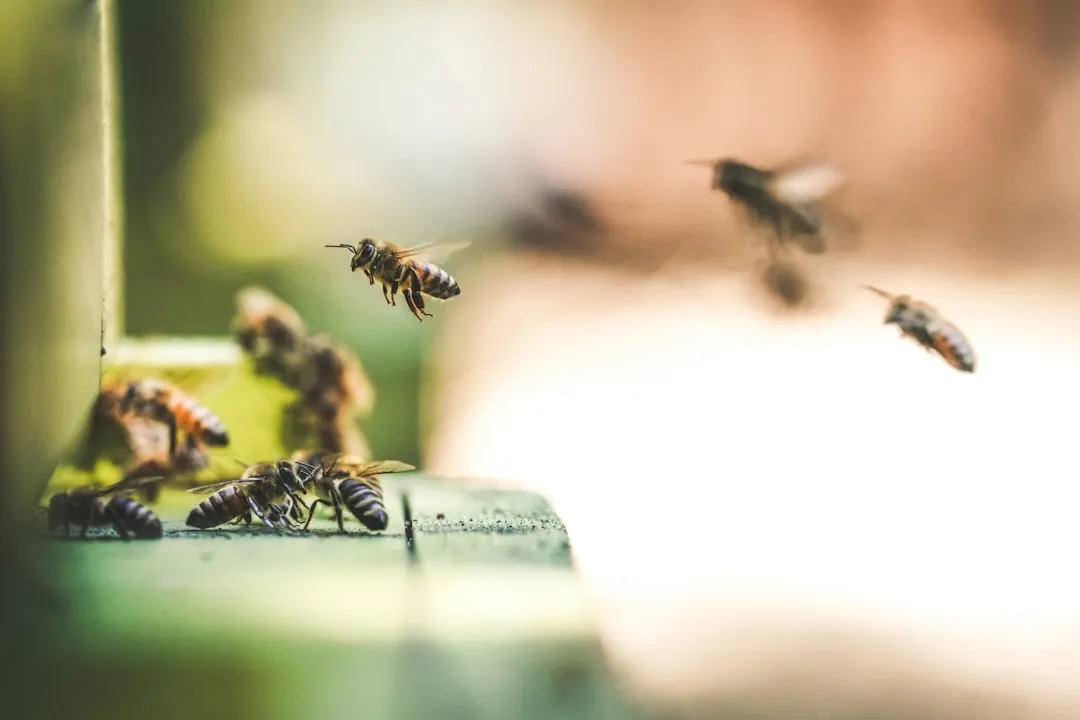
The waggle dance isn’t just a charming quirk; it’s a powerful example of animal communication that blurs the lines between instinct and something that looks a lot like symbolic language. The bees aren’t just reacting to smells; they’re using a shared code to transmit information about the world that other bees haven’t seen yet. For biologists, that makes honeybees a goldmine for understanding how complex communication can evolve in nonhuman animals.
On a more practical level, this dance is tightly connected to the survival of the colony. When landscapes change, flowers bloom earlier, or weather patterns become more unpredictable, the accuracy and flexibility of the waggle dance become even more important. If bees can’t reliably share information about where resources are, the whole super‑organism of the hive suffers. In a world where pollinators are under pressure, understanding this dance is not just intellectually satisfying – it’s a small piece of helping them cope.
What Bee Dances Say About Intelligence and Our Place in Nature
I’ll be honest: the more I learn about the waggle dance, the less comfortable I am with the idea that humans sit on some lonely mountain of intelligence. We love to tell ourselves that language and mapping and abstract communication are uniquely ours. Then along come bees, quietly sketching sun‑based maps with their bodies in the dark, and suddenly our neat little hierarchy starts to wobble.
To me, the waggle dance is a gentle slap to our ego. It suggests that the world is full of minds solving problems in ways we would never think of, using tools we do not have, tuned to senses we barely understand. You do not have to romanticize bees or pretend they are tiny people to feel a kind of respect here. The next time you see one drift past a flower, it might be on its way to perform one of the most elegant information‑sharing rituals on Earth – and that raises a simple, unsettling question: if a bee can do this, what else in nature have we been underestimating all along?

- Animal Science Says Honeybees Share Direction and Distance Through a Dance Built Around the Sun - August 10, 2026
- What It Means When Hummingbirds Return on Nearly the Same Date Every Year - August 10, 2026
- Animal Science Says Songbirds Practice Their Calls Quietly Before Performing Them in Public - August 10, 2026