
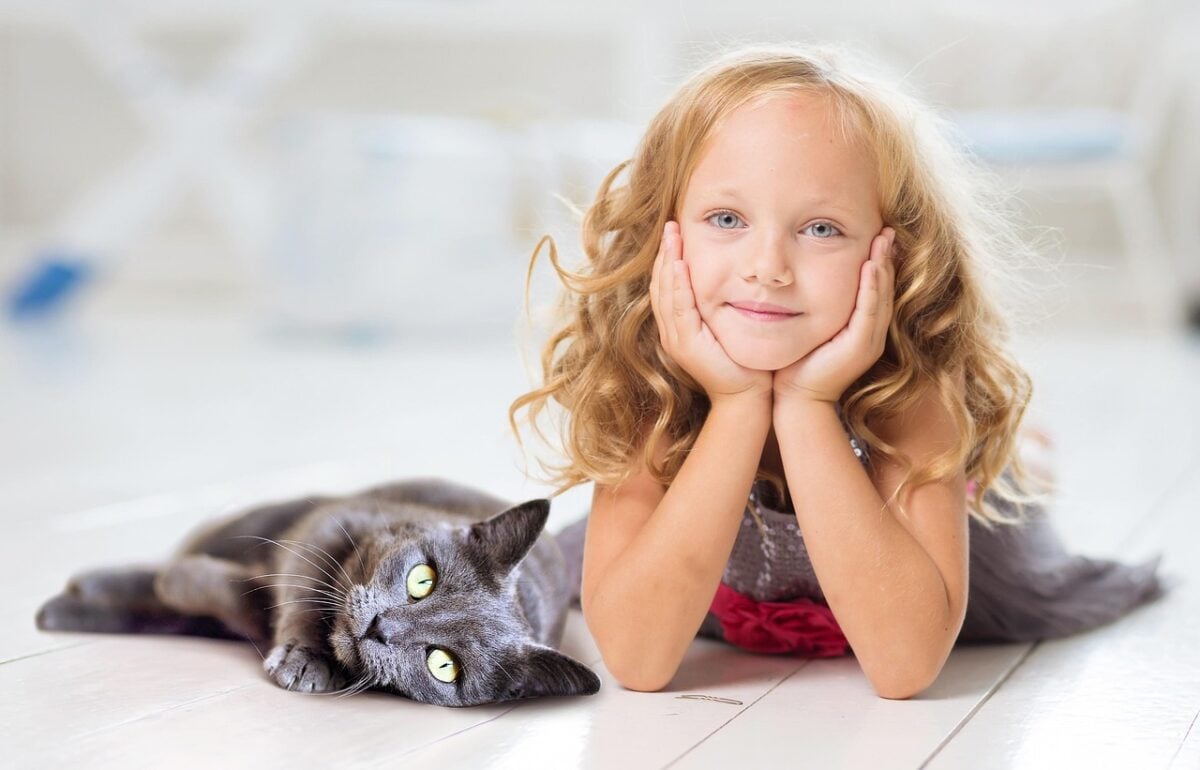
If you live with a cat, you’ve probably wondered at least once: is my cat actually happy, or just tolerating me for the food? Feline happiness can be surprisingly subtle, and a lot of what cats feel shows up in tiny details we often overlook. The good news is that science, behavior research, and everyday observation all give us some pretty solid clues.
Let’s walk through ten powerful signs that your cat isn’t just okay, but genuinely thriving. As you read, you might recognize a few habits you’d dismissed as “just cat stuff” and realize they’re actually emotional green flags. And who knows – by the end, you may discover your cat’s been living their best life right under your nose.
1. Your Cat Chooses To Be Near You (Without Needing Something)
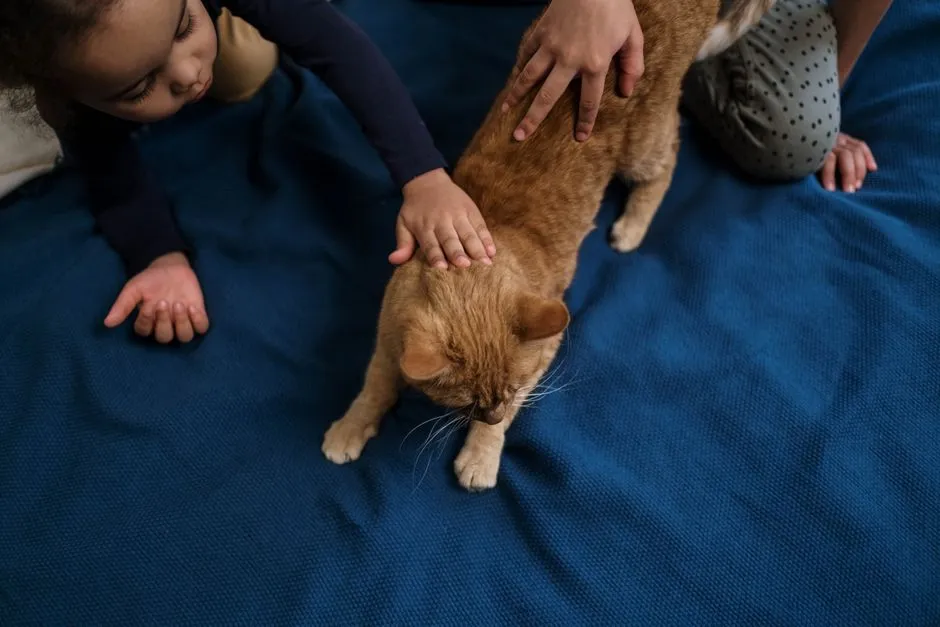
One of the clearest signs of a happy cat is that they simply like being where you are. Not necessarily in your lap all the time, but in the same room, on the back of the couch near your head, or sprawled out on the floor within comfortable viewing distance. When a cat consistently chooses proximity without demanding food or attention, it suggests they feel safe, relaxed, and emotionally attached.
Think about how your cat behaves when you move from room to room. Do they relocate to keep you in their line of sight, or do they disappear the moment you stand up? Cats that shadow you casually – napping near your desk, hanging out while you watch TV, or joining you in the bathroom like a tiny, furry security guard – are not just “clingy.” They’re showing trust and a preference for your company, which is a huge marker of contentment.
2. Their Body Language Screams “Chill” More Than “Fight or Flight”
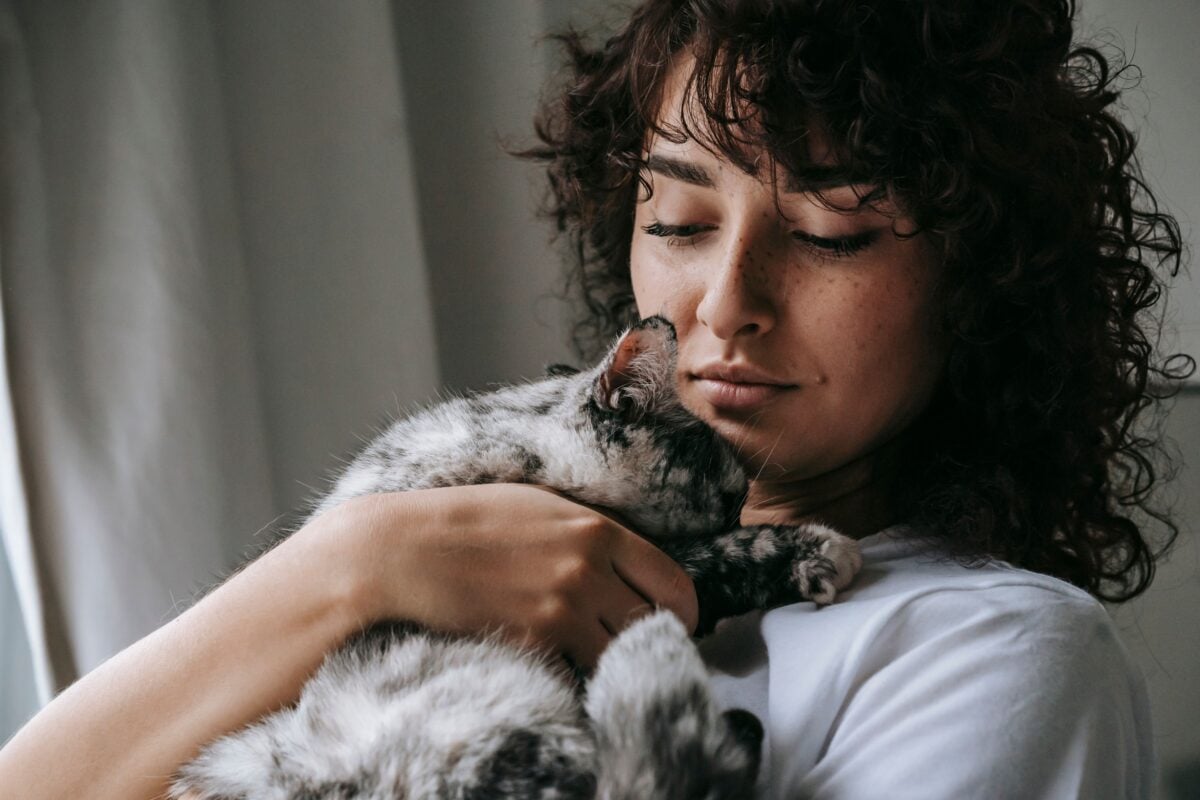
Happy cats carry themselves like they own the place… because as far as they’re concerned, they do. Look for a loose, relaxed body, softly blinking eyes, and a tail that’s either gently swishing or held upright with a little curve at the tip, almost like a question mark. That upright tail, especially when they walk toward you, is widely recognized as a feline “good vibes” signal.
On the flip side, a cat that is constantly hunched, hiding, with flattened ears and a tightly wrapped tail is broadcasting stress. If your cat spends most of their day lounging in open areas, showing their belly while twisted into weird yoga poses, or stretching out long and unbothered in the middle of foot traffic, that’s emotional confidence. It’s the feline version of someone taking up space on a couch and not flinching at every tiny noise.
3. They Eat, Groom, and Use the Litter Box Like Clockwork
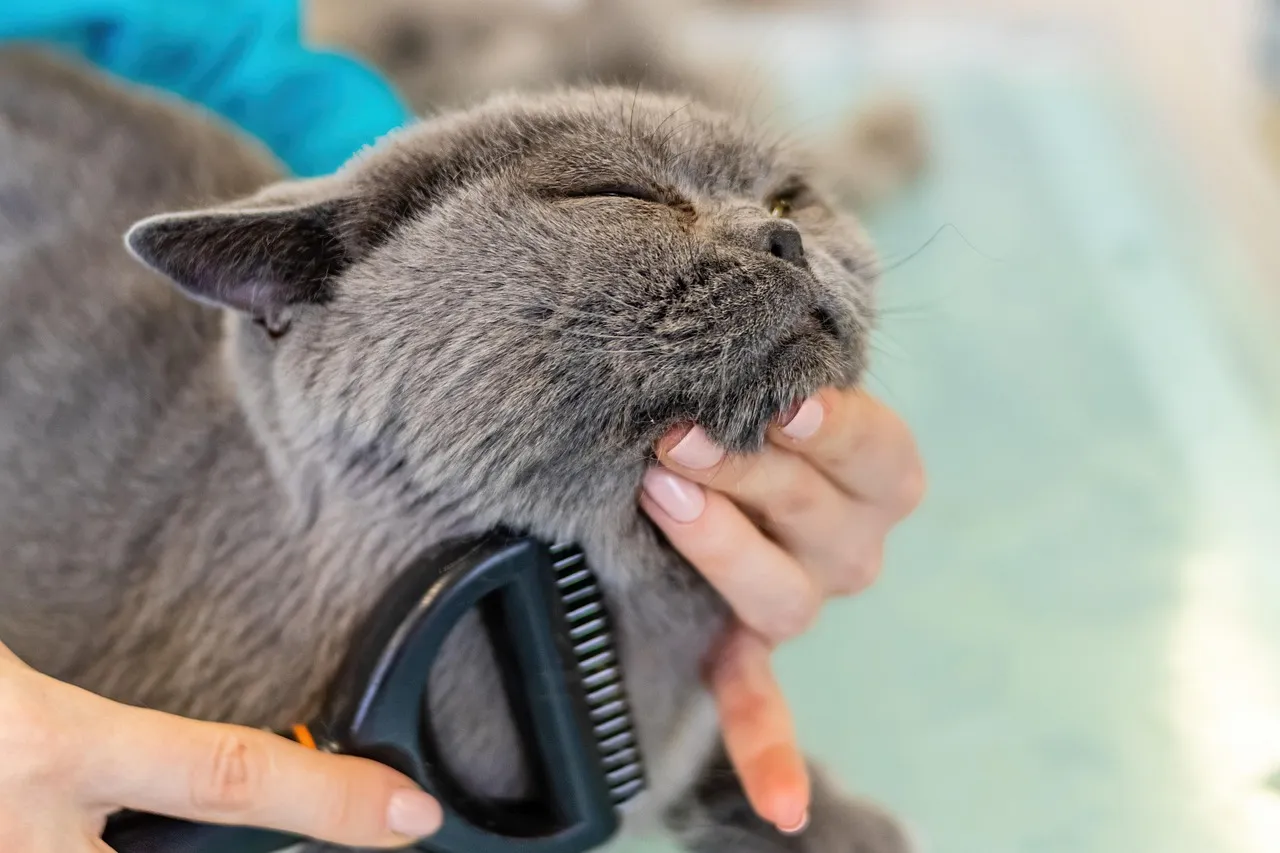
In cats, “boring” is actually beautiful. Happy, healthy cats tend to have stable routines: regular interest in food, normal grooming habits, and consistent litter box use. When cats feel unsafe or unhappy, one of the first things to shift is their basic daily pattern – suddenly they overgroom, barely eat, avoid the litter box, or start having accidents elsewhere.
If your cat eats most meals with enthusiasm (not desperation), spends a reasonable amount of time grooming but not to the point of bald patches, and reliably uses a clean litter box, you’re seeing a foundation of physical and emotional comfort. It’s similar to humans sleeping well, eating normally, and keeping up with basic hygiene – we only do it easily when we’re not overloaded by stress.
4. Playtime Still Lights Them Up (Even If They’re Older)
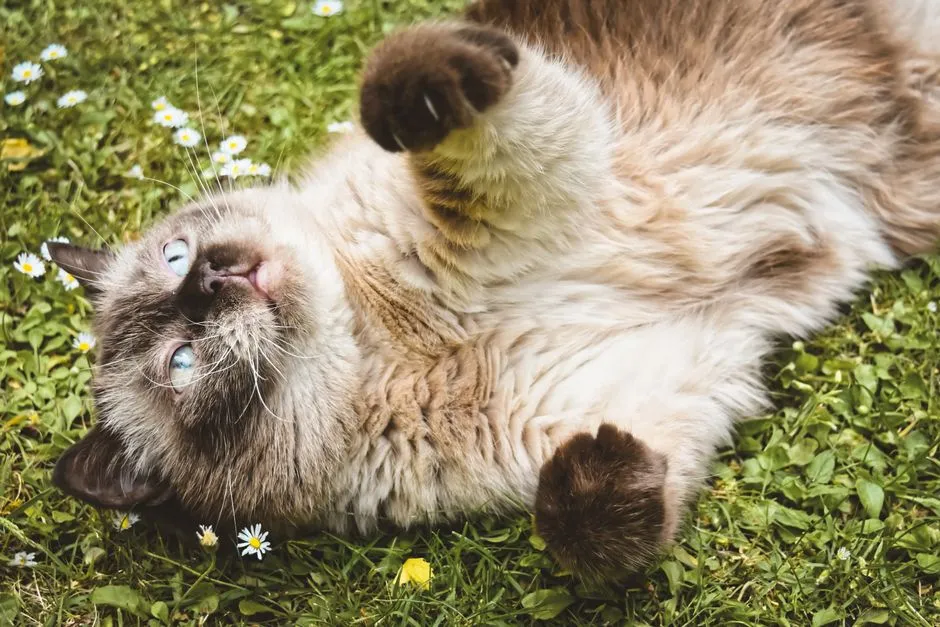
A happy cat does not completely retire from play, even in their senior years. The style might change – less wild parkour and more deliberate pouncing – but the interest in stalking, chasing, or batting at things usually remains. When you pull out a wand toy, toss a crinkly ball, or drag a shoelace across the floor, notice whether their pupils widen, ears perk up, and body shifts into a playful crouch.
Cats are natural hunters, and play is their safe, domestic version of that instinct. A cat that still practices those hunt-play cycles – spot, stalk, pounce, “kill,” and then eat or rest afterward – is mentally engaged and emotionally fulfilled. If your cat initiates play on their own, swatting at dust motes, attacking random socks, or zooming through the hallway for no obvious reason, that’s often a strong test signal that they’re feeling good inside.
5. They Sleep Deeply in Vulnerable, Open Spots
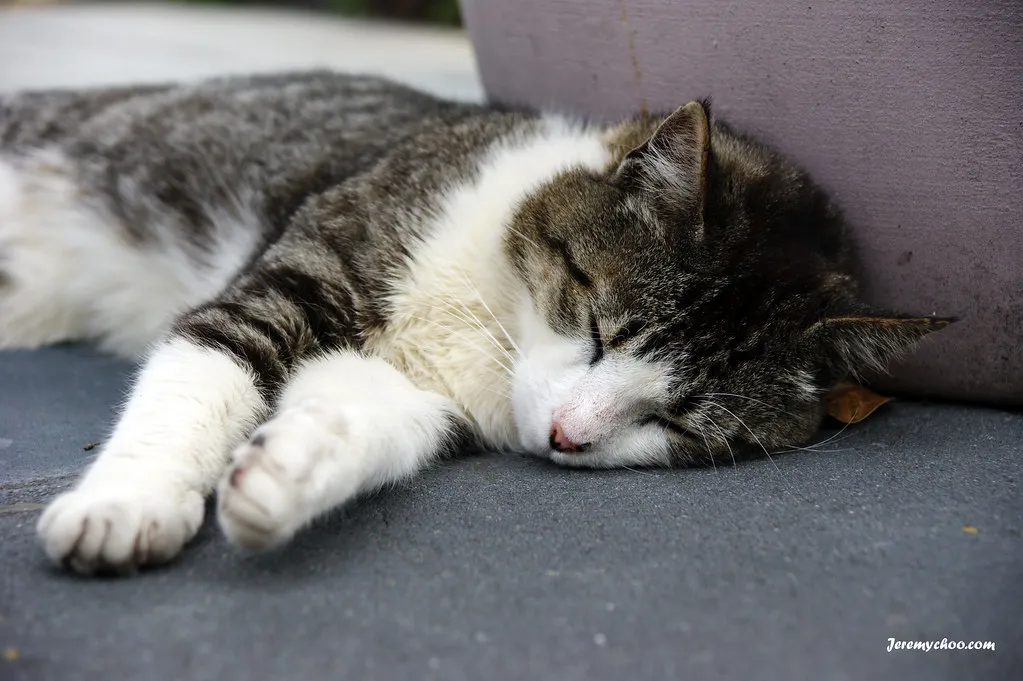
Cats do sleep a lot, but where and how they sleep tells you a lot about how they feel. A cat that regularly naps in the center of the bed, on the back of a couch, or sprawled out belly-up on the floor is basically announcing that they feel secure. They’re confident no one’s going to hurt them while they’re in their most defenseless state.
In contrast, cats that are anxious or unwell tend to retreat into closets, under furniture, or behind curtains, sleeping in tight, curled positions. If your cat chooses cozy but visible spots – windowsills, cat trees in busy areas, your pillow, or even directly next to you – they’re showing that their surroundings feel safe. It’s like someone falling asleep on a park bench in broad daylight: you only do that when you’re not constantly scanning for danger.
6. Their Social “Greetings” Are Warm and Predictable
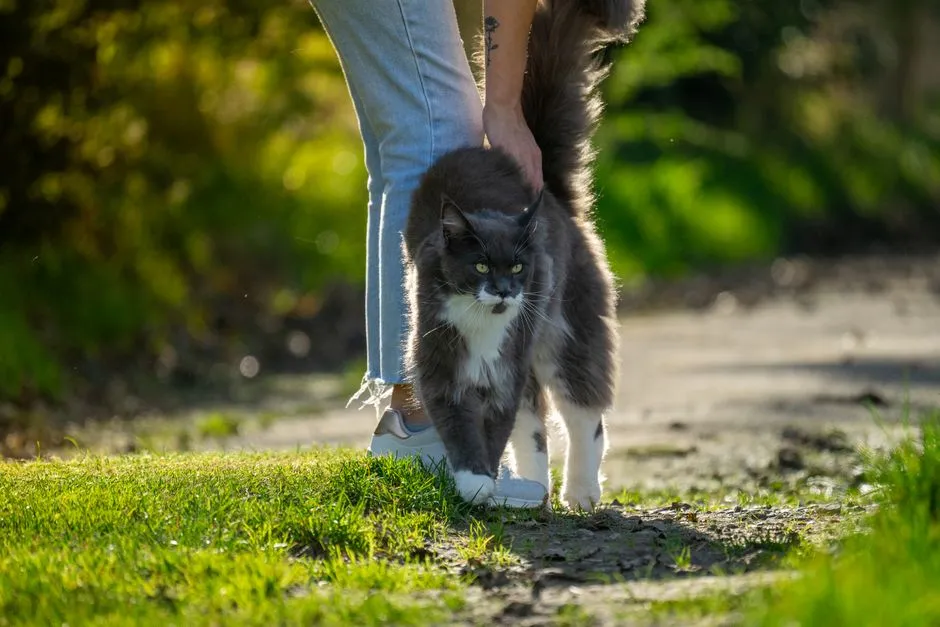
Happy cats often develop their own little rituals for saying hello. Maybe they trot to the door when you come home, tail straight up, and rub against your legs. Maybe they chirp softly when you wake up, or hop onto the couch when you sit down, as if to check in. These predictable, affectionate greeting routines are a huge sign that your cat feels emotionally safe and bonded.
Watch for details: slow blinks, gentle head bumps, cheek rubs, and that tail-up walk toward you are all positive signals. Some cats will even twine around your legs, flop dramatically on their side, or show you their belly – not always as an invitation to touch it, but as a statement of trust. If you feel like your cat “acknowledges” you multiple times a day in their own quirky way, that’s relationship gold and a great indicator of happiness.
7. They Vocalize in Context, Not Constant Distress
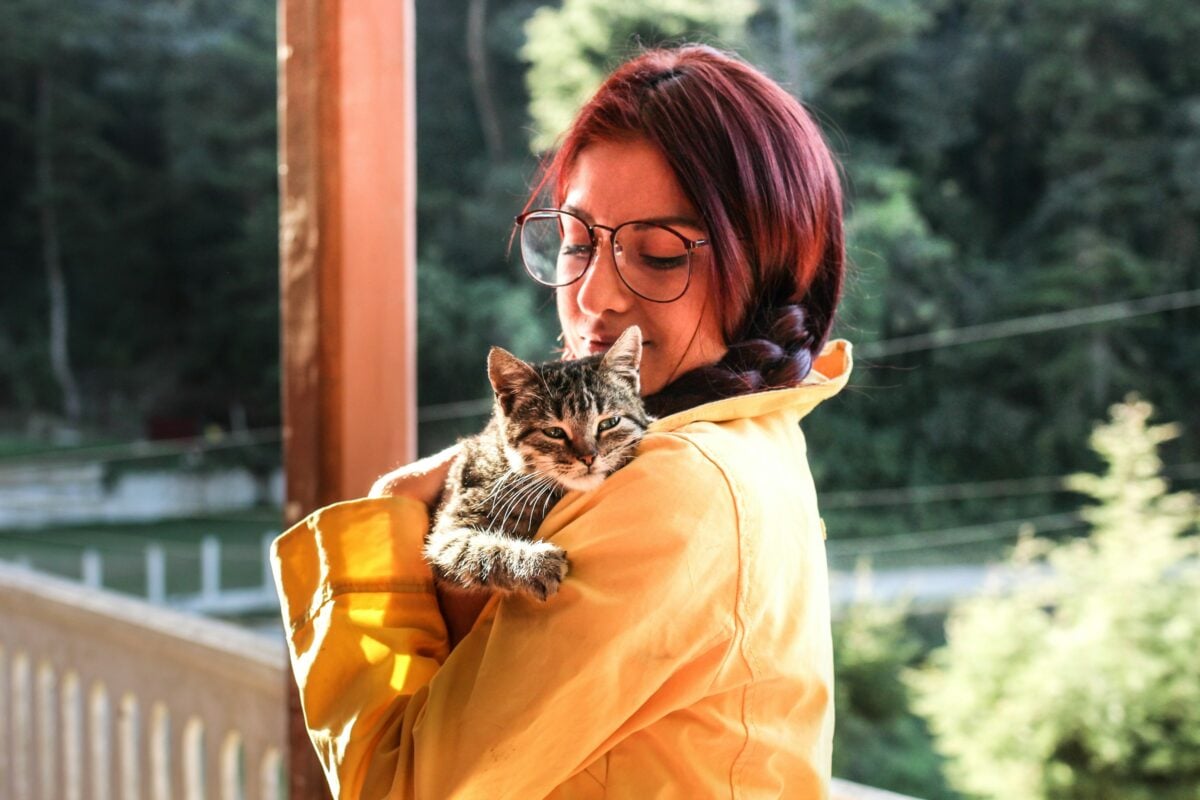
Every cat has their own communication style. Some are nearly silent; others sound like they’re narrating their entire day. What matters for happiness is not how often they vocalize, but what the pattern looks like. Happy cats tend to have consistent, context-based sounds – light chirps when they see birds, a specific meow for dinner, a different sound when they want a door opened, and quiet contentment the rest of the time.
Chronic, intense, or frantic vocalizing can be a sign of pain, anxiety, or medical issues, especially if it appears suddenly. But if your cat’s “conversations” with you feel purposeful, playful, or routine, it usually means they’re secure enough to express themselves. Think of it like a friend who sends you normal texts versus someone sending panicked messages at two in the morning – you can feel the emotional difference in the tone.
8. They Explore Their Environment Confidently
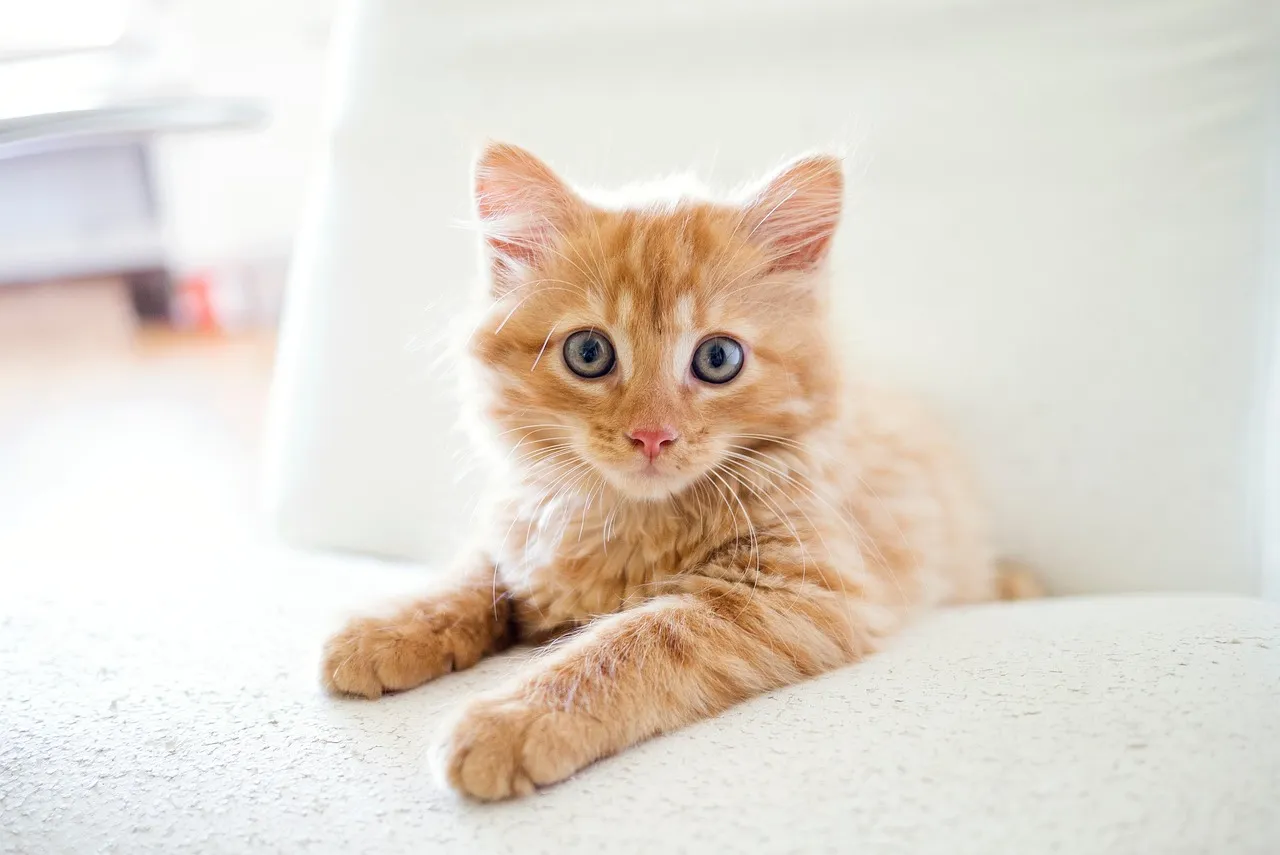
Curiosity, in cats, is a big green flag. A happy cat will investigate new boxes, sniff visitors (even if from a safe distance), hop up to new perches, and generally patrol their territory without seeming constantly on edge. You might see them check the windows, stroll through rooms, or test out new furniture like a tiny, four-legged inspector general.
An unhappy or anxious cat often becomes overly cautious, restricted to one or two “safe zones,” or freezes at unfamiliar sounds and changes. If your cat seems to treat your home like a personal playground – climbing, exploring, and occasionally getting into minor trouble – that’s actually a positive sign. Confident exploration means their internal stress levels are low enough for curiosity to win.
9. They Tolerate (or Even Enjoy) Gentle Handling and Routine Care
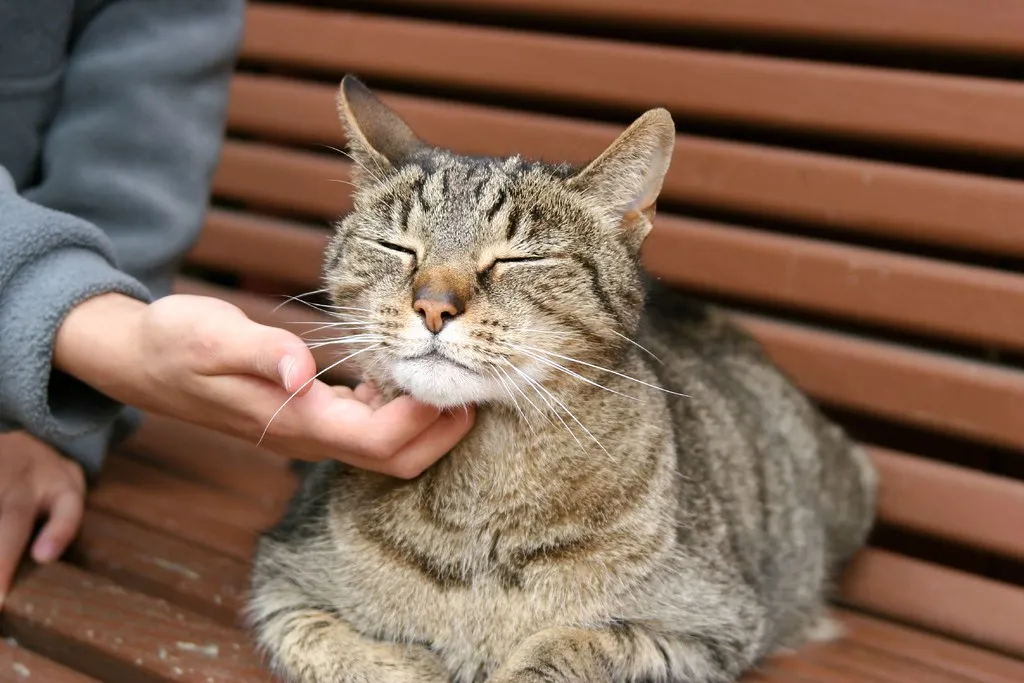
No cat is thrilled about nail trims or vet visits, but a generally happy cat can usually tolerate basic handling without total meltdown. They might complain, squirm, or give you offended looks, but they recover quickly and do not stay angry or frightened for hours afterward. If your cat lets you touch their paws briefly, check their ears, or brush their coat – especially if they come back to you after a minor annoyance – that shows deep trust.
Cats in a good emotional state are often more resilient to short-term stress. They may still dislike specific things, but they bounce back. They will return to eating, grooming, and seeking contact instead of hiding for the rest of the day. It’s similar to a kid who briefly cries during a vaccination, then happily goes back to playing – temporary discomfort does not override their underlying sense of security.
10. They Show You “Soft Vulnerability” Without Constant Guarding
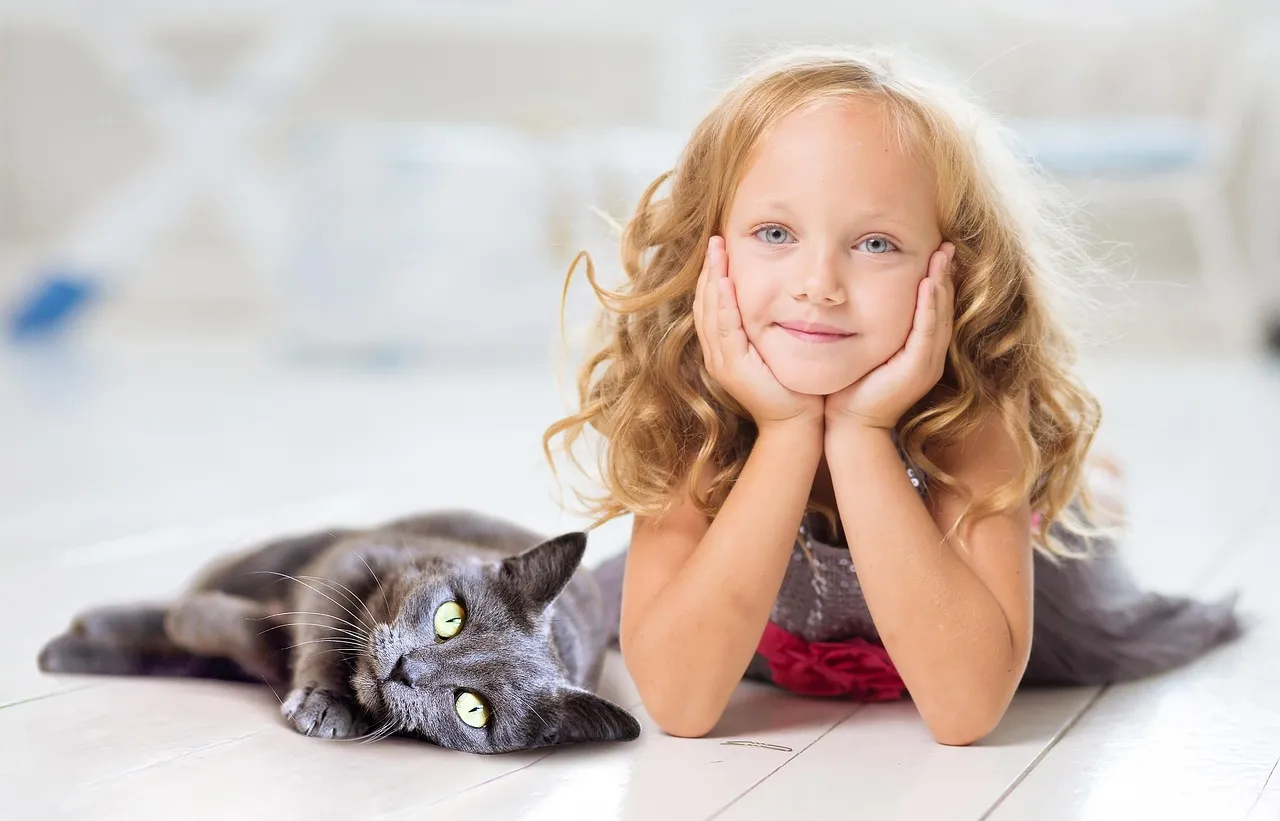
Maybe the clearest sign your cat is happier than most is a general vibe of softness. They might sleep with their back to you, leaving themselves exposed. They may roll onto their side when you approach, stretch out their neck for chin rubs, or turn their face toward you with half-closed eyes. These are all small but powerful surrender gestures that say: I’m not on guard with you.
When I think of the happiest cats I’ve met, they all had this gentle looseness about them, like they were walking around in their favorite worn-in hoodie instead of full armor. If your cat moves through your home and around you without bracing, flinching, or constantly monitoring, that relaxed vulnerability is a strong emotional green light. It means, on a deep level, they trust their world – and you – to be kind.
Conclusion: Happiness Is in the Tiny Details
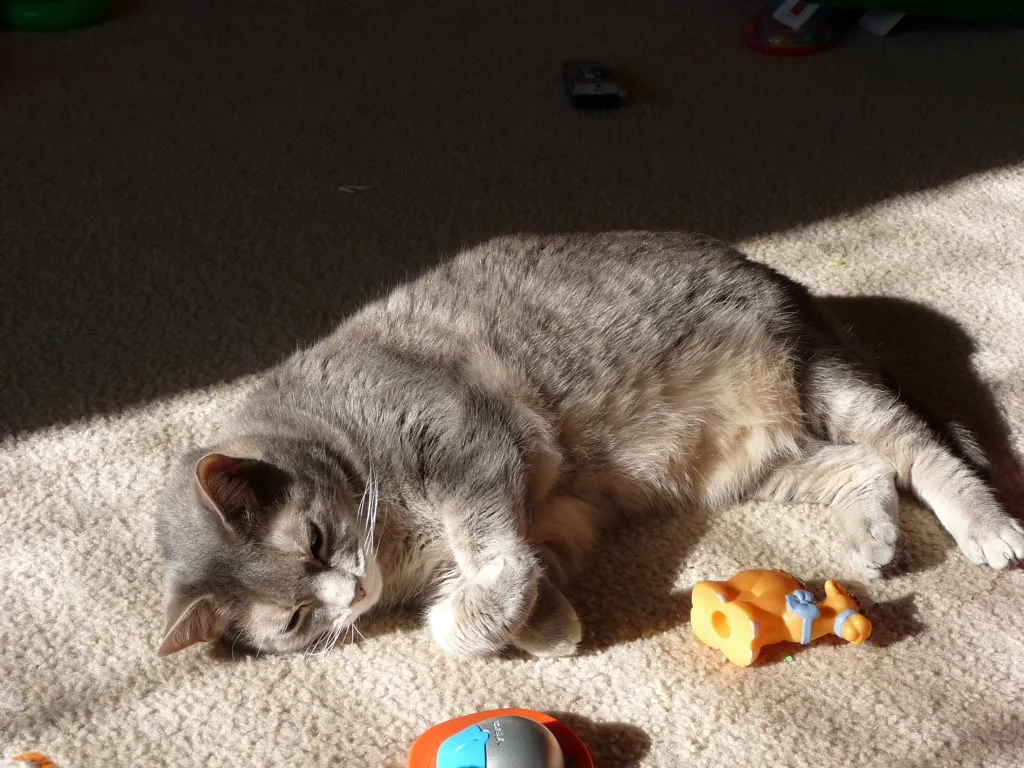
Feline happiness is rarely loud or dramatic. It hides in routines, in the way your cat blinks at you from across the room, in where they choose to sleep, and how they react to ordinary changes. If you recognize most of these signs in your own cat, there’s a good chance they’re not just surviving, but quietly thriving under your care, even if they still act aloof sometimes.
In my opinion, the real measure of a happy cat is not endless cuddles or Instagram-perfect moments; it is calm confidence, steady routines, and a relationship where your cat feels they can say no and still be safe. If that sounds like your home, you’re already doing more right than you probably give yourself credit for. When you look at your cat tonight, stretching in that ridiculous position they love, you might ask yourself: did you ever imagine that earning the trust of a small predator would feel this good?

- 10 Signs Your Cat Is Happier Than Most Cats - August 10, 2026
- 15 Ways Dogs Turn Downsizing Into a Joyful Transition - August 10, 2026
- 18 Astonishing Facts About Human Evolution That Rewrite Our Origins - August 10, 2026